Welcome to our websites!


Bed Trolley Hospital: Enhancing Patient Mobility and Healthcare Efficiency Worldwide
Bed Trolley Hospital: A Quiet Backbone in Healthcare Logistics
If you pause for a second and think about all the equipment bustling through hospitals every day, you might realize bed trolleys aren’t exactly the flashy stars of the show. Yet, they’re fundamental — silently supporting patient care, safety, and hospital flows worldwide. The term bed trolley hospital might sound mundane, but understanding this little device’s role quickly reveals why it matters profoundly in healthcare logistics.
Worldwide, the healthcare sector relies heavily on efficient patient transport and equipment handling. According to the World Health Organization (WHO), there are over 10 million hospital beds in use worldwide, fluctuating daily based on patient care needs. Nearly all of those beds interact with some variety of bed trolley, which streamlines movement, maximizes staff efficiency, and ensures dignity and comfort for patients. So yes, an insightful look into bed trolleys is surprisingly relevant—not just for hospital administrators, but engineers, procurement specialists, and even humanitarian workers.
The Global Context: Why Bed Trolleys Matter More Than They Seem
Globally, hospital infrastructures face tremendous pressure from rising populations, aging demographics, and, let’s face it, unforeseen crises like pandemics or natural disasters. The UN’s 2022 health infrastructure data underscores that many developing regions still struggle with practical hospital logistics—meaning patient transfers and mobility can be problematic without robust logistic aids.
Bed trolleys plug a surprisingly critical gap here. They help bridge workflow bottlenecks and reduce injury risk for healthcare workers (who might otherwise risk back strain or worse during patient movement). The challenge? Finding bed trolleys that combine durability, maneuverability, and flexible design without breaking the procurement budget. But as with many things in healthcare, it’s a balancing act between function, cost, and longevity.
What Exactly Is a Bed Trolley Hospital Unit?
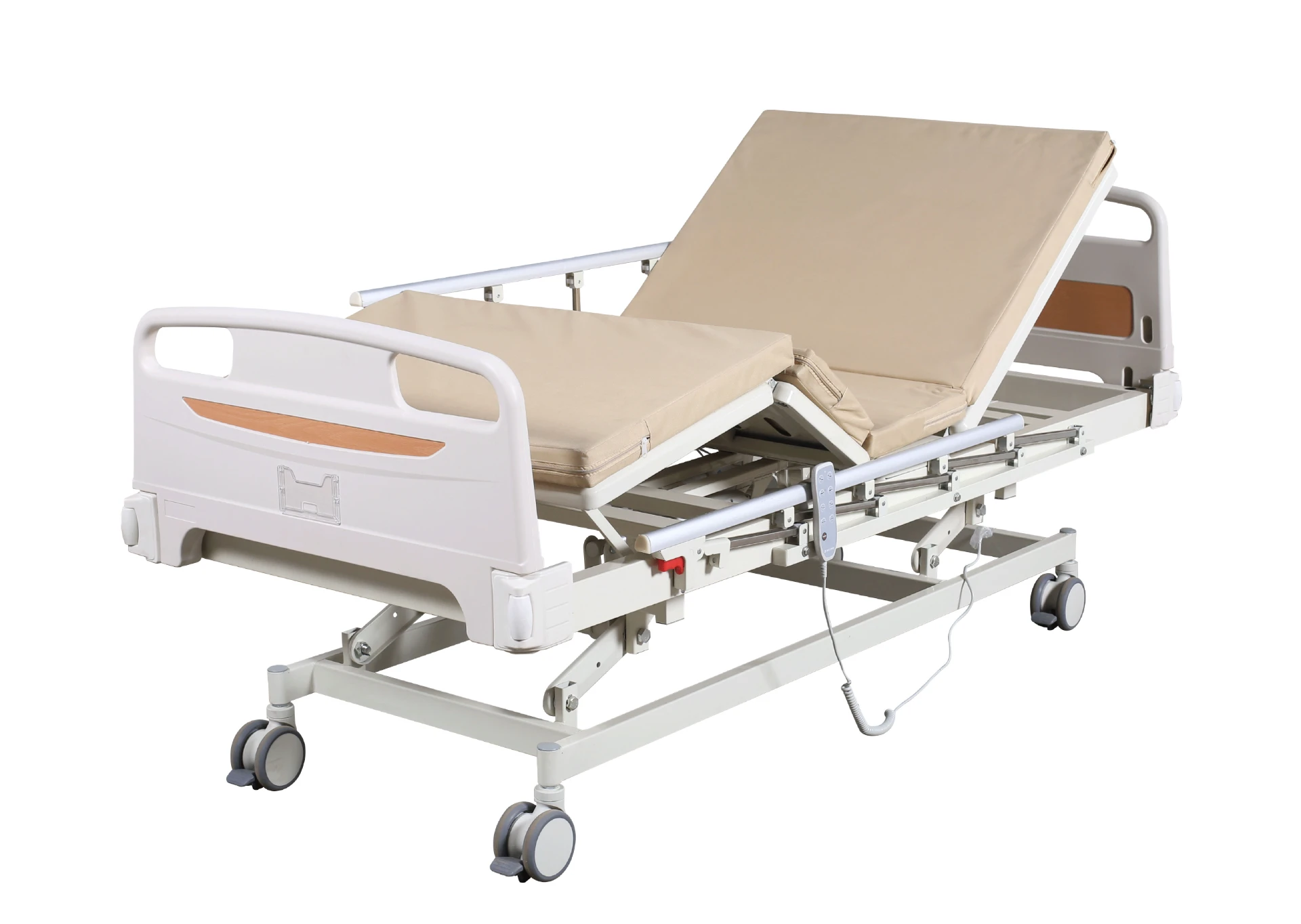
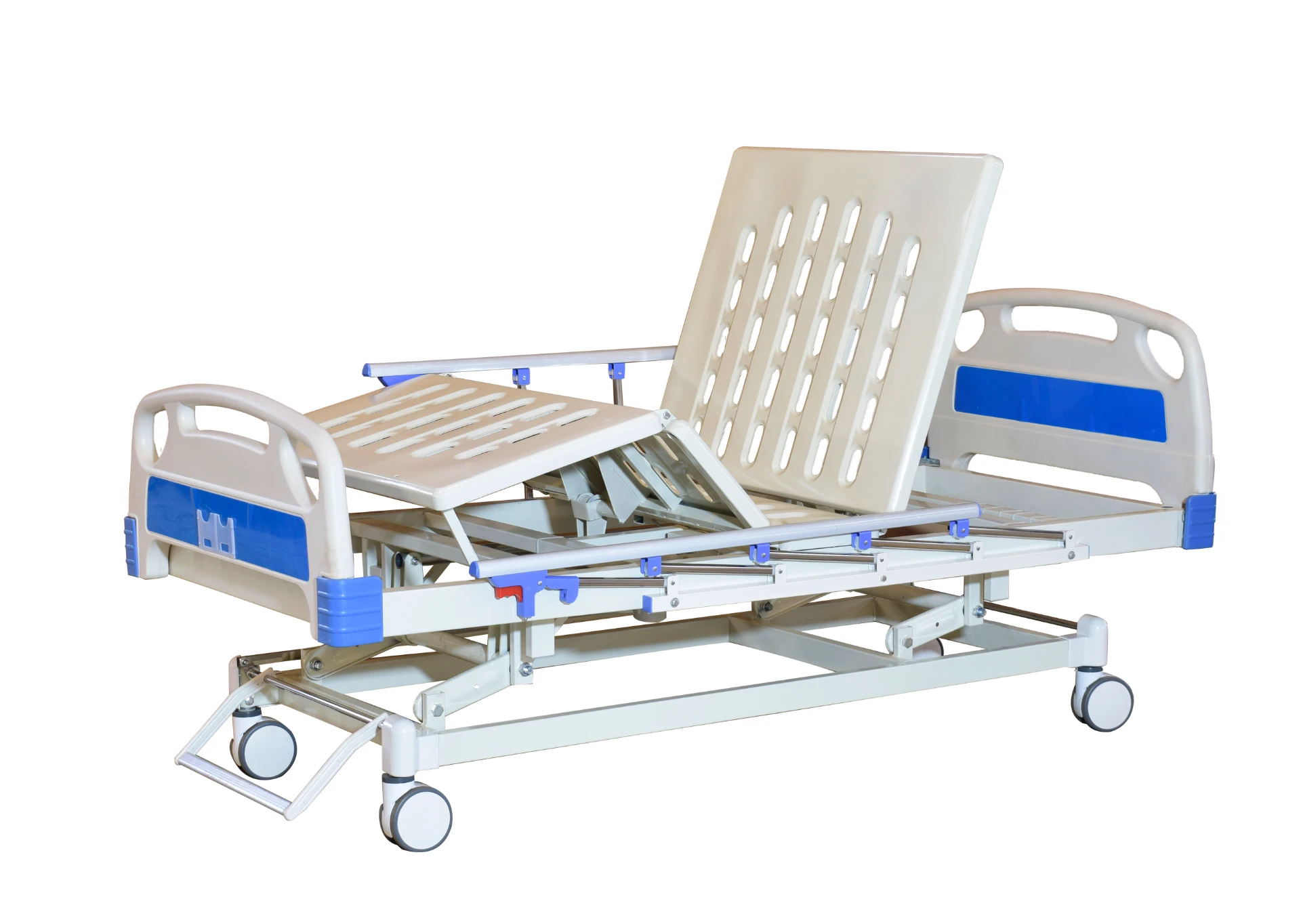
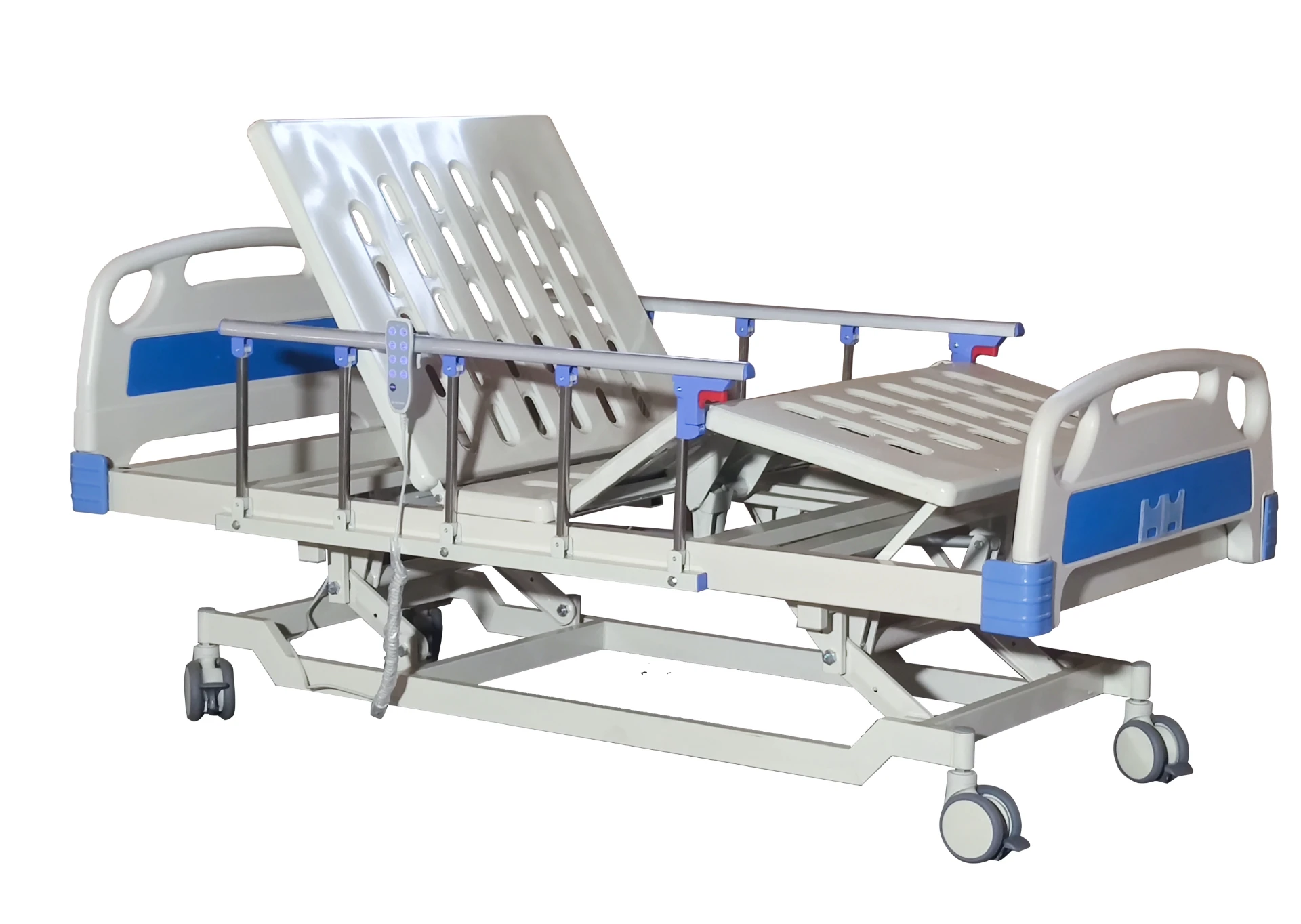
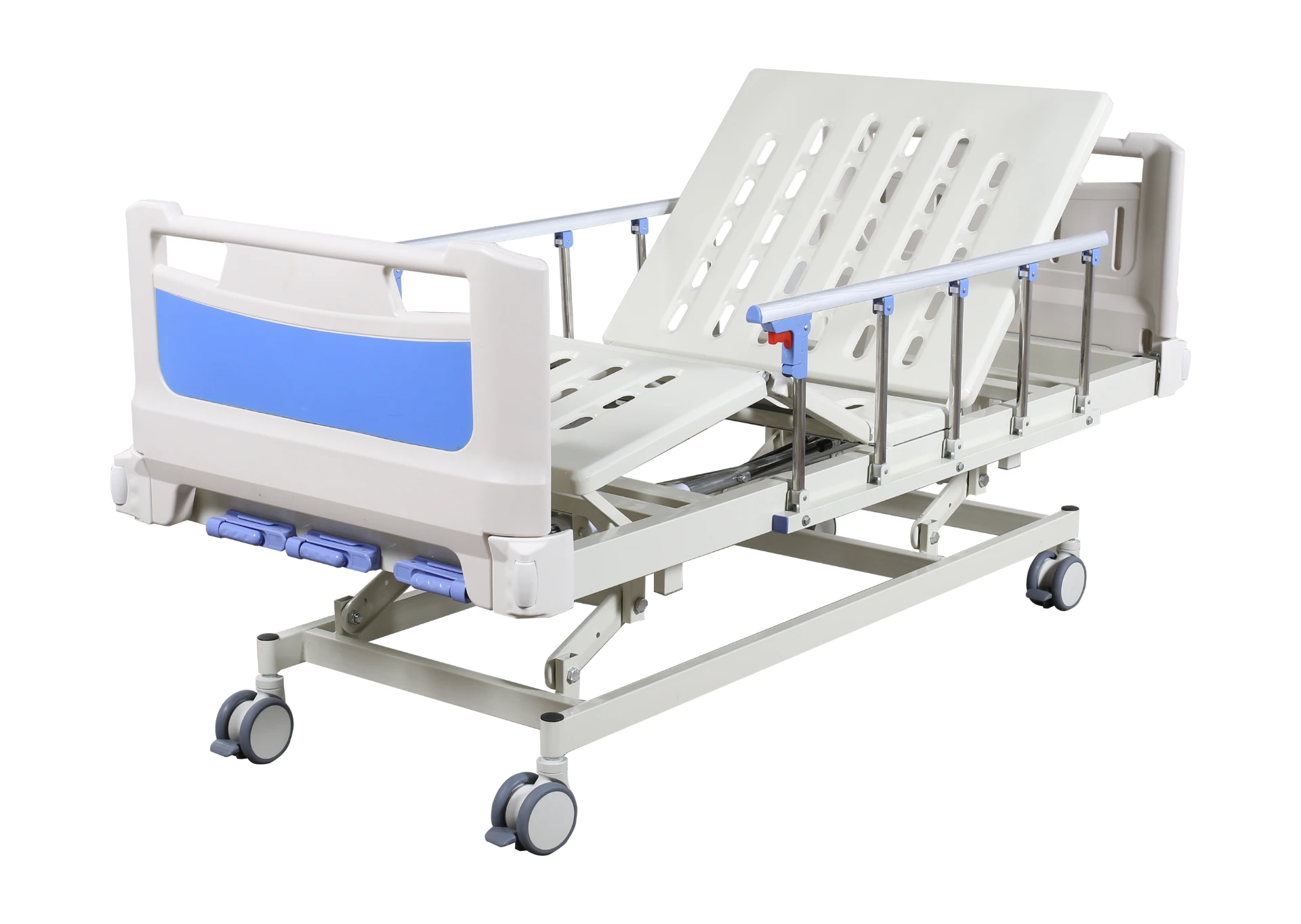
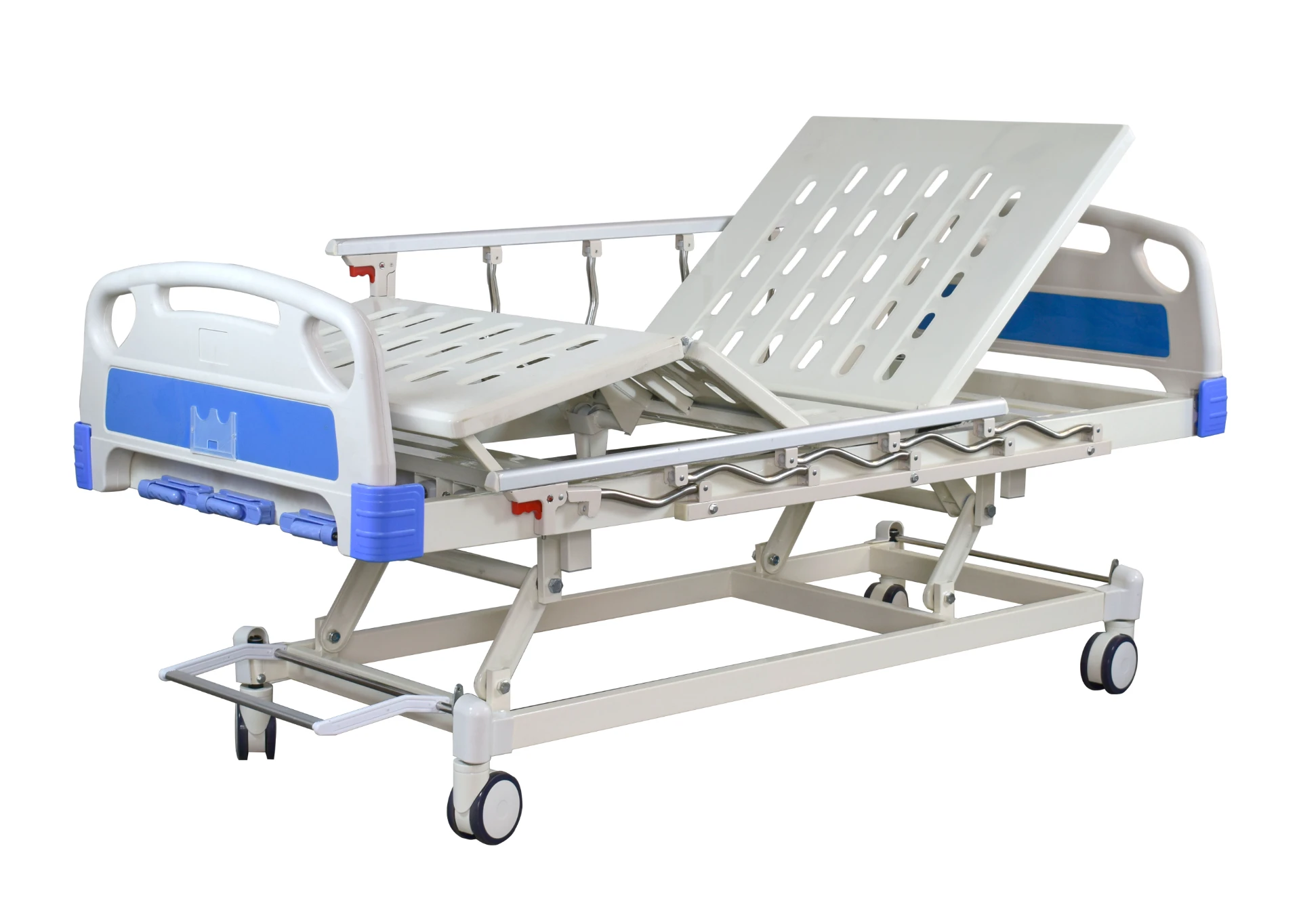
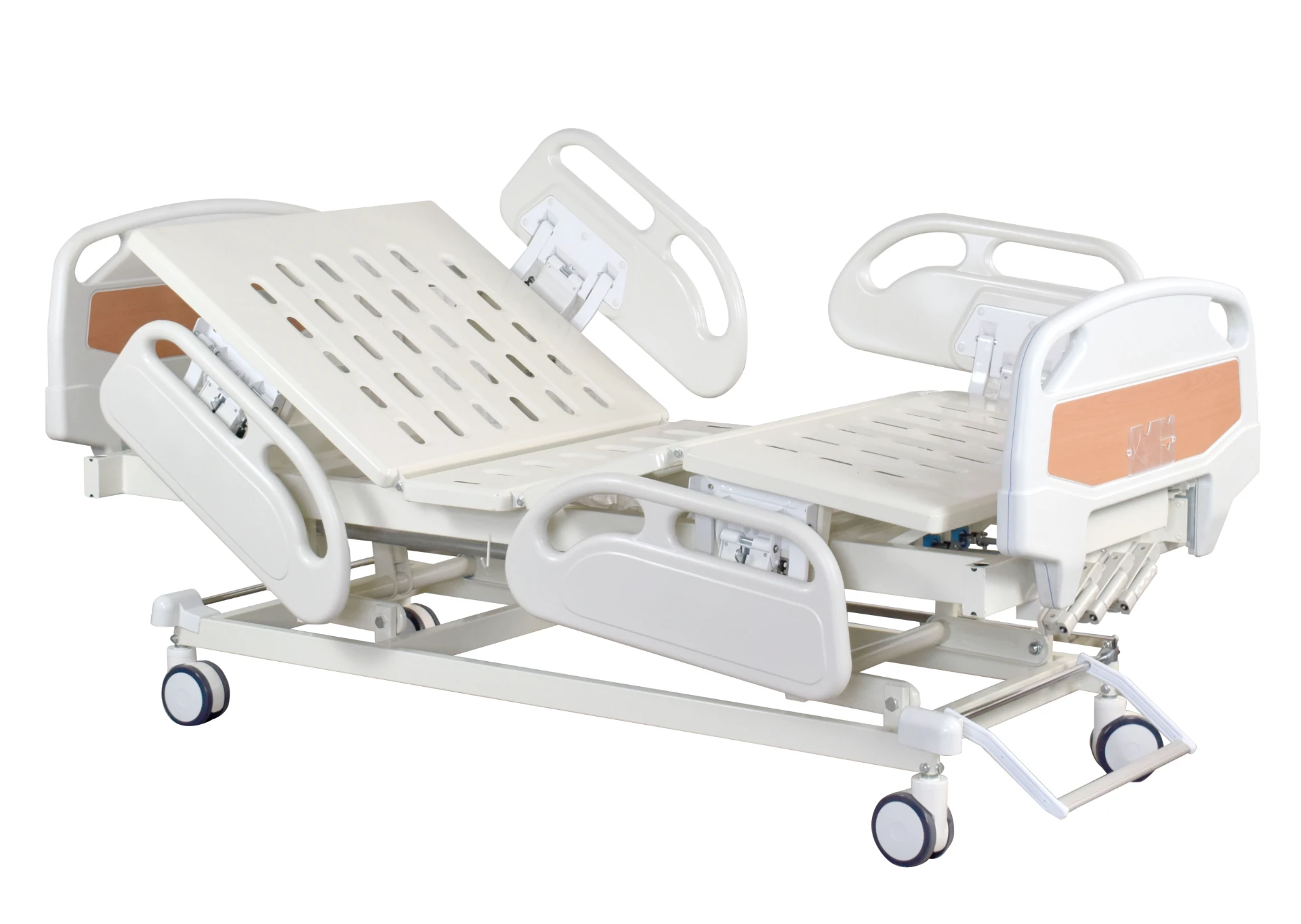
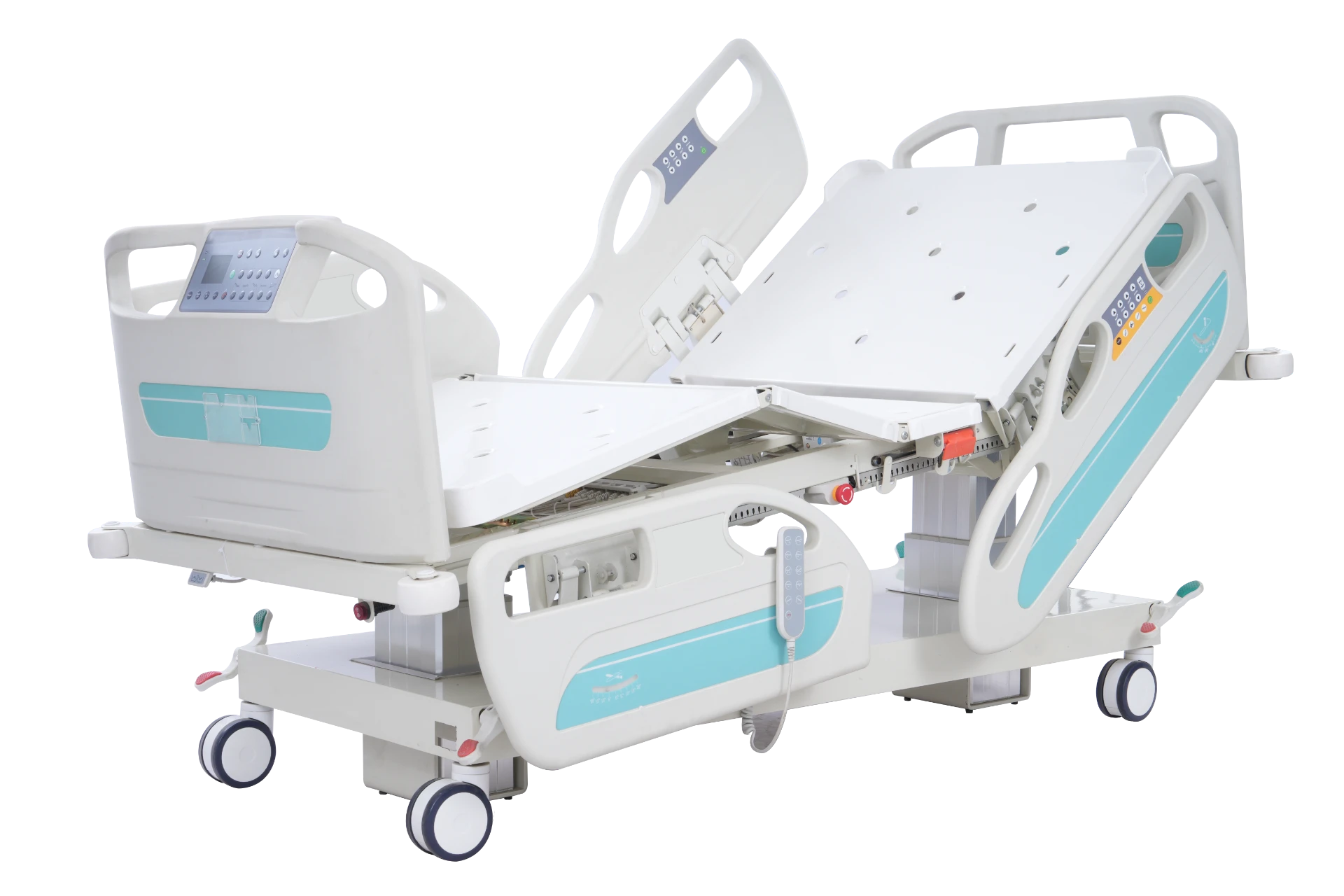
Simply put, a bed trolley hospital is a wheeled platform designed to carry hospital beds or patients. Picture a low-profile cart or frame with smooth castors—built not just to handle load but to ease the movement through narrow corridors, busy wards, or emergency zones. They vary in size, material, and design but share the common goal of improving logistics and patient experience within medical facilities.
In modern healthcare, these units are connected deeply with patient safety protocols and ergonomic standards. In humanitarian crises, mobile hospitals deploy them as integral assets for quick patient transfers or rapid setup of care zones. Oddly enough, although the concept is simple, the impact of well-designed bed trolleys is widespread—from the ICU in New York City to rural clinics in Southeast Asia.
Core Components and Key Factors of Bed Trolleys
1. Durability
Many engineers I’ve talked to stress that hospital-grade bed trolleys must withstand continuous heavy loads and harsh cleaning chemicals. Stainless steel frames, powder-coated aluminum, and reinforced plastics are common materials chosen for longevity and hygiene.
2. Maneuverability
Large, swivel castors with good suspension make all the difference. Nurses and orderlies often maneuver trolleys through tight spaces or clogged hallways, so smooth, quiet movement is an everyday must.
3. Weight Capacity
Beds plus patients can easily exceed 200 kg (roughly 440 lbs) — so trolleys must have safety margins well above that. Load testing to ISO standards ensures no surprises mid-shift.
4. Hygiene-Friendly Surfaces
Antimicrobial coatings and seamless constructions help reduce infection vectors. Some suppliers now offer UV-resistant, easy-to-sanitize plastic parts, aligning well with current hospital cleanliness protocols.
5. Adaptability
Trolleys that allow height adjustment or modular accessories add value. Hospitals can quickly repurpose them depending on ward specialization — maternity, emergency, ICU, or surgical units.
6. Cost Efficiency
Balancing upfront investment versus lifespan maintenance costs means some hospitals prefer simplified versions for low-traffic areas, while others opt for premium specs in critical zones.
Putting Bed Trolley Hospitals to Work Globally
Where are bed trolleys really making a difference? Well, the answer is practically everywhere hospitals exist, but their impact emerges differently according to local needs.
- Urban Hospitals in Developed Countries: High patient throughput demands trolleys with smooth rides and precise controls. Tech integration like embedded tracking chips is emerging here.
- Rural Clinics in Developing Nations: Robust, easy-to-maintain trolleys that can survive bumpy roads and minimal maintenance are gold standards.
- Disaster Relief Zones: Rapid-deployment field hospitals lean on portable, collapsible trolley designs to hasten setup and patient turnover during emergencies.
- Military Hospitals: Specialized trolleys with shock absorption systems help in rugged environments.
For example, after the 2015 Nepal earthquake, mobile field hospitals equipped with sturdy hospital bed trolleys proved indispensable in carrying injured patients across chaotic terrain—a real testament to the subtle value of this equipment.
Mini Takeaway
Essentially, no hospital — however sophisticated or rustic — can do without reliable bed trolley systems. They might be overlooked, but they’re fundamental cogs in saving lives and reducing staff fatigue.
Advantages and Long-Term Value of Hospital Bed Trolleys
Aside from the obvious, there’s an emotional side to consider. Patients feel safer and less jolted when moved smoothly; staff grow less fatigued and more confident using ergonomically sound trolleys. Here’s a quick rundown of benefits:
- Cost-effective Maintenance: Well-chosen trolleys often last 7–10 years under stringent conditions.
- Sustainability: Stainless steel frames are recyclable; modern trolleys increasingly use eco-friendly coatings.
- Patient Dignity and Safety: Reduces awkward manual handling and injury risks.
- Operational Efficiency: Smooth flows allow more timely patient care and flexible ward use.
- Innovation Trust: Many hospitals now demand smart features like locking brakes with sensors to prevent accidents.
Product Specification Table
| Feature | Specification | Notes |
|---|---|---|
| Frame Material | Stainless Steel 304 | Corrosion resistant, easy to clean |
| Load Capacity | Up to 300 kg (660 lbs) | Includes patient + bed weight |
| Caster Type | 360° Swivel, Rubber Coated | Non-marking, noise-free |
| Dimensions (L×W×H) | 2000 × 850 × 150 mm | Fits standard hospital beds |
| Brake System | 4-Point Lockable Brakes | Ensures stable parking |
| Sanitation Coating | Antimicrobial Powder Coat | Reduces risk of infection |
Vendor Comparison: Which Manufacturer Fits Your Hospital Needs?
| Vendor | Price Range (USD) | Warranty | Key Features | Best For |
|---|---|---|---|---|
| MedTrolly Inc. | $450 - $650 | 3 years | Heavy-duty frames, silicon wheels | High-traffic urban hospitals |
| Healro Trolleys | $280 - $400 | 2 years | Lightweight, easy sanitize surfaces | Rural clinics, field hospitals |
| SafeMove | $500 - $750 | 5 years | Integrated locking system, trackable | Tech-savvy hospitals, large complexes |
Emerging Trends and Innovations in Bed Trolley Design
It's funny how something as 'simple' as a hospital bed trolley keeps evolving as new tech seeps into healthcare. We've begun seeing trolleys with embedded IoT sensors that track location and lock status, which is increasingly critical in sprawling hospital campuses. Then there’s a move towards composite alloy materials that remain strong but weigh less—an absolute boon to staff who push these trolleys for 8+ hours daily.
Green policies push manufacturers to incorporate recyclable materials and water-based antimicrobial coatings. The rise of modular hospital rooms (think pop-up wards) means trolleys have to be versatile and rapidly deployable. I recall a healthcare logistics engineer mentioning a trial they did with solar-powered lighting on bed trolleys during night shifts in rural clinics—a small touch but meaningful.
Tackling Challenges: How to Address Common Bed Trolley Issues
Despite all the forward momentum, bed trolley design isn’t without problems. Poor-quality wheels can wear quickly, brakes fail, or rust can develop if cleaning practices aren’t up to snuff. Many hospitals balk at the upfront cost of premium trolleys, which sometimes leads to subpar purchases that ironically cost more in repairs or replacements.
One approach I admire is lifecycle buying—factoring in maintenance, repairs, downtime, and staff training upfront. Another is partnering with vendors that offer comprehensive after-sales support and custom solutions, like tailored trolley sizes or color-coded units for different wards.
Frequently Asked Questions About Bed Trolley Hospital
Q1: What safety features should I look for in a hospital bed trolley?
A: Prioritize trolleys with robust locking brakes on all wheels, smooth castors that glide easily but don’t slip, and frames that support at least 300 kg to ensure patient and staff safety. Antimicrobial surfaces and easy-clean designs also help reduce infection risks.
Q2: Can hospital bed trolleys be customized for specific clinical departments?
A: Absolutely. Many manufacturers offer modular options such as adjustable platforms, accessory mounts, and height variations to fit departments like ICU, maternity, or surgical wards. Custom colors and labels also help hospital logistics.
Q3: How do I maintain a bed trolley to ensure longevity?
A: Regularly inspect castors for wear, clean frames with approved sanitizers, lubricate moving parts, and check brakes monthly. Avoid overloading beyond specified weight limits and train staff on proper handling.
Q4: Are bed trolleys compatible with electric hospital beds?
A: Most bed trolleys are designed to accommodate the standard bed frames, including electric models. Ensure dimensions match the bed width/length and the trolley structure does not obstruct bed functions or cables.
In Conclusion: Why Your Hospital Should Invest in Quality Bed Trolleys
In the grand scheme of healthcare logistics, bed trolley hospital units might seem like humble workhorses. But that’s precisely the point. They’re utterly indispensable for smooth patient management, safer staff workflows, and ultimately, better care delivery. Whether in cutting-edge urban medical centers or resource-limited humanitarian settings, the right bed trolley complements the overall mission to treat with dignity and efficiency.
Looking forward, embracing smart, sustainable, and ergonomic designs can future-proof your hospital’s operations while supporting staff wellbeing. I encourage hospital buyers and medical professionals to visit bed trolley hospital solutions offered by leading suppliers — you may find your next vital piece of healthcare furniture is simpler than you thought but just as crucial.
Final Mini Takeaway
Quality bed trolleys are more than carts; they’re quiet champions of healthcare efficiency, safety, and comfort. Never underestimate their role.
References
-
Ultimate Guide to Choosing Extra Wide Waiting Room ChairsNewsApr.16,2026
-
Guide to Choosing Professional Waiting Room Chairs Wipeable SeatingNewsApr.09,2026
-
Enhance Your Space with Comfortable Wide Waiting Room ChairsNewsApr.07,2026
-
Selecting the Ideal Brown Waiting Room Chairs for a Welcoming SpaceNewsApr.04,2026
-
Choosing Comfortable Patient Waiting Room Chairs for Healthcare FacilitiesNewsMar.31,2026
-
Finding the Best Deals on Affordable and Cheap Reception Chairs for Your BusinessNewsMar.28,2026
-
Enhance Your Business Reception with Comfortable Blue Reception ChairsNewsMar.26,2026