Welcome to our websites!


Affordable Healthcare Solutions: Exploring Cheap Medical Beds for Global Impact
Understanding Cheap Medical Beds: Why They Matter Worldwide
When you think about medical beds, the first image might be something sleek and expensive, found in well-funded hospitals. But here's the reality: cheap medical beds are an unsung hero in global healthcare, humanitarian aid, and disaster response. These affordable alternatives help bridge critical gaps in care across the world, especially in developing regions or during emergencies. Understanding their design, practical use, and benefits is essential not just for healthcare providers but for anyone interested in global health equity.
Globally, there are roughly 1 billion people who struggle to access basic healthcare infrastructure, according to the World Health Organization (WHO). In many of those cases, simply having a safe, functional medical bed can mean the difference between dignified treatment and compromised care. The low cost makes these beds accessible, but their impact extends beyond price tags — they enhance patient safety, mobility, and caregiver efficiency.
Mini takeaway: Cheap medical beds do more than cut costs; they can save lives and uphold dignity worldwide.
Global Context: The Rising Need for Affordable Medical Bed Solutions
By 2030, the global population aged 60 and above is expected to more than double, increasing demand for long-term care facilities and medical equipment such as beds. Low- and middle-income countries face acute shortages—both financially and logistically. For instance, the UN Development Programme highlights that 75% of healthcare facilities in Sub-Saharan Africa are under-equipped.
This gap feeds a serious problem: high patient turnover in cramped facilities, lack of ergonomic assistance for nurses, and, frankly, inadequate rest for recovery. That's where affordable medical beds, something far less glamorous than high-tech hospital gadgets, become critical. They fill a niche between functionality and accessibility.
Mini takeaway: Cheap medical beds offer practical relief in resource-limited healthcare environments worldwide.
What Is a Cheap Medical Bed?
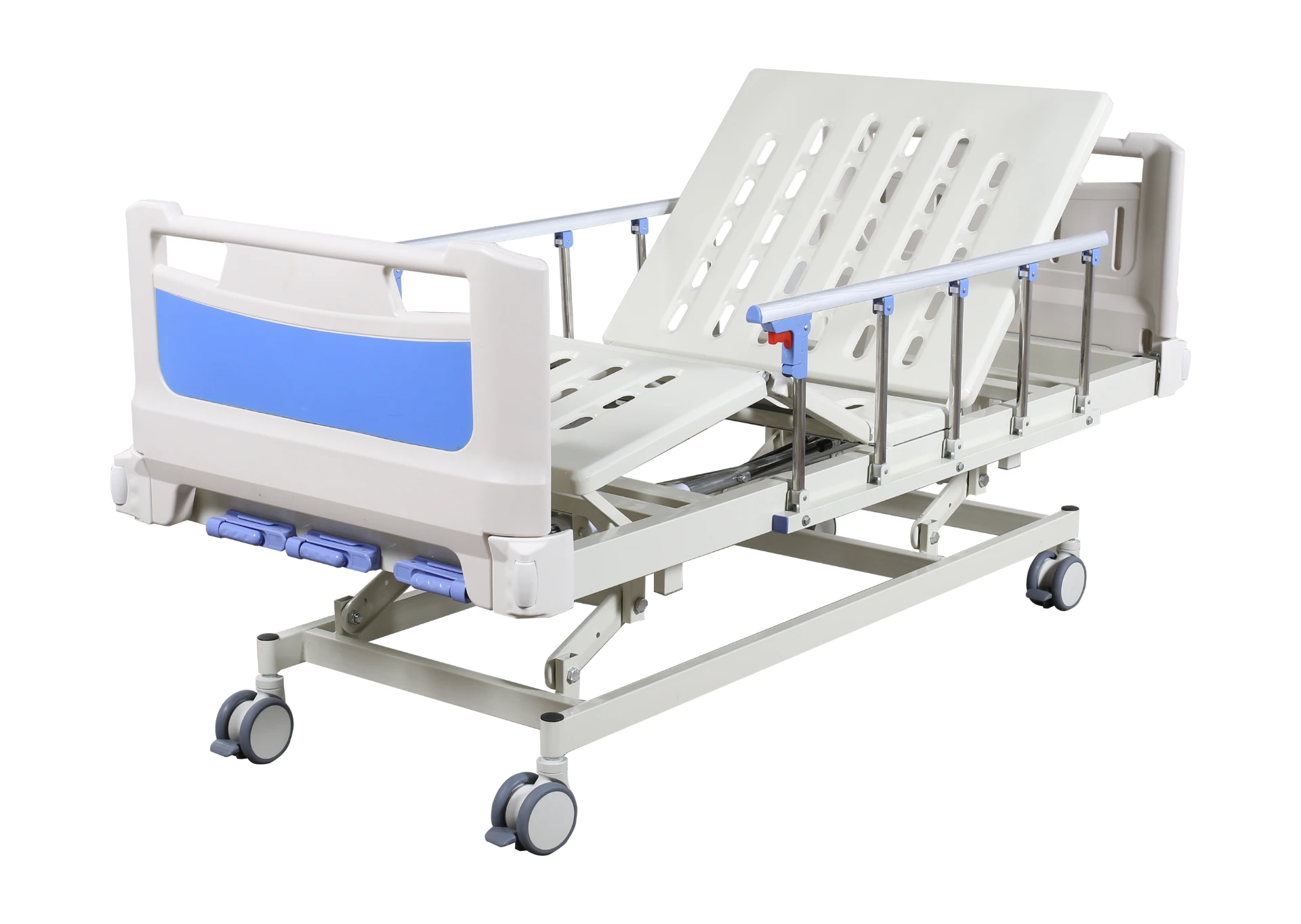
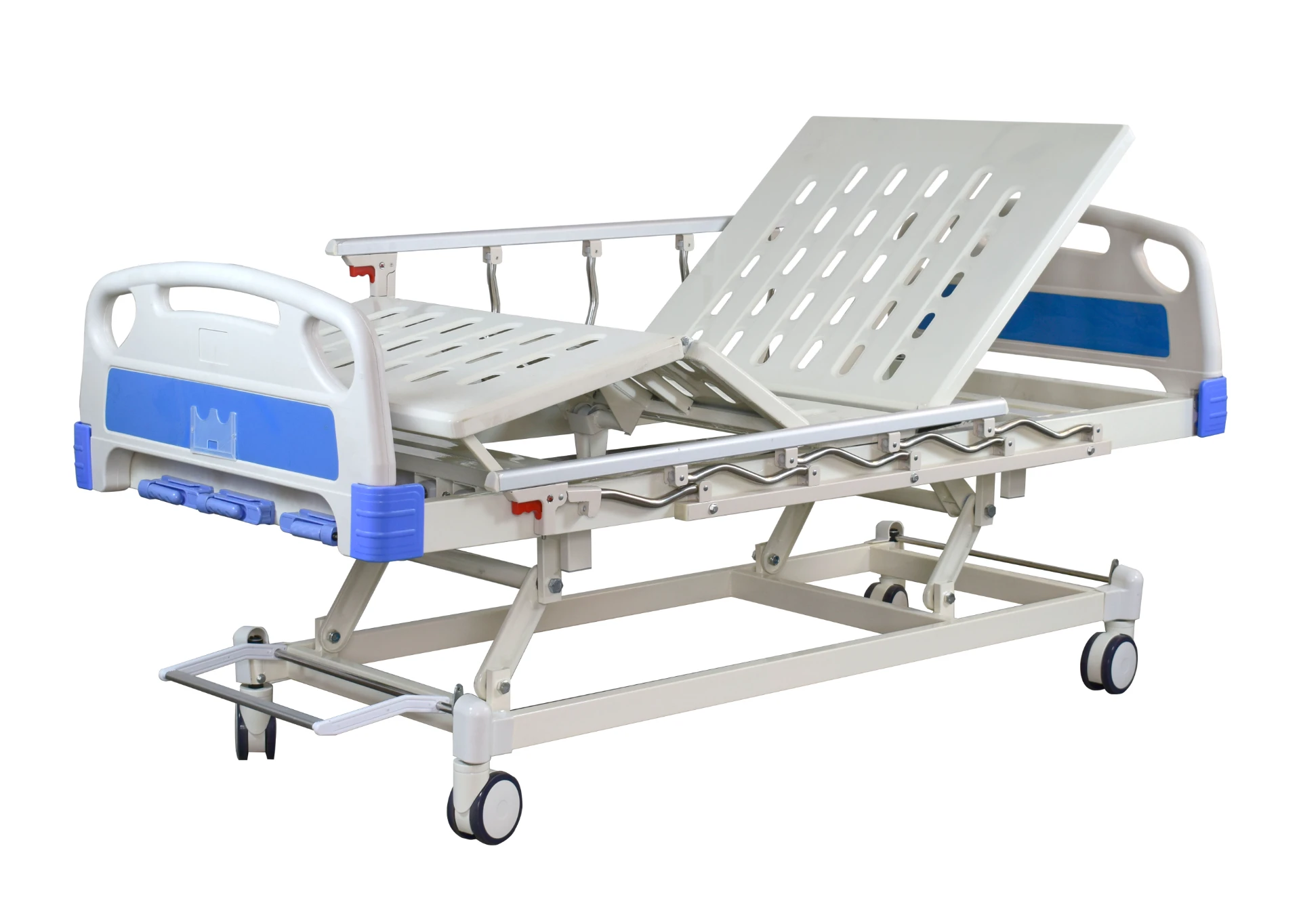
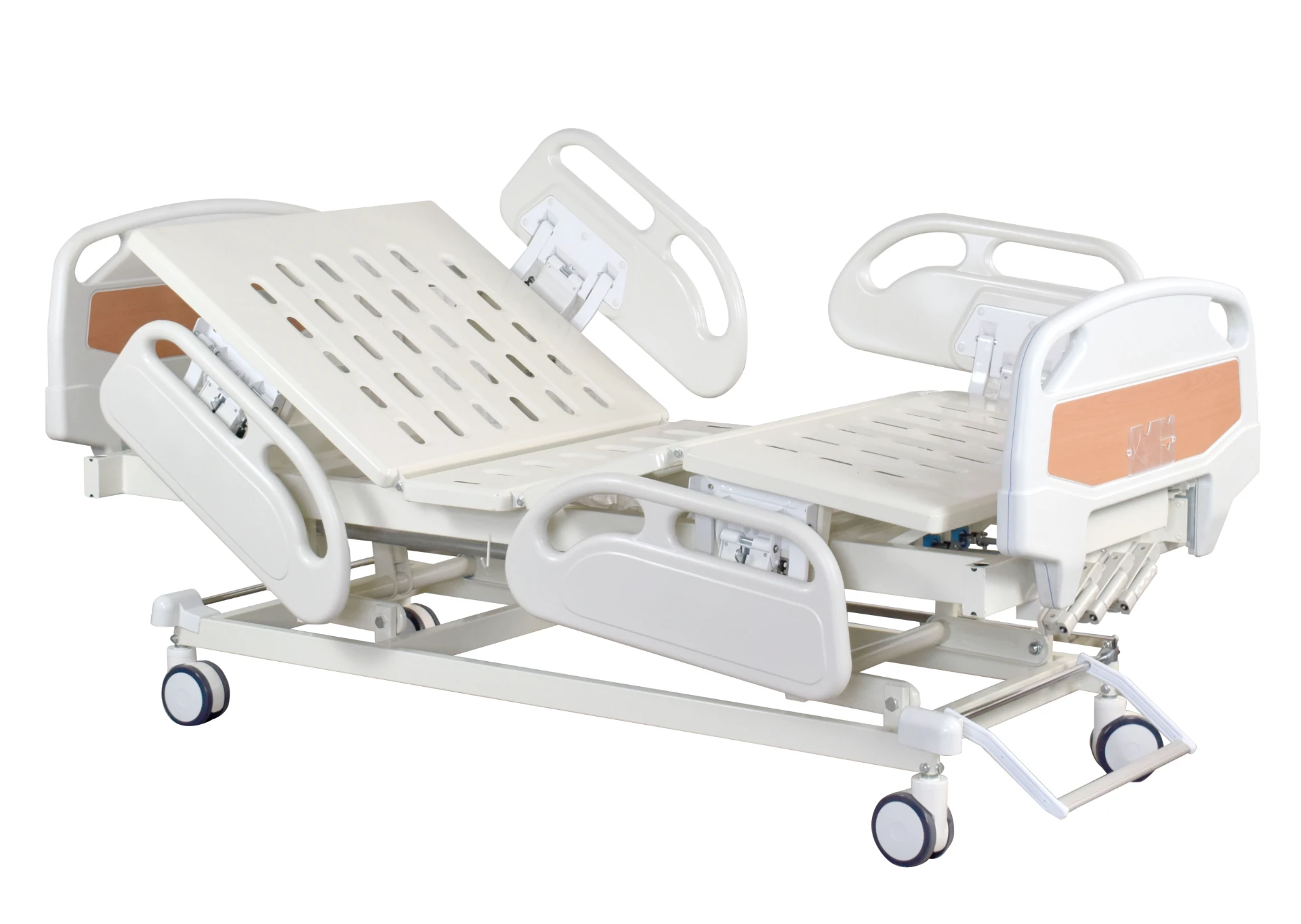
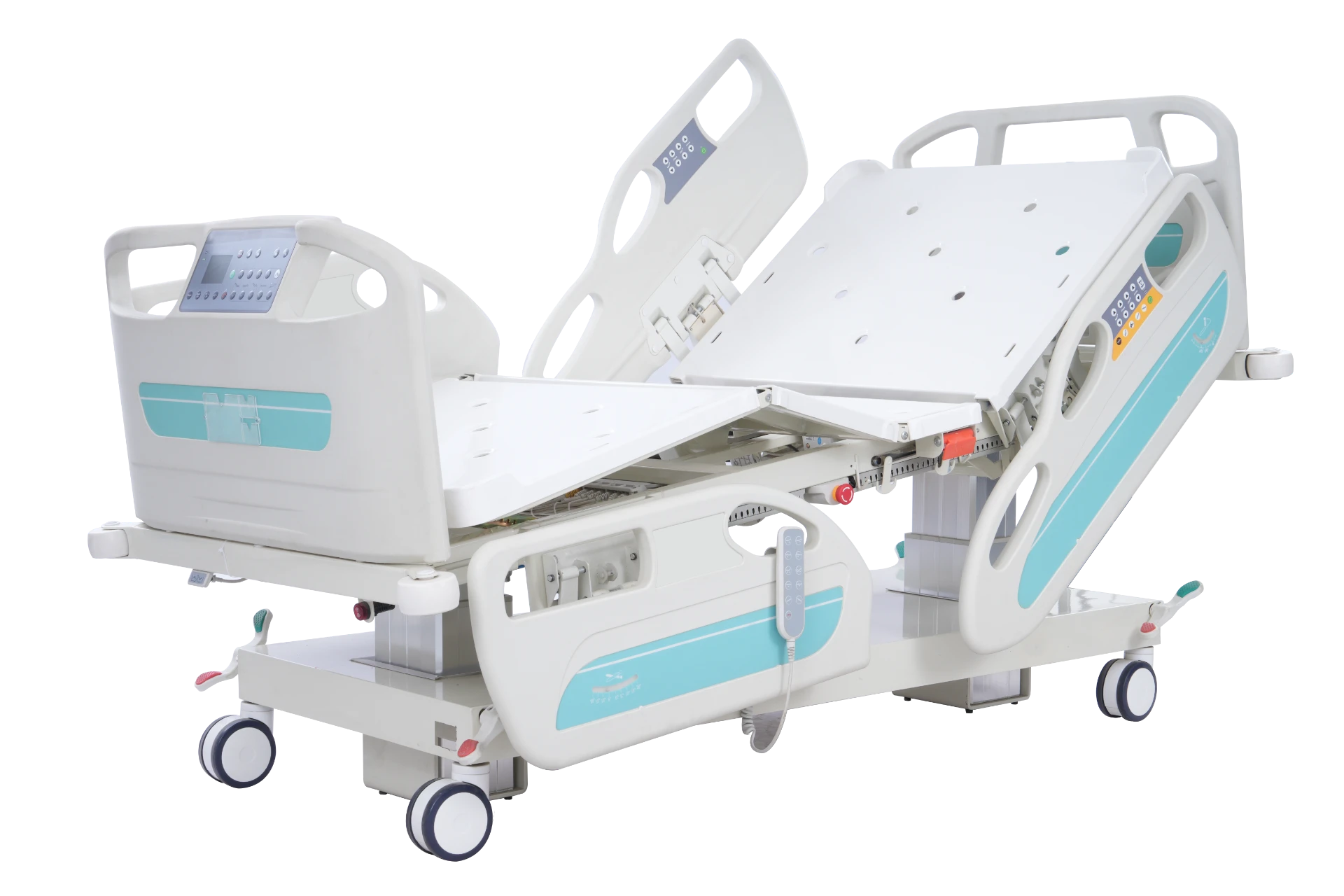
Simply put, a cheap medical bed is a patient bed designed for clinical or home care use but produced at lower cost without sacrificing fundamental safety and usability features.
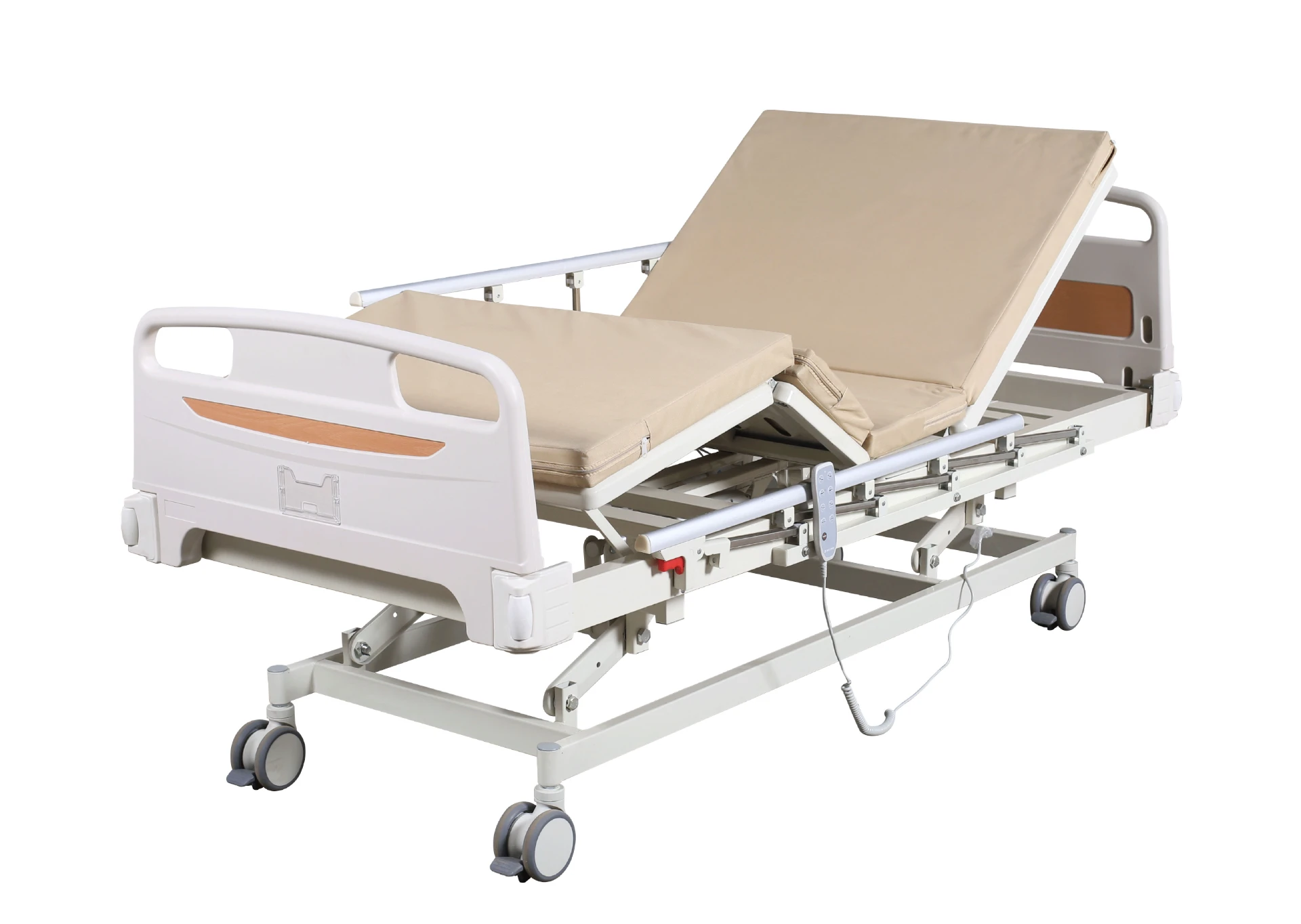
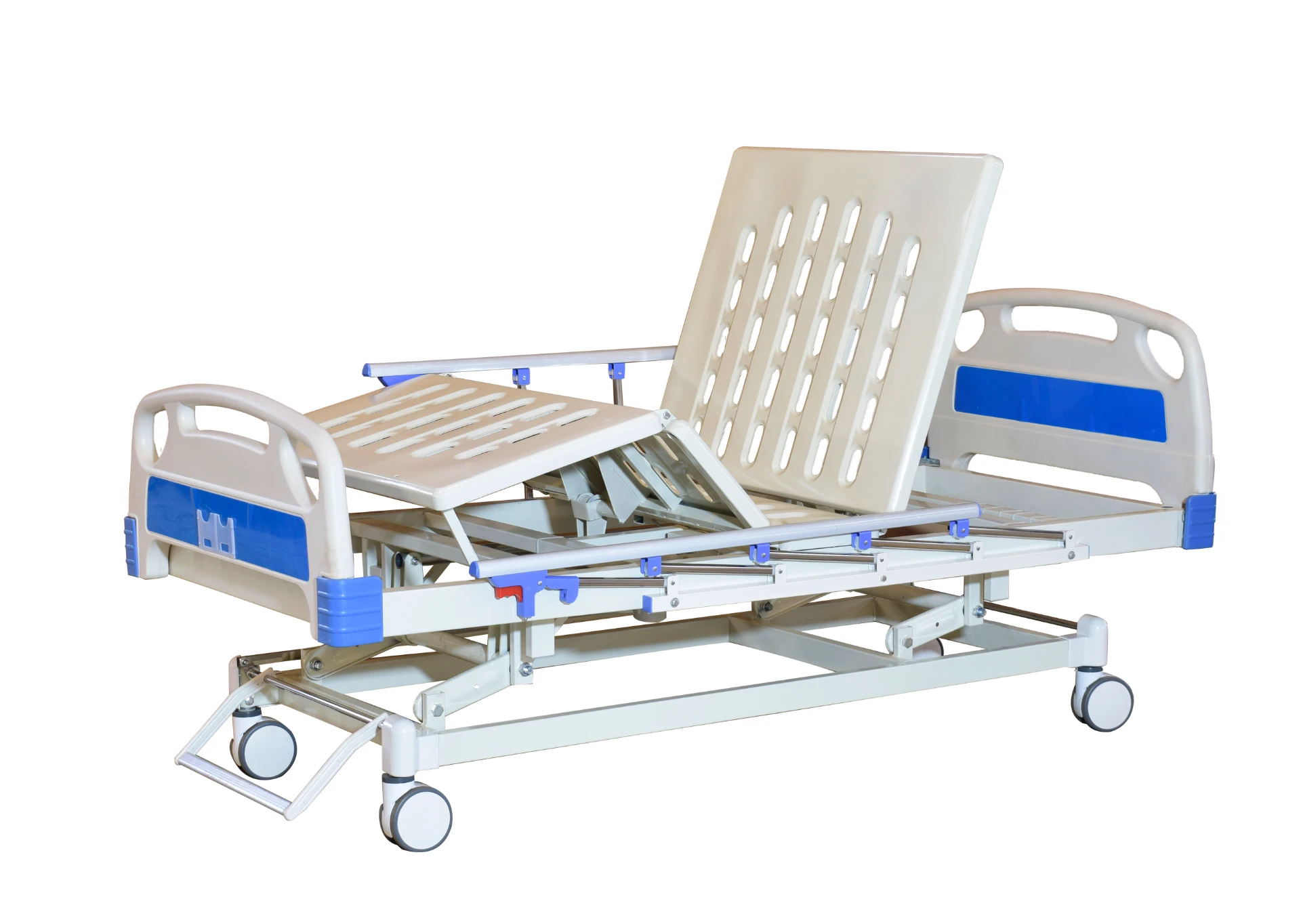
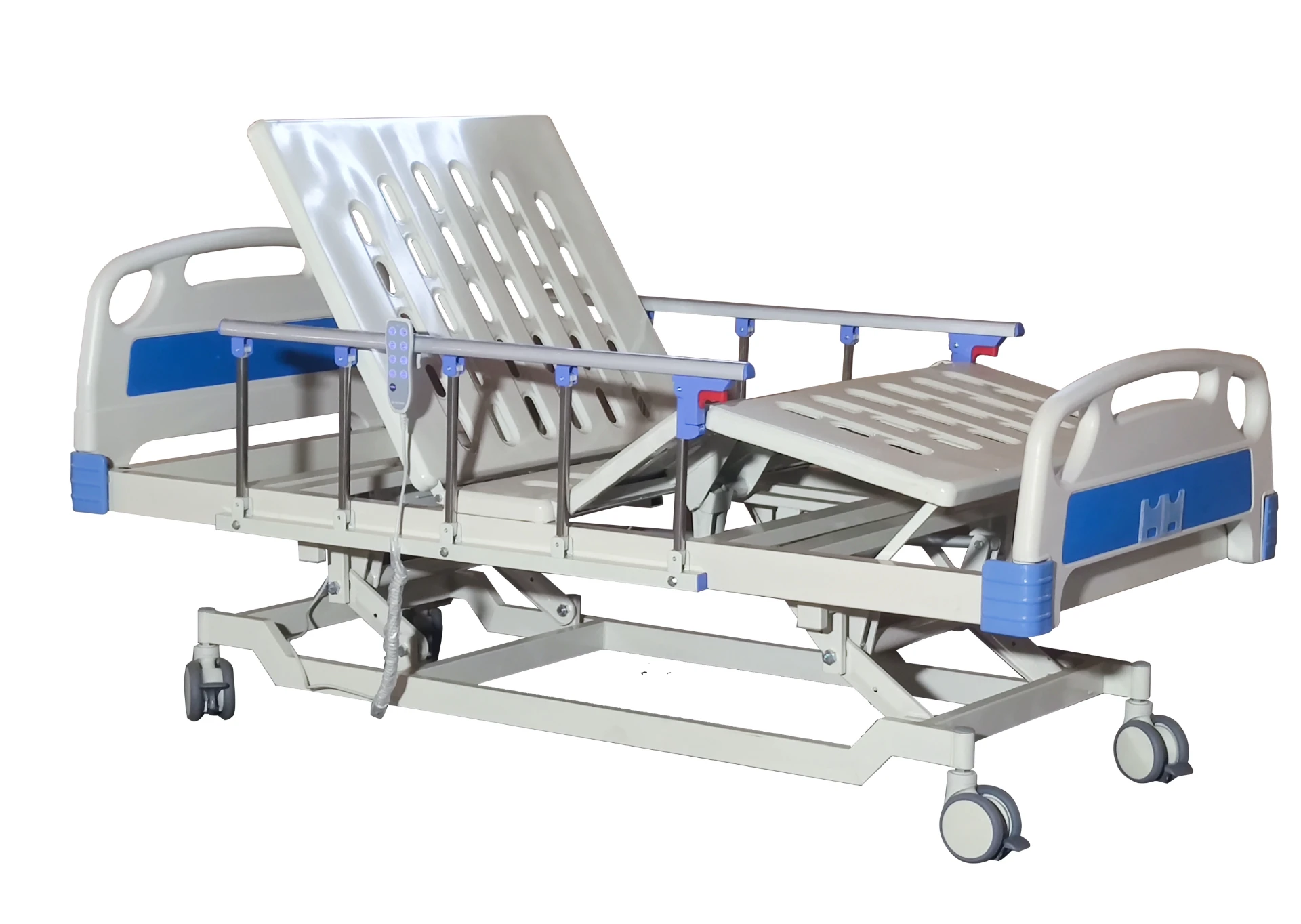
They're often made with simpler materials — steel or aluminum frames, manual or semi-automatic adjustments, and durable but economical surfaces. Their goal isn’t high-end tech but reliable, safe, and affordable patient support. These beds are a kind of “basic yet essential" gear for hospitals, clinics, and emergency setups.
In humanitarian terms, cheap medical beds enable rapid deployment in disaster zones or refugee camps — places where you can't afford to bring thousands of dollars wrapped machines but need something robust that protects human dignity.
Mini takeaway: Cheap medical beds are about achieving the right balance: essential quality packed into affordable design.
Key Features of Cheap Medical Beds
1. Durability
Durability is paramount. These beds face rough usage, sometimes outdoors, or in poorly insulated buildings. Many manufacturers prioritize powder-coated steel frames to resist corrosion and simple mechanical joints that can be repaired on-site.
2. Adjustability
Manual crank or lever systems for head/foot section raising are common. This keeps costs down versus electric versions but still offers basic ergonomic positioning for patients and caregivers.
3. Portability and Assembly
Many cheap medical beds are designed to fold or break down quickly, critical during transport or storage in disaster zones. Lightweight models are favored for airlifting and battlefield hospitals.
4. Cost Efficiency
Obviously, the price is central. Yet cost efficiency also means low maintenance expenses and easy sourcing of replacement parts locally.
5. Hygiene and Safety
Materials are chosen to facilitate cleaning and disinfecting, crucial for infection prevention. Smooth surfaces and antimicrobial coatings are increasingly common.
Product Specification Table: Typical Cheap Medical Bed Features
| Specification | Typical Details |
|---|---|
| Frame Material | Powder-coated steel or aluminum |
| Adjustments | Manual crank for head and foot sections |
| Weight Capacity | Up to 250 kg (550 lbs) |
| Height Range | 40–70 cm adjustable |
| Portability | Foldable frame; weighs approximately 30–40 kg |
| Surface | Water-resistant, antimicrobial vinyl or nylon |
How Are Cheap Medical Beds Used Around the World?
From rural clinics in Southeast Asia to mobile hospitals in African refugee camps, cheap medical beds find diverse applications:
- Disaster relief: Quick-to-assemble beds in post-earthquake or flood scenarios save time and reduce patient suffering.
- Home care: In countries where hospital stays are costly, families rely on basic beds for elderly care.
- Military field hospitals: Lightweight models enable rapid deployment in conflict zones.
- Public health campaigns: Vaccination drives or testing sites often set up pop-up clinics furnished with these beds.
Mini takeaway: Their versatility across settings is what keeps cheap medical beds in constant demand worldwide.
Vendor Comparison: Popular Cheap Medical Bed Suppliers
| Vendor | Price Range (USD) | Key Feature | Geo Availability |
|---|---|---|---|
| MedBasic | 300–450 | Modular parts & easy repair | Global |
| CareEase | 280–430 | Lightweight & foldable frame | Asia, Africa |
| HealthTrac | 350–500 | Antimicrobial surface, durability | Europe, Americas, Africa |
Long-Term Benefits of Cheap Medical Beds
By offering affordable, reliable patient beds, facilities reduce recurring expenses tied to repairs or replacements. Plus, medical staff appreciate beds that make patient handling easier, decreasing workplace injuries and improving morale.
Crucially, patients experience improved comfort and dignity. During vulnerable times, having a proper bed increases emotional well-being and can literally accelerate healing via better rest.
I often hear nurses mention how having a stable, adjustable bed changes their routine for the better — a small tech difference that makes a big human difference.
Looking Ahead: Innovations Shaping Cheap Medical Beds
The future of cheap medical beds isn’t about flashy tech but smart integrations — solar-powered charging ports for small devices, biodegradable materials reducing landfill waste, and smart fabrics that alert caregivers to patient movement or pressure ulcer risks.
As digital health expands, even low-cost beds may get upgrades like IoT connectivity, offering remote monitoring without skyrocketing prices. There’s also a strong push towards sustainable manufacturing, using recycled metals and eco-friendly coatings to cut carbon footprints.
Challenges and Solutions in Supplying Affordable Medical Beds
Easy to say, hard to do. Cost pressure can mean corners are cut, leading to beds that fail prematurely or lack safety certifications. Supply chain interruptions can inflate prices unexpectedly.
Experts recommend cheap medical bed buyers check certification compliance (CE, ISO 13485), insist on local repair network options, and consider total ownership cost, not just initial price.
Frequently Asked Questions About Cheap Medical Beds
- Q: How reliable are cheap medical beds compared to premium models?
- A: While they won't have all the bells and whistles, many cheap medical beds meet essential safety and durability standards. Quality varies by vendor, so checking certifications and reviews is important.
- Q: Can these beds be easily transported to remote areas?
- A: Yes, many models are designed to be foldable and lightweight, making them ideal for transport by air, truck, or even by hand in tough terrain.
- Q: Are cheap medical beds suitable for home healthcare?
- A: Absolutely. They're often used for elderly or long-term patients at home, providing necessary comfort and adjustability without costly equipment.
- Q: How does purchasing affect overall healthcare costs?
- A: Investing in affordable, durable beds reduces maintenance and replacement expenses, helping facilities manage budgets more effectively over time.
- Q: Is hygiene compromised in cheaper beds?
- A: Not necessarily. Many vendors use antimicrobial surfaces and materials easy to disinfect, crucial for clinical environments.
Wrapping Up: Why Cheap Medical Beds Are a Smart, Compassionate Choice
Cheap medical beds are more than just a budget item — they're a gateway to better healthcare, dignity, and efficiency around the world. If you’re involved in healthcare procurement, humanitarian aid, or facility management, investing time and care into choosing the right bed pays dividends beyond price. The future holds exciting innovations that will only make these beds more reliable and sustainable.
Want to see what’s available? Visit cheap medical bed suppliers for a closer look at how affordable care is becoming a reality worldwide.
References:
1. World Health Organization: Health infrastructure data (https://www.who.int)
2. United Nations Development Programme: Healthcare access reports (https://www.undp.org)
3. ISO 13485 Medical Device Standards (https://www.iso.org)
-
Ultimate Guide to Choosing Extra Wide Waiting Room ChairsNewsApr.16,2026
-
Guide to Choosing Professional Waiting Room Chairs Wipeable SeatingNewsApr.09,2026
-
Enhance Your Space with Comfortable Wide Waiting Room ChairsNewsApr.07,2026
-
Selecting the Ideal Brown Waiting Room Chairs for a Welcoming SpaceNewsApr.04,2026
-
Choosing Comfortable Patient Waiting Room Chairs for Healthcare FacilitiesNewsMar.31,2026
-
Finding the Best Deals on Affordable and Cheap Reception Chairs for Your BusinessNewsMar.28,2026
-
Enhance Your Business Reception with Comfortable Blue Reception ChairsNewsMar.26,2026