Welcome to our websites!


Emergency Trolley Bed: A Vital Link in Patient Mobility and Care
Why the Emergency Trolley Bed Matters More Than You Think
If you've ever been rushed into an emergency room, you might have glimpsed an emergency trolley bed speeding down the hallway — but have you really thought about what goes into these lifesaving vehicles? Globally, the emergency trolley bed is an unsung hero of healthcare and disaster response. It’s the crucial link between critical care and patient mobility, folding dependably at the junction of comfort, hygiene, and rapid response.
With health systems stretched thin worldwide, having reliable, safe spaces to transport and stabilize patients is a must. This article dives into why understanding the emergency trolley bed is vital for healthcare providers, humanitarian agencies, and even industrial sectors demanding quick medical response. Spoiler: it’s not just about a bed on wheels.
Global Context: The Critical Role of Emergency Trolley Beds
Here’s a fact: the World Health Organization estimates millions of emergency episodes worldwide yearly, from heart attacks to traumatic injuries. And in many countries, hospitals and emergency responders rely heavily on emergency trolley beds to carry those patients safely.
Post-disaster relief efforts underscore this demand. Take the 2015 Nepal earthquake—medical teams scrambled to treat the injured under challenging conditions, underscoring the need for sturdy, mobile patient beds. It’s estimated that healthcare workers use such transport beds in over 90% of emergency situations globally.
Yet challenges persist. Many regions confront outdated equipment, poor ergonomics, or insufficient sanitation features in their trolley beds. These issues can slow down emergency care, increase infection risk, and stress healthcare workers already pushed to their limits.
Mini takeaway: The emergency trolley bed’s global relevance is driven by its direct impact on saving lives during time-critical moments, connecting transport with emergency care effectively.
What Exactly is an Emergency Trolley Bed?
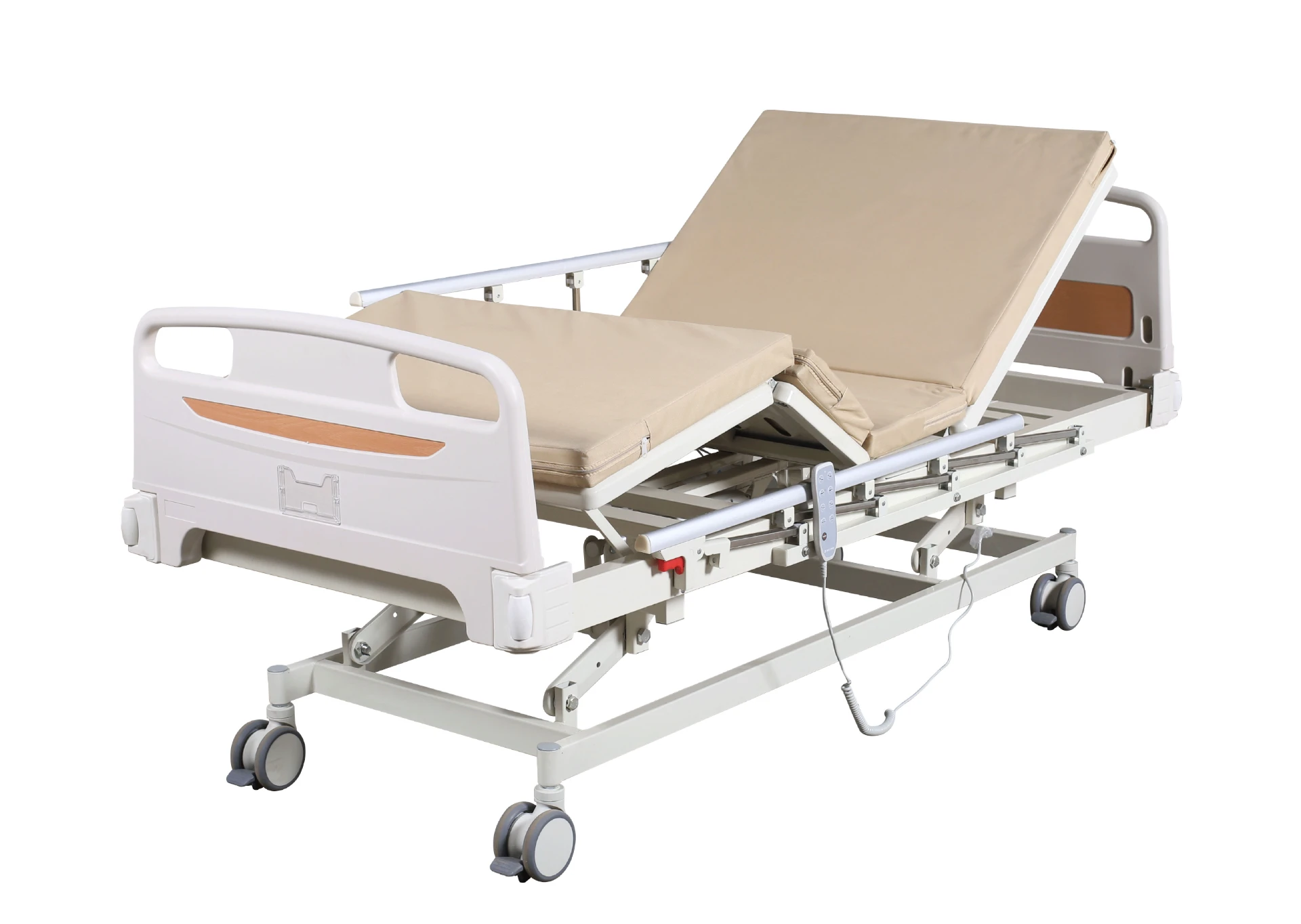
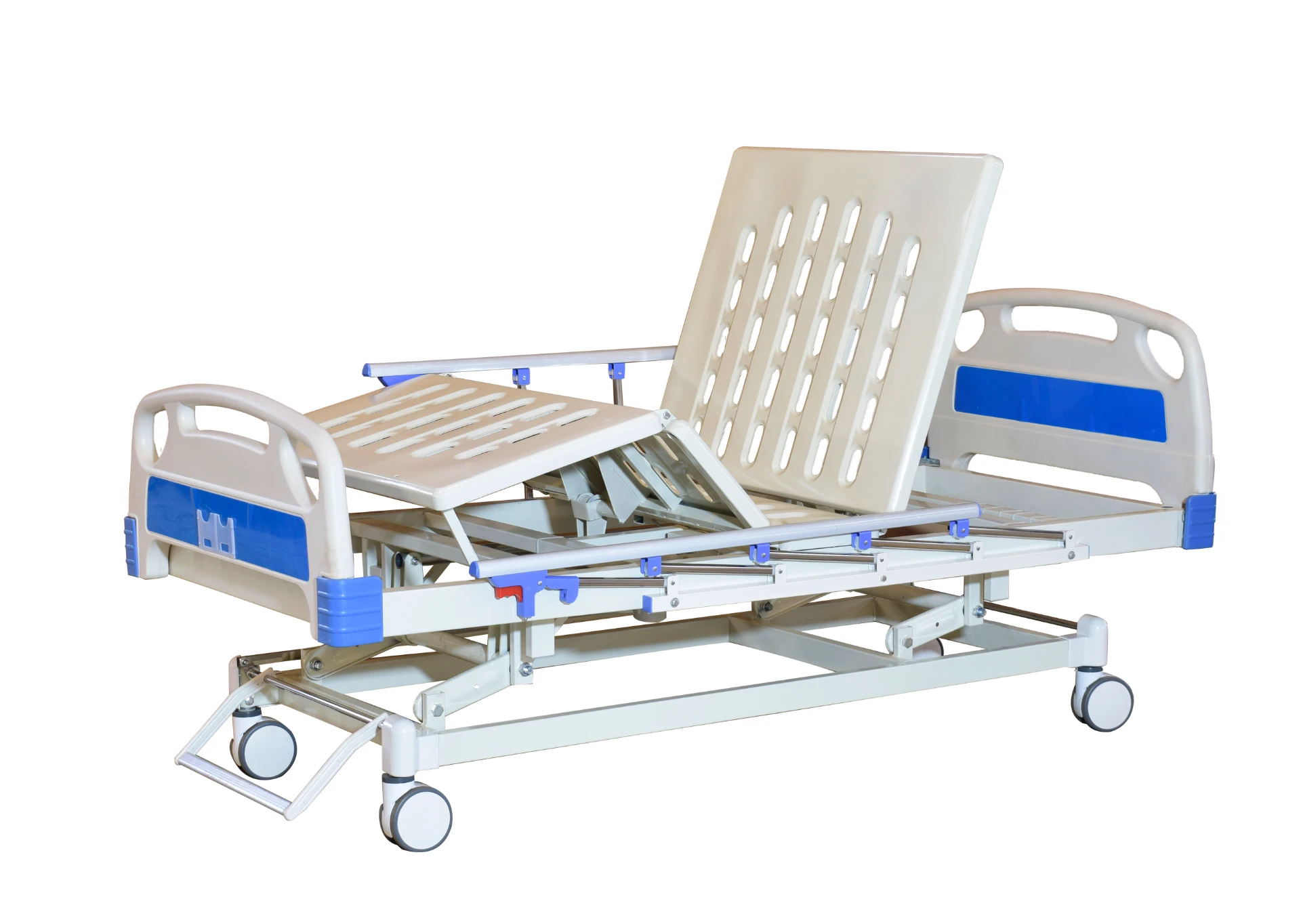
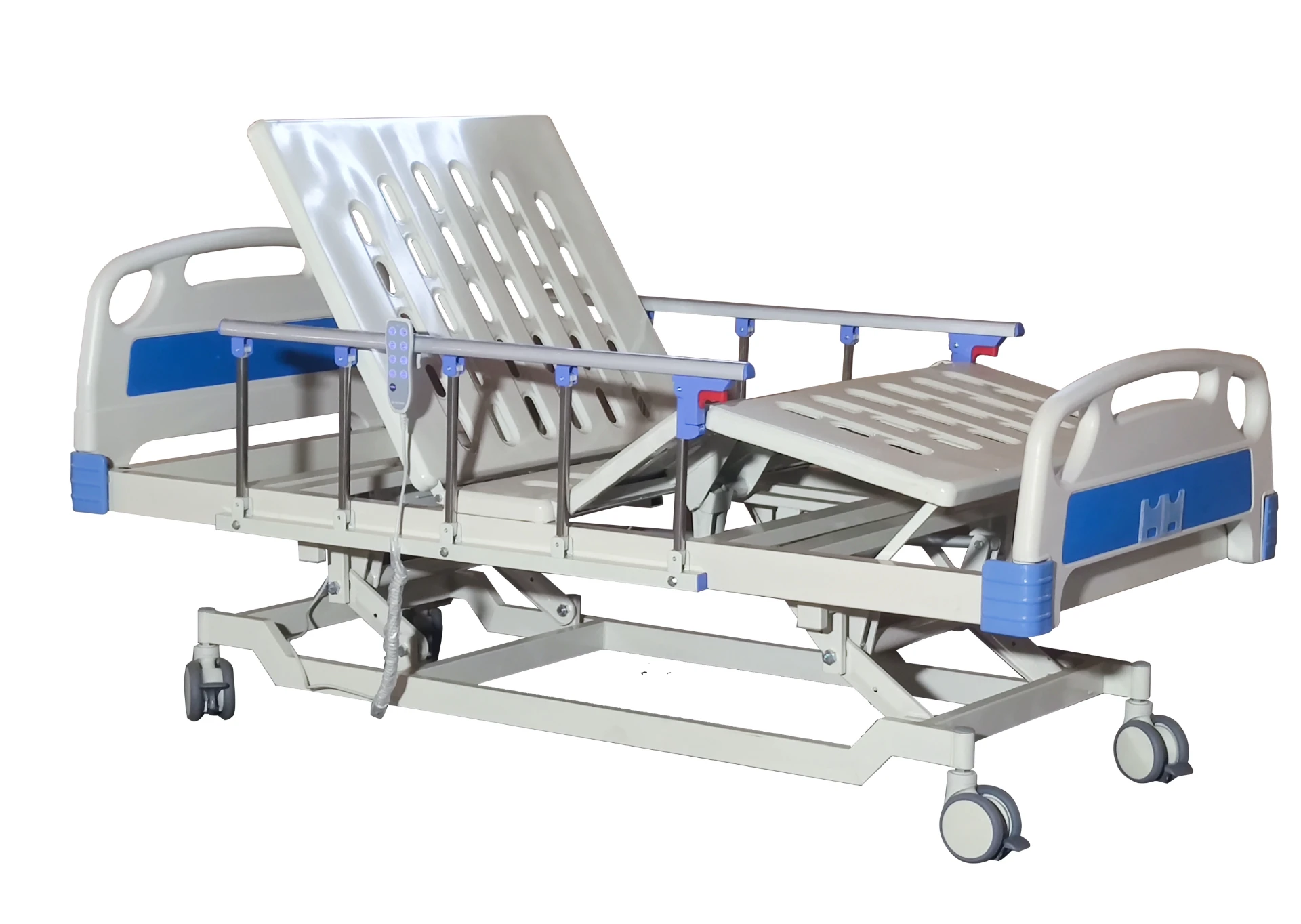
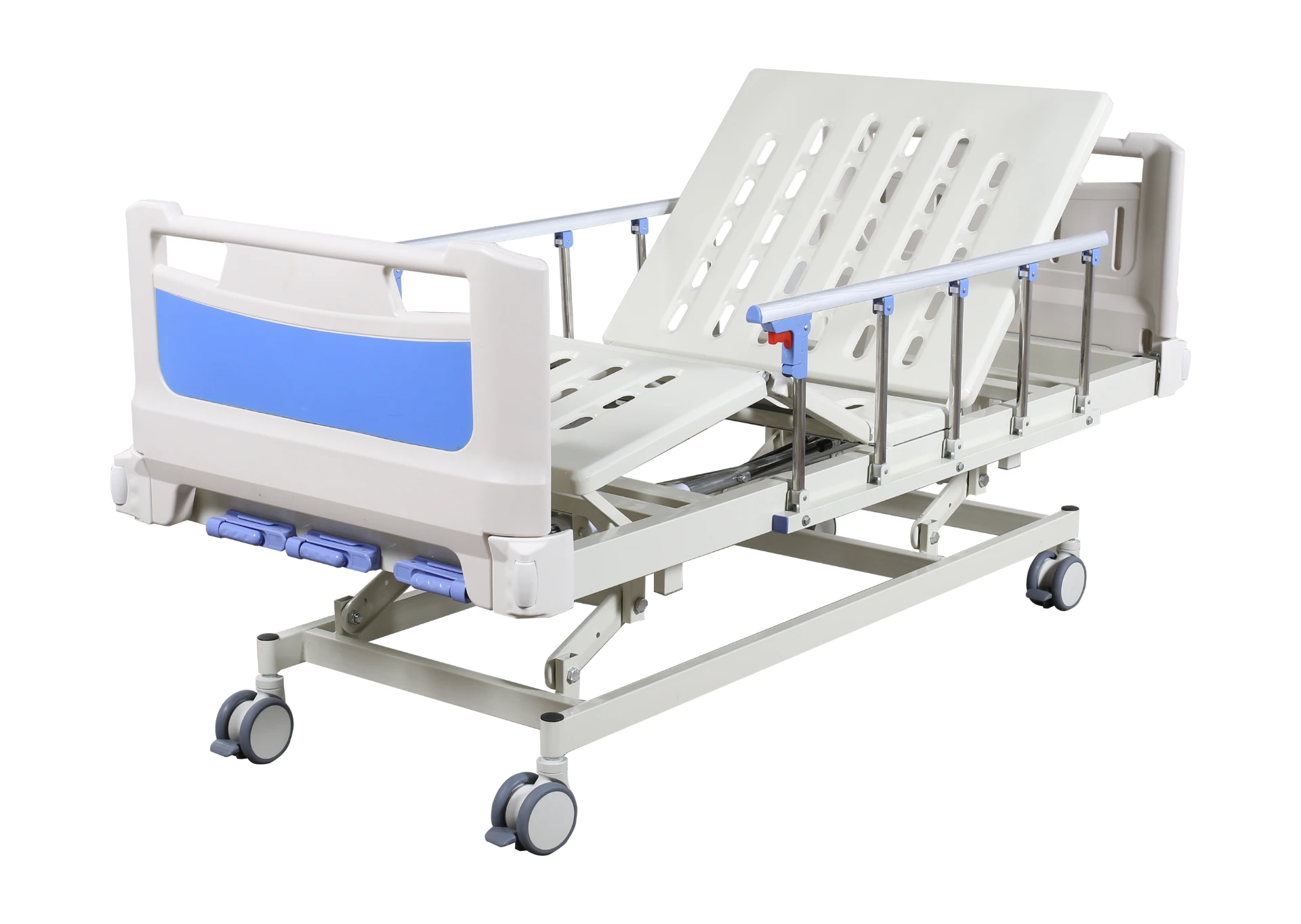
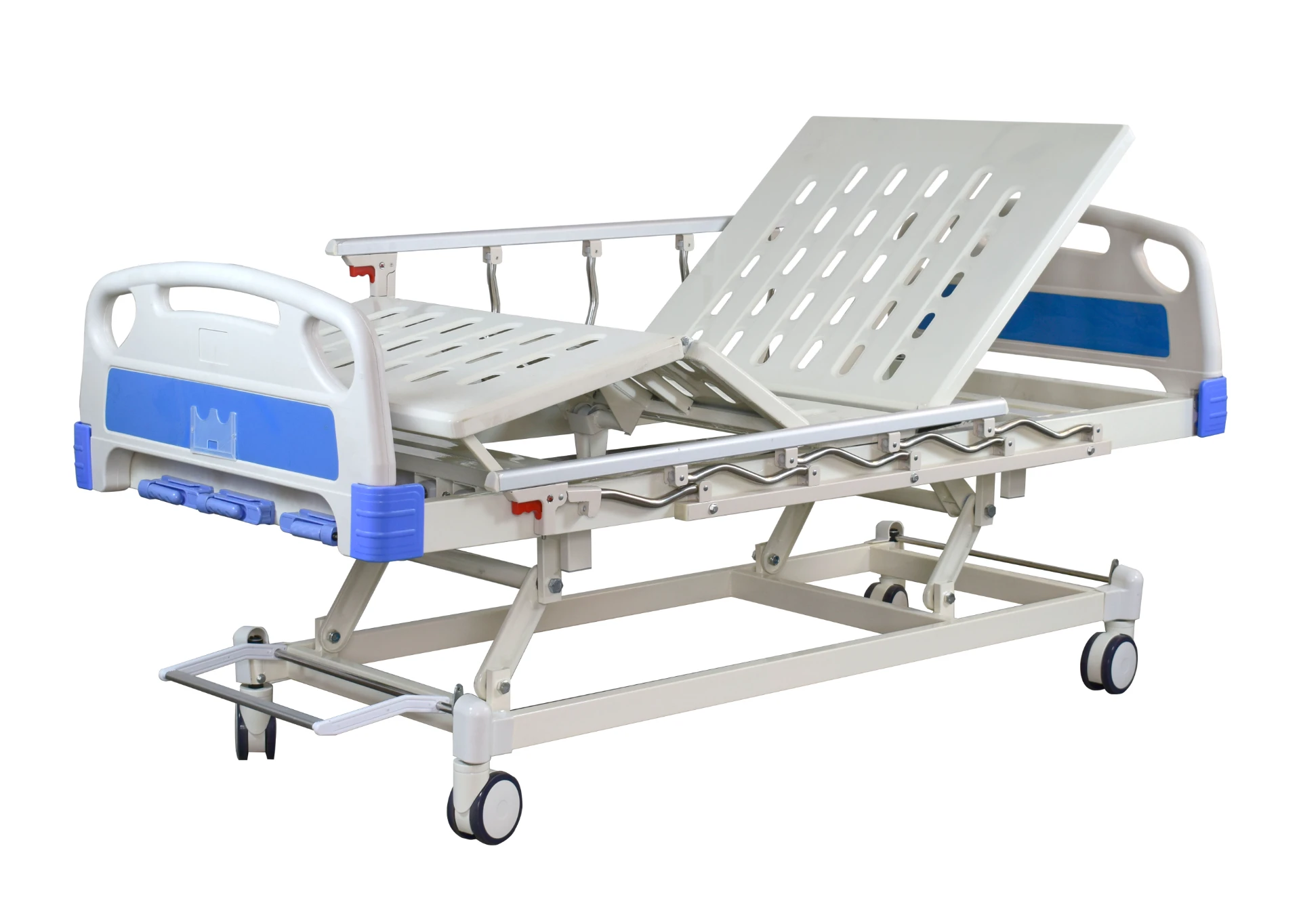
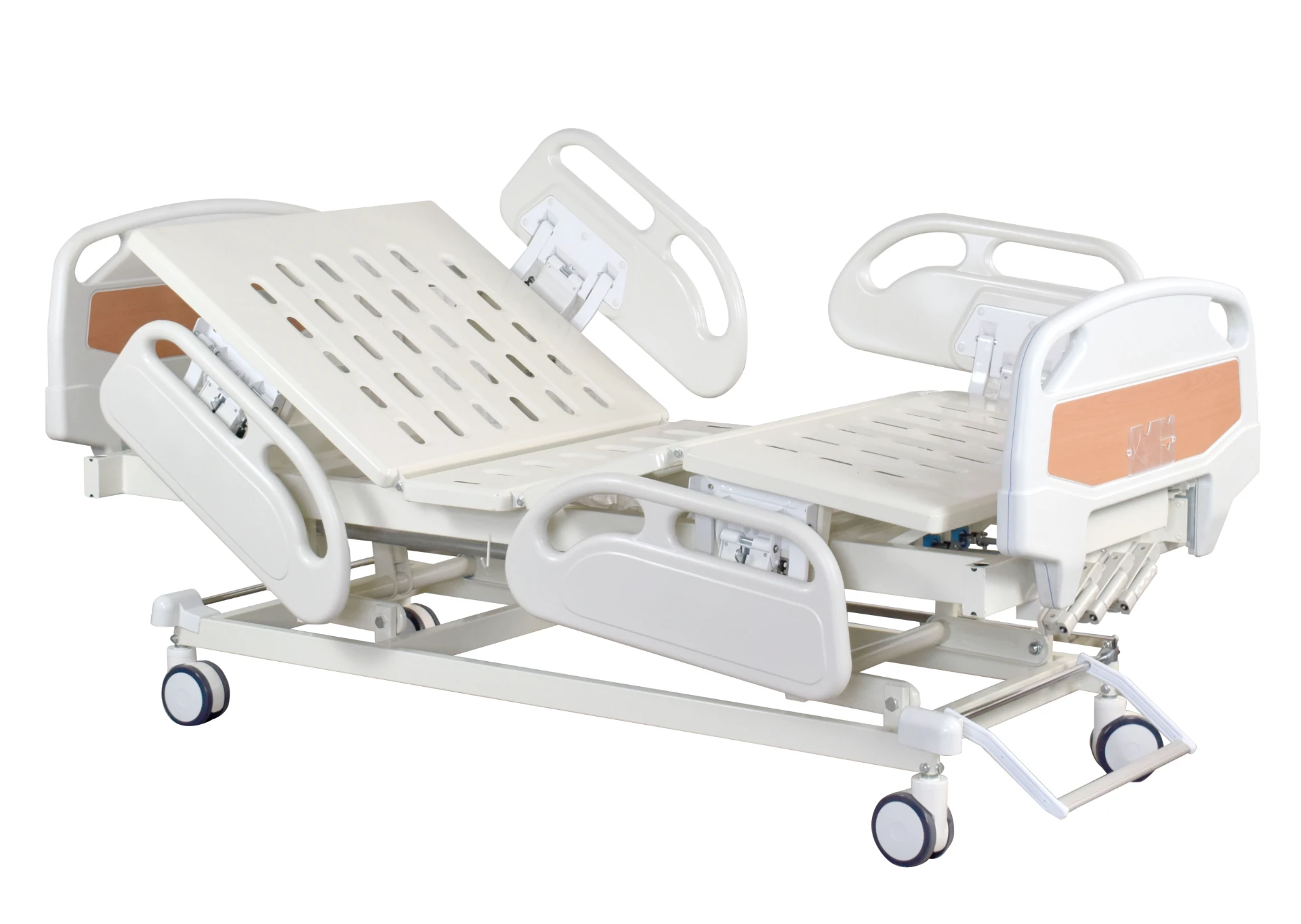
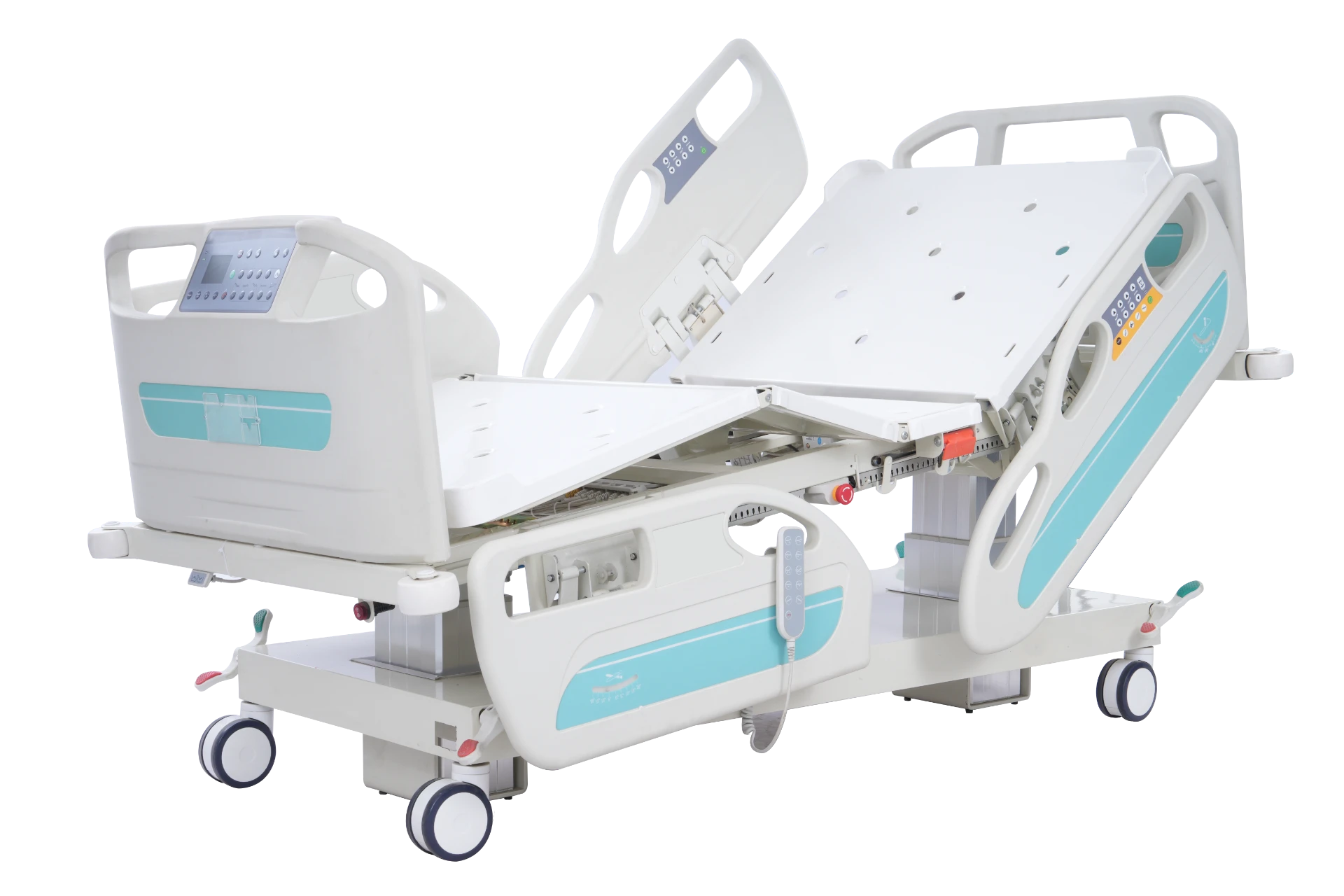
Simply put: an emergency trolley bed is a wheeled stretcher designed to move patients quickly and safely within medical facilities or sometimes even in the field. It combines a firm, flat bed with a chassis equipped for mobility—plus features like adjustable height, braking systems, and cushions to reduce injury risk during movement.
The role of these carts extends beyond hospitals; they are pivotal in ambulances, clinics, disaster zones, and even industrial plants where rapid immobilization and transfer of injured personnel is required.
Technically speaking, the emergency trolley bed is engineered to meet both the ergonomic needs of caregivers and the medical requirements for patient safety. It's a balance between functionality, comfort, and hygiene, often crafted with stainless steel frames and antimicrobial surfaces.
Mini takeaway: Understanding what an emergency trolley bed is reveals how medical transport merges practical engineering with care priorities.
Core Features That Make Emergency Trolley Beds Tick
1. Durability and Material Quality
Many medical staff I’ve spoken to insist that steel framing—especially stainless or aluminum alloy—is non-negotiable. It holds up against constant cleaning (think harsh disinfectants), heavy use, and occasional bumps in hallways or field conditions.
2. Mobility and Maneuverability
Caster wheels that swivel 360°, combined with sturdy brakes, grant quick yet safe movement through crowded wards or rough terrain outdoors. Oddly enough, not all trolley beds feel this nimble — smaller, silent wheels vs. rugged all-terrain types make all the difference.
3. Adjustability and Ergonomics
The ability to raise or lower the bed’s height is crucial for patient transfer and caregiver comfort. Some models even offer backrest adjustments allowing patients to sit partially up without pain.
4. Hygiene and Infection Control
Removable cushions, seamless surfaces, and materials resistant to microbial growth ensure patient safety in environments sensitive to cross-contamination.
5. Cost Efficiency and Maintenance
Hospitals have budget constraints, so durability paired with low maintenance costs is vital. Models that take less time and effort to clean and repair get more thumbs-up.
6. Safety Features
Side rails, locking systems, and anti-shock mechanisms help prevent accidental falls or injuries during movement — especially important in chaotic emergencies.
| Feature | Specification Range | Purpose |
|---|---|---|
| Frame Material | Stainless Steel / Aluminum Alloy | Corrosion resistance, strength |
| Weight Capacity | 150–250 kg | Supports adult patients safely |
| Wheel Type | Swivel 360° casters, locking brakes | Easy but safe maneuvering |
| Adjustability | Manual or hydraulic height & backrest | Ergonomics for patient and staff |
| Surface Material | Antimicrobial PU cushions | Infection prevention |
Mini takeaway: When shopping for an emergency trolley bed, look beyond price — focus on specs tied to safety, hygiene, and ergonomics.
How Emergency Trolley Beds Are Used Around the World
These mobile beds are everywhere. In bustling urban hospitals across Europe and North America, they're part and parcel of trauma units, operating rooms, and ICUs. In remote African clinics or Southeast Asian disaster zones, rugged trolley beds withstand harsh conditions while saving lives.
For example, during the 2019 Australian bushfires, emergency responders used specially designed trolley beds to move patients amid smoky chaos, adapting quickly to unfamiliar environments. Industrial plants in Middle Eastern oilfields rely on these beds to rapidly transfer injured workers to onsite clinics — often in tight, complex spaces.
Emergency trolley beds even show up in humanitarian airlifts, where modular, foldable designs make loading into aircraft easier. These applications highlight versatility but also indicate how customization shapes real-world usability.
Mini takeaway: Wherever urgent medical care is needed, the emergency trolley bed adapts — be it a hospital corridor, dusty field clinic, or industrial site.
What Makes Emergency Trolley Beds a Wise Investment?
- Reliability: A sturdy trolley bed runs like clockwork under pressure, increasing trust among healthcare workers.
- Safety: Side rails and locking wheels protect fragile patients during movement, reducing incidents.
- Cost-effectiveness: Durable, low-maintenance beds reduce replacement spending and downtime.
- Hygiene: Antimicrobial surfaces minimize infection risks, an absolute must in healthcare.
- Comfort & Dignity: Adjustable features help uphold patient comfort, even in stressful emergencies.
Frankly, it’s the combination of these features that makes purchasing and maintaining good-quality emergency trolley beds a smart, sometimes life-saving choice.
Future Trends Shaping Emergency Trolley Beds
In the next five years, we can expect smarter, greener trolley beds. Manufacturers are already incorporating IoT sensors to track patient vitals and monitor bed positions—minimizing falls or injury risks. Using lightweight carbon-fiber composites could make beds easier to maneuver without sacrificing strength.
Plus, sustainability is becoming a major focus. Recyclable materials, solar-powered lighting, and antibacterial coatings are popping up. I saw a prototype bed that used modular parts allowing quick repairs on site, reducing waste.
Automation might also creep in, with guided robotic transporters or AI-assisted crash positioning systems. It’s a brave new world, but one where the emergency trolley bed is more than just a bed on wheels — it’s a connected, vital cog in healthcare’s digital advance.
Common Challenges & How Industry Innovators Are Solving Them
A big headache? Balancing cost with the need for durable, high-tech features. Many developing countries face tight budgets but require reliable beds that meet hygiene and safety standards. Some manufacturers now offer modular designs that can be upgraded over time, spreading costs out.
Another hurdle is maintenance accessibility. Remote hospitals can struggle to get parts or technician visits, so designs that emphasize easy repair and long-life components are winning favor. Training for caregivers on bed use is also vital — a technologically advanced bed is useless if staff don’t know its functions.
Pro tip: Buying from suppliers with strong local service networks and international certifications (like ISO 13485 for medical devices) helps mitigate these risks.
FAQ: Your Emergency Trolley Bed Questions Answered
- Q: How do I choose an emergency trolley bed for a busy urban hospital?
- A: Focus on high durability, antimicrobial surfaces, and ergonomic adjustability. Mobility features like 360° swivel casters with locking brakes improve staff workflow. Also consider compatibility with your facility’s transport systems (elevators, corridors).
- Q: Are foldable trolley beds practical for disaster zones?
- A: Yes! Lightweight and foldable units ease transport over uneven terrain or cramped vehicles. Just ensure they meet stability and weight-bearing standards for patient safety.
- Q: What maintenance should be done regularly?
- A: Check wheels for smooth rolling and brakes for secure locking. Inspect cushioning for wear or tears, and clean with approved disinfectants. Regular lubrication of adjustable parts prolongs life.
- Q: Can emergency trolley beds help reduce infection risks?
- A: Absolutely. Beds with antimicrobial surfaces and removable cushions improve hospital hygiene and lower cross-contamination. Always pair with proper cleaning protocols.
- Q: Are there international standards for emergency trolley beds?
- A: Yes, devices typically adhere to ISO 13485 (medical device quality management) and sometimes region-specific hospital equipment regulations to ensure safety and reliability.
Comparing Popular Emergency Trolley Bed Vendors
| Vendor | Material Quality | Customization Options | Price Range | Warranty |
|---|---|---|---|---|
| MedEquip Pro | High-grade stainless steel frame | Height, rails, electronics add-ons | $850–$1,250 | 3 years full warranty |
| SafeMove Healthcare | Aluminum alloy with antimicrobial cushions | Modular parts, foldable frame | $700–$1,100 | 2 years |
| QuickAid Medical | Standard steel frame, removable cushions | Basic features, quick-deploy design | $600–$900 | 1 year |
Wrapping Up: The Emergency Trolley Bed’s Enduring Importance
Looking closely at the emergency trolley bed, you realize it’s much more than a transport tool. It melds engineering, ergonomics, hygiene, and sometimes innovation — all in service of the patient’s critical first moments of care.
Whether in developed hospitals or disaster zones, investing in quality emergency trolley beds enhances healthcare outcomes, safeguards dignity, and supports medical teams under pressure. Its future? Smart, sustainable, and still practical.
To explore the latest models and detailed options, visit our website — because when lives are on the line, the right trolley bed truly matters.
References
-
Ultimate Guide to Choosing Extra Wide Waiting Room ChairsNewsApr.16,2026
-
Guide to Choosing Professional Waiting Room Chairs Wipeable SeatingNewsApr.09,2026
-
Enhance Your Space with Comfortable Wide Waiting Room ChairsNewsApr.07,2026
-
Selecting the Ideal Brown Waiting Room Chairs for a Welcoming SpaceNewsApr.04,2026
-
Choosing Comfortable Patient Waiting Room Chairs for Healthcare FacilitiesNewsMar.31,2026
-
Finding the Best Deals on Affordable and Cheap Reception Chairs for Your BusinessNewsMar.28,2026
-
Enhance Your Business Reception with Comfortable Blue Reception ChairsNewsMar.26,2026