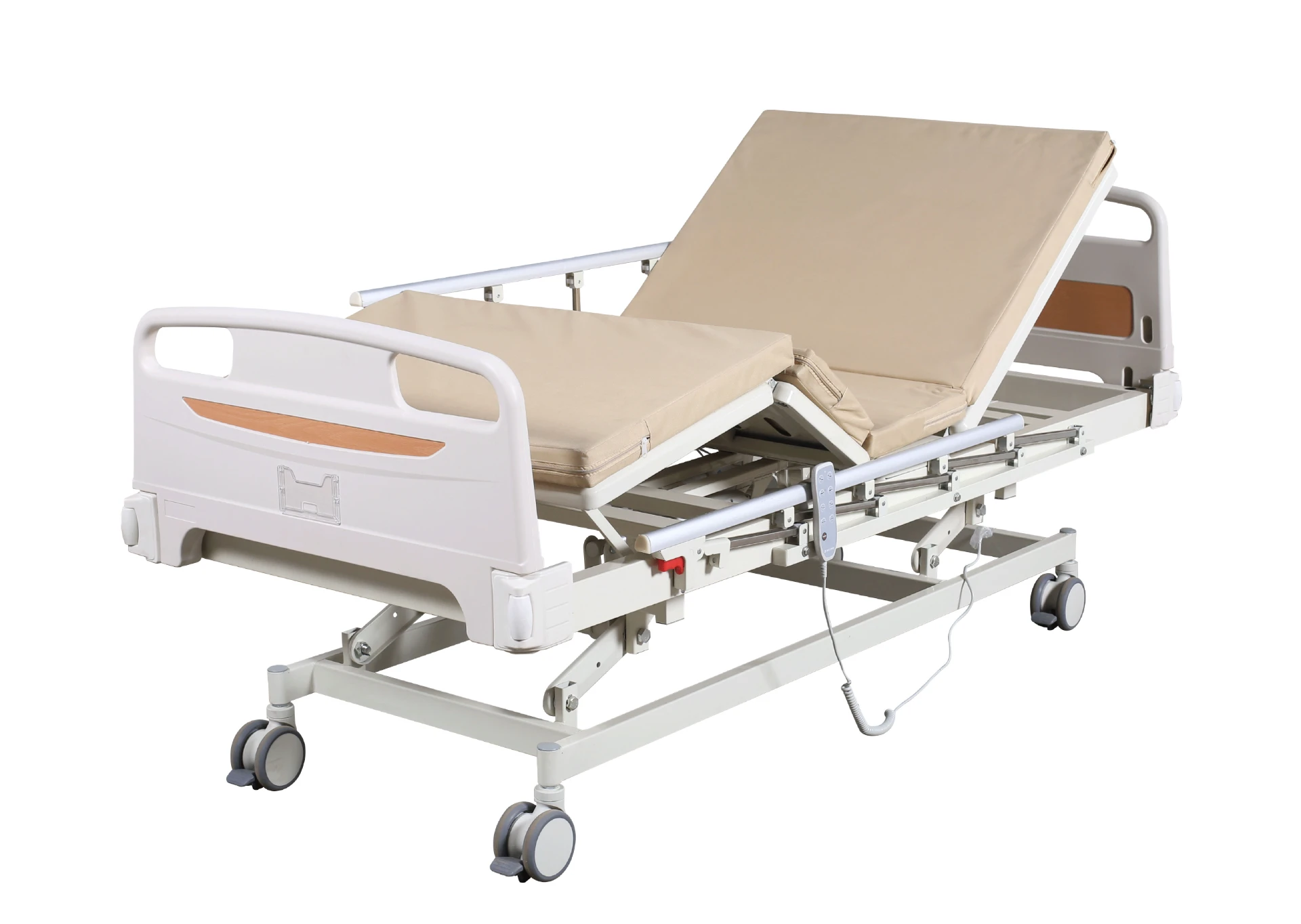
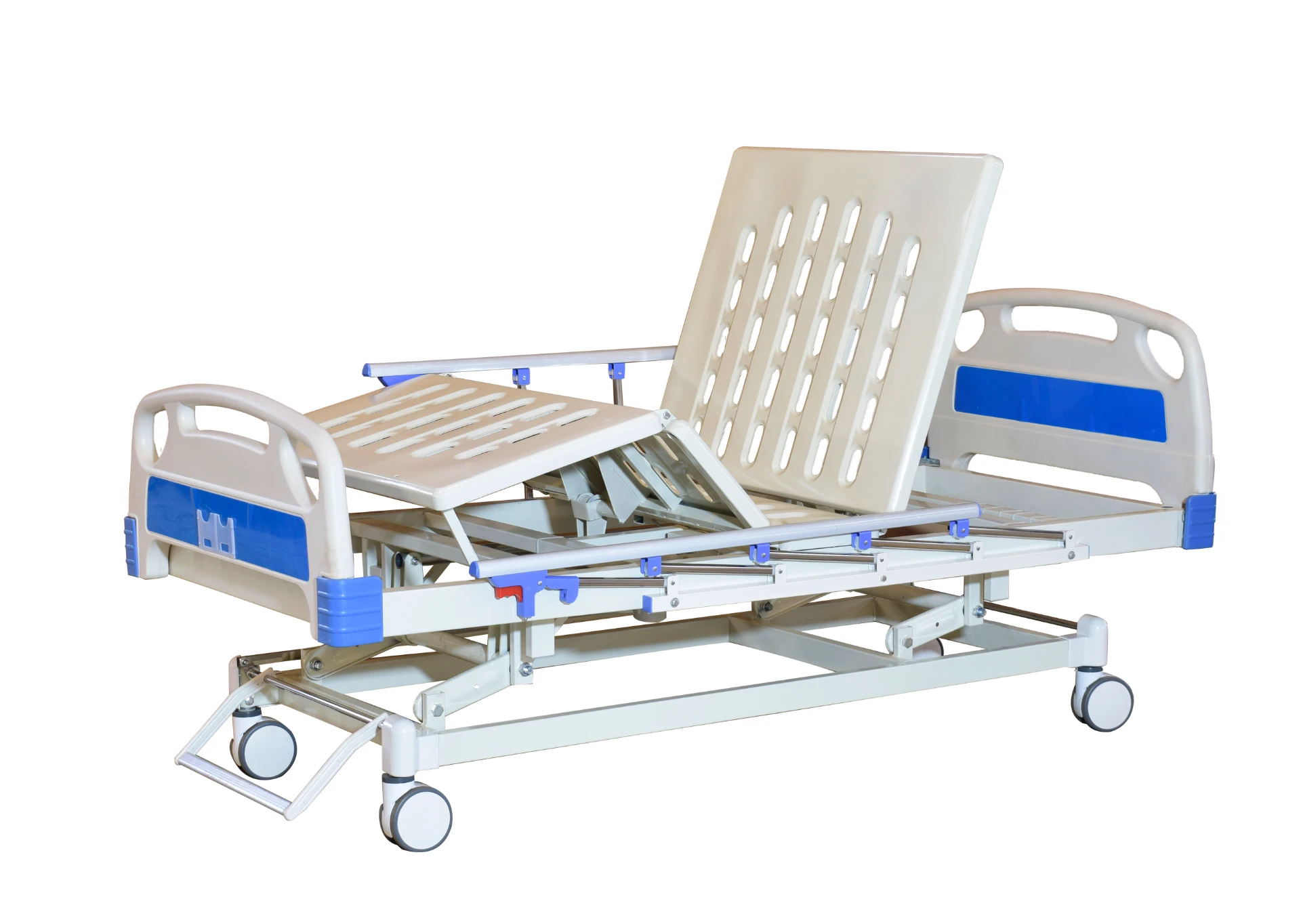
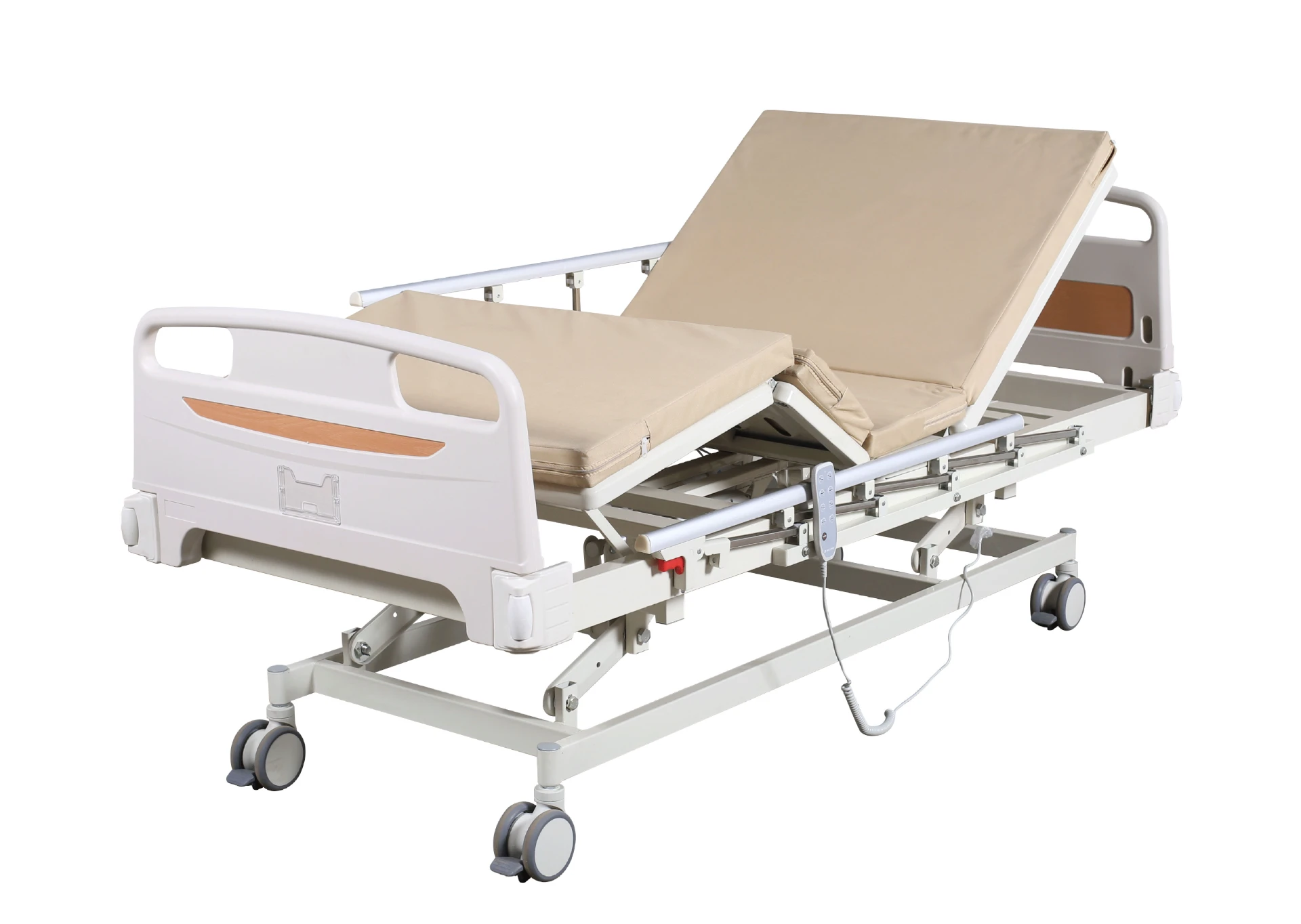
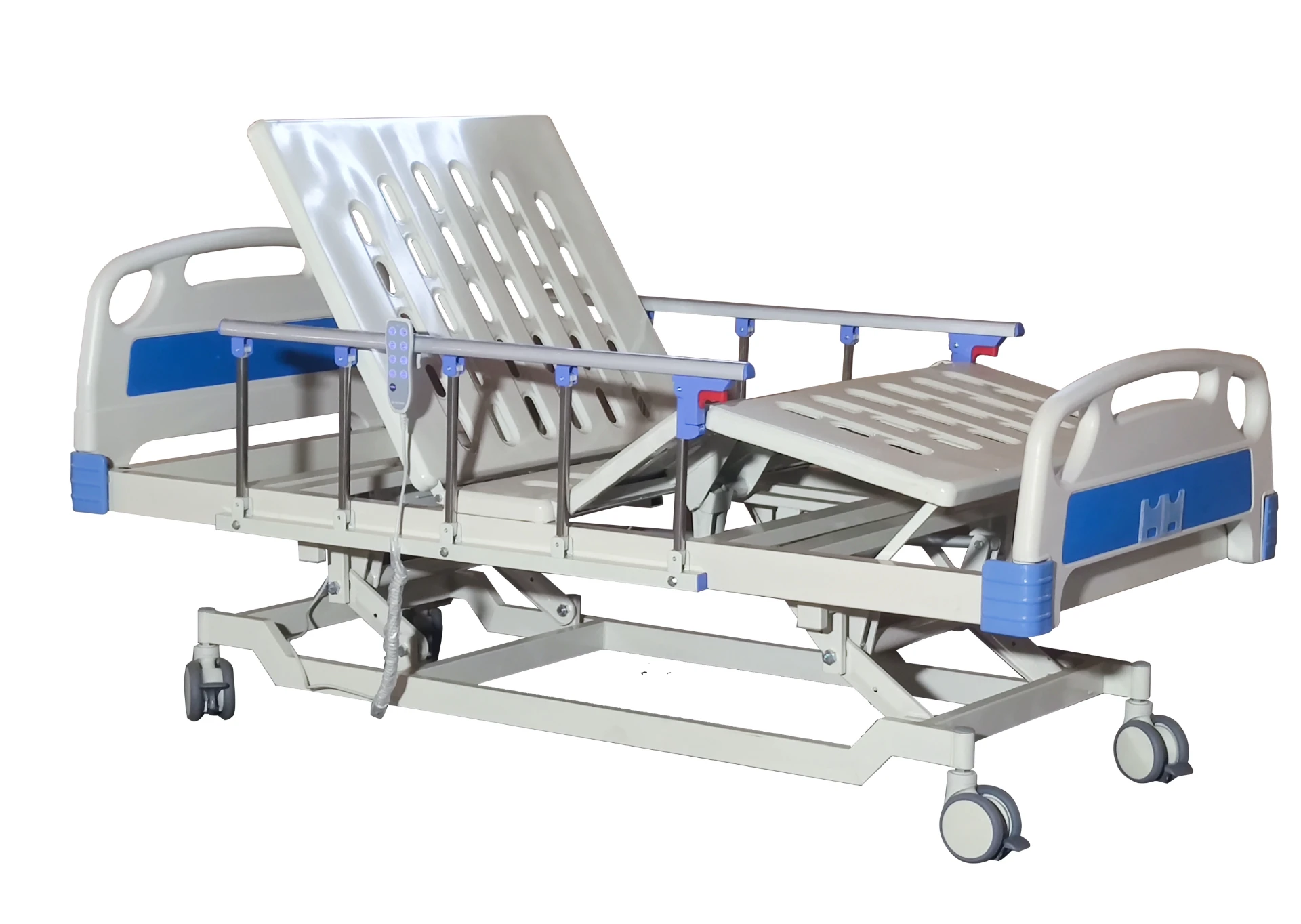
Welcome to our websites!


Overbed Table for Hospital Bed – Enhancing Patient Comfort & Care Worldwide
Understanding Overbed Tables for Hospital Beds: A Quiet Backbone of Patient Care
If you’ve ever visited a hospital room, you might have noticed a small piece of furniture perched above or beside the patient’s bed — a humble overbed table for hospital bed use. At first glance, it might seem like a minor accessory, but globally, these tables represent a crucial element in patient comfort, dignity, and efficiency in healthcare delivery.
Why does it matter so much? Well, considering the World Health Organization [1] estimates there are roughly 234 million surgeries performed worldwide annually and countless other inpatient care episodes, providing patients with convenient surfaces during recovery is not just a nicety — it’s a necessity that supports nutrition, medication administration, and even mental well-being.
Understanding overbed tables means appreciating a small, yet pervasive, contributor to better health outcomes. Plus, in aging societies or disaster situations where hospital resources stretch thin, these tables quietly uphold care standards.
The Global Context: Why Overbed Tables Matter Everywhere
Hospital beds aren’t just beds; they’re today’s mobile clinics, resting spots, and caregiving hubs. The overbed table for hospital bed is a design born from this reality. According to the International Organization for Standardization (ISO 60601-2-52), hospital beds and their accessories must meet safety and ergonomic standards to support both patients and staff efficiently [2].
Across continents, hospitals grapple with overcrowding, budget constraints, and increasing patient acuity. In low- and middle-income countries, an overbed table can be a simple but powerful enabler of hygiene and meal support—things often taken for granted in the West.
Oddly enough, even in advanced healthcare systems, the lack of a reliable, adjustable overbed table can cause patient frustration, affect recovery speed, or complicate nursing workflows. So, the problem isn’t just about having a table but having one designed for modern medical demands.
What Exactly Is an Overbed Table for Hospital Bed?
Simply put, an overbed table for hospital bed use is a movable, adjustable surface designed to fit securely over a patient’s bed. It offers a convenient platform for meals, reading, writing, medical instruments, or electronic devices.
From the patient’s perspective, it’s about autonomy—being able to reach a book or snack without calling for help. From a clinical standpoint, it’s about providing a stable, hygienic work surface where nurses can place documents or equipment.
In humanitarian contexts, such as field hospitals or emergency shelters, these tables become even more critical because they bring a sense of normalcy and dignity to patients amidst chaos.
Key Features That Make Overbed Tables Tick
1. Ergonomic Adjustability
No one patient is the same. Tables must extend or retract, tilt or stay flat — matching individuals' height or medical needs. This feature reduces strain on both staff and patients.
2. Durability and Hygiene
Hospitals are harsh environments. Surfaces need to resist chemicals, withstand wipes with strong disinfectants, and endure daily wear. Materials like powder-coated steel with laminated tops are popular choices.
3. Mobility
Lockable caster wheels often accompany these tables, balancing ease of movement and secure positioning. It’s odd how crucial smooth wheels are — one wobbly overbed table can frustrate everyone.
4. Space Efficiency
Compact design allows the table to slide under beds or fold when not in use, freeing space in crowded hospital rooms or clinics.
5. Cost Efficiency
Hospitals aim for budget-friendly choices without compromising quality. Models vary widely — from basic to feature-rich — letting facilities pick what suits their needs.
6. Patient Safety Features
Rounded edges, anti-slip surfaces, and the right height adjustment reduce risks of injury, which is not just a tech issue but a peace-of-mind factor.
Mini takeaway: The best overbed tables blend ergonomic design with robust materials, ensuring patients and caregivers benefit equally.
Where Are These Tables Used and Why?
Overbed tables find home wherever patient beds are present. Hospitals, long-term care facilities, rehabilitation centers, and even home care setups across the globe rely on them.
For example, in Japan where the elderly population is rapidly growing, high-quality, adjustable overbed tables play a central role in assisted living centers, supporting independence for seniors with limited mobility.
In post-disaster relief, organizations like Doctors Without Borders equip mobile clinics with lightweight, foldable overbed tables for rapid setup in resource-poor zones. Similarly, in remote industrial zones, these tables provide safe surfaces in onsite medical tents.
They’re also a mainstay in pediatric wards, helping happy distractions like drawing or tablet use without disrupting medical care.
The Many Advantages of Choosing Quality Overbed Tables
- Cost savings: Durable tables reduce frequent replacements, saving budgets over time.
- Infection control: Easy-to-clean materials help prevent hospital-acquired infections.
- Patient dignity: Enabling autonomy boosts morale and speeds recovery.
- Staff efficiency: Nurses spend less time juggling makeshift surfaces.
- Environmental impact: Sustainable materials and longer lifespan contribute to greener hospitals.
Frankly, it feels like an overlooked piece of infrastructure that quietly amplifies quality care.
Innovations and Trends in Overbed Table Design
The future looks intriguing. Some innovative designs now include digital integration, allowing patients to charge devices or interact via built-in screens. Others experiment with lightweight carbon fiber frames or sustainably sourced bamboo laminates to reduce environmental footprints.
Automation isn’t far off either — motorized height adjustments controlled by simple switches or apps are becoming more common, softening the challenges faced by staff when maneuvering tables manually.
Some hospitals even explore antimicrobial surface coatings, reducing pathogens’ survival — a small touch with potentially big returns.
Common Challenges and Their Workarounds
Hospital environments are demanding. Tables sometimes jam, wheels break, or height mechanisms get stiff. Budget constraints force hospitals to pick cheaper models that lack longevity.
To tackle this, some vendors offer modular parts for quick repairs, user training on proper handling, or custom solutions to fit unusual bed types.
Mixing good design with thoughtful maintenance schedules usually keeps these tables working long-term.
Vendor & Product Insight: What to Watch For
| Specification | Standard Model | Premium Model |
|---|---|---|
| Adjustable Height Range | 25–35 inches | 20–40 inches |
| Surface Material | Laminate over MDF | Antimicrobial coated polymer |
| Frame Material | Powder-coated steel | Stainless steel with carbon fiber accents |
| Wheels | 4 swivel with brakes | Quiet lockable castors, anti-slip |
| Weight Capacity | 15 kg (33 lbs) | 25 kg (55 lbs) |
Vendor Comparison
| Feature | MedTable Co. | HealthGear Corp. | Hospital Supplies Inc. |
|---|---|---|---|
| Price Range | $120 – $180 | $150 – $230 | $100 – $160 |
| Custom Options | Moderate | Extensive | Limited |
| Warranty | 3 years | 5 years | 2 years |
| Eco-friendly Materials | No | Yes | No |
| Delivery Time | 2–3 weeks | 4–5 weeks | 1–2 weeks |
FAQ: What Buyers Commonly Ask About Overbed Tables
Q1: How adjustable are typical overbed tables?
Most overbed tables offer height adjustments from roughly 20 to 40 inches, enough to accommodate patients seated or lying down. Tilt options vary; some tables have fixed flat surfaces, while premium models allow tilting up to 30 degrees for reading or writing comfort.
Q2: Are these tables easy to clean and disinfect?
Yes, particularly those with laminated or antimicrobial coated surfaces. They’re designed to withstand hospital-grade disinfectants and frequent cleaning without degrading, which is crucial for infection control.
Q3: Can overbed tables accommodate electronic devices?
Absolutely. Many modern tables include built-in USB ports or cable management options, while stable, flat surfaces allow safe use of tablets, laptops, or phones by patients.
Q4: How portable are overbed tables?
Thanks to lockable caster wheels, most tables slide easily between rooms and lock firmly in place. Some lightweight or foldable models are even designed for rapid deployment in field hospitals.
Q5: Is it possible to customize overbed tables for special beds?
Yes, many manufacturers offer customization to fit bariatric beds, pediatric units, or specialized hospital beds, adjusting surface size, frame types, and materials accordingly.
Wrapping Up: The Unsung Hero of Patient Care
When you consider the small but vital role an overbed table plays — providing comfort, safety, and dignity daily — it’s clear that investing in a quality overbed table for hospital bed isn’t just a logistical decision but a humane one.
The evolving industry sees these tables becoming smarter, more sustainable, and better suited for diverse clinical needs. Whether you’re a hospital administrator balancing cost and care or a clinician seeking practical tools, exploring options thoroughly is key.
Take a moment to appreciate that little surface floating over your hospital bed the next time you visit a patient — it’s quietly making a big difference.
Find the right overbed table and elevate patient care at our website.
References
-
Ultimate Guide to Choosing Extra Wide Waiting Room ChairsNewsApr.16,2026
-
Guide to Choosing Professional Waiting Room Chairs Wipeable SeatingNewsApr.09,2026
-
Enhance Your Space with Comfortable Wide Waiting Room ChairsNewsApr.07,2026
-
Selecting the Ideal Brown Waiting Room Chairs for a Welcoming SpaceNewsApr.04,2026
-
Choosing Comfortable Patient Waiting Room Chairs for Healthcare FacilitiesNewsMar.31,2026
-
Finding the Best Deals on Affordable and Cheap Reception Chairs for Your BusinessNewsMar.28,2026
-
Enhance Your Business Reception with Comfortable Blue Reception ChairsNewsMar.26,2026