Welcome to our websites!


The Ultimate Guide to Mattress for Hospital Bed at Home: Comfort, Care, and Innovation
Why the Right Mattress for Hospital Bed at Home Really Matters Today
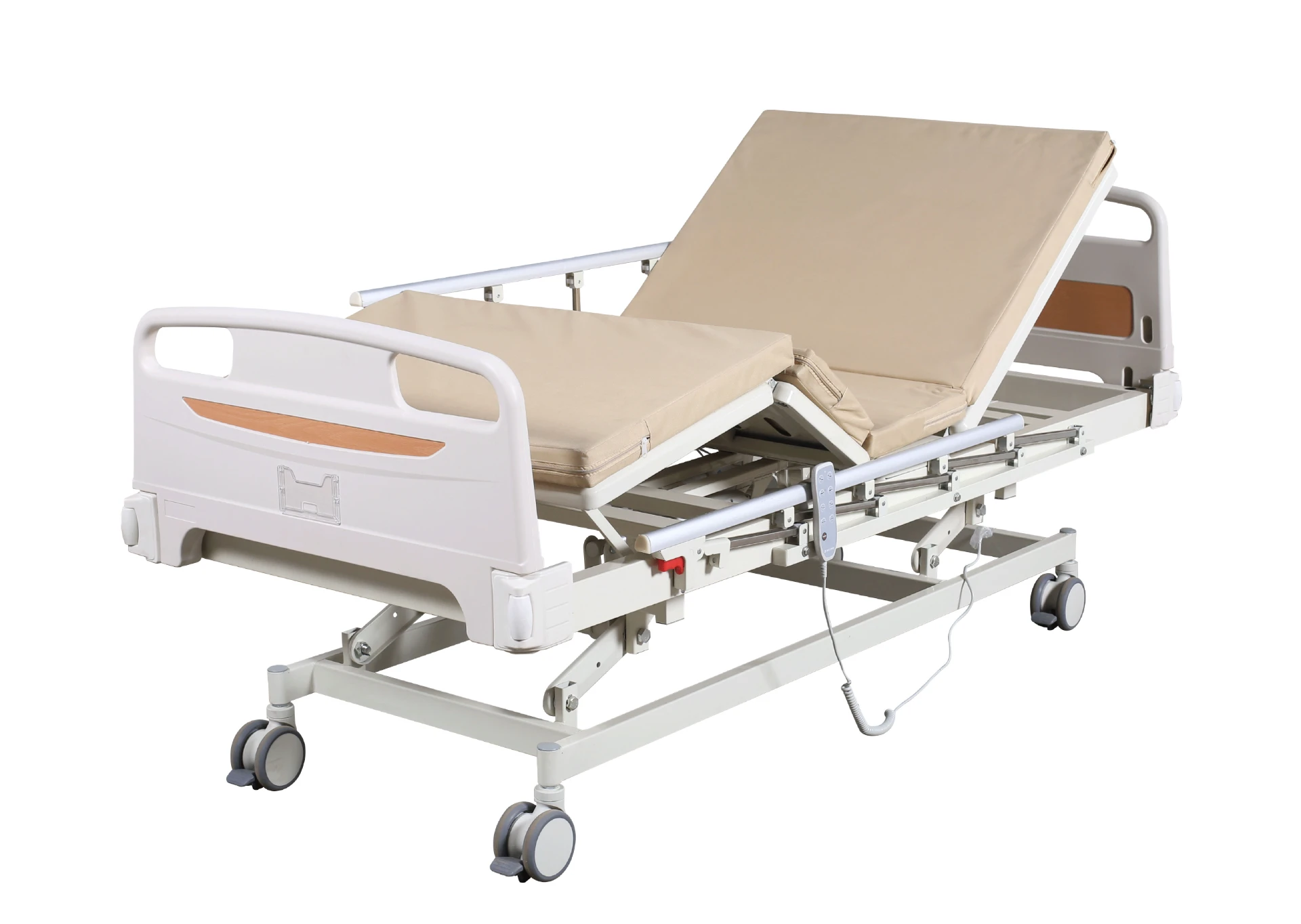
When you hear the phrase mattress for hospital bed at home, you might picture a basic foam slab or some medical-grade rubbery covering. But it’s far more nuanced and vital than it sounds. Globally, as healthcare shifts to more home-centered care models, especially for aging populations and chronic illnesses, choosing the right mattress isn't just comfort—it’s about preventing pressure ulcers, aiding recovery, and supporting dignity.
I found it interesting to learn that the World Health Organization highlights how pressure injuries related to poor patient support surfaces cause serious complications in healthcare. Naturally, understanding and investing in the right mattress can save both lives and hospital readmissions—and save money in the long run.
Mini takeaway: Choosing the best mattress for home hospital beds isn’t just medical detail—it’s a growing global necessity in a world where healthcare happens beyond hospital walls.
Global Context: Healthcare at Home Is On The Rise
According to United Nations data, the proportion of people over 60 is expected to double by 2050, which means a huge surge in demand for home care solutions, including proper mattresses for hospital beds at home. Mattress for hospital bed at home solutions are becoming an essential part of global healthcare infrastructure, especially in regions with stretched hospital resources.
But here’s a practical problem: not all hospital mattresses translate well from hospital wards to home bedside care. Factors like portability, durability, and ease of maintenance become crucial. In many developing nations, limited access to quality materials or distributed supply chains leads to compromises that can affect patient health outcomes.
What Exactly is a Mattress for Hospital Bed at Home?
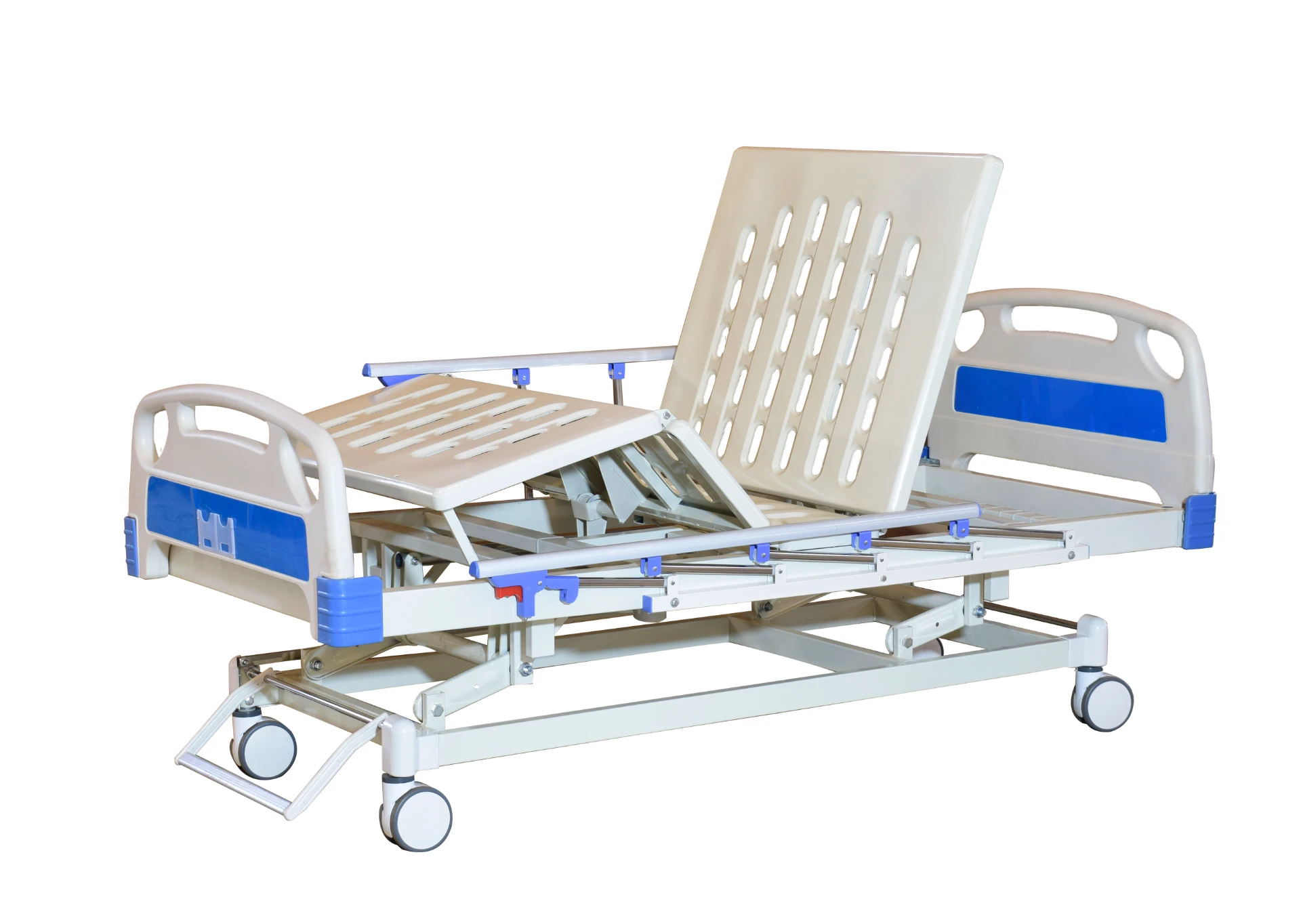
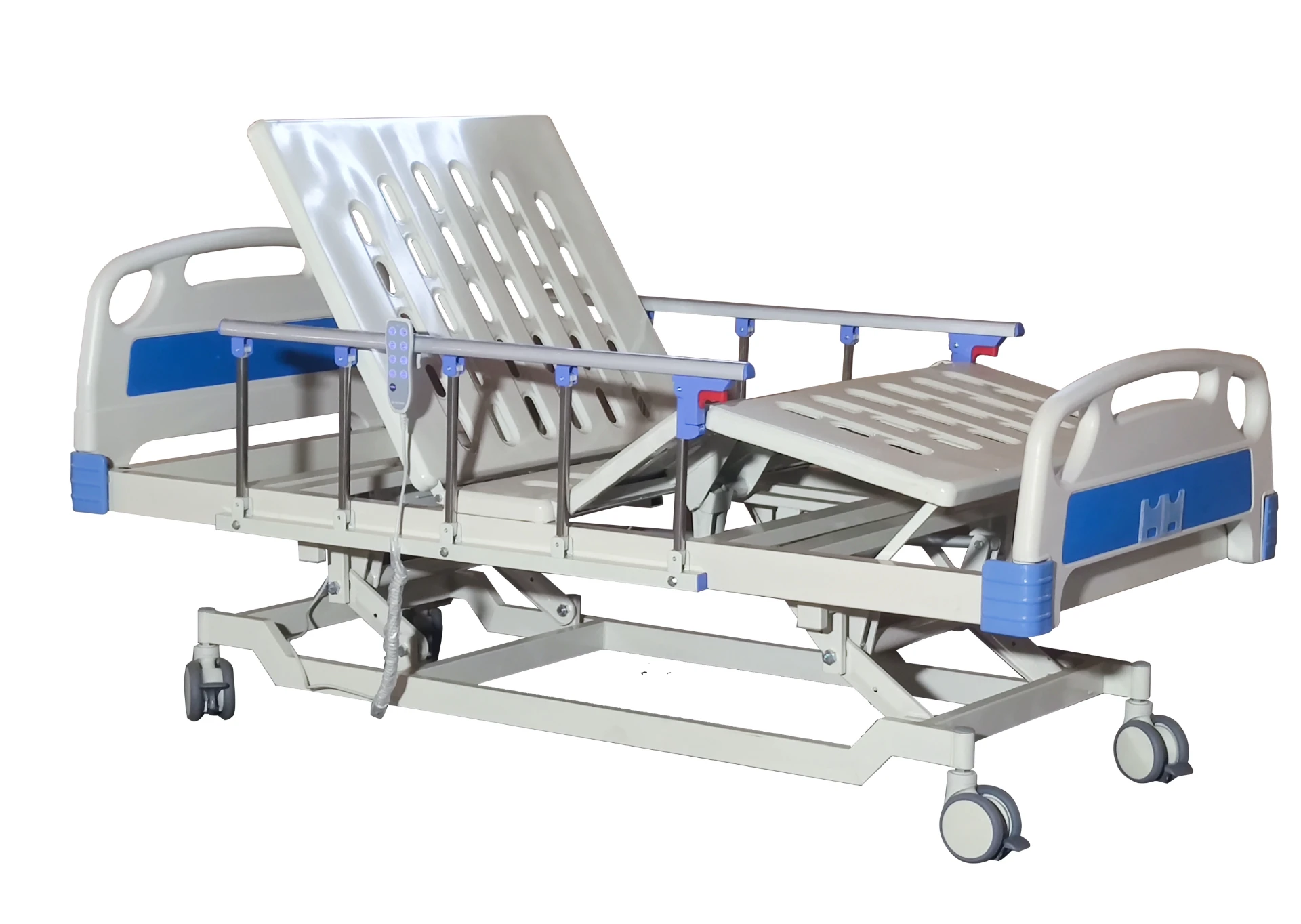
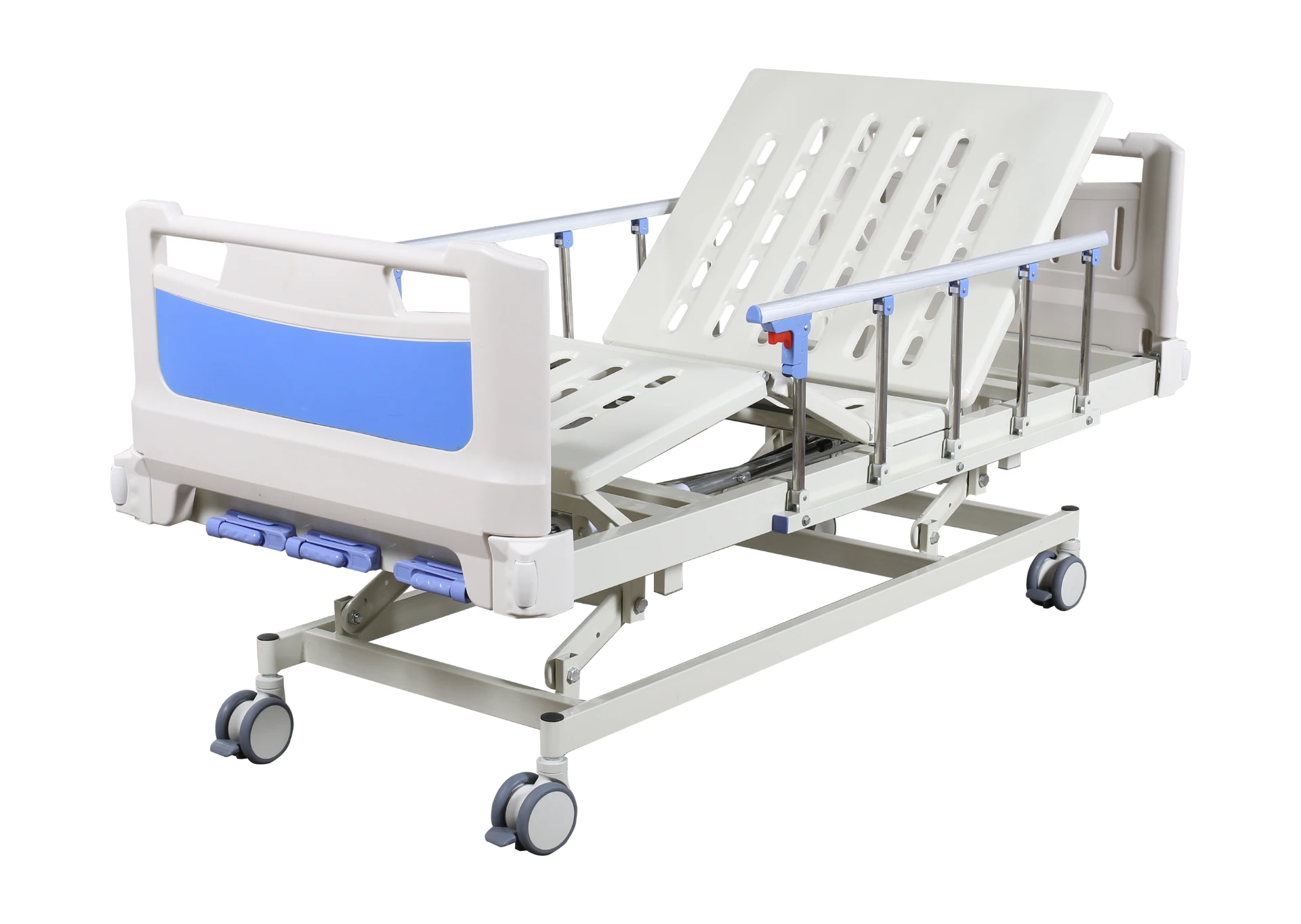
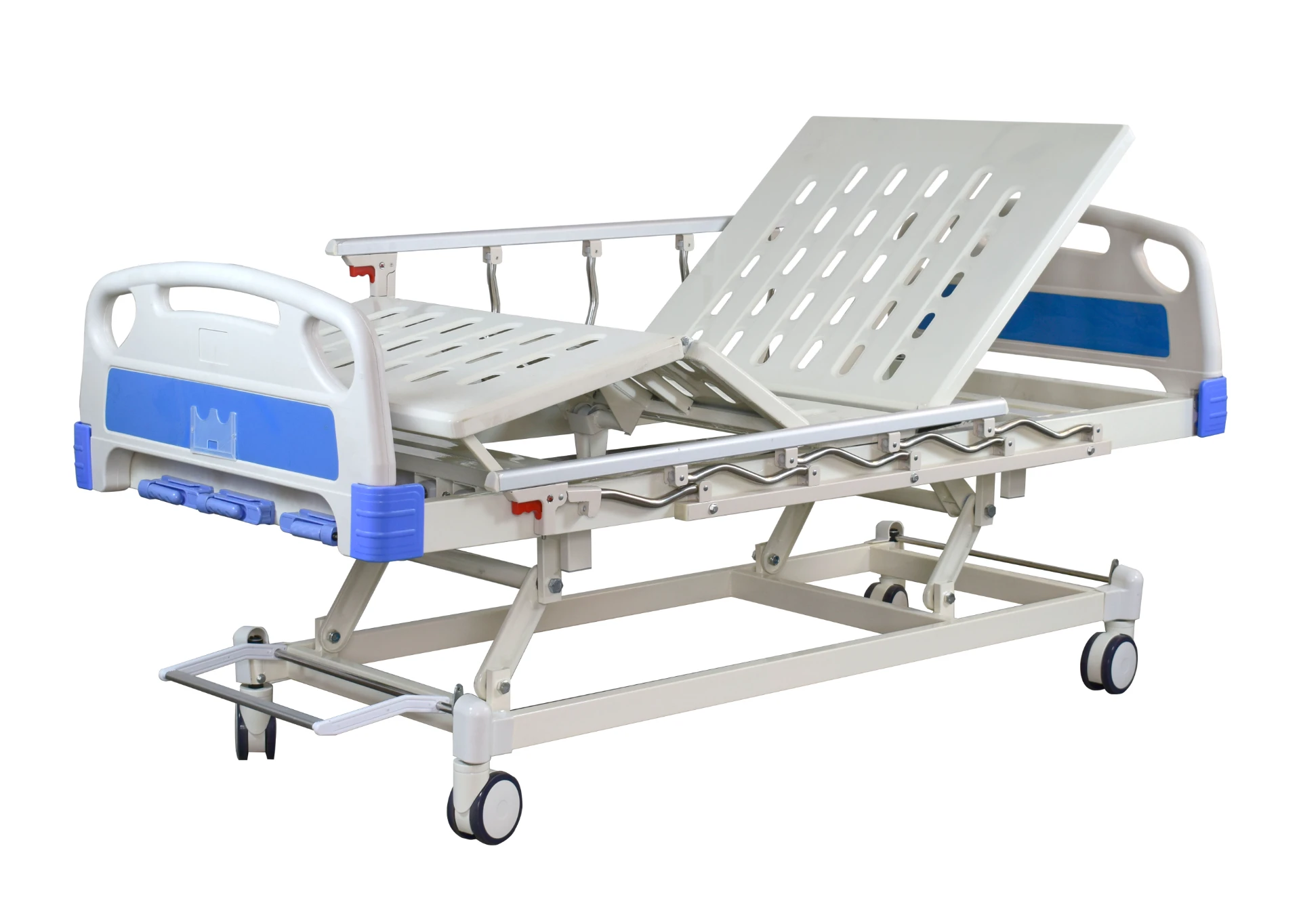
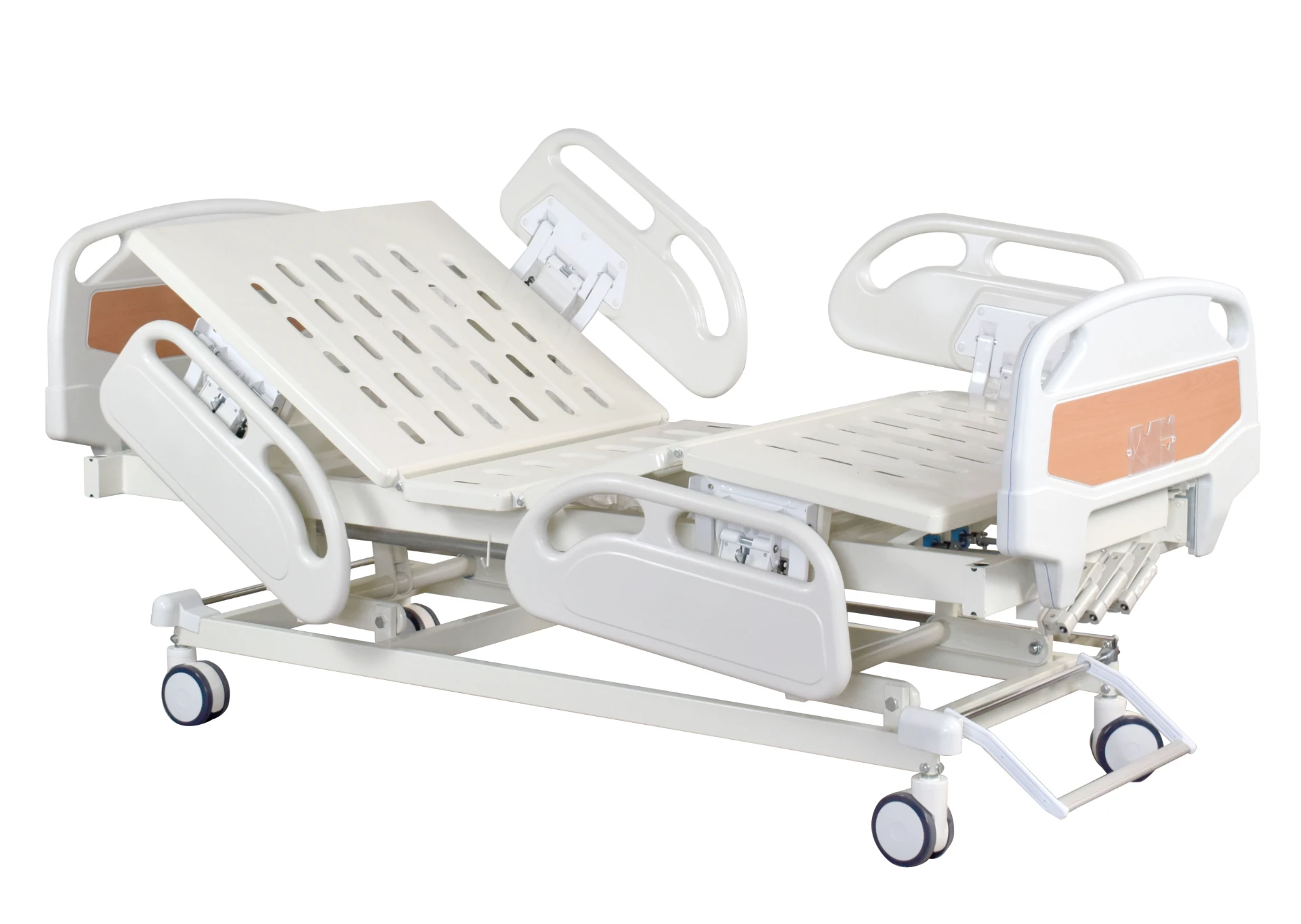
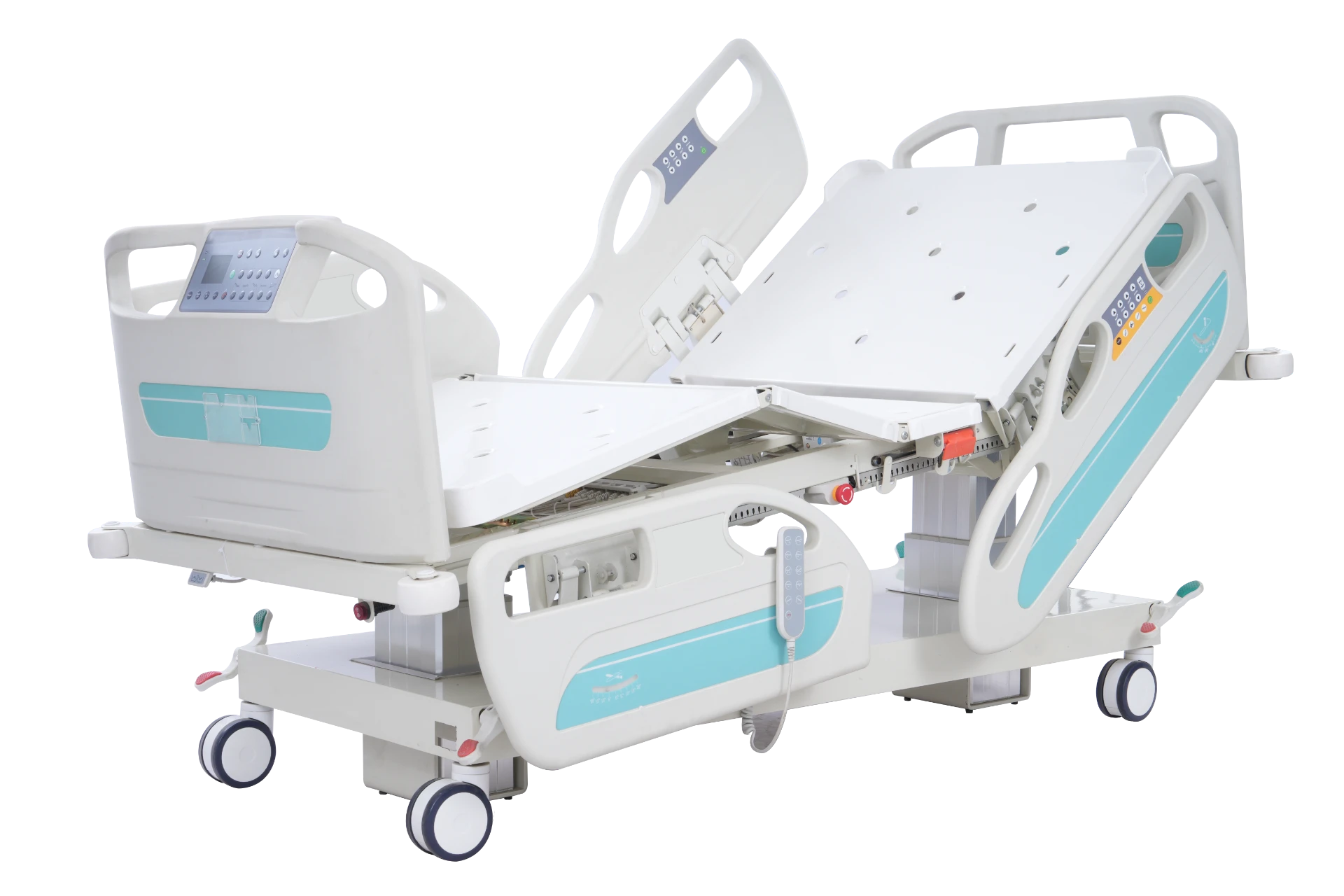
Simply put, these are mattresses designed specifically for hospital beds used in homes, combining clinical-grade support with the ergonomics needed for patient comfort outside the clinical setting. They’re usually pressure-relieving and may be made from special foam or gel materials that can reduce skin damage.
What I’ve noticed over time is that these mattresses also tie directly into industries like medical device manufacturing and home care providers. They’re a small but crucial piece of a larger ecosystem focused on improving home rehabilitation and long-term care.
Key Aspects to Consider When Choosing a Mattress for Hospital Bed at Home
1. Pressure Relief & Skin Protection
The biggest job of these mattresses is preventing pressure ulcers—a silent, painful complication for immobile patients. Specialized foam blends or alternating pressure systems are often used to keep blood flowing.
2. Durability & Hygiene
Frequent cleaning in home settings is essential since infections can spread quickly. Mattresses with waterproof, antimicrobial covers that withstand regular cleaning are best.
3. Comfort & Support Balance
Oddly enough, an overly firm mattress can cause discomfort, while one too soft might not give enough spinal support. The right mattress balances softness with support, often customized to patient needs.
4. Size and Portability
Hospital beds at home often require mattresses that are easy to move and fit nonstandard bed sizes. Lightweight designs help caregivers manage them efficiently.
5. Cost Efficiency
It’s not just about upfront cost; many families on tight budgets look for longevity and minimal replacement cycles. Some mattresses offer modular covers or replaceable layers that extend lifespan.
Mini takeaway: The mattress for a hospital bed at home needs to be more than just foam—think of it as a smart investment that balances protection, hygiene, comfort, and economics.
Global Use Cases and Who’s Benefiting Most
In Europe and North America, elderly patients recovering from surgeries prefer mattresses designed to speed wound healing at home. Meanwhile, in Asia, increased chronic illness rates have made such mattresses common for home health aides and visiting nurses.
In post-disaster relief zones, lightweight, durable mattresses that can be quickly deployed to temporary hospital beds are often in use—this is where manufacturers focus on transportability. Similarly, industrial mining sites with onsite medical facilities rely on shock-absorbing mattresses to treat injuries without constantly moving patients.
Advantages and Long-Term Value of Using Specialized Mattresses at Home
- Cost savings: Reducing bedsores and rehospitalizations cuts healthcare bills.
- Emotional comfort: Patients feel more at ease in their own beds that support their bodies properly.
- Sustainability: Many mattresses are now made from recyclable or eco-friendly materials.
- Trust and dignity: Families gain confidence knowing their loved ones are cared for with quality equipment.
Honestly, this last point resonates—there’s a lot of peace in knowing your hospital bed isn’t just “a bed” but part of a care strategy that honors patients as people.
Spotlight on Product Specs: Typical Mattress for Hospital Bed at Home
| Feature | Specification | Why It Matters |
|---|---|---|
| Dimensions | 36" x 80" x 6" (standard twin hospital bed) | Fits most hospital beds; ensures proper coverage |
| Material | High-density memory foam with gel infusion | Pressure relief and temperature regulation |
| Cover | Waterproof, antimicrobial woven nylon | Hygiene and infection control |
| Weight | 15 lbs | Easy maneuverability for caregivers |
| Warranty | 5 years | Longevity and quality assurance |
Vendor Comparison: Who Offers What?
| Brand | Material Type | Price Range | Special Features | Warranty |
|---|---|---|---|---|
| SureComfort | Gel-infused memory foam | $400 - $600 | Moisture-wicking cover | 5 years |
| MediHome | High-density polyurethane foam | $300 - $500 | Antimicrobial and waterproof cover | 4 years |
| HealComfort | Alternating pressure air cells | $700 - $900 | Adjustable firmness, motorized | 6 years |
Looking Ahead: Innovations Shaping the Mattress for Hospital Bed at Home
With sustainability more than a buzzword, manufacturers are working on bio-based foams using algae or soy derivatives. Smart mattresses equipped with sensors to monitor pressure areas and send alerts to caregivers are gradually entering the market, fueled by digital health trends. Also, modular mats that can be customized to each user’s anatomy are becoming more common.
Frankly, this is where the mattress meets the “internet of things” — transforming dormancy into dynamic care that adjusts in real time.
Challenges and How to Address Them
Not all hospital bed mattresses are affordable for everyone, and some models are so complex they require training to operate. Cleaning hospital bedding at home can be tricky without specialized laundry equipment, so maintenance becomes a hurdle. Experts suggest easy-to-clean, machine-washable covers and modular mattress layers as practical solutions.
Plus, educating caregivers on proper mattress use avoids many preventable complications.
Frequently Asked Questions About Mattress for Hospital Bed at Home
- What makes a mattress for hospital bed at home different from a regular mattress?
- These mattresses are designed specifically to reduce pressure points, improve hygiene, and support medical conditions, unlike typical mattresses which prioritize comfort over clinical needs.
- How often should a hospital bed mattress at home be replaced?
- Generally, every 3 to 5 years based on wear and hygiene, but high-use or damaged mattresses might need replacement sooner to avoid health risks.
- Can I just add a mattress topper instead of buying a specialized mattress?
- While toppers improve softness, they usually don’t provide the necessary pressure relief and infection control features that specialized hospital bed mattresses offer.
- Are these mattresses portable for travel or temporary care?
- Many models are lightweight and designed with portability in mind, but heavier alternating pressure mattresses usually require power and are less mobile.
- How can I maintain hygiene for a hospital bed mattress at home?
- Using waterproof antimicrobial covers, regular cleaning with approved disinfectants, and following manufacturer guidelines are critical for maintaining a hygienic mattress.
Concluding Thoughts
In the shift toward home-based care, the mattress for hospital bed at home is an unsung hero. It supports healing, protects skin, and offers comfort in a setting that is often more stressful than we realize. With innovations and awareness rising, the future looks brighter—less hospital readmission, better patient outcomes, and a touch more dignity.
For anyone looking for reliable and ergonomic options, don’t hesitate to explore mattresses designed specifically for hospital beds at home. Your care, comfort, and peace of mind are worth the investment.
References
-
Ultimate Guide to Choosing Extra Wide Waiting Room ChairsNewsApr.16,2026
-
Guide to Choosing Professional Waiting Room Chairs Wipeable SeatingNewsApr.09,2026
-
Enhance Your Space with Comfortable Wide Waiting Room ChairsNewsApr.07,2026
-
Selecting the Ideal Brown Waiting Room Chairs for a Welcoming SpaceNewsApr.04,2026
-
Choosing Comfortable Patient Waiting Room Chairs for Healthcare FacilitiesNewsMar.31,2026
-
Finding the Best Deals on Affordable and Cheap Reception Chairs for Your BusinessNewsMar.28,2026
-
Enhance Your Business Reception with Comfortable Blue Reception ChairsNewsMar.26,2026