Welcome to our websites!


Hospital Surplus Furniture: Sustainable Solutions for Modern Healthcare
Understanding Hospital Surplus Furniture: Key to Sustainable Healthcare Solutions
Hospital surplus furniture may not be the flashiest topic in healthcare, yet it’s a surprisingly vital piece of the global health puzzle. Basically, it refers to used or excess hospital furniture that's repurposed or resold, and this practice has serious implications—not just economically, but environmentally and socially too. As healthcare facilities worldwide grapple with budget constraints and rising patient needs, making efficient use of available resources, like surplus hospital items, becomes increasingly important. This shift benefits developing regions and helps preserve resources in established health infrastructures. Let’s dive into what hospital surplus furniture really means, why it matters globally, and what advantages it offers in today’s health ecosystem.
Global Context: Why Hospital Surplus Furniture Matters
Healthcare systems worldwide spend billions on equipment and infrastructure annually. According to the World Bank, health expenditure reached about 10% of global GDP in recent years, yet many hospitals still face shortages in furniture and supplies. At the same time, developed countries often decommission usable hospital furniture due to upgrades or restructuring. Here, hospital surplus furniture fills a valuable niche, allowing redistribution or resale, especially in low-resource settings.
Oddly enough, many countries in Africa, Asia, and South America rely heavily on imported second-hand hospital furniture to bridge the gap in healthcare delivery. The United Nations has emphasized sustainable asset management as part of improving global health infrastructure — practices that include minimizing waste and maximizing reuse. Hospital surplus furniture thus emerges as a practical response to those challenges.
Mini takeaway: Hospital surplus furniture is more than “used stuff”; it’s a strategic resource that supports sustainable, cost-effective healthcare worldwide.
What Exactly is Hospital Surplus Furniture?
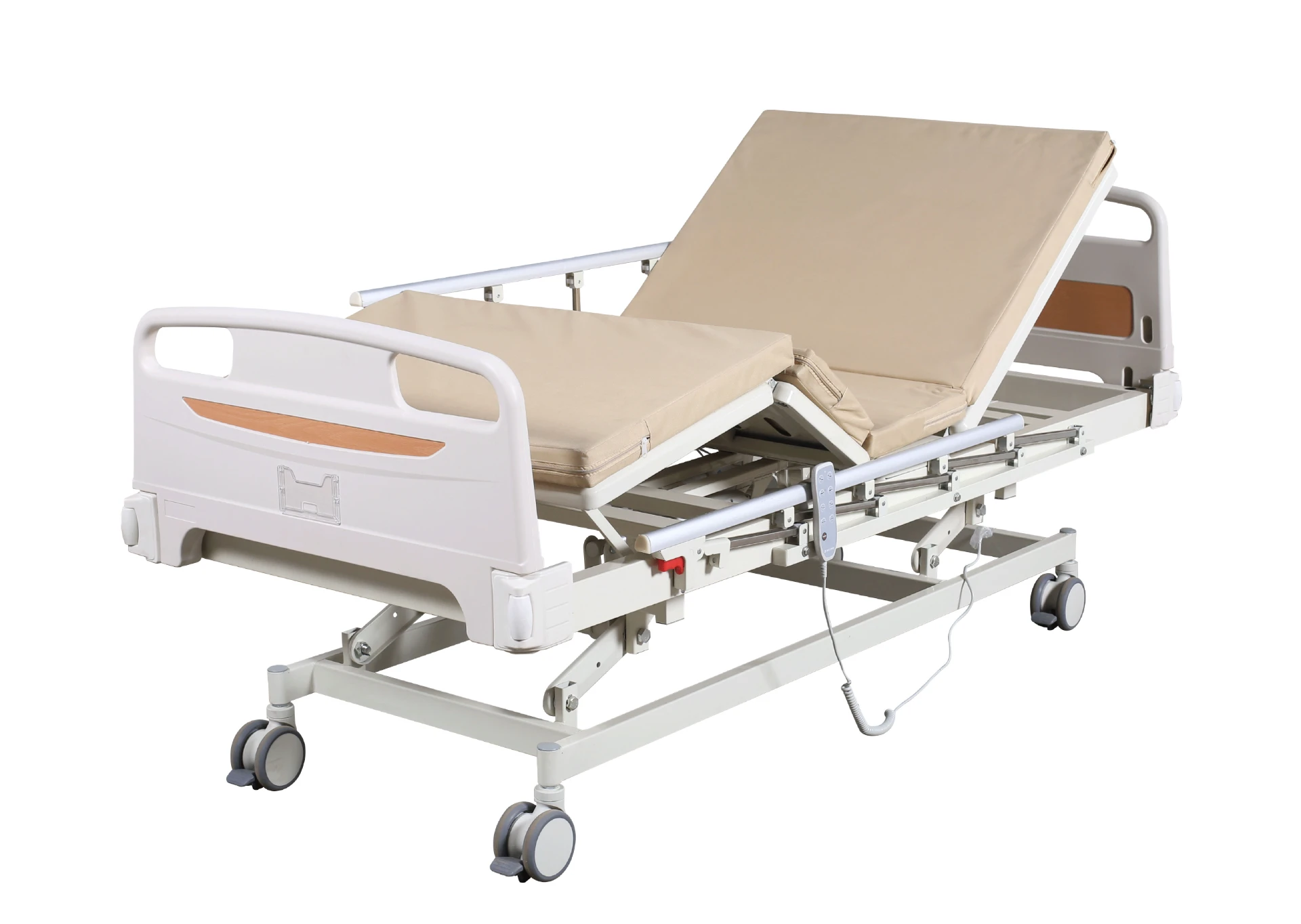
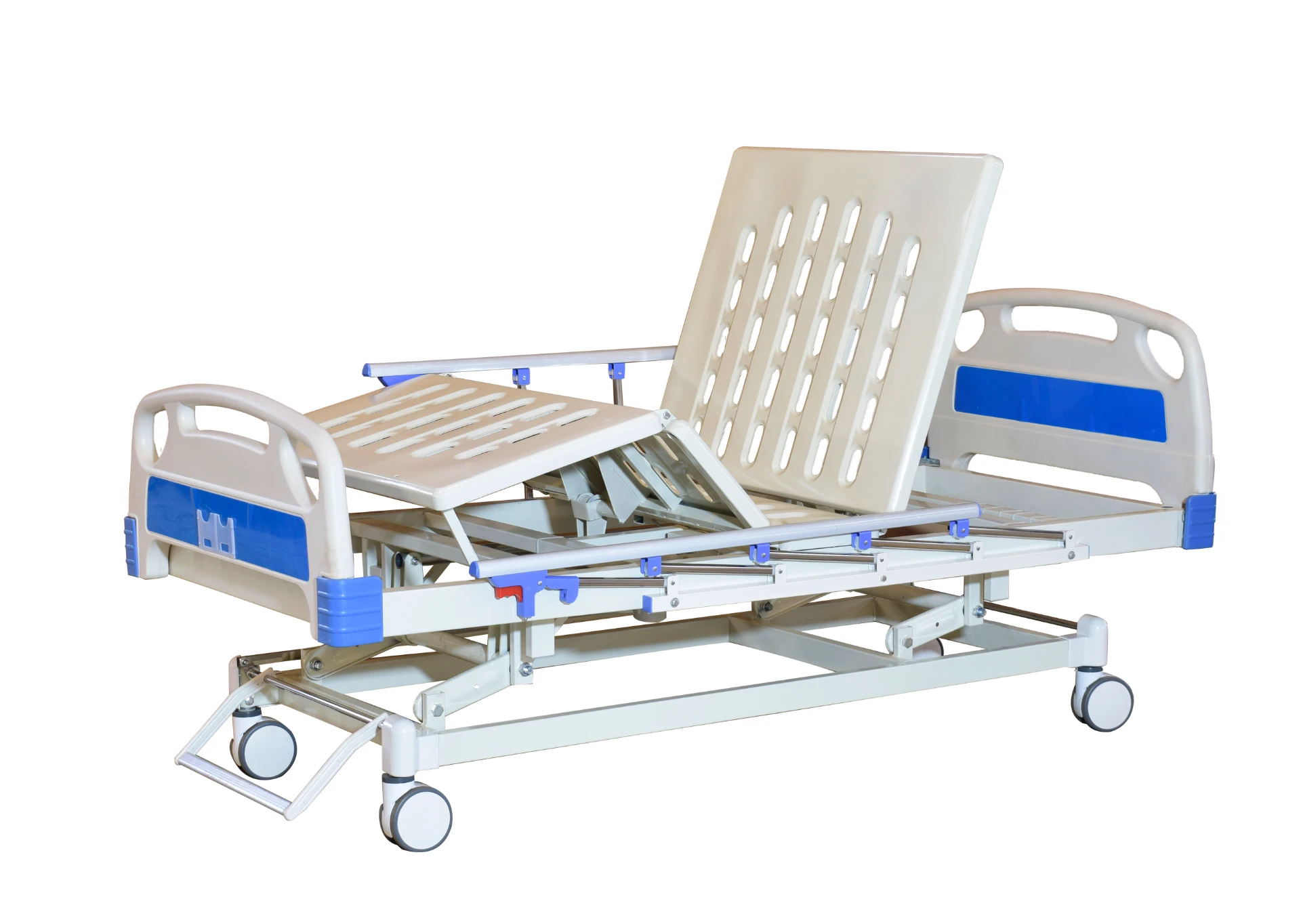
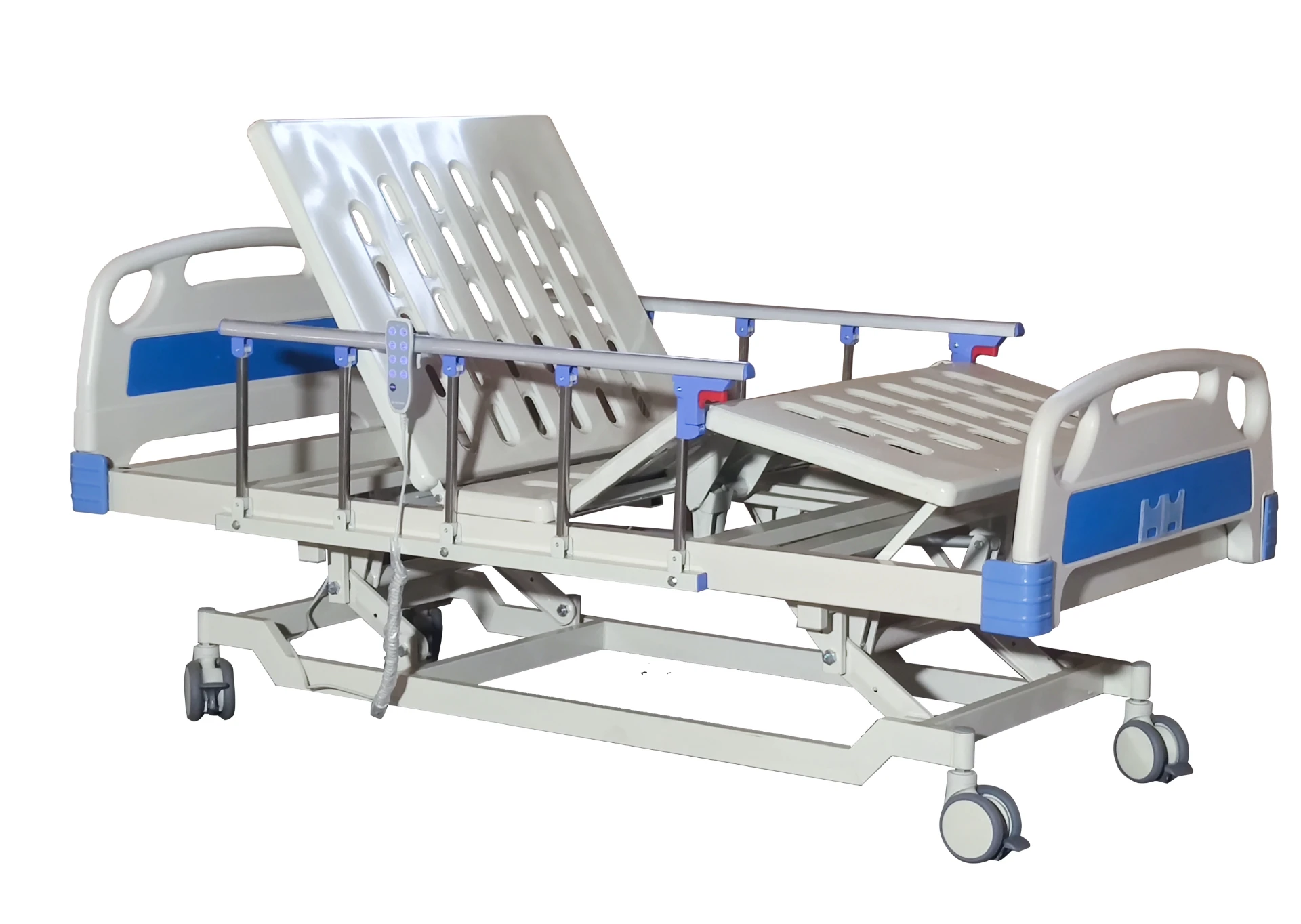
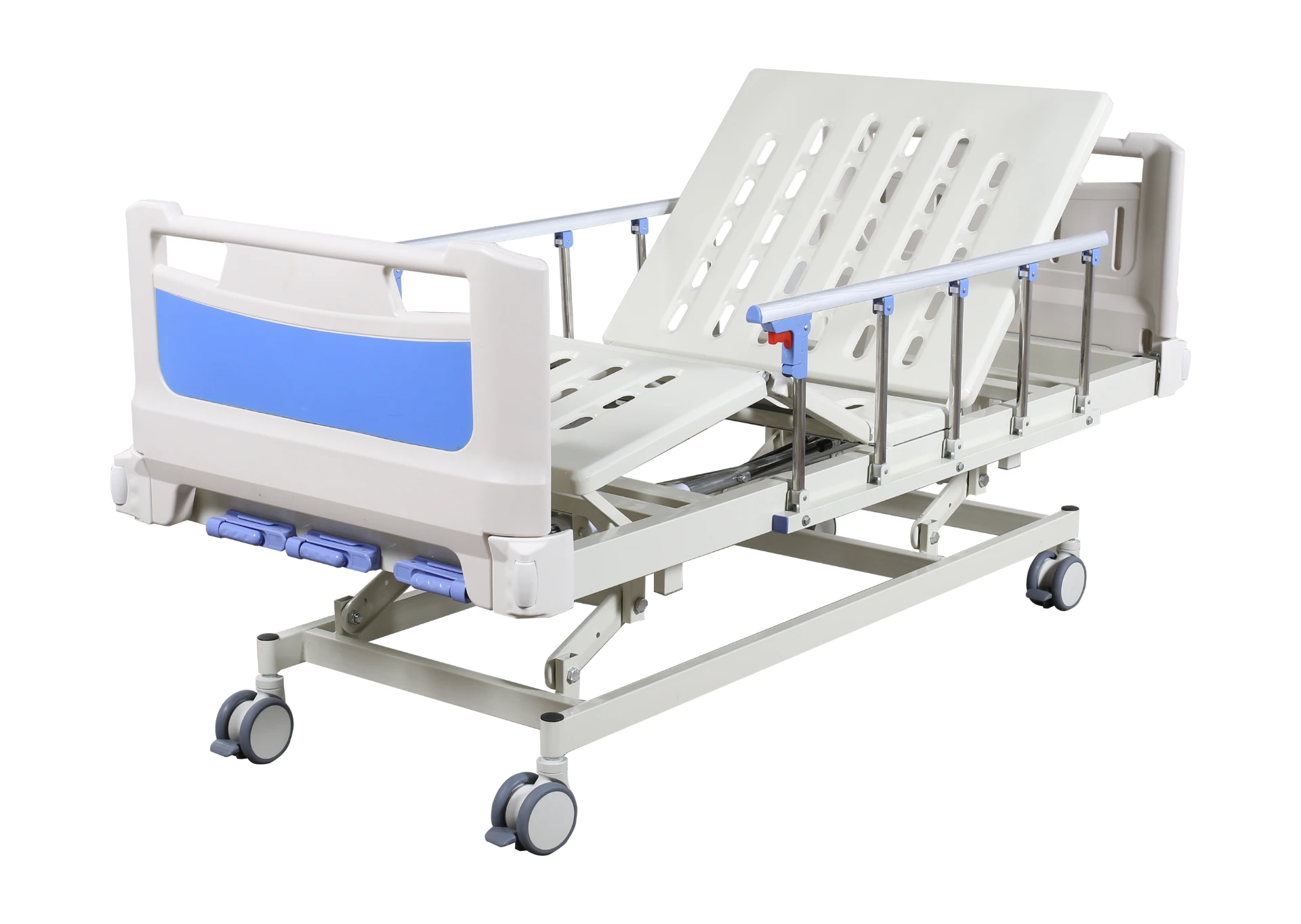
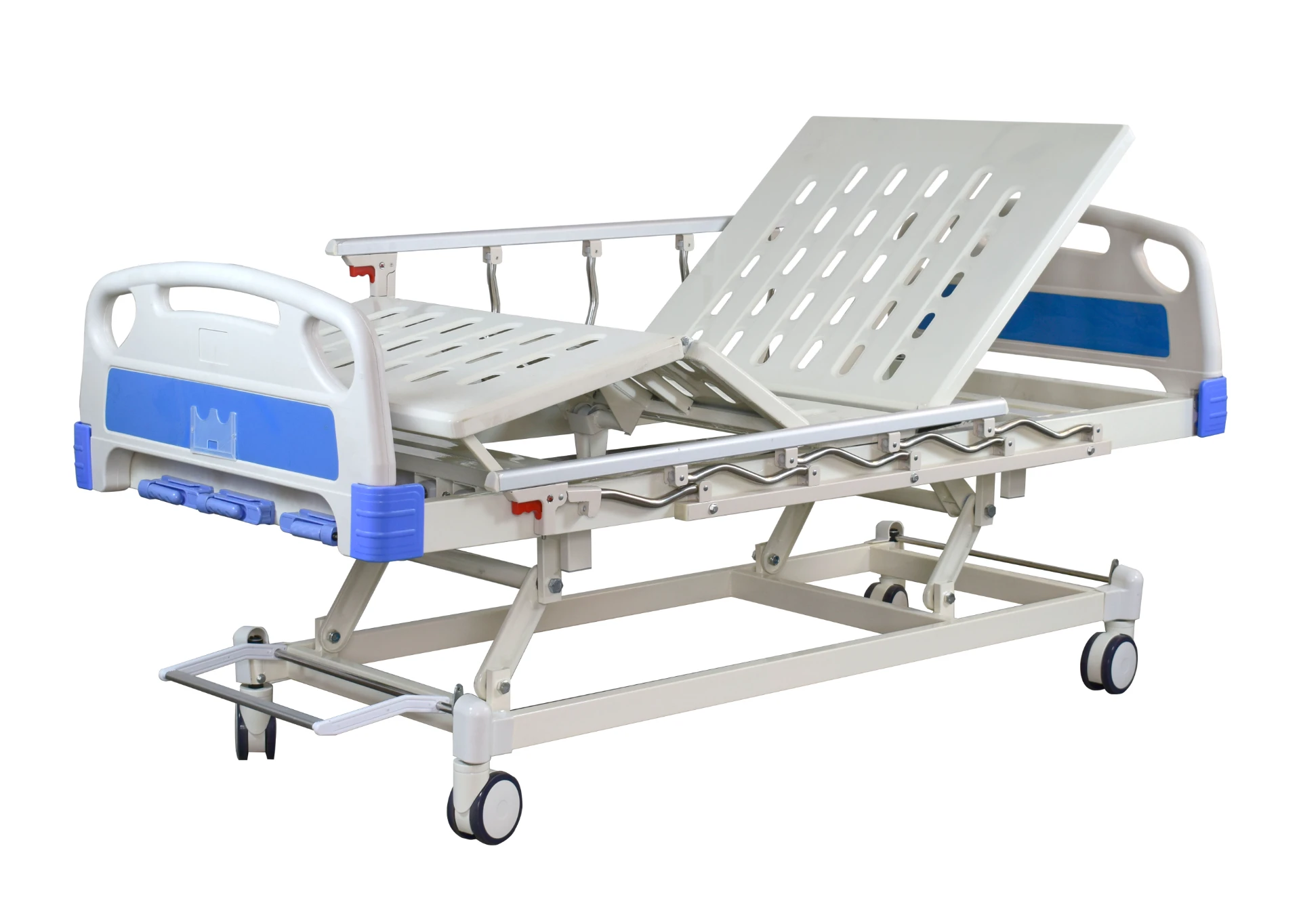
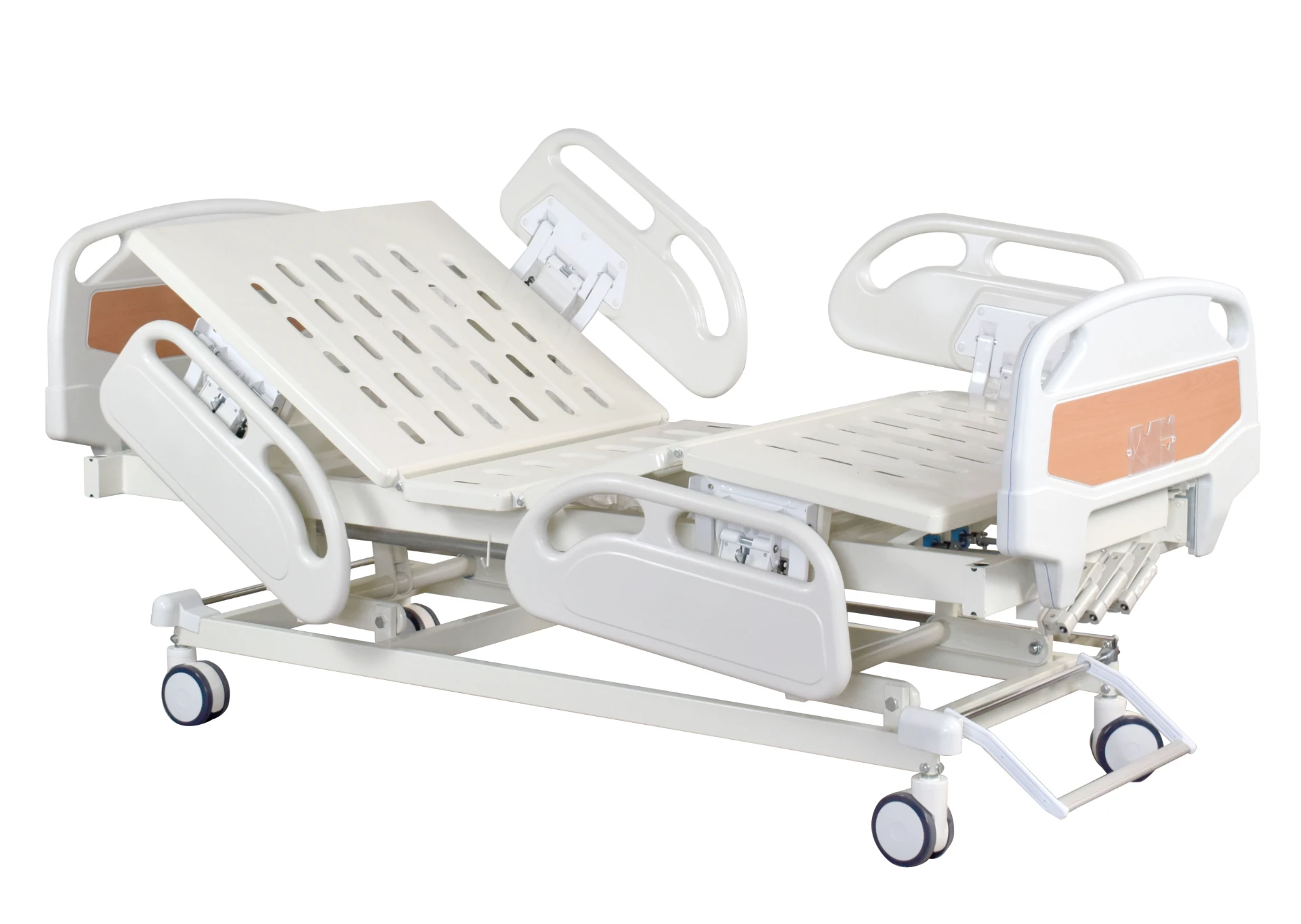
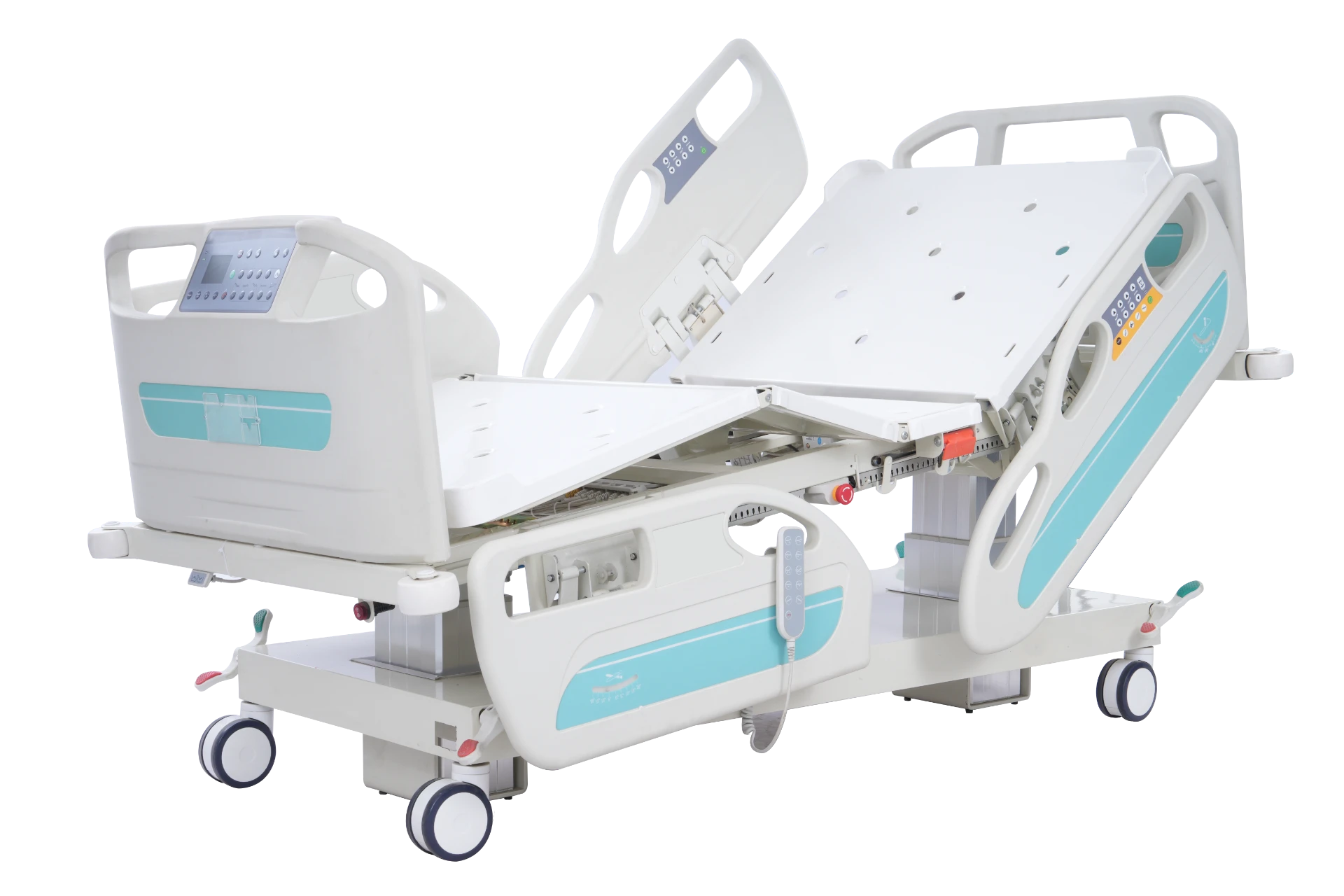
Simply put, hospital surplus furniture includes any furniture that hospitals no longer need—beds, bedside tables, lockers, seating, desks, and specialized units like IV stands or instrument carts. These items could be surplus because of facility upgrades, overstocking, or even closure of healthcare facilities.
This surplus isn't junk; many pieces remain in good condition and can instantly enhance another hospital’s capabilities, particularly those with limited budgets. In humanitarian contexts, such furniture often supports clinics and makeshift hospitals, playing a critical role in delivering dignified patient care under constrained circumstances.
Key Factors Driving Importance of Hospital Surplus Furniture
1. Durability and Quality
Unlike cheap disposables, hospital-grade furniture is built tough to meet strict hygiene and safety standards, often outlasting average commercial furniture. This quality means surplus items often have long lifespans remaining and stand up well to sterilization and heavy use.
2. Scalability and Flexibility
Healthcare needs fluctuate fast, especially during crises. Surplus furniture allows hospitals to quickly adapt—adding beds or seating as patient loads surge, for example. It also suits temporary or mobile clinics, where flexible setups matter.
3. Cost Efficiency
Buying surplus furniture reduces capital expenditures dramatically. Especially for developing countries or NGOs, reused furniture lowers barriers to quality healthcare delivery without compromising safety or function.
4. Environmental Sustainability
Reusing existing hospital furniture cuts down on waste and lessens demand for resource-intensive new manufacturing, aligning with global sustainability goals (like those from ISO and the UN Environment Programme).
5. Regulatory Compliance and Safety
Surplus items from established hospitals usually comply with health regulations or can be refurbished to do so, maintaining trust in patient safety.
Hospital Surplus Furniture Around the World: Real-World Applications
In sub-Saharan Africa, many healthcare facilities rely on imported surplus furniture to outfit wards and clinics rapidly, often during expansion or post-crisis reconstruction. For instance, after the 2010 Haiti earthquake, surplus hospital furniture from international donors helped rebuild healthcare infrastructure at speed.
In industrialized regions, surplus furniture programs help hospitals manage inventory and minimize waste, with organizations arranging controlled sales or donations to less affluent areas. A notable example is the U.S. and Canada, where hospitals regularly recycle solid, safe furniture for charitable use.
Mini takeaway: Whether in post-disaster zones or expanding urban hospitals, surplus furniture bridges gaps between urgent needs and financial limits.
Spec Sheet: Typical Hospital Surplus Furniture Item
| Specification | Details |
|---|---|
| Material | Powder-coated steel frame, high-density foam cushions, antimicrobial vinyl covers |
| Dimensions | Hospital bed: 203 cm L × 91 cm W × 50 cm H |
| Weight Capacity | Up to 250 kg (550 lbs) |
| Features | Adjustable height, caster wheels with locking brakes, removable head & foot boards |
| Condition | Refurbished & inspected to meet hospital safety standards |
Comparing Common Hospital Surplus Furniture Vendors
| Vendor | Product Range | Refurbish Standards | Shipping Options | Warranty |
|---|---|---|---|---|
| MedReuse Suppliers | Beds, carts, lockers, seating | ISO 13485 certified refurbishment | Worldwide freight & custom clearance | 6-months parts & labor |
| Global Health Furnishings | Wide hospital & clinic furniture selection | In-house QA team with ASTM compliance | Regional hubs for prompt delivery | 1-year limited warranty |
| EcoMed Warehouse | Focus on sustainable, refurbished products | Third-party certification ISO and EPA standards | Custom eco-friendly packaging & logistics | 12-month warranty with green disposal |
Advantages & Long-Term Value of Hospital Surplus Furniture
When you think about it, the benefits of hospital surplus furniture hit a sweet spot of financial, social, and environmental wins. Hospitals save cold, hard cash. Communities gain access to quality care infrastructure that might otherwise be unaffordable. This reuse reduces landfill burdens, contributing to sustainability goals increasingly embraced by healthcare organizations worldwide.
Beyond numbers, there’s also a profound social benefit: furnishing clinics with dignity-enhancing, functional furniture helps ensure patients feel respected and cared for. In emergencies or low-resource contexts, that feeling counts. It’s about trust and innovation working hand in hand.
Emerging Trends and Innovations in Hospital Surplus Furniture
The future of hospital surplus furniture will likely be tied closely to eco-conscious manufacturing and smarter refurbishment processes. We see a push for materials that are antimicrobial and biodegradable at end-of-life. Digital inventory management systems help track and optimize reuse cycles more transparently. Some innovators are introducing RFID tagging to hospital furniture, making redistribution far more efficient and accountable.
Interestingly, automation has started to touch refurbishment factories, improving consistency and reducing turnaround times. These tech add-ons, combined with stricter international policies on medical waste and reuse, will definitely shape how surplus furniture is handled and embraced going forward.
Challenges and How Experts Are Tackling Them
One major issue is ensuring that surplus furniture meets updated safety regulations and infection control standards. Shipping logistics can be tricky, too—especially when sending items internationally, where customs and packaging complexity increase costs and times.
Experts recommend robust inspection and certification processes, partnering with local logistics firms well-versed in medical freight, and customizing refurbishment procedures to extend usability without compromising safety. Educational efforts also help hospitals plan their surplus asset management more effectively, reducing wastage upfront.
FAQ: Common Questions About Hospital Surplus Furniture
- Q: Are hospital surplus furniture items safe to use in critical care?
A: Generally yes, if they have been properly inspected and refurbished according to medical standards. Always verify certifications and refurbishment warranties before procuring. - Q: How can NGOs import surplus hospital furniture efficiently?
A: NGOs should work with certified vendors offering international shipping and customs assistance to navigate regulations smoothly and avoid shipment delays. - Q: Does buying surplus furniture compromise patient comfort?
A: Not necessarily. Many surplus pieces are well-maintained or refurbished to ensure ergonomic design and comfort, meeting hospital-grade requirements. - Q: How long can donated surplus furniture last in harsh environments?
A: With proper maintenance and refurbishment, hospital furniture commonly lasts 5–10 years, even in challenging settings.
In Conclusion
Hospital surplus furniture represents a surprisingly impactful cornerstone for sustainable healthcare, combining cost savings, environmental stewardship, and social value. It makes realistic the dream of better-equipped clinics and hospitals worldwide, especially where resources are scarce. For organizations and institutions interested in exploring efficient use of quality medical furnishings, hospital surplus furniture offers a compelling solution.
Visit our website to learn more about sourcing well-certified, affordable surplus hospital pieces and how they can transform healthcare delivery in your region.
Reflecting on all this, it feels like surplus furniture is one of those quietly powerful solutions ticking many boxes—financially smart, socially impactful, and earth-friendly. A triple win, really.
References
-
Ultimate Guide to Choosing Extra Wide Waiting Room ChairsNewsApr.16,2026
-
Guide to Choosing Professional Waiting Room Chairs Wipeable SeatingNewsApr.09,2026
-
Enhance Your Space with Comfortable Wide Waiting Room ChairsNewsApr.07,2026
-
Selecting the Ideal Brown Waiting Room Chairs for a Welcoming SpaceNewsApr.04,2026
-
Choosing Comfortable Patient Waiting Room Chairs for Healthcare FacilitiesNewsMar.31,2026
-
Finding the Best Deals on Affordable and Cheap Reception Chairs for Your BusinessNewsMar.28,2026
-
Enhance Your Business Reception with Comfortable Blue Reception ChairsNewsMar.26,2026