Welcome to our websites!


Ward Beds: The Essential Foundation for Healthcare Delivery and Emergency Response
Ward Beds: Essential Components of Healthcare Infrastructure
In the world of healthcare delivery, the unsung heroes often live in plain sight: ward beds. These practical fixtures are the backbone of hospitals, clinics, and emergency response units worldwide. Understanding ward beds and their evolving role is not just a niche technical matter — it’s crucial to global health systems’ efficiency, patient comfort, and crisis preparedness. Whether in bustling metropolitan hospitals or remote field clinics, the kind of bed a patient sleeps on significantly impacts recovery, safety, and even dignity. Moreover, challenges like pandemics, natural disasters, and resource constraints worldwide emphasize the need for flexible, cost-effective, and durable ward beds.
Mini takeaway: Ward beds, simple at first glance, are actually complex healthcare assets influencing patient outcomes and healthcare system resilience globally.
Global Relevance: Meeting the Scale of Healthcare Needs
Globally, the demand for quality ward beds is increasing. According to the World Health Organization, there were approximately 2.7 hospital beds per 1,000 people worldwide in 2020 — a number that varies greatly from region to region and is often insufficient in low-income countries. In humanitarian crises, rapid deployment of functional ward beds can literally save lives. From the crowded hospitals during the COVID-19 pandemic to makeshift treatment centers in disaster zones, beds must be scalable and reliable.
Yet, despite their importance, many facilities operate below international standards for ward bed quality or availability, leading to suboptimal care and patient suffering. It’s an interesting paradox — beds are everywhere, yet the right kind of beds frequently aren’t. That’s the main problem ward beds are designed to address in modern healthcare and emergency response.
Defining Ward Beds: More Than Just a Place to Lie Down
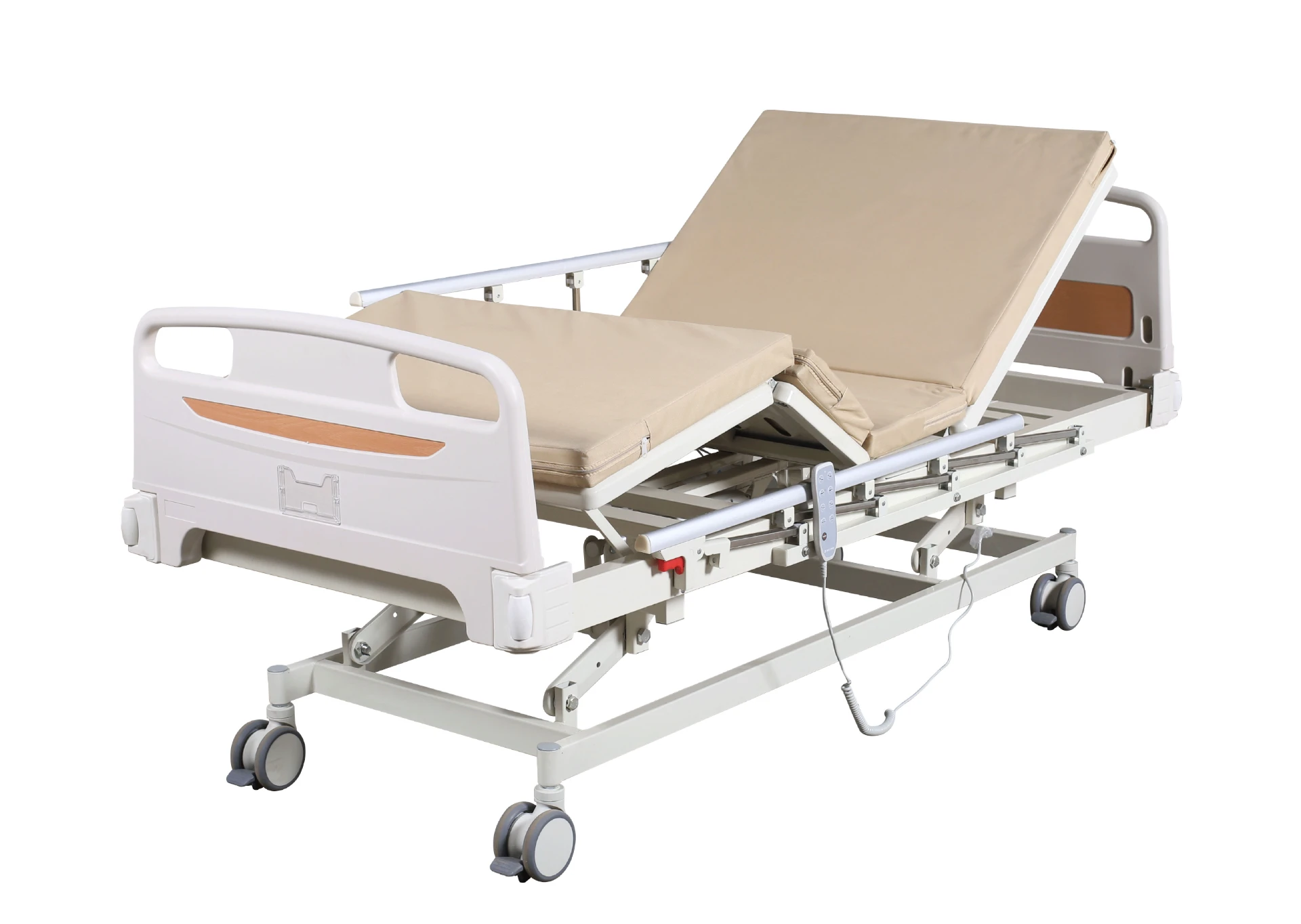
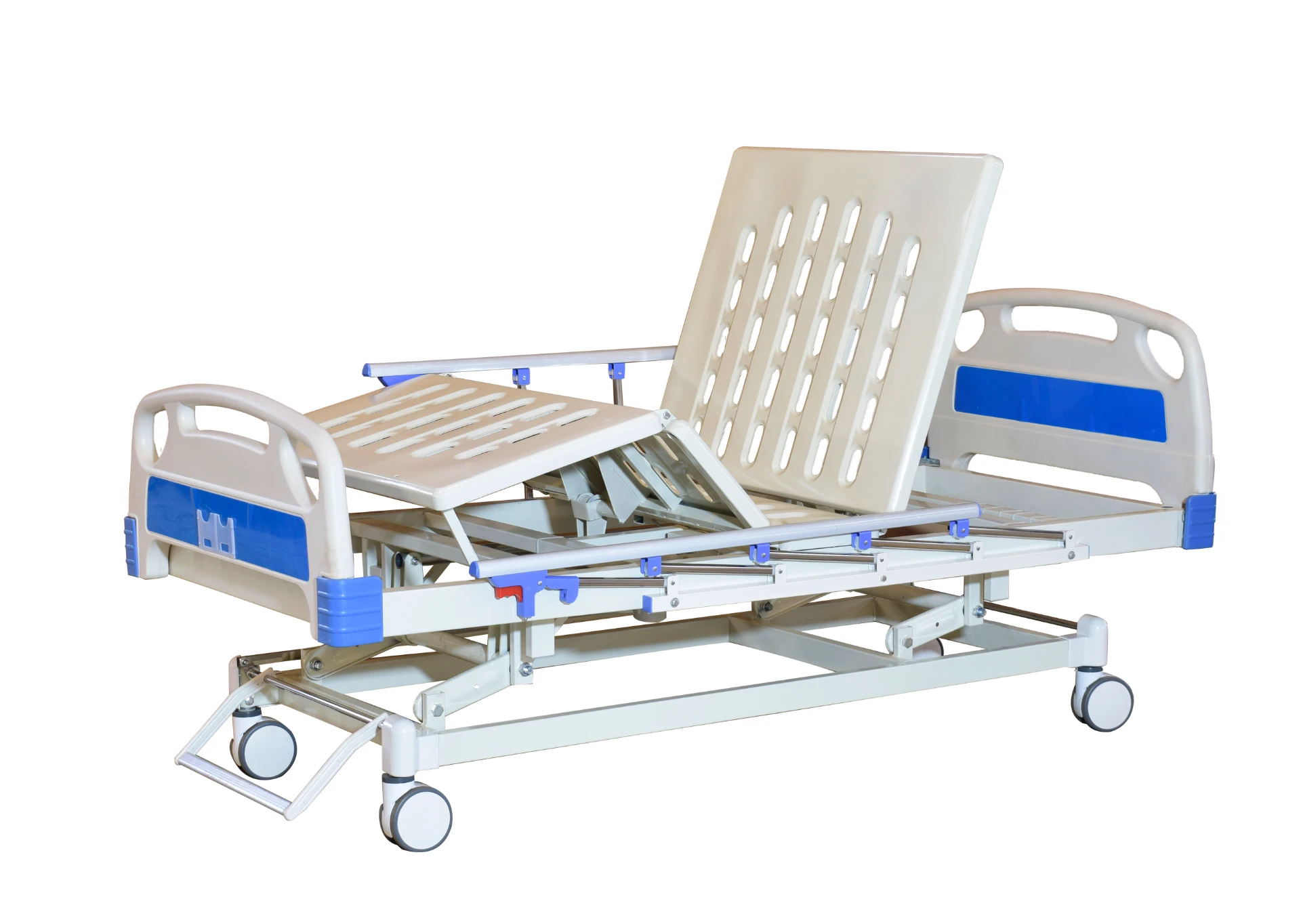
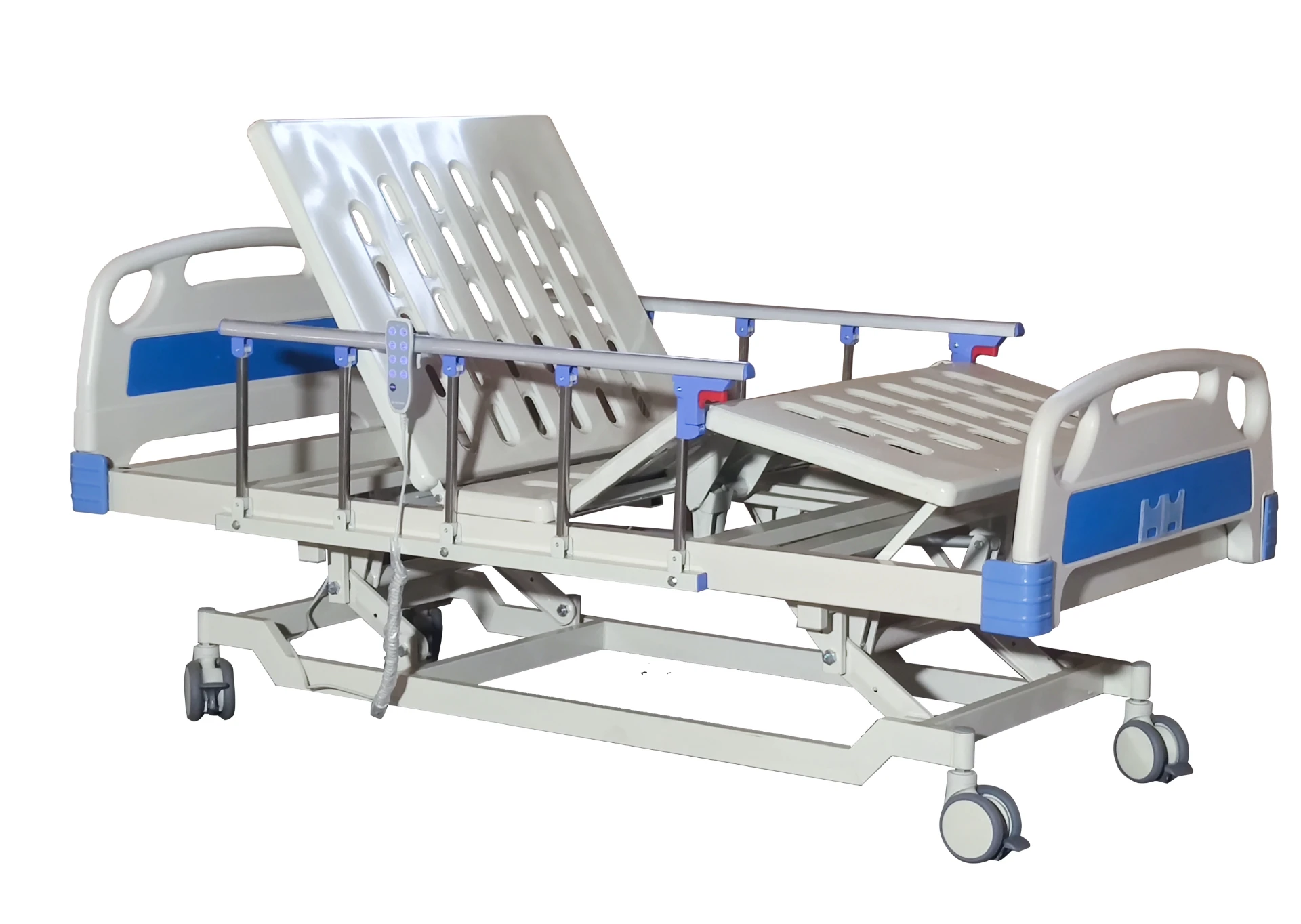
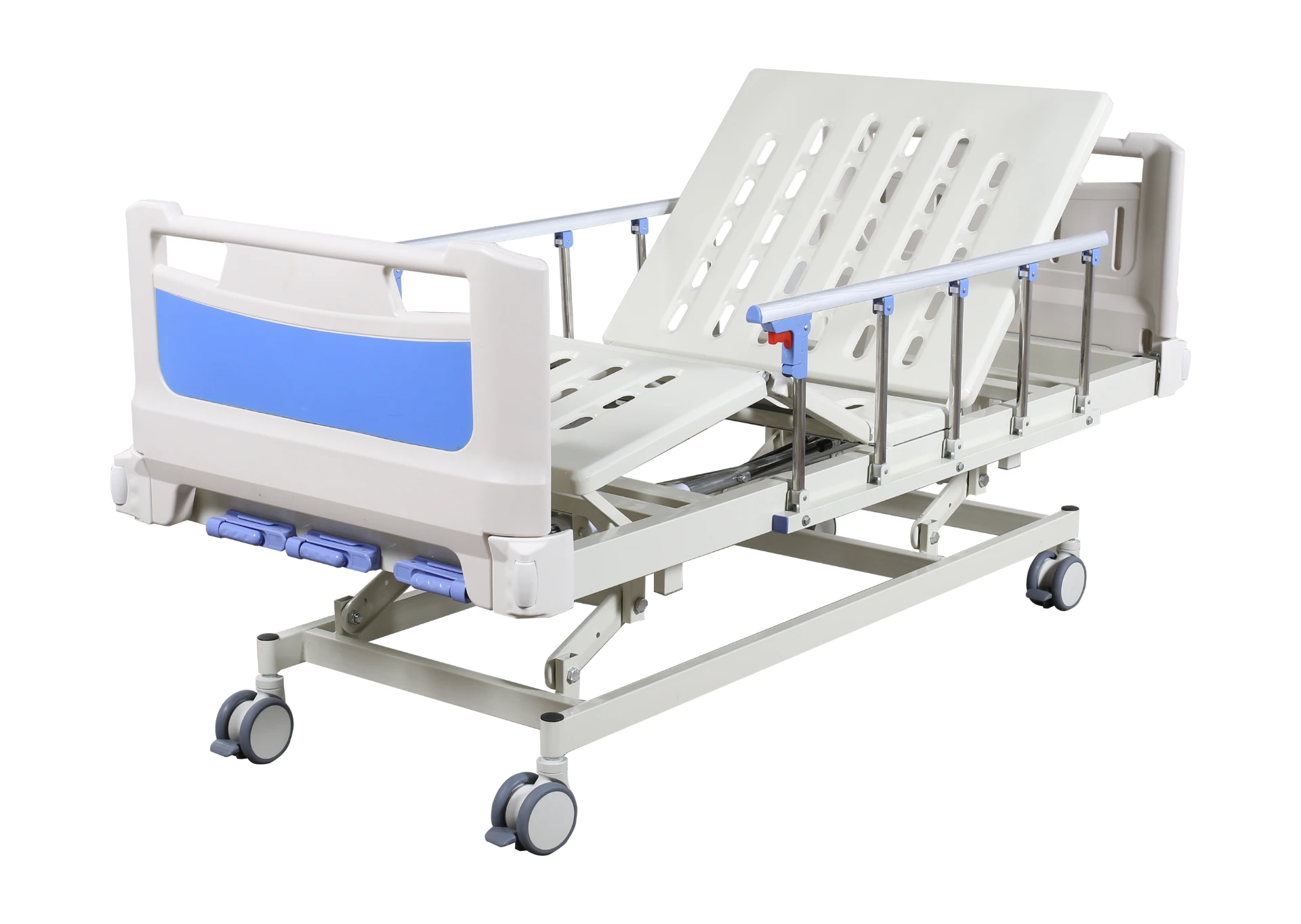
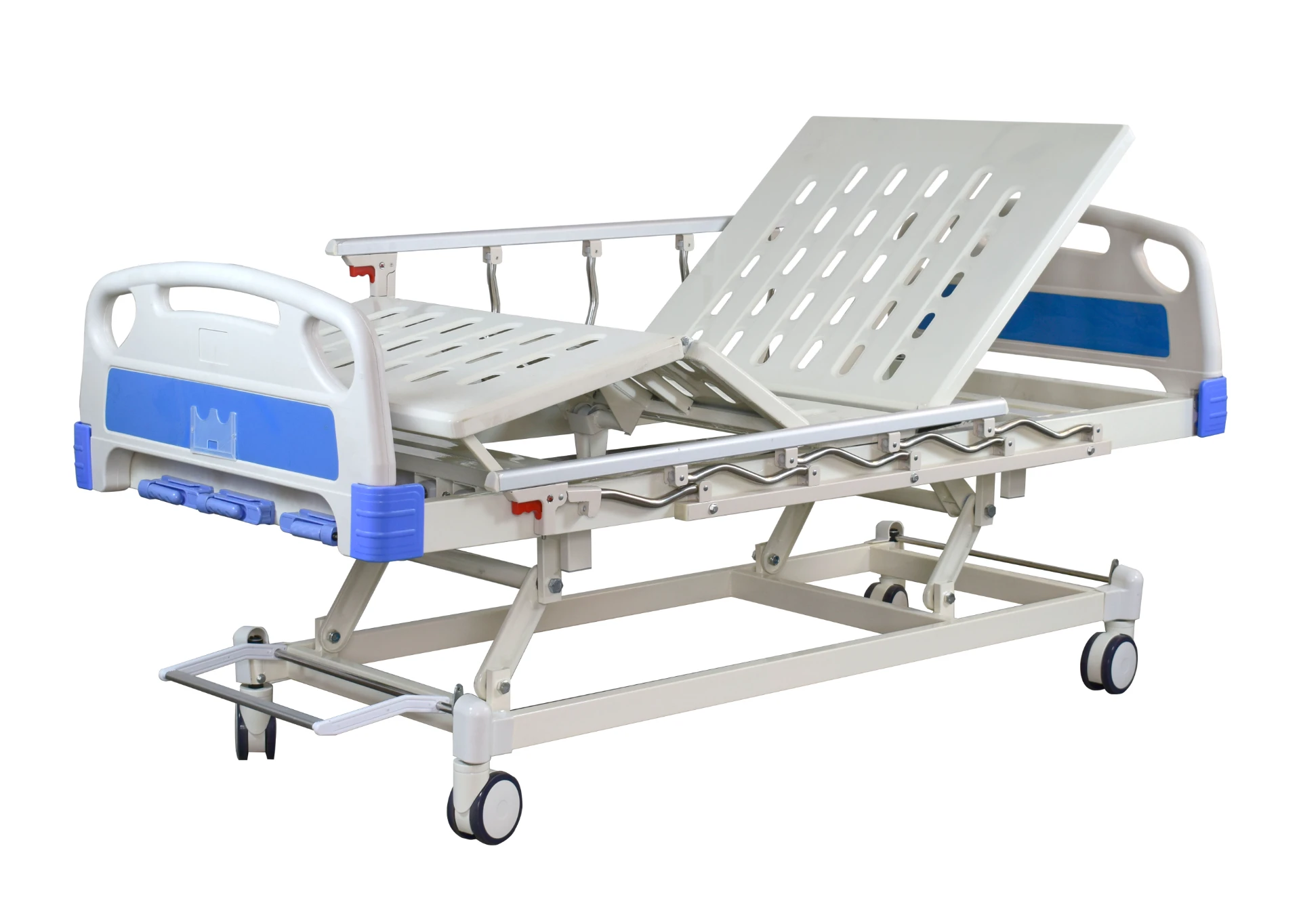
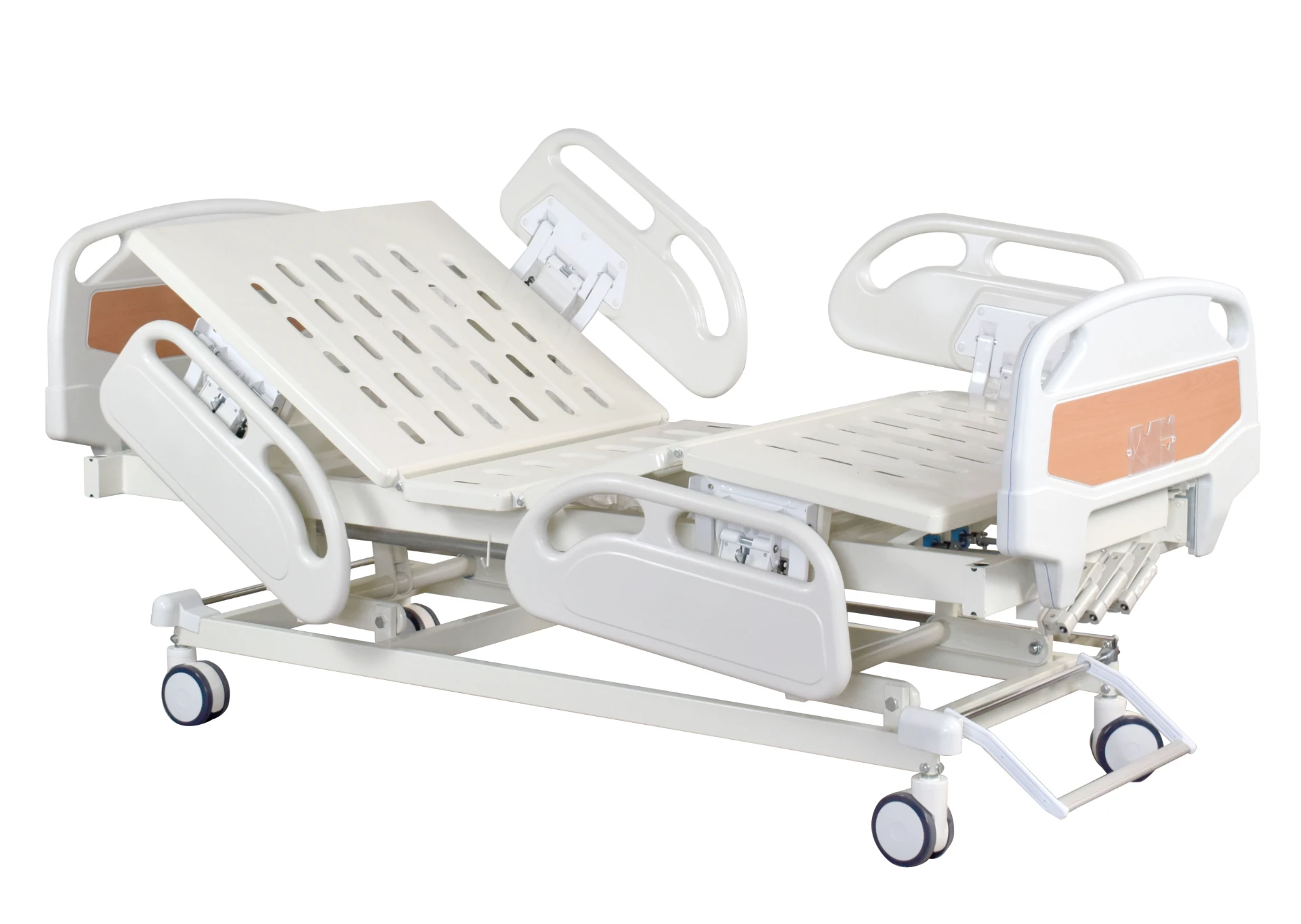
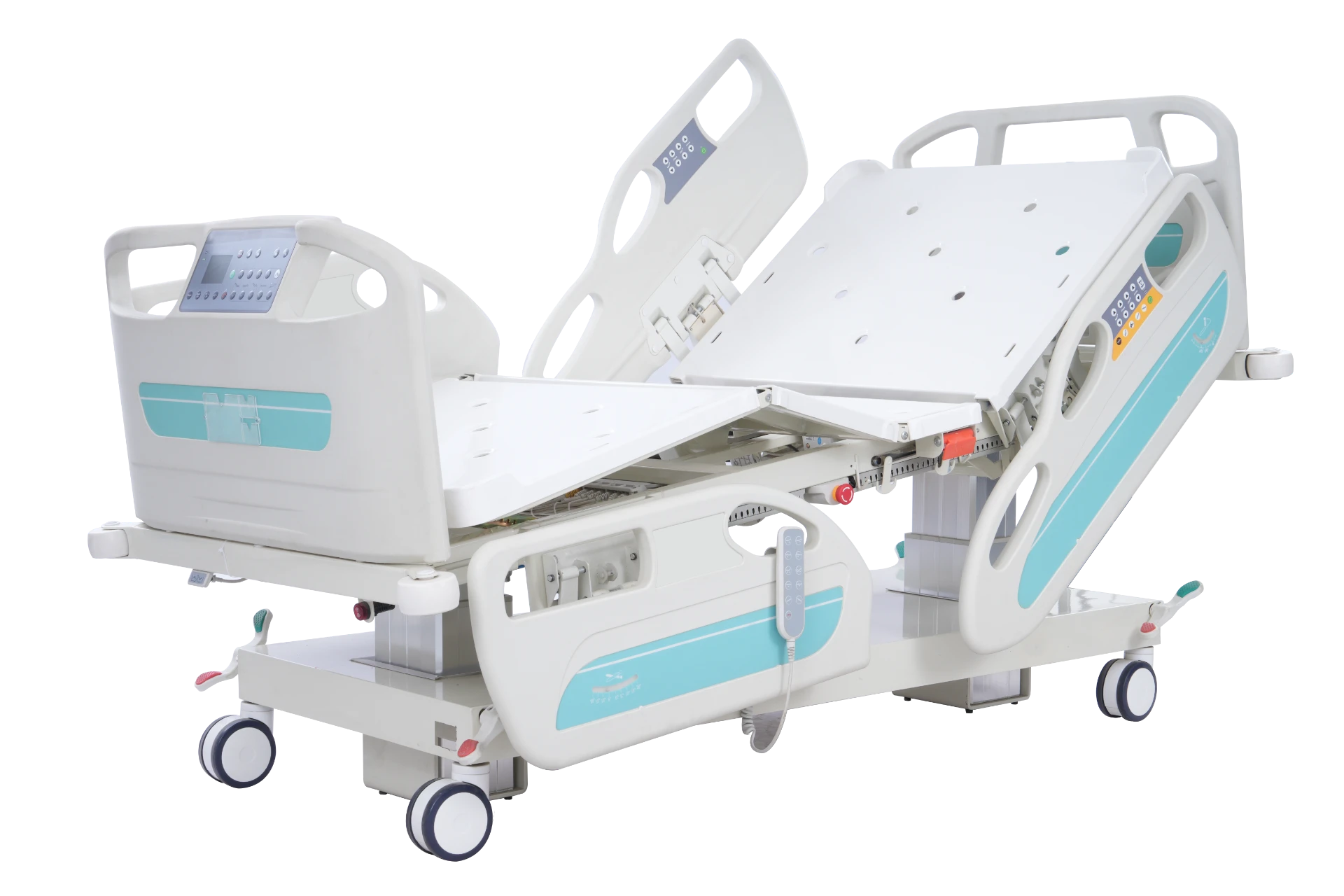
Simply put, ward beds are hospital beds intended for inpatient wards, designed to support long or short-term patient stays, equipped with features like adjustable height, side rails, and sometimes integrated medical equipment support. They differ from intensive care beds or stretchers by striking a balance between comfort, functionality, and affordability. They also meet various healthcare standards such as ISO 13485 in medical device manufacturing, ensuring safety and hygiene.
More than furniture, ward beds represent a core link between patient care and clinical workflow, blending ergonomics, durability, and infection control. They’re instrumental in contexts stretching from permanent hospitals to temporary clinics, refugee camps, and disaster relief settings.
Key Factors in Ward Bed Design and Use
Durability & Hygiene
Ward beds are used daily, often in challenging environments. Their frames usually comprise stainless steel or powder-coated steel, ensuring rust-resistance and easy cleaning. With infection control now more critical than ever, materials must not harbor pathogens and should withstand cleaning agents.
Adjustability & Patient Comfort
Modern ward beds allow adjustments in backrest height, leg elevation, and sometimes overall bed height. These adaptations reduce pressure sores and improve breathing for patients, vital in extended hospital stays.
Scalability and Modularity
Facilities often require the ability to increase capacity rapidly. Modular ward bed designs can be folded or easily transported and deployed, a feature vital in emergency or pandemic contexts.
Cost Efficiency
Healthcare budgets vary drastically across geographies. In many developing countries, cost-effective yet reliable ward beds can expand access to inpatient care without compromising safety or comfort.
User-Friendly Operation
Ward staff need beds easy to adjust and maintain. Intuitive hand cranks or electric controls improve workflow and reduce caregiver strain.
Mini takeaway: The best ward beds balance durability, comfort, adaptability, and affordability — meeting real-world healthcare needs inside and outside traditional hospitals.
Global Applications & Real-World Use Cases
- In Post-Disaster Relief: After earthquakes or floods, organizations deploy modular ward beds for field hospitals, enabling quality care within days.
- Rural and Remote Healthcare: In low-resource settings of Sub-Saharan Africa and South Asia, sturdy beds address chronic shortages and harsh conditions.
- Pandemic Response: The rapid scaling of inpatient capacity during COVID-19 waves highlighted the importance of fast-deploying ward beds.
- Military and Industrial Use: Temporary medical posts in mining operations or military campaigns rely on portable ward beds for onsite care.
Take, for example, a humanitarian NGO that deployed over 500 modular ward beds within weeks to Syrian conflict zones, allowing medical teams to treat thousands with dignity and safety.
Advantages and Long-Term Value
Ward beds offer more than immediate utility; they build lasting infrastructure and social value:
- Cost Savings: Durable beds reduce the need for frequent replacements, critical for budget-strapped hospitals.
- Social Impact: Comfortable beds improve patient morale and dignity — factors often underappreciated but tightly linked to recovery.
- Healthcare Resilience: Rapidly deployable and modular beds help systems adapt to sudden surges.
- Innovation and Trust: Hospitals investing in quality equipment signal commitment to care standards, boosting public confidence.
Common Specifications of Ward Beds
| Feature | Typical Range / Description |
|---|---|
| Frame Material | Powder-coated Steel or Stainless Steel |
| Adjustability | Manual crank or electric (backrest/leg/height) |
| Patient Load Capacity | Up to 250 kg (550 lbs) |
| Dimensions | Typically 200 cm length x 90 cm width |
| Mobility | Wheels with locks; foldable options |
Vendor Comparison: Choosing the Right Ward Bed Supplier
| Vendor | Price Range | Customization Options | Lead Time | Quality Certifications |
|---|---|---|---|---|
| Vendor A | $200 - $350 | Basic frame colors, manual adjust | ||
| Vendor B | $300 - $550 | Electric adjustments, custom sizes | 3-6 weeks | ISO 13485, CE |
| Vendor C | $180 - $300 | Foldable & portable, basic electric options | 2-4 weeks | CE, FDA approved |
Future Trends & Innovations in Ward Beds
Looking ahead, the world of ward beds is quietly becoming a field for innovation. I suppose it’s not the flashiest healthcare sector, but automation and sustainability are gaining ground. Manufacturers explore lightweight carbon fiber frames to reduce transport costs and improve portability. Integration of digital patient monitoring embedded in beds may soon become standard — real-time vital signs and pressure-sore prevention technology could take patient safety up a notch.
Sustainability initiatives push for low-energy manufacturing, recyclable materials, and longer-lasting designs. For example, some companies experiment with modular designs that can be easily refurbished to extend lifespan, cutting medical waste—pretty important given healthcare’s carbon footprint is sizable.
Challenges & Expert Solutions
Of course, there are tradeoffs. High-end features drive costs beyond many budgets. Some designs sacrifice durability for portability, which can be a problem in harsh environments. Logistics for bulk shipments to remote areas are complicated. Interestingly, many engineers recommend partnerships with local manufacturing so beds are easier to maintain and replace parts.
Innovators are also testing hybrid financing models for low-income regions — combining grants and leasing arrangements to make quality ward beds more accessible. It’s a reminder that technology alone isn’t enough; thoughtful policy and supply chain design matter equally.
FAQ: Your Ward Beds Questions Answered
- Q: How quickly can ward beds be deployed in emergency settings?
- A: Depending on design, modular ward beds can be assembled within hours to days. Foldable or flat-pack options speed logistics during crises like pandemics or disasters.
- Q: Are electric adjustable ward beds necessary in low-resource settings?
- A: Not always. Manual crank beds are often more practical where power supply is unreliable. But electric beds improve caregiver efficiency in many urban hospitals.
- Q: What maintenance do ward beds typically require?
- A: Regular cleaning, checking mechanical parts like joints, and wheel locks are critical. Preventive maintenance enhances hygiene and longevity.
- Q: Can ward beds be customized to fit specific patient needs?
- A: Yes. Vendors often provide options like wider beds for bariatric patients or adjustable rails for children, improving safety and comfort.
Conclusion: The Unsung Backbone of Healthcare
Ward beds may not steal headlines but they are foundational to effective healthcare. Their evolving design reflects a health system’s capacity to care, innovate, and respond. The right ward beds combine form, function, and affordability — essential whether in a permanent hospital or a remote relief camp. If you’re involved in healthcare infrastructure or emergency planning, investing time to understand ward beds pays big dividends in patient outcomes and operational success.
Visit our website: https://www.cnboxin.com to learn more about reliable, high-quality ward beds tailored for diverse healthcare needs.
Final takeaway: In the quiet, steady presence of ward beds, the story of compassionate healthcare unfolds.
-
Ultimate Guide to Choosing Extra Wide Waiting Room ChairsNewsApr.16,2026
-
Guide to Choosing Professional Waiting Room Chairs Wipeable SeatingNewsApr.09,2026
-
Enhance Your Space with Comfortable Wide Waiting Room ChairsNewsApr.07,2026
-
Selecting the Ideal Brown Waiting Room Chairs for a Welcoming SpaceNewsApr.04,2026
-
Choosing Comfortable Patient Waiting Room Chairs for Healthcare FacilitiesNewsMar.31,2026
-
Finding the Best Deals on Affordable and Cheap Reception Chairs for Your BusinessNewsMar.28,2026
-
Enhance Your Business Reception with Comfortable Blue Reception ChairsNewsMar.26,2026