Welcome to our websites!


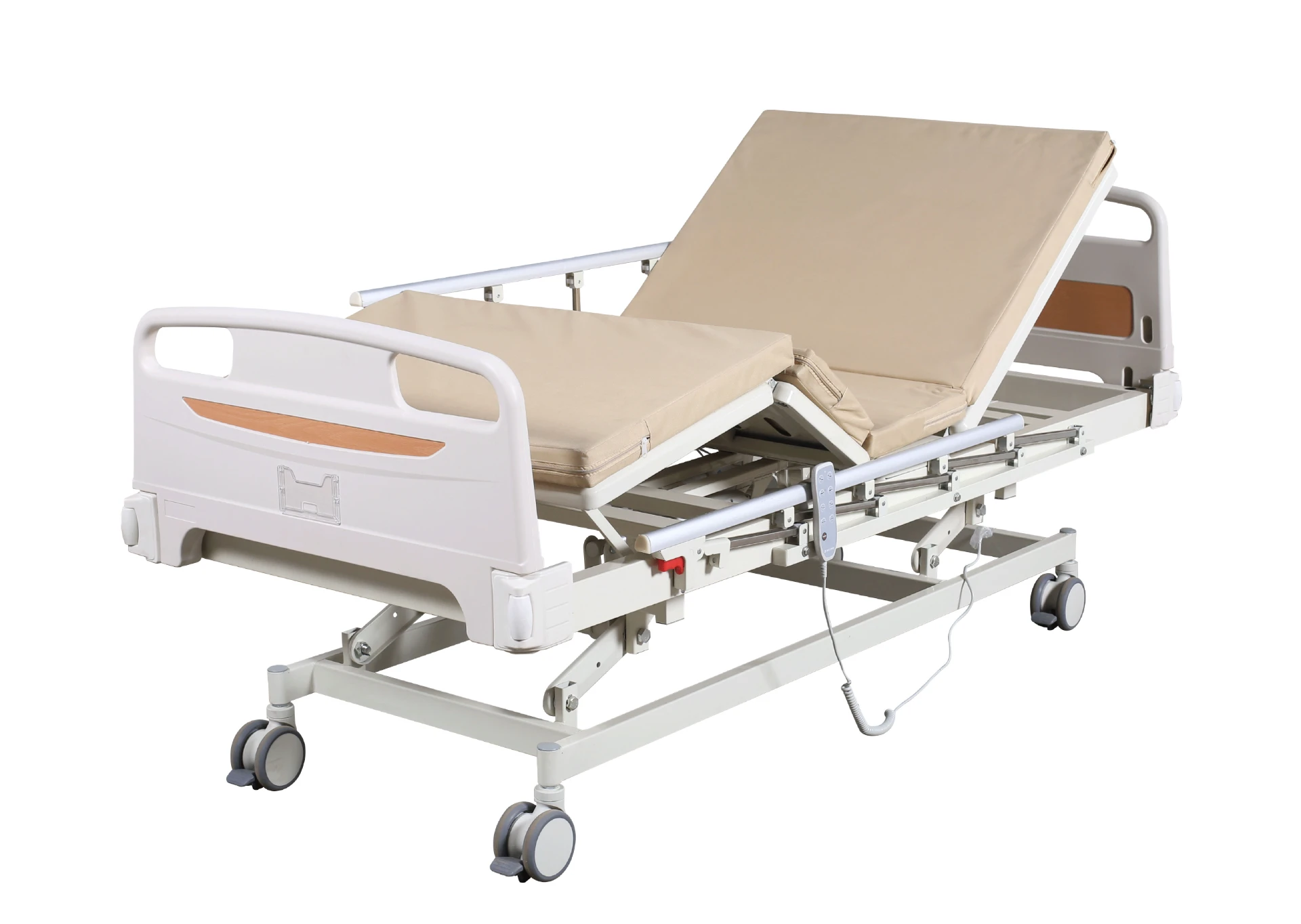
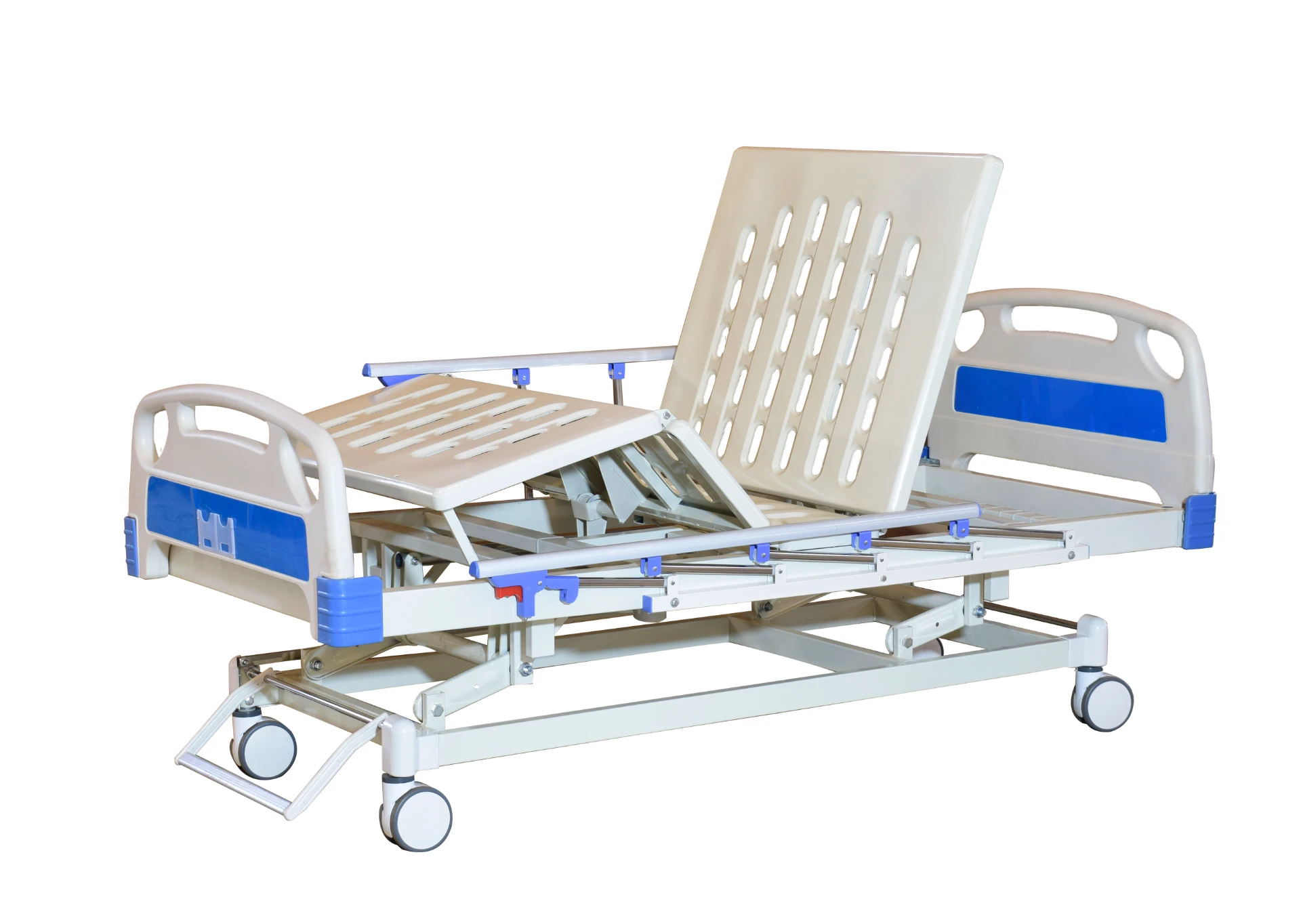
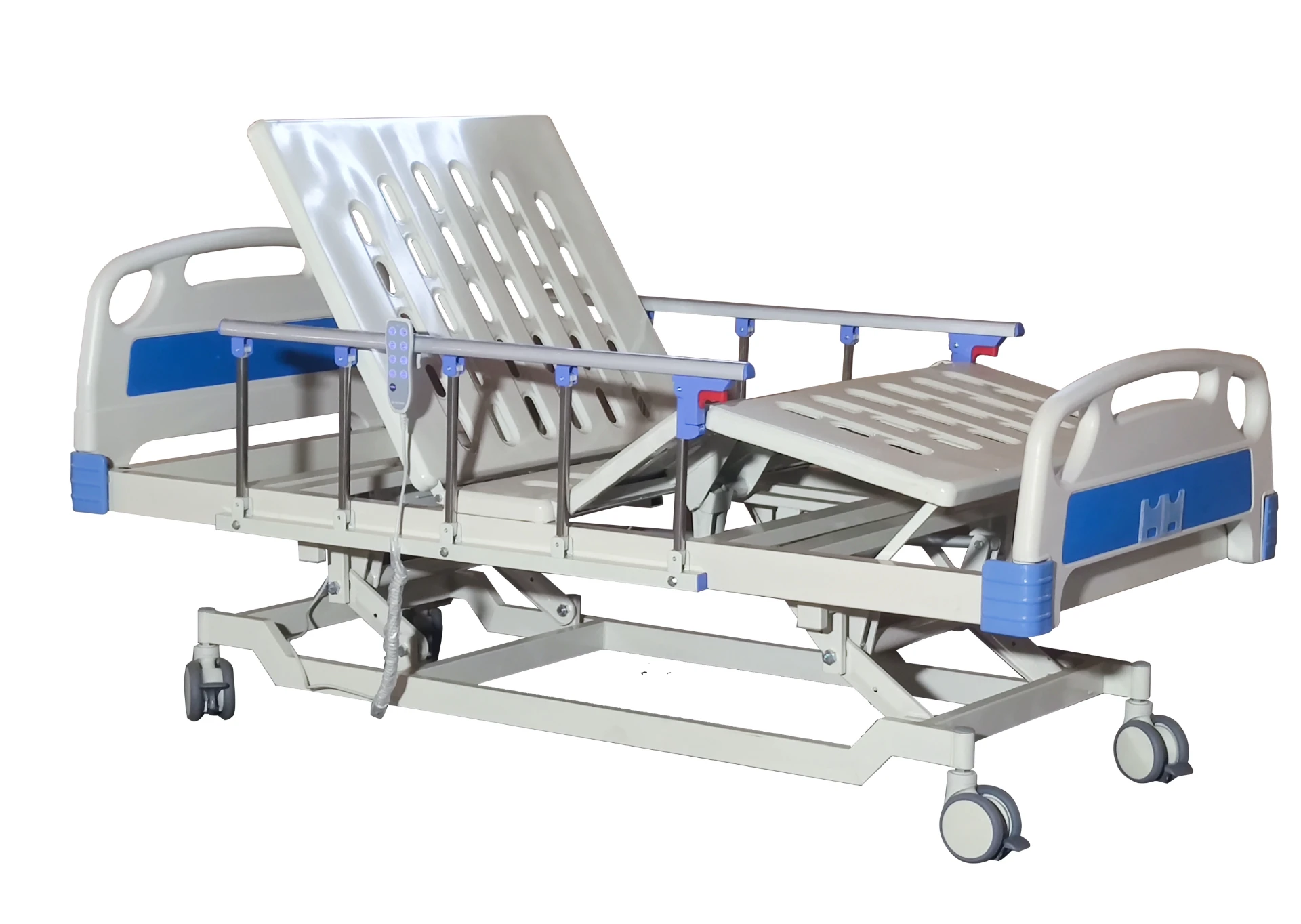
Manual Delivery Bed – Trusted Industrial Equipment for Heavy Loads
Manual Delivery Bed: A Veteran's Take on This Industrial Workhorse
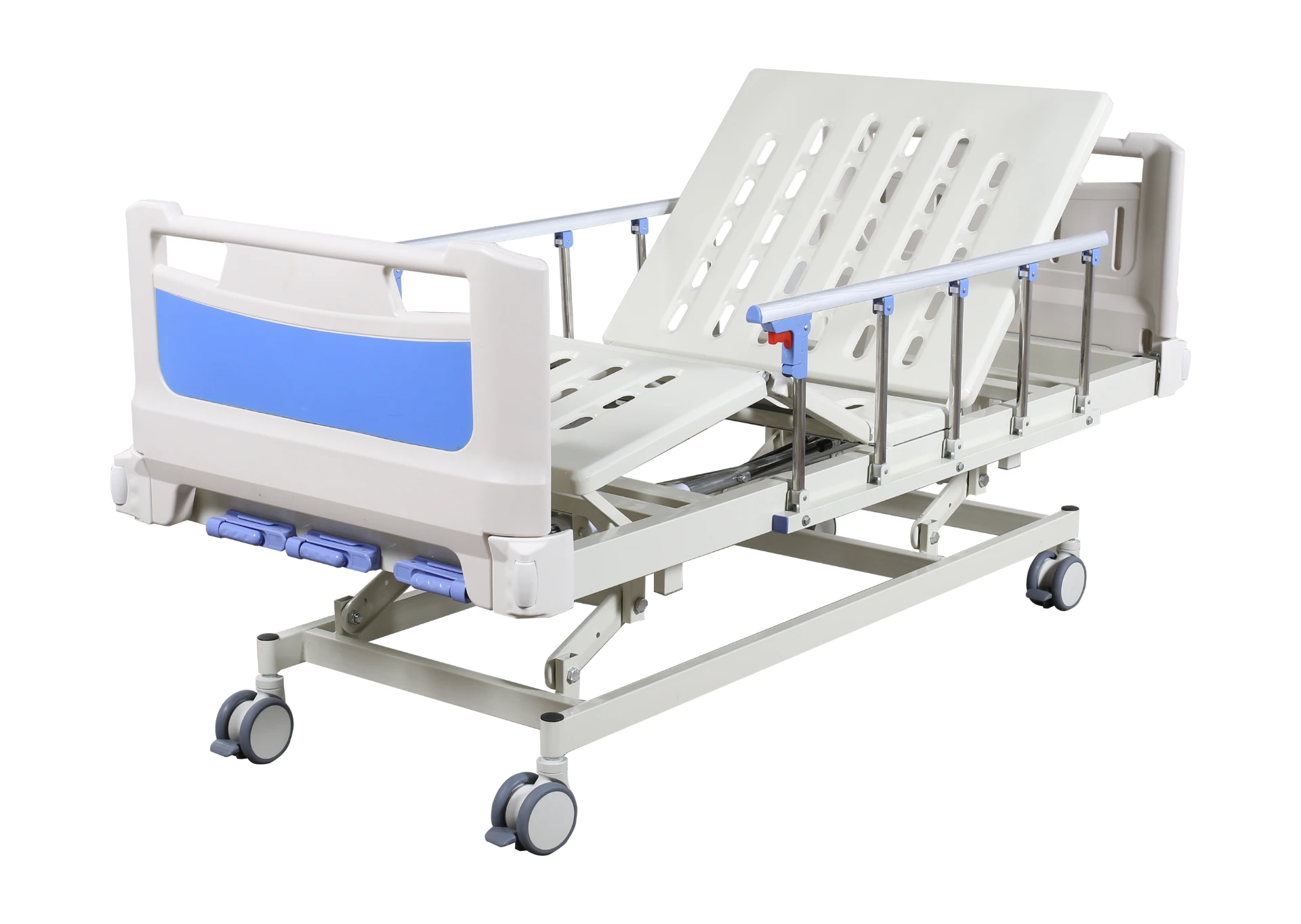
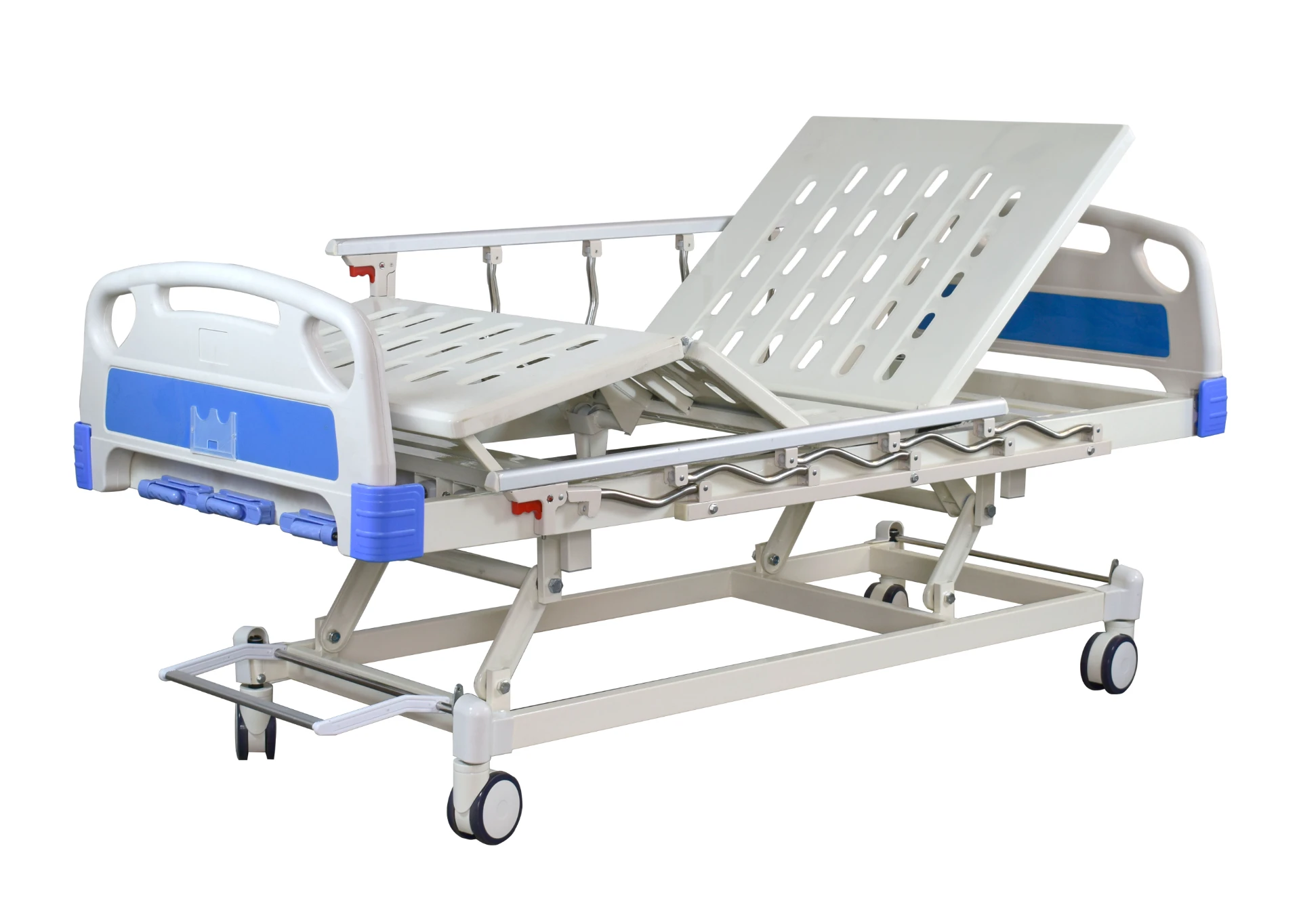
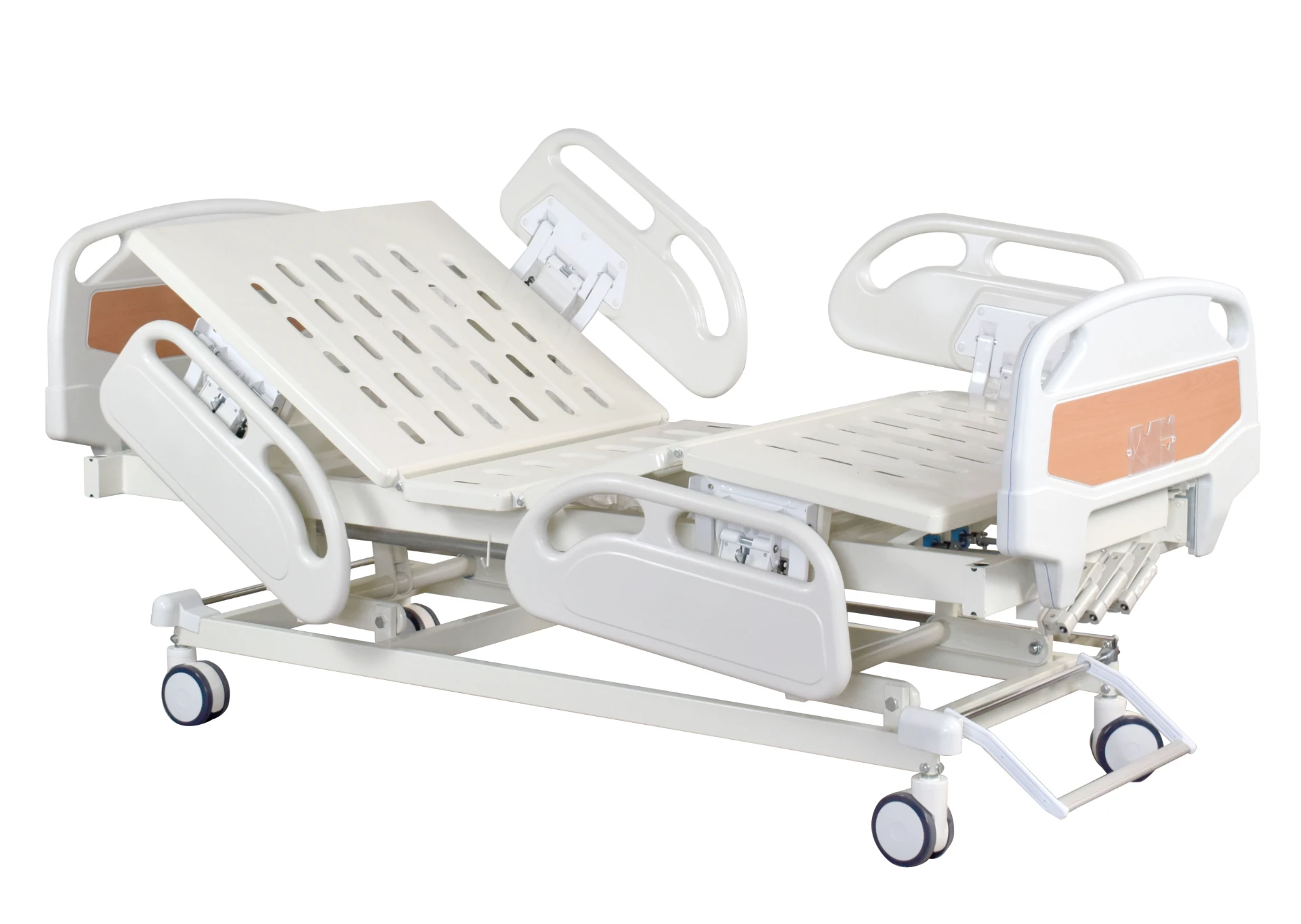
Having spent close to two decades navigating the nuts and bolts of industrial equipment, I’ve come across a myriad of devices and tools. Yet, the manual delivery bed remains oddly comforting in its simplicity and reliability. It’s one of those workhorses in manufacturing and warehousing that doesn't exactly grab headlines but quietly gets the job done day in, day out.
So why this particular piece of equipment? Well, for starters, it’s built to handle heavy loads manually — which might sound old-fashioned, but in many plants, that translates to better control and less dependence on power sources or complex electronics. I suppose it’s fair to say it’s like the dependable pickup truck of the assembly line: nothing flashy, but you sure miss it if it’s gone.
One thing that struck me over the years is how diverse the design preferences are for these beds, depending on industry and application. Some prioritize durability with thick steel frames, others go for adjustable heights to tailor the ergonomics for different operators. The best models strike a balance—heavy-gauge steel construction combined with smooth-rolling casters and adjustable stops. You know, stuff that actually makes the daily grind easier and reduces worker fatigue.
From a materials perspective, the typical manual delivery bed features robust cold-rolled steel or stainless steel frames, ensuring corrosion resistance — especially important where moisture or chemicals are involved. The surface finish often gets overlooked but can be a game changer. Powder-coated finishes tend to hold up longer than regular paint jobs I’ve seen in my early days.
Let’s talk specs — here’s a quick rundown of common manual delivery bed features I often recommend to clients looking to upgrade their equipment:
| Feature | Specification |
|---|---|
| Load Capacity | Up to 1000 kg (2200 lbs) |
| Frame Material | Cold Rolled Steel / Stainless Steel options |
| Surface Finish | Powder-coated or galvanised |
| Casters | Heavy-duty swivel with locks |
| Dimensions (L x W x H) | 1200mm × 600mm × Adjustable 400-900mm |
| Weight | Approx. 50 kg |
Now, if you’re wondering how these compare across vendors, I believe that not all manual delivery beds are made equal. Oddly enough, some manufacturers chase low cost so hard they cut corners on materials, which usually means more maintenance headaches down the line. Others price for premium features but don’t always deliver on ergonomics or durability. Here’s a vendor comparison to help put things in perspective — this is based on features, build quality, price, and warranty support:
| Vendor | Build Quality | Ergonomics | Price | Warranty |
|---|---|---|---|---|
| CNBOXIN | Excellent (High-grade steel, powder coated) | Adjustable height, smooth rolling wheels | Mid-range | 2 years comprehensive |
| Vendor A | Good (Standard steel, basic finish) | Fixed height, standard casters | Budget | 1 year limited |
| Vendor B | Premium (Stainless steel, 3-coat finish) | Ergonomic design, noise-reducing wheels | High-end | 3 years comprehensive |
In real terms, I once worked with a mid-size factory where a manual delivery bed upgrade reduced material transport time by 15%. The operators appreciated the adjustable heights — back strain reduced significantly, which oddly enough improved morale. Sometimes, it’s these straightforward improvements that yield the most tangible returns.
Before I wrap up, it’s worth pointing out customization. Many operators I know ask for tailor-made beds fitted with tool trays, side rails, or anti-slip mats. It’s these little touches that turn a basic bed into a true asset on the floor. If you’re sourcing, always ask your supplier about customization options — it’s more common than people realize and often included without an outrageous premium.
To conclude, the manual delivery bed is a deceptively simple yet fundamentally important piece of industrial equipment. Whether you’re handling heavy components, cartons, or delicate machinery parts, the right bed can foster efficiency and safety. Personally, I always find myself gravitating back to trusted vendors like CNBOXIN because they seem to keep the right balance — reliability without unnecessary frills.
It’s fascinating how sometimes the simplest tools prove most enduring. In this fast-changing industrial world, that's kind of reassuring.
References:
1. Industry Equipment Handbook, 2022 Edition.
2. Workplace Ergonomics Journal, 2023.
3. Interview with Plant Managers, 2019-2023.
-
Ultimate Guide to Choosing Extra Wide Waiting Room ChairsNewsApr.16,2026
-
Guide to Choosing Professional Waiting Room Chairs Wipeable SeatingNewsApr.09,2026
-
Enhance Your Space with Comfortable Wide Waiting Room ChairsNewsApr.07,2026
-
Selecting the Ideal Brown Waiting Room Chairs for a Welcoming SpaceNewsApr.04,2026
-
Choosing Comfortable Patient Waiting Room Chairs for Healthcare FacilitiesNewsMar.31,2026
-
Finding the Best Deals on Affordable and Cheap Reception Chairs for Your BusinessNewsMar.28,2026
-
Enhance Your Business Reception with Comfortable Blue Reception ChairsNewsMar.26,2026