Welcome to our websites!


Top Insights on Nursing Home Beds for Optimal Care and Comfort
Nursing Home Beds: Practical Insights From the Industrial Equipment Trenches
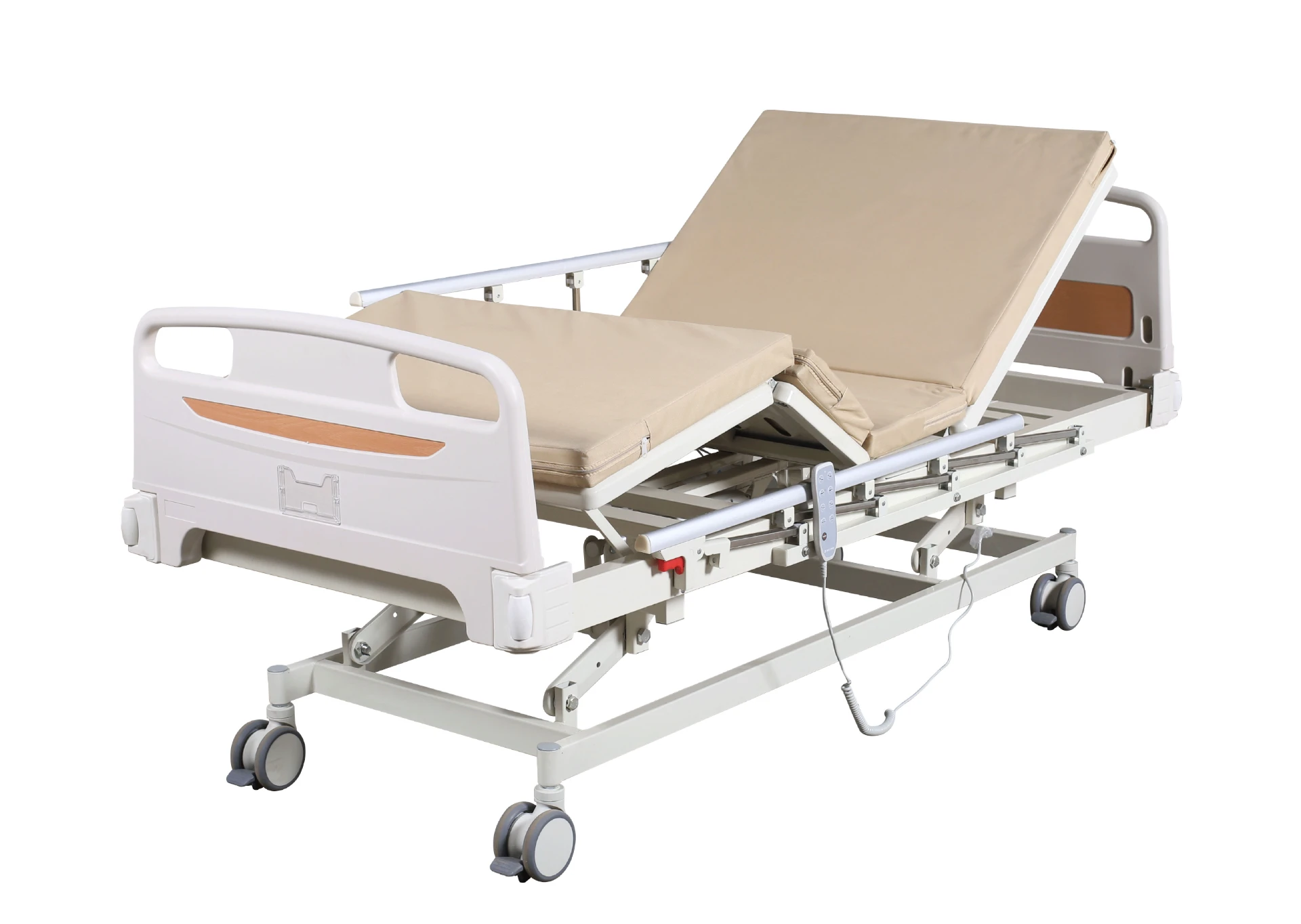
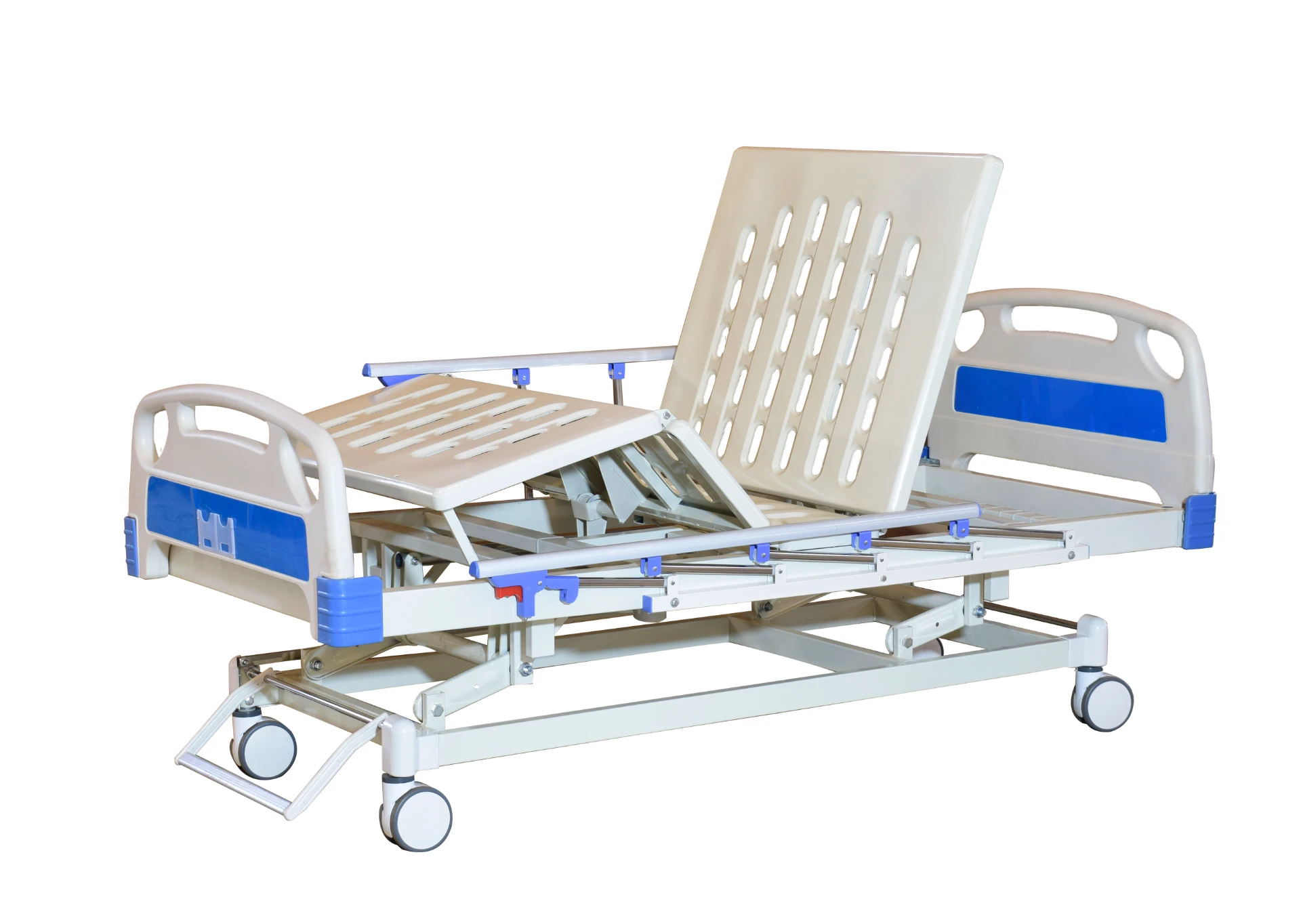
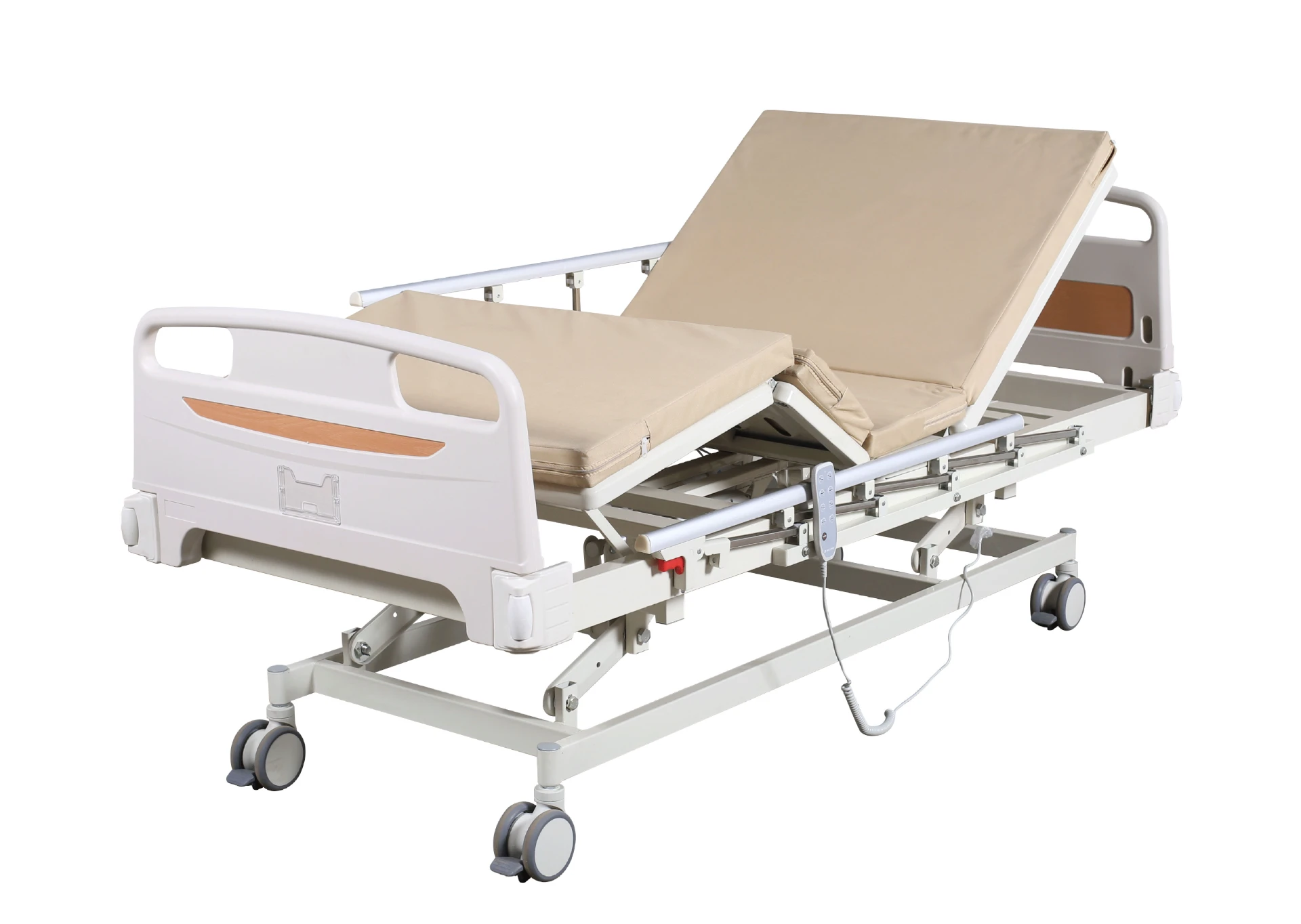
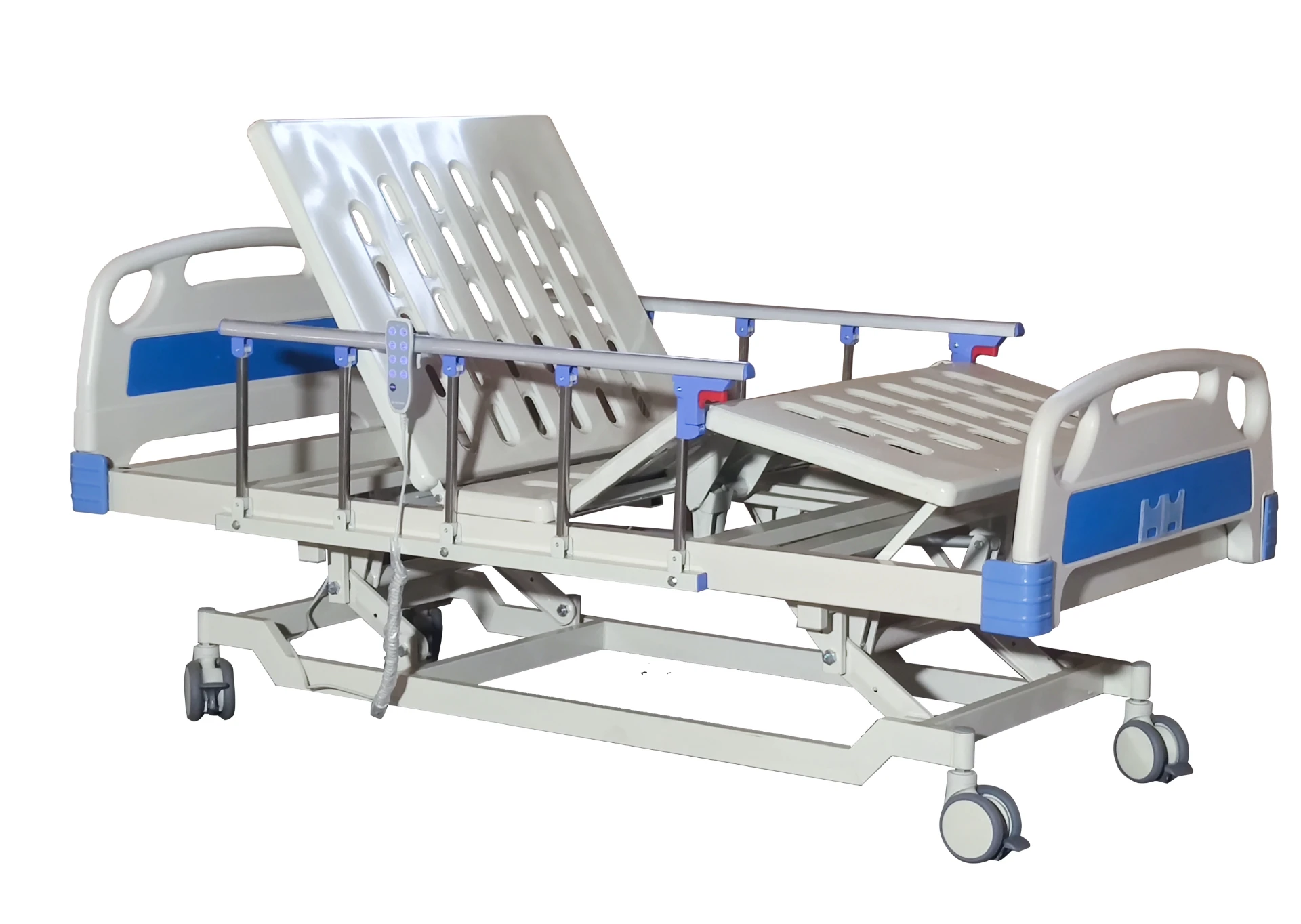
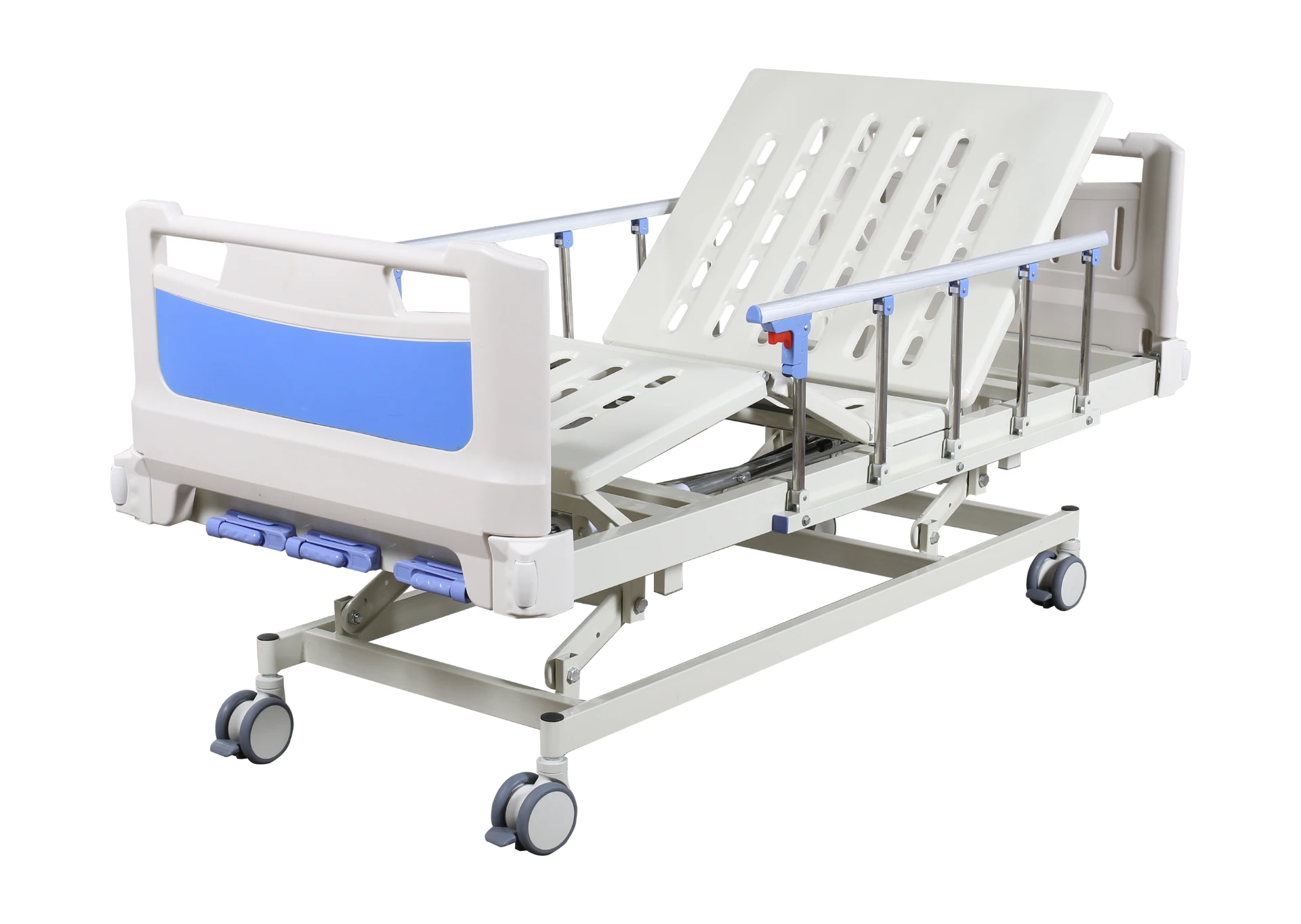
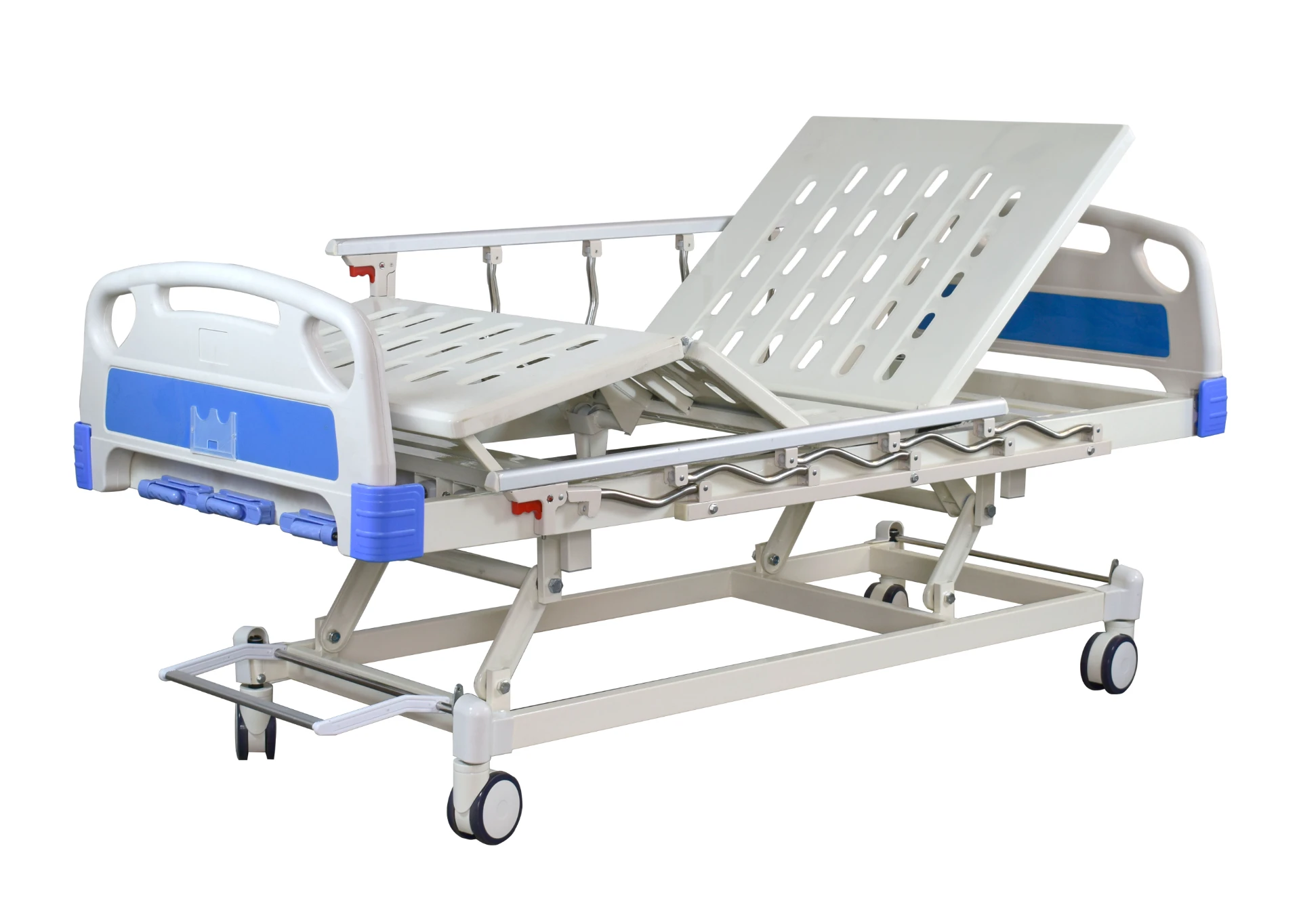
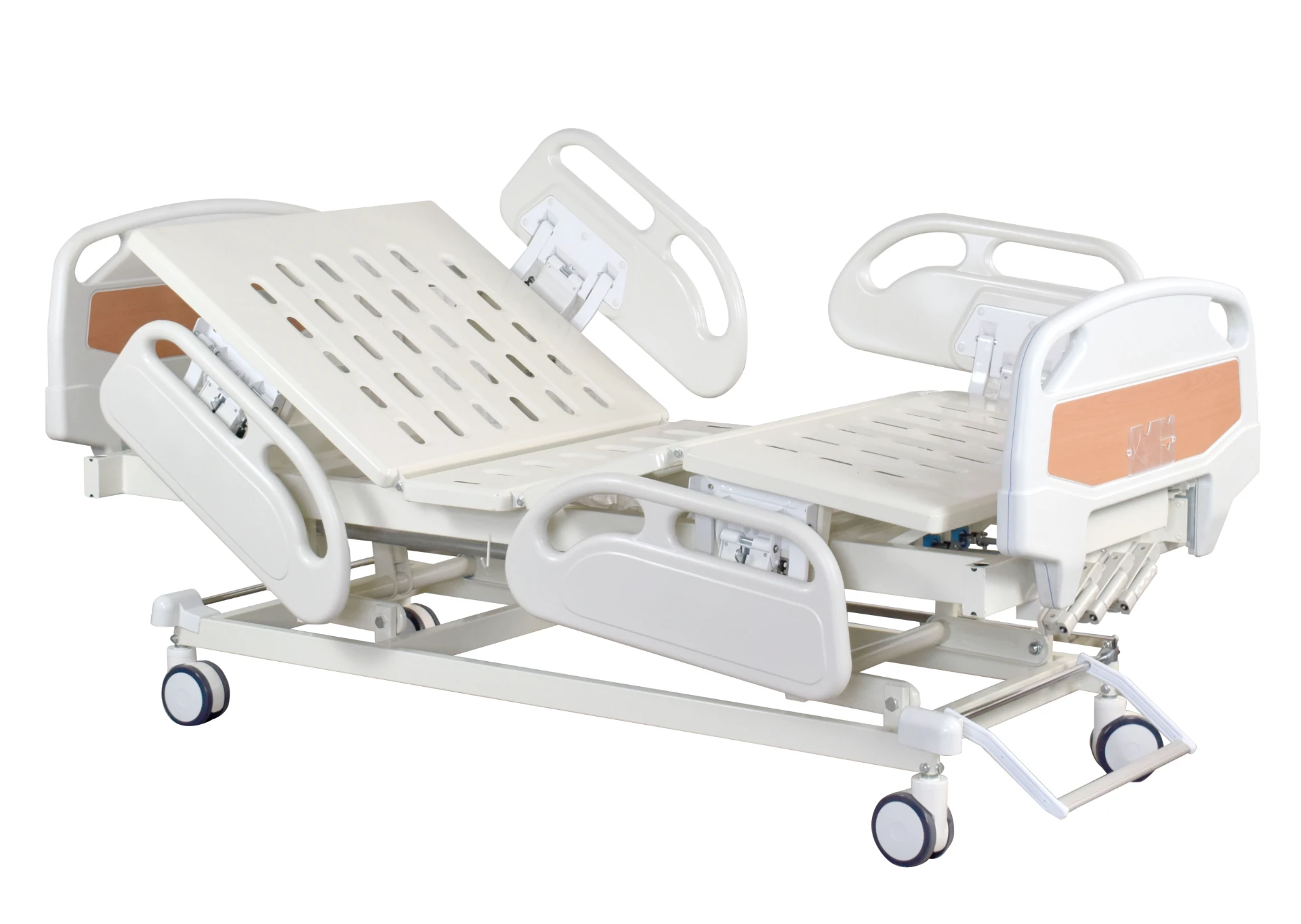
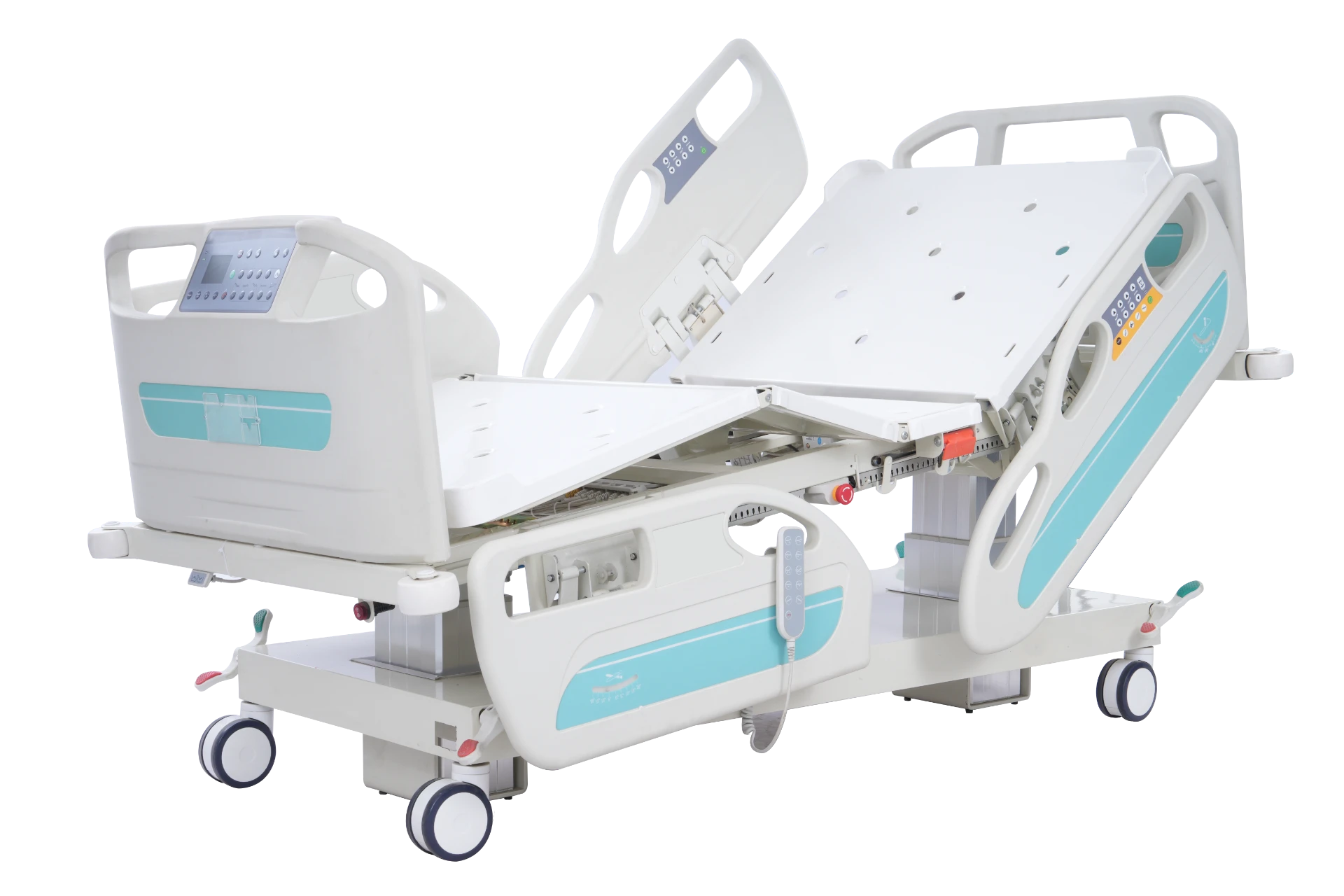
Having spent well over a decade in the industrial equipment sector, I’ve seen a fair share of products evolve to meet increasingly nuanced needs. Nursing home beds, oddly enough, are a perfect example of this evolution. They’re no longer just about putting someone down for a rest. Today, these beds blend ingenuity in design, patient comfort, and safety in ways that genuinely matter.
Frankly, if you ask me, the best nursing home beds are engineered not just for durability but also for personalization. Over the years, I’ve noticed that facilities increasingly demand beds tailored to patient mobility and caregiver ease, often incorporating adjustable heights, variable positioning, and sturdy side rails — all while meeting strict safety regulations.
One thing that engineers and clinicians often discuss is the importance of nursing home beds crafted from materials that withstand the wear and tear of daily use but remain gentle to patient skin. Some manufacturers employ coated steel frames paired with breathable mattress surfaces, which strikes a nice balance between strength and comfort.
Materials are only part of the story. Testing also plays a role — these beds undergo rigorous assessments, from weight capacity to electrical safety (for those with powered adjustments). I remember visiting a production floor where engineers demonstrated a bed sustaining over 500 pounds without bending or squeaking, which was impressive. It’s reassuring because falls and injuries in nursing homes are real concerns, and good quality beds minimize risks.
Below is a quick snapshot of common product specs I’ve seen in leading nursing home beds. It’s these technical details that often decide whether a bed fits a facility’s needs or not:
| Specification | Typical Range | Notes |
|---|---|---|
| Weight Capacity | 350 - 600 lbs | Heavy-duty models for bariatric care |
| Adjustable Positions | Backrest (0°–70°), Legrest (0°–45°) | Smooth motorized controls common |
| Frame Material | Powder-coated steel or aluminum | Corrosion-resistant finishes preferred |
| Side Rails | Fixed or folding, adjustable height | Crucial for patient safety |
| Bed Size | Standard: 36" x 80"; Bariatric up to 48" wide | Depends on patient population |
Of course, selecting a vendor to supply nursing home beds is as important as the specs themselves. Reliability, post-sale service, and compliance with healthcare standards are often the deciding factors — elements that sometimes fly under the radar during initial purchase decisions.
Here’s a quick comparison I pulled together based on common industry providers. The details reflect what many nursing homes consider when making procurement choices:
| Vendor | Warranty | Customization | Customer Support | Price Range |
|---|---|---|---|---|
| Vendor A | 5 years on frame | Limited custom options | 24/7 hotline | Mid-range |
| Vendor B | 3 years on electronics | Highly customizable designs | On-site maintenance available | Premium |
| Vendor C | 2 years | Standard models only | Email support only | Budget-friendly |
A quick story from my fieldwork: A nursing home I consulted for had problems with an earlier bed model that was too noisy and awkward to adjust. Switching to a more refined model with whisper-quiet motors and intuitive controls turned out to be a game changer — staff morale improved because the equipment just worked as expected. The patients, too, felt less disturbed during night shifts. Small things, really, but they add up.
In real terms, investing in quality nursing home beds pays off over time — reduced maintenance costs, better safety outcomes, and a happier caregiving environment. Don’t underestimate how subtle design tweaks can make long shifts easier on everyone.
So, if you’re checking out nursing beds for your facility, you might want to inspect more than just specs. Talk to users, examine after-sales service, and consider vendor reputation. I find that kind of thoroughness always shines through in the end.
For anyone interested in practical recommendations or proven suppliers, you can find more information at nursing home beds. Always good to explore options before making the big decisions.
Anyway, that’s my take after years in this sector: nursing home beds are a mix of engineering, empathy, and real-world know-how. It’s fascinating how something seemingly simple can impact patient quality of life so much.
"Comfort, safety, and reliability – that’s the holy trinity of nursing home bed design in my book."
References:
- Industry safety standards for medical beds – updated 2023
- Field reports from healthcare equipment users, 2019–2023
- Manufacturer guidelines and warranty documentation, various vendors
-
Ultimate Guide to Choosing Extra Wide Waiting Room ChairsNewsApr.16,2026
-
Guide to Choosing Professional Waiting Room Chairs Wipeable SeatingNewsApr.09,2026
-
Enhance Your Space with Comfortable Wide Waiting Room ChairsNewsApr.07,2026
-
Selecting the Ideal Brown Waiting Room Chairs for a Welcoming SpaceNewsApr.04,2026
-
Choosing Comfortable Patient Waiting Room Chairs for Healthcare FacilitiesNewsMar.31,2026
-
Finding the Best Deals on Affordable and Cheap Reception Chairs for Your BusinessNewsMar.28,2026
-
Enhance Your Business Reception with Comfortable Blue Reception ChairsNewsMar.26,2026