Welcome to our websites!


The Complete Guide to Care Home Beds: Features, Benefits & Global Insights
Understanding Care Home Beds: Essential Comfort and Support for Modern Healthcare
Care home beds are more than just furniture; they represent a vital component of healthcare infrastructure around the world. With aging populations exploding in many countries and increasing demand for quality elderly care, understanding care home beds—their design, features, and role—is crucial. They deliver safety, comfort, and dignity to individuals who often face mobility or health challenges. From basic models to highly sophisticated adjustable beds, knowledge about care home beds helps facilities make effective purchasing decisions, improving resident wellbeing and staff efficiency.
Global Context: Why Care Home Beds Matter Worldwide
Thanks to statistics from the United Nations, we know that by 2050, the global population aged 60 and over will double to 2.1 billion.[1] This demographic shift means long-term care facilities will experience unprecedented demand. In fact, many healthcare systems already face pressure accommodating elderly patients safely, ensuring comfort while preventing injuries such as bedsores or falls.
Care home beds address these challenges head-on — by facilitating mobility, hygiene, and restful sleep, they improve both residents’ and caregivers’ experiences. It’s a critical piece in delivering dignified eldercare and managing the growing strain on healthcare resources.
What Are Care Home Beds?
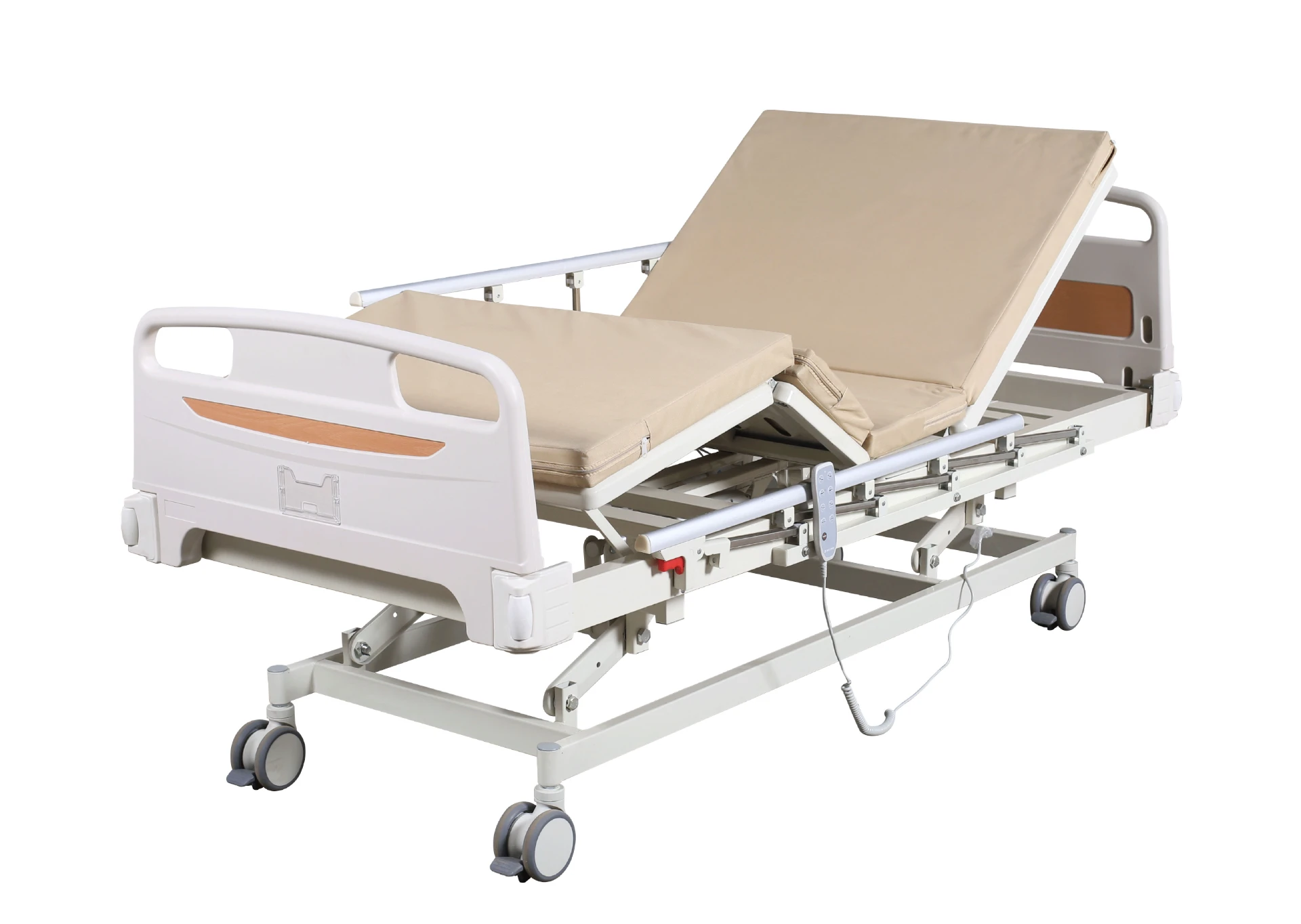
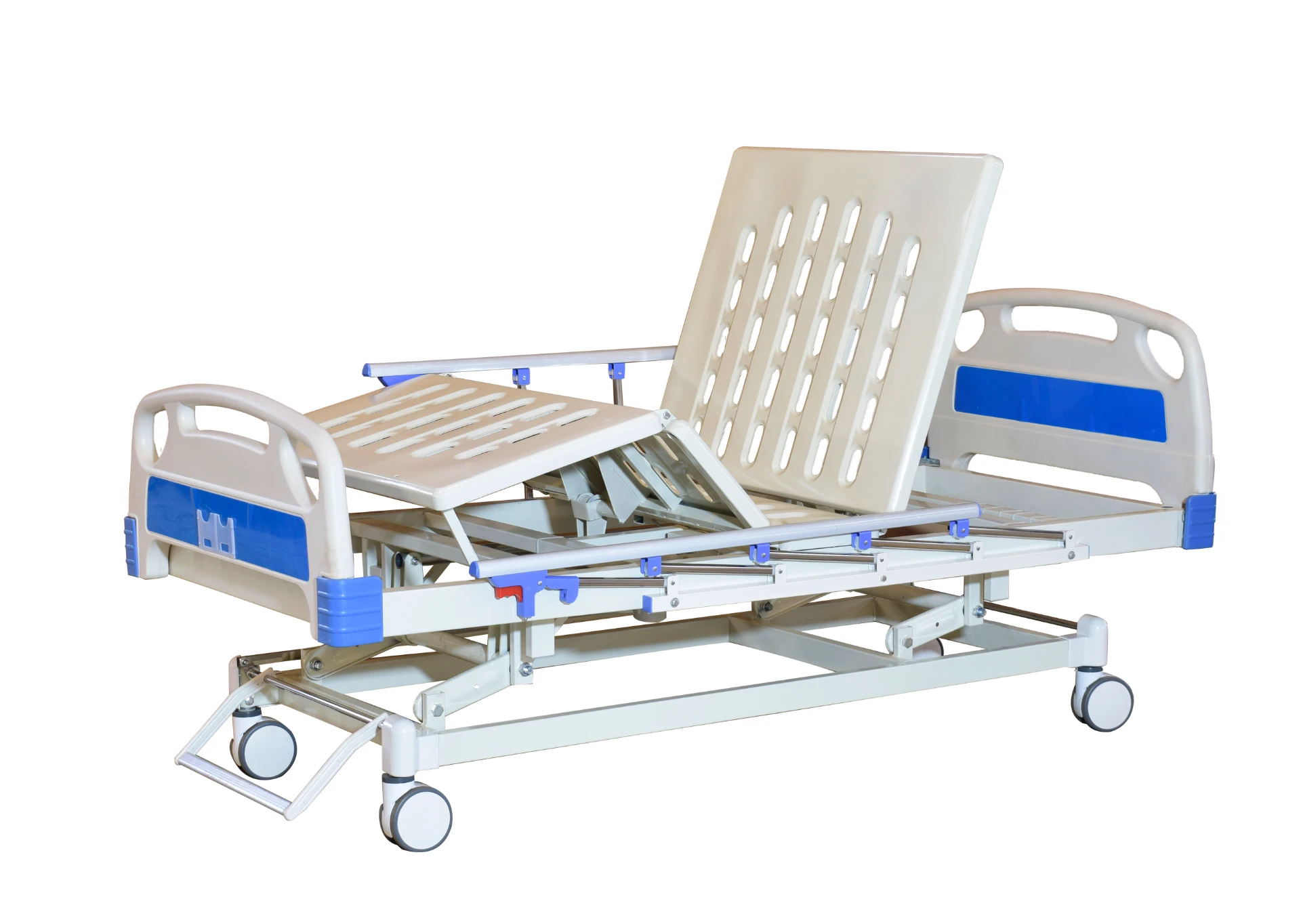
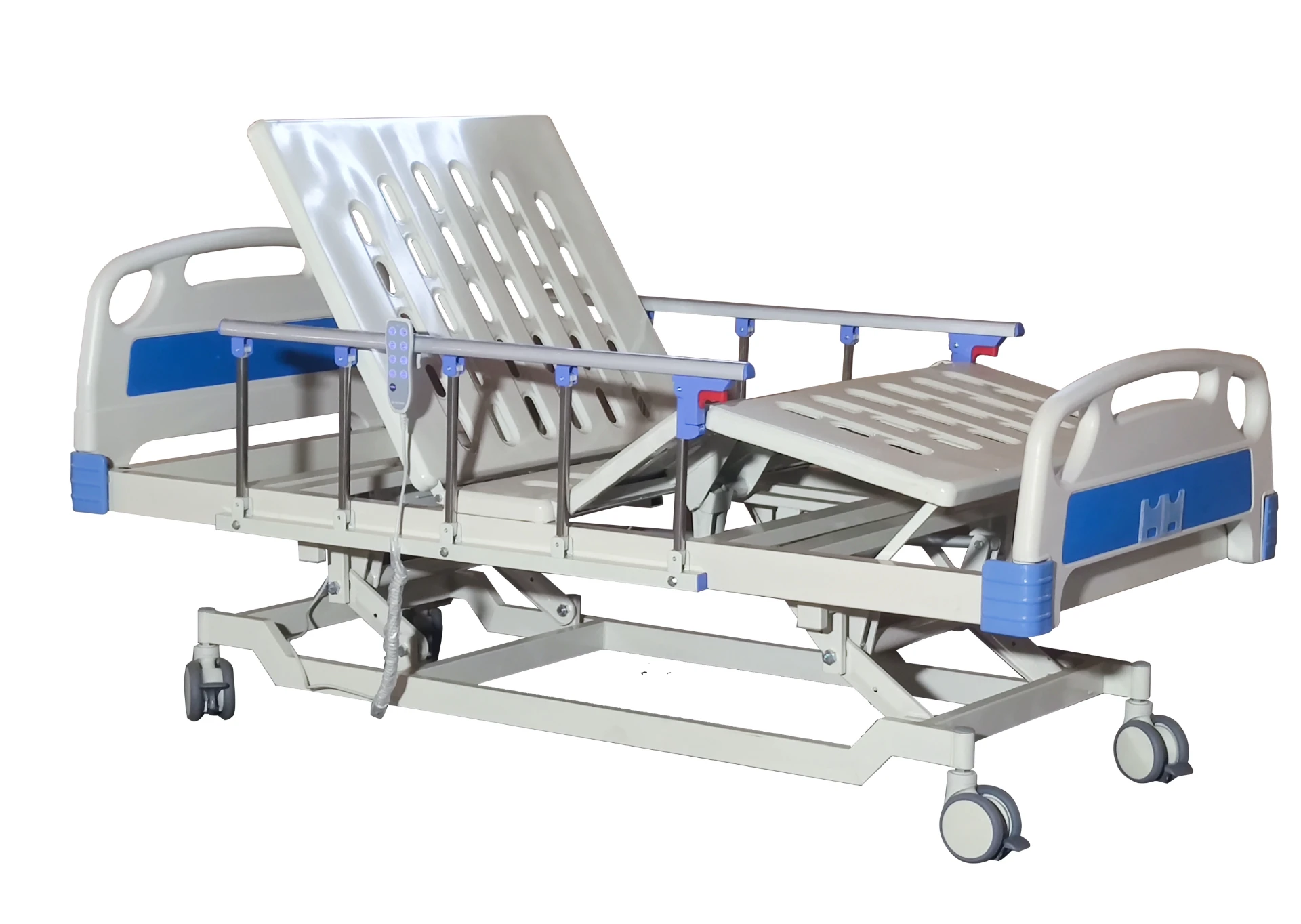
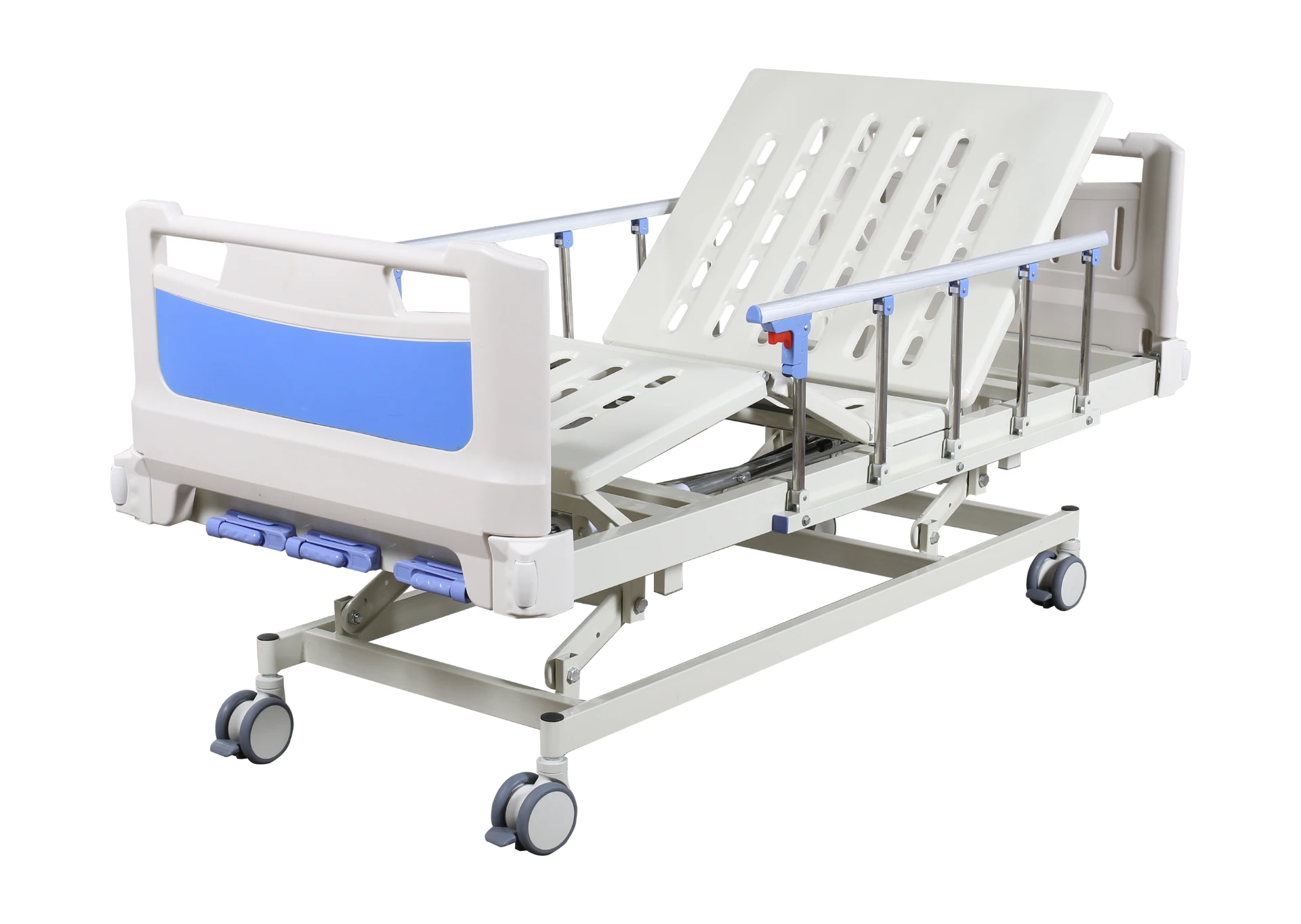
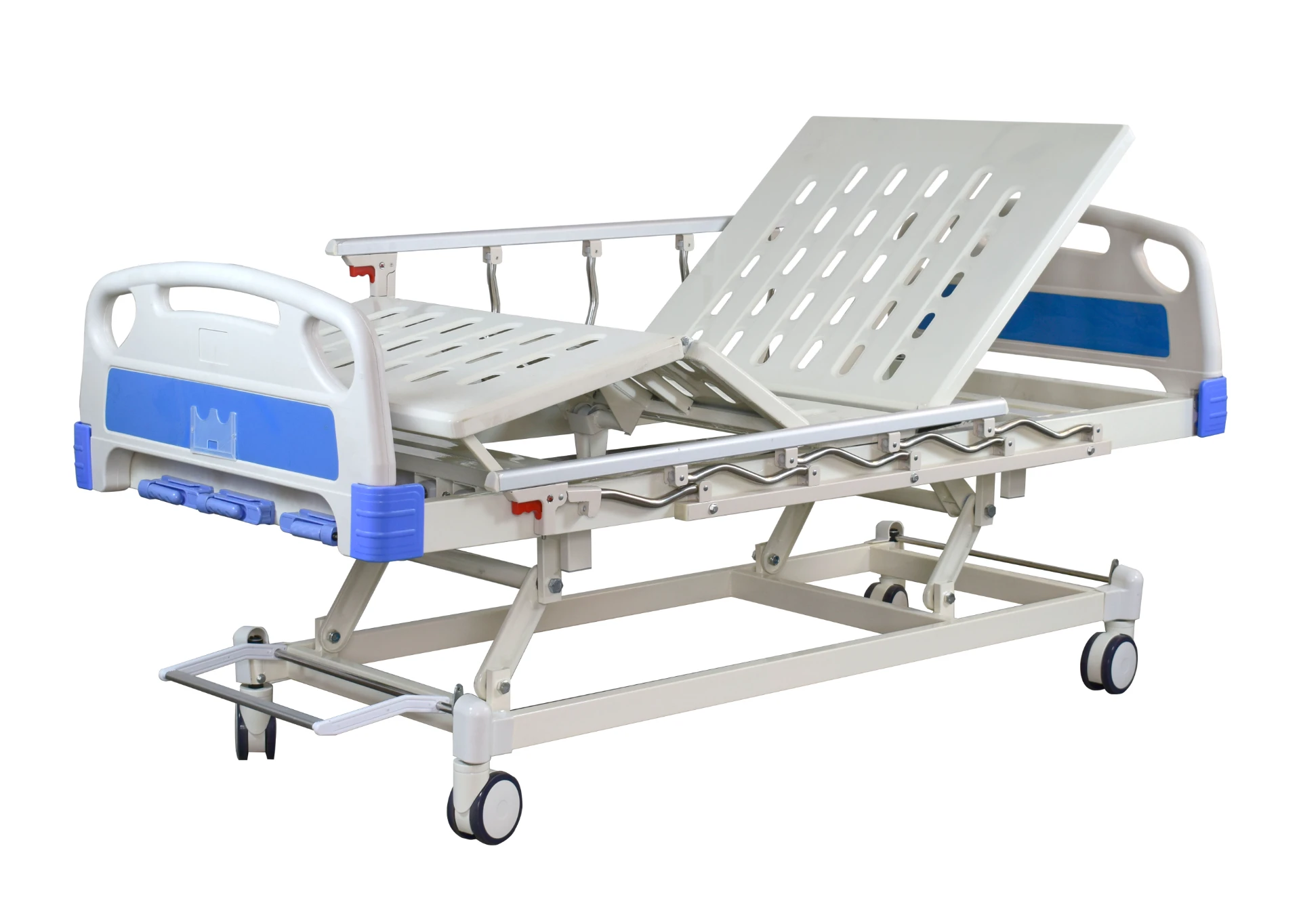
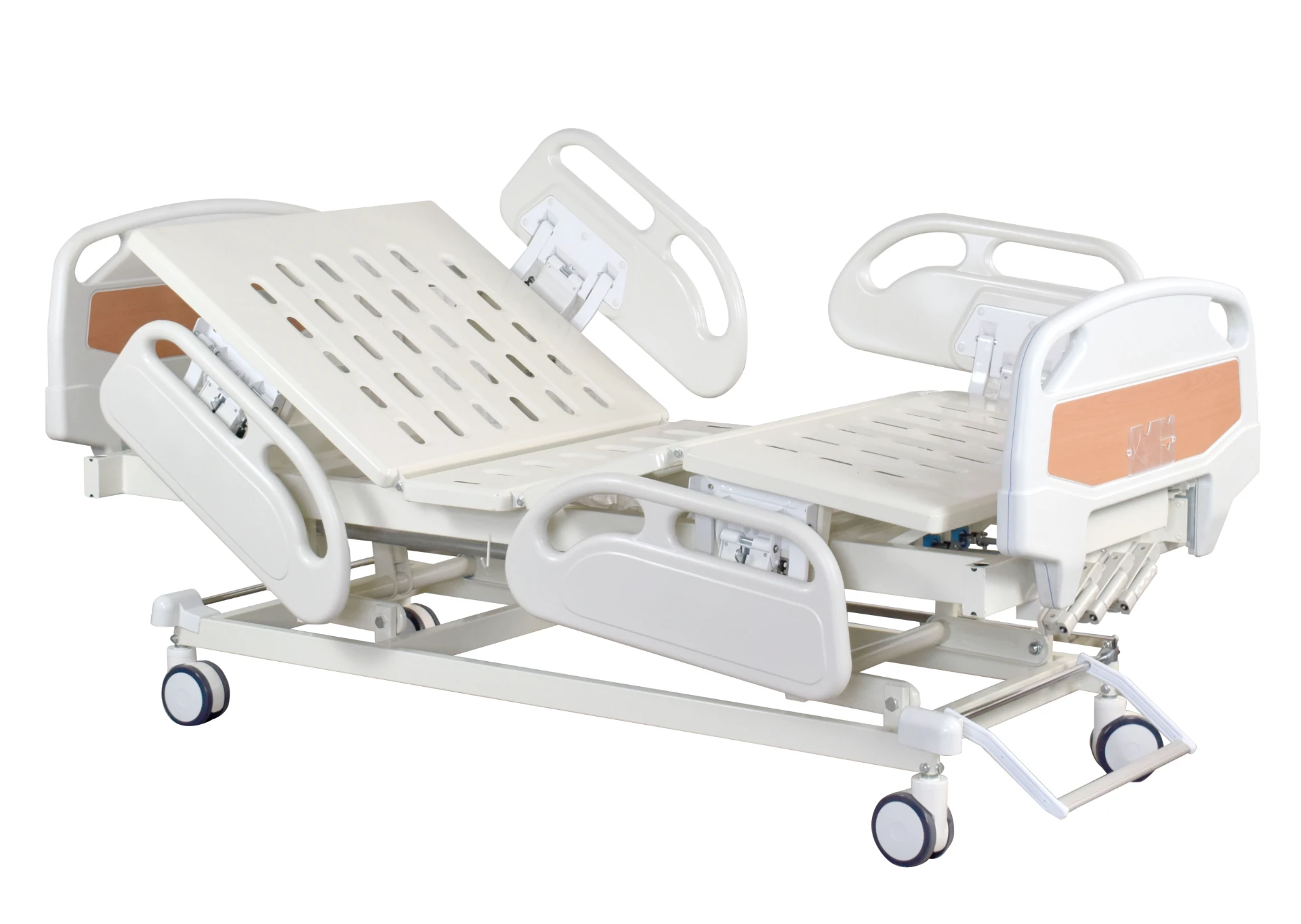
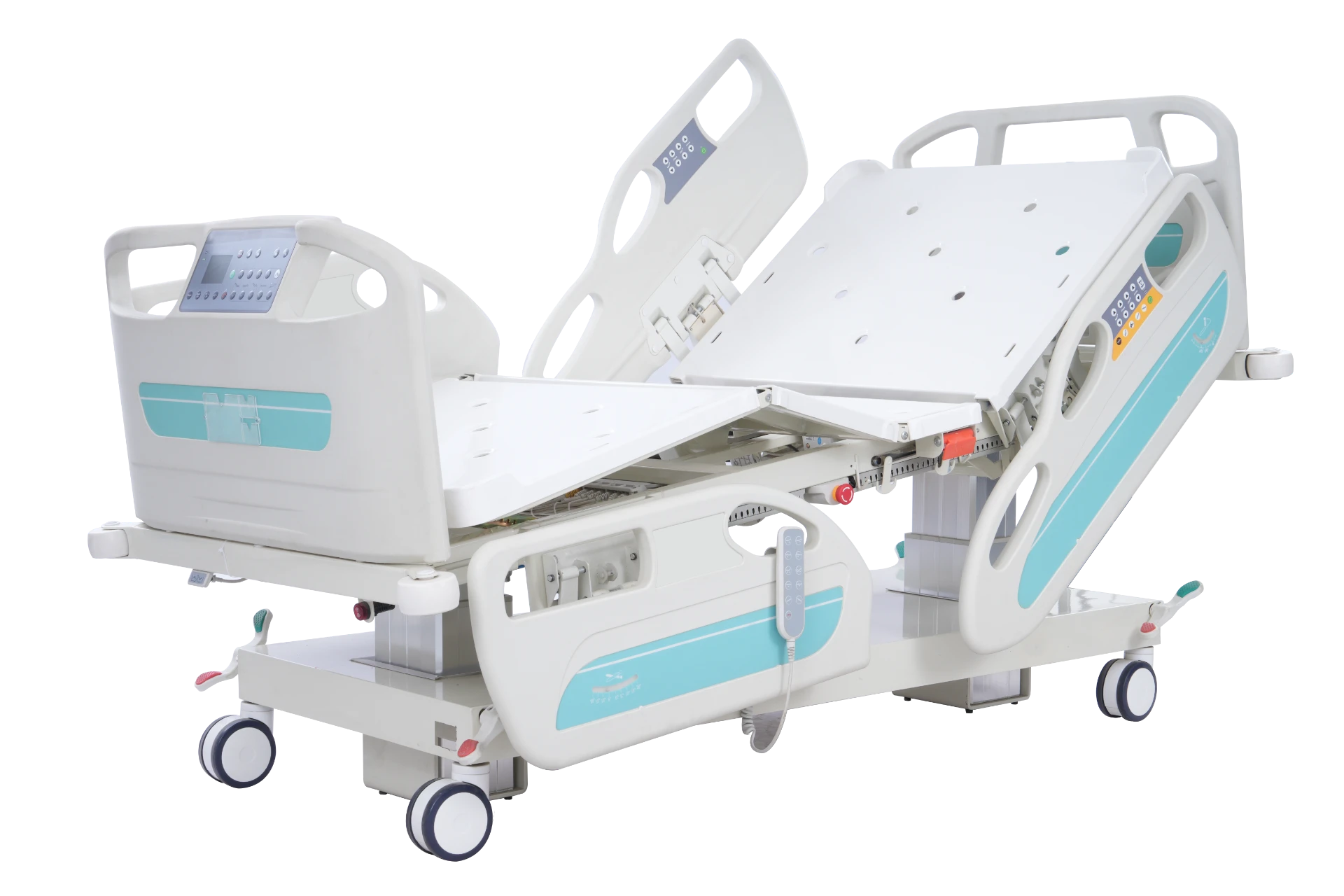
Simply put, care home beds are specially designed beds installed in nursing homes, assisted living centers, and other long-term care facilities. Unlike regular home beds, these are engineered to provide adjustable support, safety features like side rails, and easy maneuverability. This means residents can be repositioned effortlessly, reducing risks like pressure ulcers and enabling easy access for caregivers.
Their relevance reaches beyond healthcare, too. Humanitarian organizations, rehabilitation centers, and even remote clinics rely on these beds to meet patients’ basic needs in diverse environments.
Key Components of Care Home Beds
1. Adjustability
Adjustable frames allow positioning the mattress at various heights and angles — head elevation, leg lifts, or complete flat mode. This adaptability is crucial for patient comfort, therapies, and reducing complications associated with prolonged bed rest.
2. Safety Features
Side rails, locking wheels, and emergency release mechanisms reduce falls or injuries. These elements create a secure environment essential to vulnerable individuals.
3. Durability and Materials
Most care home beds are constructed from robust steel or aluminum frames with washable, antibacterial mattresses. This ensures longevity and hygiene, which are indispensable in clinical settings.
4. Ergonomics for Caregivers
Many beds offer height adjustability to minimize caregiver strain during transfers or treatments — promoting a safer, more efficient work environment.
5. Cost Efficiency
Balancing upfront purchase costs with long-term maintenance and replacement expenses is a typical consideration for care facilities managing tight budgets.
Mini Takeaway:
Care home beds connect function, safety, and comfort — essential traits serving both patients and caregivers. Understanding their core features helps optimize care delivery.
Global Applications & Use Cases
Different regions adapt care home beds to their specific needs. For example:
- Europe: Highly regulated standards enforce strict safety and adjustability in beds used in elderly care facilities.
- Asia: Rapidly aging populations are driving modernization of care homes with advanced bed technologies.
- North America: Emphasis on digital integration enables remote bed monitoring systems to optimize patient care.
- Humanitarian efforts: Portable, foldable care beds assist in emergency shelters and refugee camps.
In industrial or remote zones, adjustable care beds sometimes serve as part of onsite medical stations, providing comfort to workers and reducing medical evacuation needs.
Advantages & Long-Term Benefits
It’s not just about the physical bed — the benefits extend deeply:
- Safety and Dignity: Reduced falls and enhanced positioning preserve residents’ dignity.
- Sustainability: Durable materials paired with modular components lead to less waste over time.
- Cost Savings: Although investment-heavy initially, fewer injuries and staff efficiency lower overall healthcare costs.
- Improved Quality of Life: Comfort translates directly into better sleep and recovery outcomes.
Future Trends & Innovations in Care Home Beds
We’re seeing some exciting innovations shifting the landscape:
- Smart Beds: Equipped with sensors to monitor sleep patterns, pressure levels, and alert caregivers to movement or emergencies.
- Eco-Friendly Materials: Use of recyclable composites and antimicrobial fabrics advancing sustainability goals.
- Automated Adjustments: AI algorithms personalize bed positioning based on resident preferences and health data.
- Integration with Telehealth: Facilitating seamless data transfer to healthcare providers remotely enhancing elderly care.
Challenges & Solutions
Of course, choice isn’t always straightforward. Challenges include:
- High Initial Costs: Care homes may hesitate investing in the latest models without guaranteed payback.
- Staff Training: Complexity of advanced beds can demand more comprehensive education.
- Maintenance: Electronic components need regular upkeep to ensure reliability.
Solutions often come in the form of vendor training programs, modular designs that simplify maintenance, and financing options easing upfront expenditure.
Product Specifications: Typical Care Home Bed Model
| Specification | Details |
|---|---|
| Frame Material | Powder-coated steel |
| Adjustability | 5-motor system for height, backrest, thigh rest, and tilt |
| Max Load Capacity | 250 kg (550 lbs) |
| Safety Features | Locking caster wheels, collapsible side rails |
| Mattress Type | Viscoelastic foam with anti-microbial cover |
| Power Supply | Rechargeable battery backup |
Vendor Comparison: Top Care Home Bed Manufacturers
| Manufacturer | Price Range | Special Features | Warranty |
|---|---|---|---|
| ComfortCare Beds | $2,000–$3,500 | Smart sensor tech, antimicrobial mattress | 5 years |
| ElderEase | $1,500–$3,000 | Modular frame, easy maintenance | 3 years |
| HealWell Solutions | $2,700–$4,000 | AI position adjustment, remote monitoring | 4 years |
Frequently Asked Questions About Care Home Beds
-
Q: What features should I prioritize when selecting a care home bed?
A: Focus on adjustability (height and positions), safety features like side rails, mattress quality, and ease of maintenance. These factors ensure resident comfort and caregiver efficiency. -
Q: How do care home beds help in preventing pressure sores?
A: Adjustable positions relieve pressure points by enabling regular repositioning and gentle elevation, improving circulation and skin integrity. -
Q: Are smart care home beds worth the investment?
A: While costlier, smart beds with sensors and remote monitoring can detect issues early, reduce staff workload, and enhance patient safety, often offsetting initial costs. -
Q: Can care homes customize beds based on specific resident needs?
A: Yes, many vendors offer modular components or accessory add-ons (like trapeze bars or specialized mattresses) tailored to individual requirements. -
Q: What maintenance is required to keep care home beds in good shape?
A: Regular inspections of mechanical parts, timely servicing of motors, cleaning mattress covers, and checking safety rails maintain functionality and hygiene.
Conclusion
Ultimately, choosing the right care home beds plays a fundamental role in enhancing quality of life for elderly and vulnerable residents. These beds offer essential safety, comfort, and dignity in environments where such features matter profoundly. Future innovations promise even more personalized and sustainable solutions, ensuring long-term benefits for facilities and individuals alike. If you’re involved in eldercare or care facility management, investing time in selecting appropriate care beds is a solid step forward.
For a comprehensive selection of reliable and innovative care home beds, feel free to visit our website and explore the latest options tailored to your specific needs.
Care home beds are more than equipment—they are a cornerstone for dignity, recovery, and well-being.
Takeaway: Investing in quality care home beds today means safer, more comfortable care for tomorrow's aging world.
-
Ultimate Guide to Choosing Extra Wide Waiting Room ChairsNewsApr.16,2026
-
Guide to Choosing Professional Waiting Room Chairs Wipeable SeatingNewsApr.09,2026
-
Enhance Your Space with Comfortable Wide Waiting Room ChairsNewsApr.07,2026
-
Selecting the Ideal Brown Waiting Room Chairs for a Welcoming SpaceNewsApr.04,2026
-
Choosing Comfortable Patient Waiting Room Chairs for Healthcare FacilitiesNewsMar.31,2026
-
Finding the Best Deals on Affordable and Cheap Reception Chairs for Your BusinessNewsMar.28,2026
-
Enhance Your Business Reception with Comfortable Blue Reception ChairsNewsMar.26,2026