Welcome to our websites!


Semi Hospital: Practical Insights from Industrial Equipment Experts
Exploring the Semi Hospital: A Practical Take from the Industrial Equipment Sector
Having spent some 15 years knee-deep in industrial equipment, I’ve come across an array of specialized spaces, but the concept of a semi hospital always intrigued me. It’s sort of an in-between world — not quite a full-fledged hospital but more than just an emergency room setup. Semi hospital environments tend to fill a critical niche, especially in manufacturing plants or remote industrial sites, where quick medical responses can make a real difference.
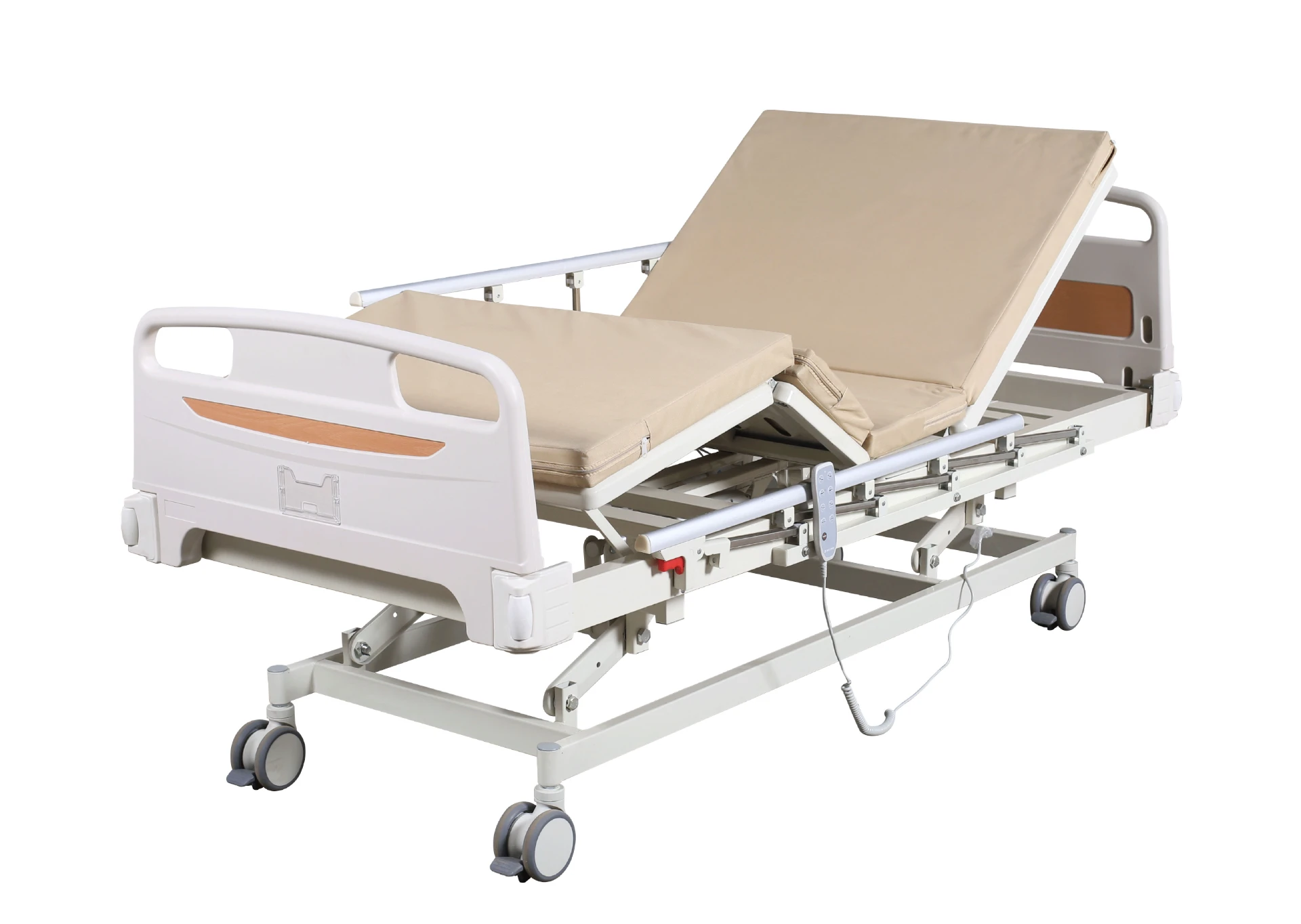
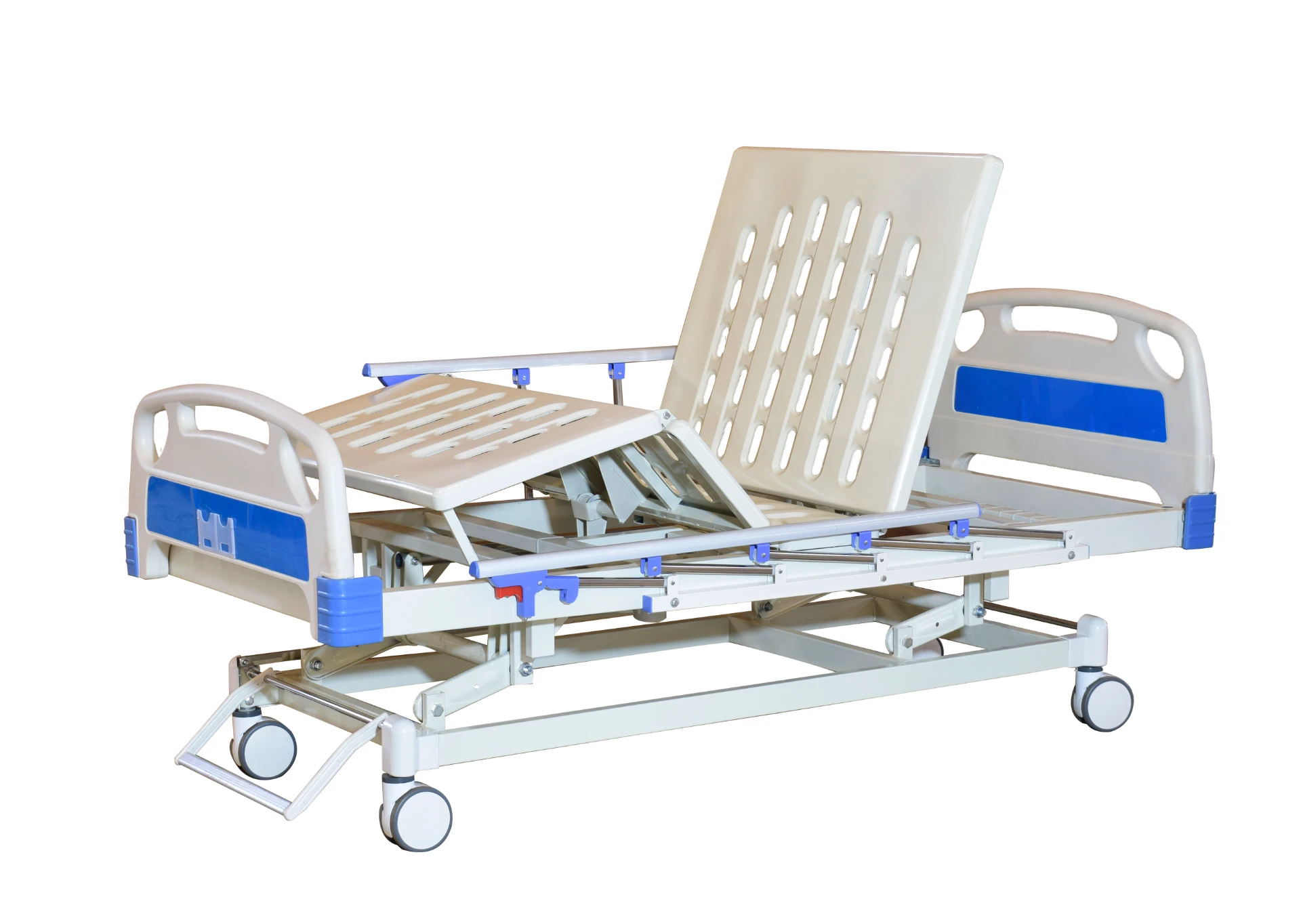
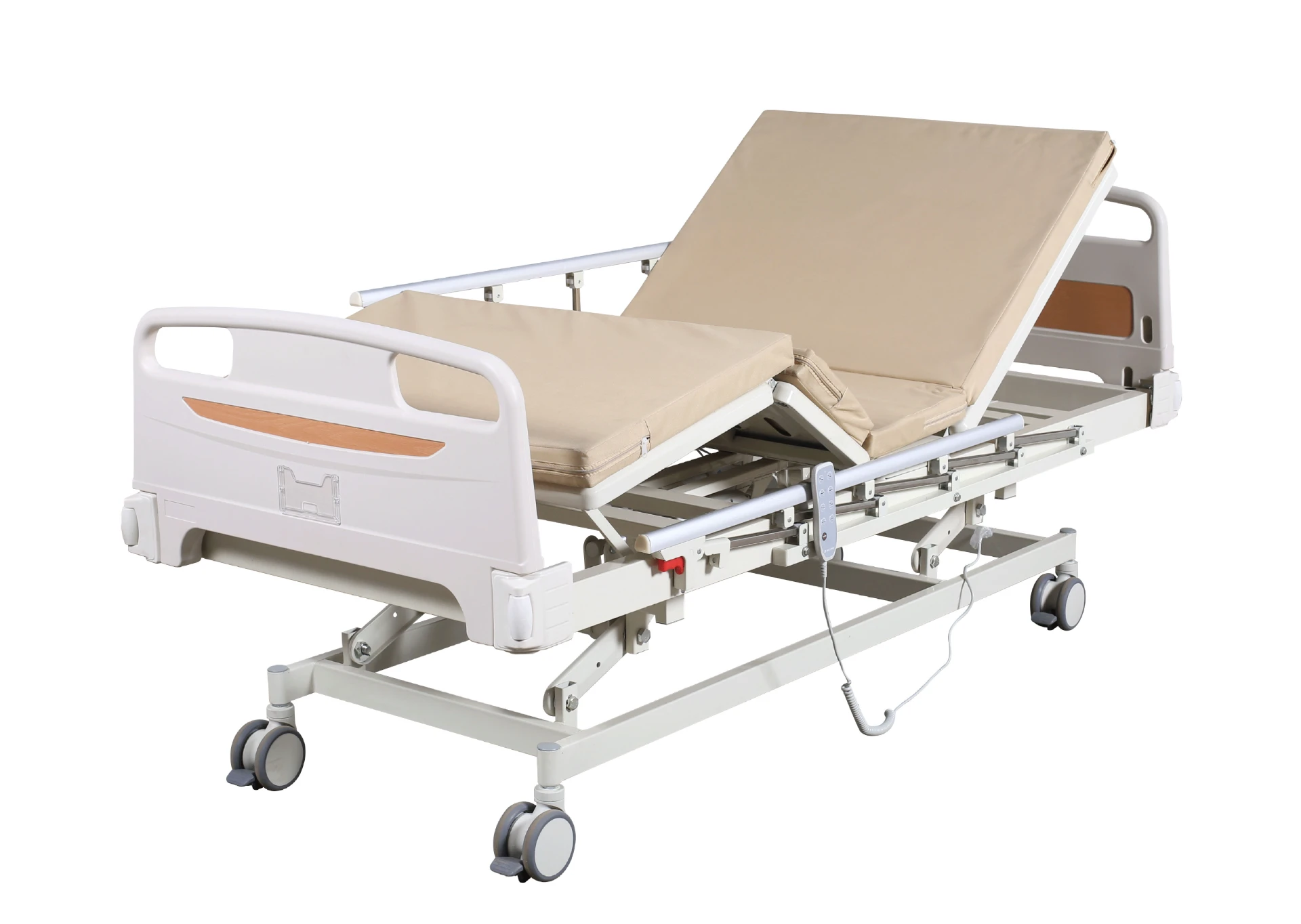
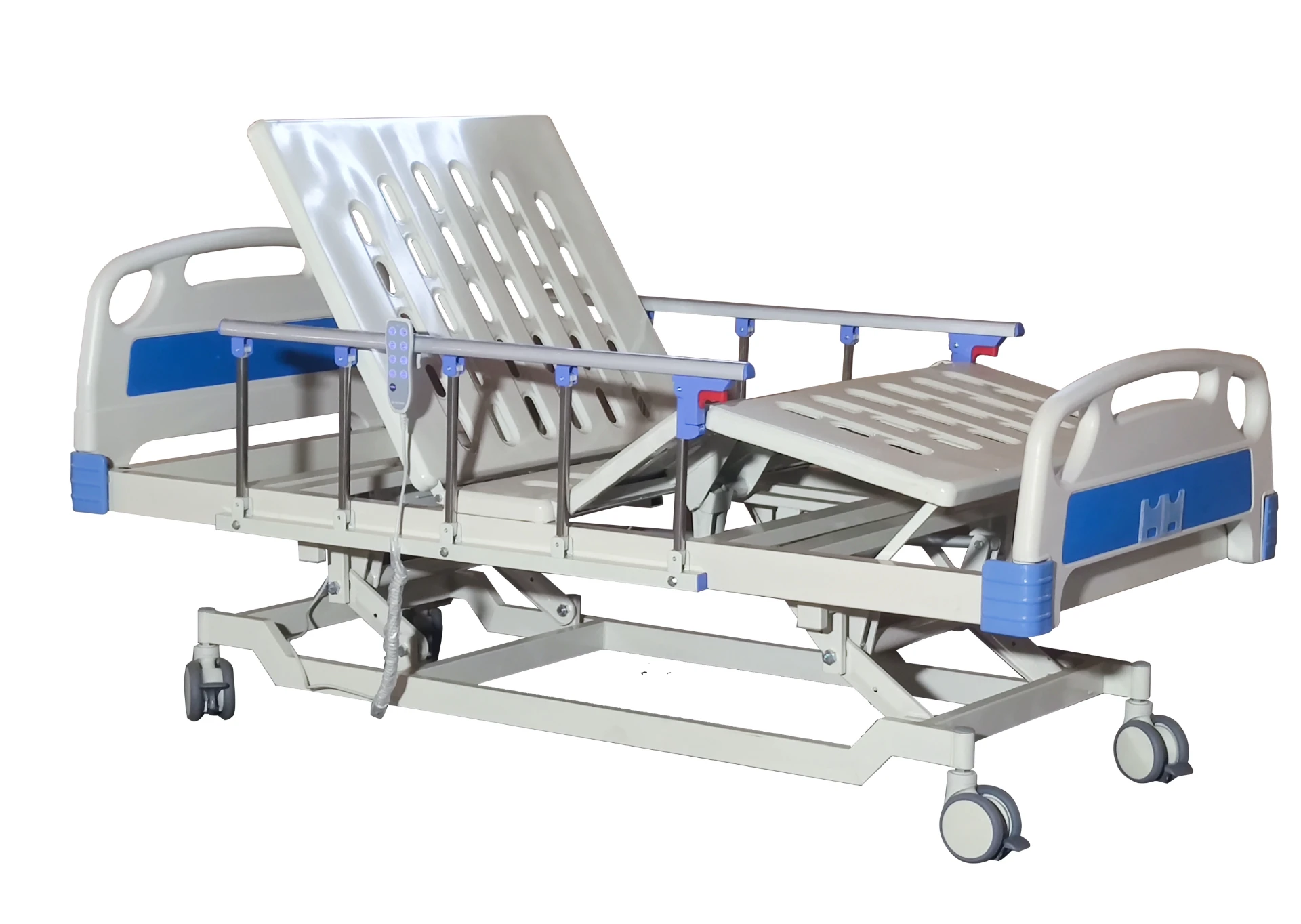
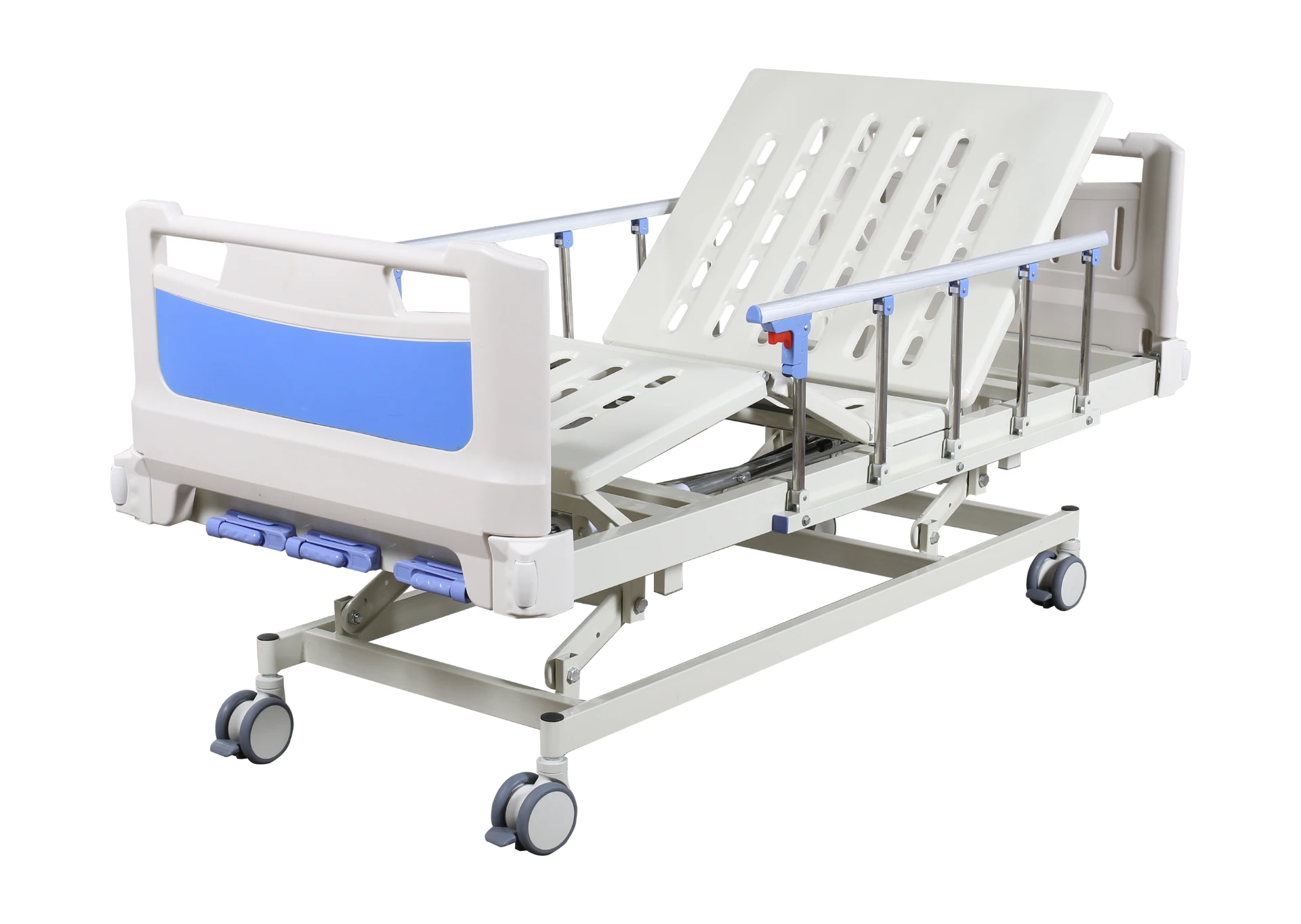
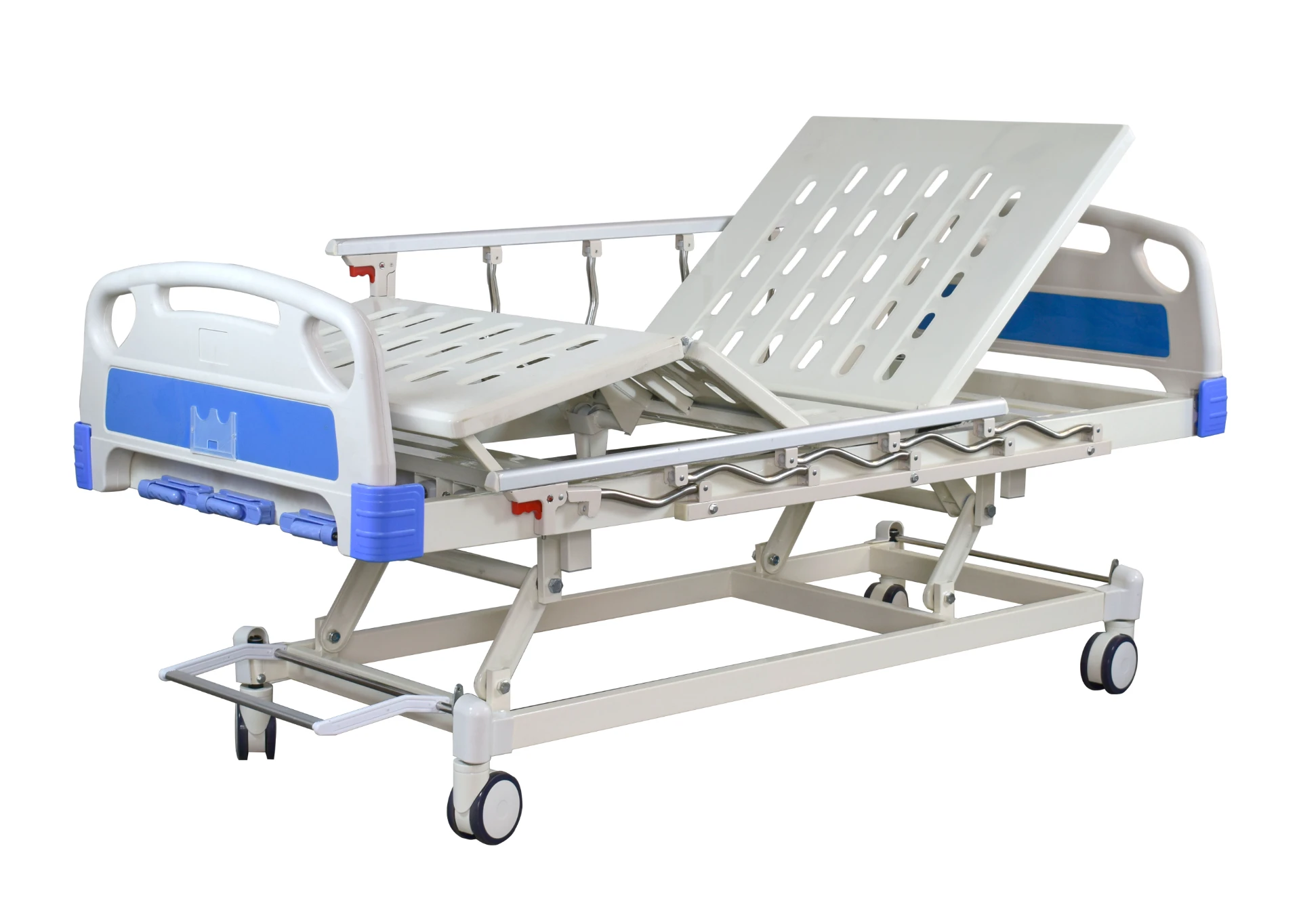
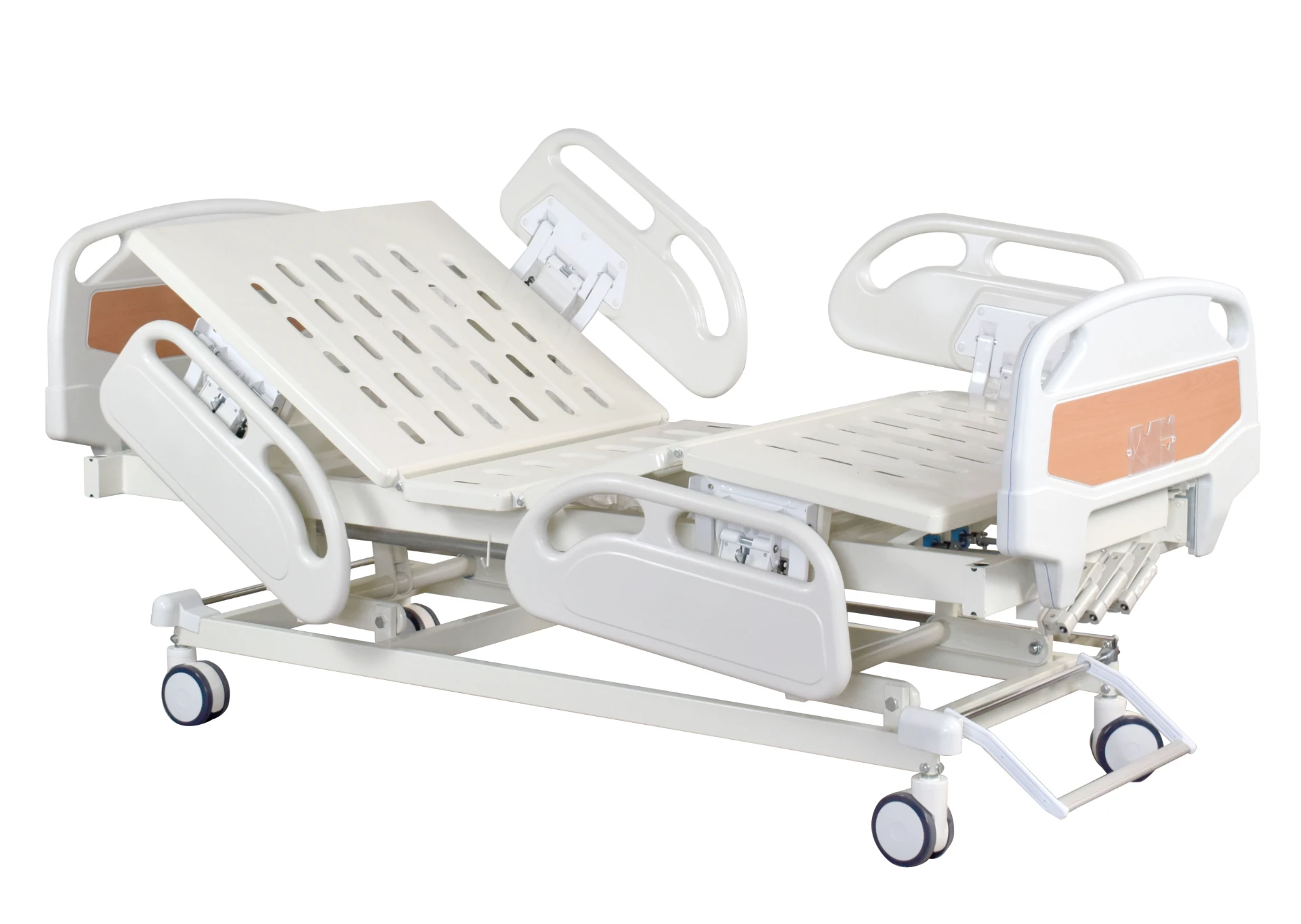
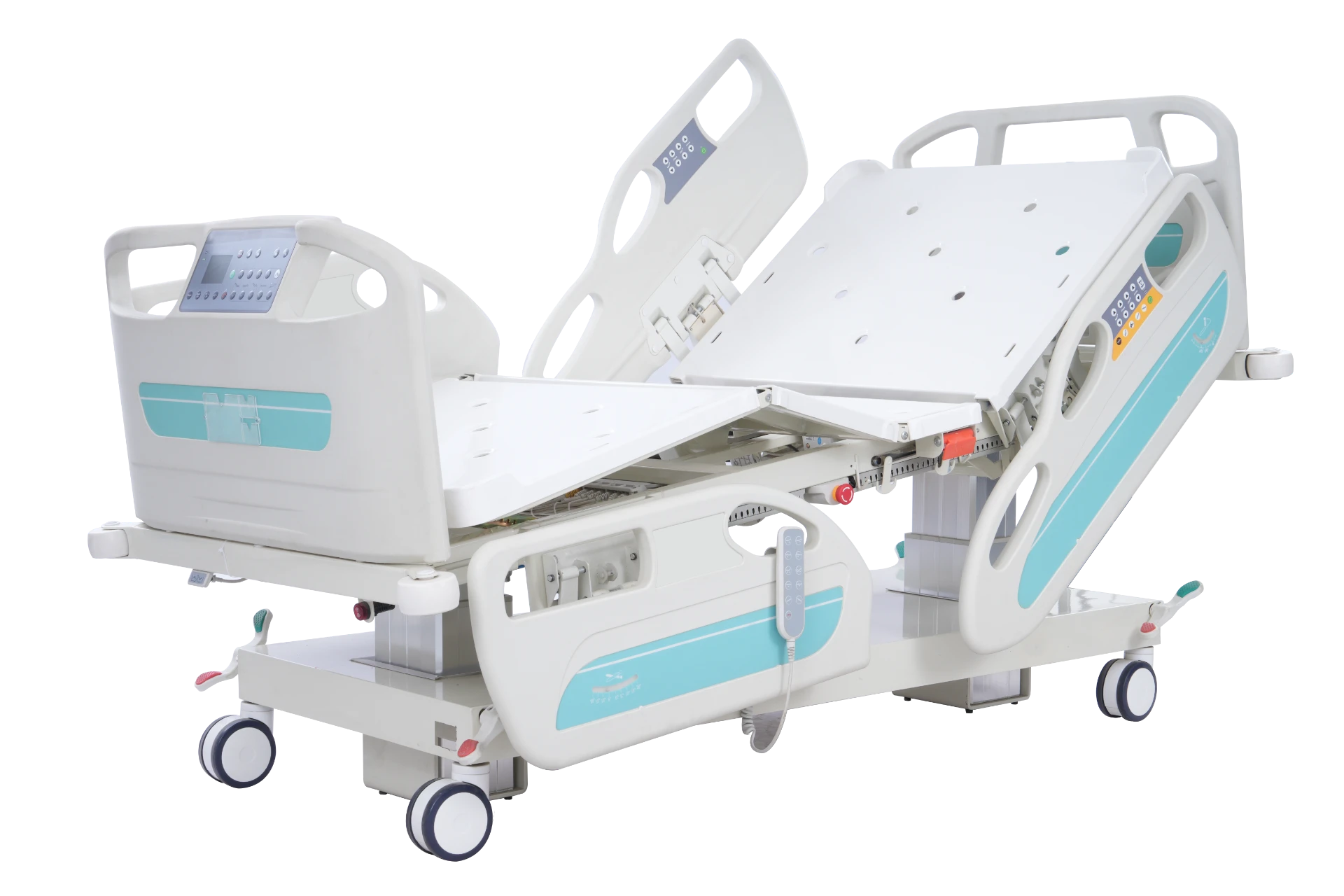
Oddly enough, these spaces rely heavily on the same rigorous standards you'd expect in hospitals, but with design tweaks that account for limited space and the need for rapid access. The equipment has to be tough yet precise — think of medical carts, patient beds, and emergency oxygen facsimiles that must pass industrial-grade durability tests. It’s a bit like fitting a miniature ER into the footprint of what could be a break room or small annex.
In real terms, I noticed that materials tend to lean towards antimicrobial surfaces — stainless steel and certain plastics are popular. Many engineers I've met insist on modular designs too, so the semi hospital can grow or shrink depending on the operation’s current risk assessment. This flexibility is crucial for industries experiencing fluctuating workforces or seasonal hazards.
As for product specs, here’s a quick snapshot of a typical semi hospital’s core equipment setup. These specs obviously vary, but they give a good baseline:
| Equipment | Material | Dimensions | Weight Capacity | Additional Features |
|---|---|---|---|---|
| Patient Bed | Stainless Steel Frame, Antimicrobial PVC | 210cm x 90cm x 45cm | 200 kg | Adjustable Height & Backrest |
| Medical Cart | Aluminum Alloy, Powder Coated | 80cm x 45cm x 95cm | 50 kg (load) | Lockable Drawers & Antimicrobial Handles |
| Oxygen Supply System | Aluminum with Anti-Corrosion Coating | Variable (Based on Capacity) | N/A | Pressure Regulator & Safety Valve |
When choosing equipment vendors for semi hospital setups, there’s often a delicate balance between price, durability, and customization. It’s not just about off-the-shelf goods; many clients want bespoke features that anticipate the quirks of their particular industrial context. I recall a client in the chemical sector who asked for anti-static features on every piece of furniture — a detail that seemed minor but was absolutely critical given their volatile environment.
| Vendor | Core Strength | Customization | Lead Time | Price Range |
|---|---|---|---|---|
| Vendor A | Durability & Industrial Standards | Moderate | 4-6 weeks | $$$ |
| Vendor B | Customization Experts | High | 6-8 weeks | $$$$ |
| Vendor C | Cost Efficiency | Low | 2-4 weeks | $ |
I suppose the takeaway for anyone involved in setting up or upgrading a semi hospital is to keep these factors top of mind: robust materials, adaptable designs, and reliable vendors. Despite all the technicalities, it ultimately comes down to ensuring the space is ready when it’s needed most — to give people a fighting chance before a full hospital is reachable.
I remember an incident a few years back: at a remote mining site, a worker had a severe allergic reaction. Thanks to the semi hospital’s immediate medical response setup, they stabilized him on-site until evacuation. Frankly, that day really underscored the vital role these setups play.
So, while semi hospital might sound like a buzzword, it’s really about pragmatic solutions that blend industrial reality with medical necessity.
References:
1. Industrial Equipment Standards Board – Medical Space Guidelines, 2022.
2. Journal of Occupational Health Safety, “Modular Medical Facilities in Industry,” 2021.
3. Personal communications with field engineers and safety officers (2015–2023).
-
Ultimate Guide to Choosing Extra Wide Waiting Room ChairsNewsApr.16,2026
-
Guide to Choosing Professional Waiting Room Chairs Wipeable SeatingNewsApr.09,2026
-
Enhance Your Space with Comfortable Wide Waiting Room ChairsNewsApr.07,2026
-
Selecting the Ideal Brown Waiting Room Chairs for a Welcoming SpaceNewsApr.04,2026
-
Choosing Comfortable Patient Waiting Room Chairs for Healthcare FacilitiesNewsMar.31,2026
-
Finding the Best Deals on Affordable and Cheap Reception Chairs for Your BusinessNewsMar.28,2026
-
Enhance Your Business Reception with Comfortable Blue Reception ChairsNewsMar.26,2026