Welcome to our websites!


Semi Floor Bed: Practical Comfort Solutions for Today’s Global Needs
Semi Floor Bed: Redefining Practical Comfort Worldwide
When you first hear semi floor bed, you might picture a minimalist sleeping setup, but the concept is far more impactful, especially when viewed through a global lens. These semi floor beds represent a practical, accessible solution bridging the gap between traditional bedding and the modern need for flexibility—in homes, disaster relief zones, and even industrial sites worldwide.
Why does it matter? According to recent UN reports, more than 100 million people are displaced every year due to natural disasters, and affordable, durable sleeping arrangements become a silent yet vital part of their recovery. Understanding and optimizing semi floor beds could bring a lasting change—not just comfort, but dignity and efficiency in emergency responses and day-to-day living.
Introduction: The Global Relevance of Semi Floor Beds
In a world rapidly urbanizing yet increasingly prone to environmental stressors, innovations in simple furniture items like the semi floor bed have grown in importance. Data from the World Bank indicates that over 55% of the world's population now live in urban areas, often in constrained spaces where traditional beds aren't practical. Meanwhile, humanitarian organizations face ongoing challenges: providing rapidly deployable, cost-effective, and safe sleeping solutions in refugee camps or disaster-stricken areas.
Here, semi floor beds emerge as an answer—easy to transport, adaptable, and sturdy. They address multiple problems, including limited housing space, budget restrictions, and the need for speedy setup during crises.
What is a Semi Floor Bed?
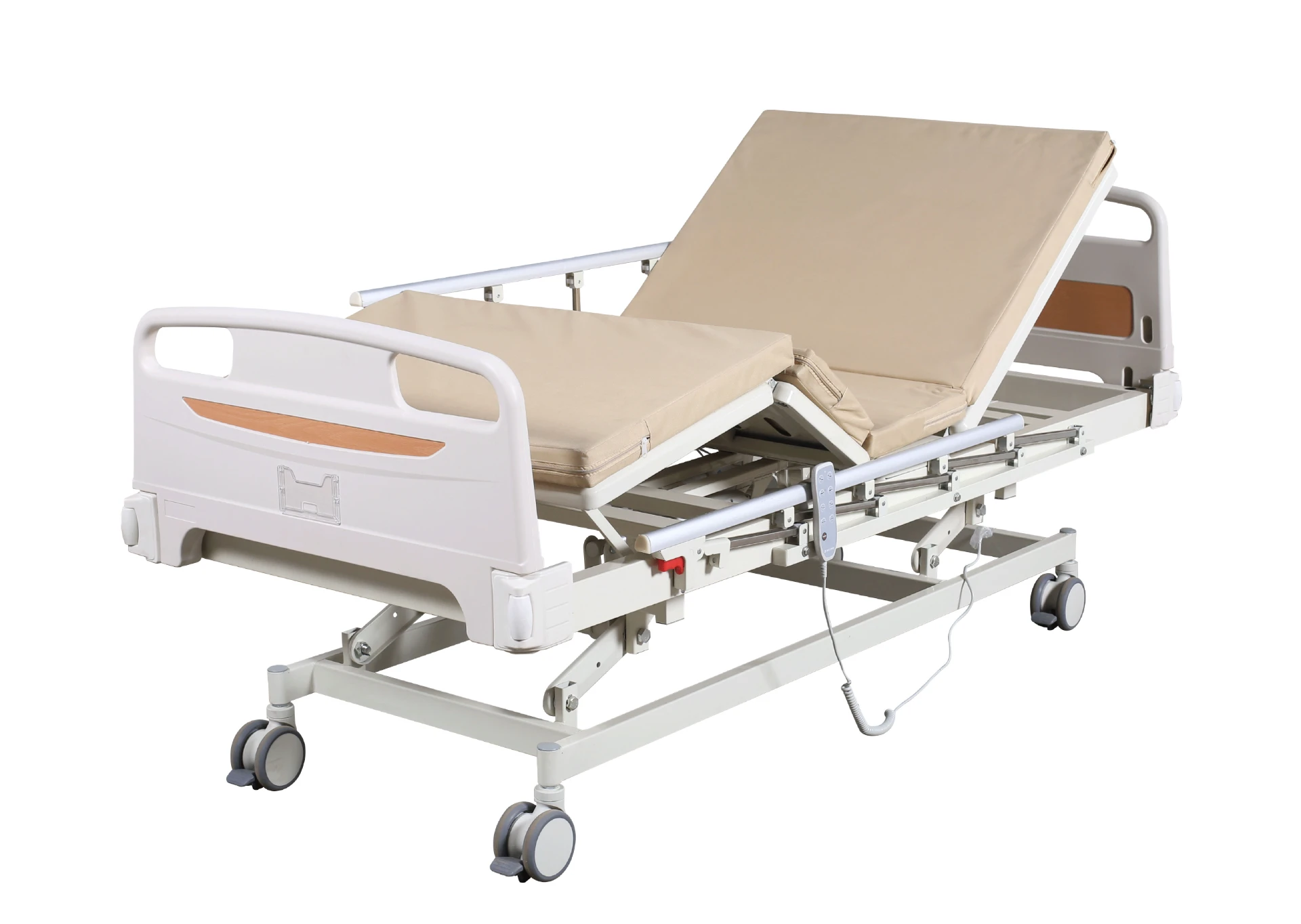
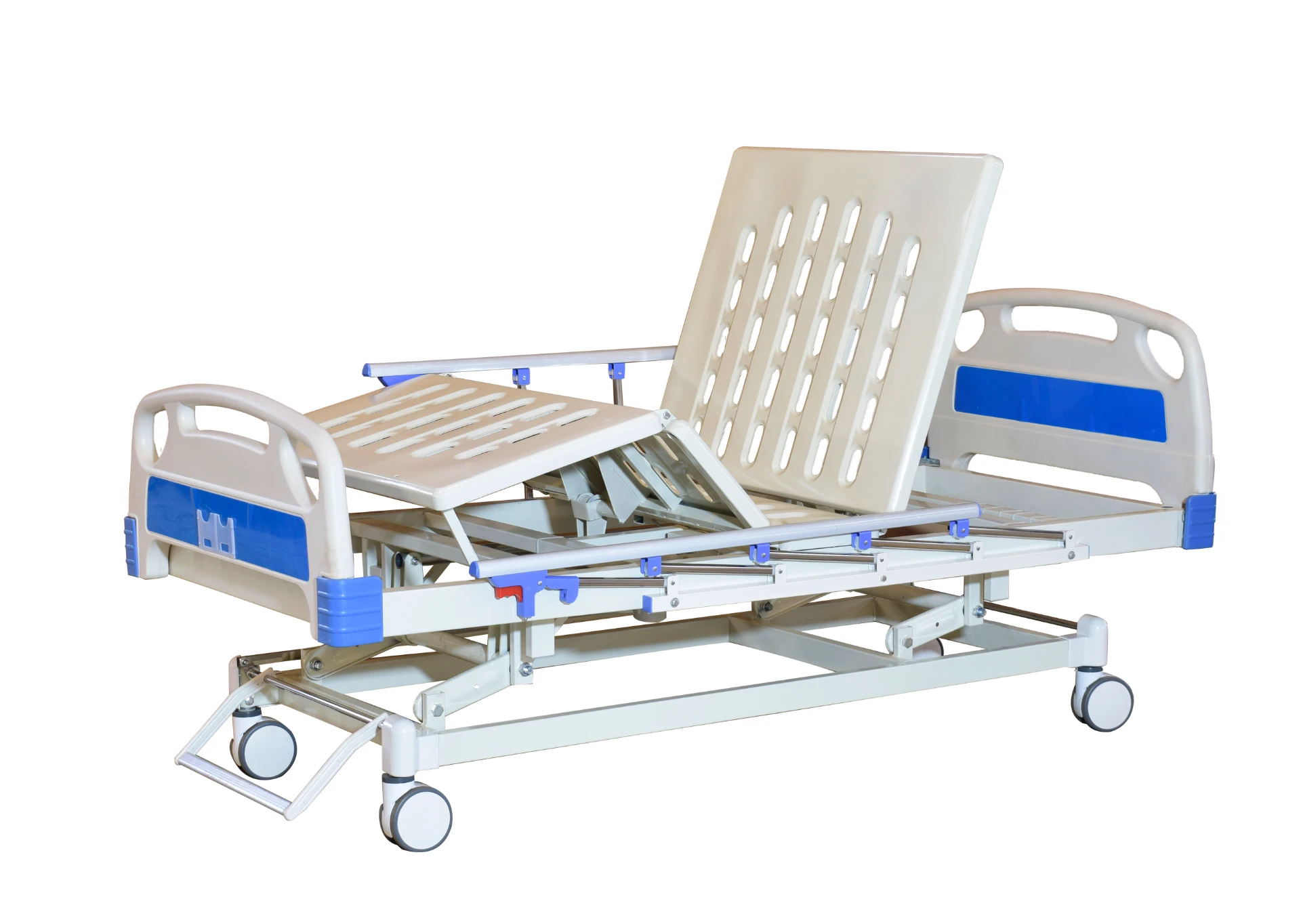
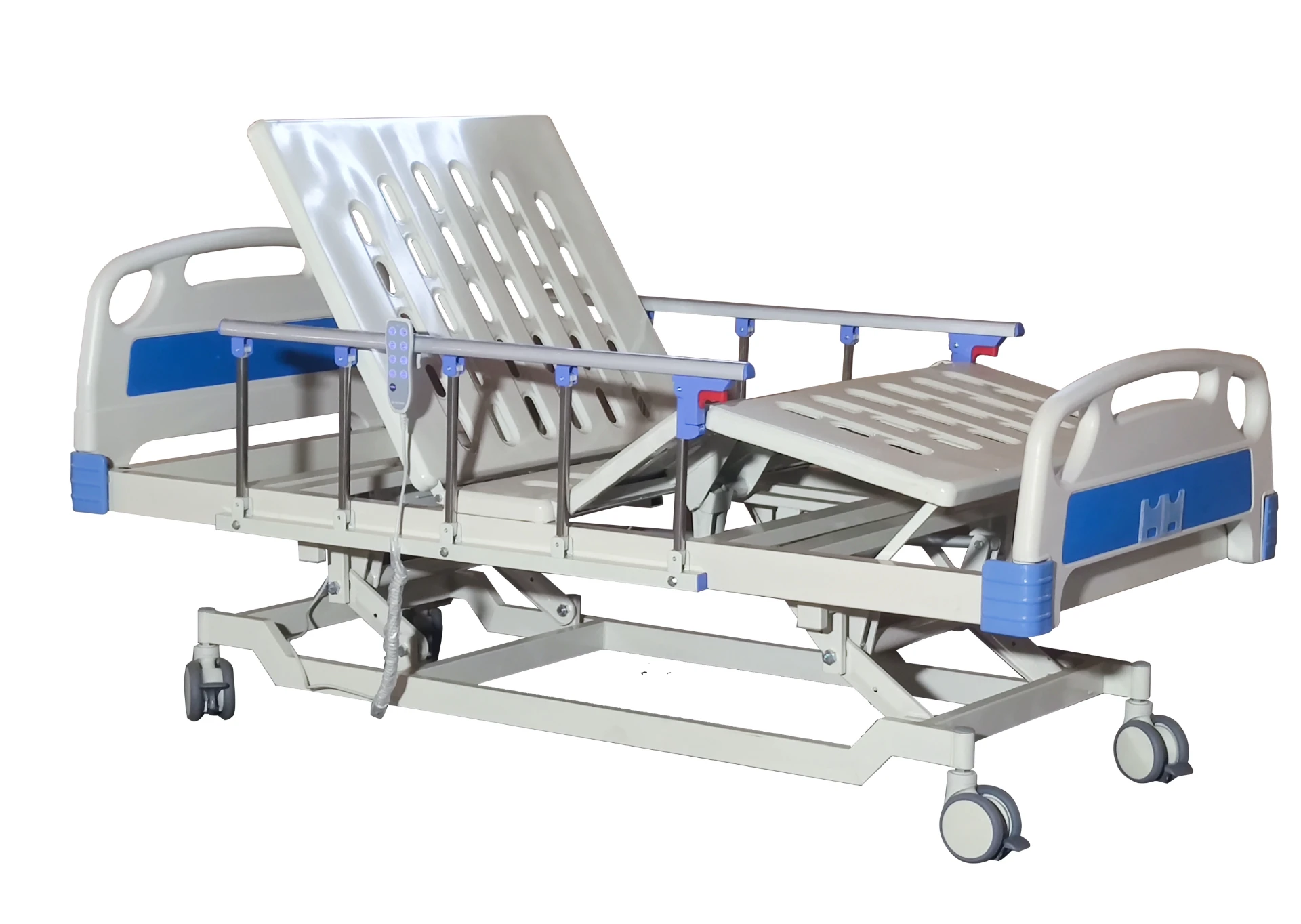
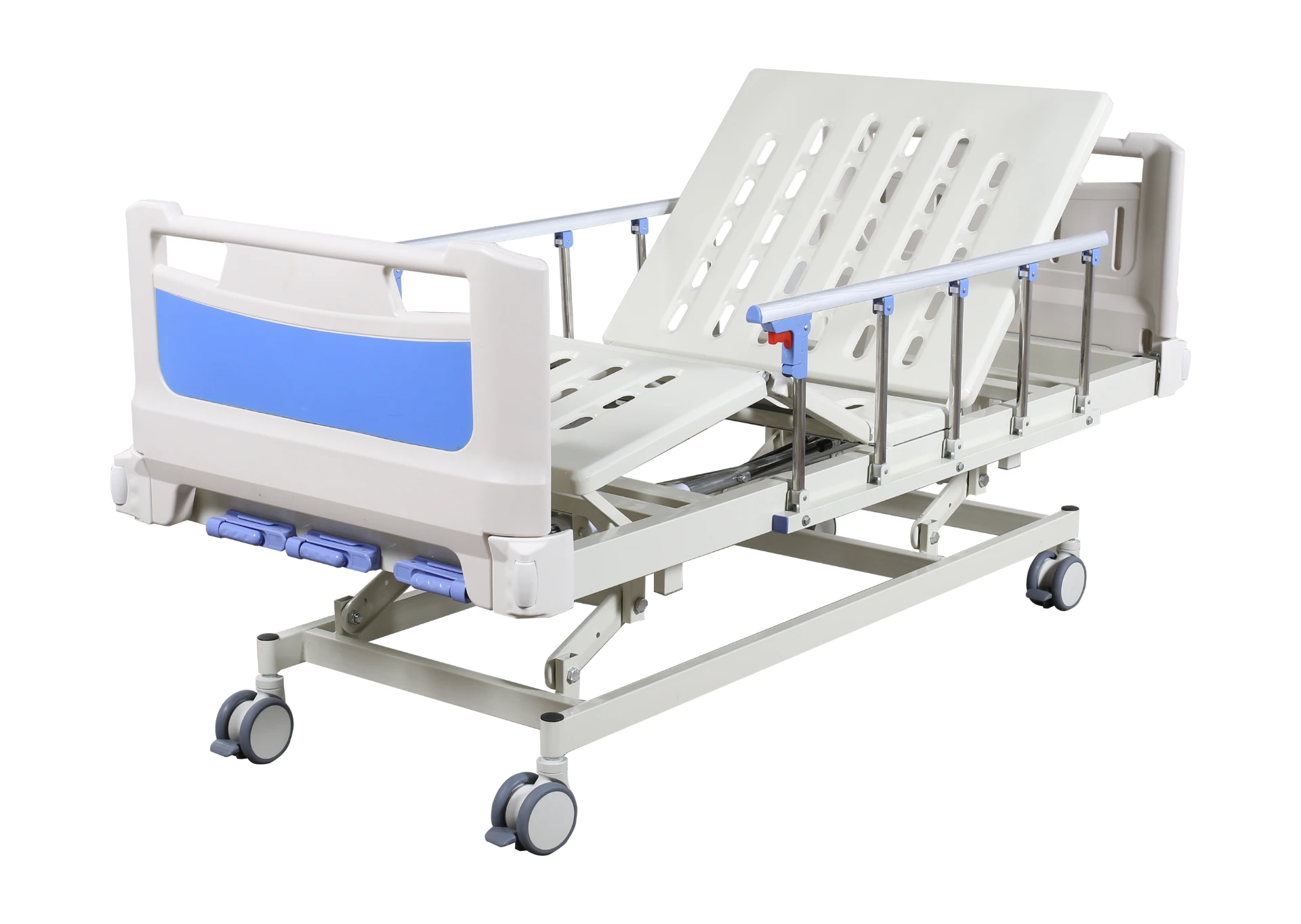
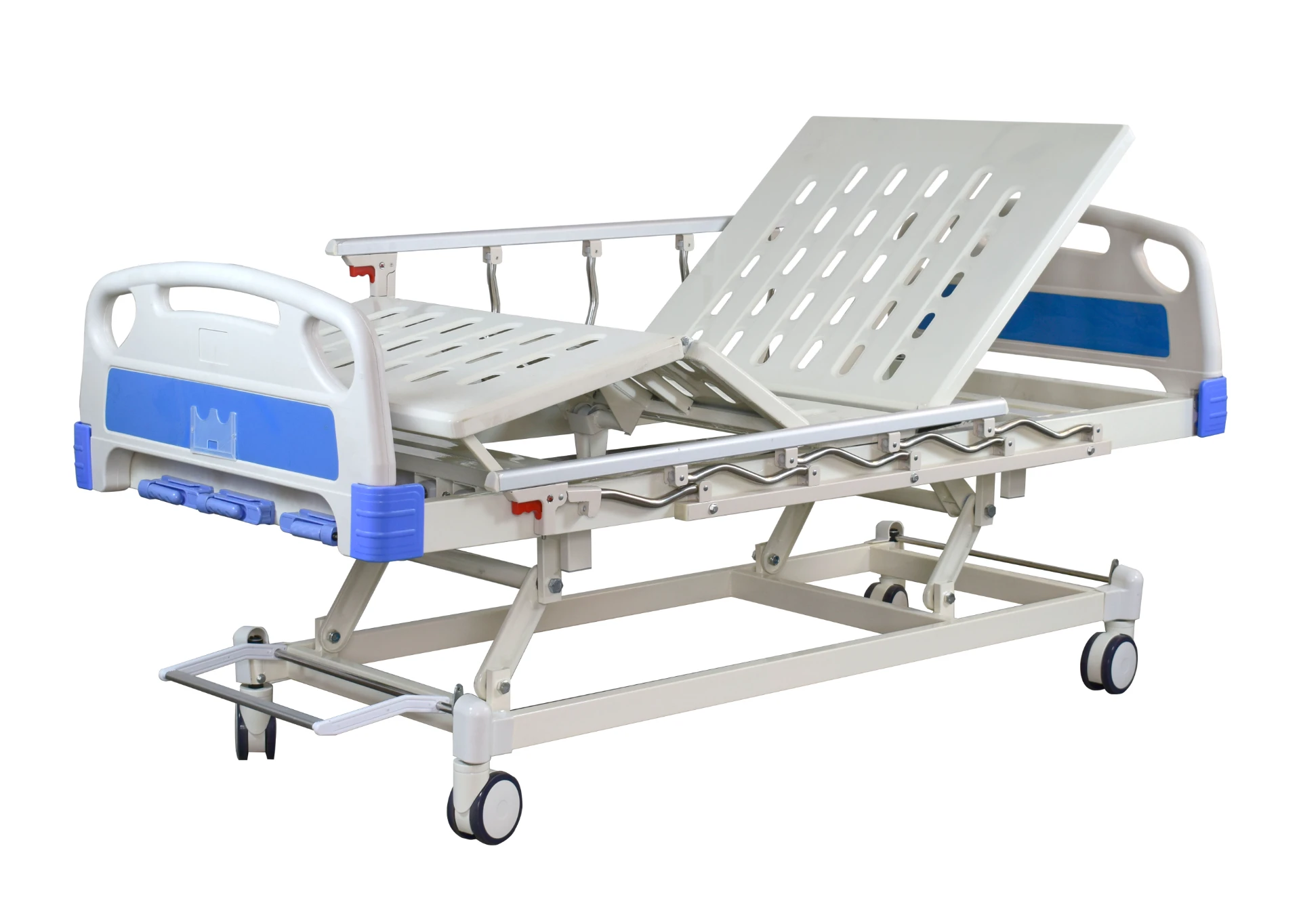
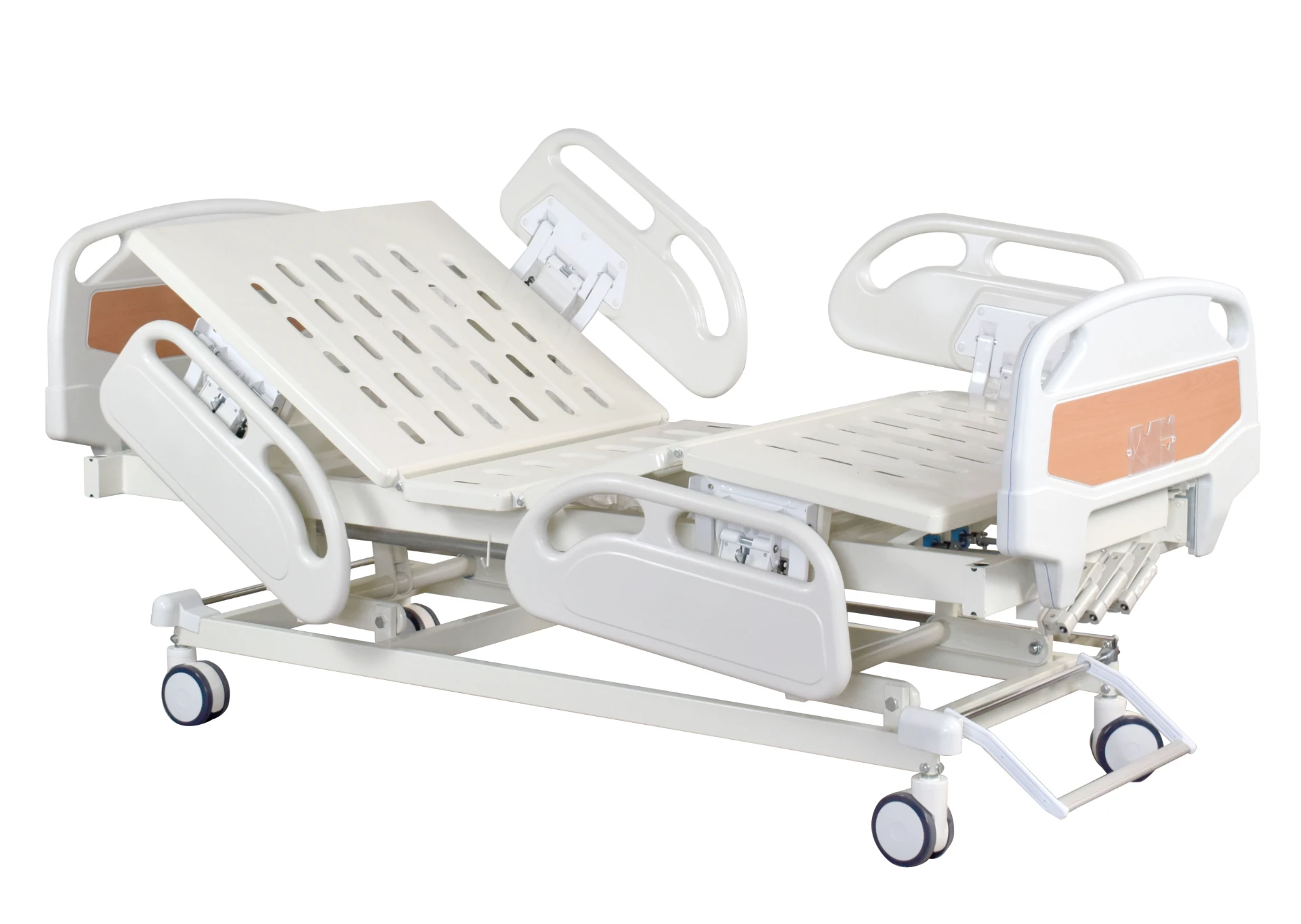
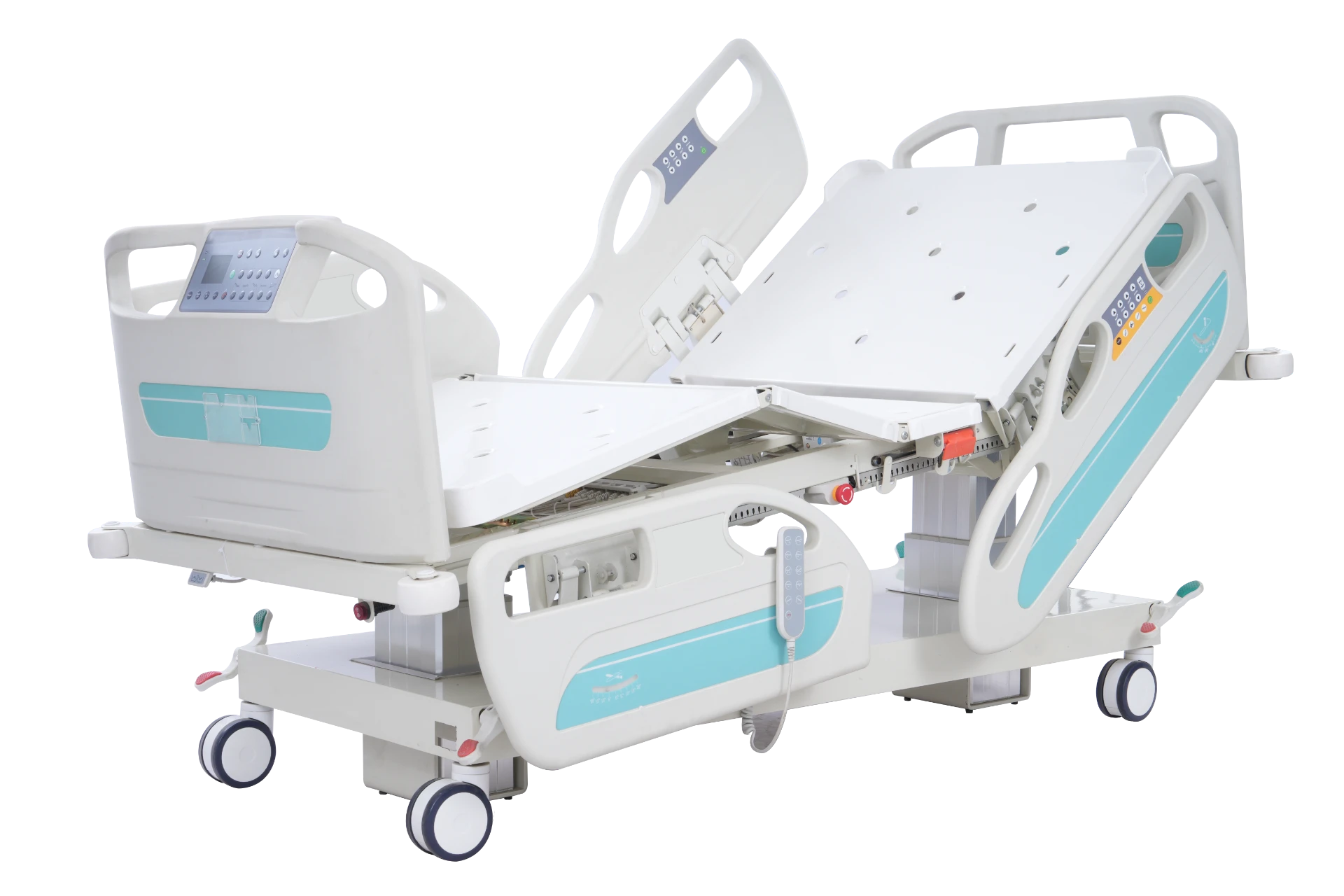
At its simplest, a semi floor bed is a sleeping platform raised just slightly above the floor—often only a few inches—with a mattress or cushion on top. Unlike conventional beds with high legs and bulky frames, it blends the ease of floor sleeping with enough elevation to improve comfort and hygiene. The result is a hybrid solution that has practical applications in both daily life and humanitarian aid.
More than just a piece of furniture, it’s a response to modern industry needs—from compact urban living to streamlined logistics in providing temporary shelter. You might even say it symbolizes a shift towards smarter, more resource-conscious living.
Core Components of a Semi Floor Bed
- Durability: Materials like reinforced wood or lightweight steel frames ensure longevity under varied conditions—crucial for multiple deployments or harsh environments.
- Portability: Designed for easy assembly and disassembly, these beds often fold or stack, making them ideal for transport to remote or disaster-affected regions.
- Cost Efficiency: They balance quality with affordability. Bulk manufacturing and modular designs keep prices accessible for NGOs and low-income households alike.
- Comfort: Raised just enough to avoid cold/damp floors and improve airflow—factors that significantly affect sleep quality and health.
- Eco-friendliness: Many models incorporate sustainable or recycled materials, supporting global environmental goals like those outlined by the UN Sustainable Development Goal 12.
- Scalability: Easily customizable sizes and configurations allow semi floor beds to fit various spatial requirements, whether in a cramped urban apartment or large temporary housing camps.
Mini takeaway: Semi floor beds hit that sweet spot—practical structure meets thoughtful design, ready for myriad real-life needs.
Global Applications and Real-World Use Cases
Consider this: in Southeast Asia after typhoons, semi floor beds quickly become essentials in temporary shelters to raise victims from muddy or wet ground, reducing illness risks. In Japan, minimalist home designs use them for the aesthetic of openness and easy cleaning. Remote mining camps in Australia prefer them for quick setup rotations and to handle dust-laden environments efficiently.
Humanitarian organizations like the Red Cross and Doctors Without Borders consistently include semi floor beds in their relief kits because they’re compact, durable, and respectful of recipients' dignity. In fact, many semi floor bed models have been adopted worldwide due to these exact factors.
Advantages and Long-Term Value
From cost-savings (lower shipping weight, simpler manufacturing) to sustainability, semi floor beds pack a punch. But emotionally? There's something reassuring about a stable sleeping surface, even if it's just a few inches off the floor. It offers a sense of normalcy and respect, which, frankly, can be scarce in emergency contexts.
Reliability counts too. Many semi floor beds withstand repeated use and rough handling better than more complex furniture. This means fewer replacements and less waste—both great for budgets and the environment.
Product Specifications
| Feature | Typical Specs | Notes |
|---|---|---|
| Height from Floor | 4-6 inches (10-15 cm) | Enough to avoid cold/dampness |
| Frame Material | Metal alloys or treated wood | Focus on durability and lightness |
| Weight Capacity | Up to 250 kg (550 lbs) | Suitable for varied users |
| Setup Time | 10-15 minutes | User-friendly assembly |
| Portability | Foldable or stackable design | Ease of transport |
Vendor Comparison: Leading Semi Floor Bed Providers
| Vendor | Price Range (USD) | Material Quality | Customization Options | Shipping & Support |
|---|---|---|---|---|
| ComfortNest Co. | $80–$120 | High-grade aluminum frame | Color, mattress thickness | Global, with 24/7 support |
| EcoSleep Solutions | $65–$110 | Sustainably sourced wood | Recycled materials, sizes | Regional, with bulk discounts |
| RapidRest Corp. | $70–$90 | Lightweight steel | Standard sizes, basic options | Worldwide with fast delivery |
Emerging Trends & Future Innovations
Looking ahead, the semi floor bed is evolving, oddly enough, in sync with the tech world and green initiatives. We’re seeing more collaborations with smart materials that regulate temperature automatically, and even antimicrobial coatings that reduce infection risks—especially important in communal or healthcare settings.
Moreover, digital transformation in supply chains enables faster distribution to crisis zones, aided by predictive analytics that forecast where these beds are most urgently needed. Sustainable manufacturing also grows, with manufacturers aiming for zero waste and carbon-neutral production.
Challenges & Expert Solutions
That said, the semi floor bed isn’t a one-size-fits-all miracle. A couple of sticking points remain:
- Limited height: Some users find beds too low if they have mobility issues. Adjustable legs or hybrid designs can help.
- Material sourcing: Sustainable materials may be costlier or less available in some regions, but innovations in recycled plastics and bamboo show promise.
Experts suggest ongoing R&D into modular hybrid systems that merge semi floor beds with simple storage or seating to maximize space and utility.
FAQ: Frequently Asked Questions About Semi Floor Beds
- Are semi floor beds suitable for elderly or mobility-impaired users?
- They can be, but since they’re low to the ground, some elderly users might find standing up challenging. Solutions include adjustable height options or pairing with grab bars to improve safety.
- How long do these beds typically last under heavy usage?
- With quality materials, they last several years. Many NGOs report multi-year deployments without major issues, as long as proper maintenance is observed.
- Can semi floor beds be customized for specific climates?
- Yes, breathable fabrics and moisture-resistant frames help in humid or wet climates, while insulation layers improve comfort in cooler regions.
- How portable are these beds for quick relief efforts?
- Most are designed to fold or stack compactly, allowing dozens to be shipped in standard containers and assembled onsite quickly, often in less than 15 minutes.
Conclusion
In the grand scheme, semi floor beds are quiet heroes—simple, efficient, and adaptable enough to meet global challenges from urban micro-living to emergency relief shelters. They save money, reduce environmental footprints, and most importantly, restore a small but key part of human dignity: the ability to rest well.
If you’re curious to explore these smart bedding solutions further, particularly tailored options well-suited for diverse needs, visit our website—it’s a treasure trove of insights and products made for the real world.
Mini takeaway: Sometimes, progress starts a few inches off the floor.
-
Ultimate Guide to Choosing Extra Wide Waiting Room ChairsNewsApr.16,2026
-
Guide to Choosing Professional Waiting Room Chairs Wipeable SeatingNewsApr.09,2026
-
Enhance Your Space with Comfortable Wide Waiting Room ChairsNewsApr.07,2026
-
Selecting the Ideal Brown Waiting Room Chairs for a Welcoming SpaceNewsApr.04,2026
-
Choosing Comfortable Patient Waiting Room Chairs for Healthcare FacilitiesNewsMar.31,2026
-
Finding the Best Deals on Affordable and Cheap Reception Chairs for Your BusinessNewsMar.28,2026
-
Enhance Your Business Reception with Comfortable Blue Reception ChairsNewsMar.26,2026