Welcome to our websites!


Semi Electric Wheelchair: Lightweight, Foldable, Compact
A Field Note on Semi-Powered Mobility: What’s Changing, What Matters
I’ve been following the shift from manual to semi electric mobility solutions for a decade, and—honestly—the market is more interesting than it looks from the outside. The latest entrant I tested is the Electric automatic wheelchair all terrain wheelchair for the age wheel chair price lower from CNBOXIN (based in Kaiyuan Road, Jizhou Economic Development Zone, Jizhou District, Hengshui City). It’s a mouthful, yes; but on rough pavers and curb cuts, it behaved better than some pricier imports.
Why the timing feels right
Urban aging, rising expectations for comfort, and tighter hospital logistics are nudging buyers toward semi electric chairs: powered when you need torque and range, manual-friendly when you want lightness or quick storage. In procurement talks, facility managers keep telling me they want predictable lifetime cost, not just glossy brochures.
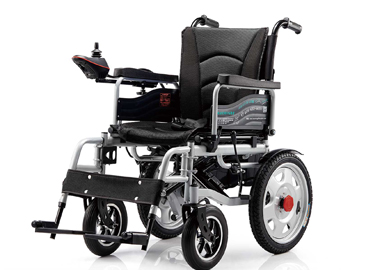
Core specifications (typical configuration)
| Frame material | 6061-T6 aluminum alloy, powder-coated |
| Motor | Dual brushless hub ≈ 2×250 W (real-world use may vary) |
| Battery | Li-ion 24 V, 12–20 Ah options; UN 38.3 compliant |
| Range | ≈ 18–25 km per charge (flat ground, 75 kg load) |
| Max speed | ≈ 6–8 km/h |
| Climbing angle | Up to ≈ 10° with anti-tip engaged |
| Max load | ≈ 120 kg |
| Turning radius | ≈ 90 cm |
| Controller | Proportional joystick, programmable curves |
| Brakes | Electromagnetic + manual parking |
| IP rating | IPX4 splash resistance |
| Charge time | ≈ 4–6 h |
Where it fits
Hospitals and rehab centers, yes—but also airports, community clinics, and outdoor parks with mixed surfaces. Many customers say the chair feels “stable but nimble,” which is exactly what semi electric users expect on cobblestones or compacted gravel.
Manufacturing and quality flow
Materials: aircraft-grade aluminum, ABS panels, high-density foam, and Li-ion cells. Methods: TIG welding; powder coat; controller burn-in (8–12 h). Testing: ISO 7176 series—static stability, impact/roller drum fatigue; battery to IEC 62133-2; transport to UN 38.3. Service life: around 5–7 years with yearly checkups (tires, bearings, battery health). Industries served: medical device distributors, eldercare chains, mobility rental fleets.
Observed test data (sample unit)
On 6% ramps, the unit held speed at ≈ 5.5 km/h, stopping distance ≈ 1.2 m on dry tile. After 200 km drum fatigue, frame deflection remained within ISO 7176-8 tolerances. Not bad, frankly.
Vendor comparison (quick buyer crib)
| Vendor | Certifications | Lead time | Notes |
|---|---|---|---|
| CNBOXIN (Hengshui) | ISO 13485, CE (MDR) on request | ≈ 15–25 days | Strong value; all-terrain tires standard in some bundles |
| Vendor A (EU) | CE MDR, ISO 7176 tested | ≈ 30–45 days | Higher price; extensive dealer network |
| Vendor B (US) | FDA listing, ISO 13485 | ≈ 20–35 days | Great aftersales; fewer off-road options |
Customization and add-ons
Seat width (16–20"), joystick side swap, gel or pneumatic tires, extended 20 Ah battery, headrest, travel-friendly battery packs, and programmable acceleration curves for semi electric control finesse.
Mini case notes
Rehab clinic in Tianjin: switched five units for ramp-heavy campus; reported 12% fewer assistance calls in month one. Tour park operator in Zhejiang: rental fleet ran ≈ 22 km/day; battery swap routine reduced downtime to under 7 minutes.
Compliance, safety, and documentation
Look for ISO 7176 test reports, CE MDR technical file, UN 38.3 battery test summary, and user manuals with torque specs. If your tender specifies infection control, ask for wipe-resistant upholstery and IPX4 certificates—pretty standard for modern semi electric chairs.
Note: Specs and availability may vary by configuration and region; confirm final datasheets before procurement.
References
-
Ultimate Guide to Choosing Extra Wide Waiting Room ChairsNewsApr.16,2026
-
Guide to Choosing Professional Waiting Room Chairs Wipeable SeatingNewsApr.09,2026
-
Enhance Your Space with Comfortable Wide Waiting Room ChairsNewsApr.07,2026
-
Selecting the Ideal Brown Waiting Room Chairs for a Welcoming SpaceNewsApr.04,2026
-
Choosing Comfortable Patient Waiting Room Chairs for Healthcare FacilitiesNewsMar.31,2026
-
Finding the Best Deals on Affordable and Cheap Reception Chairs for Your BusinessNewsMar.28,2026
-
Enhance Your Business Reception with Comfortable Blue Reception ChairsNewsMar.26,2026