Welcome to our websites!


Semi Electric Homecare Bed – Practical Comfort for At-Home Care
Semi Electric Homecare Bed: Balancing Comfort and Practicality at Home
Having spent well over a decade working alongside healthcare providers and industrial suppliers, I can tell you there’s something oddly satisfying about seeing a piece of equipment blend durability with user friendliness. Take the semi electric homecare bed for example — it manages to hit that sweet spot rather well.
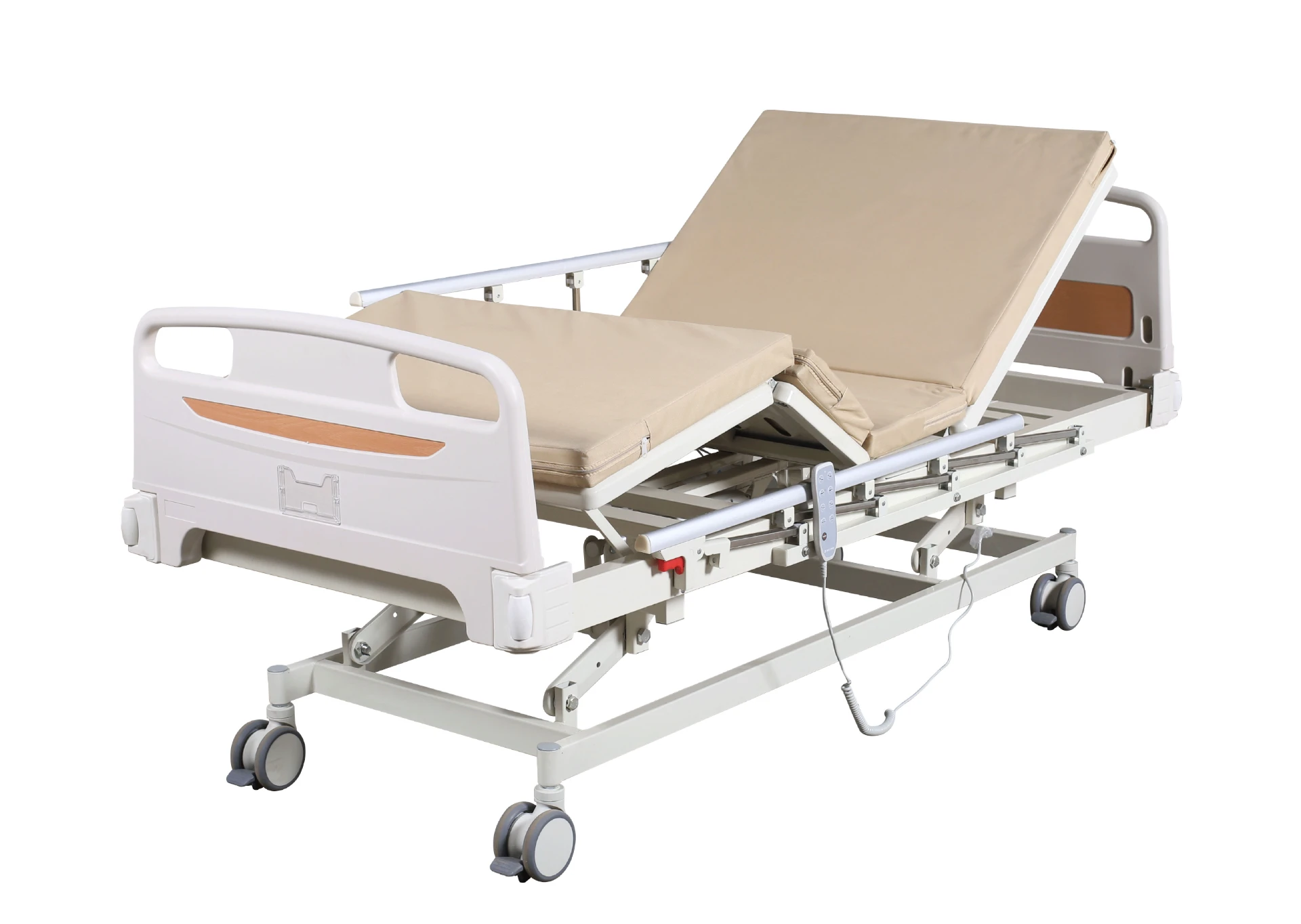
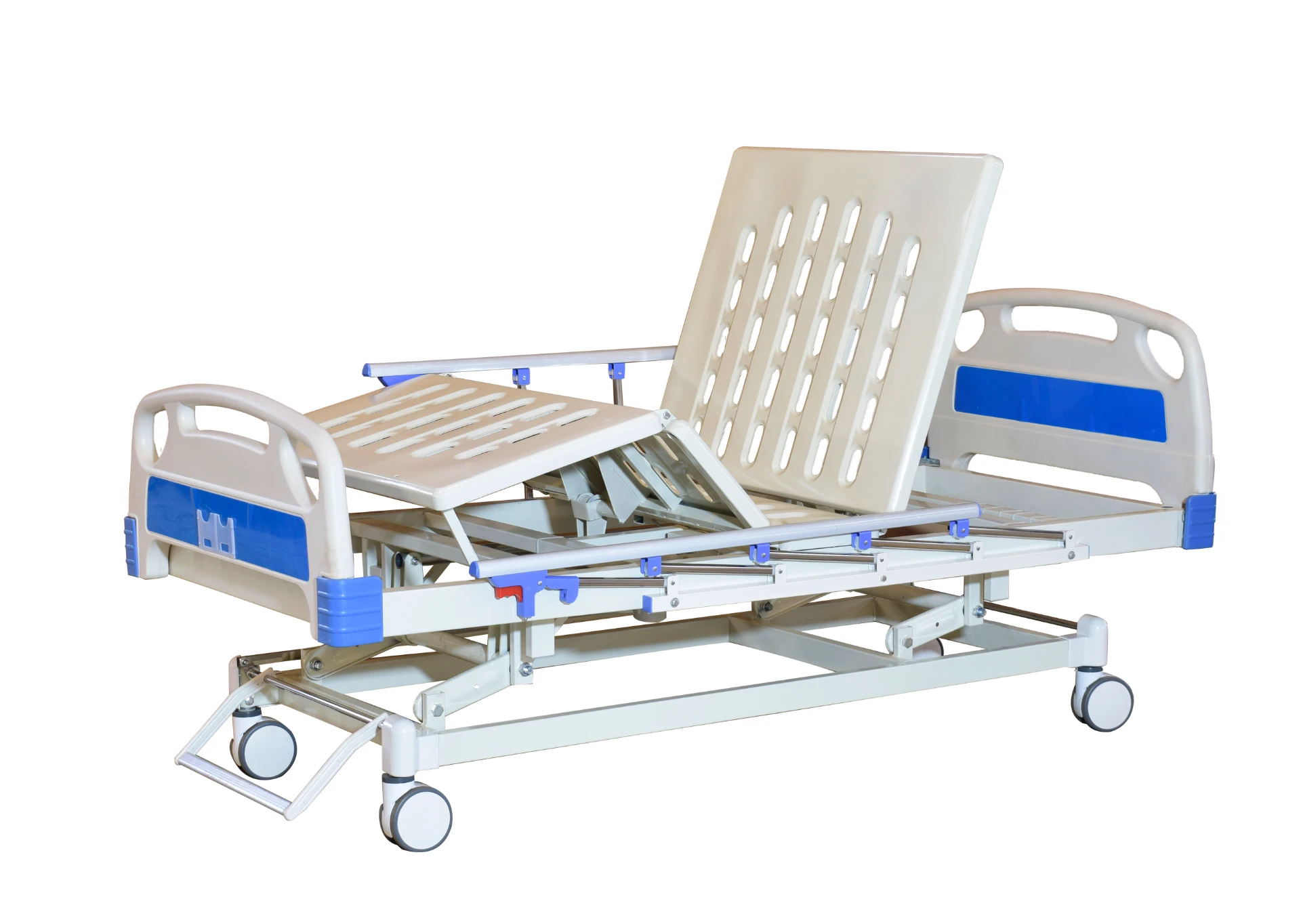
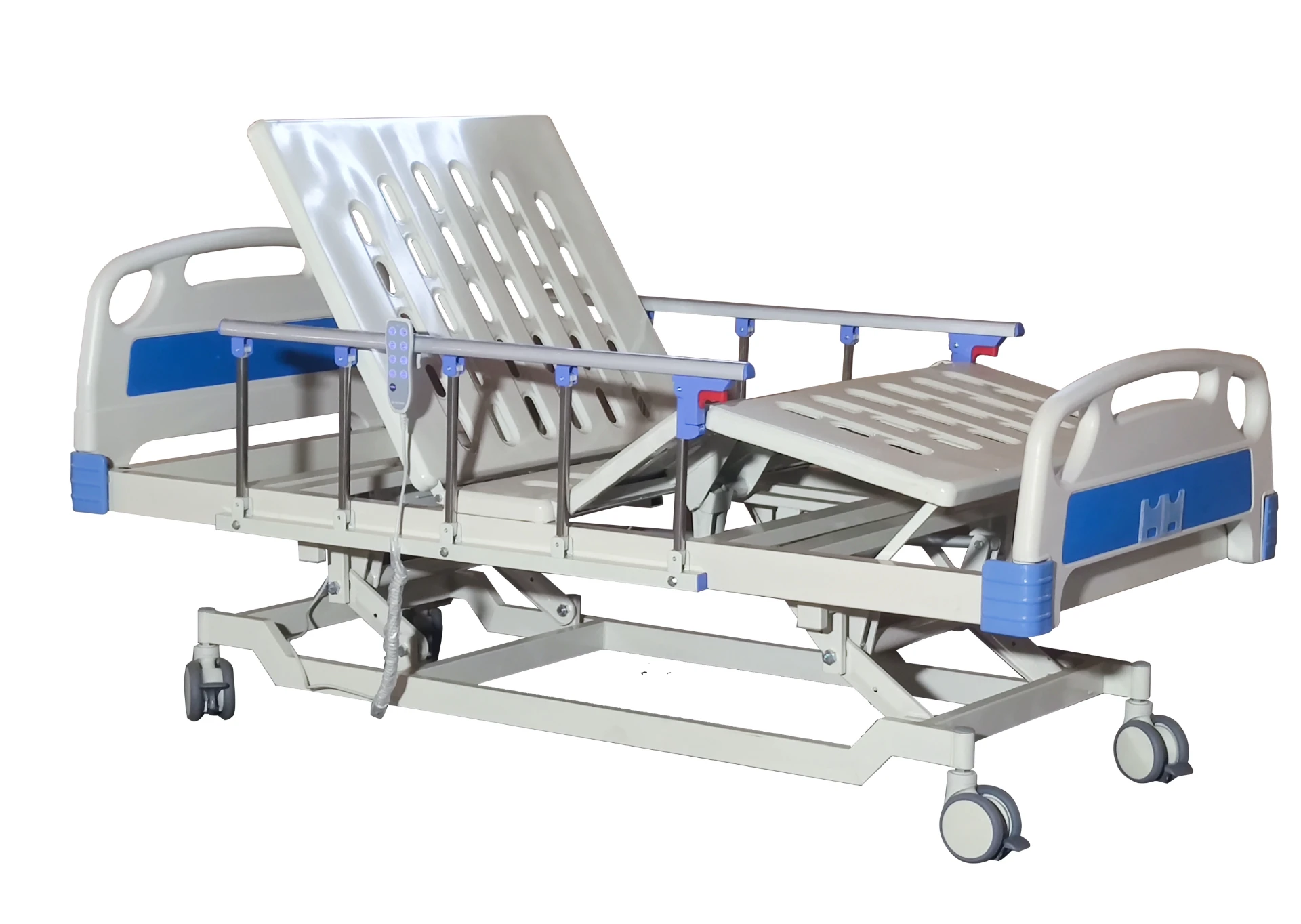
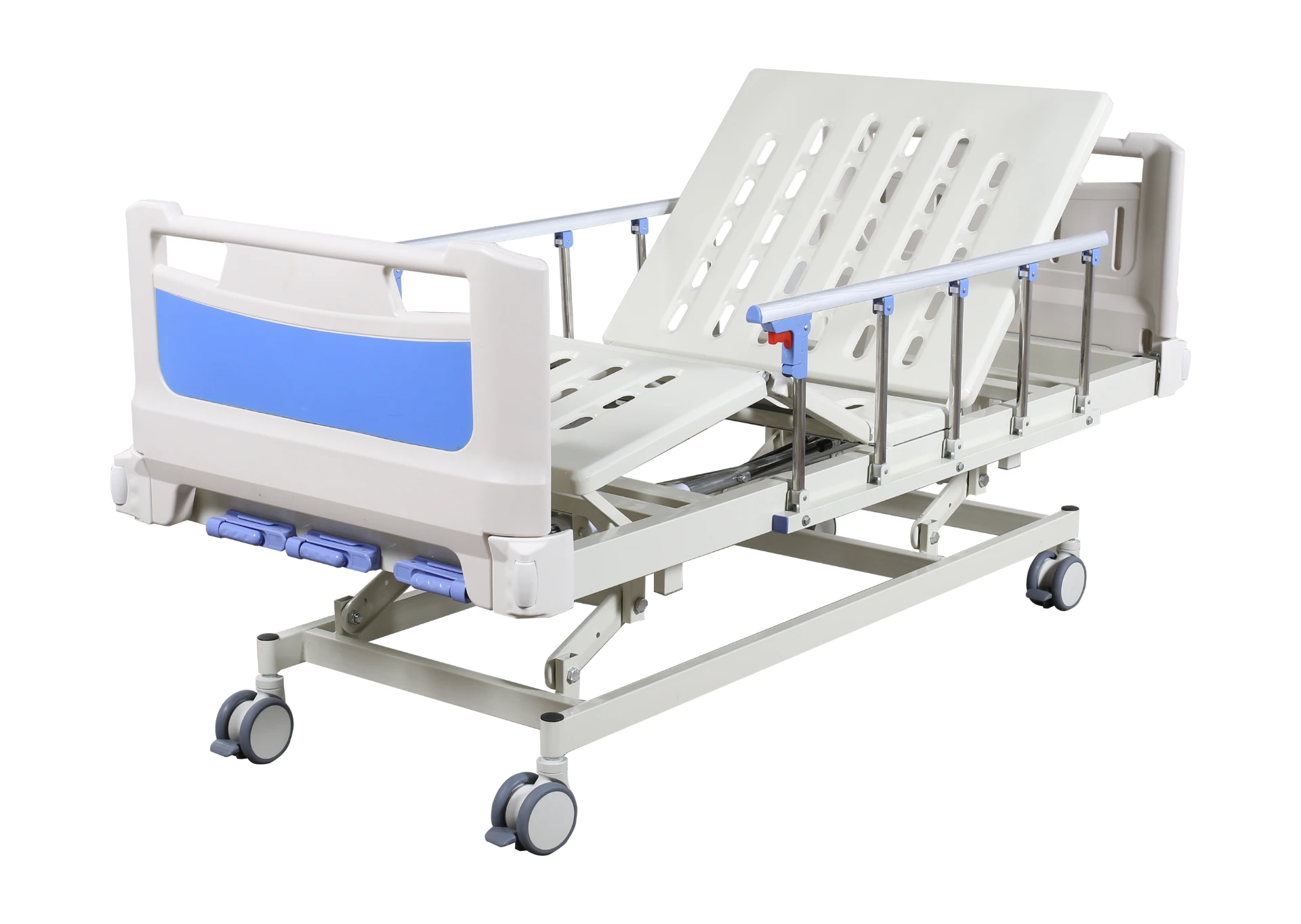
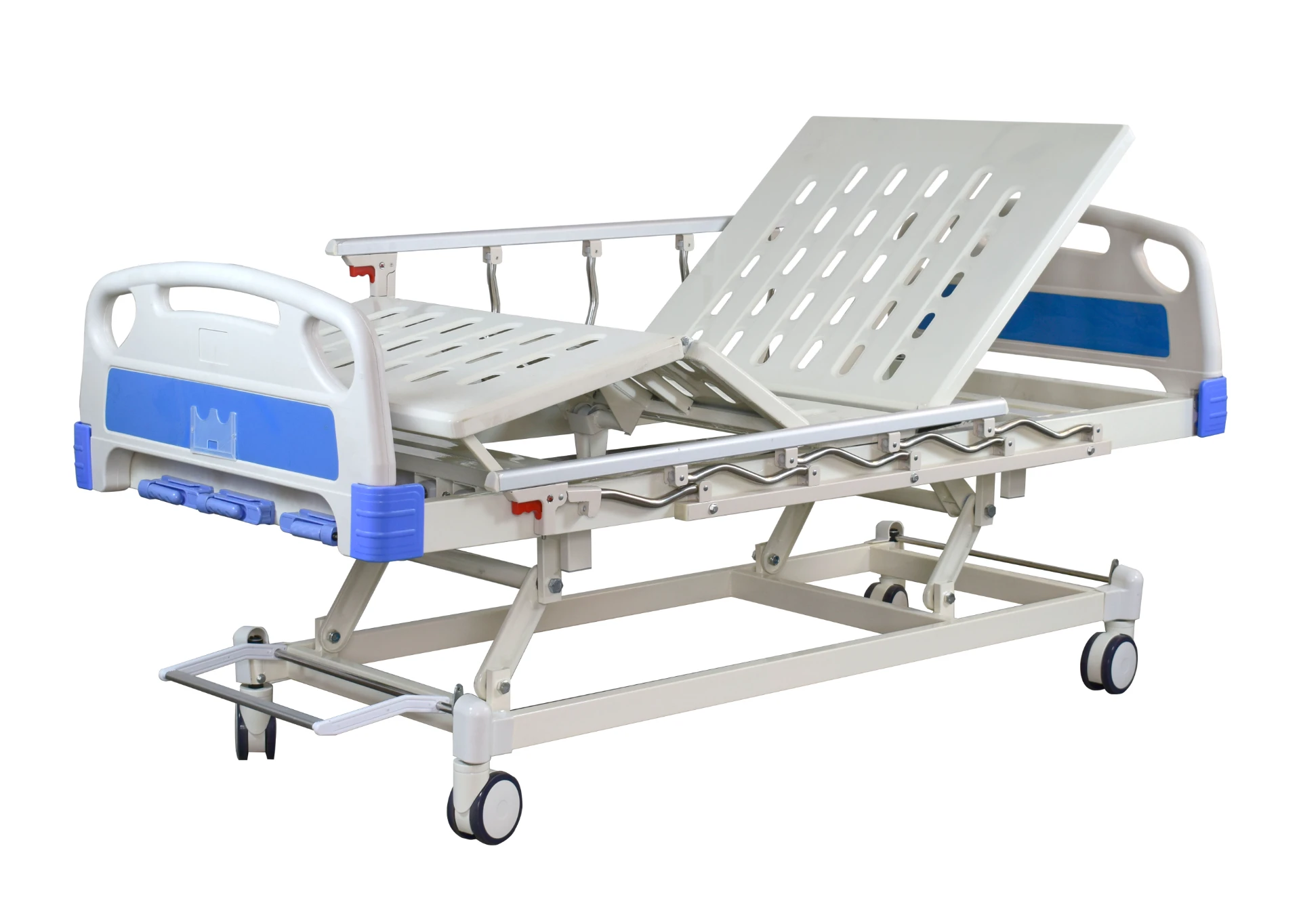
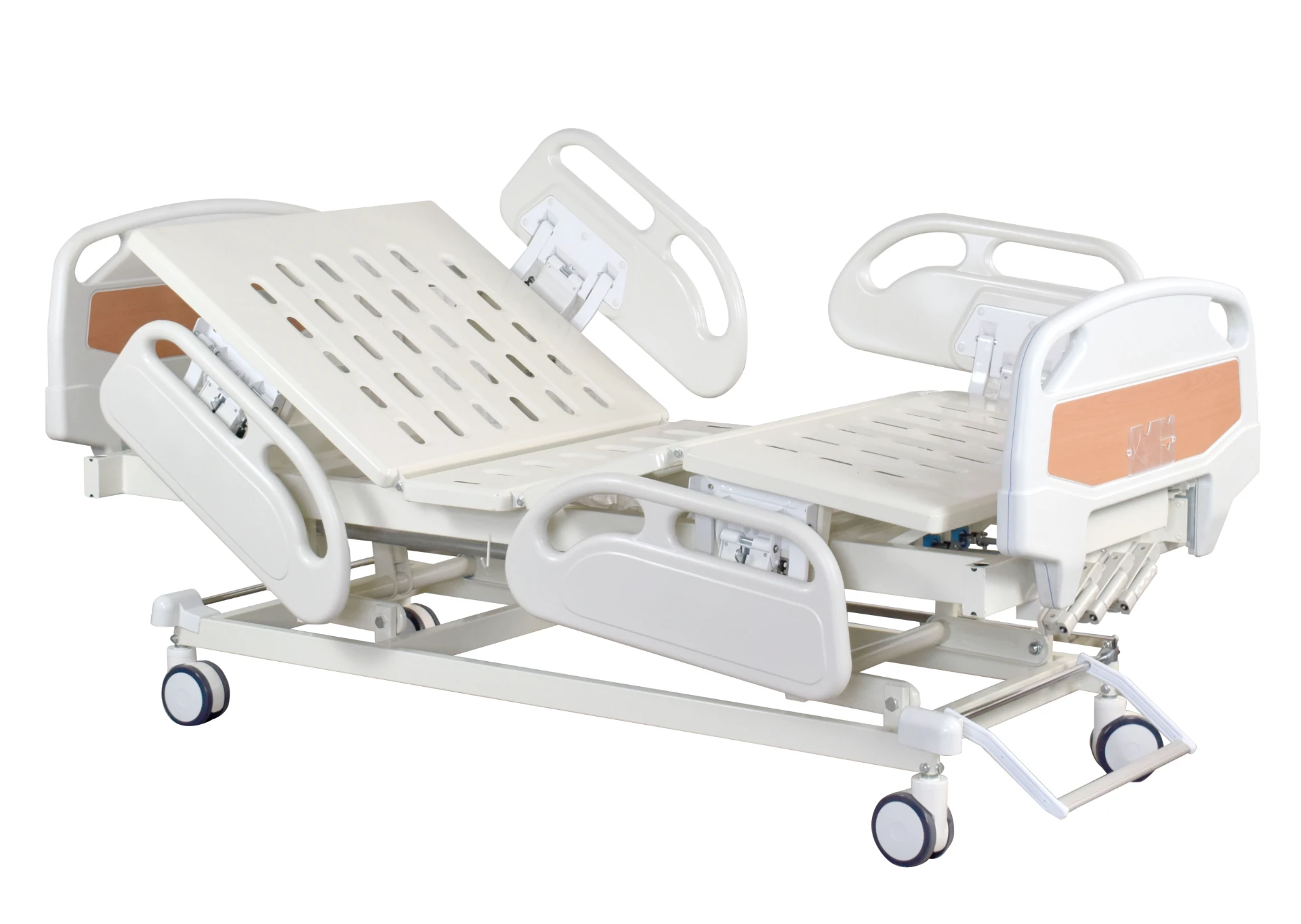
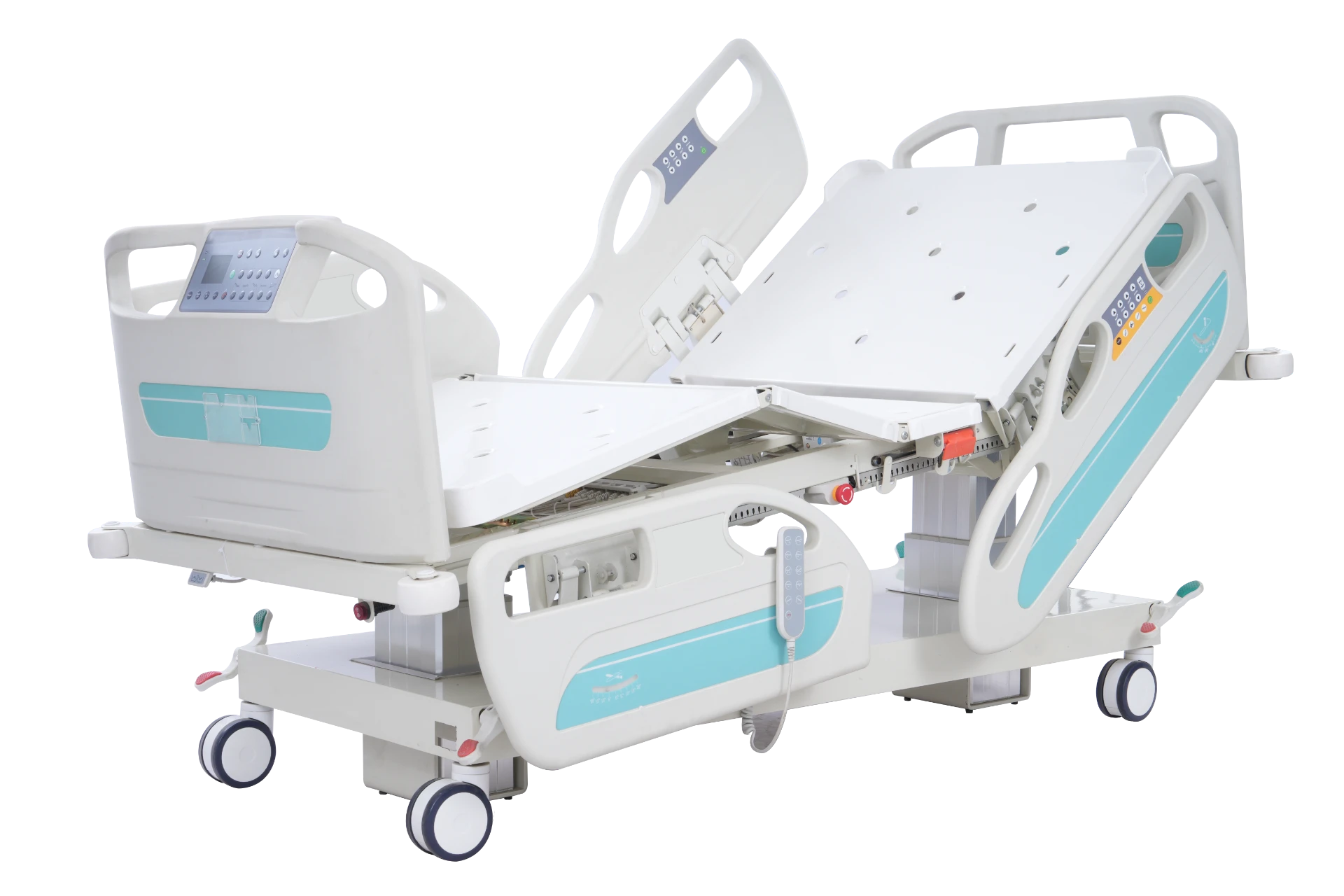
The semi electric homecare bed isn’t quite a full electric nursing bed but it offers more flexibility than a manual version. Frankly, it’s almost like the best of both worlds wrapped into one. For caregivers and users alike, that means easier adjustment of the head and foot sections without the full complexity or cost of fully electric beds.
In real terms, these beds often feature a motorized backrest adjustment combined with manual controls for the footrest and height. This arrangement simplifies the mechanical design, thereby enhancing reliability—something you notice after years of seeing equipment breakdowns in hospitals or homecare settings. Many engineers I’ve chatted with consider this a sensible compromise, especially where budgets and space constraints matter.
Compared to full electric models, these beds tend to be lighter and easier to transport, too. This makes them particularly suited for homecare, where portability and setup can’t be an afterthought. Materials used are generally heavy-duty steel or aluminum, powder-coated for longevity and easy cleaning — essentials when hygiene and sturdiness must co-exist.
Testing protocols on these beds usually emphasize load-bearing, motor durability, and ease of operation. I once observed a quality check session where a bed was continuously adjusted hundreds of times to simulate months of home use. It’s the kind of detail that often goes unnoticed, but it’s reassuring to know those standards are in place.
Beyond specs, what stands out to me is customer feedback. One home caregiver shared how their semi electric bed transformed daily routines—less strain, more independence for the patient, and peace of mind for family members. That human element is what keeps these products evolving.
| Feature | Details |
|---|---|
| Adjustments | Motorized backrest, manual footrest & height |
| Material | Powder-coated steel frame with nylon components |
| Load Capacity | Up to 150 kg (330 lbs) |
| Dimensions (L x W) | 2100 mm x 900 mm (approx.) |
| Power Supply | AC 110-240V, 50/60 Hz |
| Safety Features | Overload protection, emergency manual release |
When you’re on the hunt for the right homecare bed, choices can be overwhelming. Without wanting to sound like an ad, here’s a quick comparison among some common vendors I’ve encountered frequently:
| Vendor | Price Range | Adjustability | Warranty | Unique Feature |
|---|---|---|---|---|
| Vendor A | $700 - $900 | Head motorized, foot manual | 2 years | Compact folding side rails |
| Vendor B | $850 - $1,100 | Motorized backrest & footrest | 3 years | Remote control with memory presets |
| Vendor C | $600 - $800 | Semi electric, manual height | 1.5 years | Lightweight aluminum frame |
What I find really interesting is how each company tries to carve out space in this somewhat niche market. Some prioritize durability and hardwearing materials over bells and whistles. Others push for user-friendly tech, like remote controls with preset positions — neat, but sometimes overkill in a simple homecare context.
Oddly enough, after seeing numerous installations and speaking with users, it feels like a semi electric homecare bed best suits those situations where moderate adjustability matters but without the high investment or complexity of fully electric hospital beds. That’s sort of the reason why demand has steadily increased over the last few years — a practical option for aging-in-place and assisted living environments alike.
So, if you’re weighing options or outfitting a home health setup, it pays to think about what combination of features really align with daily realities. Sometimes, a straightforward semi electric bed checked off every box during my visits — reliable, easy to maintain, and well-liked by patients.
As a final note, the intimacy of homecare settings means equipment risks multiply if usability and safety are compromised. That’s why I always recommend leaning on trusted manufacturers and field-tested designs when buying a semi electric homecare bed.
To sum it up: it’s about balance — affordability, ease of use, and endurance all wrapped in one package.
References:
1. Healthcare equipment durability studies, MedTech Journal, 2022.
2. User experience survey, Homecare Equipment Insights, 2023.
3. Industrial standard compliance for home medical beds, ISO, 2021.
-
Ultimate Guide to Choosing Extra Wide Waiting Room ChairsNewsApr.16,2026
-
Guide to Choosing Professional Waiting Room Chairs Wipeable SeatingNewsApr.09,2026
-
Enhance Your Space with Comfortable Wide Waiting Room ChairsNewsApr.07,2026
-
Selecting the Ideal Brown Waiting Room Chairs for a Welcoming SpaceNewsApr.04,2026
-
Choosing Comfortable Patient Waiting Room Chairs for Healthcare FacilitiesNewsMar.31,2026
-
Finding the Best Deals on Affordable and Cheap Reception Chairs for Your BusinessNewsMar.28,2026
-
Enhance Your Business Reception with Comfortable Blue Reception ChairsNewsMar.26,2026