Welcome to our websites!


Homecare Electric Bed Guide – Durable & Customizable Solutions
Understanding the Homecare Electric Bed: A Veteran’s Perspective
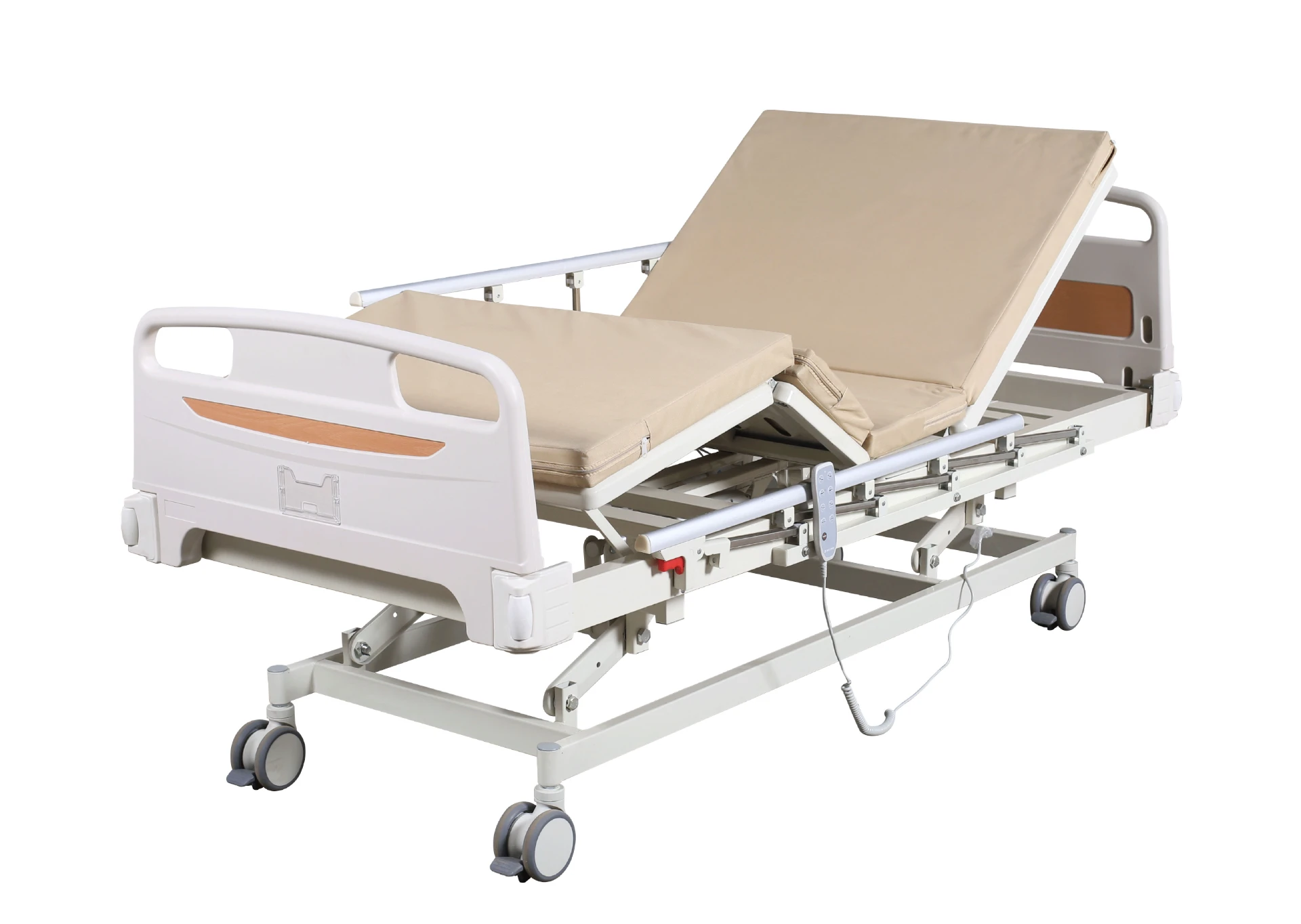
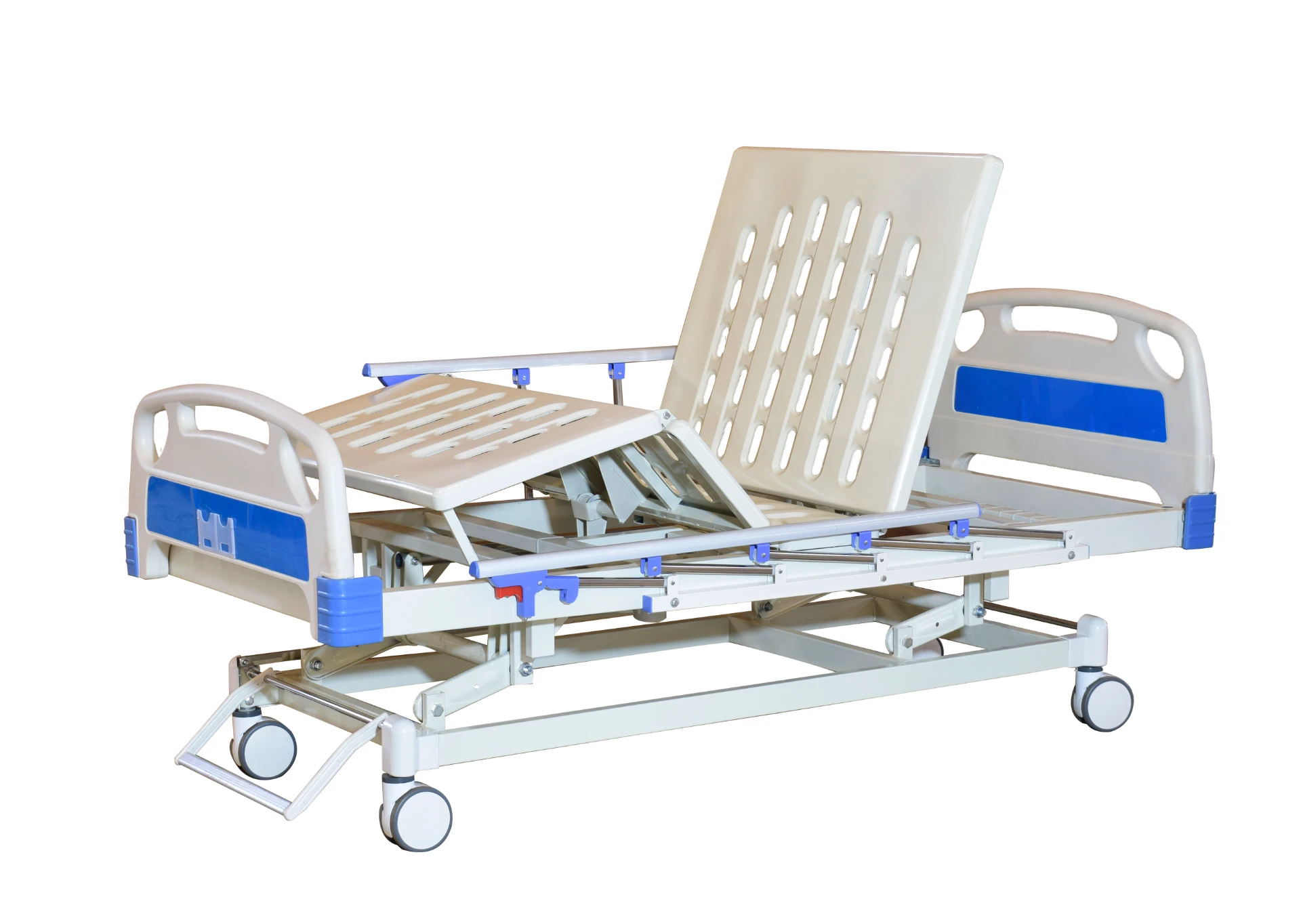
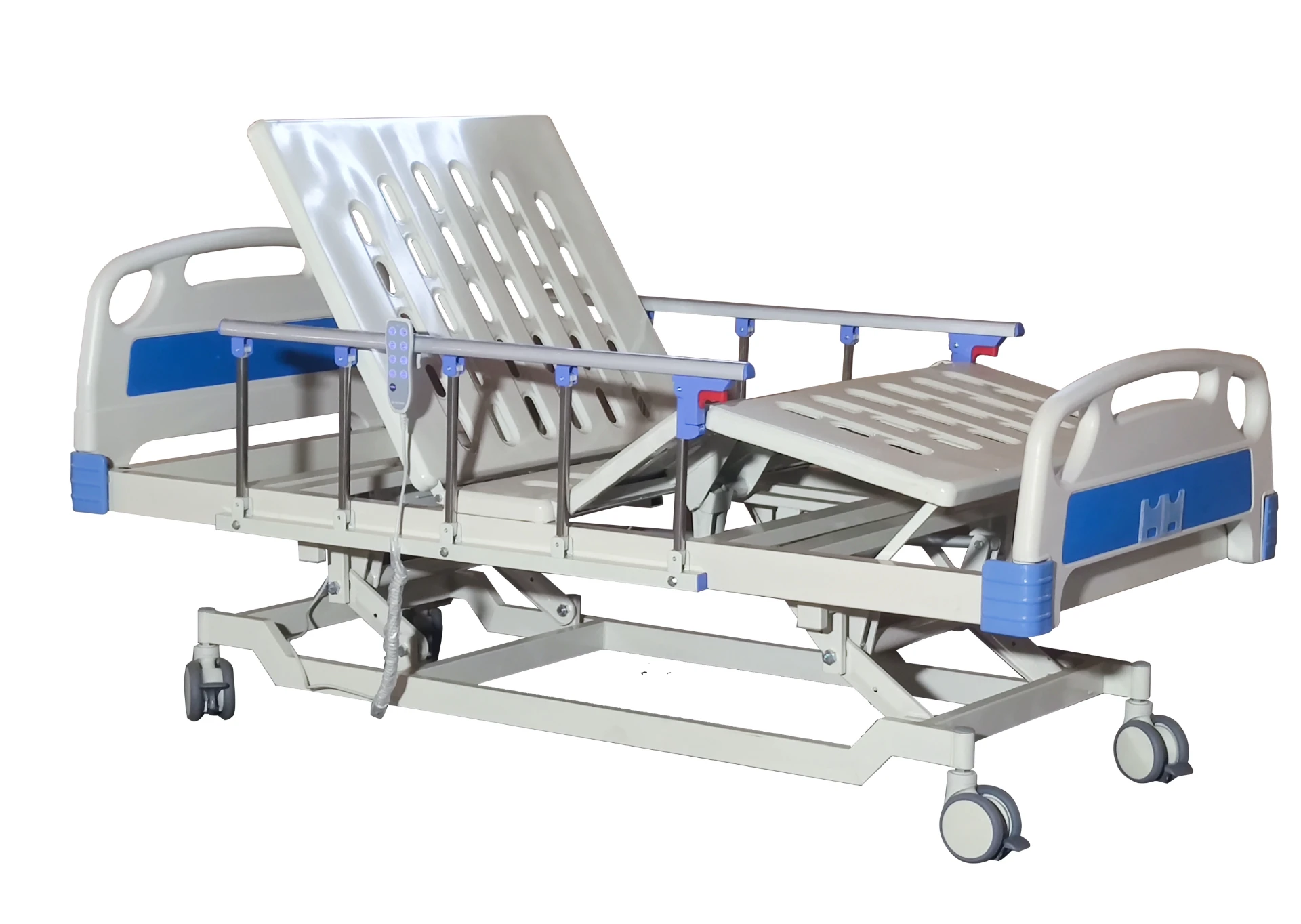
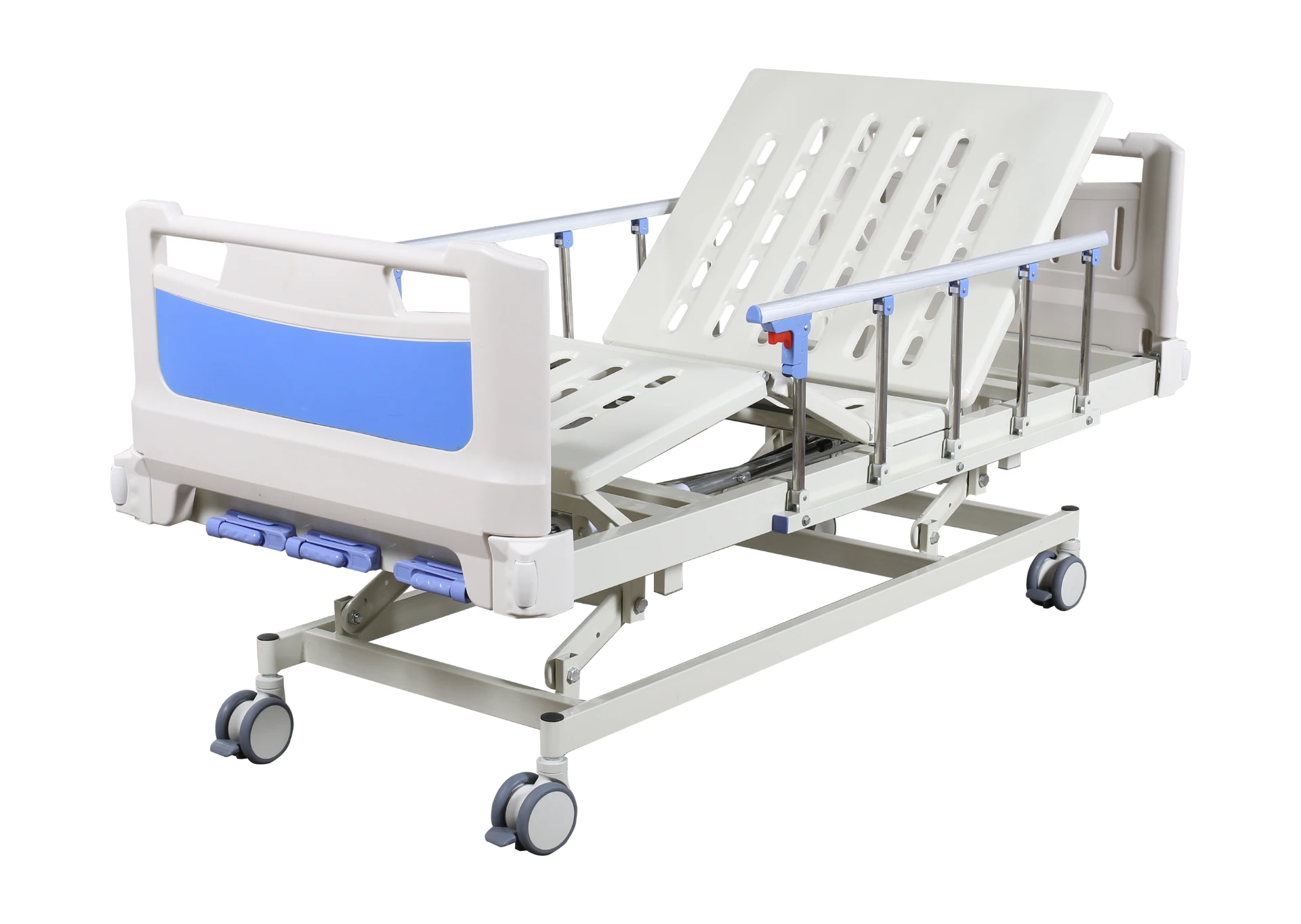
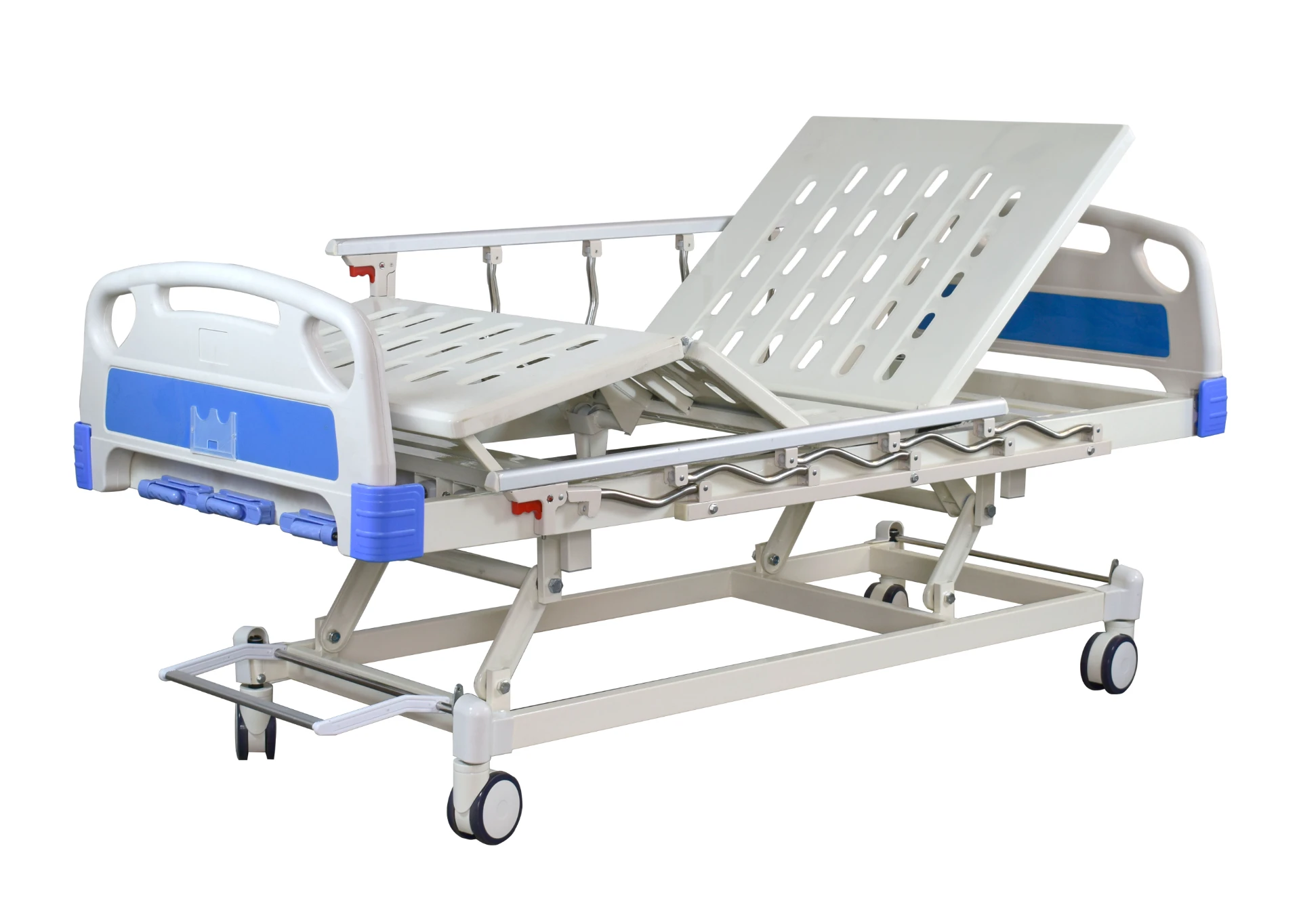
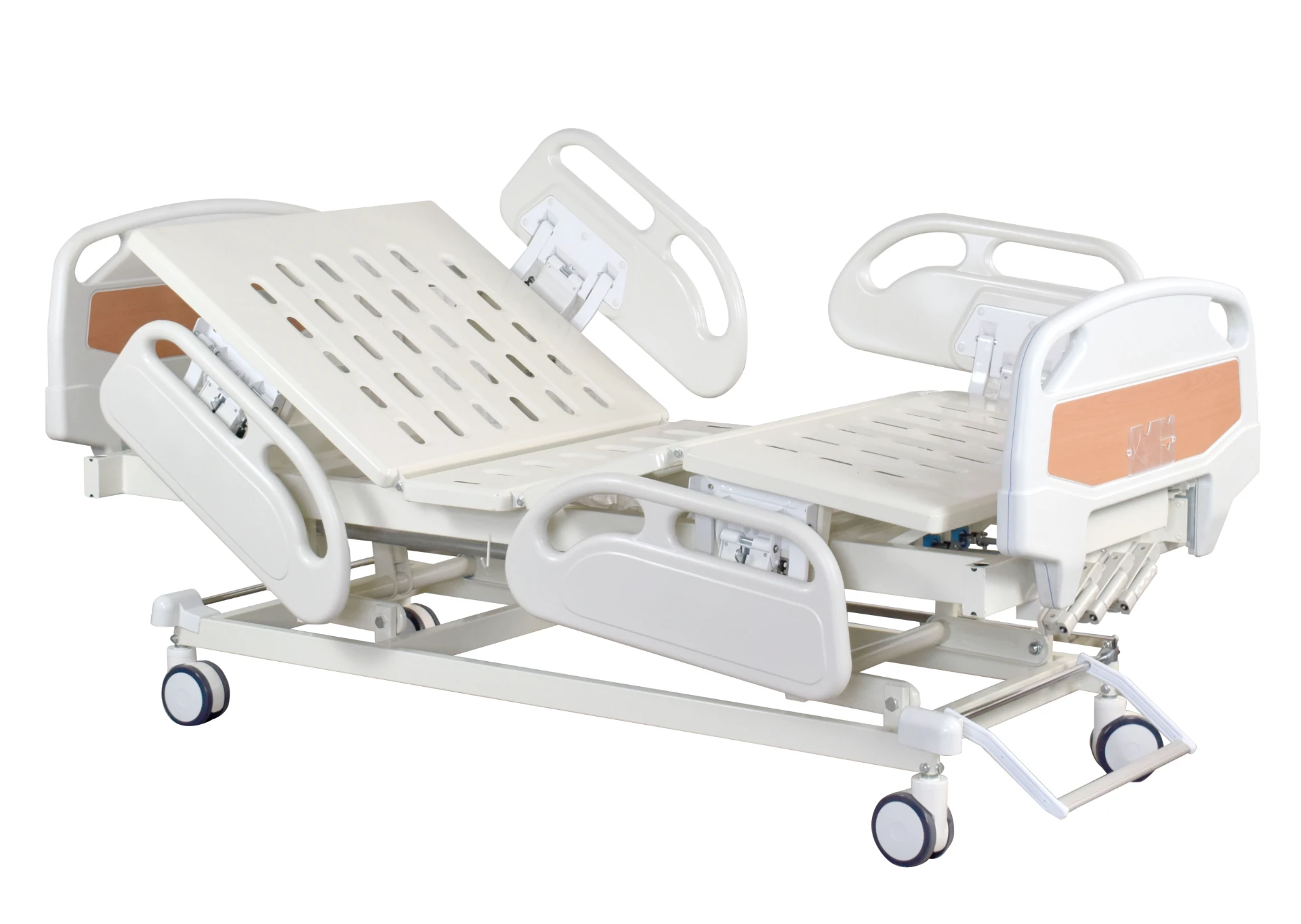
After spending over a decade in the industrial equipment sector, particularly servicing medical and homecare essentials, I’ve had my fair share of encounters with homecare electric beds. Frankly, these aren’t just fancy hospital beds; they represent a subtle but critical evolution in patient comfort and caregiver convenience. Oddly enough, when you dig into the specs and usage patterns, it feels like they blend industrial-grade engineering with the intimacy of personal care equipment.
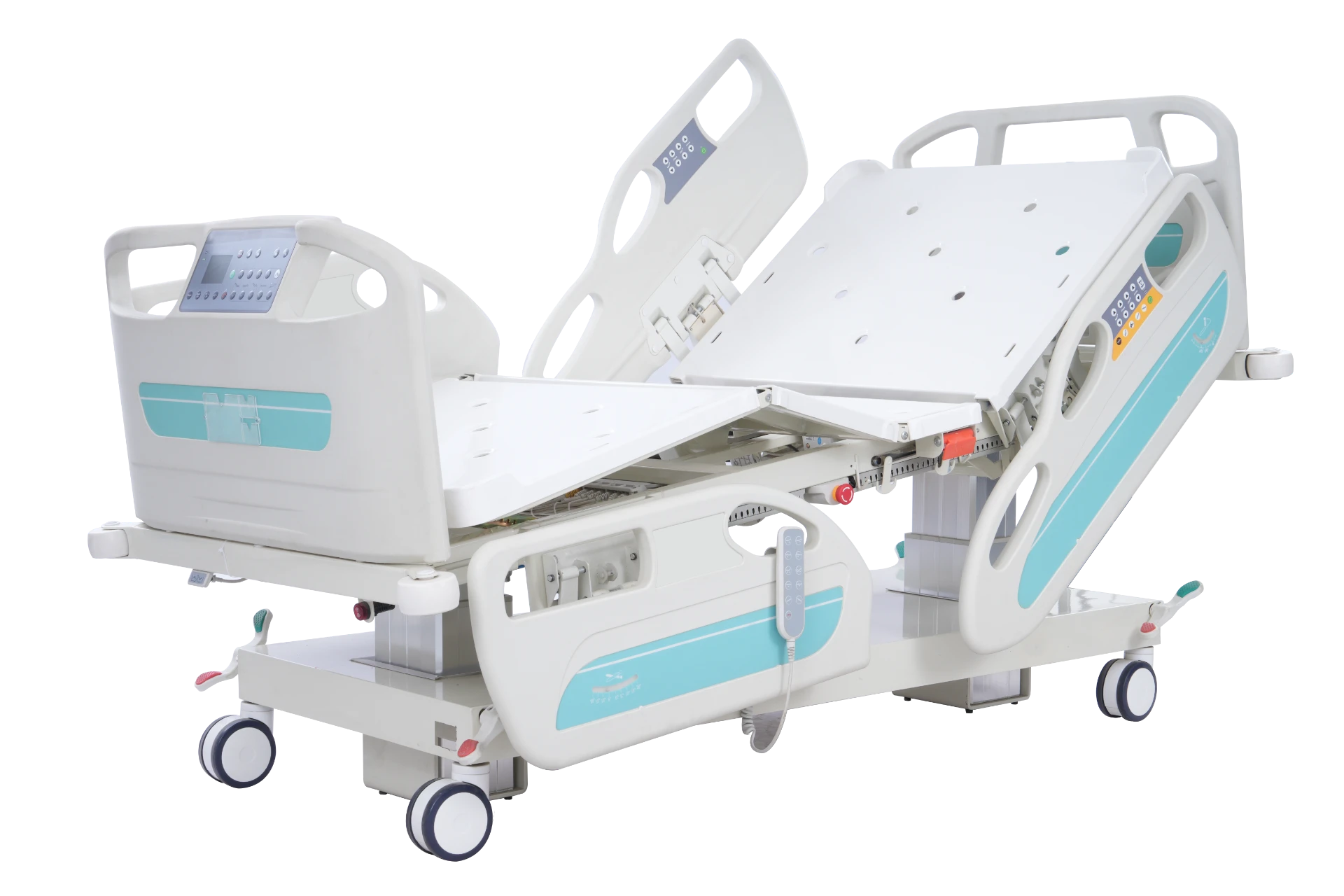
When you first see one, the engineering might look straightforward — metal frames, motorized actuators, simple controls. But it’s the small details that make a big difference: the sturdiness of the frame, the smoothness of motion, and the quiet hum of the motors. Many engineers I’ve worked with appreciate the durability standards these beds adhere to, given the heavy daily wear and varying patient needs.
In real terms, the materials used are typically powder-coated steel for the frame to resist rust and scratches, combined with a reinforced wooden or steel platform. The motors usually run on 24V systems, balancing safety and power. Testing isn’t just about motion – beds go through rigorous load testing to certify they can handle frequent use by users of various weights without sagging or mechanical failure. I recall once working alongside a test team where we simulated thousands of lift cycles in less than a week — it’s a far cry from the typical consumer appliance.
Customization is another big deal. Patients with limited mobility or specific health conditions require adjustments from simple incline changes to head and foot elevation. The control units — often wired or sometimes wireless now — make it surprisingly easy even for elderly users or caregivers to adapt positions without strain. I've seen nurses mention that these features reduce back injuries thanks to less manual lifting.
Let me share a quick story: A client I worked with installed a couple of these beds in a small homecare facility. They told me how one elderly gentleman, initially reluctant to move to a "hospital-like" setting, became unexpectedly independent. With easy bed adjustments, he could eat, watch TV, and rest comfortably without constant help. That kind of quality-of-life improvement? It’s why I keep a keen eye on this segment.
| Feature | Specification |
|---|---|
| Frame Material | Powder-coated steel |
| Motor Voltage | 24V DC |
| Max Weight Capacity | 150 kg (330 lbs) |
| Adjustable Positions | Backrest, Leg rest, Height |
| Control Type | Wired remote / Wireless option |
| Safety Features | Emergency stop, battery backup |
Now, if you’re scouting for a reliable vendor, the market can be a mixed bag. Some suppliers focus on cost, others on innovation or compliance with medical certifications. Here’s a quick rundown comparing three popular vendors I’ve come across — not exhaustive, but it helps guide your purchase decisions.
| Vendor | Product Range | Customization | Warranty | Price Tier |
|---|---|---|---|---|
| CNBoxin | Standard to advanced beds | High, includes controls & size | 3 years | Mid-level |
| Wellness Homecare Co. | Basic and pneumatic beds | Limited | 1 year | Budget |
| MediCare Equip | Wide range, customizable | Very high | 5 years | Premium |
In my experience, vendor selection often boils down to matching patient needs with budget and after-sales support. CNBoxin strikes a balance that suits many small to mid-sized facilities and homecare setups. Their engineering standards feel solid, and their customization options actually reflect practical care requirements, not only marketing hype.
All in all, the homecare electric bed is no longer a luxury but a baseline necessity that blends technological robustness with compassion. It’s fascinating to observe how seemingly simple machine design impacts real lives—sometimes quietly, sometimes profoundly.
So, whether you're a medical professional, caregiver, or a family member exploring options, investing some time into understanding the specs, vendor reputation, and user reviews will pay dividends in comfort and reliability.
Reflection: It often surprises me how an industrial mindset, grounded in rigorous testing and concrete standards, translates into caregiving tools that genuinely enhance human dignity. It’s a reminder that engineering isn't just about machines—but about people, too.
- ISO 13485 standards for medical devices
- CNBoxin product catalog, 2023
- Interviews with healthcare facility managers, 2022
-
Ultimate Guide to Choosing Extra Wide Waiting Room ChairsNewsApr.16,2026
-
Guide to Choosing Professional Waiting Room Chairs Wipeable SeatingNewsApr.09,2026
-
Enhance Your Space with Comfortable Wide Waiting Room ChairsNewsApr.07,2026
-
Selecting the Ideal Brown Waiting Room Chairs for a Welcoming SpaceNewsApr.04,2026
-
Choosing Comfortable Patient Waiting Room Chairs for Healthcare FacilitiesNewsMar.31,2026
-
Finding the Best Deals on Affordable and Cheap Reception Chairs for Your BusinessNewsMar.28,2026
-
Enhance Your Business Reception with Comfortable Blue Reception ChairsNewsMar.26,2026