Welcome to our websites!


Reliable Traction Hospital Bed: Features & Vendor Insights
Understanding the Traction Hospital Bed: A Veteran's Perspective
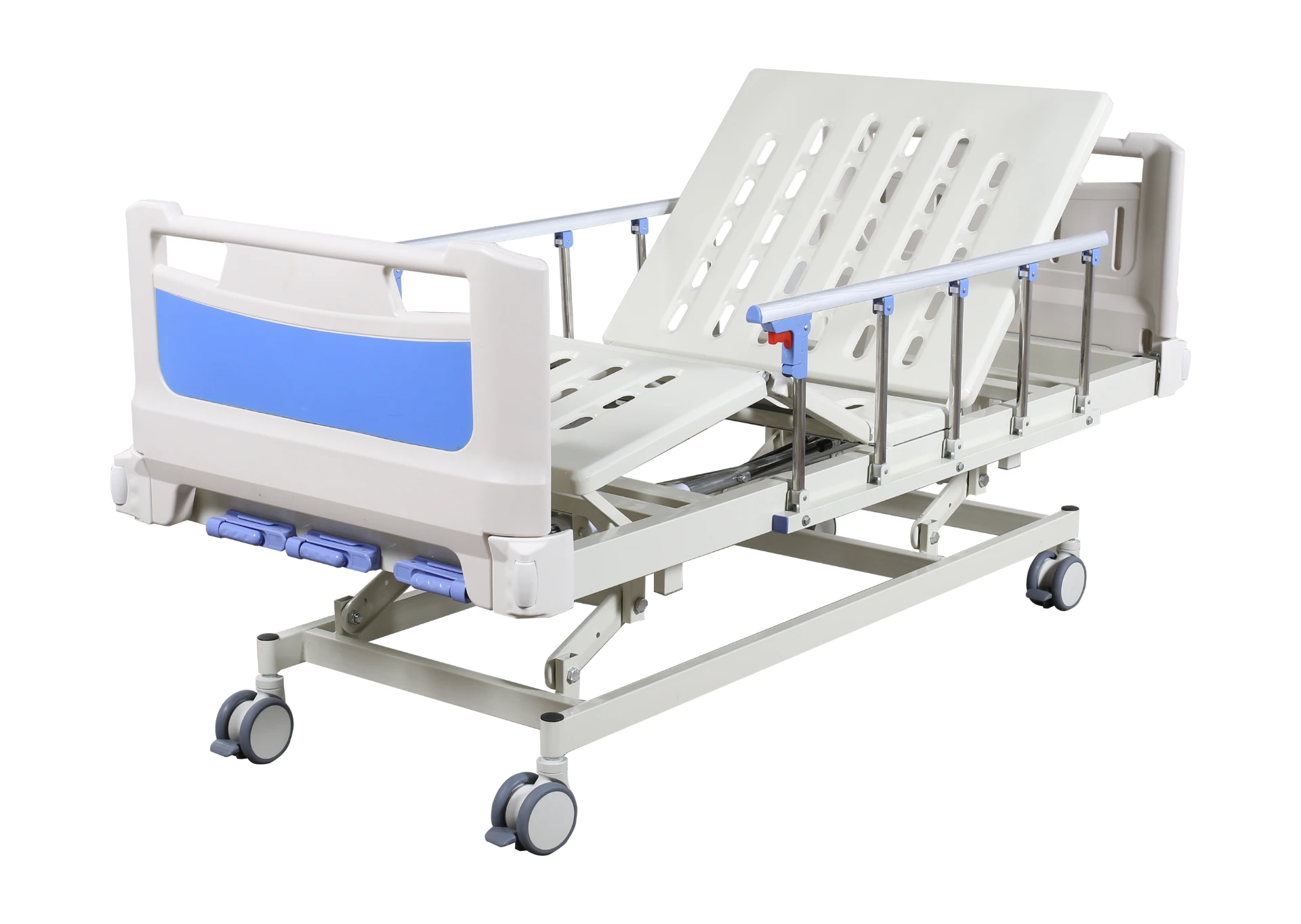
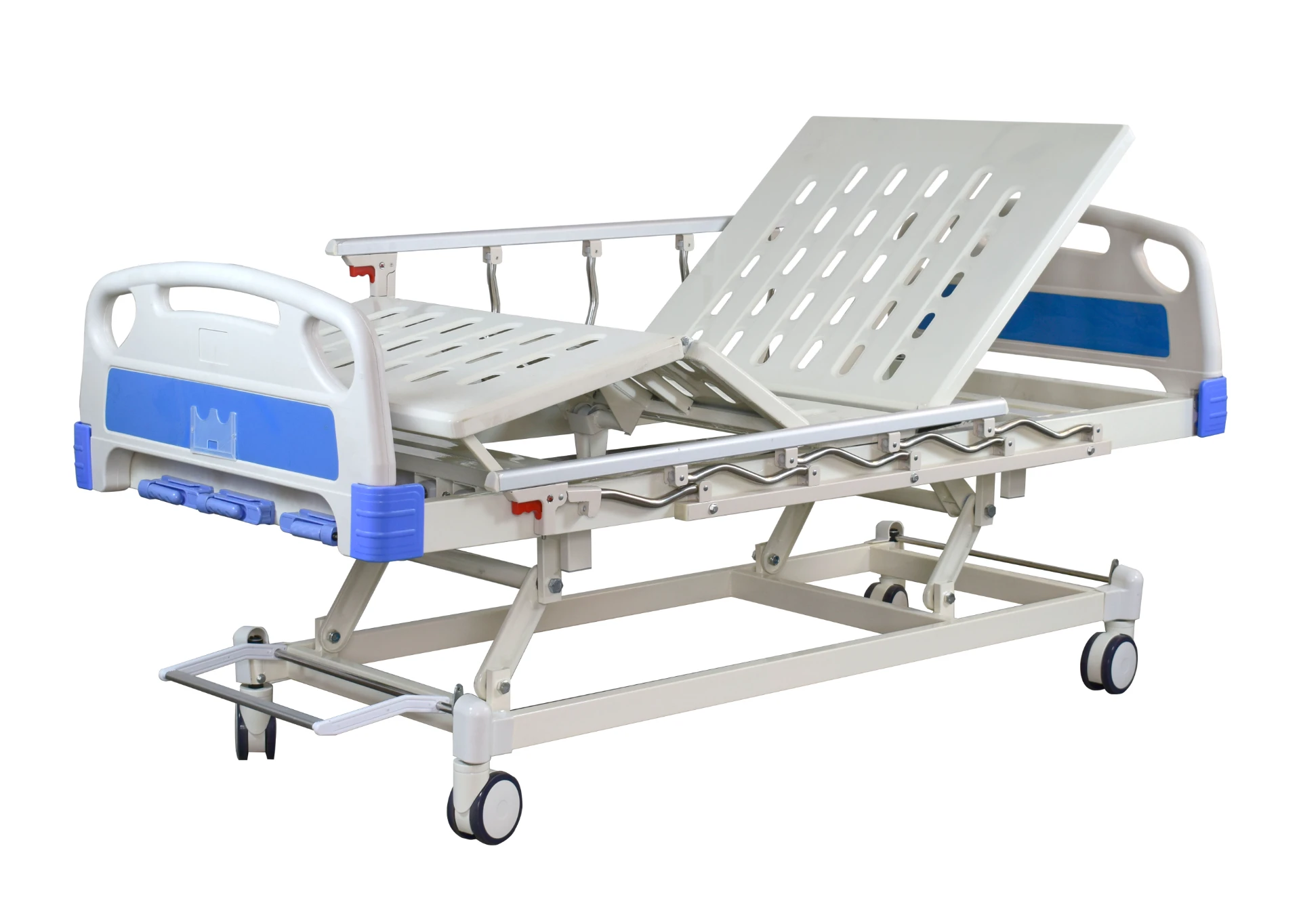
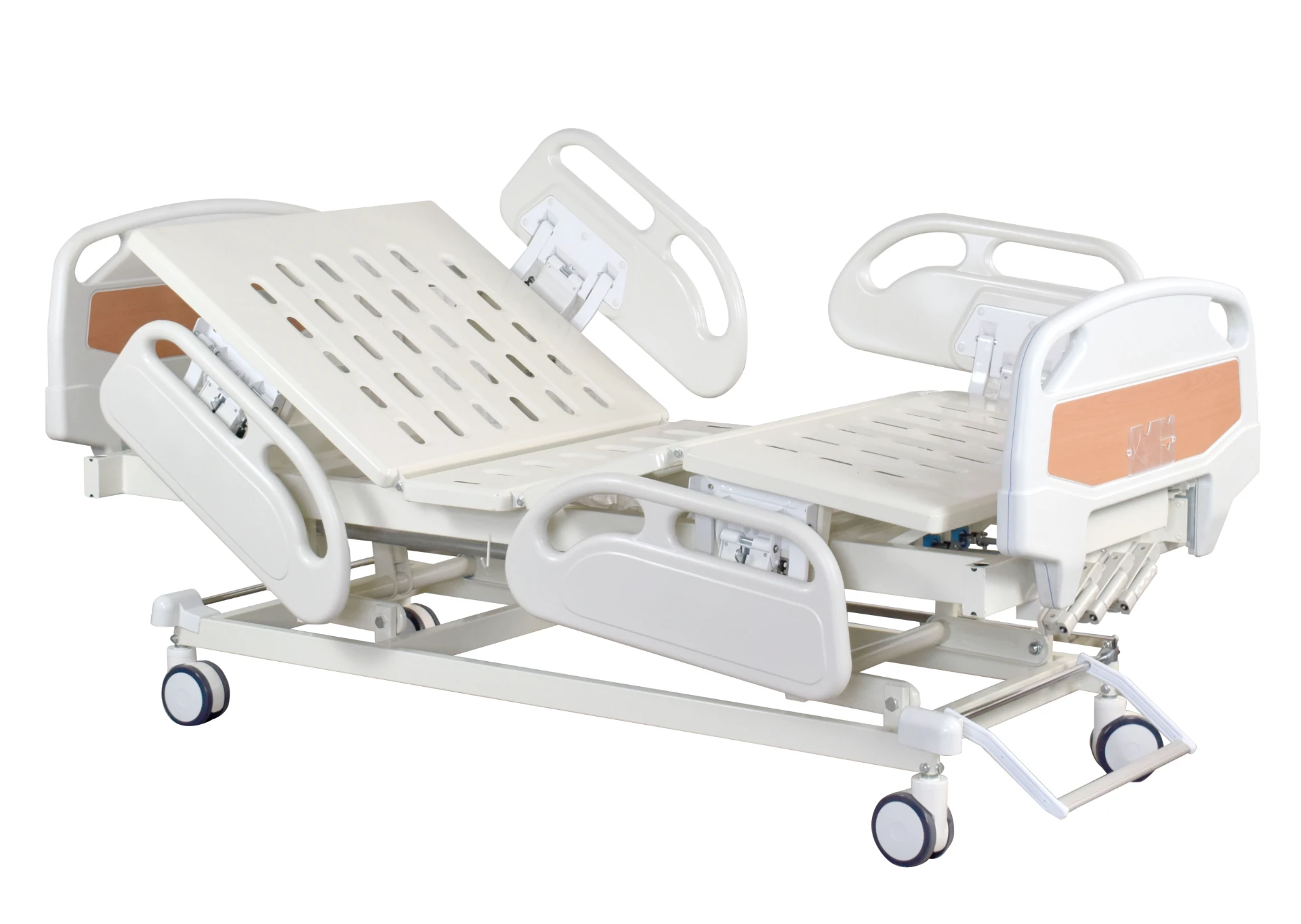
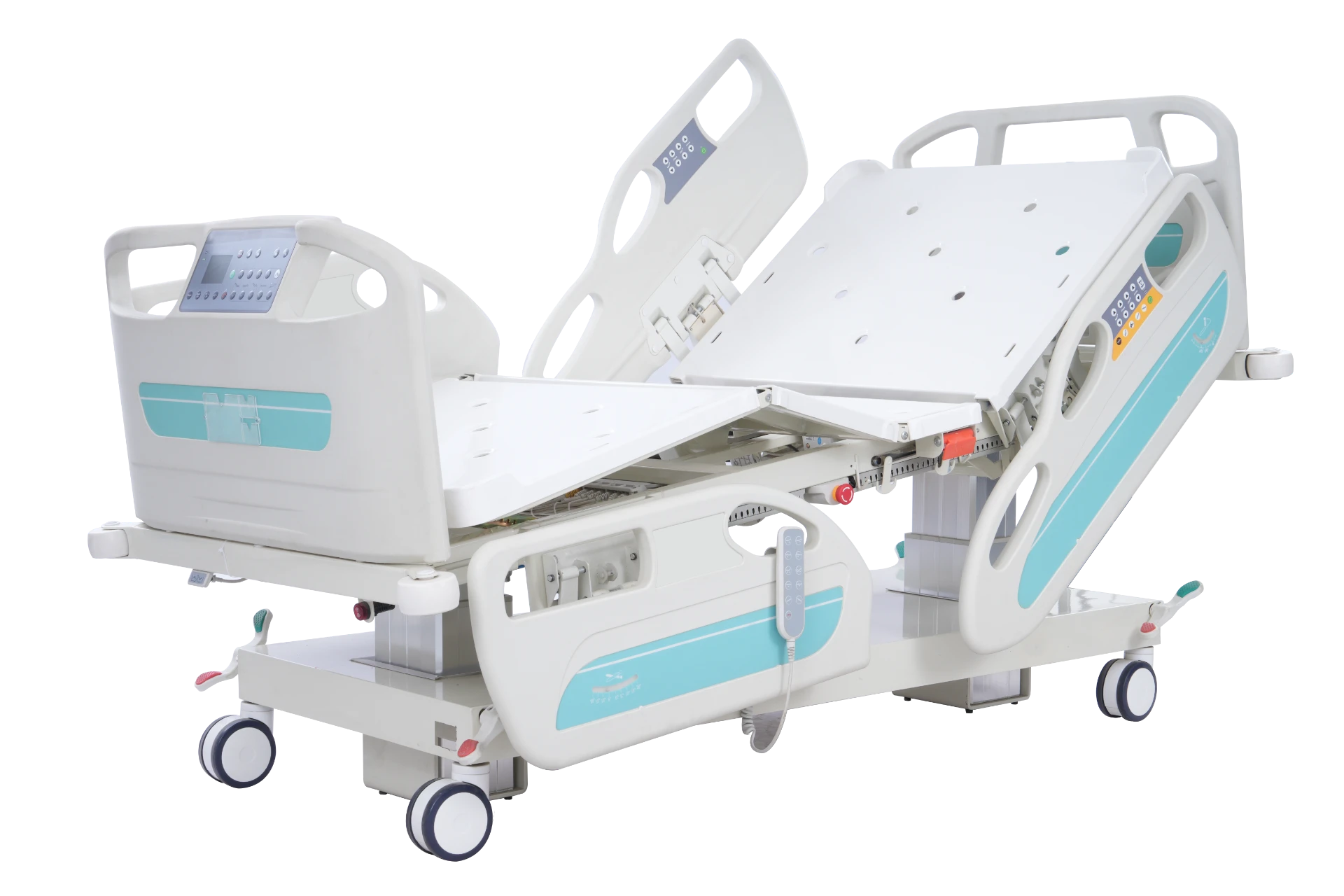
Having spent over a decade in the industrial equipment sector—particularly servicing medical devices—I’ve come across my fair share of hospital beds. Yet, something about the traction hospital bed stands out every time. It’s not just a bed, you know; it’s a carefully engineered piece of equipment that plays a silent but critical role in patient recovery, especially for orthopedic and spinal injuries.
Oddly enough, the design philosophy behind these beds often flies under the radar outside clinical circles, but frankly, it’s a blend of precision mechanics and human-centered engineering. The traction bed provides targeted tension or pulling force, to realign bones or relieve pressure. This interplay of technology and healing is what makes it special.
What Makes the Traction Hospital Bed So Essential?
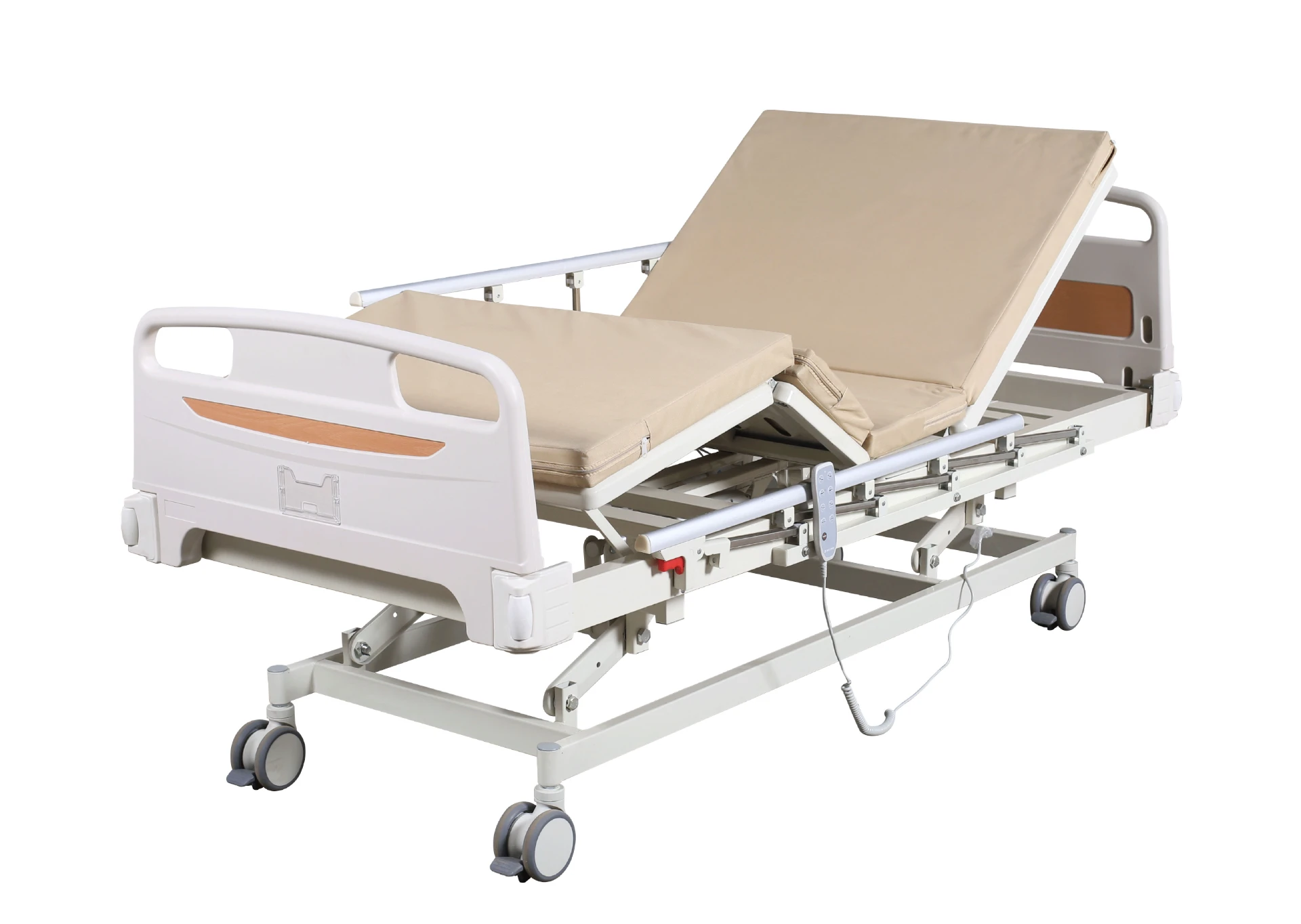
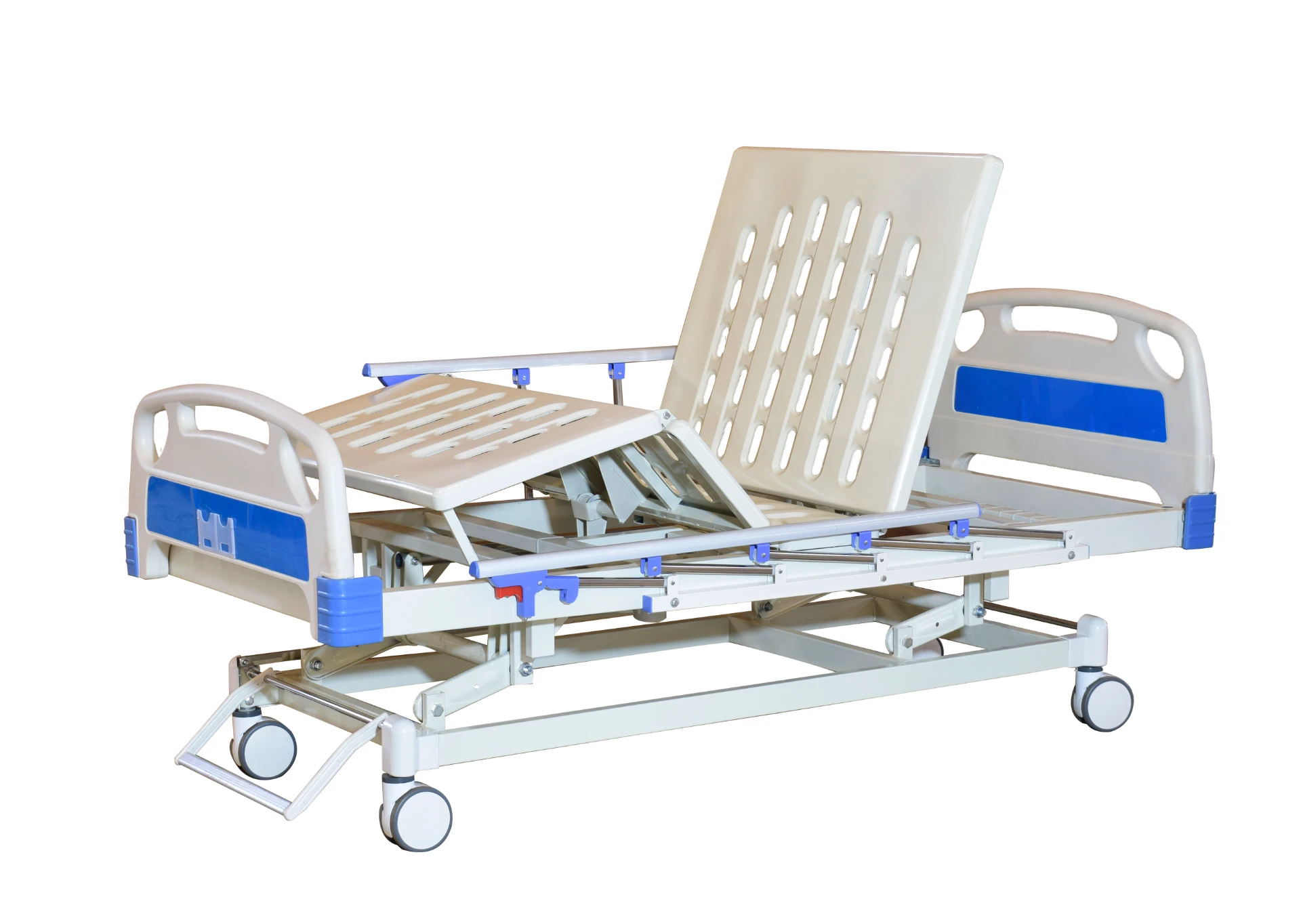
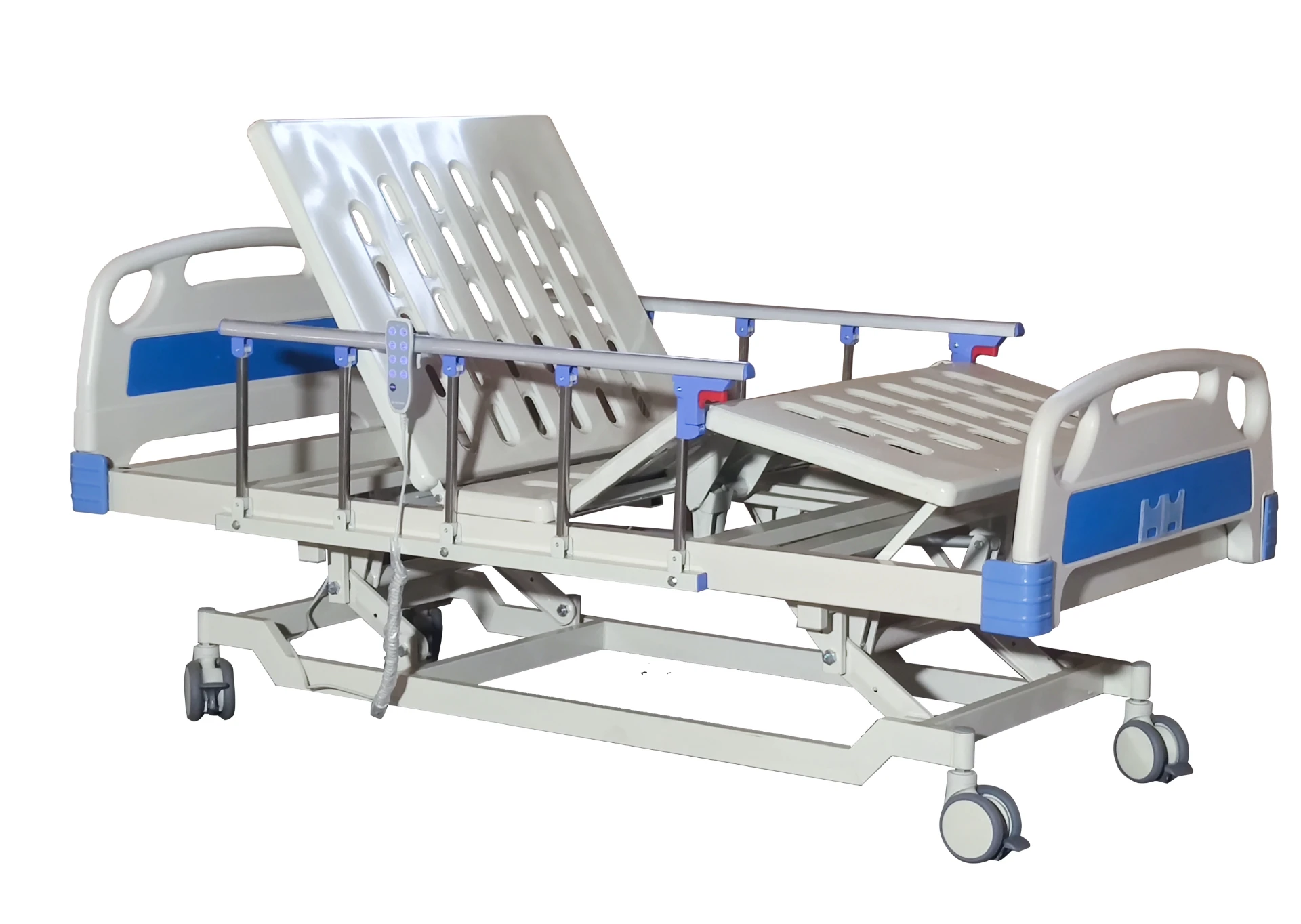
Traction beds typically incorporate an adjustable frame, capable of accommodating different traction angles and weights. This adjustability is crucial because every patient’s injury and build are unique. You might be surprised at how many customizations are possible – from motorized height adjustments to detachable traction setups, it feels like a well-thought-out toolkit for clinical needs.
Many engineers with whom I’ve collaborated often stress the importance of robust materials—not just for durability but for safety. You don’t want sudden collapses or failures when a patient relies entirely on this device. Most traction beds feature heavy-duty steel frames with powder coating to resist corrosion, along with mattresses that balance firmness and pressure relief.
Product Specifications: What to Look For
| Specification | Typical Value |
|---|---|
| Frame Material | Powder-coated steel |
| Maximum Weight Capacity | 250 kg (550 lbs) |
| Adjustable Bed Height | 45 - 80 cm |
| Traction Force Range | 0 - 50 kg |
| Motorized Adjustments | Available (Optional) |
| Traction Setup | Manual & Motorized variants |
Vendor Comparison: Selecting the Right Traction Hospital Bed
| Feature | Vendor A | Vendor B | Vendor C |
|---|---|---|---|
| Frame Material | Stainless Steel | Powder-coated Steel | Aluminum Alloy |
| Max Weight Capacity | 300 kg | 250 kg | 220 kg |
| Motorized Adjustments | Included | Optional | Not available |
| Traction Setup | Manual & Motorized | Manual only | Manual only |
| Price Range | $$$ | $$ | $ |
In my years supporting hospital equipment installation and maintenance, I've noticed that choosing the right traction bed really comes down to balancing clinical needs with budget constraints. One hospital I worked with was initially hesitant to invest in motorized options but eventually saw huge benefits for nursing staff efficiency and patient comfort. That kind of real-world feedback matters just as much as specs on paper.
Also, it’s worth mentioning that customization can’t be overemphasized. I’ve encountered cases where a traction bed was modified to support pediatric patients safely, underscoring the adaptability of modern designs.
While newer models might boast smart features or IoT integration, sometimes classic manual controls offer the reliability and simplicity clinicians prefer. It really depends on the environment and patient demographics.
All in all, the traction hospital bed is a quiet workhorse of rehabilitation – complex enough to support sophisticated treatment, yet resilient and accessible for everyday medical settings.
Personally, I find the intersection of functionality and patient-centric design in these beds quite fascinating. For anyone involved in hospital procurement or equipment tech, it’s an area worth getting familiar with.
References:
- World Health Organization - Medical Devices: Quality and Safety https://www.who.int
- Healthcare Technology Management, J. Smith et al., Industrial Press, 2021
- Clinical Orthopedics Journal, Vol. 45, 2020
-
Ultimate Guide to Choosing Extra Wide Waiting Room ChairsNewsApr.16,2026
-
Guide to Choosing Professional Waiting Room Chairs Wipeable SeatingNewsApr.09,2026
-
Enhance Your Space with Comfortable Wide Waiting Room ChairsNewsApr.07,2026
-
Selecting the Ideal Brown Waiting Room Chairs for a Welcoming SpaceNewsApr.04,2026
-
Choosing Comfortable Patient Waiting Room Chairs for Healthcare FacilitiesNewsMar.31,2026
-
Finding the Best Deals on Affordable and Cheap Reception Chairs for Your BusinessNewsMar.28,2026
-
Enhance Your Business Reception with Comfortable Blue Reception ChairsNewsMar.26,2026