Welcome to our websites!


Comprehensive Guide to Traction Equipment for Hospital Bed – Benefits, Uses & Innovations
Understanding Traction Equipment for Hospital Bed: A Vital Component in Patient Care
Traction equipment for hospital bed plays an essential but often overlooked role in modern healthcare. Globally, millions of patients rely on it daily to stabilize fractures, relieve muscle spasms, or facilitate spinal alignment. Recognizing how this equipment functions—not just from a technical angle but within healthcare systems around the world—matters a lot. It’s more than just gear; it’s lifelines. Beyond the obvious clinical benefits, traction equipment advances safer recovery, reduces complications, and eases caregiver workload. In short, understanding this equipment bridges patient well-being with healthcare efficiency.
Global Relevance of Traction Equipment for Hospital Bed
The demand for traction equipment is significant worldwide, especially as aging populations increase and trauma injuries grow in frequency due to accidents or conflicts. According to WHO data, over 1.3 billion people live with musculoskeletal conditions that could require orthopedic interventions with traction support. It’s curious, really, how this niche technology quietly permeates emergency rooms and rehabilitation wards from Tokyo to Nairobi to São Paulo.
Yet challenges remain. Supply chain inconsistencies and affordability gaps prevent widespread availability, particularly in low-income regions. This inequality directly affects patient outcomes—delayed or improper traction leads to longer hospital stays and more complications. Thus, the proper deployment and standardization of traction equipment for hospital bed is globally urgent.
What Is Traction Equipment for Hospital Bed?
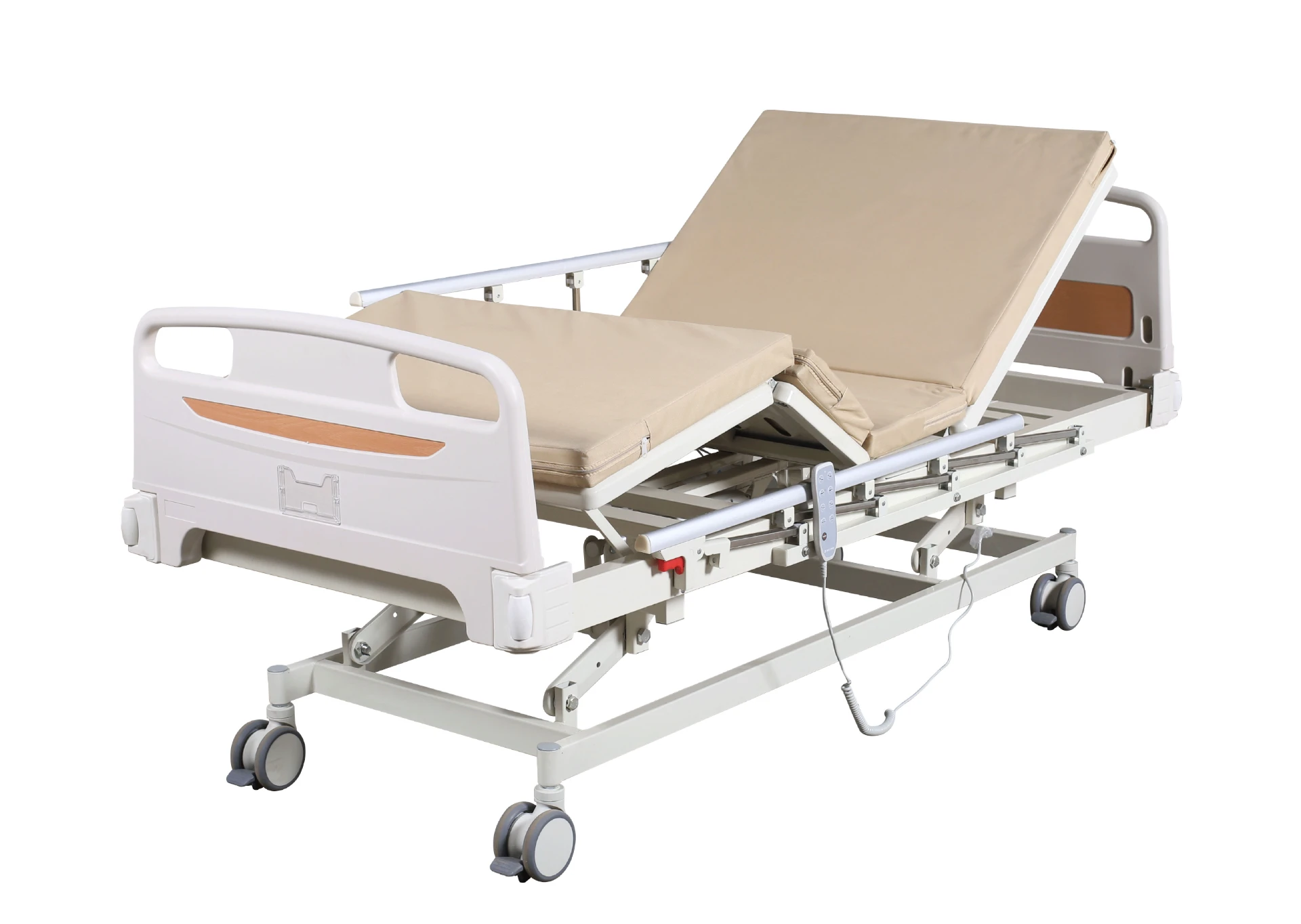
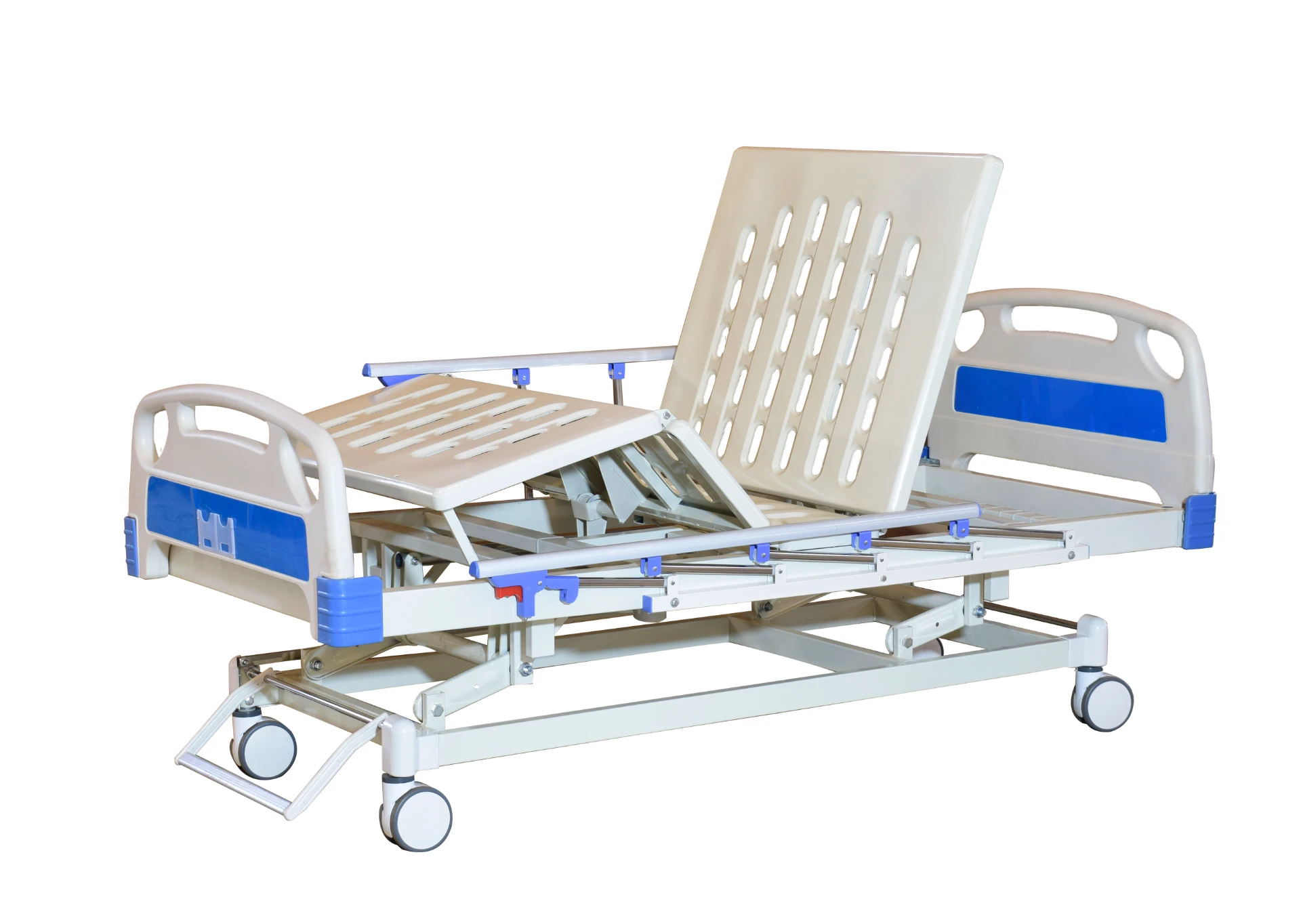
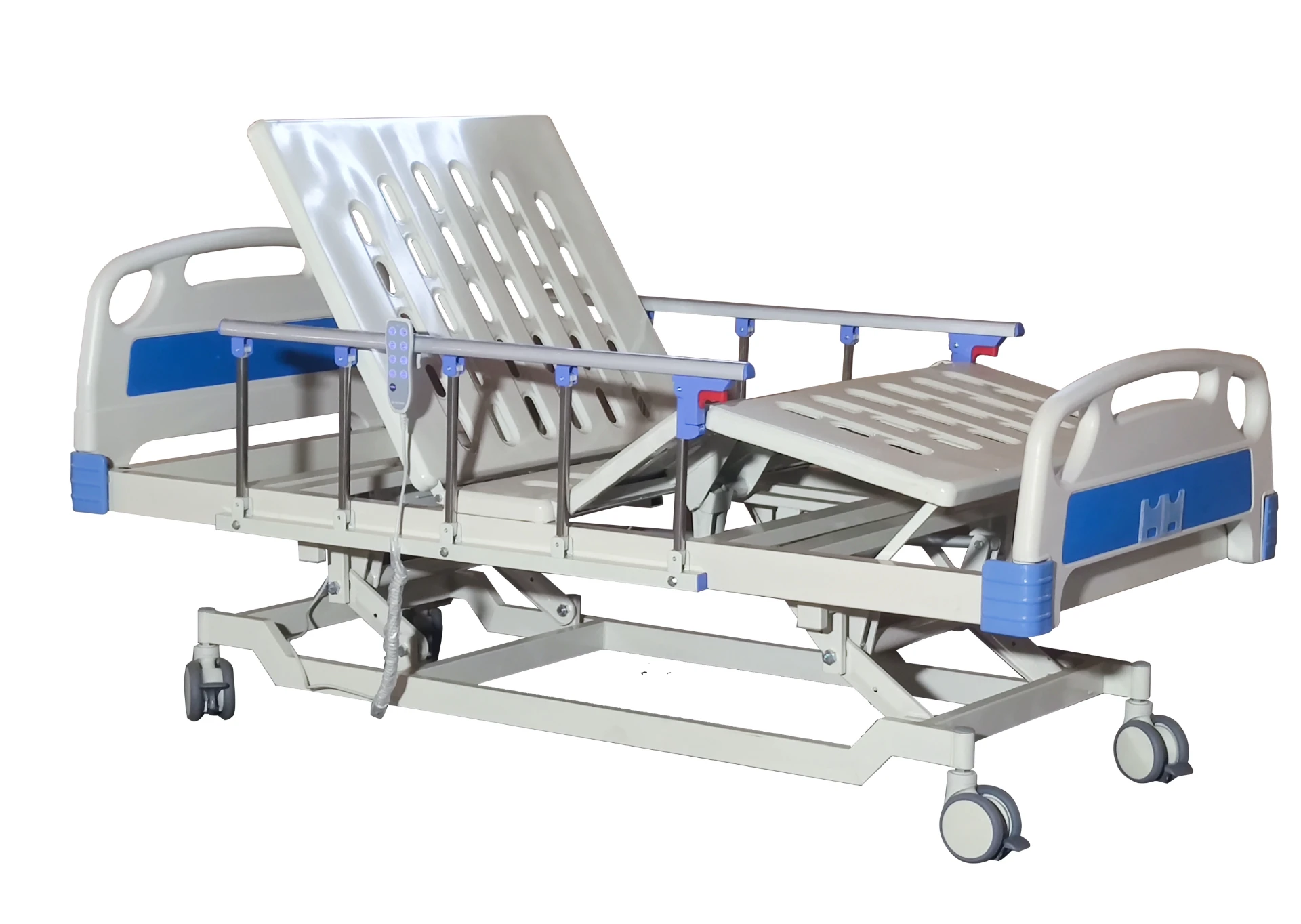
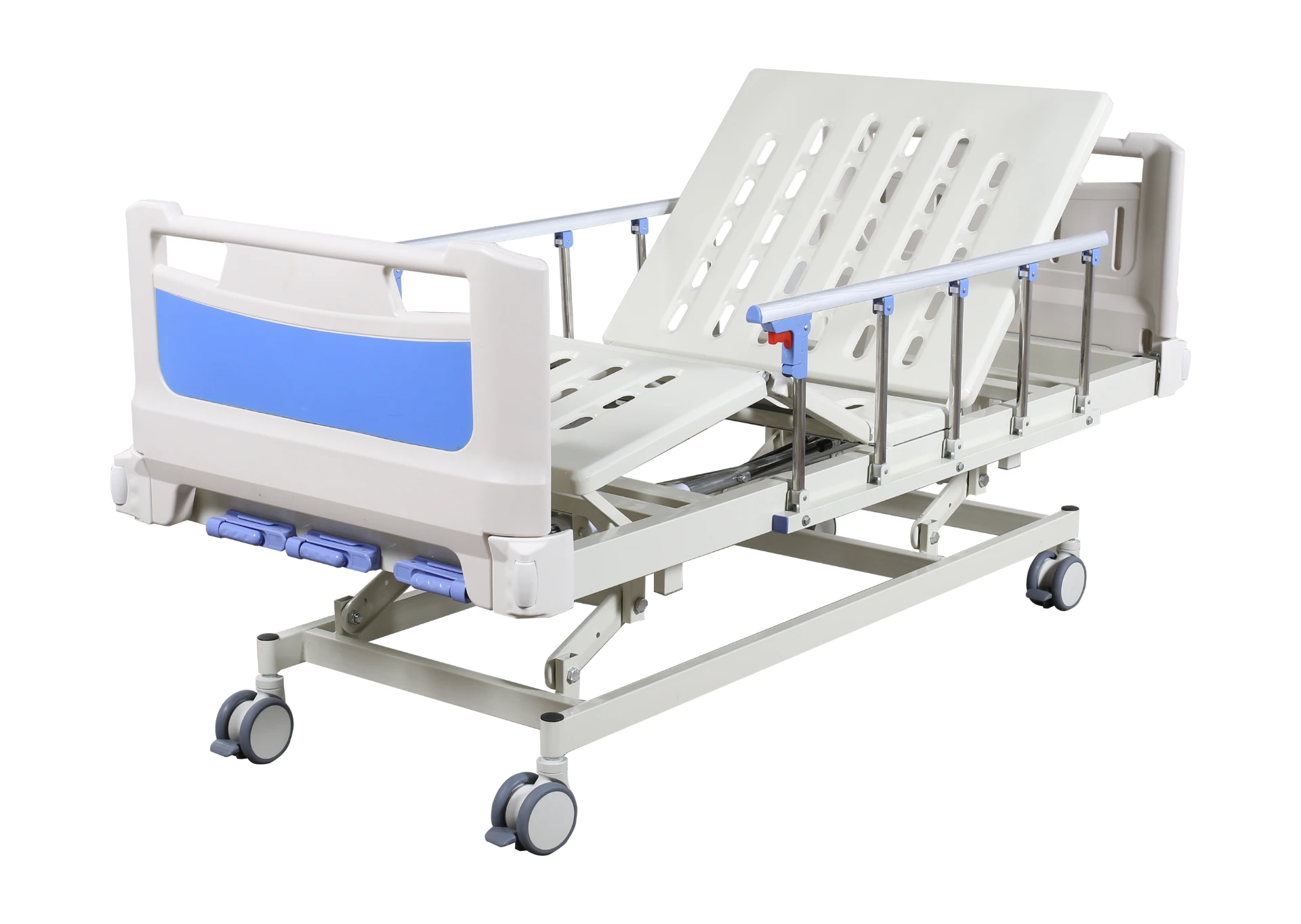
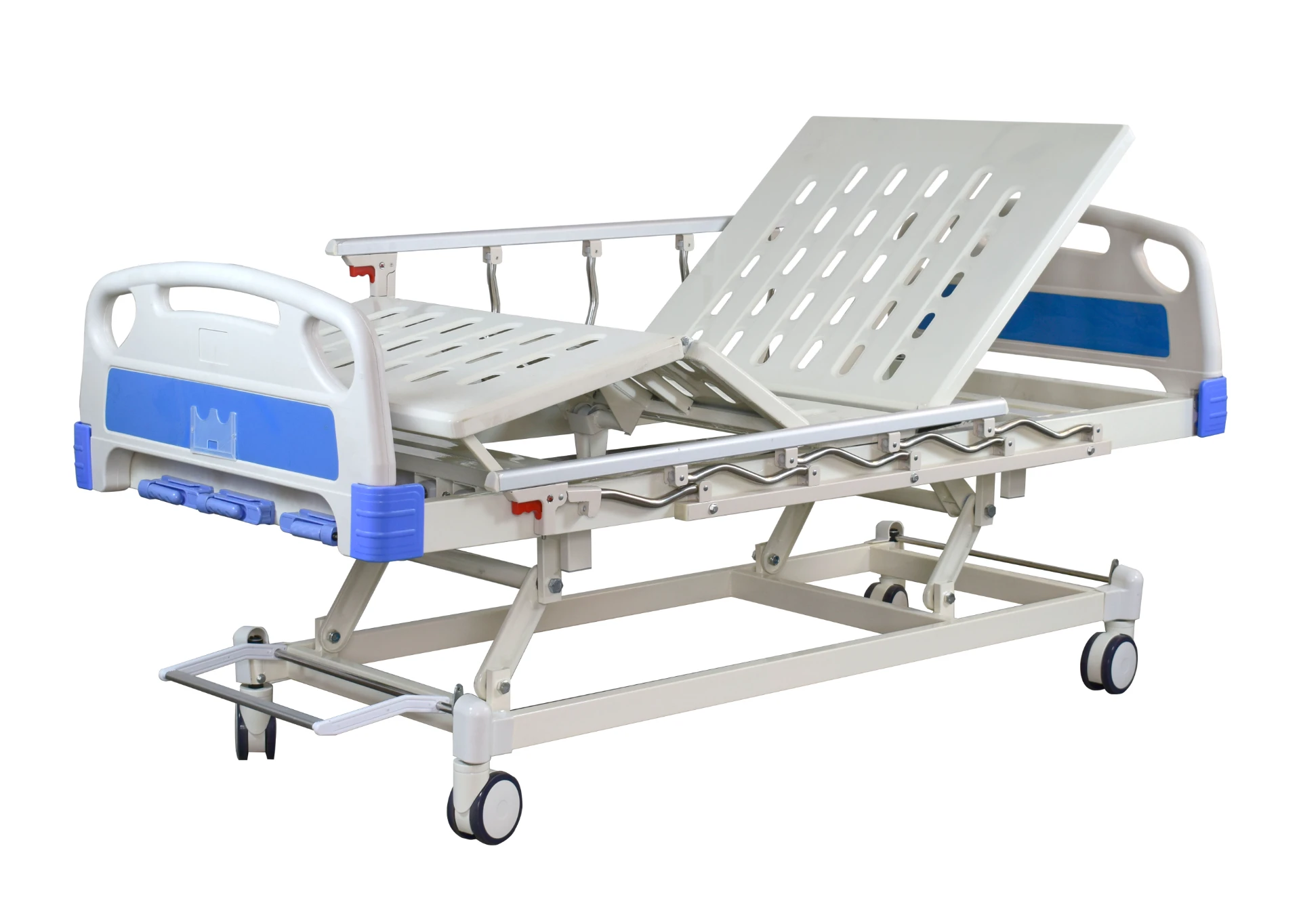
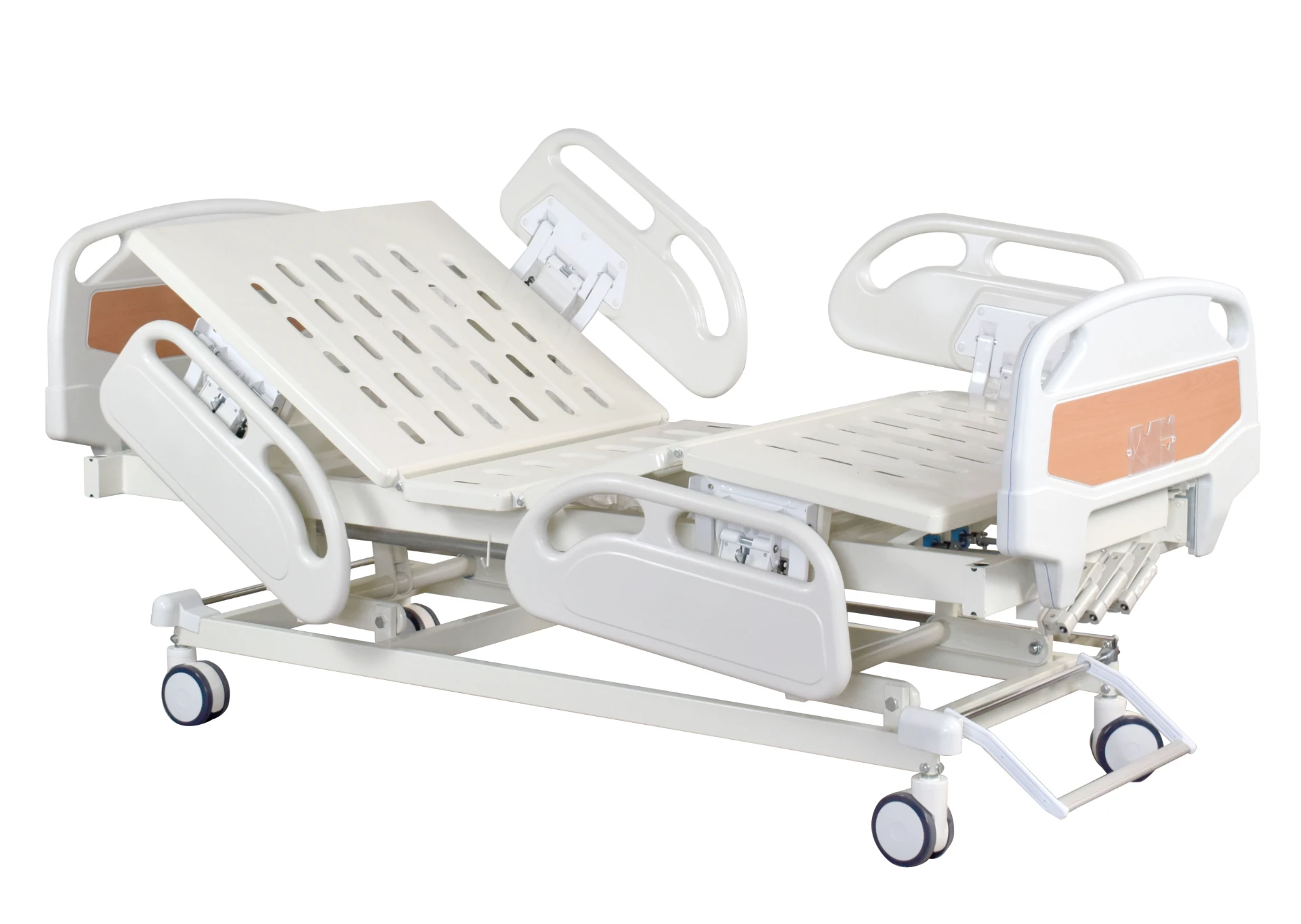
Simply put, traction equipment refers to devices integrated with hospital beds that apply pulling forces to injured limbs or the spine. This technique aims to realign bones, reduce pain, and aid healing by maintaining steady tension. Typically, this includes frames, pulleys, weights, slings, and straps. Despite sounding mechanical, it embodies a careful balance between physics and human anatomy.
In the broader medical landscape, traction equipment is critical to orthopedics and rehabilitation, supporting everything from simple fractures to complex spinal surgeries. Because it’s tied to recovery protocols and patient safety, the design of these tools must meet stringent clinical and ergonomic requirements.
Core Components of Traction Equipment for Hospital Bed
1. Durability
Longevity and robustness matter deeply here. Materials often include stainless steel or reinforced alloys to resist corrosion and withstand constant stress without failure—especially in high-volume hospitals.
2. Adjustability
Flexibility is king: equipment must adapt to various body sizes and injury types. Adjustable frames and tension control systems ensure precise, patient-specific traction forces.
3. Safety Features
Safety-centric design features—such as secure locking mechanisms and fail-safe pulse systems—reduce risks of accidental release or over-tensioning, which can cause severe harm.
4. Ease of Use
Clinicians often mention ease of assembly and operation as vital. Quick setup minimizes patient discomfort and staff fatigue.
5. Cost Efficiency
Particularly in resource-constrained hospitals, cost-effectiveness without compromising quality ensures better accessibility.
Product Specification Table: Popular Traction Equipment Models
| Model | Material | Adjustability Range | Max Load | Weight |
|---|---|---|---|---|
| OrthoFlex 3000 | Stainless Steel | 15cm - 40cm | 25 kg | 4.5 kg |
| MedLift Pro | Aluminum Alloy | 20cm - 50cm | 30 kg | 3.8 kg |
| SpineAlign X2 | Reinforced Steel | 10cm - 35cm | 22 kg | 5.0 kg |
Global Applications & Use Cases
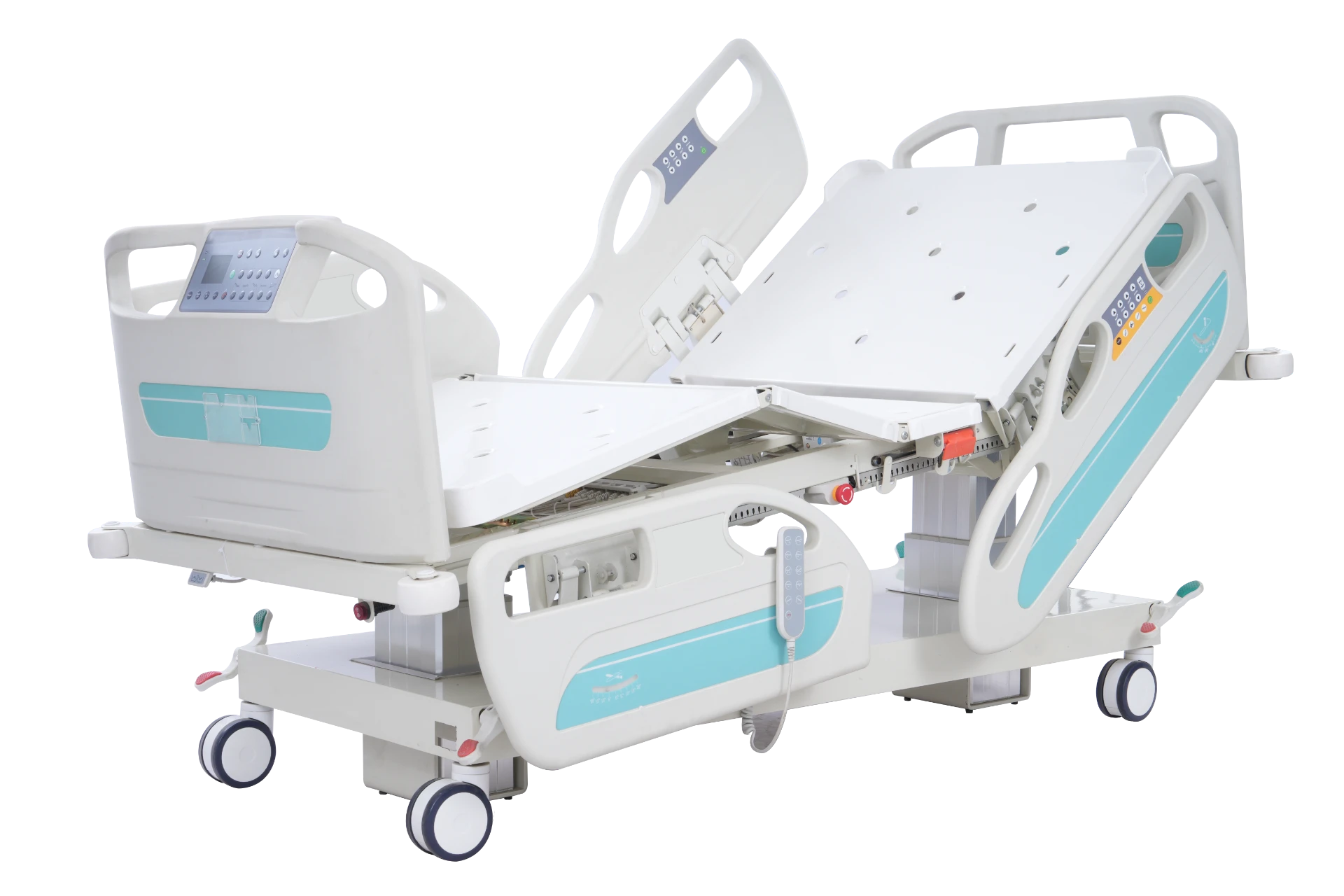
Traction equipment is ubiquitous but with fascinating regional nuances. In high-income countries, it integrates with sophisticated hospital beds featuring digital controls and sensors. In contrast, many low-resource settings rely on simpler, manual systems designed to be durable and easy to maintain without electrical power.
For example, in post-disaster relief operations—where injuries from collapsed structures abound—portable traction setups can be critical for the triage and stabilizing phase. Meanwhile, industrial zones see high utility for onsite trauma care due to workplace accidents.
Even military field hospitals use specialized traction equipment to rapidly support injured personnel. This diversity of contexts shows the equipment’s adaptability and importance worldwide.
Vendor Comparison Table: Traction Equipment Suppliers Overview
| Vendor | Product Range | Price Range (USD) | Warranty | Global Presence |
|---|---|---|---|---|
| OrthoMed Inc. | Basic to advanced models | $150 - $850 | 3 years | Asia, Europe, Americas |
| MedEquip Solutions | Mid-range with digital options | $300 - $1200 | 5 years | Worldwide |
| HealthTech Corp. | Premium, automated systems | $900 - $2500 | 7 years | North America, Europe |
Advantages and Long-term Value of Traction Equipment
The benefits are multifaceted. Practically speaking, traction reduces healing time and secondary damage, which drives down overall healthcare costs. From a patient viewpoint, it preserves dignity by enabling early mobilization and minimizing pain.
It also impacts sustainability—durable and serviceable traction equipment lessens medical waste and resource strain. Caregivers appreciate its reliability and intuitive design, which enhances workflow. In emotional terms, patients often report feeling safer and more cared for, which is an intangible but genuine value.
Future Trends & Innovations
The future looks promising. There’s growing integration of digital tension monitoring and automated traction adjustment, making treatments more precise. Smart materials that self-adjust tension or detect patient discomfort are under development.
Sustainability trends push manufacturers to explore biodegradable or recyclable parts. Also, remote monitoring via IoT could optimize traction therapy even after hospital discharge—a kind of tele-rehabilitation.
Challenges & Solutions in Traction Equipment Deployment
Challenges include cost barriers, especially for latest digital models, and training gaps for proper use. Maintenance and calibration also remain hurdles in less developed settings.
Solutions are emerging in the form of modular designs for easier repair, affordable manufacturing via 3D printing, and enhanced training programs available online. Collaborations between NGOs and manufacturers have improved distribution to underserved areas.
FAQ: Frequently Asked Questions About Traction Equipment for Hospital Bed
-
Q: How do I know which traction equipment is suitable for my patient?
A: Selection depends on the type and location of injury, patient size, and mobility. Consulting orthopedic guidelines and healthcare professionals ensures appropriate selection. Adjustable and modular systems offer flexibility for various needs. -
Q: Can traction equipment be sterilized easily?
A: Yes, most traction components are made from materials compatible with hospital-grade sterilization methods, including autoclaving and chemical disinfectants. Always follow manufacturer instructions to maintain integrity. -
Q: Are there portable traction units for emergency situations?
A: Absolutely. Many vendors offer compact, lightweight traction kits designed for field hospitals and ambulances, emphasizing quick assembly and durability. -
Q: What can be done to reduce costs without compromising quality?
A: Exploring mid-range models, bulk purchasing agreements, or partnering with suppliers offering warranties can reduce costs. Also, investing in easier-maintenance designs reduces long-term expenses.
Conclusion: The Lasting Impact of Traction Equipment for Hospital Bed
Ultimately, traction equipment is a cornerstone of effective medical care for musculoskeletal injuries worldwide. By combining durability, adaptability, and patient-focused design, it supports safer recovery paths and elevates healthcare quality. For anyone involved in hospital procurement or patient care, gaining a solid grasp of this technology pays dividends.
Interested in exploring current models or upgrading your facility? Visit our website: traction equipment for hospital bed to learn more.
Oddly enough, what feels like a simple set of pulleys and straps often makes the difference between chronic pain and restored mobility — a subtle but profound impact.
-
Ultimate Guide to Choosing Extra Wide Waiting Room ChairsNewsApr.16,2026
-
Guide to Choosing Professional Waiting Room Chairs Wipeable SeatingNewsApr.09,2026
-
Enhance Your Space with Comfortable Wide Waiting Room ChairsNewsApr.07,2026
-
Selecting the Ideal Brown Waiting Room Chairs for a Welcoming SpaceNewsApr.04,2026
-
Choosing Comfortable Patient Waiting Room Chairs for Healthcare FacilitiesNewsMar.31,2026
-
Finding the Best Deals on Affordable and Cheap Reception Chairs for Your BusinessNewsMar.28,2026
-
Enhance Your Business Reception with Comfortable Blue Reception ChairsNewsMar.26,2026