Welcome to our websites!


Potty Tub & Seat: Portable, Easy-Clean for Patient Comfort.
Introduction to Integrated Patient Hygiene Systems
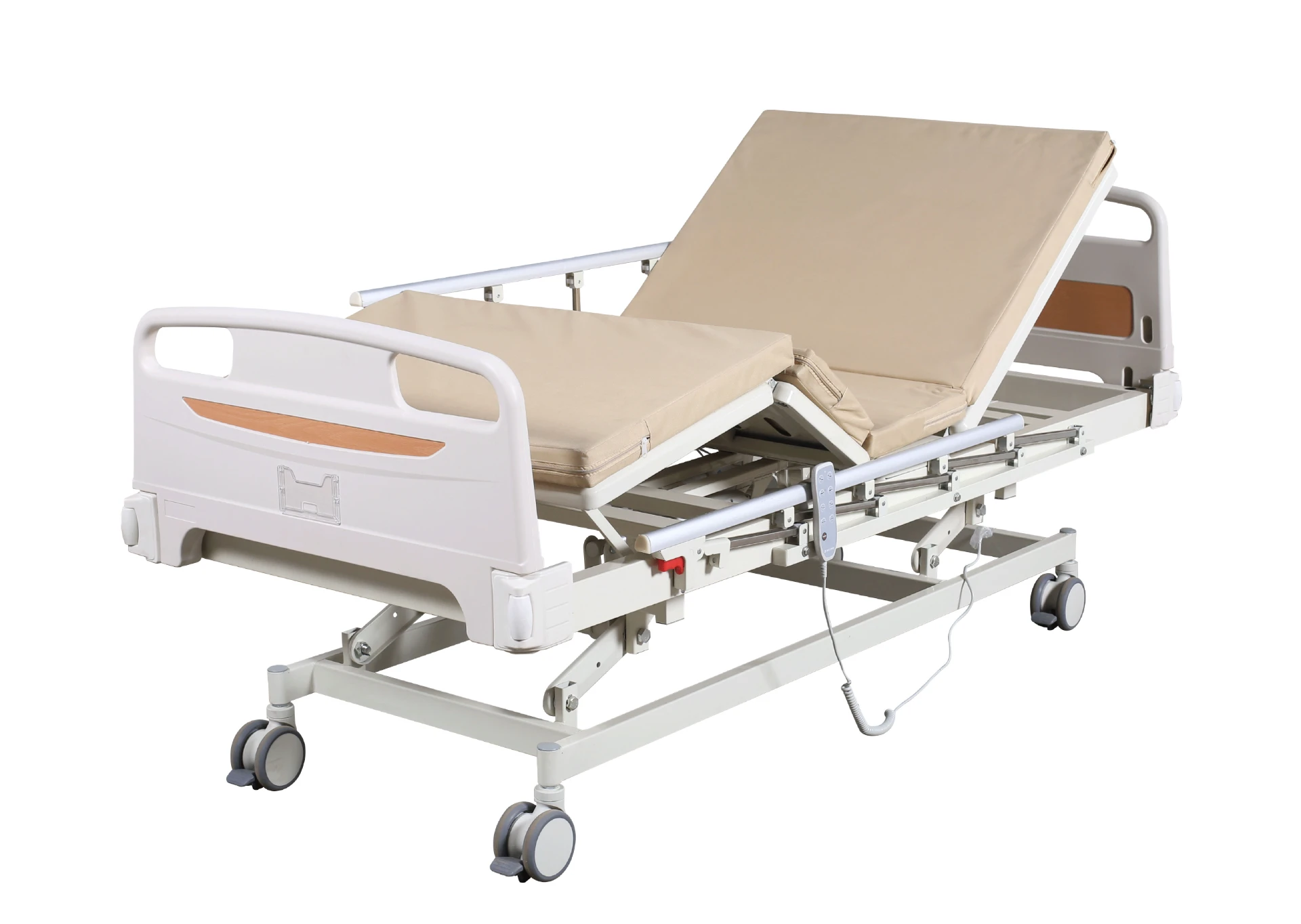
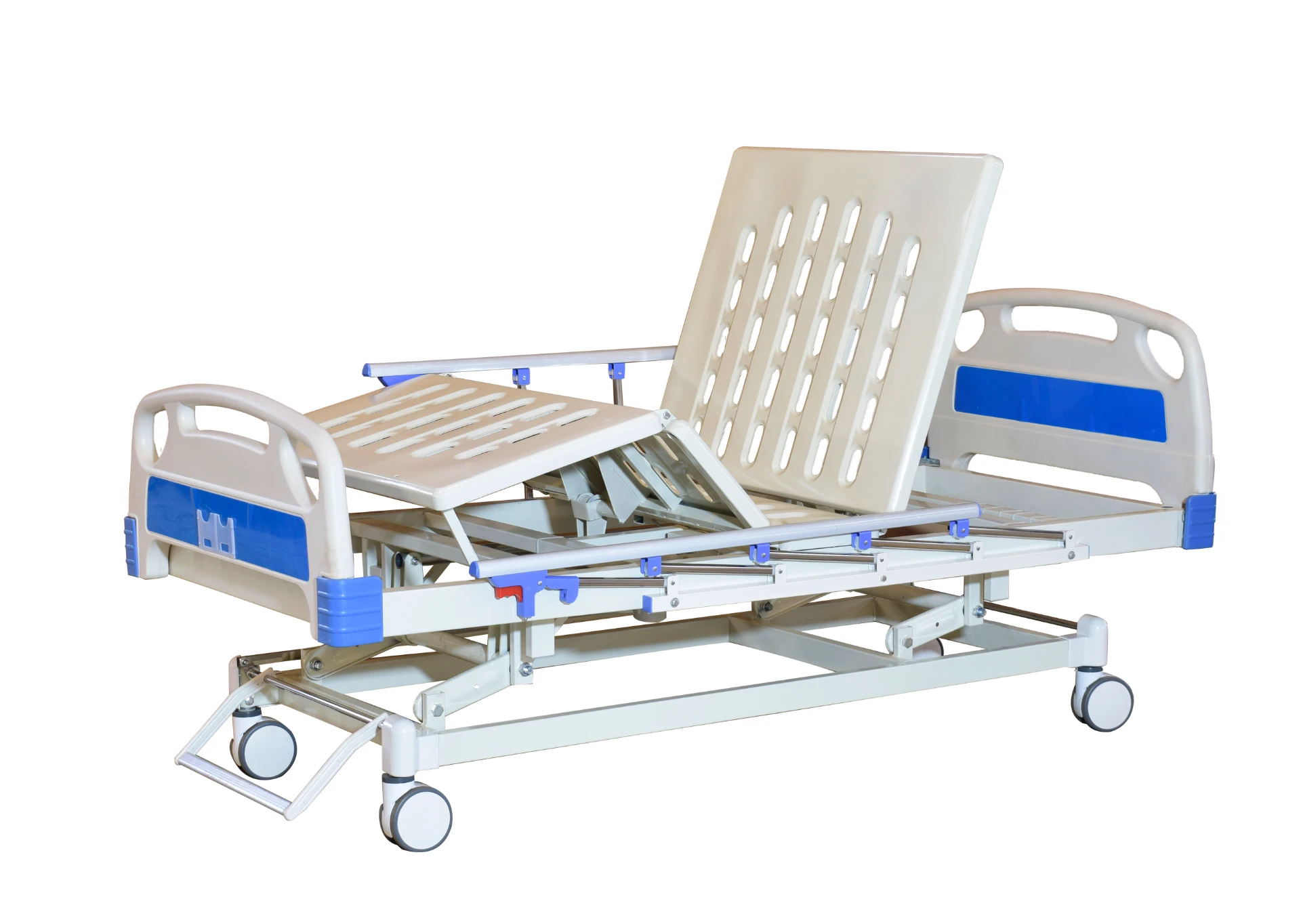
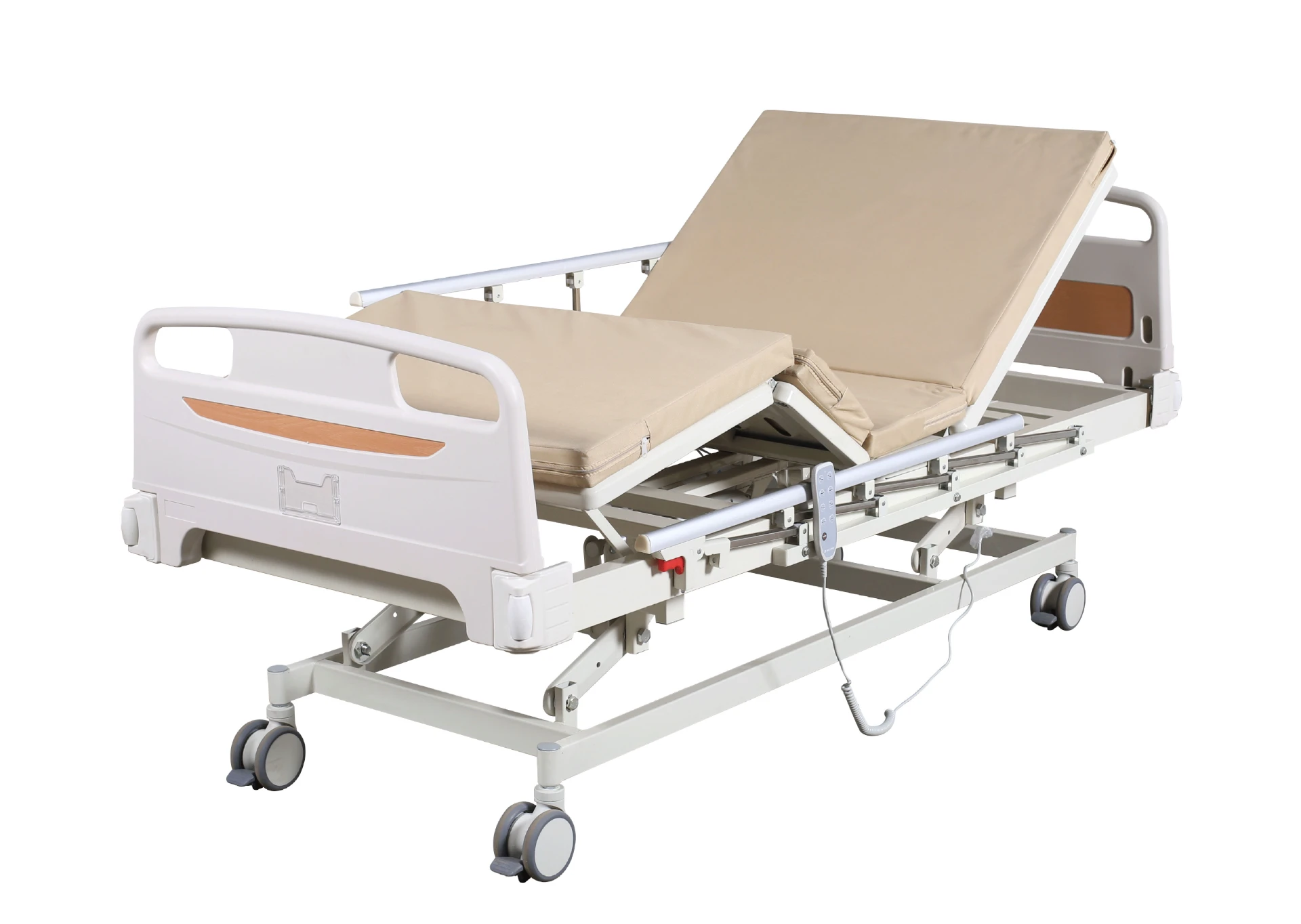
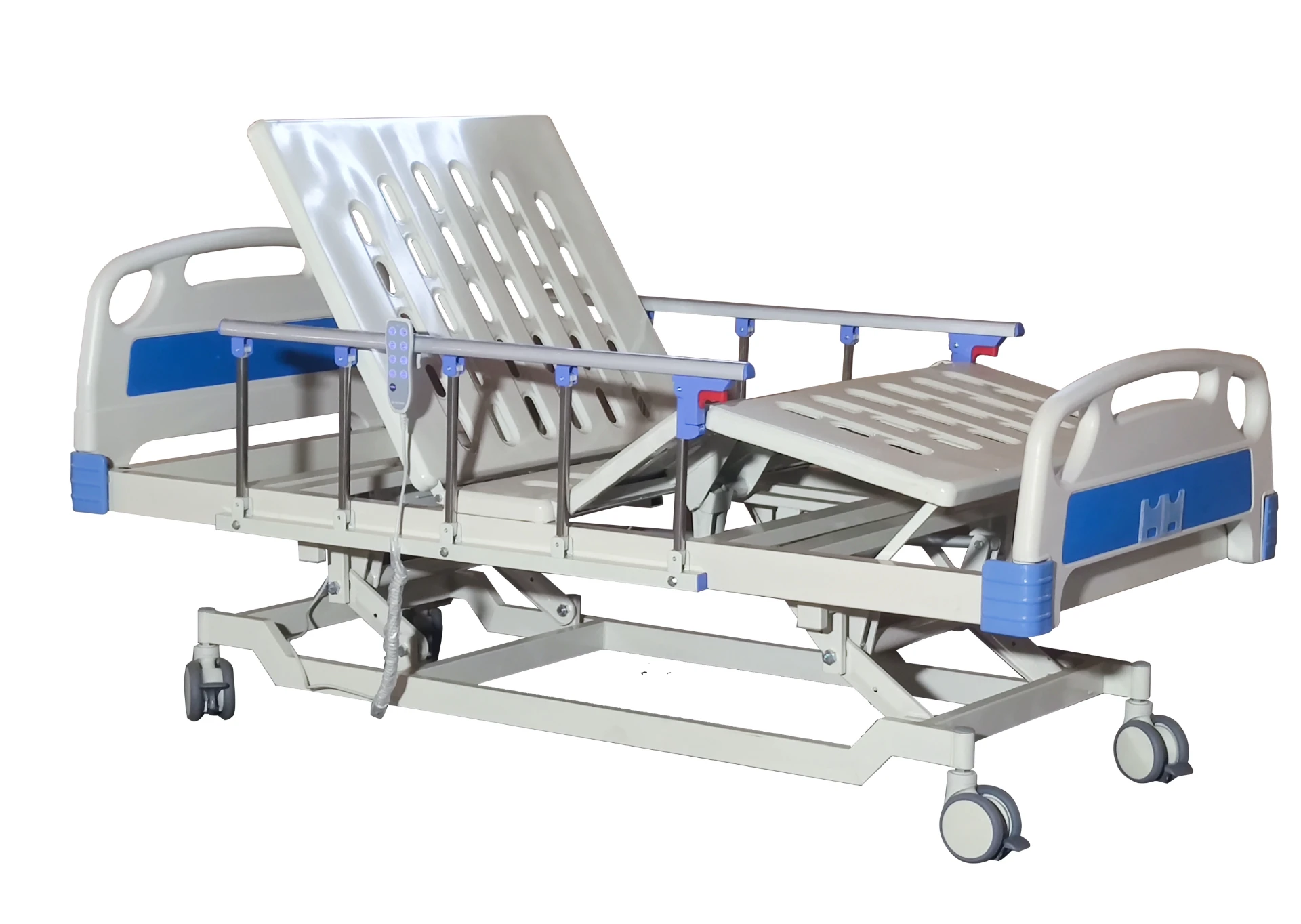
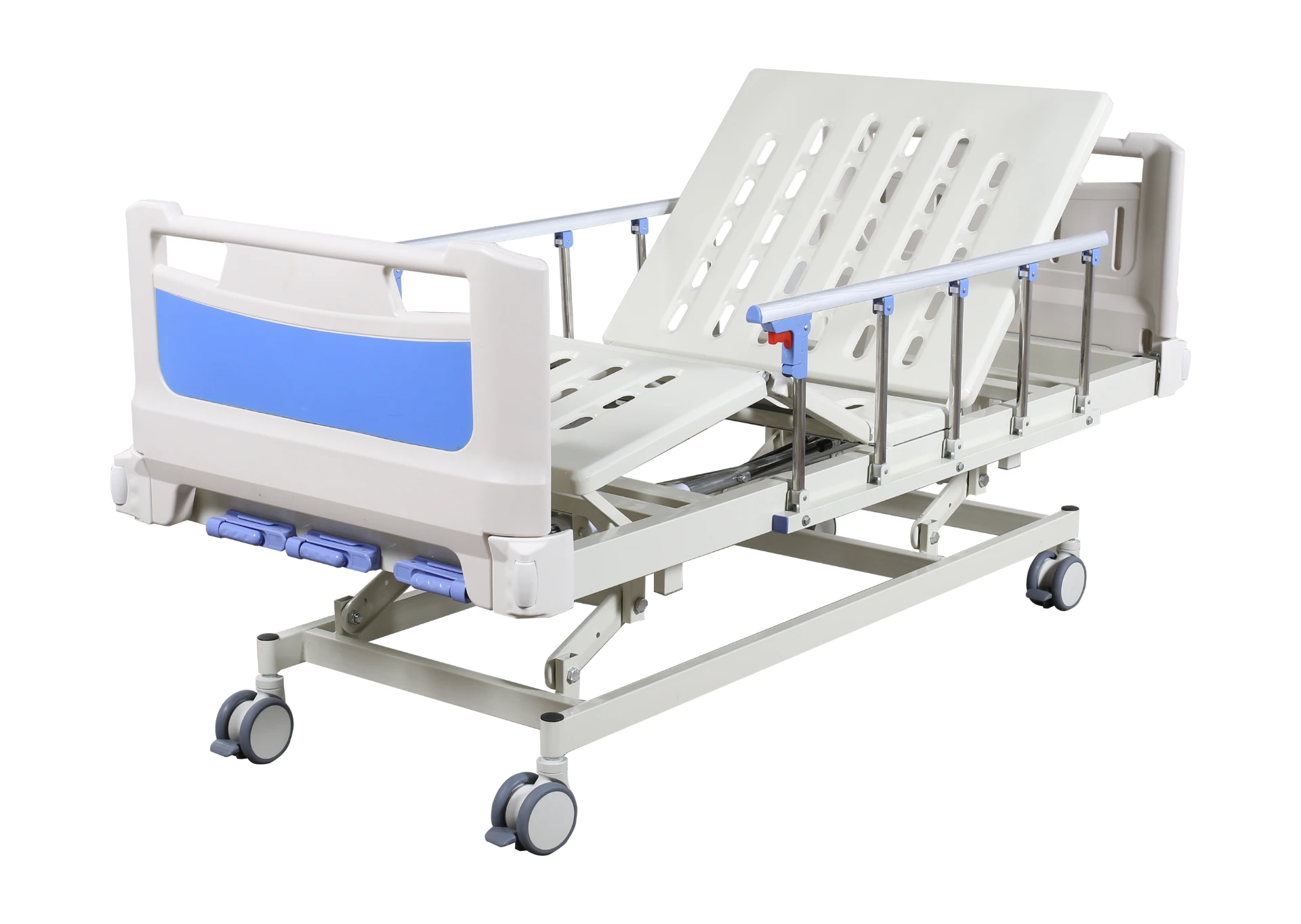
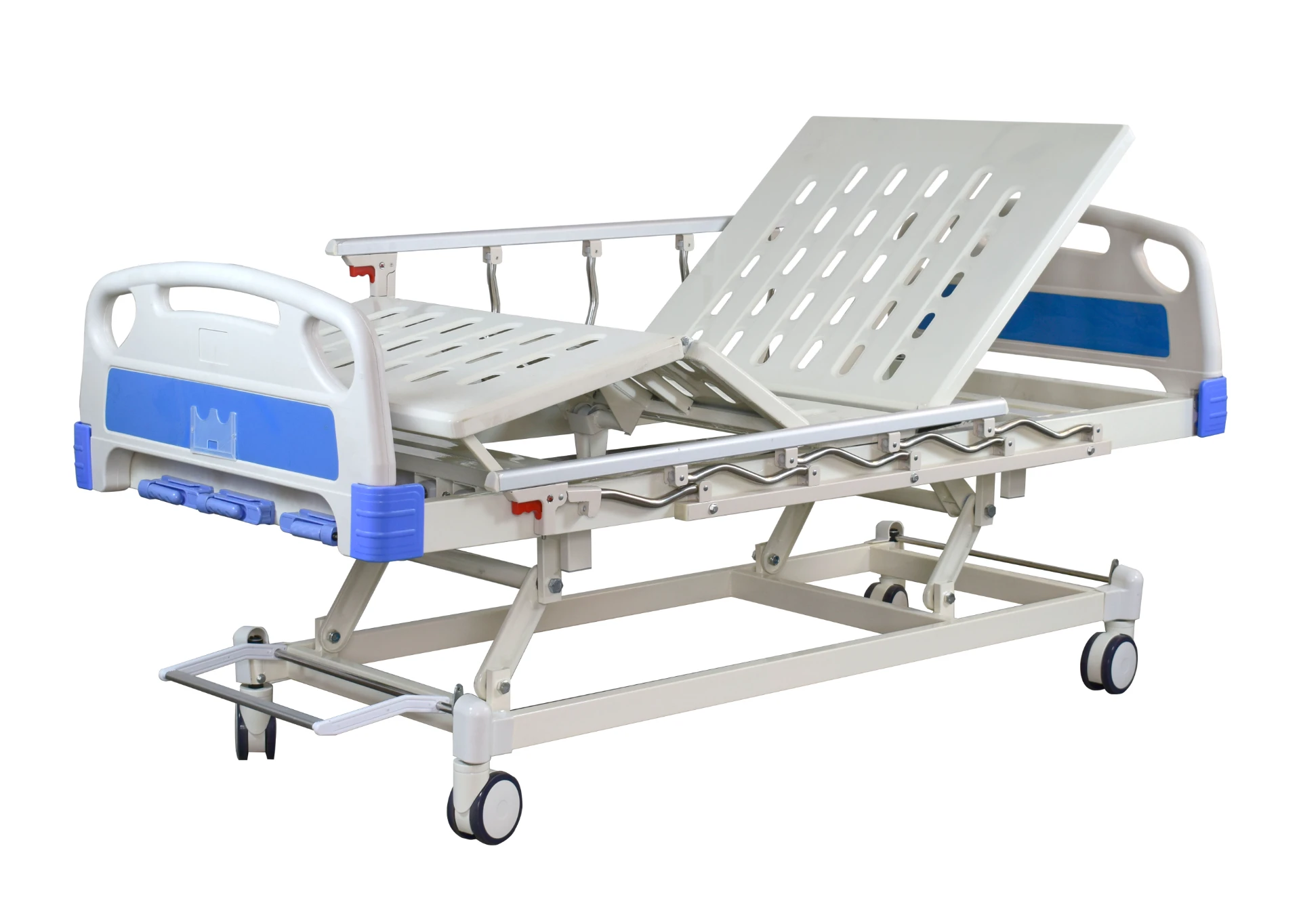
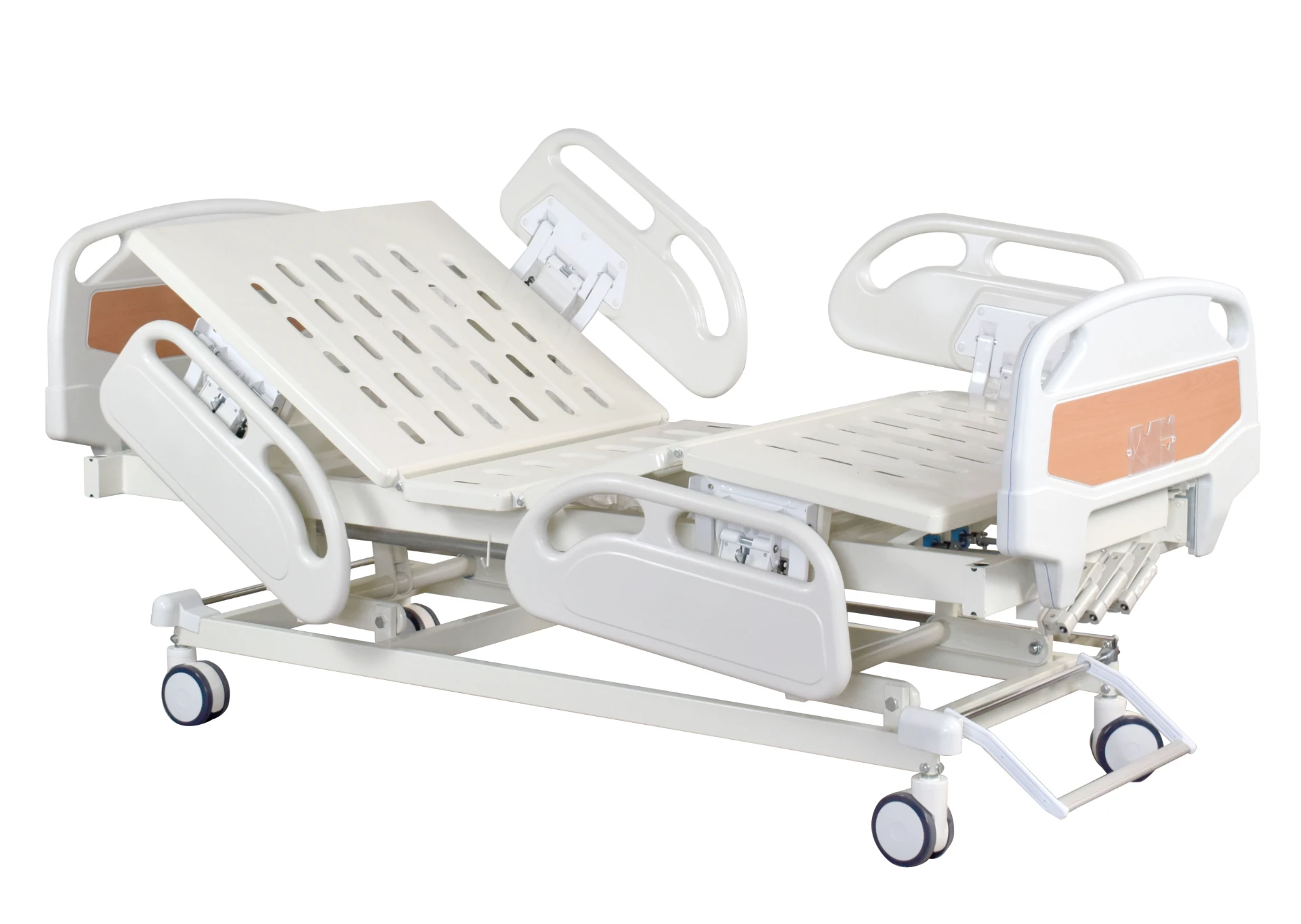
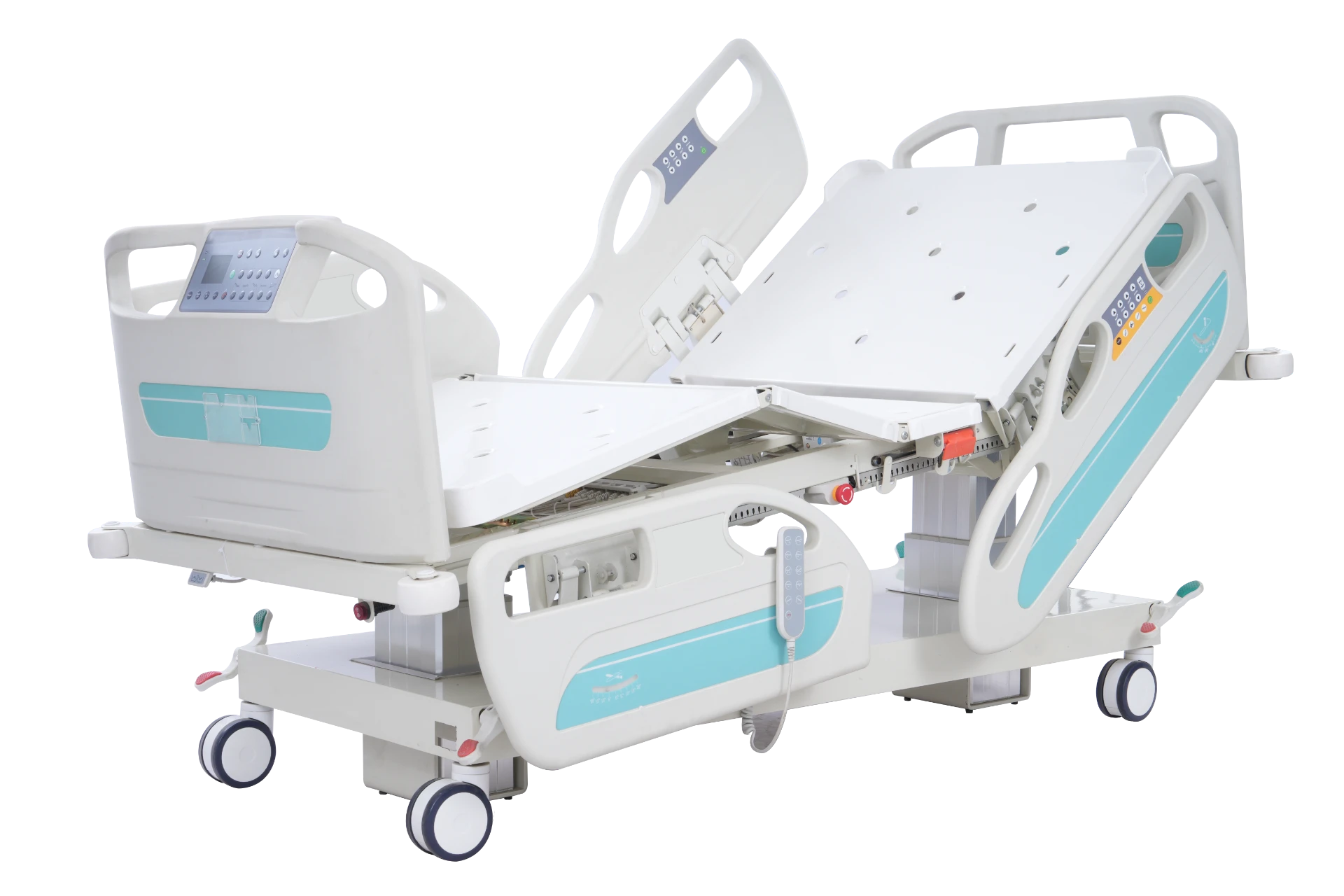
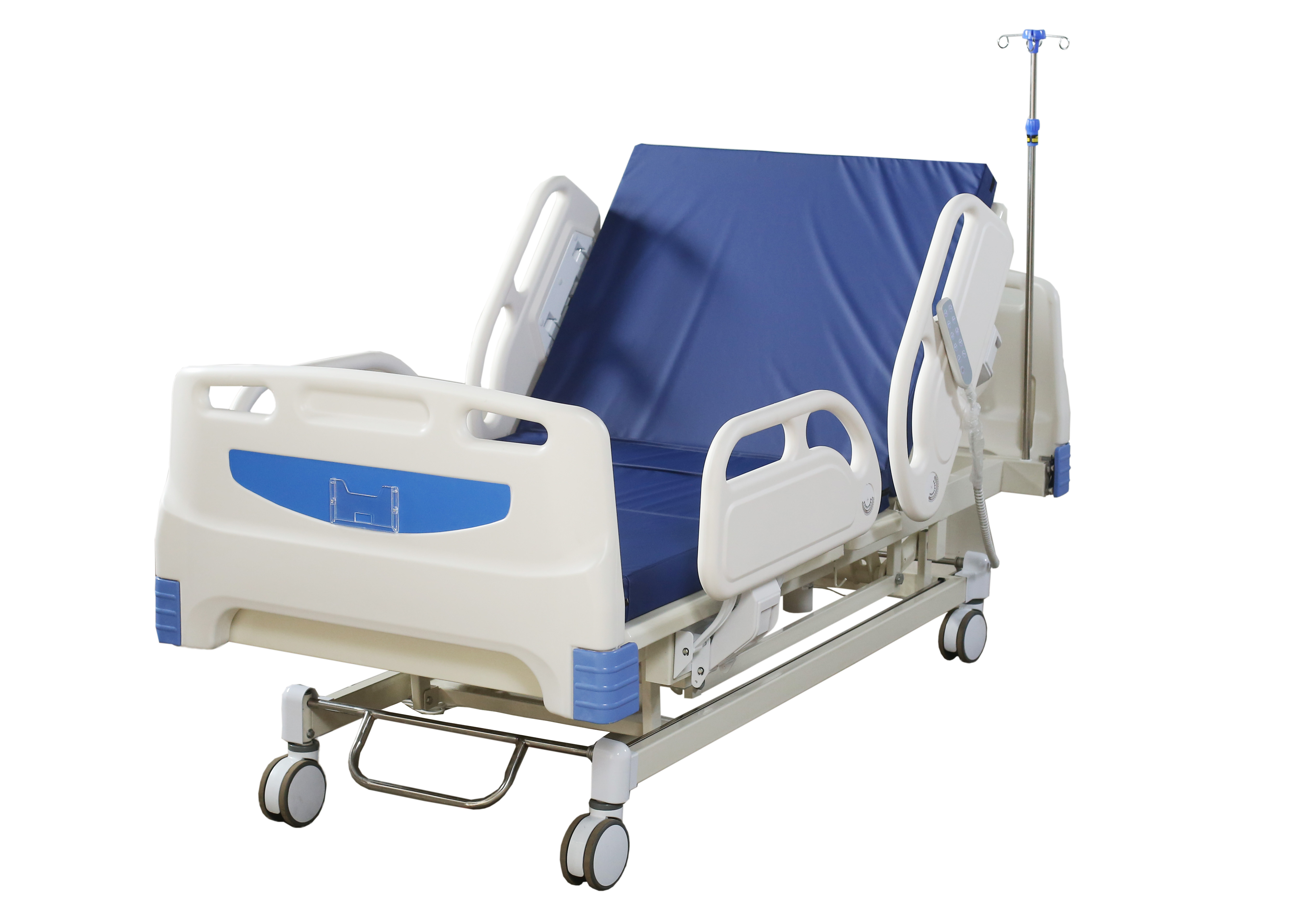
In the landscape of modern healthcare, the evolution of patient care technologies has profoundly impacted efficiency, patient dignity, and clinical outcomes. Central to this advancement is the integration of sophisticated hygiene solutions directly into medical equipment. A prime example is the advanced functionality often referred to as an integrated potty tub system, a crucial component in fully automatic hospital beds designed to manage patient waste efficiently and hygienically without requiring manual transfer.
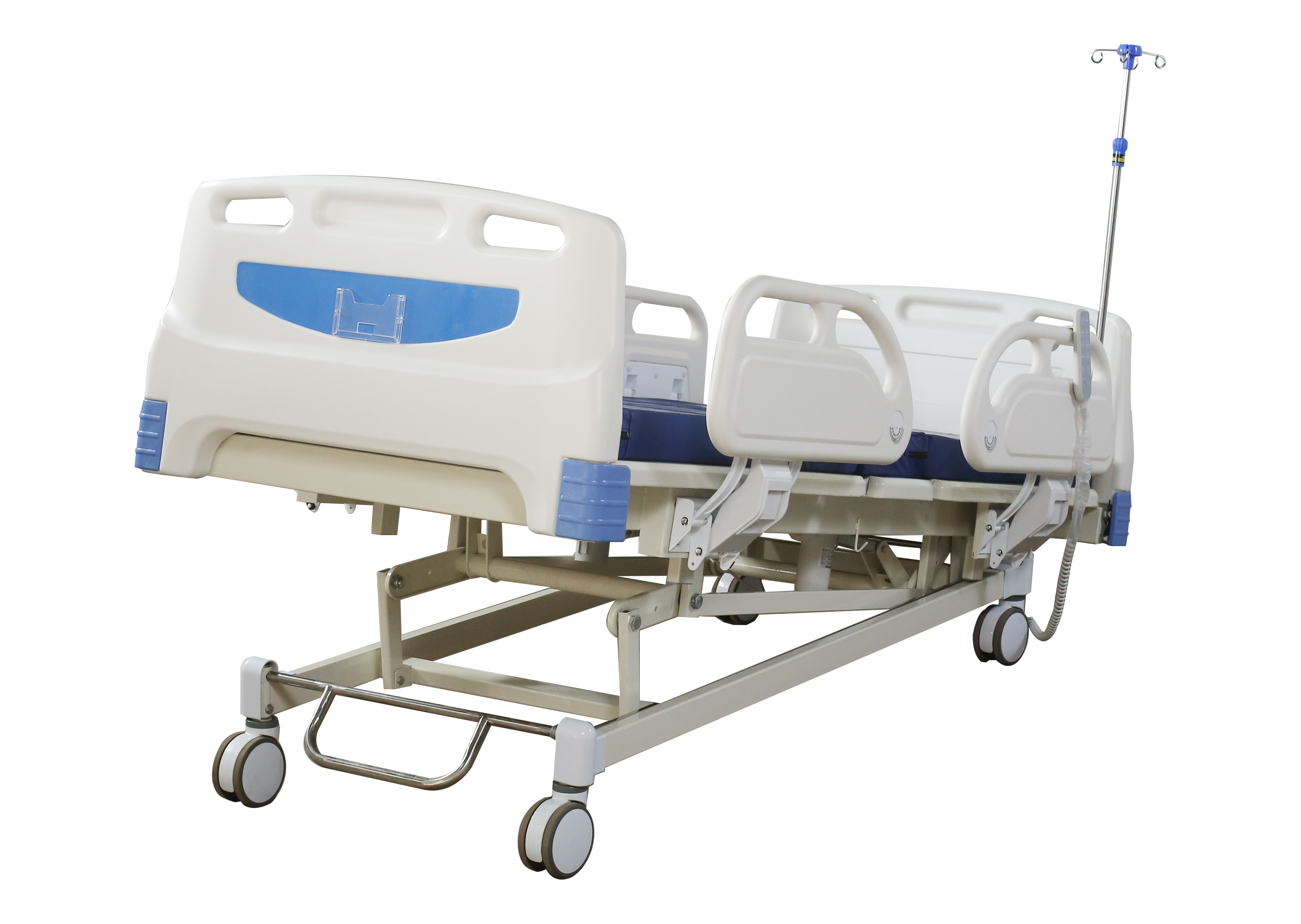
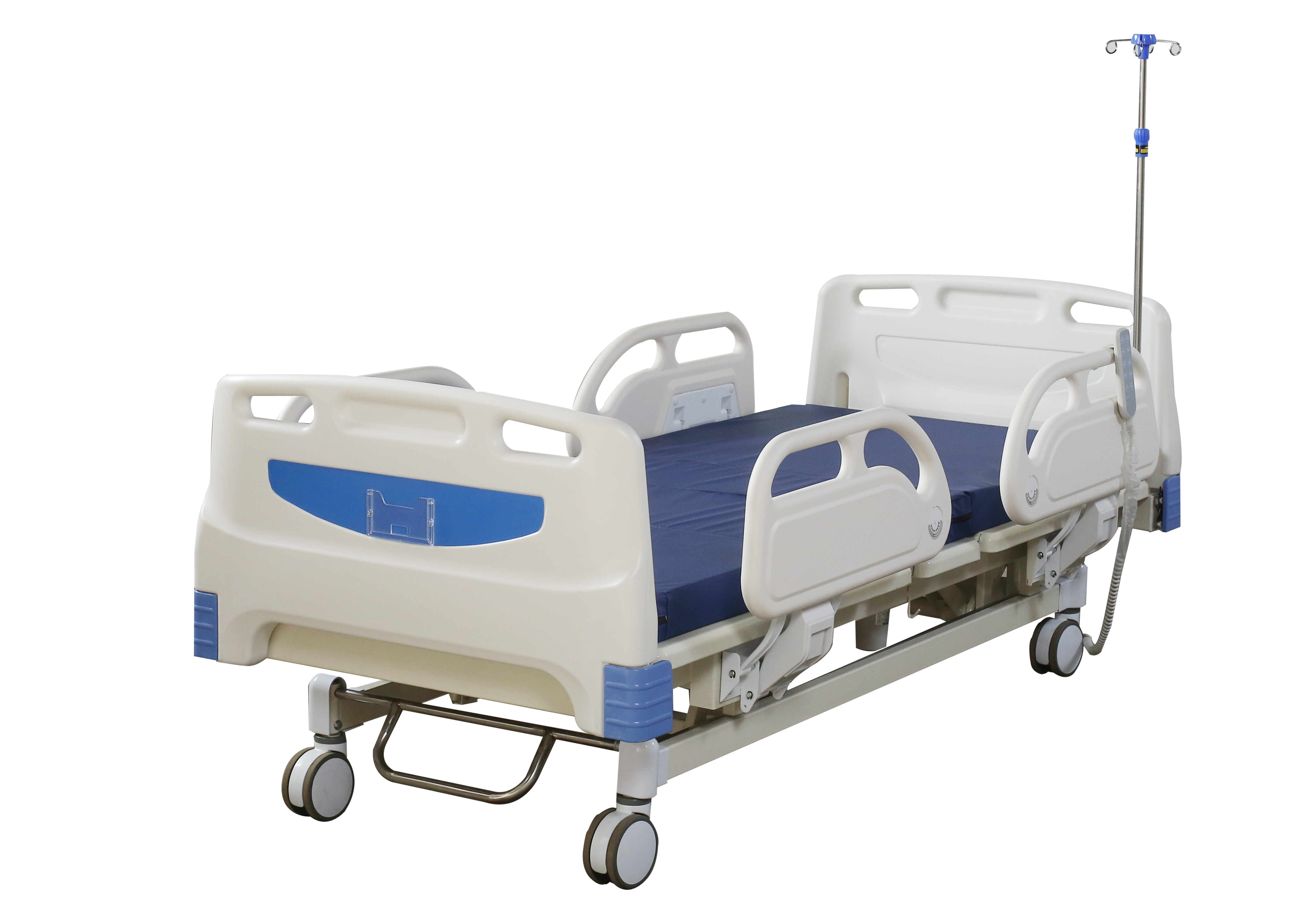
This innovative feature addresses critical challenges in long-term care, intensive care units (ICUs), and home healthcare settings, significantly enhancing patient comfort and reducing the physical burden on caregivers. The shift towards comprehensive patient beds, such as the Fully Automatic Hospital Bed EIV-24, highlights a growing industry trend focused on delivering holistic, patient-centric solutions. These systems redefine the standard of care by combining the functions of a patient bed with advanced sanitary facilities, leading to improved patient well-being and operational efficiencies within healthcare facilities.
Beyond mere convenience, the embedded potty tub capability represents a leap in preventing complications associated with immobility, such as pressure ulcers and urinary tract infections, by maintaining stringent hygiene protocols directly at the patient's bedside. This article will delve into the technical intricacies, manufacturing processes, application advantages, and market dynamics surrounding these indispensable medical innovations.
Manufacturing Process of Integrated Potty Tub Systems
The production of a high-quality integrated potty tub component within an advanced patient bed involves a meticulous multi-stage process, ensuring durability, hygiene, and patient safety. Materials are selected for their biocompatibility, corrosion resistance, and ease of sterilization.
Material Selection & Preparation:
- High-Grade ABS/PP Plastics: For the core basin and associated covers, chosen for their chemical resistance, non-toxicity, and ease of molding. These materials undergo rigorous testing for chemical leaching and microbial growth resistance.
- 304/316 Stainless Steel: Utilized for structural supports, frames, and certain waste collection mechanisms due to its superior corrosion resistance, especially against bodily fluids and cleaning agents.
- Silicone & EPDM Rubber: For seals and gaskets, ensuring leak-proof operation and durability against repeated sterilization cycles.
Manufacturing Processes:
- Injection Molding (for Plastic Components): Precision molds are used to create the potty tub basin, lids, and connecting pipes. This process ensures consistent dimensions, smooth surfaces for easy cleaning, and integrated features like drainage channels.
- CNC Machining & Sheet Metal Fabrication (for Metal Components): Stainless steel sheets are precisely cut, bent, and welded using advanced CNC machinery to form robust support structures and secure mounting points for the tub mechanism within the patient bed frame.
- Assembly of Actuation Systems: For automated systems, small, quiet electric actuators and motors are integrated to control the deployment and retraction of the tub. These systems are carefully calibrated for smooth, silent operation.
- Sealing and Gasket Integration: Critical for preventing leaks, high-grade silicone and EPDM seals are precisely fitted to all connection points and moving parts.
- Surface Treatment: Plastic components may undergo anti-microbial treatments or specialized coatings to further inhibit bacterial growth. Metal components are often electropolished for enhanced corrosion resistance and hygiene.
Testing and Quality Assurance:
Every component undergoes rigorous testing to comply with international medical device standards. This includes:
- ISO 13485 (Medical Devices Quality Management Systems): Ensures all manufacturing processes meet stringent quality and regulatory requirements.
- IEC 60601-1 (Medical Electrical Equipment - General Requirements for Basic Safety and Essential Performance): Mandates electrical safety, electromagnetic compatibility (EMC), and mechanical safety of the powered bed and its integrated systems.
- Fluid Leakage & Pressure Testing: Each potty tub unit is subjected to hydraulic pressure tests to ensure zero leakage under operational conditions.
- Cyclic Durability Testing: Actuation mechanisms are tested for tens of thousands of cycles to simulate years of service life, ensuring reliability and longevity.
- Material Biocompatibility Testing (ISO 10993): To ensure materials in contact with patients are non-toxic and do not cause adverse reactions.
The typical service life for these integrated components is designed to exceed 10 years under normal clinical usage, often surpassing the lifespan of less robust, standalone solutions. Target industries for such advanced patient beds include hospitals (general wards, ICUs, surgical recovery), long-term care facilities, rehabilitation centers, and high-end home care settings. In these scenarios, the energy-saving benefits of efficient powered bed mechanisms combined with the superior corrosion resistance of hygiene components yield significant operational advantages and improved patient outcomes.
Industry Trends in Patient Care and Mobility Solutions
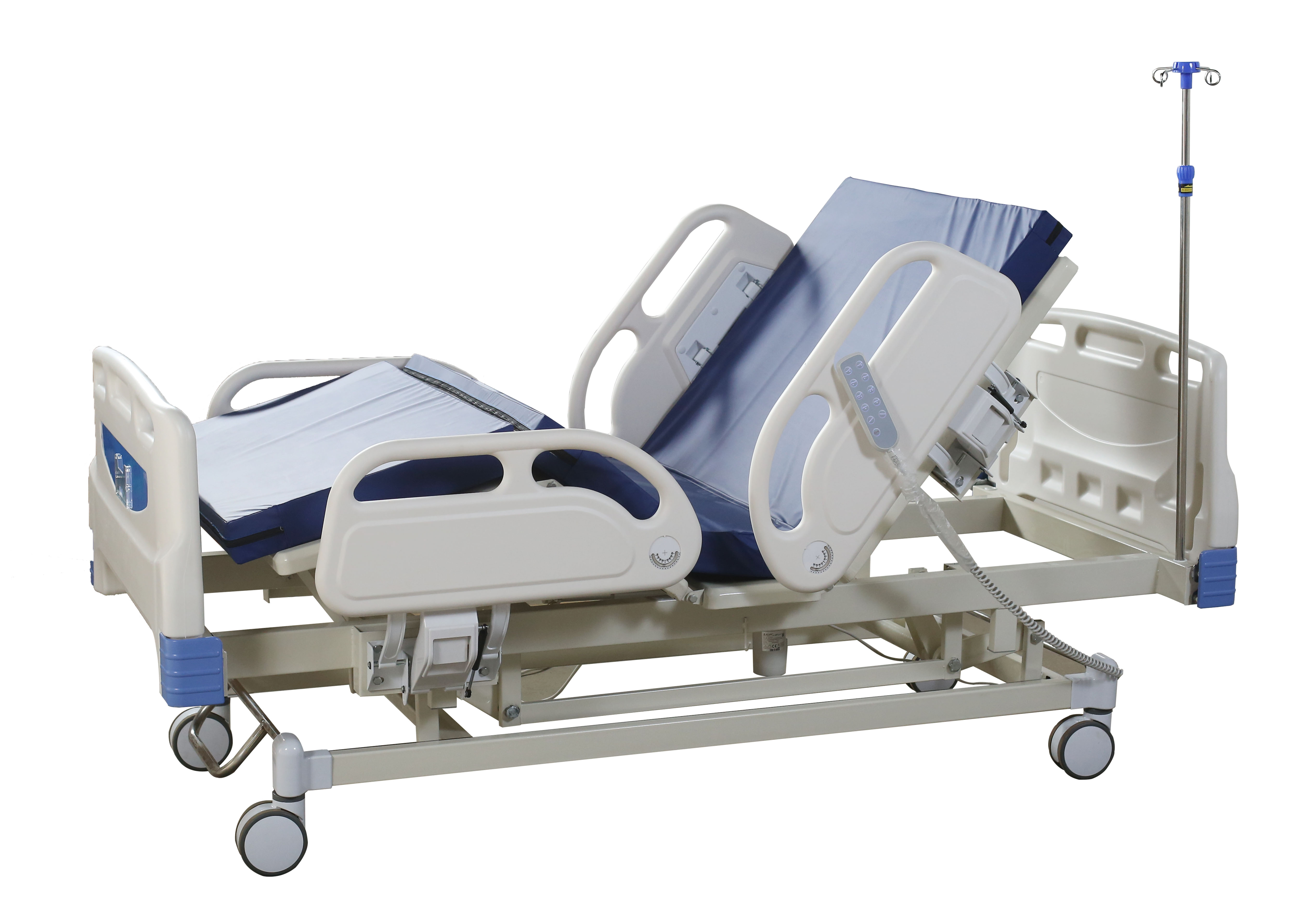
The healthcare industry is undergoing a transformative period, driven by an aging global population, increasing chronic disease prevalence, and a heightened focus on patient-centric care. These macro trends significantly influence the design and functionality of medical equipment, particularly patient beds and associated mobility aids.
Key Trends:
- Integration of Smart Technologies: Modern `powered bed`s are increasingly incorporating IoT sensors for patient monitoring (e.g., vital signs, movement, pressure sore prevention), AI-driven analytics, and remote control capabilities. This allows for proactive care and optimized resource allocation.
- Enhanced Hygiene and Infection Control: The COVID-19 pandemic amplified the importance of infection prevention. Integrated hygiene systems, including the advanced `potty seat` and potty tub functionalities, are becoming standard to minimize cross-contamination risk and simplify disinfection protocols. Smooth, non-porous surfaces and antimicrobial coatings are now critical design considerations.
- Ergonomics for Patient and Caregiver: Designs prioritize ease of use for medical staff, reducing strain and injury from manual patient handling. Features like adjustable height, trendelenburg/reverse trendelenburg positions, and integrated mobility aids (e.g., a built-in `up rollator` attachment or assist bars) are becoming standard.
- Patient Dignity and Comfort: Beyond basic medical necessity, there's a growing emphasis on preserving patient dignity and enhancing their comfort. Features that allow for independent use of hygiene facilities, quiet operation, and customizable positioning contribute significantly to patient well-being.
- Home Healthcare Expansion: As healthcare shifts towards community and home-based care, demand for sophisticated yet user-friendly `patient bed`s suitable for non-clinical environments is rising. These beds must be robust, reliable, and often include features previously exclusive to hospital settings.
These trends underscore the need for medical equipment manufacturers to innovate continuously, providing solutions that are not only technologically advanced but also intuitively designed, safe, and cost-effective for diverse healthcare environments. The evolution of the potty tub function within these beds exemplifies this commitment to holistic patient care.
Technical Specifications: Fully Automatic Hospital Bed EIV-24
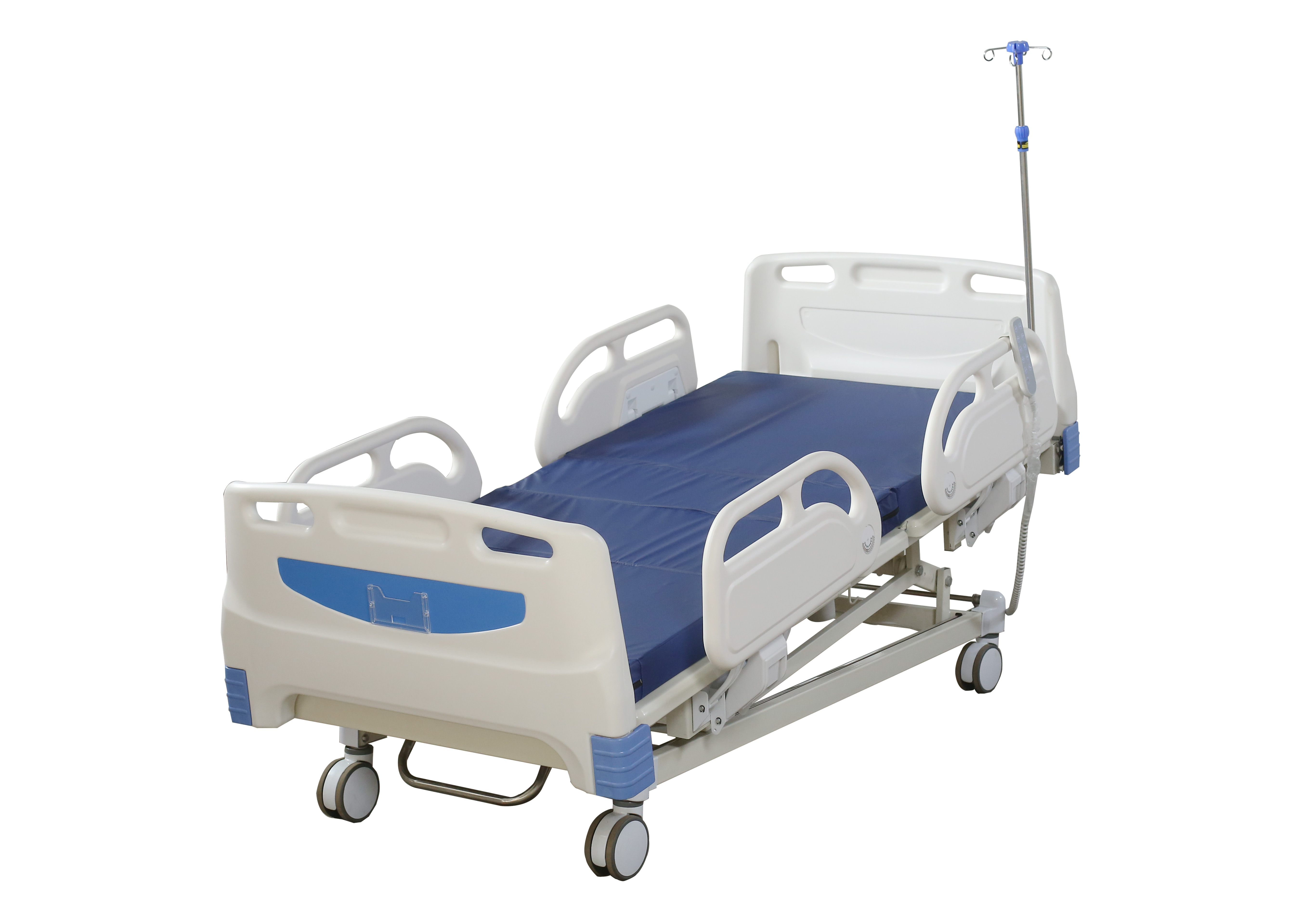
The Fully Automatic Hospital Bed EIV-24 represents the pinnacle of modern patient bed technology, integrating comprehensive features for superior patient care and caregiver efficiency. Its robust construction and intelligent design facilitate a wide range of medical applications.
The EIV-24's integrated hygiene system, featuring an automatic potty tub, significantly reduces the need for patient transfers, thereby minimizing fall risks and enhancing patient dignity. Its robust design and adherence to international safety standards make it a reliable choice for demanding clinical environments.
Application Scenarios and Technical Advantages
The versatility and advanced features of modern patient beds with integrated hygiene systems, particularly the potty tub functionality, make them indispensable across a broad spectrum of healthcare settings. These beds offer multifaceted advantages that extend beyond basic patient support.
Typical Application Scenarios:
- Acute Care Hospitals (ICU & General Wards): Critical for immobile or critically ill patients who require constant monitoring and cannot be easily moved. The integrated potty tub minimizes disruption to medical procedures and reduces the risk of infection.
- Long-Term Care Facilities & Nursing Homes: Essential for elderly or chronically ill residents who require assistance with daily hygiene. The bed enhances their quality of life by providing immediate access to toilet facilities, preserving dignity and independence.
- Rehabilitation Centers: Supports patients recovering from surgery, injury, or stroke by facilitating hygiene while they regain mobility. Features like a `potty seat` and `up rollator` compatibility aid in gradual ambulation training.
- Home Healthcare: Enables seamless care delivery in a home environment, reducing the need for costly external services and providing convenience for both patients and family caregivers. The ease of use for a `patient bed` with integrated toilet functions is paramount here.
Key Technical Advantages:
- Enhanced Patient Dignity & Privacy: Patients can attend to personal needs without the embarrassment of being lifted or transferred, fostering a sense of autonomy and well-being.
- Reduced Risk of Falls & Injuries: Eliminates manual transfers to commodes or bathrooms, significantly lowering the risk of patient falls and caregiver musculoskeletal injuries.
- Superior Infection Control: Closed, integrated systems with automated flushing and waste disposal minimize exposure to pathogens and simplify cleaning procedures, contributing to a safer environment. The corrosion resistance of materials ensures longevity of hygiene features.
- Caregiver Efficiency & Resource Optimization: Frees up nursing staff from time-consuming transfers, allowing them to focus on other critical aspects of patient care. This translates to operational energy saving for the facility through optimized staff allocation.
- Pressure Ulcer Prevention: Advanced `powered bed`s with multi-zone pressure redistribution mattresses, combined with the ability to maintain hygiene without repositioning, significantly reduce the risk of pressure injury development.
- Comfort & Ergonomics: Precisely adjustable positions, quiet motor operations, and intuitive controls ensure maximum patient comfort and ease of use for caregivers.
These integrated solutions are not merely amenities but vital components that enhance overall patient care quality, operational efficiency, and adherence to stringent hygiene protocols in medical facilities.
Vendor Comparison and Customized Solutions
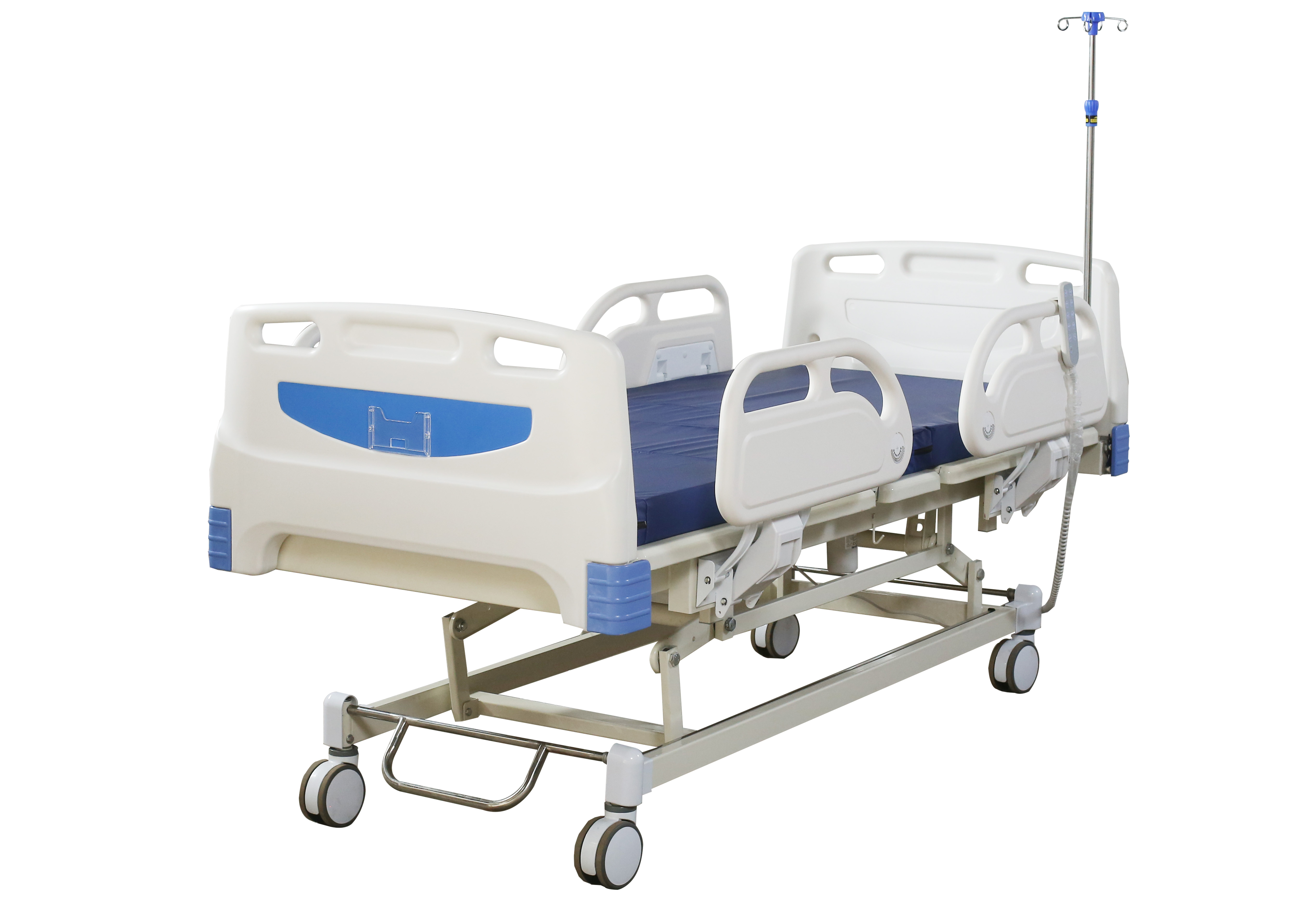
When selecting an advanced hospital bed with integrated hygiene solutions like a potty tub, healthcare providers face a choice among various manufacturers. While many offer feature-rich `patient bed`s, key differentiators lie in the depth of integration, reliability, and customization capabilities.
Vendor Comparison Considerations:
This comparison highlights the premium positioning of solutions like the EIV-24, which focuses on full automation, superior hygiene, and comprehensive patient positioning capabilities. It's crucial for purchasers to assess their specific clinical needs against these technical specifications.
Customized Solutions:
Recognizing that no two healthcare environments are identical, leading manufacturers offer bespoke solutions. This customization can include:
- Specific Material Requirements: For environments requiring enhanced chemical resistance or unique sterilization protocols.
- Integrated Medical Device Compatibility: Designing beds to seamlessly integrate with specific patient monitors, infusion pumps, or respiratory equipment.
- Software Integration: Customizing control interfaces or integrating with hospital information systems (HIS) for streamlined data flow and patient management.
- Ergonomic Adaptations: Adjustments to bed dimensions, rail designs, or control placements to accommodate specific patient demographics (e.g., bariatric patients) or caregiver preferences.
- Aesthetic Customization: Color options and finishes to match facility decor while maintaining medical-grade standards.
Providers like Boxin, with extensive experience in the medical device sector, possess the engineering expertise and manufacturing flexibility to deliver highly tailored solutions that meet the precise demands of various healthcare institutions, ensuring optimal performance and long-term value.
Application Case Studies
Real-world implementations demonstrate the tangible benefits of integrating advanced patient beds with `potty tub` functionality into diverse clinical environments.
Case Study 1: Large Urban Hospital ICU
Challenge: A prominent urban hospital's Intensive Care Unit (ICU) faced persistent challenges with patient transfers for hygiene, leading to increased risk of falls, higher incidence of catheter-associated UTIs (CAUTIs), and significant staff workload. Manual bedpan use was common, creating hygiene management difficulties.
Solution: The hospital implemented 30 units of the Fully Automatic Hospital Bed EIV-24 with integrated potty tub systems across two of its ICU wards. Staff received comprehensive training on the new bed features and hygiene protocols.
Results: Within six months, the hospital reported a 35% reduction in patient falls related to bedside transfers. CAUTI rates decreased by 20%, attributed to improved hygiene and reduced handling. Nursing staff reported a 25% decrease in time spent on hygiene-related transfers, allowing more focus on critical patient care. Patient feedback indicated a significant improvement in comfort and dignity.
Case Study 2: Private Long-Term Care Facility
Challenge: A long-term care facility struggled with maintaining resident dignity and reducing caregiver strain during daily hygiene routines. Many residents had limited mobility, requiring two caregivers for transfers to a `potty seat` or bathroom.
Solution: The facility upgraded 50 of its resident rooms with advanced `patient bed`s equipped with automated potty tub functionality. The beds' intuitive controls enabled residents with some cognitive ability to operate the hygiene system independently, enhancing their autonomy.
Results: The facility observed an immediate improvement in resident morale and dignity. Caregiver injuries related to lifting and transferring dropped by 40% in the first year. The time saved per shift per caregiver averaged 1.5 hours, allowing for more personalized resident interaction and activities. This led to enhanced overall care quality and staff satisfaction.
Case Study 3: Home Healthcare Provider Network
Challenge: A growing home healthcare network needed solutions for immobile patients that were practical for home environments, easy to operate for family caregivers, and robust enough for frequent use without requiring specialized plumbing. Many patients found traditional commodes uncomfortable and difficult for family members to manage.
Solution: The network integrated a fleet of `powered bed`s with portable, easy-to-clean potty tub systems. The design focused on minimal setup and maintenance for home use. They also recommended compatible `up rollator`s for patients progressing in mobility.
Results: Patient comfort and dignity were significantly improved, with families reporting less stress in managing hygiene. The ease of waste disposal within the bed system reduced the mess and odor associated with traditional methods. The network experienced a 20% increase in patient satisfaction scores and a reduction in caregiver burnout among family members, proving the value of a comprehensive home care solution.
Trustworthiness: FAQ, Lead Time, Warranty & Support
Frequently Asked Questions (FAQ):
Q1: How is the integrated potty tub system cleaned and maintained?
A1: The integrated potty tub is designed for easy cleaning. It features smooth, non-porous surfaces that can be wiped down with standard hospital-grade disinfectants. Key components are often detachable for more thorough cleaning or sterilization, and the system includes an automatic flushing mechanism for initial rinse. Detailed cleaning protocols are provided with each unit, adhering to infection control guidelines.
Q2: What is the power requirement for these fully automatic beds?
A2: Our fully automatic hospital beds typically operate on standard AC power (e.g., 100-240V, 50/60Hz) and consume minimal power during standby. They are equipped with efficient electric motors and often include a backup battery system to ensure continued operation during power outages or when moving the bed, maintaining functionality of all powered features, including the `potty seat` and bed adjustments.
Q3: Can these beds accommodate bariatric patients?
A3: The standard EIV-24 model supports patients up to 250 kg (static load). We also offer specialized bariatric models of `patient bed`s with reinforced frames and wider platforms designed to safely accommodate heavier patients, ensuring both their comfort and the operational integrity of the integrated features.
Lead Time & Fulfillment:
Standard lead time for our fully automatic hospital beds, including those with integrated hygiene systems, is typically 4-6 weeks from order confirmation, depending on order volume and customization requirements. For large-scale institutional orders, a detailed production and delivery schedule will be provided. We maintain strategic inventory levels for popular models to facilitate faster deployment in urgent scenarios. Our robust logistics network ensures efficient and secure delivery globally.
Warranty Commitments:
We stand behind the quality and durability of our products. All fully automatic hospital beds, including the integrated potty tub components, come with a comprehensive 2-year warranty covering manufacturing defects and major component failures. Extended warranty options and service contracts are available upon request to provide long-term peace of mind and operational assurance.
Customer Support & After-Sales Service:
Our commitment to our clients extends far beyond the point of sale. We offer dedicated technical support and after-sales service to ensure optimal performance and longevity of our medical beds. This includes:
- 24/7 Technical Hotline: Access to expert assistance for troubleshooting and operational inquiries.
- On-site Installation & Training: Professional teams available for efficient setup and comprehensive training for your staff on all bed functionalities and maintenance.
- Spare Parts Availability: A robust supply chain ensures timely delivery of genuine spare parts to minimize downtime.
- Preventative Maintenance Programs: Tailored service plans to proactively maintain equipment and extend its operational life.
Our goal is to be a reliable partner in healthcare, providing solutions that empower caregivers and enhance patient care.
Conclusion
The integration of sophisticated hygiene solutions, exemplified by the advanced potty tub system within fully automatic hospital beds, marks a pivotal advancement in patient care technology. These innovations address core challenges in medical and long-term care settings by significantly enhancing patient dignity, reducing fall risks, improving infection control, and optimizing caregiver efficiency. As healthcare continues its trajectory towards patient-centric and technology-driven solutions, the demand for robust, reliable, and intelligently designed `patient bed`s will only grow. Investing in such advanced equipment is not merely an upgrade but a strategic decision that yields tangible benefits in patient outcomes, operational efficiency, and overall facility reputation.
References
- World Health Organization. (2021). Patient Safety Fact Sheet. Available at: www.who.int/news-room/fact-sheets/detail/patient-safety
- International Organization for Standardization. (2016). ISO 13485:2016 Medical devices — Quality management systems — Requirements for regulatory purposes. Available at: www.iso.org/standard/59752.html
- U.S. Food & Drug Administration. (2023). Medical Devices. Available at: www.fda.gov/medical-devices
- International Electrotechnical Commission. (2012). IEC 60601-1: Medical electrical equipment - Part 1: General requirements for basic safety and essential performance. Available at: www.iec.ch/standard/27394-817/
- Agency for Healthcare Research and Quality. (2019). Preventing Falls in Hospitals. Available at: www.ahrq.gov/patient-safety/settings/hospital/fall-prevention/index.html
-
Ultimate Guide to Choosing Extra Wide Waiting Room ChairsNewsApr.16,2026
-
Guide to Choosing Professional Waiting Room Chairs Wipeable SeatingNewsApr.09,2026
-
Enhance Your Space with Comfortable Wide Waiting Room ChairsNewsApr.07,2026
-
Selecting the Ideal Brown Waiting Room Chairs for a Welcoming SpaceNewsApr.04,2026
-
Choosing Comfortable Patient Waiting Room Chairs for Healthcare FacilitiesNewsMar.31,2026
-
Finding the Best Deals on Affordable and Cheap Reception Chairs for Your BusinessNewsMar.28,2026
-
Enhance Your Business Reception with Comfortable Blue Reception ChairsNewsMar.26,2026