Welcome to our websites!


Durable Semi Beds: Care, Exam & Gyn Solutions
Understanding the Evolution of Semi Beds in Modern Healthcare
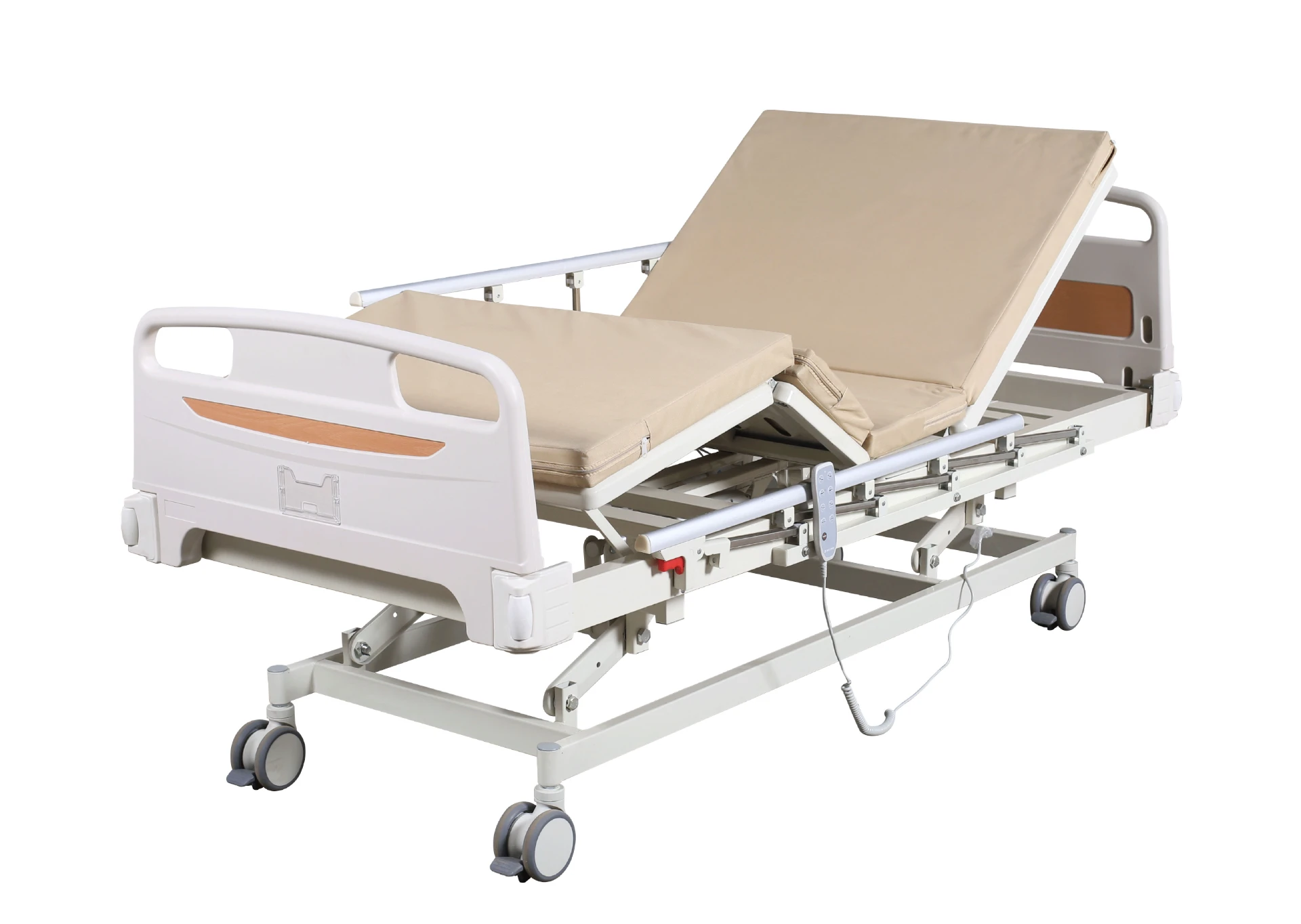
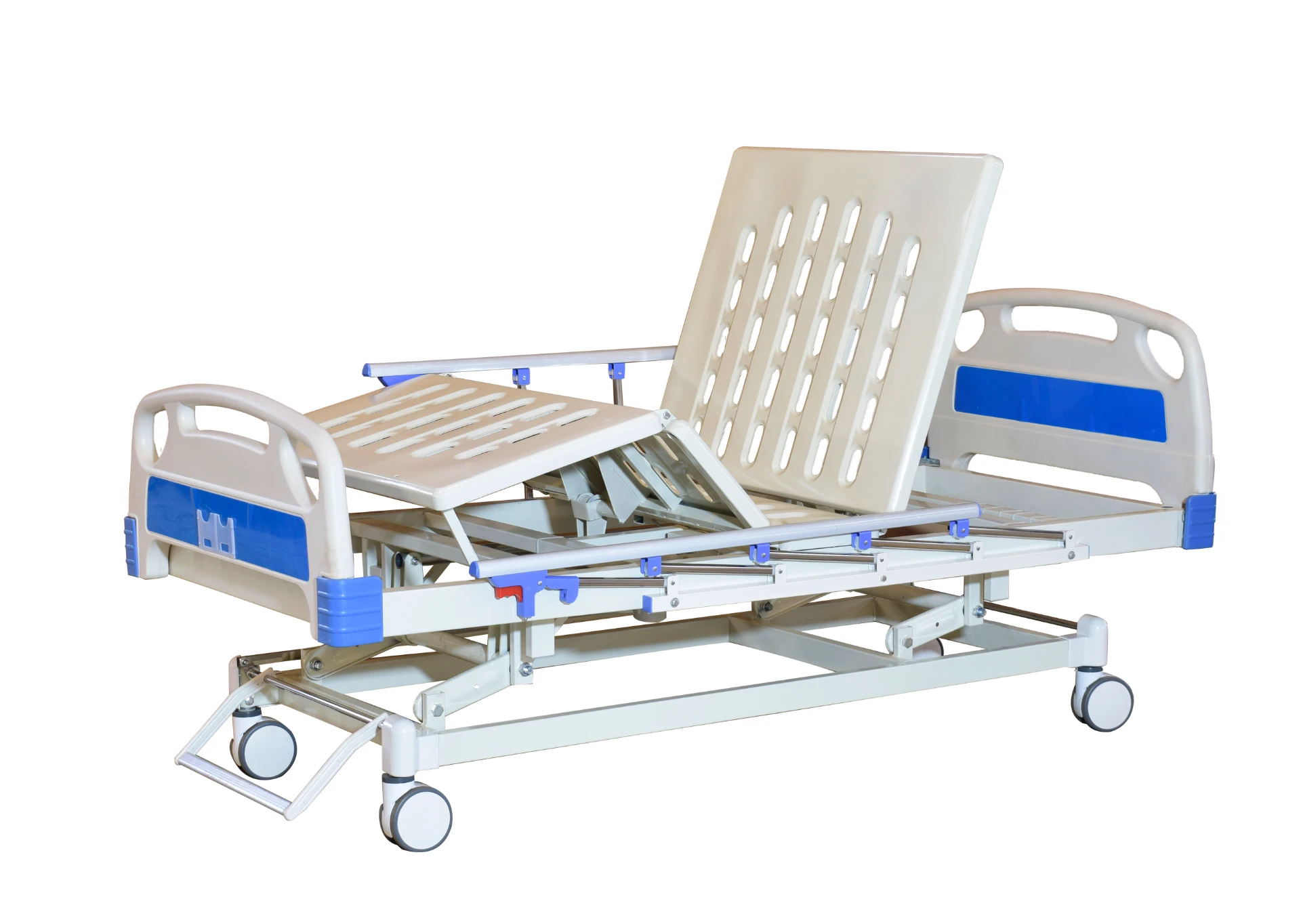
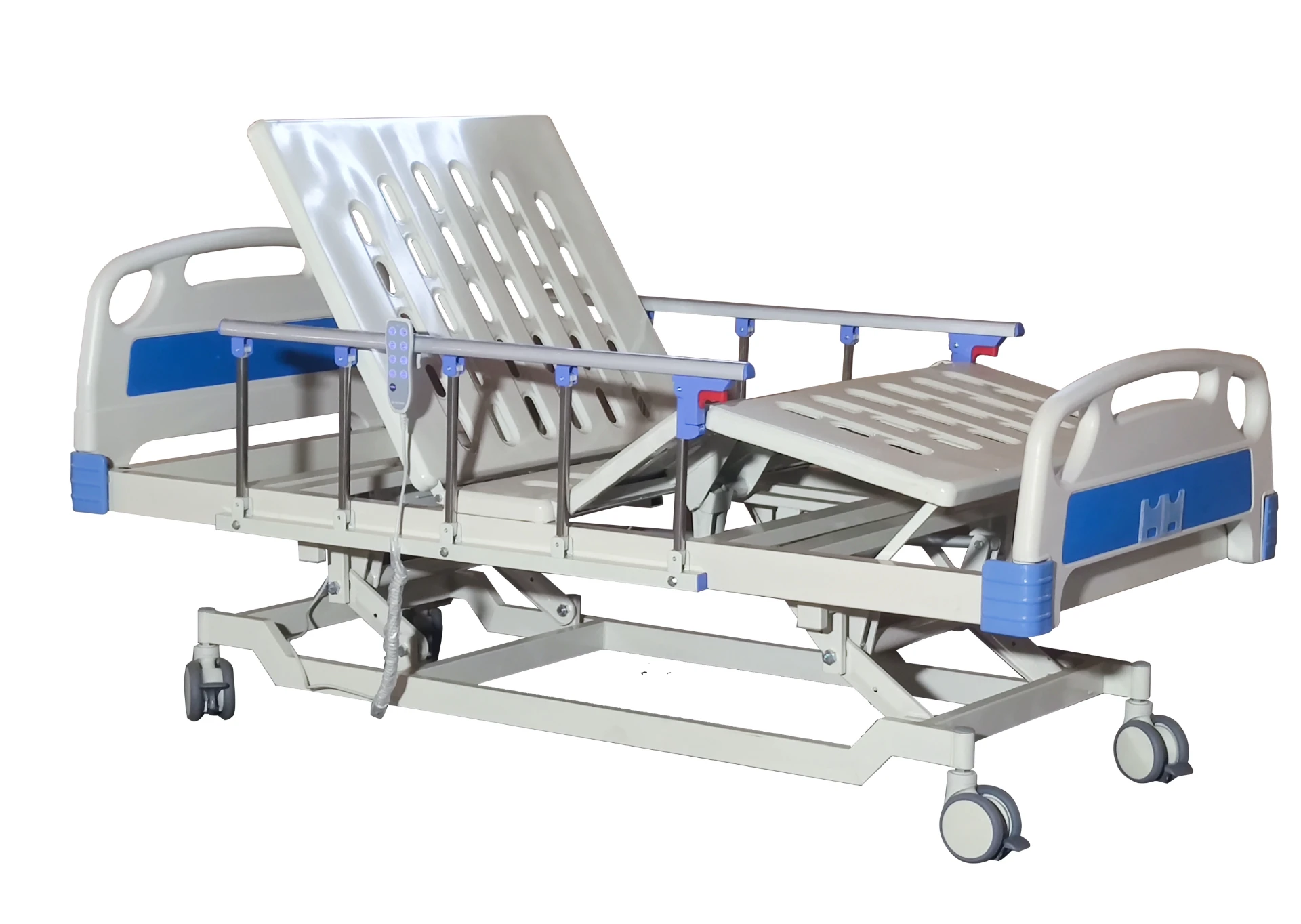
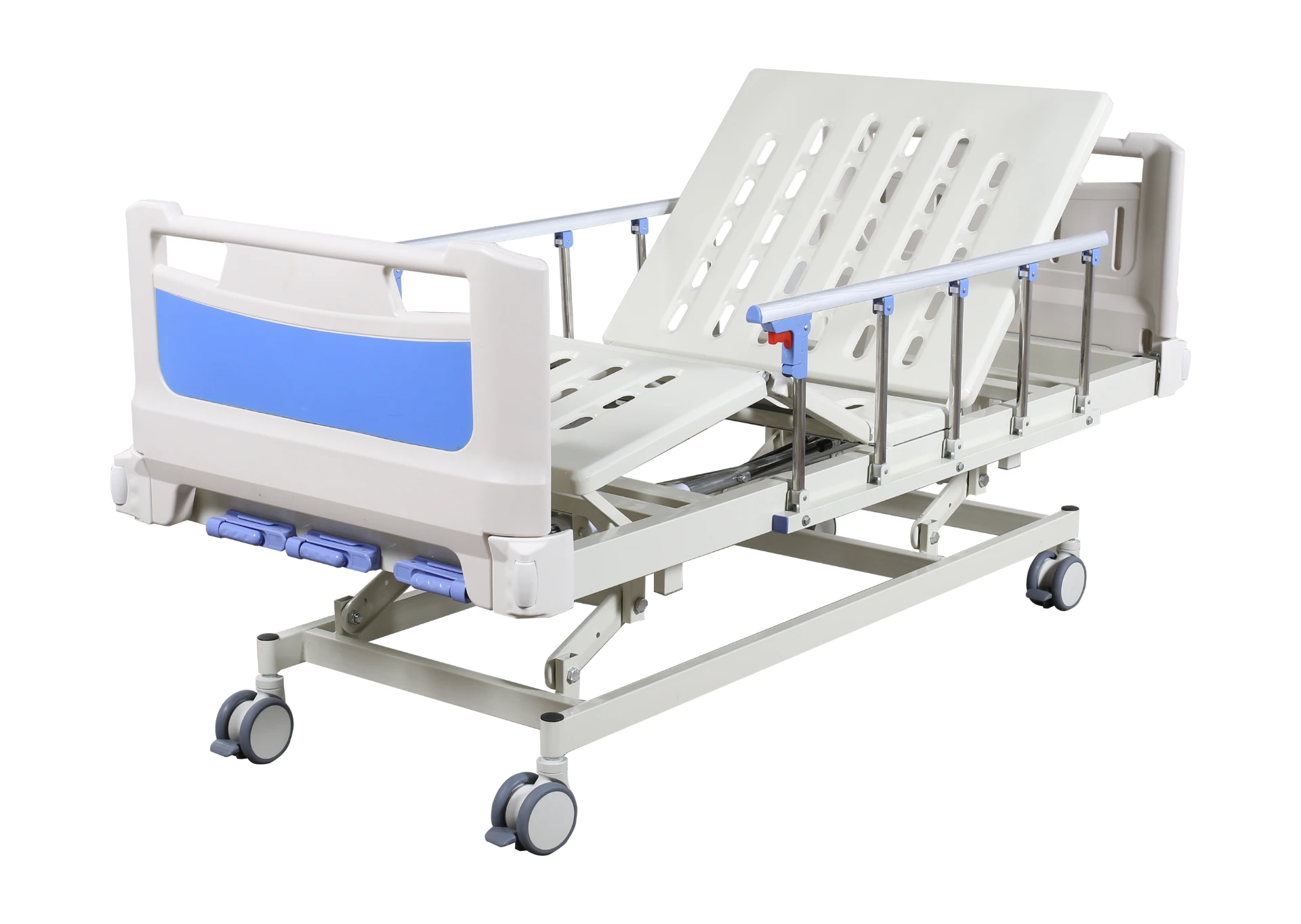
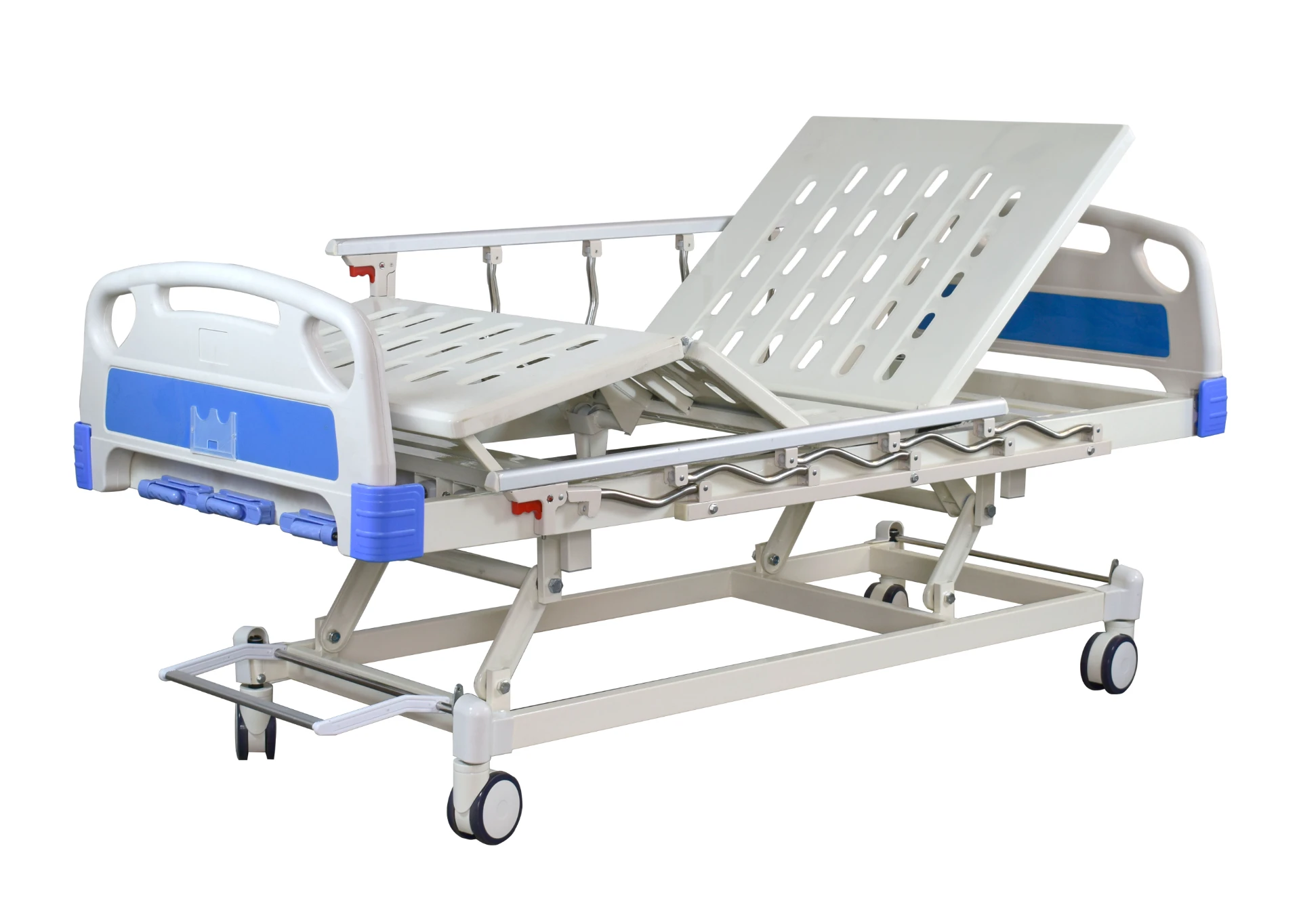
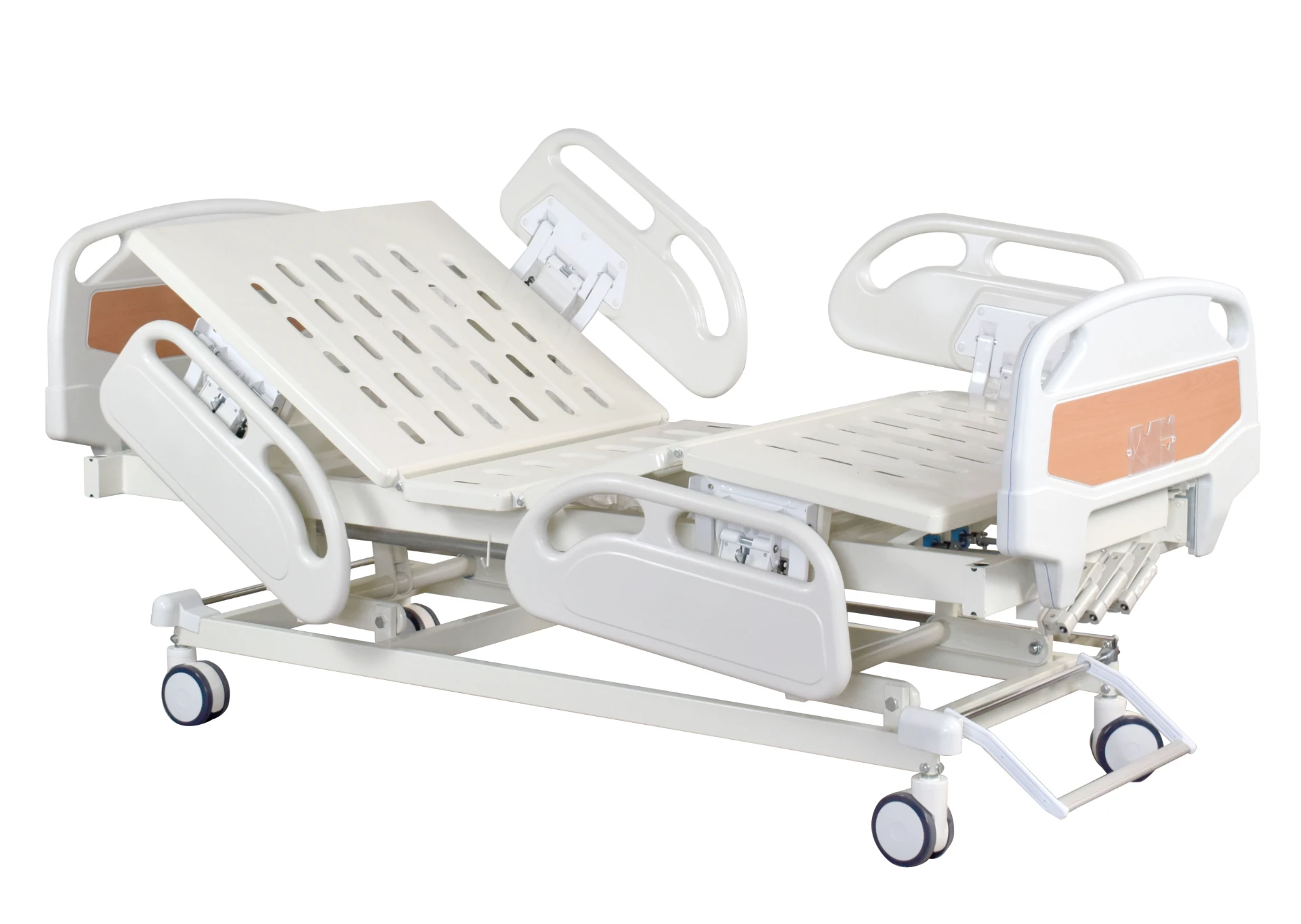
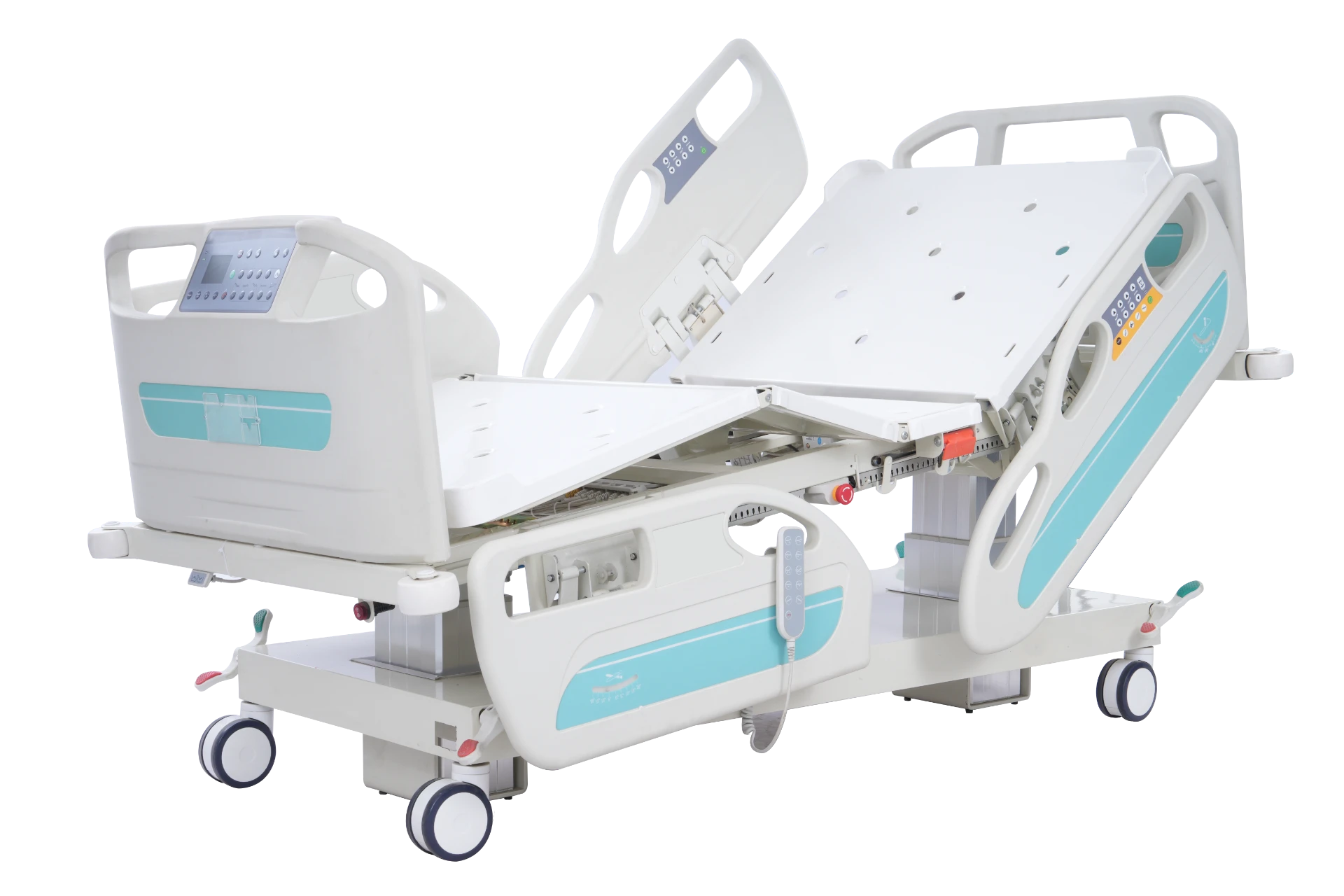
The landscape of patient care is continually evolving, demanding sophisticated equipment that enhances both patient comfort and caregiver efficiency. At the forefront of this evolution are semi beds – a critical category of medical furniture designed to provide adjustable support and facilitate a range of nursing functions. These advanced beds, exemplified by products like the Multi-functional nursing adjustable hospital beds for seniors, are indispensable across various healthcare settings, from acute care hospitals to long-term nursing facilities and home care environments. Their design integrates ergonomic principles with robust engineering, ensuring optimal patient positioning, safety, and therapeutic outcomes. The emphasis on adaptability and user-friendliness underscores their role in delivering high-quality, person-centered care.
Current Industry Trends and Market Dynamics
The global market for medical beds is experiencing significant growth, driven by an aging global population, the rising prevalence of chronic diseases, and increasing investments in healthcare infrastructure. Key trends influencing the development and adoption of medical beds include:
- Technological Integration: A shift towards smart beds equipped with sensors for vital signs monitoring, fall prevention alerts, and automated repositioning, improving patient safety and reducing caregiver burden.
- Ergonomic Design: Enhanced focus on designs that promote patient comfort, facilitate mobility, and reduce musculoskeletal strain for healthcare professionals. This includes features like one-button cardiac chair positions and adjustable height for easier transfers.
- Infection Control: Development of beds with easily cleanable surfaces, antimicrobial materials, and modular designs to minimize the risk of healthcare-associated infections (HAIs).
- Modularity and Customization: Increasing demand for beds that can be easily adapted with various accessories, such as IV poles, overbed tables, and specialized mattresses (e.g., pressure-reducing or alternating air mattresses), to meet diverse patient needs.
- Home Healthcare Expansion: A growing preference for home-based care, necessitating more robust and user-friendly medical beds suitable for non-clinical environments. The market for sophisticated home care bed solutions is rapidly expanding.
These trends highlight a move towards more intelligent, patient-centric, and cost-effective solutions in medical bed technology. Manufacturers are continuously innovating to meet these evolving demands, ensuring that facilities can provide superior care while optimizing operational efficiency.
The Manufacturing Process of Advanced Semi Beds
The production of high-quality semi beds is a meticulous process involving advanced engineering, precision manufacturing, and stringent quality control. This multi-stage process ensures durability, safety, and optimal functionality.
Key Process Flow Steps:
- Design and Prototyping: Initial conceptualization and CAD design, followed by the creation of physical prototypes. Ergonomic studies and user feedback are integrated to refine the design for patient comfort and caregiver access.
-
Material Selection and Preparation:
- Frame: High-strength cold-rolled steel (e.g., Q235, Q345) for robust structural integrity. Steel sections undergo precision cutting, bending, and hydroforming.
- Bed Platform: Perforated steel or high-grade ABS plastic panels for breathability, ease of cleaning, and X-ray translucency (where applicable).
- Side Rails and Head/Foot Boards: Blow-molded ABS plastic or aluminum alloys, often with antibacterial additives for enhanced infection control.
- Actuators and Control Systems: Medical-grade electric motors (e.g., LINAK, Dewert) and sophisticated control units for smooth, reliable adjustments.
- Casters: High-quality, non-marking casters with central braking systems for mobility and stability.
- Frame Fabrication: Steel components are cut, drilled, and welded using advanced robotic welding or skilled manual welding techniques. This ensures consistent quality and strong, durable joints. CNC machining is often employed for intricate component creation.
- Surface Treatment: The metal frame undergoes thorough cleaning, phosphating, and electrostatic powder coating. This provides a durable, corrosion-resistant, and aesthetically pleasing finish, crucial for the longevity and hygiene of a clinical bed.
- Component Assembly: Electronic actuators, control panels, bed platforms, head/foot boards, and side rails are meticulously assembled. Wiring and plumbing (if applicable for specialized beds) are carefully installed and tested.
-
Quality Control & Testing: Each bed undergoes rigorous testing against international standards such as ISO 13485 (Medical Devices - Quality Management Systems) and IEC 60601-1 (Medical Electrical Equipment - General requirements for basic safety and essential performance). Tests include:
- Load-bearing capacity and stability tests.
- Actuator functionality and noise level tests.
- Electrical safety and electromagnetic compatibility (EMC) tests.
- Side rail integrity and entrapment prevention assessments.
- Surface durability and cleaning effectiveness.
- Packaging and Dispatch: Beds are carefully packaged to prevent damage during transit, ready for distribution to target sectors.
Target Sectors: These advanced care bed solutions are primarily utilized in hospitals (general wards, ICUs, recovery rooms), long-term care facilities, nursing homes, and home care environments, where their durability and comprehensive features provide distinct advantages in patient care. The typical service life for a well-maintained hospital bed ranges from 10-15 years, depending on usage intensity and quality of components.
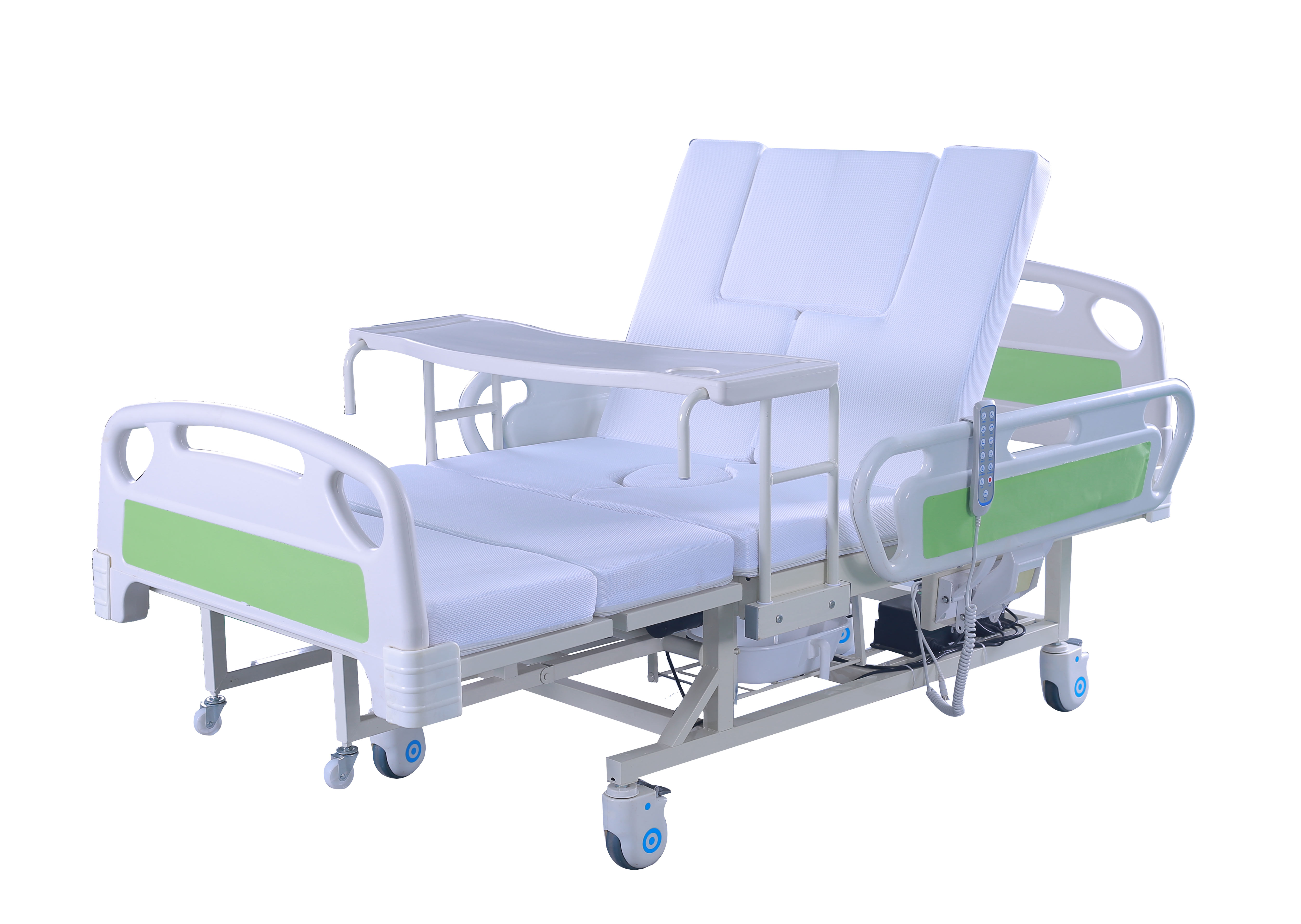
Illustration of the precision manufacturing for semi beds components.
Technical Specifications and Parameters
Understanding the technical parameters of semi beds is crucial for procurement specialists and healthcare providers. These specifications dictate a bed's suitability for specific patient populations and clinical environments.
Key Product Specifications: Multi-functional Nursing Adjustable Hospital Beds for Seniors
These specifications ensure that the bed can accommodate a wide range of patients, offer versatile positioning for various medical procedures, and withstand the demanding environment of daily clinical use. The inclusion of precise adjustment ranges for backrest and leg sections directly addresses patient comfort and therapeutic needs, while the robust Safe Working Load (SWL) guarantees patient and caregiver safety during transfers and repositioning. The choice of materials and motor systems directly impacts the bed's longevity and reliability, essential for medical equipment.
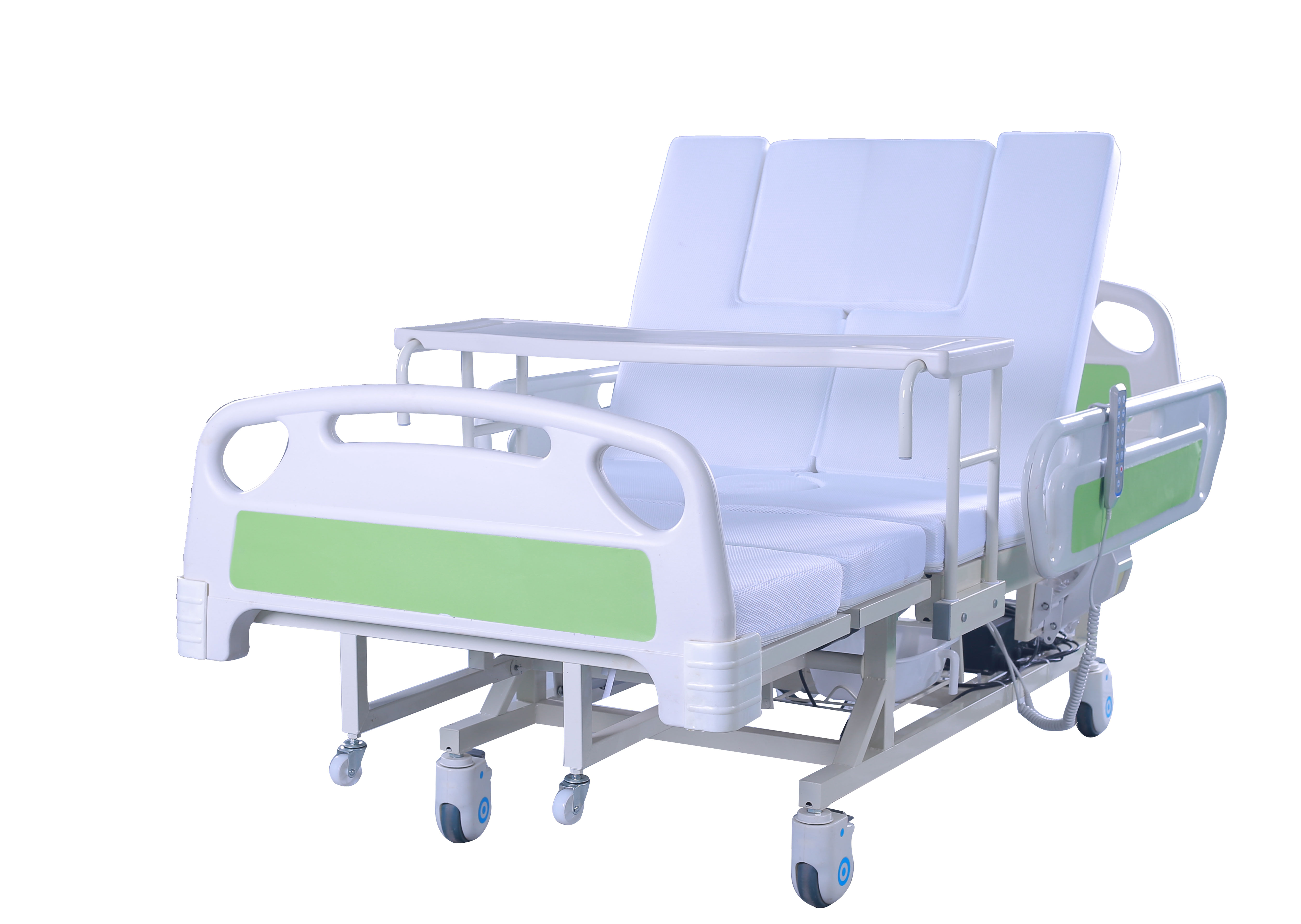
Detailed view of the functional components of an adjustable semi bed.
Application Scenarios and Key Advantages
The versatility of modern semi beds makes them indispensable across a spectrum of healthcare applications, each benefiting from their advanced features.
Diverse Application Scenarios:
- Acute Care Hospitals: Used in general wards, medical-surgical units, and intensive care units (ICUs) for patients requiring frequent repositioning, respiratory support, or post-operative recovery. The ability to achieve positions like Trendelenburg or Reverse Trendelenburg is critical for specific medical interventions.
- Long-Term Care Facilities & Nursing Homes: Essential for residents with limited mobility or chronic conditions, promoting comfort, dignity, and independence. The adjustable height facilitates safer transfers for both residents and caregivers, reducing fall risks.
- Home Healthcare: Increasingly adopted for patients recovering from surgery, managing chronic illnesses, or requiring palliative care at home. These beds simplify daily routines and provide a higher standard of care in a familiar environment.
- Specialty Clinics: While distinct from a specialized exam bed or gyn bed, certain multi-functional semi beds can offer suitable positioning for minor procedures or examinations, providing flexibility.
Core Advantages for Patients and Caregivers:
- Enhanced Patient Safety and Comfort: Electric adjustments minimize manual handling, reducing the risk of injuries to both patients and staff. Features like articulated backrests and leg rests prevent sliding and pressure build-up, significantly reducing the incidence of pressure ulcers, especially when paired with a high-quality bed mattress.
- Improved Caregiver Ergonomics: Adjustable height allows caregivers to work at an optimal level, reducing strain during patient care tasks such as bathing, dressing, or administering medication. This directly contributes to a safer working environment and reduces occupational injuries.
- Facilitated Patient Mobility and Independence: The ability to easily adjust the bed to a sitting position (e.g., cardiac chair) or a lower height encourages patients to sit up, self-transfer, and engage in activities, promoting earlier recovery and greater autonomy.
- Advanced Infection Control: Smooth, non-porous surfaces and antimicrobial materials used in many modern designs make cleaning and disinfection more efficient, crucial in preventing the spread of pathogens in healthcare settings.
- Operational Efficiency: Automated features reduce the time caregivers spend on manual adjustments, allowing them to focus more on direct patient interaction and other critical tasks. Integrated controls are intuitive and require minimal training.
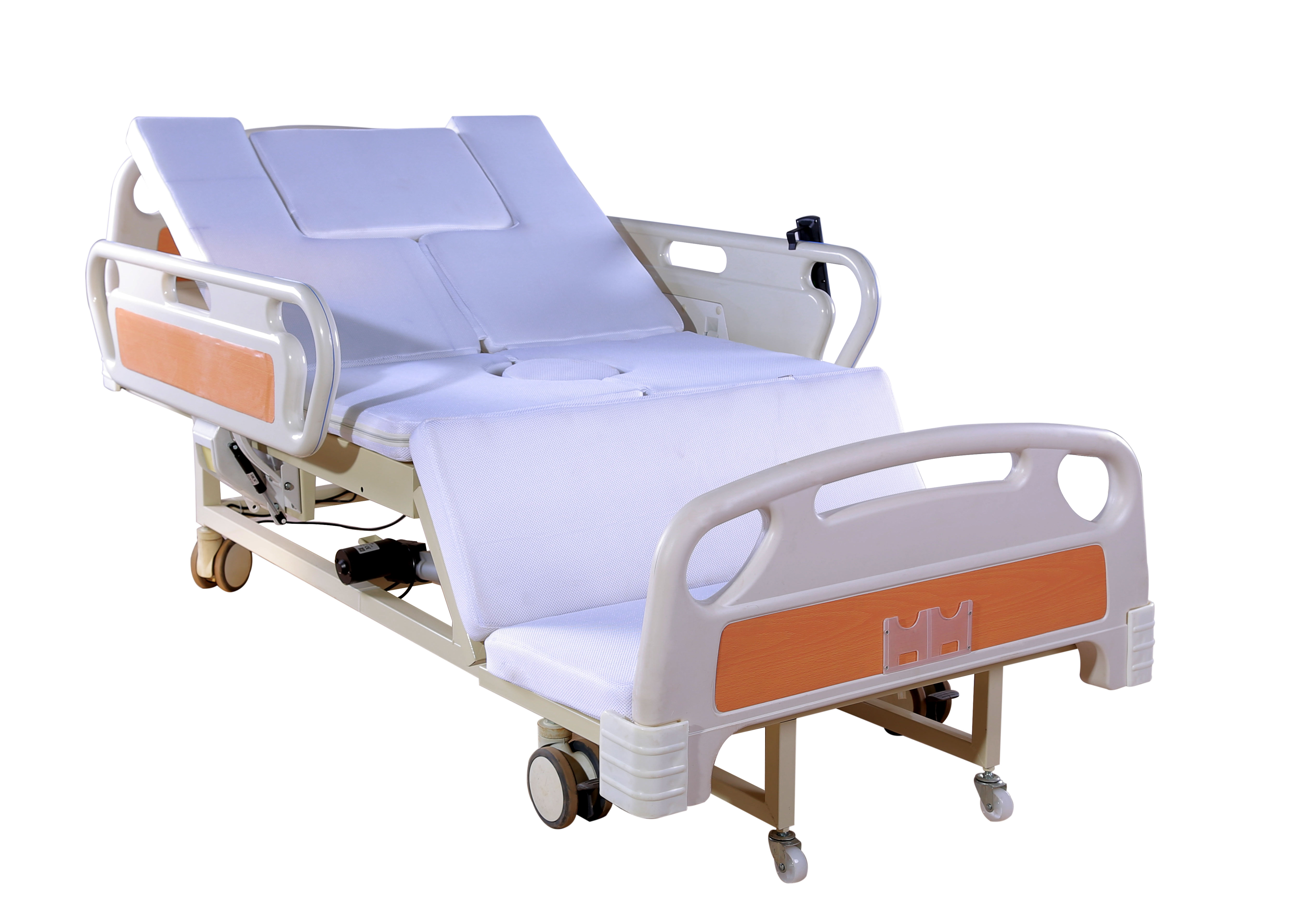
A semi bed in a home care setting demonstrating ease of use and accessibility.
Technical Advantages and Innovative Features
Beyond basic adjustments, contemporary semi beds incorporate a suite of technical innovations designed to optimize patient care and streamline workflow.
- Advanced Actuator Systems: Modern electric beds utilize multiple, silent, and powerful linear actuators (typically 3-5 per bed) to control individual sections (backrest, leg rest, height, Trendelenburg). These systems offer precise, smooth movements with soft-start/stop functions, minimizing patient disturbance. They are designed for high duty cycles and long-term reliability.
- Integrated Control Panels: Intuitive handheld remotes empower patients with limited mobility to adjust their own position, fostering independence. Nurse control panels, often located at the foot of the bed, provide full control, lockout functions to prevent accidental patient adjustments, and sometimes one-touch "CPR release" or "cardiac chair" buttons for rapid positioning.
- Central Braking System: High-quality casters with a central braking system (single pedal for all wheels) enhance safety during transfers and stabilize the bed, preventing accidental movement. Directional lock features further aid in maneuvering the bed in tight spaces.
- Patient Exit Alarms & Fall Prevention: Integrated bed exit alarms use pressure sensors to alert staff when a patient attempts to leave the bed, significantly reducing fall risks, especially for high-risk individuals.
- Built-in Scales: Some advanced models incorporate precise weighing scales, allowing for accurate monitoring of patient weight without requiring transfers, which is crucial for conditions like congestive heart failure or renal failure.
- Battery Backup Systems: Ensures continued functionality of electric adjustments during power outages or when the bed needs to be moved away from a power source.
- Modular Design for Accessories: Universal attachment points allow for easy integration of essential accessories like IV poles, drainage bag hooks, oxygen tank holders, and overbed tables, enhancing the bed's utility.
These technical advantages translate into superior patient outcomes, improved caregiver workflow, and greater operational resilience for healthcare facilities. They embody the commitment to leveraging technology for better patient care.
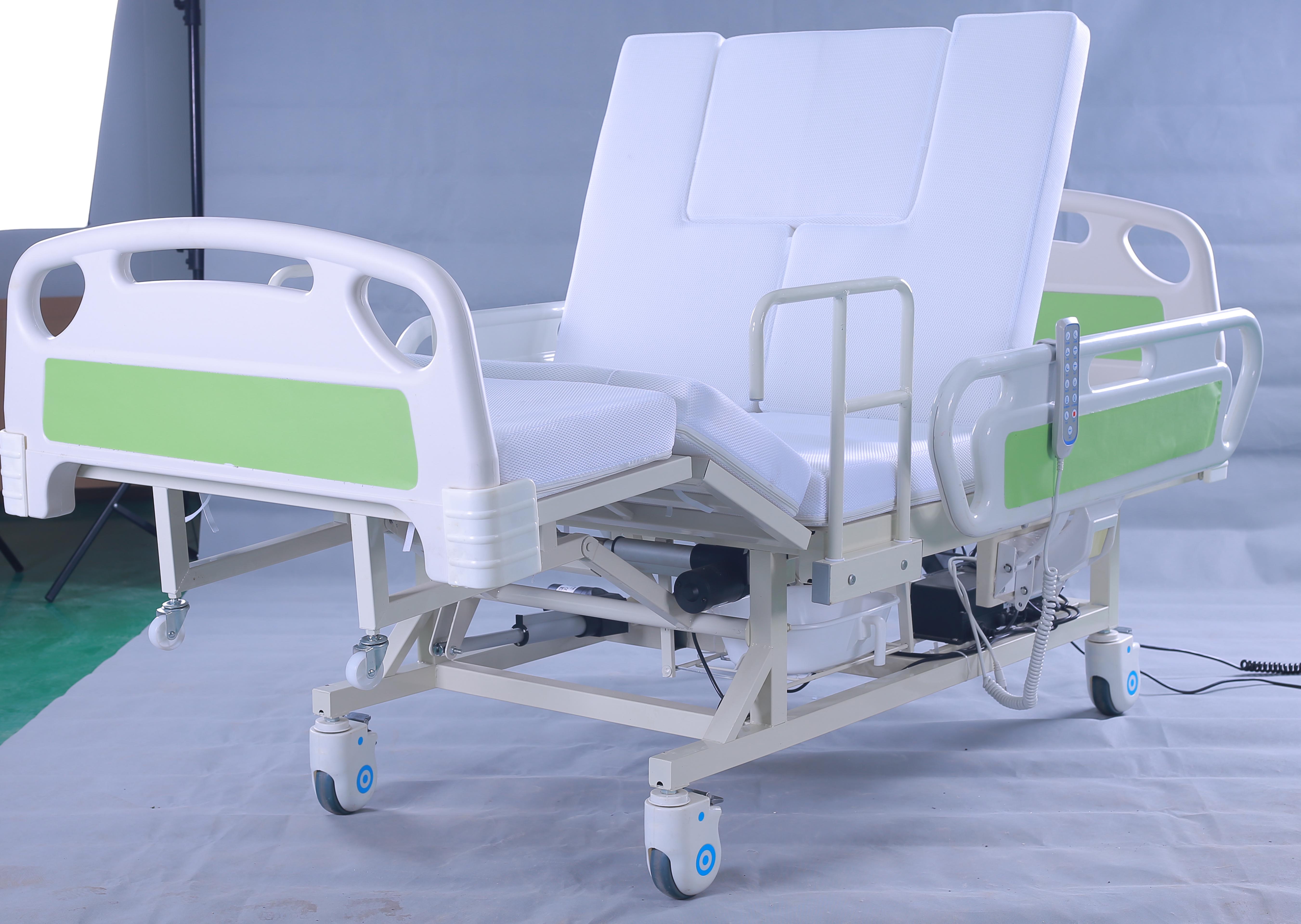
Close-up of integrated patient control panel on a multi-functional semi bed.
Vendor Comparison and Selection Criteria
Choosing the right vendor for semi beds is a strategic decision that impacts patient care, operational costs, and long-term facility performance. Beyond initial purchase price, several critical factors must be evaluated.
Key Vendor Evaluation Criteria:
- Quality Certifications: Ensure the vendor adheres to international quality standards for medical devices (e.g., ISO 13485). Certifications like FDA approval, CE marking, and specific national accreditations are non-negotiable for product safety and efficacy.
- R&D Capabilities and Innovation: A strong R&D pipeline indicates a commitment to continuous improvement and addressing evolving clinical needs. Look for vendors actively integrating new technologies like IoT, AI, or advanced materials.
- Product Range and Customization: A comprehensive product portfolio allows for a tailored solution across different departments. The ability to customize dimensions, materials, or integrate specific accessories is a significant advantage.
- After-Sales Support & Service Network: Robust warranty programs, readily available spare parts, and a responsive technical support team are crucial for minimizing downtime and extending product life.
- Reputation and Experience: Years of service in the industry and positive testimonials from partner clients (e.g., major hospital networks, government healthcare initiatives) validate a vendor's reliability and expertise.
Comparative Analysis of Semi Beds (Illustrative)
Boxin's Multi-functional Nursing Adjustable Hospital Beds for Seniors represents a balanced solution, offering advanced features and robust construction with compliance to critical medical device standards. With significant years of operation and a commitment to quality, we focus on delivering reliable and ergonomic solutions that meet stringent clinical demands.
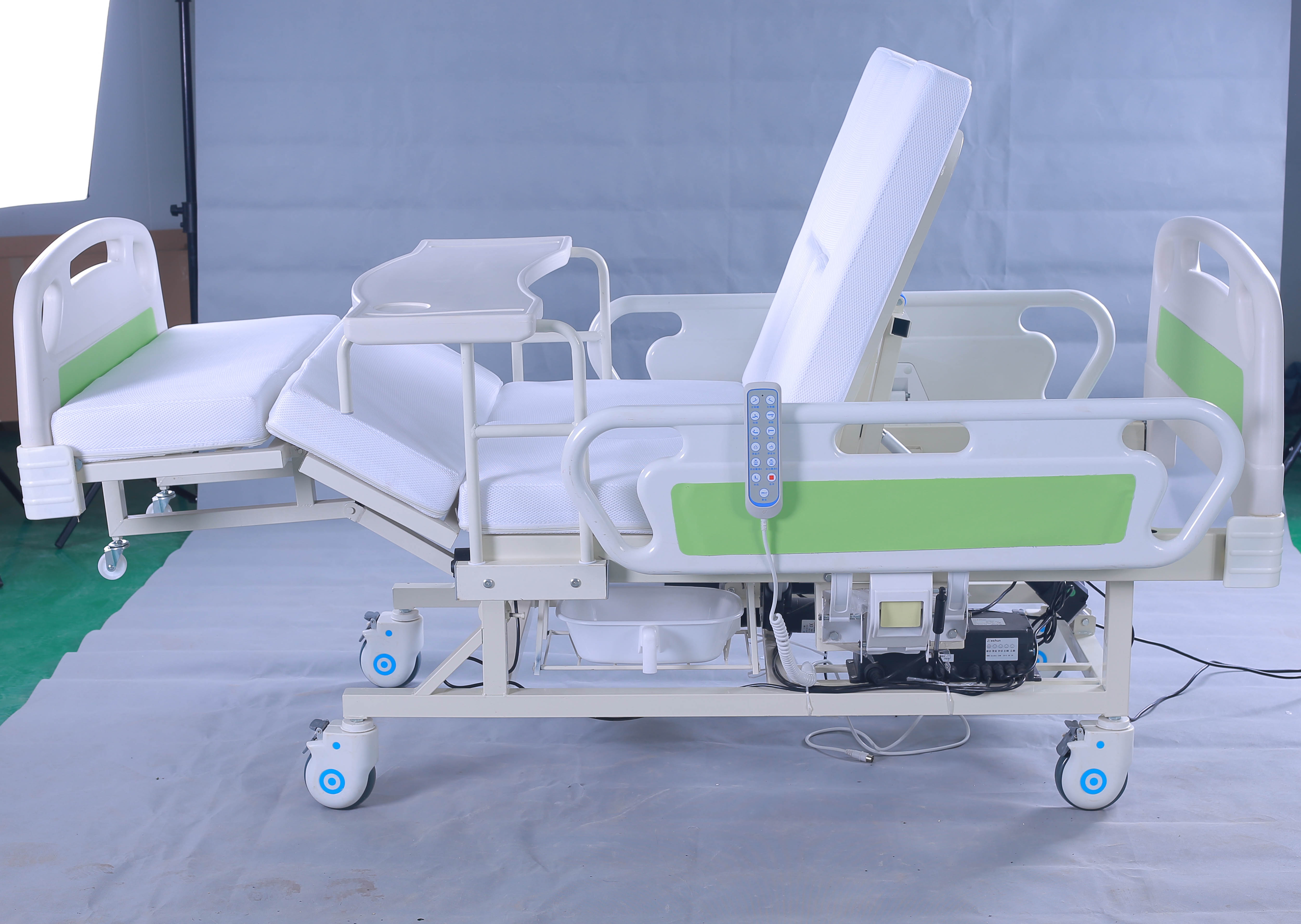
Illustrating the diverse range of available semi beds features.
Customized Solutions and Seamless Integration
Recognizing that every healthcare facility has unique requirements, manufacturers of semi beds offer a range of customization options and ensure seamless integration into existing infrastructure.
Tailored Bed Configurations:
- Dimension Adjustments: Custom lengths and widths to fit specific room layouts or accommodate bariatric patients.
- Material Choices: Options for bed platform materials (e.g., X-ray translucent panels), side rail designs (split, full-length, integrated controls), and head/footboard aesthetics to match facility decor.
- Accessory Integration: Pre-installed or easily attachable accessories such as IV poles, overbed tables, traction frames, and specialized pressure-relieving mattresses, tailored to clinical needs.
- Control System Customization: Programming of specific "one-touch" positions, lockout features, or integration with nurse call systems.
- Power and Plug Configurations: Compatibility with local electrical standards and plug types globally.
Beyond physical customization, vendors often provide expert consultation to assess facility needs, optimize bed placement, and ensure compatibility with other medical equipment. This holistic approach ensures that the investment in new care bed solutions delivers maximum value and operational efficiency from day one.
Application Case Studies: Enhancing Patient Care
Case Study 1: Geriatric Ward Modernization in "Evergreen Retirement Community"
Challenge: Evergreen Retirement Community sought to upgrade its geriatric ward with beds that offered enhanced safety features, improved comfort for elderly residents, and reduced physical strain on nursing staff. Their existing beds were manual and lacked modern fall prevention capabilities.
Solution: Evergreen implemented 50 units of Multi-functional Nursing Adjustable Hospital Beds for Seniors. These beds featured electric height adjustment, one-button cardiac chair positioning, integrated bed exit alarms, and robust side rails.
Results:
- Fall Reduction: A 35% decrease in patient falls within the first six months, attributed to the bed exit alarms and easier, lower bed height adjustments.
- Caregiver Injury Reduction: Reports of back strain and musculoskeletal injuries among nursing staff decreased by 25%, due to reduced manual lifting and improved ergonomic working heights.
- Resident Satisfaction: Increased resident comfort and independence, with many able to adjust their own positions and safely transfer out of bed, leading to higher satisfaction scores.
"The new semi beds have transformed our geriatric ward. Our residents are safer and more comfortable, and our staff are reporting significantly less strain. It's a win-win for everyone," commented Sarah Chen, Director of Nursing at Evergreen Retirement Community.
Case Study 2: Post-Surgical Recovery Unit at "Central Metropolitan Hospital"
Challenge: Central Metropolitan Hospital's post-surgical recovery unit required beds that could facilitate early mobilization, manage pain effectively through repositioning, and support rapid response to patient needs. Their existing stock was aging and lacked advanced electronic functionalities.
Solution: The hospital procured 75 advanced clinical bed units, prioritizing models with Trendelenburg/Reverse Trendelenburg capabilities, integrated handheld and nurse controls, and highly responsive actuator systems.
Results:
- Faster Mobilization: The beds' easy-to-use controls and various positioning options (including cardiac chair) allowed patients to sit up and begin mobilization exercises earlier, contributing to faster recovery times.
- Improved Pain Management: Nurses could quickly adjust bed sections to alleviate pressure points and enhance patient comfort, leading to a reported 15% reduction in PRN (as-needed) pain medication requests.
- Operational Efficiency: The rapid CPR release function and intuitive controls streamlined emergency responses, ensuring critical interventions could be performed without delay.
"The new beds have significantly improved our unit's efficiency and, more importantly, enhanced our patients' recovery experience. The ease of adjustment and safety features are invaluable," stated Dr. David Lee, Head of Post-Surgical Care.
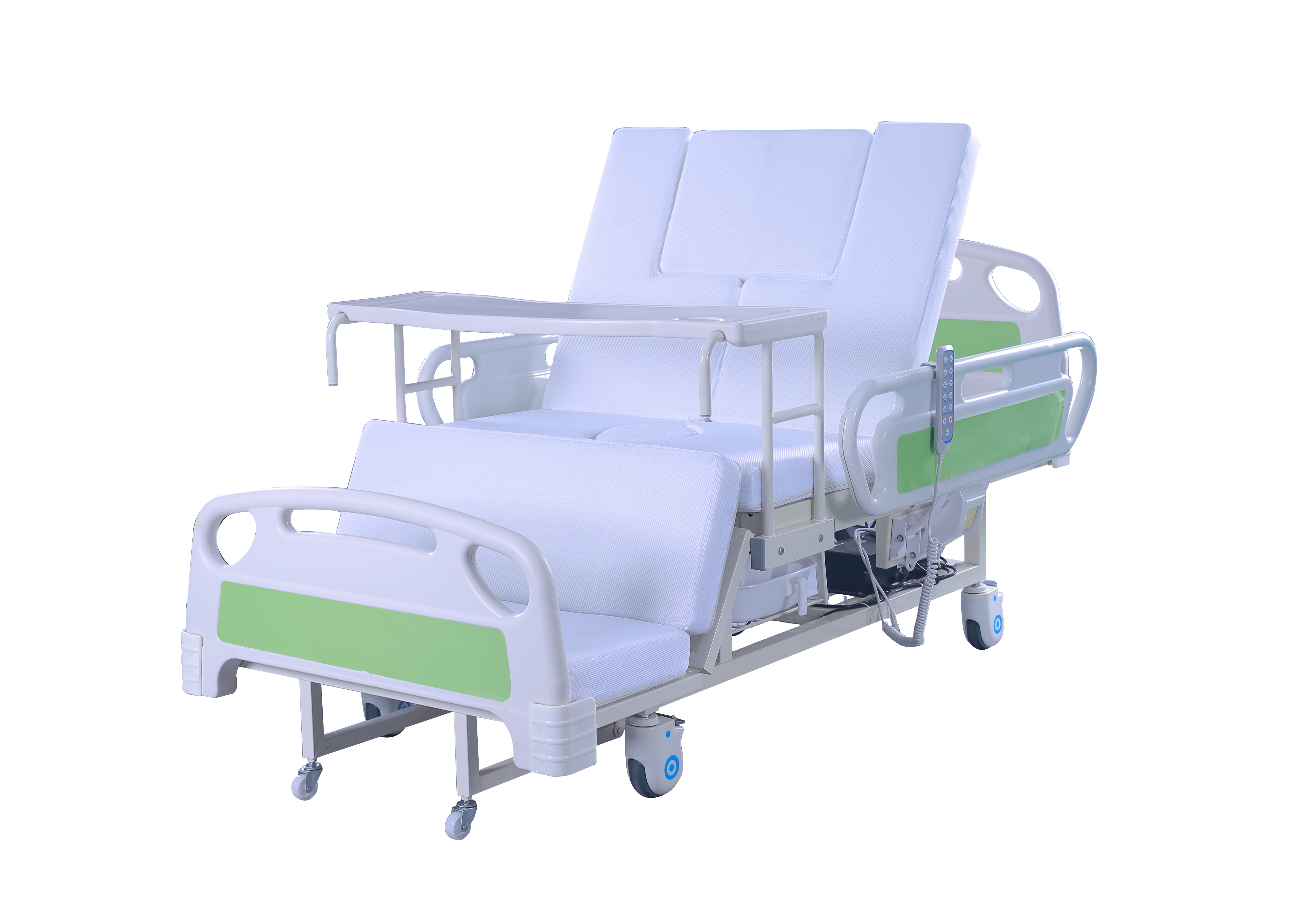
A high-quality semi bed in active use within a medical facility.
Trustworthiness Module: FAQs, Lead Time, Warranty & Support
Frequently Asked Questions (FAQs):
- Q: Are these beds suitable for bariatric patients?
A: Our standard Multi-functional Nursing Adjustable Hospital Beds are rated for a Safe Working Load of 250 kg. We also offer specialized bariatric models with higher weight capacities and wider dimensions upon request. - Q: How do your beds ensure infection control?
A: Our beds feature smooth, easy-to-clean ABS plastic surfaces and powder-coated steel frames that resist pathogens. Many components are designed for quick removal and disinfection. - Q: Can the beds be manually operated during a power outage?
A: Yes, our electric beds typically include a battery backup system to ensure full functionality during power interruptions. Additionally, a manual CPR release lever is standard for critical situations. - Q: What types of mattresses are compatible with your semi beds?
A: Our beds are designed to be compatible with standard medical mattresses (typically 2000x900mm). We can also recommend or supply a range of pressure-reducing, alternating air, or foam mattresses that perfectly fit our bed platforms.
Lead Time and Fulfillment:
Standard lead time for our Multi-functional Nursing Adjustable Hospital Beds is typically 4-6 weeks from order confirmation, depending on quantity and customization requirements. For urgent orders or large-scale projects, please contact our sales team to discuss expedited manufacturing and logistics solutions. We maintain a stock of critical components to facilitate efficient production.
Warranty Commitments:
We stand behind the quality and durability of our products. All Boxin semi beds come with a standard 2-year warranty on mechanical and electrical components, and a 5-year warranty on the main frame structure, covering defects in materials and workmanship under normal use and service. Extended warranty options are available upon request.
Customer Support and After-Sales Service:
Our commitment extends beyond the sale. We offer comprehensive after-sales support including technical assistance, spare parts availability, and maintenance guides. Our dedicated customer service team is available to address any inquiries or support needs, ensuring optimal performance and longevity of your investment. Please contact us via phone, email, or through our website for prompt assistance.
Conclusion
The modern semi beds, exemplified by advanced multi-functional nursing beds, represent a cornerstone of contemporary healthcare. They are meticulously engineered to meet the complex demands of patient care, balancing advanced functionality with user-friendliness and durability. As healthcare continues to evolve, the integration of smart technologies, ergonomic design, and robust manufacturing processes will further solidify the role of these essential medical devices in improving patient outcomes, safeguarding caregivers, and optimizing the efficiency of healthcare operations. Investing in high-quality, compliant semi beds is not merely a procurement decision but a strategic commitment to delivering excellence in patient care.
References
- International Organization for Standardization. ISO 13485:2016 Medical devices — Quality management systems — Requirements for regulatory purposes.
- International Electrotechnical Commission. IEC 60601-1: Medical electrical equipment — Part 1: General requirements for basic safety and essential performance.
- World Health Organization. Global health and aging: Demographic trends and implications for health systems.
- Agency for Healthcare Research and Quality. Patient Safety Indicators.
- Occupational Safety and Health Administration. Guidelines for Nursing Homes: Ergonomics for the Prevention of Musculoskeletal Disorders.
-
Ultimate Guide to Choosing Extra Wide Waiting Room ChairsNewsApr.16,2026
-
Guide to Choosing Professional Waiting Room Chairs Wipeable SeatingNewsApr.09,2026
-
Enhance Your Space with Comfortable Wide Waiting Room ChairsNewsApr.07,2026
-
Selecting the Ideal Brown Waiting Room Chairs for a Welcoming SpaceNewsApr.04,2026
-
Choosing Comfortable Patient Waiting Room Chairs for Healthcare FacilitiesNewsMar.31,2026
-
Finding the Best Deals on Affordable and Cheap Reception Chairs for Your BusinessNewsMar.28,2026
-
Enhance Your Business Reception with Comfortable Blue Reception ChairsNewsMar.26,2026