Welcome to our websites!


Patient Room Sofa Bed: Comfort, Efficiency, and Care in One
Why Patient Room Sofa Beds Matter Across Healthcare Settings
Patient room sofa beds might sound like a niche product, but they play a surprisingly vital role in healthcare environments worldwide. At first glance, it’s just furniture — yet these sofa beds solve logistical challenges — offering comfort, multipurpose utility, and space-saving solutions in hospitals and care centers. With the global population aging and healthcare infrastructures under pressure, understanding the benefits and applications of patient room sofa beds is more relevant than ever.
In fact, according to the World Health Organization (WHO), hospital occupancy rates are straining facilities, making efficient room use a top priority. Patient room sofa beds provide a flexible solution allowing family members or caregivers to stay close by without needing extra beds or space — crucial for patient comfort and recovery. Plus, they save institutions money and add human dignity to patient rooms.
Setting the Scene: Why This Matters Globally
Hospitals and clinics serve billions annually — the UN estimates that by 2050, 1 in 6 people will be over 65 years old globally. Many of these seniors require long-term care or frequent hospital visits, placing unprecedented demand on patient rooms. The International Organization for Standardization (ISO) also notes healthcare equipment must meet specific safety and ergonomic guidelines.
For families or visitors staying overnight in these limited spaces, the patient room sofa bed becomes a quiet hero — a place to rest without compromising room function or cleanliness. The challenges patient room sofa beds address include:
- Space limitations in patient rooms
- Need for comfortable sleeping arrangements for caregivers
- Flexibility to convert between seating and sleeping modes
- Compliance with hygiene and safety standards
Mini takeaway: As hospitals worldwide grow busier, the practical patient room sofa bed helps families stay close with their loved ones, supporting recovery and reducing stress.
Patient Room Sofa Bed: What Exactly Is It?
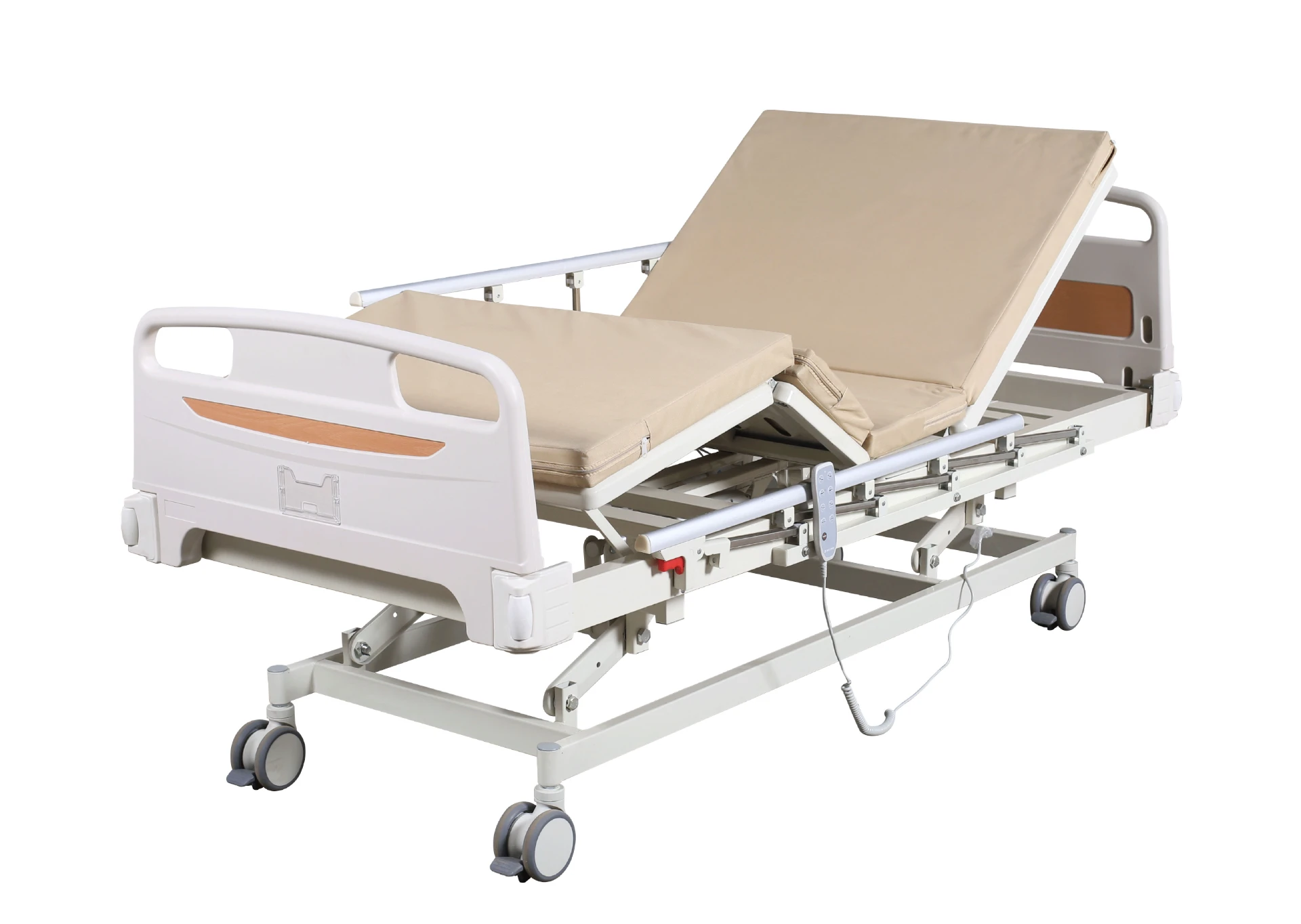
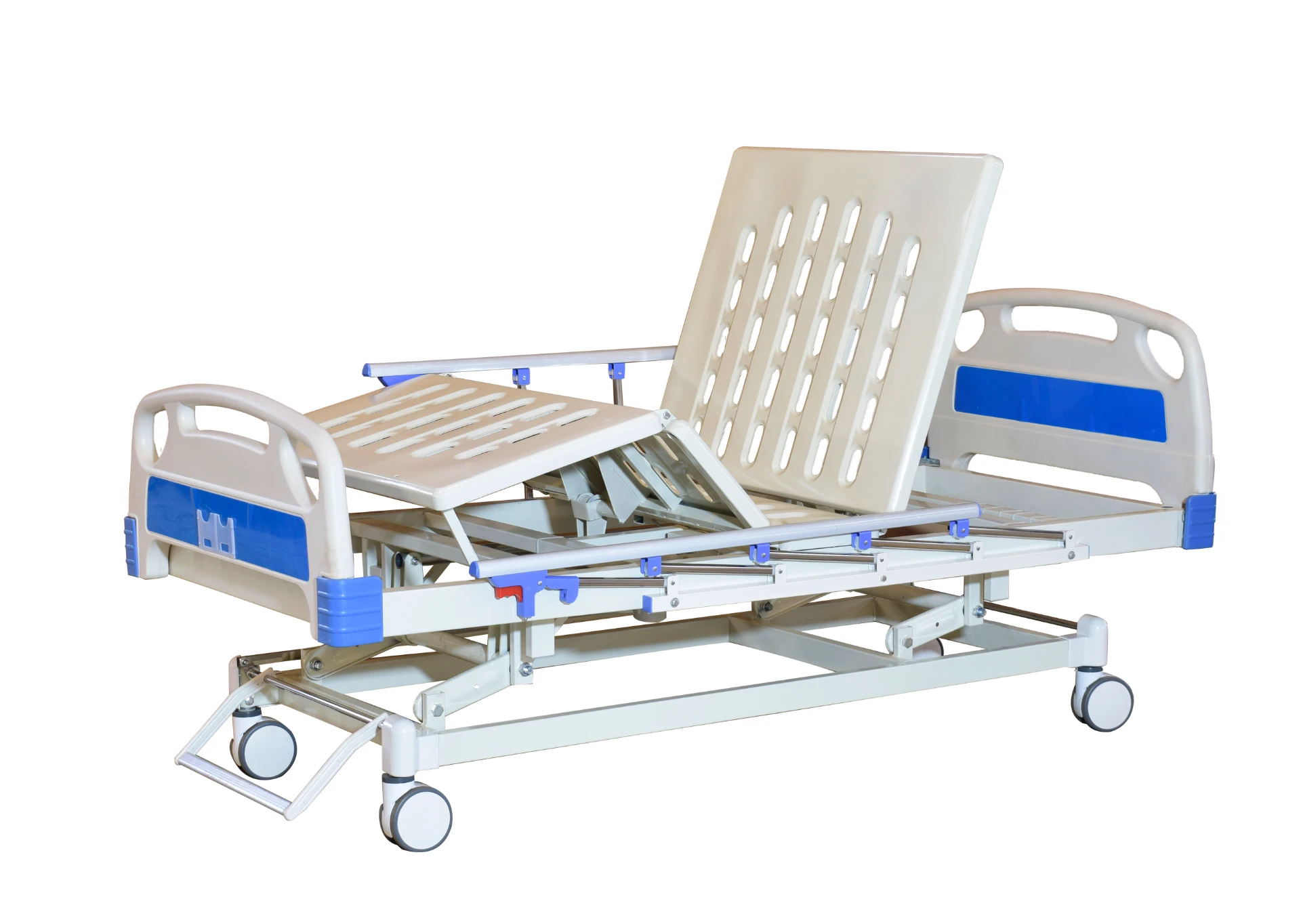
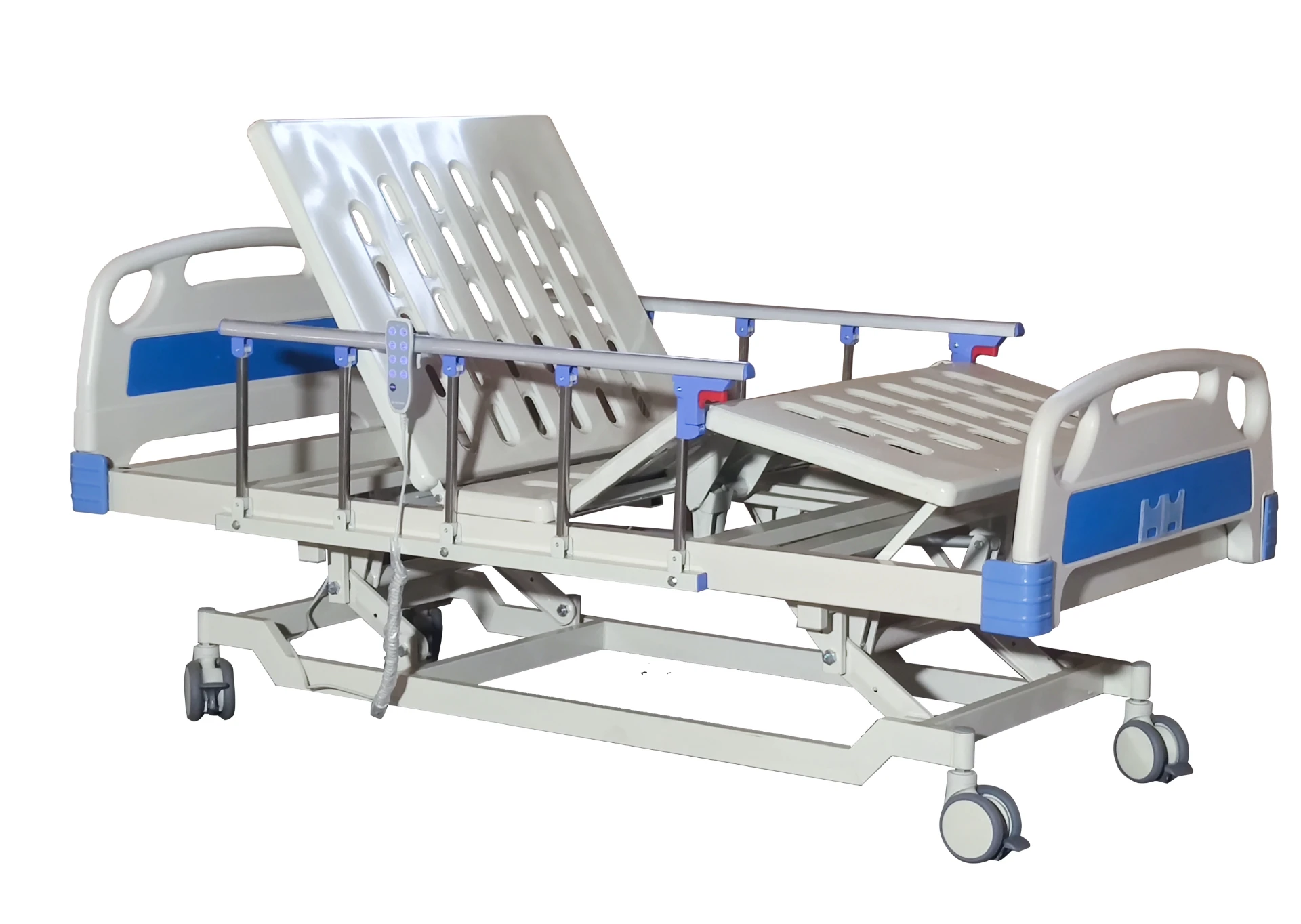
Simply put, a patient room sofa bed is furniture designed for healthcare settings that doubles as both a comfortable sofa and a bed. It's distinct from a typical home sofa bed because it meets stringent requirements for hygiene, durability, and ease of cleaning, often featuring antimicrobial fabrics and smooth, non-porous surfaces to prevent bacterial growth.
In real terms, a patient room sofa bed is the kind of seat you see in hospitals, rehabilitation centers, or hospices that folds out or converts into a sleeping surface for guests who need to stay indefinitely or overnight. It merges functionality with the need for comfort, flexibility, and health safety — making it indispensable in modern medical care.
Core Components and Key Factors
1. Durability and Materials
These sofa beds are built to withstand heavy daily use, and cleaning with hospital-grade disinfectants won’t degrade them quickly. Materials like medical-grade vinyl, antimicrobial textiles, and powder-coated steel frames typically make the cut.
2. Space Efficiency
Their designs allow easy transformation from sofa to bed in moments, minimizing the footprint in tight patient rooms. Scaling a room for multiple uses often depends on such smart, collapsible furniture.
3. Comfort & Ergonomics
Comfort for both sitting and sleeping is no afterthought. Cushions meet medical comfort standards to support restless patients and visitors, balancing softness with proper support.
4. Hygiene & Maintenance
Healthcare standards mean these sofa beds are made for frequent disinfection with no discomfort from lingering odors or stains. Slipcovers may be water-repellent and antimicrobial.
5. Safety Features
Rounded edges, fire-retardant fabrics, and lockable mechanisms ensure patient and guest safety without fuss.
Typical Product Specifications
| Feature | Specification |
|---|---|
| Dimensions (closed) | 80” L x 34” W x 33” H |
| Dimensions (bed open) | 80” L x 57” W x 15” H (sleeping surface) |
| Fabric | Anti-microbial vinyl, waterproof, wipeable |
| Weight Capacity | Up to 300 lbs (136kg) |
| Frame | Powder-coated steel |
| Additional Features | Locking wheels, fold-flat mechanism, removable cushion covers |
How Patient Room Sofa Beds Are Used Around the World
From bustling urban hospitals in Europe and North America to remote clinics in Southeast Asia, patient room sofa beds help keep families close and reduce healthcare facility costs. Take Japan, for instance — with one of the world’s oldest populations, home healthcare units emphasize multi-functional furniture, enabling extended caregiver presence.
In post-disaster recovery — say after hurricanes or earthquakes in the Caribbean — temporary clinics often deploy mobile patient room sofa beds to maximize space where room sizes and budgets are limited. Non-governmental organizations also use these sofa beds in refugee camps or emergency shelters, where visitors or relatives must stay close without overcrowding patient spaces.
Oddly enough, in industries like offshore oil rigs or mining camps, similar sofa beds appear in the small medical stations. Space is always a premium, and healthcare isn’t something to scrimp on.
Vendor Comparison of Top Patient Room Sofa Beds
| Vendor | Material Quality | Safety Features | Price Range | Lead Time |
|---|---|---|---|---|
| MedFurnish | High-grade antimicrobial vinyl | Fire retardant, locking wheels | $900–$1,200 | 4–6 weeks |
| CareComfort | Waterproof eco leather | Rounded edges, safety locks | $1,000–$1,300 | 3–5 weeks |
| HospitalPro | Medical-grade coated fabric | Fire retardant, removable cushions | $850–$1,100 | 5–7 weeks |
The Advantages and Long-Term Value of Patient Room Sofa Beds
Let me be frank: hospitals aren’t exactly the places where you’d expect furniture to get much praise. Yet patient room sofa beds consistently surprise with their mix of practicality and compassion.
First, the obvious — cost efficiency. A single unit replaces separate seating and beds, saving floor space and reducing expenses for additional furniture. Then there’s sustainability: many vendors now prioritize materials with lower environmental impact and greater longevity.
Emotionally, having a bedside presence can significantly boost patient morale and recovery speeds. Trust me, patients feel safer when family members can rest comfortably nearby overnight, without the stress of “where to sleep.” This dignity in healthcare settings is often overlooked but deeply important.
What’s Next? Innovations and Trends on the Horizon
The future is quite exciting. Some manufacturers embed IoT sensors in sofa beds to monitor usage, hygiene cycles, and wear — helping hospital staff maintain cleanliness standards more effectively. Others experiment with recyclable or bio-based fabrics, cutting medical waste.
Digital integration also means future patient room sofa beds might link with hospital room controls, adjusting ambient lighting or temperature for optimal guest comfort. If that sounds futuristic — well, many hospitals already have smart beds. Sofa beds should be next.
Common Challenges and Smart Solutions
Despite their benefits, patient room sofa beds face legitimate hurdles. Sometimes durability suffers with lower-end materials, or conversions can be cumbersome for staff under pressure. There’s also the challenge of tailoring sizes to uneven room dimensions.
Some designers counter these issues with modular components and quick-release parts for easy maintenance. User-friendly mechanical levers reduce setup time, while customizable sizes accommodate various patient room layouts.
FAQ: Quick Answers for Patient Room Sofa Bed Concerns
- 1. Are patient room sofa beds easy to clean and maintain in healthcare settings?
- Yes, high-quality patient room sofa beds feature antimicrobial, waterproof fabrics and materials that withstand frequent cleaning with hospital-grade disinfectants, maintaining hygiene without wear.
- 2. How comfortable are patient room sofa beds for overnight guests?
- They balance firm support with cushioning designed for sleeping, meeting healthcare comfort standards. While not luxury mattresses, they offer significantly better rest than basic fold-out options.
- 3. Can these sofa beds fit in small or irregularly-shaped patient rooms?
- Many models come in compact, modular designs suitable for tight spaces. It’s crucial to measure room layouts before purchase to ensure proper fit.
- 4. How long do patient room sofa beds typically last under normal hospital use?
- With appropriate care, quality models last 7–10 years, thanks to durable frames and materials designed to resist wear from heavy use and cleaning.
- 5. Is it possible to customize the fabric or color of these sofa beds to match hospital interiors?
- Yes, many vendors offer customization options including color, fabric type, and additional features to blend sofa beds seamlessly into healthcare environments.
Wrapping Up: A Worthy Investment for Healthcare Comfort
In the end, patient room sofa beds are more than just space-saving furniture. They’re a quiet part of a compassionate care atmosphere, marrying function with patient-family dignity. For any healthcare facility aiming to optimize space and improve the patient experience, these sofa beds are a smart, practical choice.
If you want to explore a range of options and learn more, visit patient room sofa bed solutions tailored to your needs.
Mini takeaway: A good patient room sofa bed supports comfort, safety, and cost savings — but also improves the healing environment by keeping loved ones close.
References
-
Ultimate Guide to Choosing Extra Wide Waiting Room ChairsNewsApr.16,2026
-
Guide to Choosing Professional Waiting Room Chairs Wipeable SeatingNewsApr.09,2026
-
Enhance Your Space with Comfortable Wide Waiting Room ChairsNewsApr.07,2026
-
Selecting the Ideal Brown Waiting Room Chairs for a Welcoming SpaceNewsApr.04,2026
-
Choosing Comfortable Patient Waiting Room Chairs for Healthcare FacilitiesNewsMar.31,2026
-
Finding the Best Deals on Affordable and Cheap Reception Chairs for Your BusinessNewsMar.28,2026
-
Enhance Your Business Reception with Comfortable Blue Reception ChairsNewsMar.26,2026