Welcome to our websites!


Nov . 26, 2025 19:10
Back to list
Patient Folding Bed Price – Balancing Quality and Cost for Healthcare Needs
Understanding Patient Folding Bed Price: Why It Matters Now More Than Ever
If you’ve ever been involved in healthcare, emergency response, or even managed a hospital supply chain—then you know how crucial patient folding beds are. But what about their price? Yes, the "patient folding bed price" isn’t just about numbers; it’s a critical factor influencing accessibility, quality care, and overall health infrastructure globally. Frankly, folding beds designed to be portable and easy to store have become a frontline asset, especially when swift deployment matters—whether that’s during disasters or in remote medical camps. Globally, the demand for affordable yet reliable patient folding beds is rising with shifting healthcare landscapes and humanitarian needs. Understanding the price dynamics bridges the gap between quality and cost efficiency, which is essential for medical facilities on tight budgets, NGOs, and even private institutions. So, hang tight; we're about to unravel why those price tags say more than just dollars.Introduction: The “Why” Behind Patient Folding Bed Price on a Global Scale
Globally, the healthcare sector is pushing for nimble, scalable solutions. According to the World Bank, over 2 billion people lack access to essential health services, and one big bottleneck is equipment that can’t adapt quickly to changing patient volumes or locations. Now, when a sudden health crisis hits—think pandemics or natural disasters—hospitals need beds that can be deployed in minutes. Enter patient folding beds. ISO standards for medical furniture emphasize safety, stability, and hygiene, but these add layers of cost. So, the patient folding bed price acts as this fine balancing act between regulation-compliant design and accessibility. For example, in regions with frequent emergencies, like Southeast Asia or parts of Africa, cost-effective patient folding beds literally save lives by allowing rapid setup of temporary wards.What Exactly is Patient Folding Bed Price?
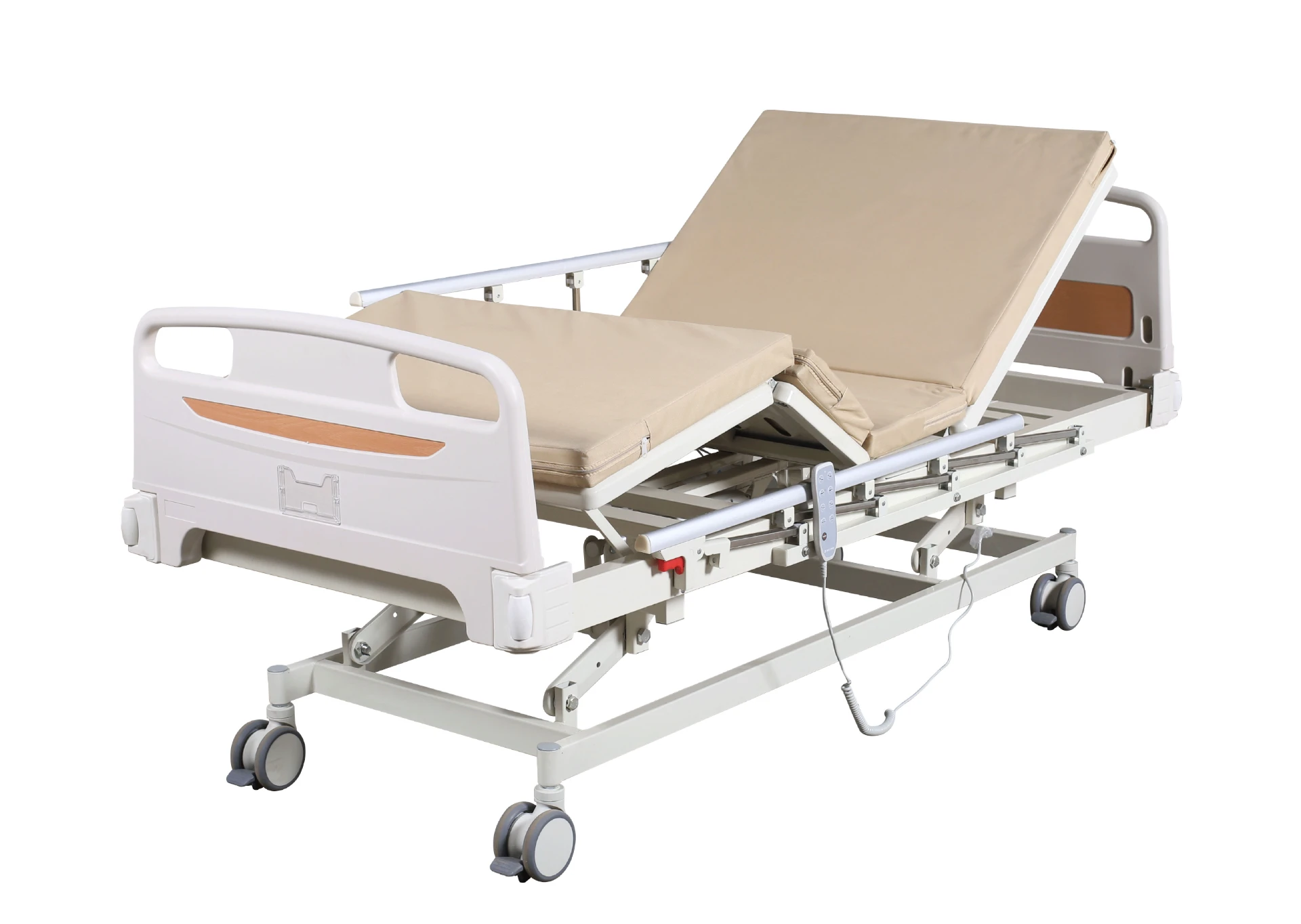
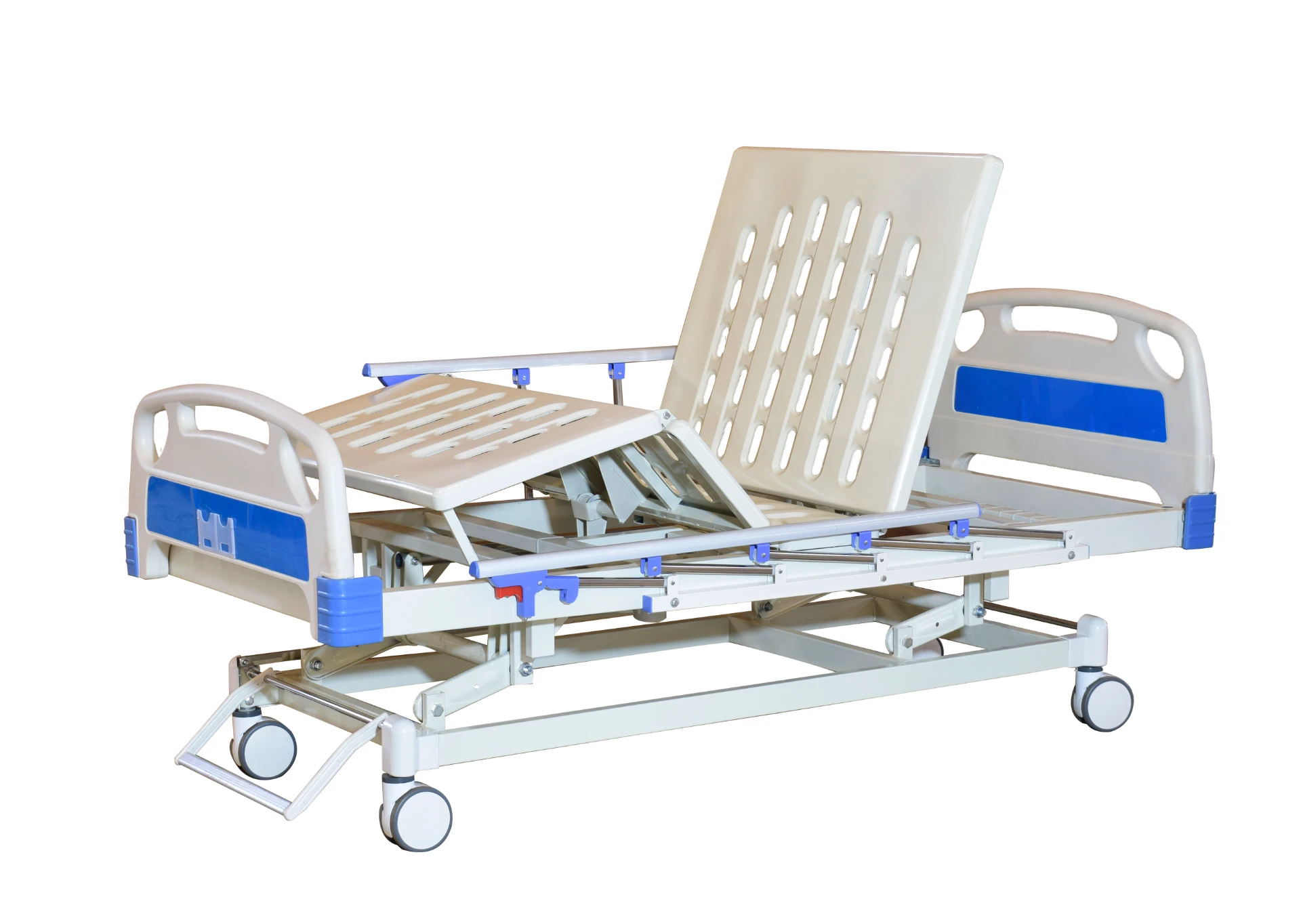
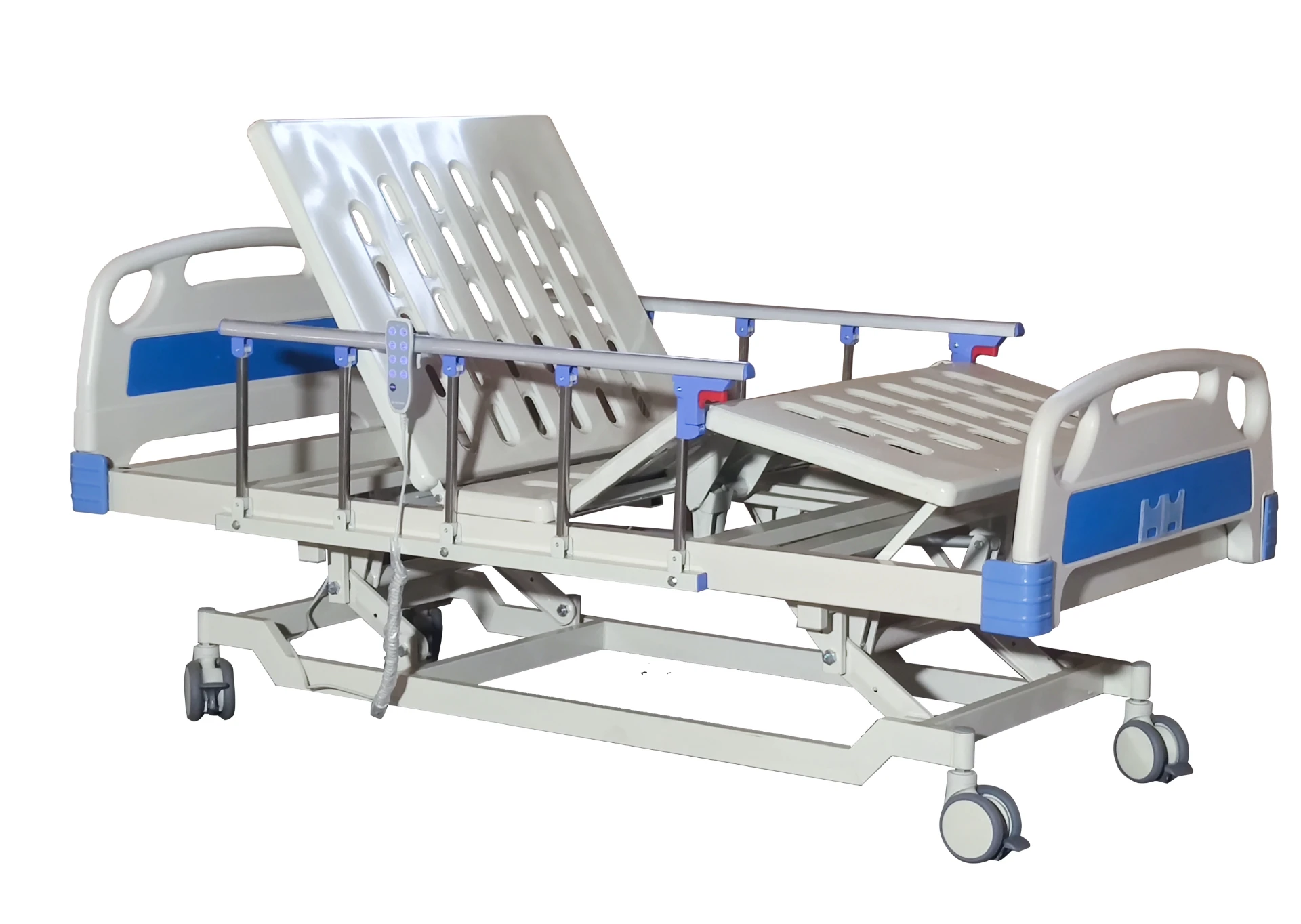
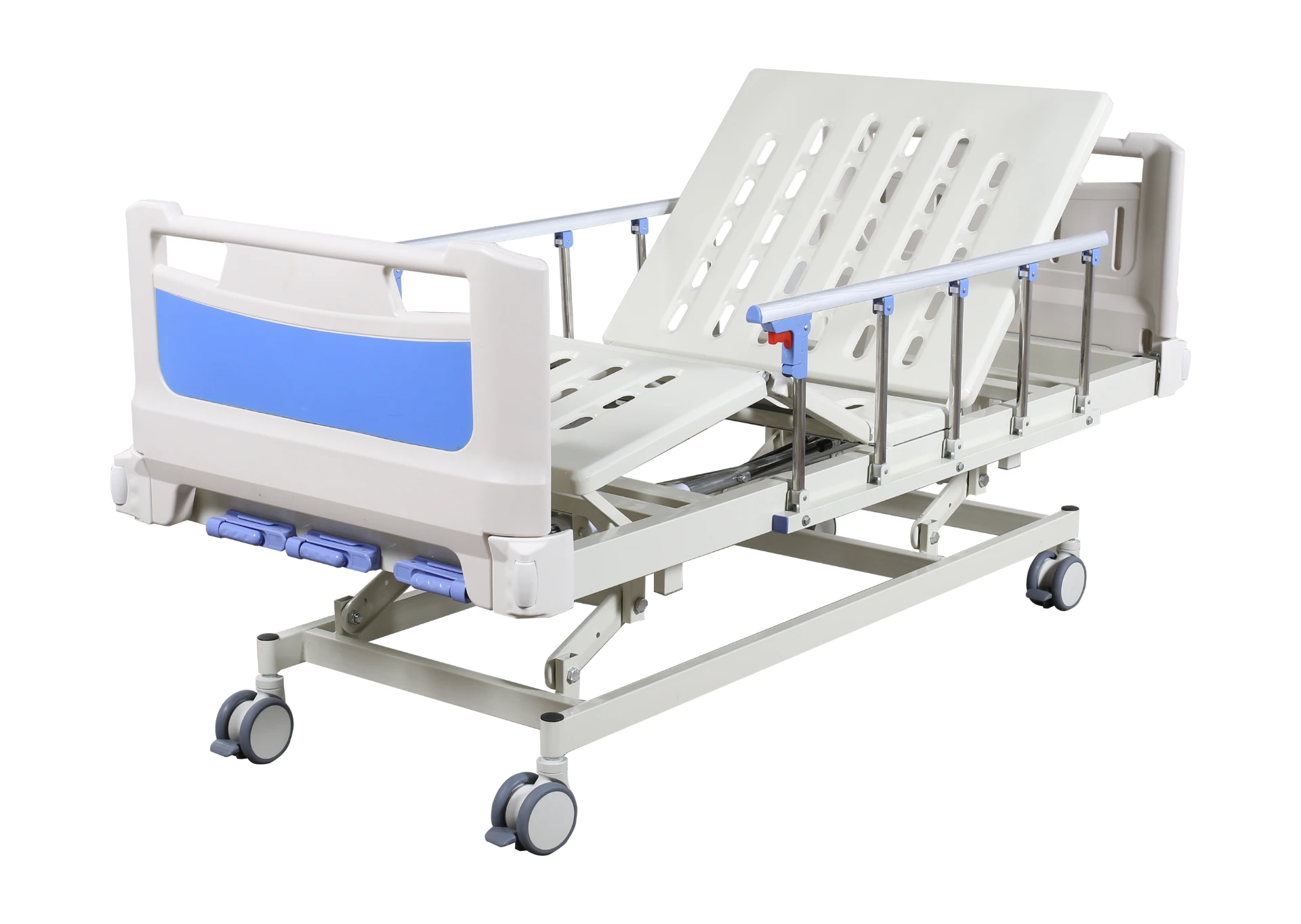
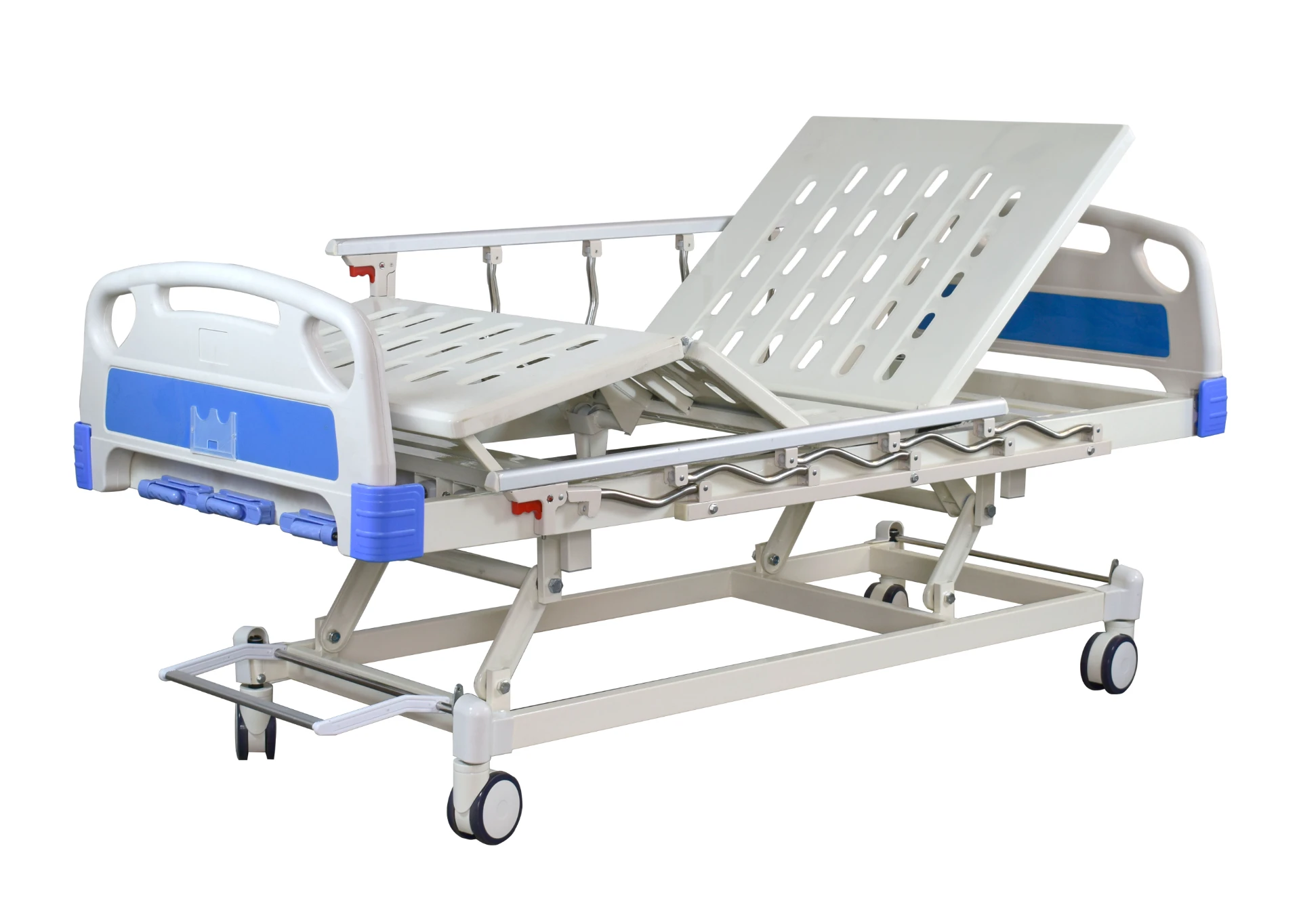
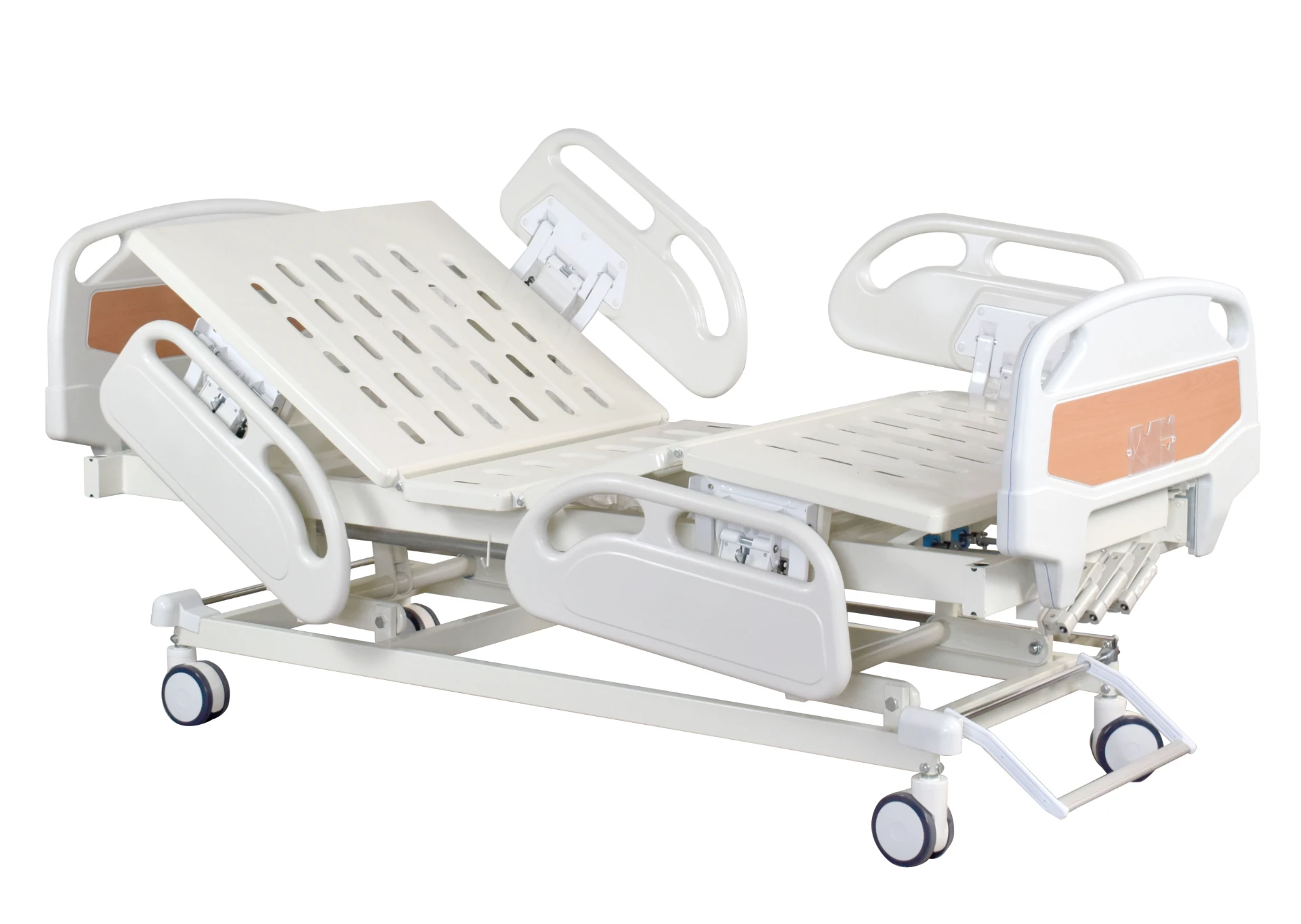
In simple terms, when we say patient folding bed price, we mean the cost consumers pay for a bed designed specifically for patient care that can be folded for compact storage or transport. These aren’t your average camp beds; they're engineered with medical safety and comfort in mind, typically featuring: - Adjustable height and backrests - Durable, sanitary materials like steel frames coated with antibacterial paint - Easy-clean surfaces for infection control Because folding beds optimize space and logistics, their price encapsulates design innovation, materials, and compliance with healthcare standards. It’s not just a number; it often determines whether a hospital can afford enough units to meet patient surges or field operations.Core Components Affecting Patient Folding Bed Price
1. Durability and Material Quality
Many engineers say the main cost driver is the frame material — usually powder-coated steel or aluminum. Steel is heavier but sturdy, aluminum lighter but pricier. Add antimicrobial coatings and shock-absorbing leg caps, and the price ticks up, naturally.2. Design and Adjustability
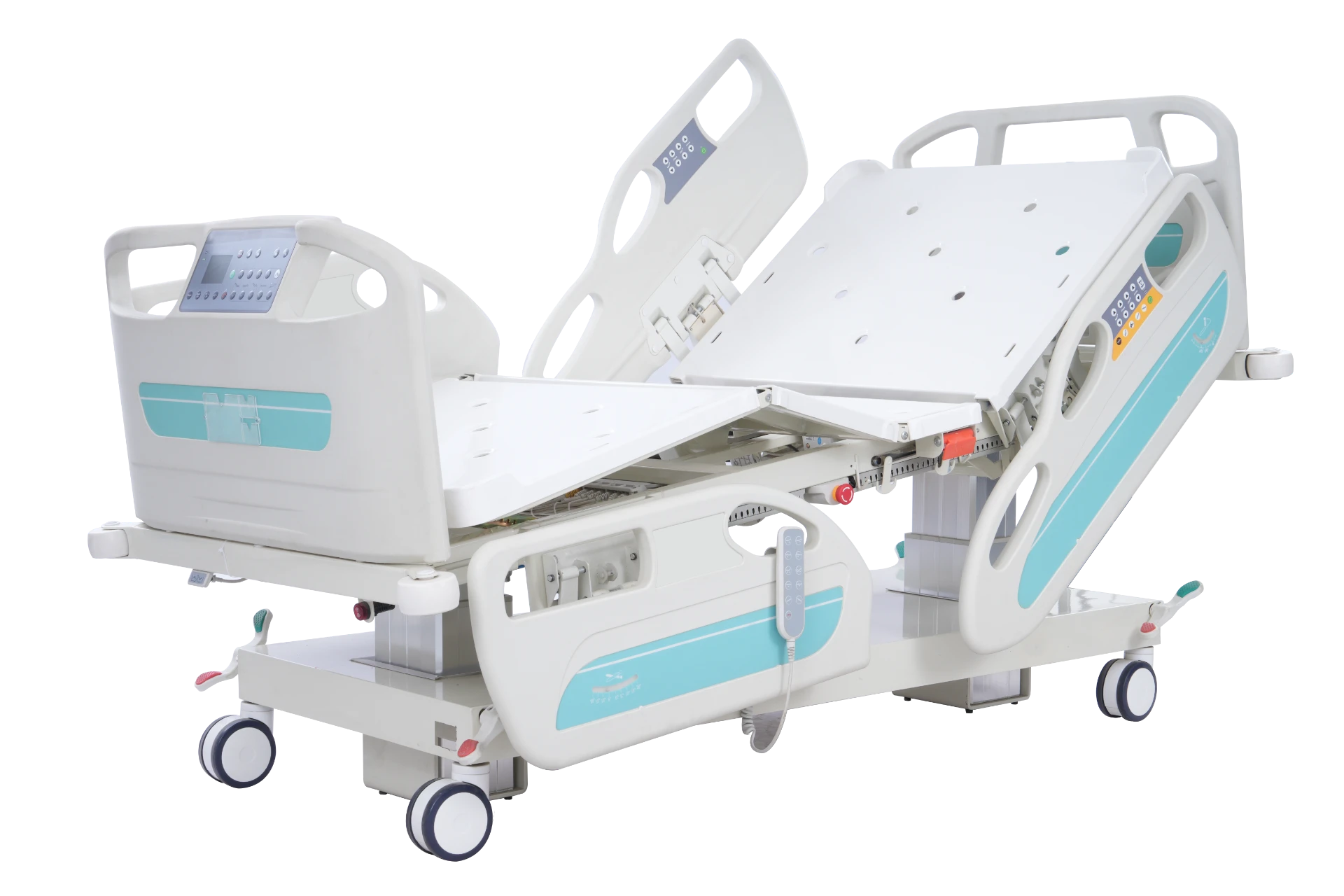
The more adjustable features—like multi-angle backrests or leg supports—the more expensive the bed gets. These features, however, hugely enhance patient comfort and ease caregiver tasks.3. Portability and Storage
How compact the bed folds and the ease of locking mechanisms can influence the price. For example, beds offering quick folding with a one-hand lock command a premium due to increased engineering.4. Compliance and Certifications
Medical beds must meet strict norms (ISO 13485, FDA approvals where applicable). Certification costs and quality audits feed into price too, but with good reason – these mean safer outcomes.5. Manufacturer Location and Logistics
Where the product is made massively impacts distribution costs and thus the final price. Imports and taxes can inflate prices dramatically in some regions. Some vendors overcome this with regional assembly plants for better pricing.Mini Takeaway:
Patient folding bed price is a composite reflection of quality, usage environment, and regulatory demands. Understanding these components can help buyers make informed decisions, balancing budget with performance.Patient Folding Bed Price: Real-World Applications Around the Globe
These beds are everywhere rugged conditions meet healthcare needs. In post-disaster relief operations—like after the 2015 Nepal earthquake—portable folding beds set up temporary clinics quickly. In remote industrial zones, like oil rigs or mining camps in Australia and Canada, these beds bring hospital-grade comfort where typical hospital infrastructure is absent. Hospitals in Europe and North America often stock these beds during flu seasons or unexpected patient surges. NGOs like Médecins Sans Frontières rely heavily on cost-effective folding beds to rapidly establish field hospitals. The pricing factor here directly impacts how many units they can deploy, so even a small price drop can mean hundreds more beds in the field.A Quick Example:
A Southeast Asian NGO recently switched to a supplier offering folding beds at 15% lower patient folding bed price than local manufacturers. This enabled deployment of 50 additional beds in rural clinics — a big impact considering local health spending constraints.Advantages of Investing Wisely in Quality Patient Folding Beds
Cost savings are just the start. Long-term value comes as: - Sustainability: Durable beds reduce replacement frequency; some models use recyclable materials. - Social Impact: Portable beds enable equitable health access, preserving dignity in temporary shelters. - Reliability: In emergencies, dependable beds reduce patient stress and staff workload. - Innovation: Adjustable features adapt to wider patient needs, improving clinical outcomes. Ultimately, a well-priced folding bed isn’t just about saving money but investing in future resilience.The Road Ahead: Trends Influencing Patient Folding Bed Price
Expectation now is for green, smart medical equipment. Emerging trends include: - Eco-Friendly Materials: Bioplastics and recycled metals lowering environmental impact without bumping price excessively. - Digital Integration: Sensors embedded in beds monitoring patient vitals—though this ups cost, it’s a rising value proposition. - Lightweight Alloys: New materials that promise strength without weight for even easier transport. - Modular Designs: Components that swap out to extend lifespans and reduce overall costs. A shift to sustainability policies globally (per UN Sustainable Development Goals) suggests prices might increase initially but fall long term as mass adoption improves efficiencies.Common Challenges and How to Navigate Them
Price isn’t the only barrier. Buyers often encounter: - Inconsistent quality: Low-cost beds sometimes sacrifice durability or compliance. - Distribution delays: Import tariffs, shipping issues can unexpectedly increase final costs. - User training: Without proper training, even a good bed won’t be used optimally. Solutions? Partnering with reliable vendors certified under international standards and leveraging local assembly hubs can mitigate supply chain risks. And yes, offering comprehensive user instructions and on-site training also pays off, oddly enough.FAQ: Patient Folding Bed Price Simplified
Q1: What factors most influence the price of patient folding beds?
A1: Primarily materials, design complexity, regulatory certifications, and manufacturer logistics. Higher-end materials and more adjustability usually increase price, but also enhance patient comfort.Q2: Are cheaper patient folding beds a false economy?
A2: Often yes. Very low-priced beds may lack durability or fail hygiene standards, leading to higher replacement or health risks, costing more in the long run.Q3: How can NGOs find affordable yet reliable patient folding beds?
A3: They should seek vendors with verified certifications and regional supply chains that reduce tariffs. Bulk orders and long-term partnerships also tend to lower unit prices.Q4: Is it worth investing in folding beds with advanced digital monitoring?
A4: For critical care and large hospitals, yes. For smaller or mobile units, simpler beds are often more practical and affordable, keeping patient folding bed price manageable.Product Specification Table
| Feature | Standard Model | Premium Model | Ultra-Light Model |
|---|---|---|---|
| Frame Material | Powder-coated steel | Anodized aluminum | Carbon fiber composite |
| Weight Capacity | 200 kg | 220 kg | 180 kg |
| Adjustability | 3 positions (head/feet) | 5 positions + height adjustable | 2 positions, lightweight |
| Folding Mechanism | Manual lock | One-hand quick fold | Snap-fold design |
| Price Range (USD) | $150 - $220 | $280 - $350 | $400 - $470 |
Vendor Comparison: Pricing and Features
| Vendor | Base Price (USD) | Warranty | Delivery Time | Certifications | Regional Availability |
|---|---|---|---|---|---|
| HealthEquip Co. | $180 | 2 years | 2 weeks | ISO 13485, FDA | Global |
| MediFold | $210 | 3 years | 1 week | ISO 9001, CE mark | Europe, Asia |
| QuickCare Beds | $160 | 1 year | 3 weeks | FDA Registered | North America |
Final Thoughts: The True Value Behind Patient Folding Bed Price
At the end of the day, patient folding bed price isn’t just a line in a budget report. It represents an intersection of engineering, healthcare demands, and real-world application. Investing wisely means considering more than upfront cost — durability, adaptability, and how quickly it can be put to use literally determines patient outcomes. If you’re in the market for equipment that balances price with performance, don’t just chase the cheapest option. Instead, look for trusted vendors, rely on certifications, and consider how the bed’s features suit your specific needs. And hey, if you’re interested in exploring competitive options, visit patient folding bed price listings to see how innovations and pricing evolve. Sometimes, it’s the little beds that carry the heaviest weight in healthcare.References
Latest news
-
Ultimate Guide to Choosing Extra Wide Waiting Room ChairsNewsApr.16,2026
-
Guide to Choosing Professional Waiting Room Chairs Wipeable SeatingNewsApr.09,2026
-
Enhance Your Space with Comfortable Wide Waiting Room ChairsNewsApr.07,2026
-
Selecting the Ideal Brown Waiting Room Chairs for a Welcoming SpaceNewsApr.04,2026
-
Choosing Comfortable Patient Waiting Room Chairs for Healthcare FacilitiesNewsMar.31,2026
-
Finding the Best Deals on Affordable and Cheap Reception Chairs for Your BusinessNewsMar.28,2026
-
Enhance Your Business Reception with Comfortable Blue Reception ChairsNewsMar.26,2026
Related Products