Welcome to our websites!


Obstetric Delivery Bed: Essential Features, Benefits & Global Impact | CNBoxin
Understanding the Obstetric Delivery Bed and Its Global Importance
When discussing essential equipment in maternal healthcare, the obstetric delivery bed often tops the list. These specialized beds aren't just furniture; they are crucial instruments that help ensure the safety, comfort, and dignity of mothers during childbirth. Globally, the significance of these beds is profound — especially as the world strives to reduce maternal mortality rates and improve obstetric care standards in both developed and developing regions.
According to the World Health Organization (WHO), about 295,000 women died during and following pregnancy and childbirth in 2017. Access to proper delivery equipment, including obstetric beds, is a key factor in preventing such tragic outcomes. The global push to improve delivery infrastructure means understanding these beds is more relevant than ever.
Mini takeaway: Obstetric delivery beds are central to improving maternal healthcare outcomes worldwide, addressing a critical need recognized by global health organizations.
Introduction: The Global Context and Emerging Challenges
The obstetric delivery bed plays a pivotal role in a healthcare environment where childbirth complications remain a major concern, especially in low-resource settings. The UN's Sustainable Development Goal 3, focused on health and well-being, emphasizes safe motherhood. Accessibility to reliable delivery beds is a challenge in many rural or disaster-affected areas.
Globally, an estimated 810 women die every day from preventable pregnancy and childbirth causes. One of the subtle but impactful challenges is the availability of ergonomic, adjustable delivery beds that accommodate the unique physical demands during labor and delivery. Older or makeshift beds can exacerbate risks or discomfort.
Mini takeaway: The obstetric delivery bed embodies both a solution and a challenge — a solution for safer childbirth, and a challenge to deploy equitably around the world.
What Is an Obstetric Delivery Bed?
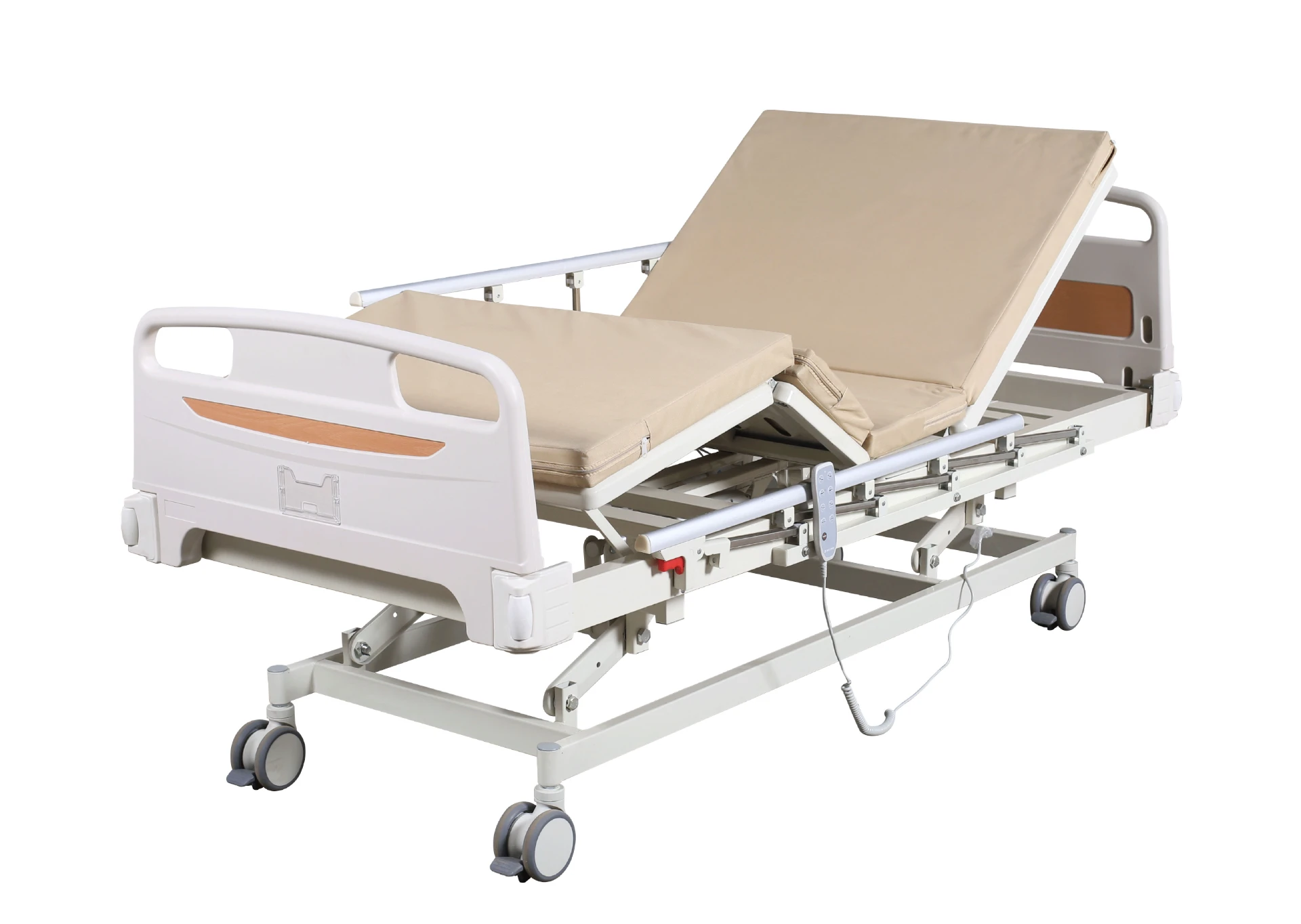
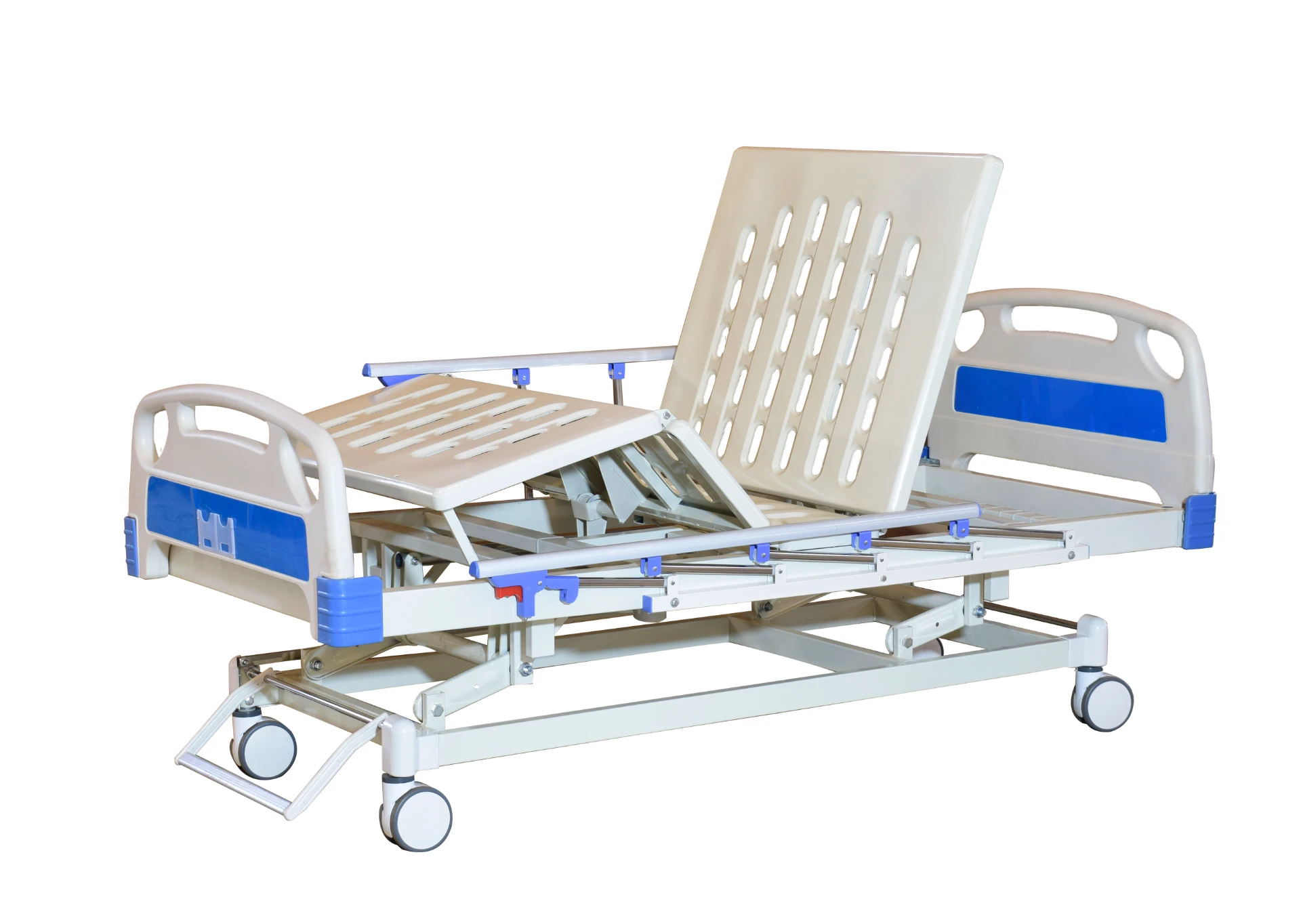
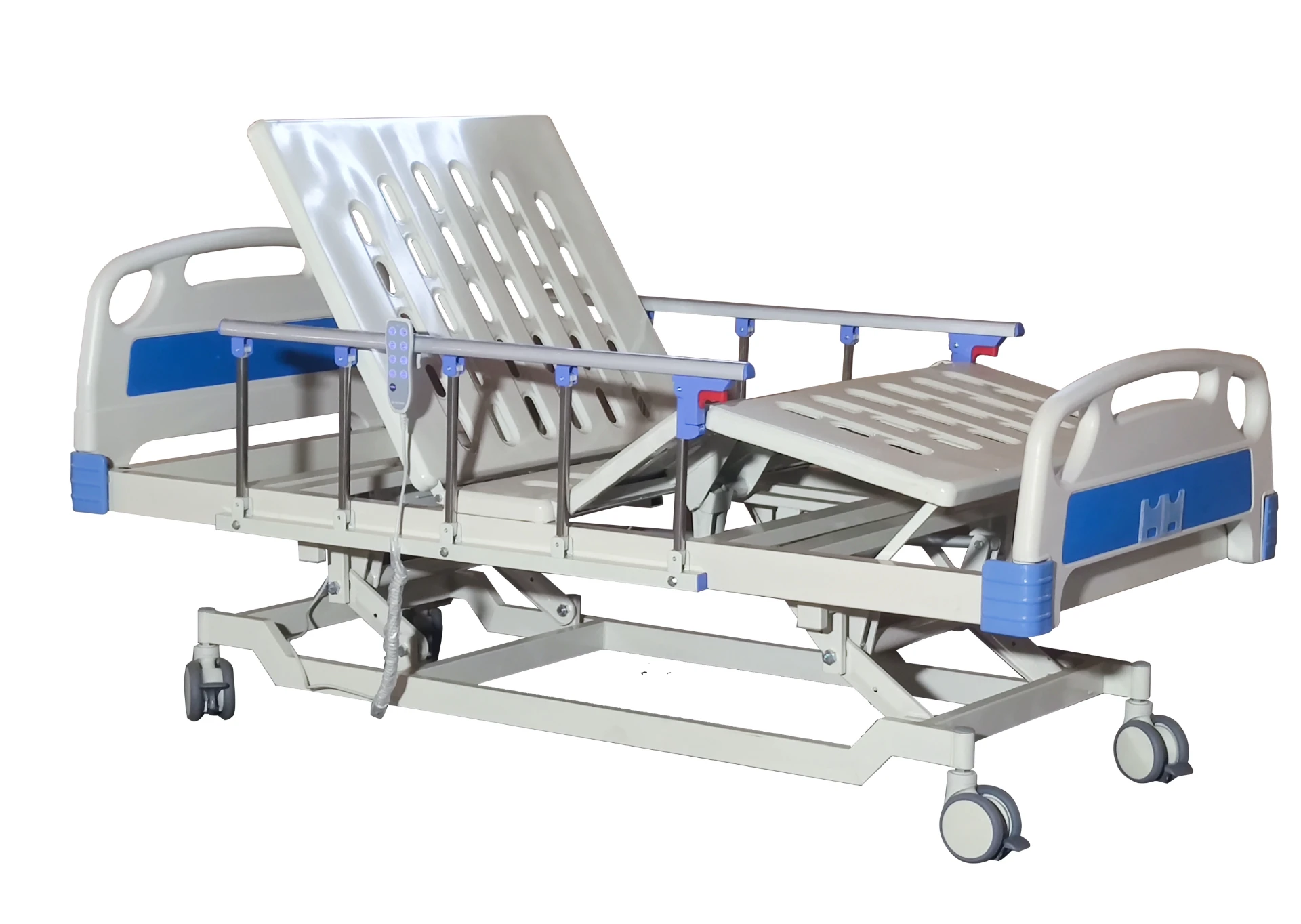
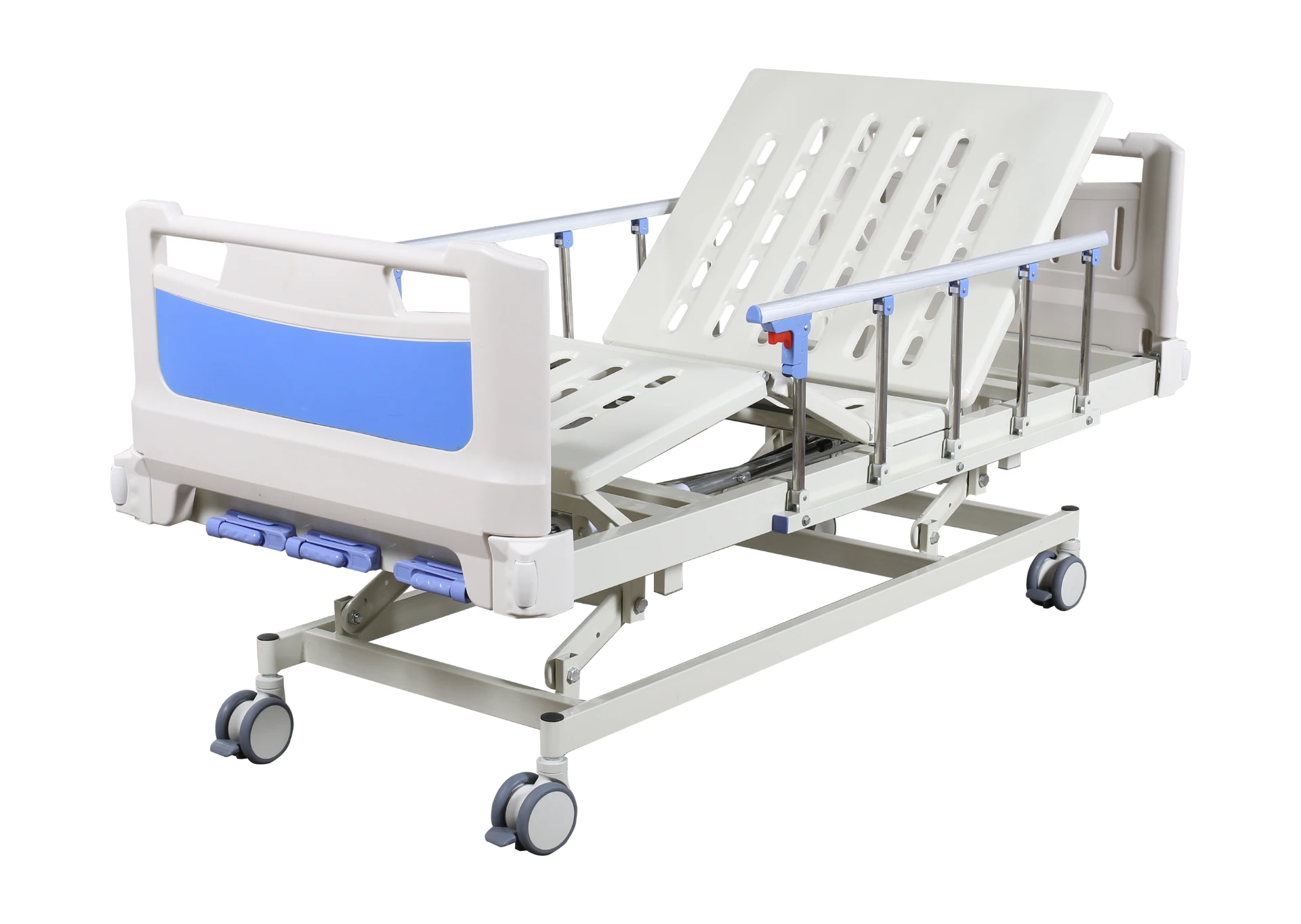
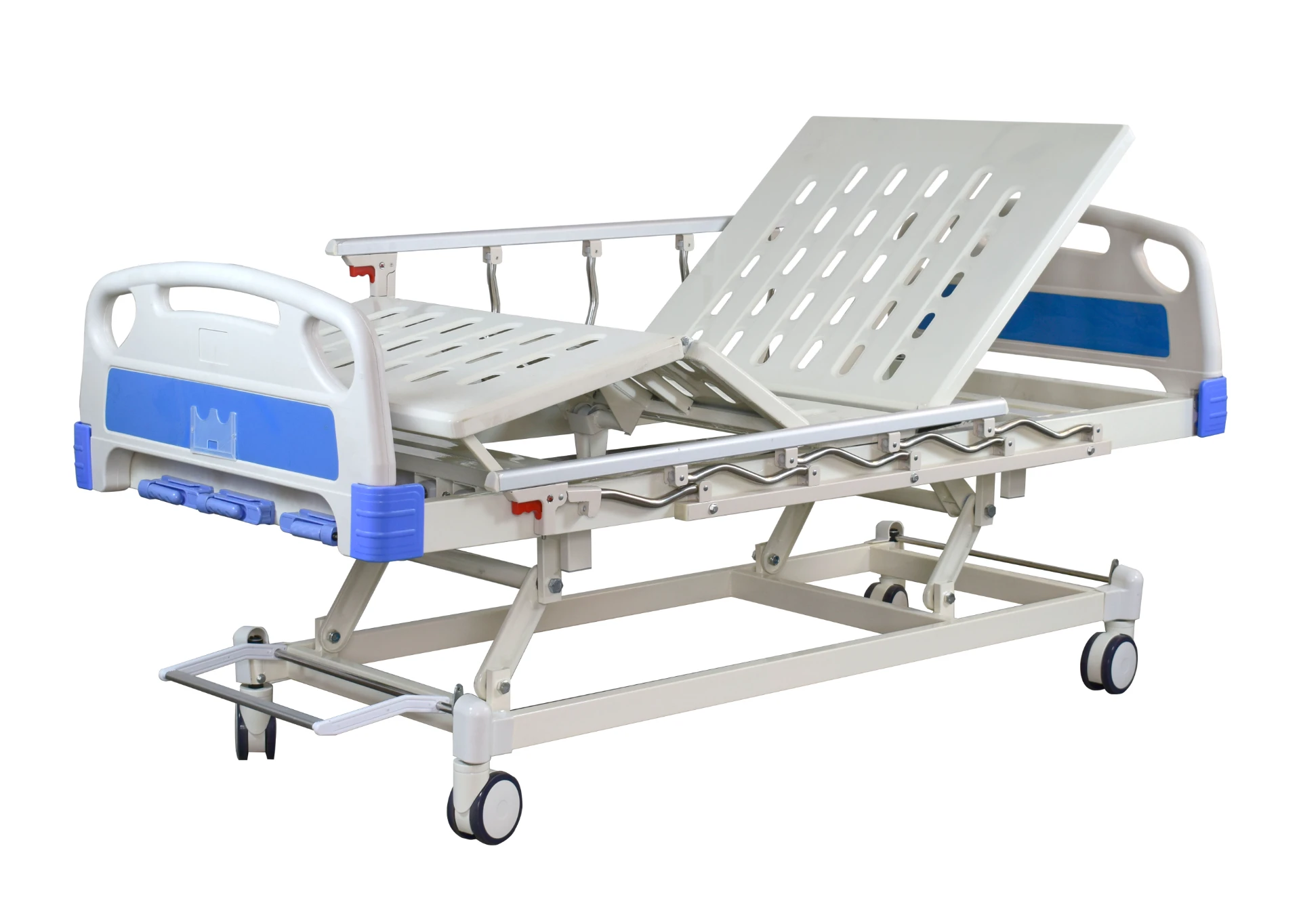
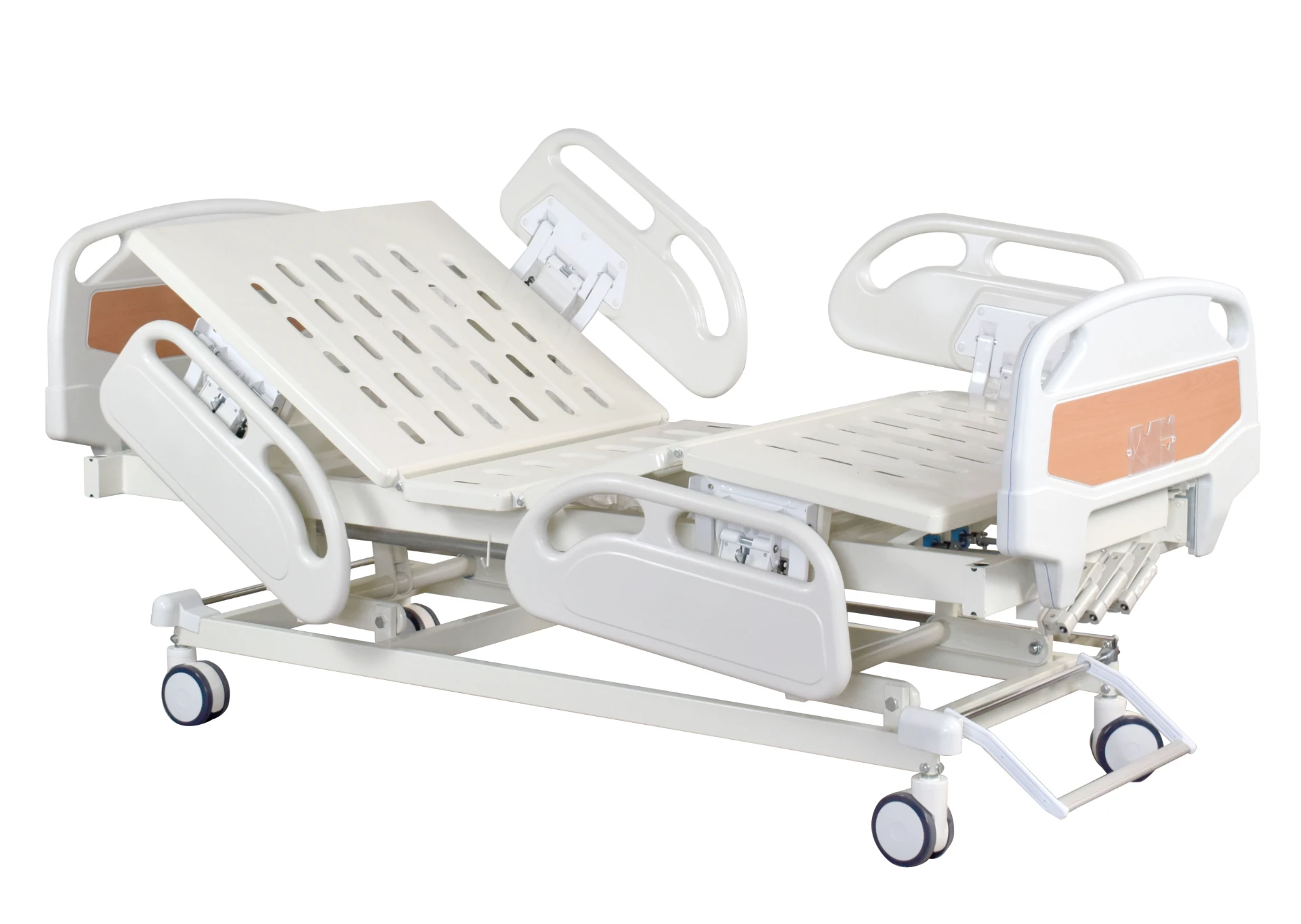
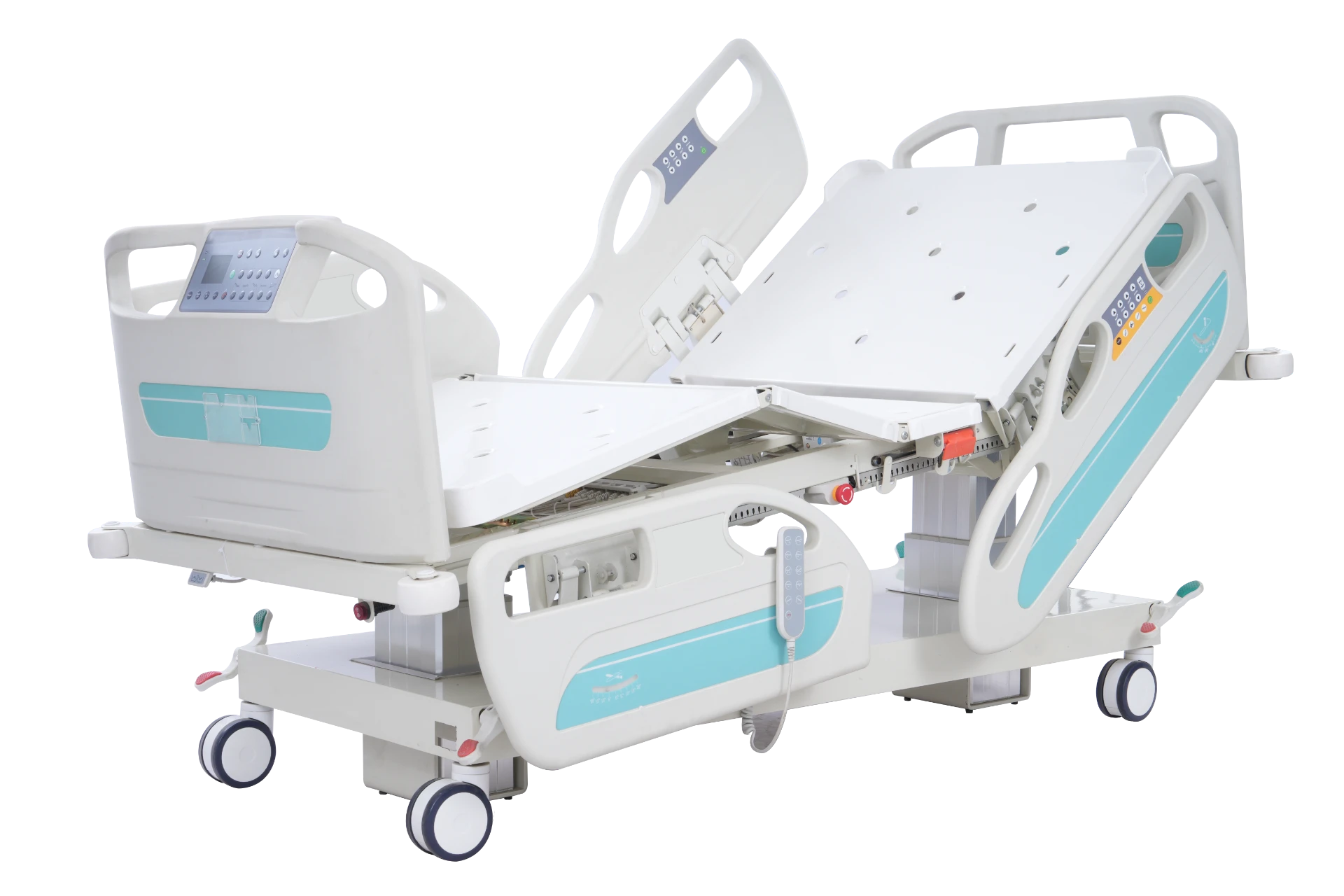
Simply put, an obstetric delivery bed is a medical bed specifically designed for childbirth. This bed supports a woman through all stages of labor, delivery, and immediate postpartum care. It usually features adjustable sections, stirrups, and safety rails to improve accessibility and comfort.
These beds connect modern healthcare with humanitarian needs by providing safe physical support during delivery, crucial for both routine and emergency births. They differ from standard hospital beds as they are ergonomically tailored for the birthing process.
Core Components That Define An Obstetric Delivery Bed
- Adjustability: The bed must allow positioning for different phases of labor — upright, reclined, or lithotomy position — thanks to motorized or manual controls.
- Durability & Hygiene: Made of stainless steel or coated metals with antimicrobial fabrics to withstand rigorous cleaning and infection prevention.
- Patient Safety: Features such as side rails, locking wheels, and easy access for healthcare providers ensure a safer delivery environment.
- Comfort: Adequate cushioning and ergonomics to help mothers stay relaxed and pain-managed as much as possible.
- Integration: Compatibility with medical devices like fetal monitors or IV stands enhances comprehensive care.
Mini takeaway: Obstetric delivery beds aren’t just beds — their design intricately balances technical features, hygiene, safety, and patient well-being.
A Closer Look: Obstetric Delivery Bed Specifications
| Feature | Specification |
|---|---|
| Adjustable Height | 50–90 cm (manual/electric) |
| Backrest Angle | 0° to 70° |
| Leg Supports | Adjustable stirrups with lock |
| Material | Stainless steel frame, water-resistant synthetic cushioned mattress |
| Mobility | Lockable caster wheels |
| Weight Capacity | Up to 225 kg (about 500 lbs) |
Global Applications: From Urban Hospitals to Crisis Zones
Obstetric delivery beds have found critical roles beyond typical hospital settings. In many developing countries, NGOs and health ministries depend on robust, easy-to-transport beds for clinics in remote or underserved regions. In places struck by natural disasters, these beds quickly become part of temporary field hospitals to care for expectant mothers safely.
For instance, in sub-Saharan Africa and Southeast Asia, where maternal mortality rates remain high, introducing these beds equipped with hygiene and safety features has improved birth outcomes significantly. Similarly, in urban centers of Europe and North America, state-of-the-art obstetric beds integrate seamlessly with electronic health records and fetal monitoring systems.
Mini takeaway: Whether in a bustling maternity ward or a tent in a disaster zone, obstetric delivery beds dramatically impact maternal care worldwide.
Advantages & Long-term Impact
- Improved Maternal and Neonatal Safety: Easier monitoring and positioning reduce complications.
- Enhanced Hygiene and Infection Control: Materials simplify disinfection, reducing hospital-acquired infections.
- Emotional Comfort: Adjustable comfort supports mental well-being during labor.
- Cost-Effectiveness: Durable designs reduce replacement costs — a boon in budget-limited settings.
Frankly, beyond the clinical advantages, there’s an emotional narrative — the dignity it preserves for women giving birth is sometimes overlooked but incredibly valuable.
Vendor Comparison: Obstetric Delivery Beds
| Brand | Price Range | Adjustability | Mobility | Warranty |
|---|---|---|---|---|
| MedEase | $1,200 - $2,000 | Electric with remote | Yes, lockable wheels | 3 years |
| SafeBirth Co. | $900 - $1,500 | Manual crank | Yes, fixed wheels | 2 years |
| HealWell Medical | $1,500 - $2,500 | Electric + manual hybrid | Yes, lockable wheels | 5 years |
Upcoming Trends and Innovations
Technology marches on. Soon, we’ll see obstetric beds embedded with smart sensors tracking vital signs in real-time, automatically adjusting to optimize patient comfort and positioning. Sustainability is also a hot topic — manufacturers are exploring biodegradable cushions and eco-friendly metal finishes to lessen their environmental footprint.
Oddly enough, some hospitals are experimenting with solar-powered electric beds to ensure uninterrupted functionality in areas with unstable electricity. We may also witness integration with telemedicine, allowing experts to guide delivery remotely with vital data streamed directly from the bed.
Common Challenges and Practical Solutions
The biggest hurdles often come down to cost, maintenance, and training. In many poorer regions, beds sit unused because staff haven’t been trained adequately or there’s no budget for repairs.
Experts suggest extensive training programs combined with simplified bed designs that are intuitive to operate. Using modular parts can make repairs faster and more affordable. Additionally, partnerships between governments and NGOs improve distribution and upkeep.
FAQ: Practical Questions about Obstetric Delivery Beds
- Q: How do obstetric delivery beds improve maternal safety compared to regular hospital beds?
A: Obstetric beds are designed for adjustable positioning, patient support, and easier access — all of which contribute to safer births by allowing healthcare providers to perform accurate, timely interventions. - Q: Can obstetric delivery beds be used in temporary clinics or field hospitals?
A: Absolutely. Many models are built with portability and quick assembly in mind, making them ideal for emergency response and remote healthcare settings. - Q: What maintenance is required to keep these beds hygienic and functional?
A: Routine cleaning with approved disinfectants, checking mechanical parts regularly, and prompt repairs ensure longevity and infection control. - Q: Are there cost-effective alternatives for low-resource areas?
A: Yes, basic manual models without motorized features can be more affordable while still providing essential functions.
Conclusion: The Essential Role of Obstetric Delivery Beds
In sum, obstetric delivery beds are more than just medical furniture — they are fundamental to improving maternal and neonatal outcomes worldwide. As technology, sustainability, and healthcare demands evolve, these beds will continue adapting to meet global needs. For anyone involved in healthcare procurement or maternal health advocacy, understanding these beds is a step toward safer births everywhere.
Want to see a range of quality options? Visit our website: https://www.cnboxin.com and explore reliable obstetric delivery beds tailored for every need.
Final thought: It’s one of those things that feels simple on paper but holds a world of impact in practice — kind of like the backbone of every safe birth.
References:
1. World Health Organization (WHO), “Maternal mortality,” 2019.
2. United Nations Sustainable Development Goals, Goal 3.
3. ISO 13485:2016 Medical Devices – Quality Management Systems, 2016.
-
Ultimate Guide to Choosing Extra Wide Waiting Room ChairsNewsApr.16,2026
-
Guide to Choosing Professional Waiting Room Chairs Wipeable SeatingNewsApr.09,2026
-
Enhance Your Space with Comfortable Wide Waiting Room ChairsNewsApr.07,2026
-
Selecting the Ideal Brown Waiting Room Chairs for a Welcoming SpaceNewsApr.04,2026
-
Choosing Comfortable Patient Waiting Room Chairs for Healthcare FacilitiesNewsMar.31,2026
-
Finding the Best Deals on Affordable and Cheap Reception Chairs for Your BusinessNewsMar.28,2026
-
Enhance Your Business Reception with Comfortable Blue Reception ChairsNewsMar.26,2026