Welcome to our websites!


Motorized Hospital Bed Price – What You Should Know Before Buying
Understanding Motorized Hospital Bed Price: What You Need to Know
When you hear “motorized hospital bed price,” it’s easy to think just about numbers or cost alone. But actually, this term spans so much more—it's the price point of a crucial healthcare device offering mobility, comfort, and care improvements worldwide. Indeed, motorized hospital beds have become pivotal in hospitals, nursing homes, and emergency shelters globally. Understanding their pricing isn’t just about budget sheets; it’s about recognizing their impact on patient welfare, healthcare efficiency, and even humanitarian crises. So why does the motorized hospital bed price matter so much today? In a nutshell, it directly influences healthcare accessibility and quality around the world.
Introduction: Why Motorized Hospital Beds Matter Globally
According to World Health Organization data, the aging global population is steadily increasing demand for specialized hospital equipment, including motorized hospital beds. These beds, equipped with adjustable functions, enhance patient care by easing treatments and improving comfort. But here’s the kicker: the price of these beds strongly impacts whether hospitals in developing countries or remote areas can afford to supply them. The World Bank reports that health infrastructure investment is often constrained in low-income regions—meaning mattress upgrades or motorized bed purchases could be rare or delayed.
Oddly enough, while the tech advances, pricing transparency varies wildly—making it tricky for procurement officers to balance cost and quality effectively. Pulling the right specs at the right price remains a palpable challenge.
What Exactly Is Motorized Hospital Bed Price?
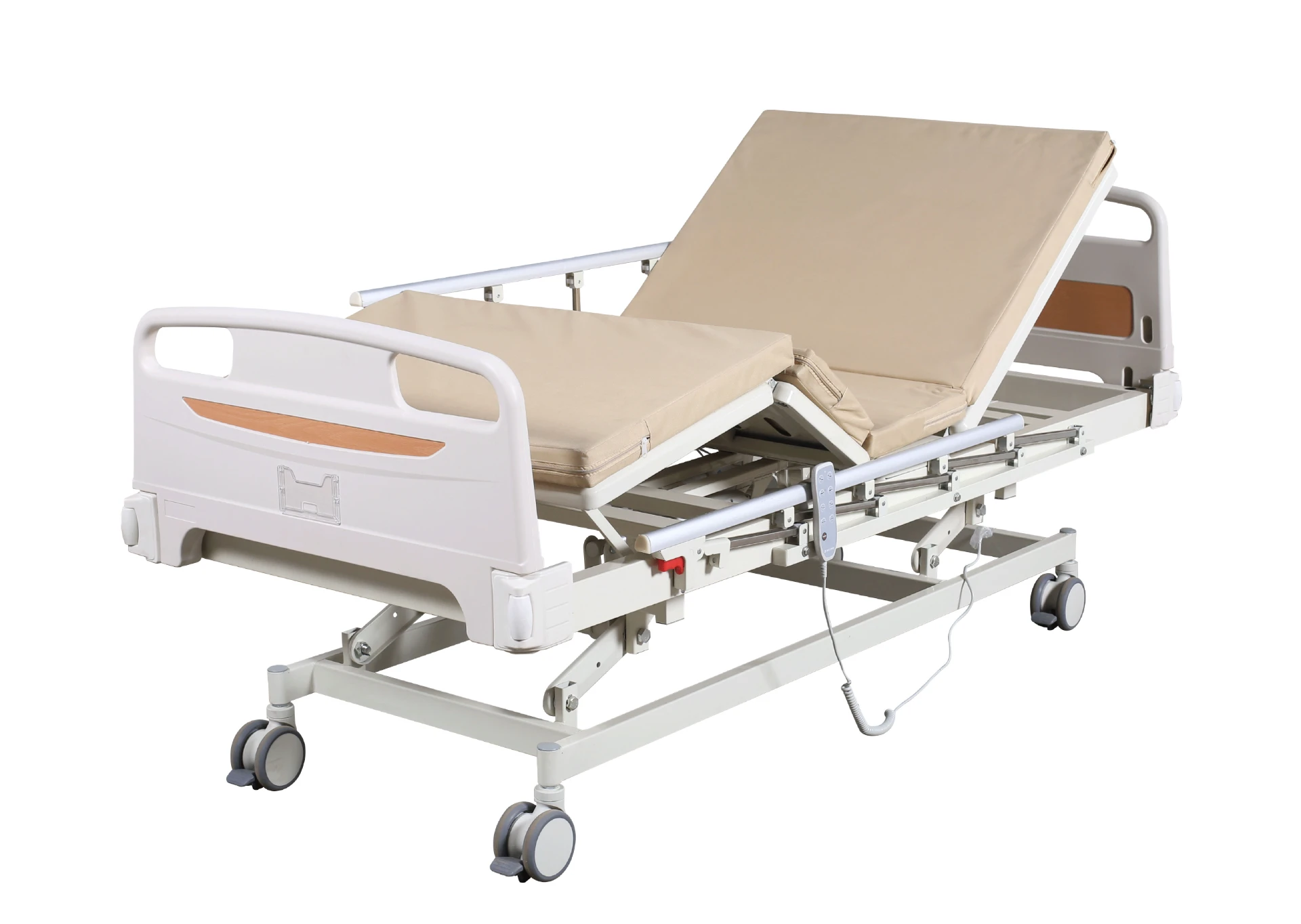
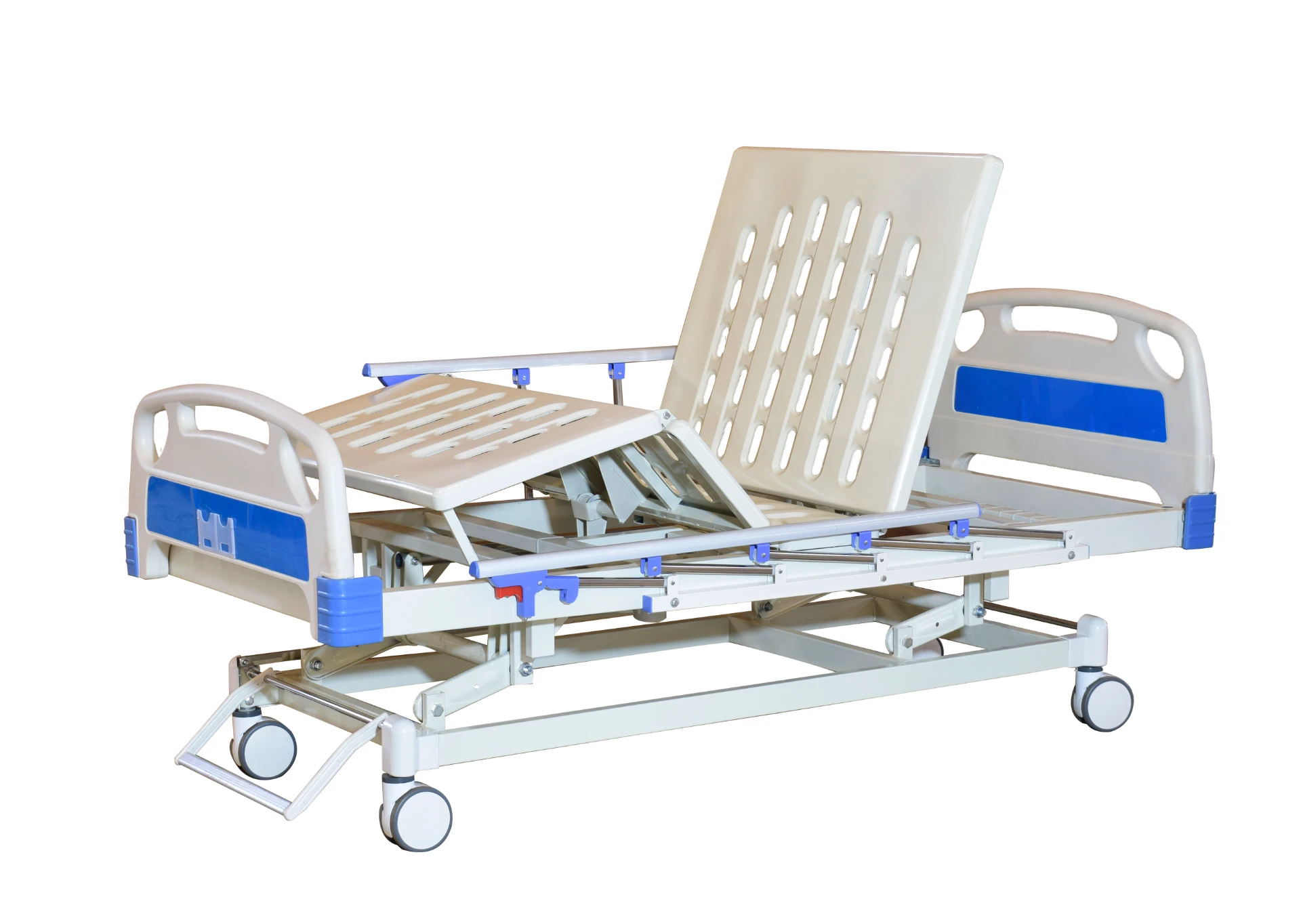
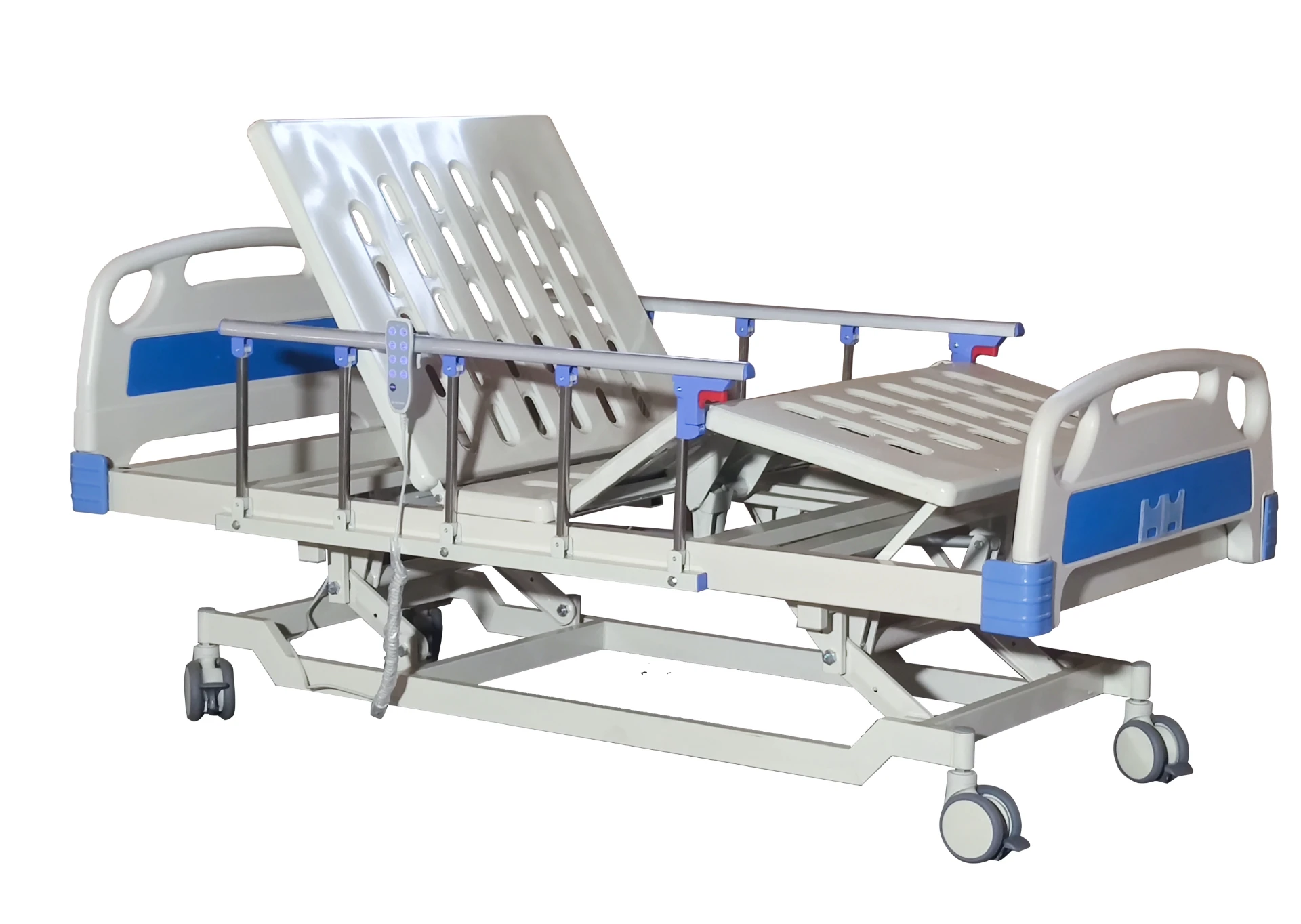
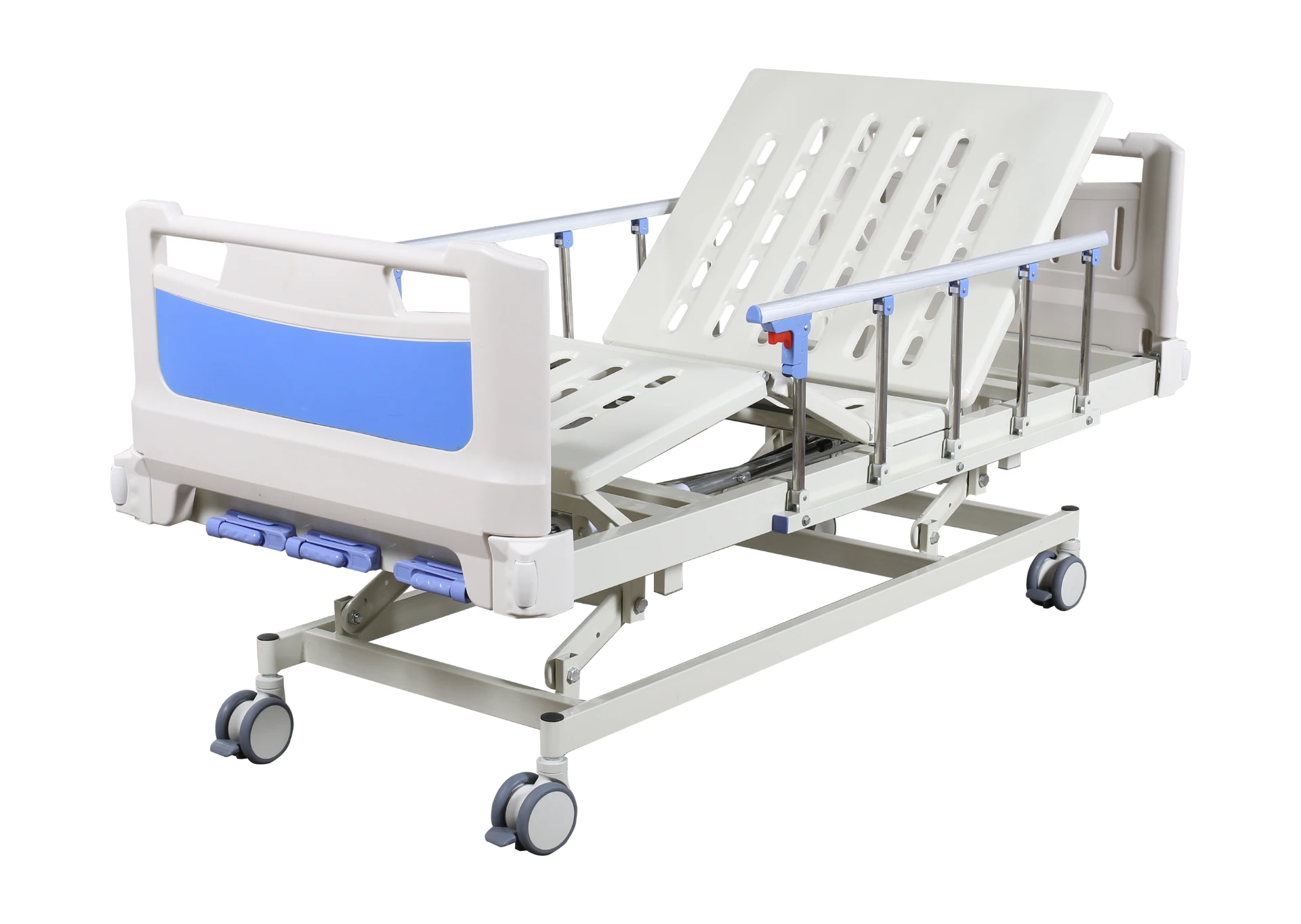
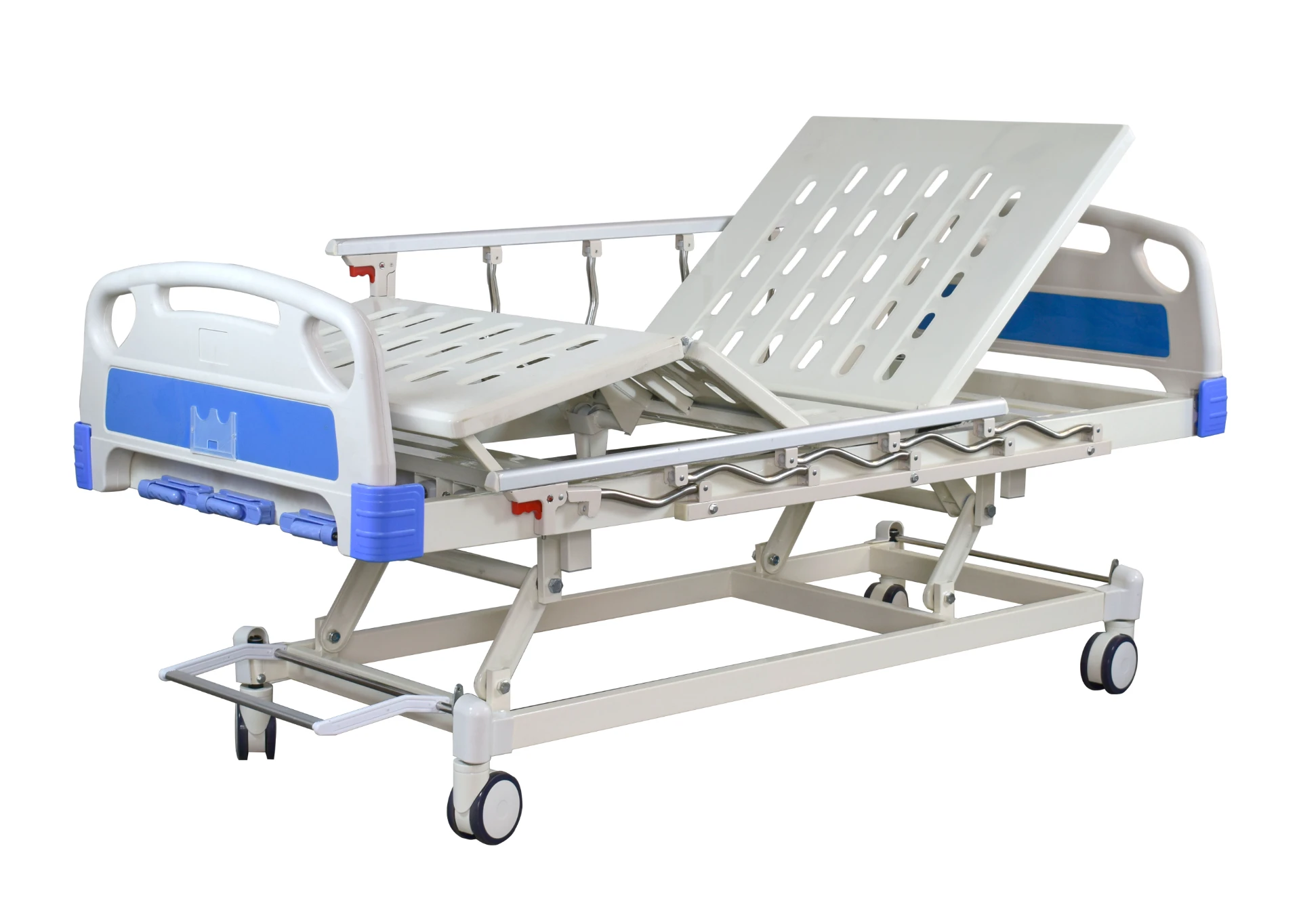
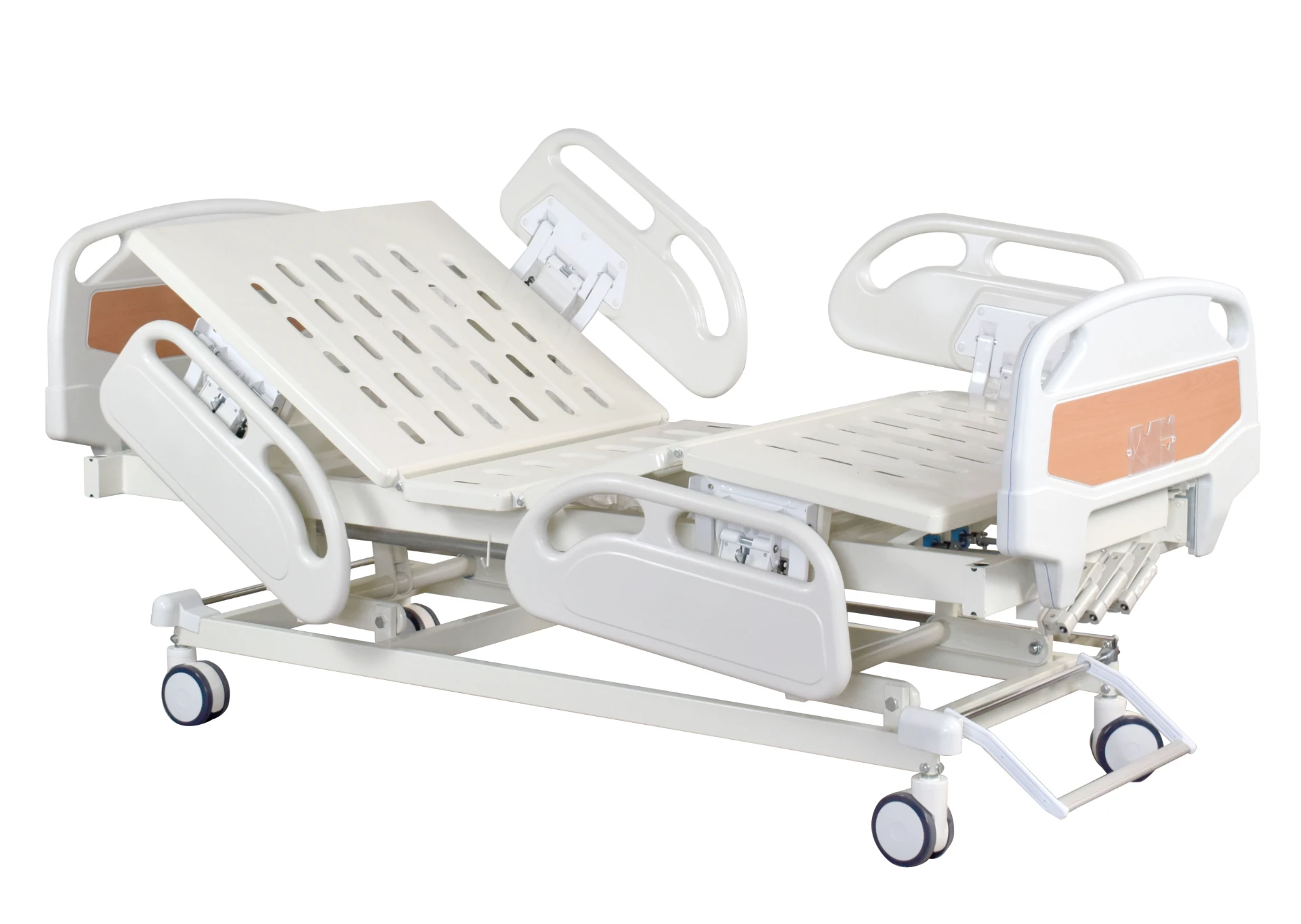
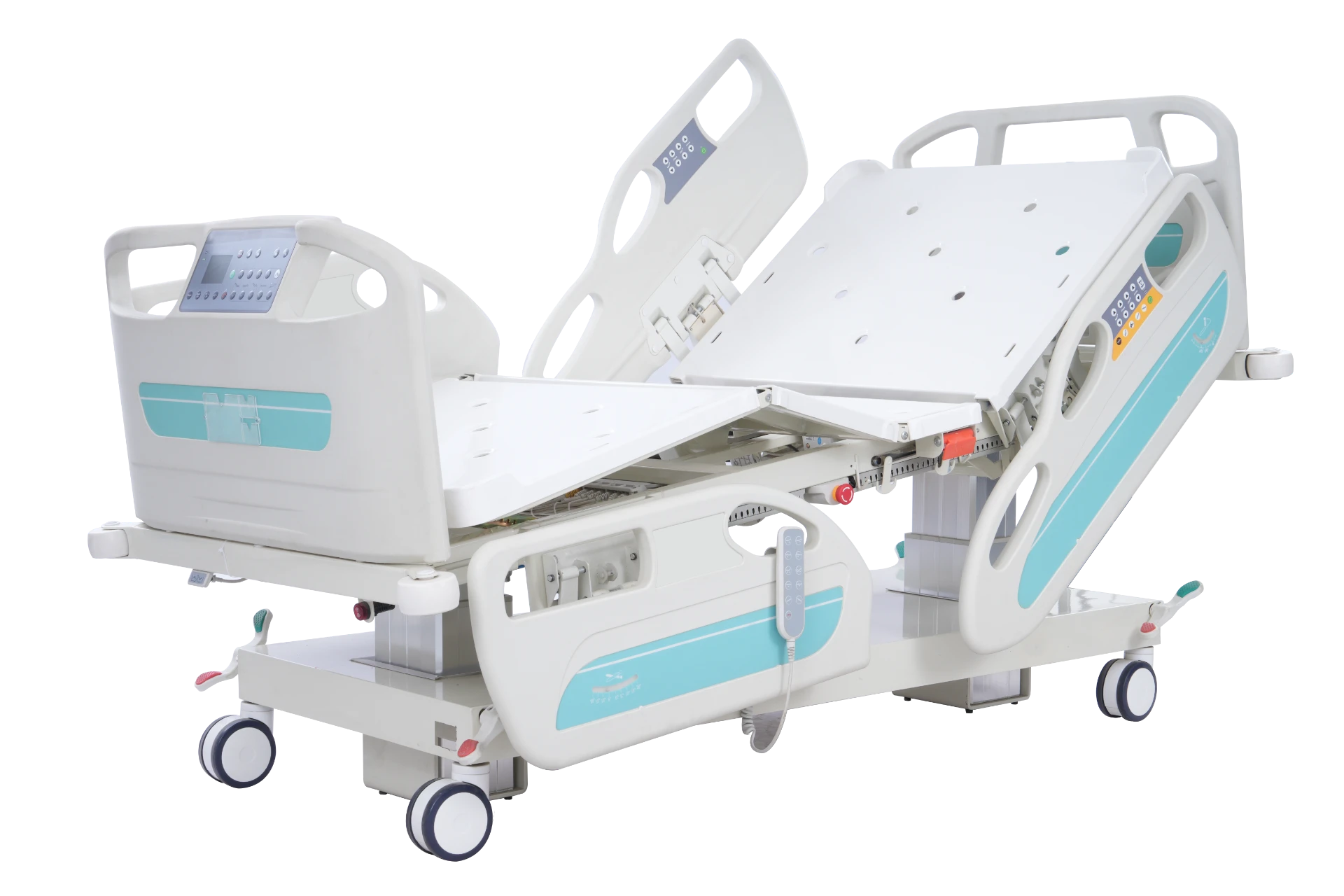
Simply put, the motorized hospital bed price refers to the total cost required to acquire a hospital bed that uses electric motors to adjust height, backrest, and leg rest positions automatically. Unlike manual hospital beds where caregivers physically reposition patients, motorized beds allow effortless transformations, offering better ergonomics and hygiene, all controlled with a handheld remote or integrated panel.
Beyond the hospital wards, these beds also serve humanitarian needs—think post-disaster relief camps or mobile clinics for conflict zones—where ease of use and patient dignity are critical but funds tight. So, pricing these beds accurately reflects manufacturing complexity, materials, technology embedded, and sometimes, after-sales support.
Key Factors Influencing Motorized Hospital Bed Price
1. Durability and Build Quality
The frame construction—usually steel or aluminum alloys—and the bed’s weight capacity heavily influence costs. Beds designed to last years under daily use come at a premium but also promise fewer replacements.
2. Motor and Control Systems
Advanced motor systems (quiet, energy-efficient, multi-functional) and intuitive controls with safety locks add to the price tag. Some models feature backup batteries, essential for power outage resilience.
3. Customizability and Features
Integrated features like side rails, Trendelenburg positioning, IV pole mounts, or pressure-relief mattresses can push costs higher but serve specialized medical needs.
4. Compliance and Safety Certifications
Beds that meet international standards such as ISO 13485 (medical devices) or FDA approvals often cost more but assure trusted quality and reliability.
5. Warranty & After-Sales Support
Longer warranties and inclusive service plans influence upfront price though offer practical peace of mind and reduced total ownership cost.
Motorized Hospital Bed Price – Typical Specifications at a Glance
| Feature | Specification | Notes |
|---|---|---|
| Frame Material | Steel Alloy | Rust-resistant coating included |
| Motors | 4 Electric motors | Adjust height, backrest, leg rest, Trendelenburg |
| Weight Capacity | 200 kg (440 lbs) | Suits majority of patients |
| Control Method | Wired remote control | Ergonomic and user-friendly |
| Dimensions | 210 x 90 x 50 cm | Standard full-size hospital bed |
| Price Range | $1,000 – $4,000 | Depends on features & vendor |
Global Applications & Use Cases
These beds aren’t just for major city hospitals, surprisingly. In post-disaster relief operations, for example, motorized beds enable rapid, safe patient care by volunteers under challenging conditions. Organizations like Médecins Sans Frontières often deploy such equipment in conflict zones or after hurricanes.
In remote industrial zones such as mining camps or Arctic research stations, motorized beds enhance worker recovery and reduce caregiver strain – a huge boost where healthcare personnel are scarce.
Across Europe, Asia, and North America, rehabilitation centers and nursing homes rely on these beds for chronic patients, helping maintain dignity and independence. Countries investing in public health infrastructure measure bed price carefully to optimize budgets.
Vendor Comparison: Motorized Hospital Bed Price & Features
| Vendor | Price Range (USD) | Warranty | Key Features | Customer Support |
|---|---|---|---|---|
| MedEquip Pro | $1,200 - $2,800 | 3 years | Multi-motor, remote control | 24/7 hotline, onsite service |
| Healthcare Solutions Ltd. | $1,000 - $3,500 | 2 years | Pressure-relief mattress option | Email support & extended warranty |
| Global Bed Tech | $2,000 - $4,000 | 5 years | Advanced electronic interface | Comprehensive training and support |
Advantages & Long-Term Value of Motorized Hospital Beds
Framing it simply, the benefits go beyond the initial motorized hospital bed price. The comfort and safety they offer reduce patient complications such as bedsores or falls, which saves hospitals money and hassle long-term. Caregivers also face less physical strain — an emotional win for healthcare staff.
Environmentally, some manufacturers now incorporate recyclable materials and energy-saving motors, aligning with sustainability goals. Plus, innovation spurs trust; reliable, certified beds reassure healthcare managers that they’re investing wisely.
Future Trends & Innovations
Looking ahead, you’ll see trends like integrating IoT sensors to monitor patient vitals through the bed itself. Then there’s automation: beds adjusting automatically based on movement patterns detected, easing patient repositioning without nurse intervention.
Green energy solutions such as solar backup or ultra-efficient motors could further decrease running costs and improve usability in areas with unreliable electricity—critical for humanitarian deployments.
Challenges & Solutions
Price volatility due to supply chain disruptions or raw material costs (think steel or lithium for batteries) frequently challenges procurement budgets worldwide. Plus, not every hospital staff is trained on motorized beds’ full capabilities, reducing their usefulness.
Experts recommend centralized purchasing programs to negotiate volume discounts, plus comprehensive training modules bundled with purchases. Some NGOs pilot mobile maintenance units for remote localities.
FAQ: Frequently Asked Questions About Motorized Hospital Bed Price
- Q1: What factors cause variations in motorized hospital bed prices?
A: Variations stem from features, build quality, warranty length, and certifications. Additional accessories or premium brands raise prices, while basic models trade off some comfort or durability.
- Q2: Are motorized hospital beds cost-effective in the long run?
A: Yes, by reducing patient complications, caregiver injuries, and maintenance frequency, they often save money despite higher upfront costs.
- Q3: How can healthcare providers find fair pricing?
A: Comparing multiple suppliers, checking for warranties, and requesting detailed spec sheets ensure balanced decisions. You might also explore bulk purchasing or leasing options.
- Q4: Can motorized hospital beds operate where power supply is unstable?
A: Many models feature battery backups or manual overrides to maintain functionality during outages, ideal for remote or disaster-prone areas.
Conclusion
In summary, understanding motorized hospital bed price is more than crunching numbers. It’s about grasping the interplay of technology, healthcare needs, and economic realities that shape patient care globally. Investing in the right motorized bed strikes the perfect balance between cost and quality, with life-saving implications. For more details on motorized hospital bed price and to see available options, feel free to visit our site.
A smart hospital bed purchase today means better care and value for years to come.
References
-
Ultimate Guide to Choosing Extra Wide Waiting Room ChairsNewsApr.16,2026
-
Guide to Choosing Professional Waiting Room Chairs Wipeable SeatingNewsApr.09,2026
-
Enhance Your Space with Comfortable Wide Waiting Room ChairsNewsApr.07,2026
-
Selecting the Ideal Brown Waiting Room Chairs for a Welcoming SpaceNewsApr.04,2026
-
Choosing Comfortable Patient Waiting Room Chairs for Healthcare FacilitiesNewsMar.31,2026
-
Finding the Best Deals on Affordable and Cheap Reception Chairs for Your BusinessNewsMar.28,2026
-
Enhance Your Business Reception with Comfortable Blue Reception ChairsNewsMar.26,2026