Welcome to our websites!


Iron Hospital Bed Benefits, Specifications & Global Applications | Durable Medical Beds
Understanding the Iron Hospital Bed: A Global Healthcare Essential
When you think of a hospital bed, what probably comes to mind is a functional, plain fixture deployed in wards and clinics worldwide. Yet the iron hospital bed—a seemingly simple yet profoundly important medical apparatus—plays a vital role that extends well beyond supporting patients physically. Across the globe, understanding this bed's significance involves more than its metal frame: it touches on healthcare access, durability concerns, and the economics of caregiving itself.
Globally, healthcare systems face mounting pressure to provide affordable, resilient medical equipment. According to the World Health Organization, low- and middle-income countries account for nearly 85% of the global population but often lack essential medical infrastructure (WHO, 2021). The iron hospital bed steps into that gap with reliability, resistance to wear, and the promise of long-term service.
What Is an Iron Hospital Bed?
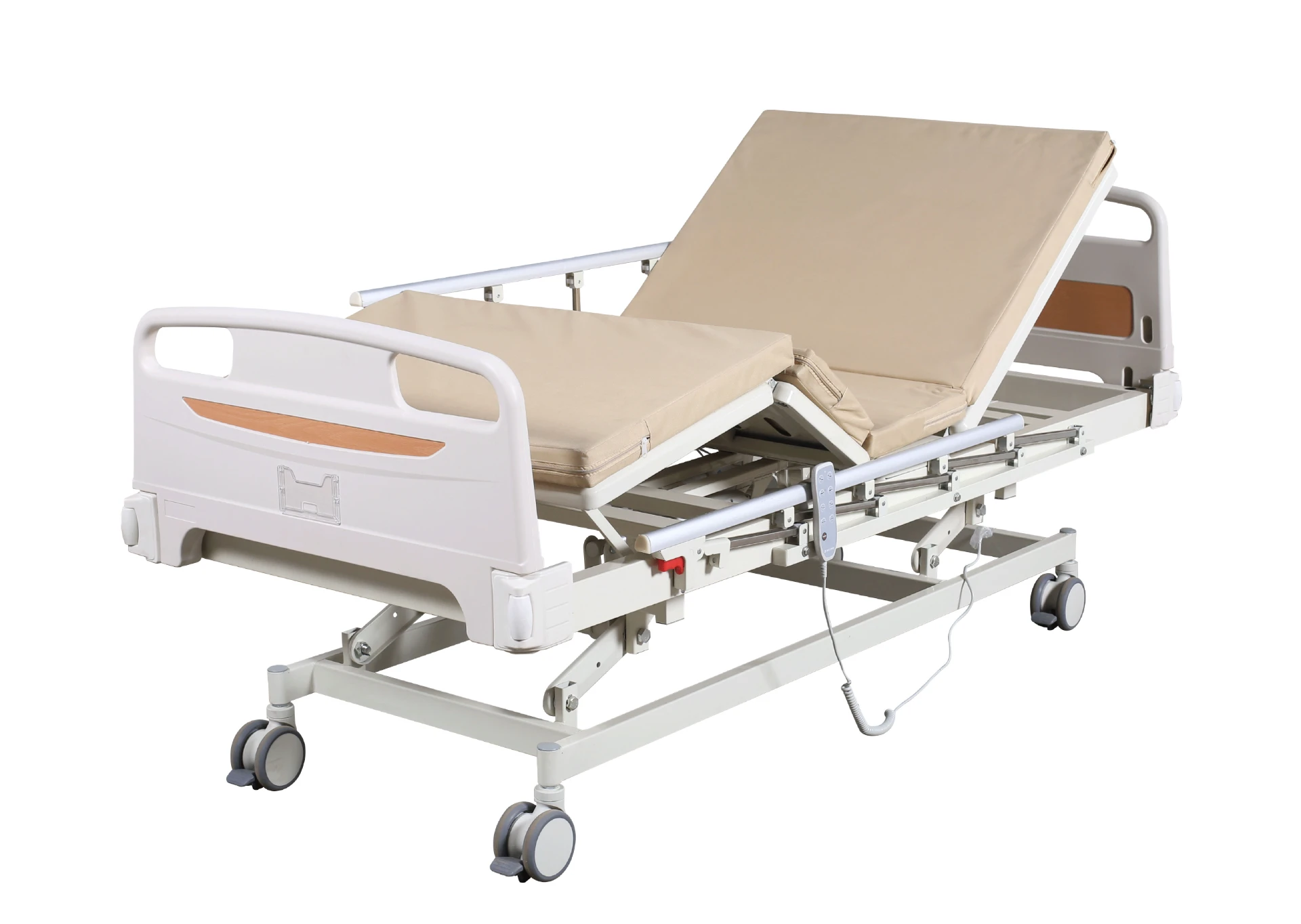
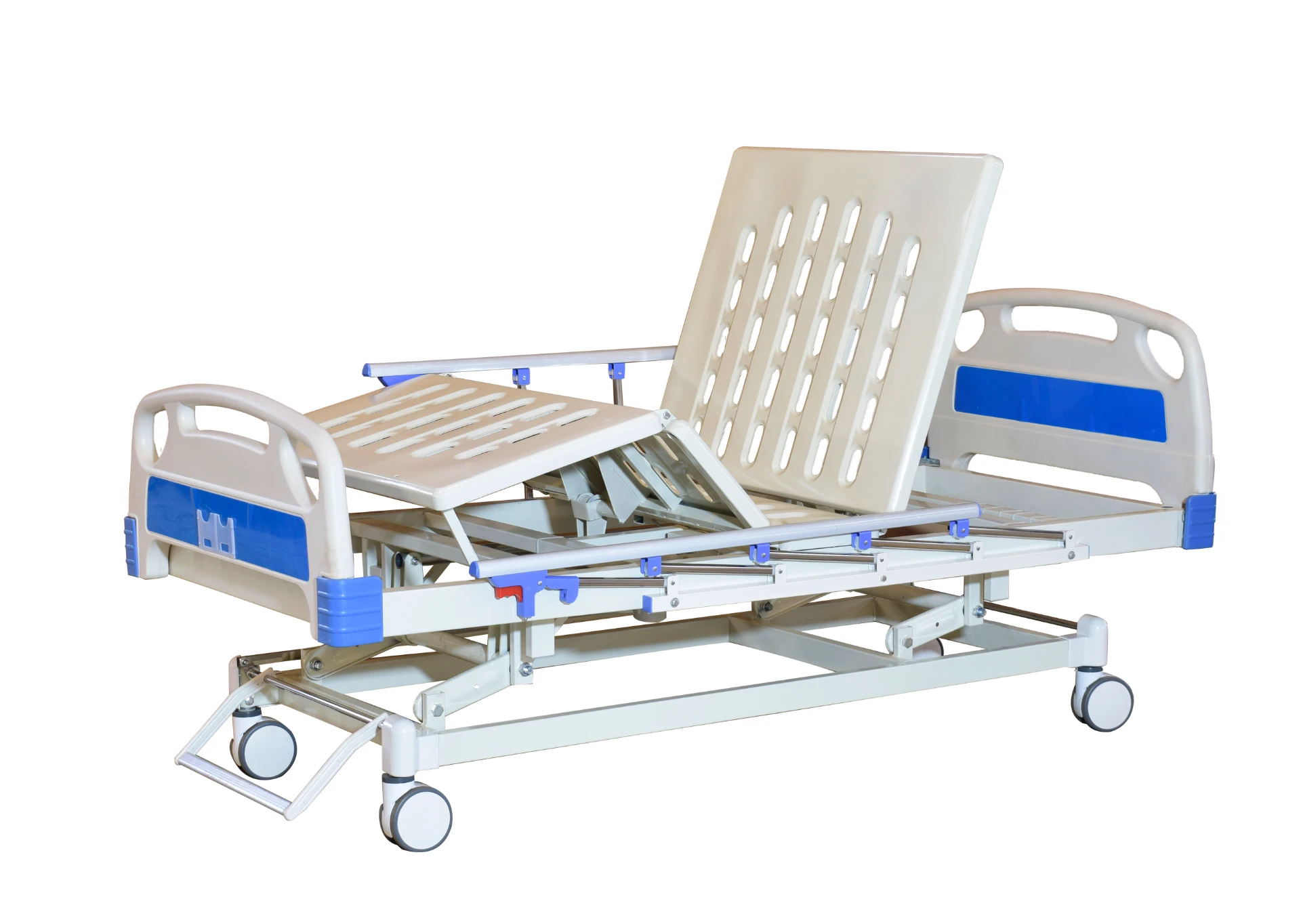
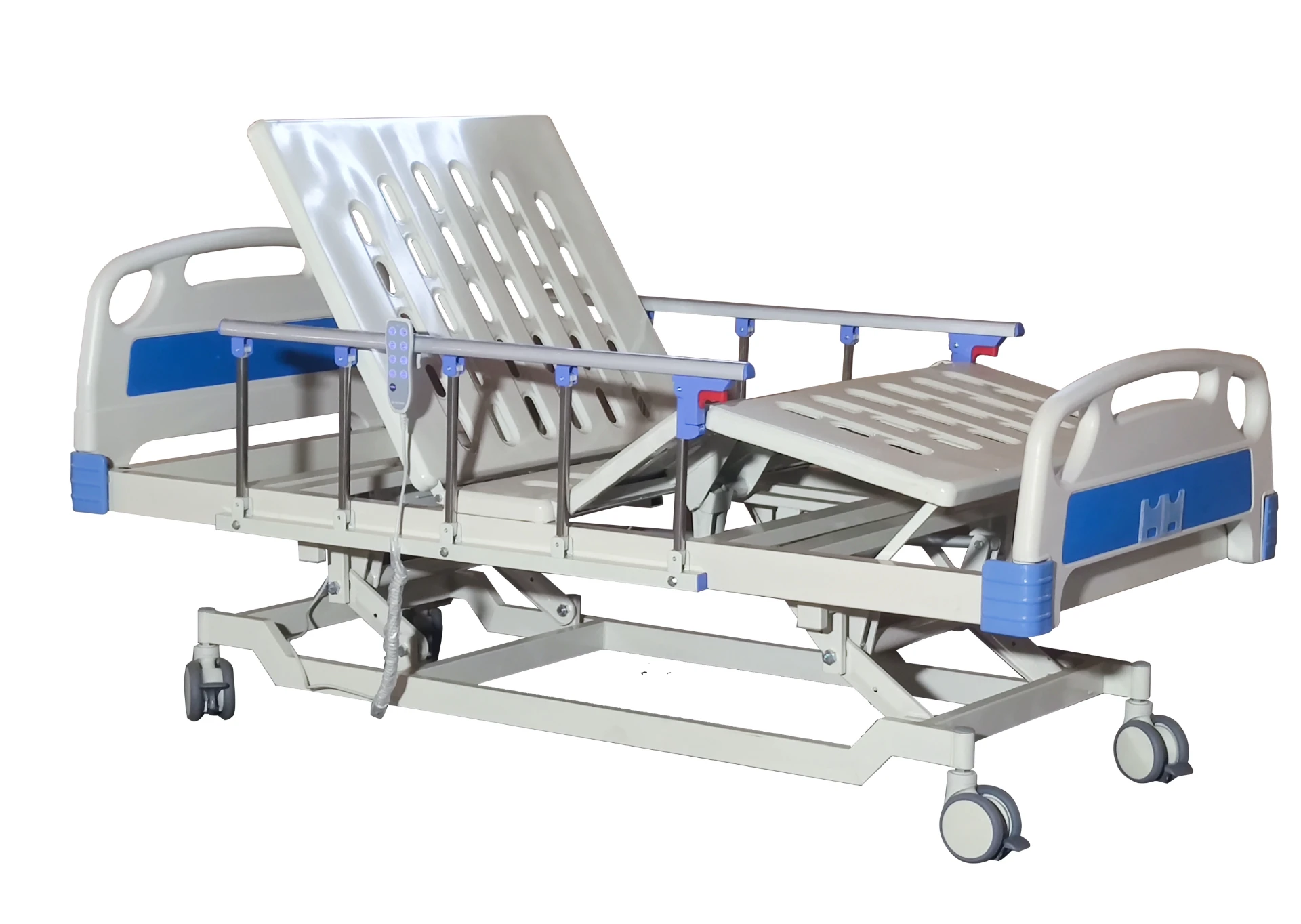
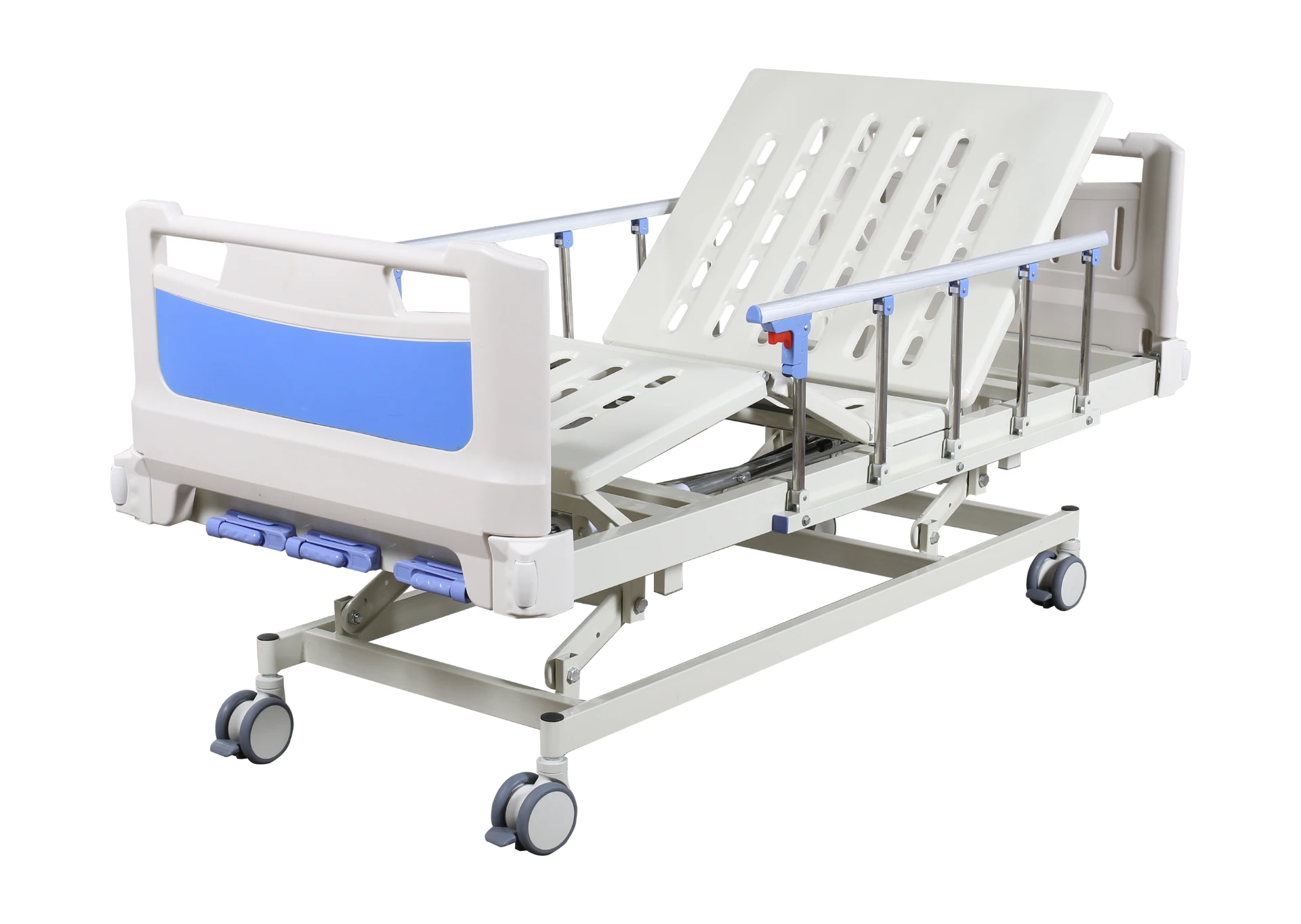
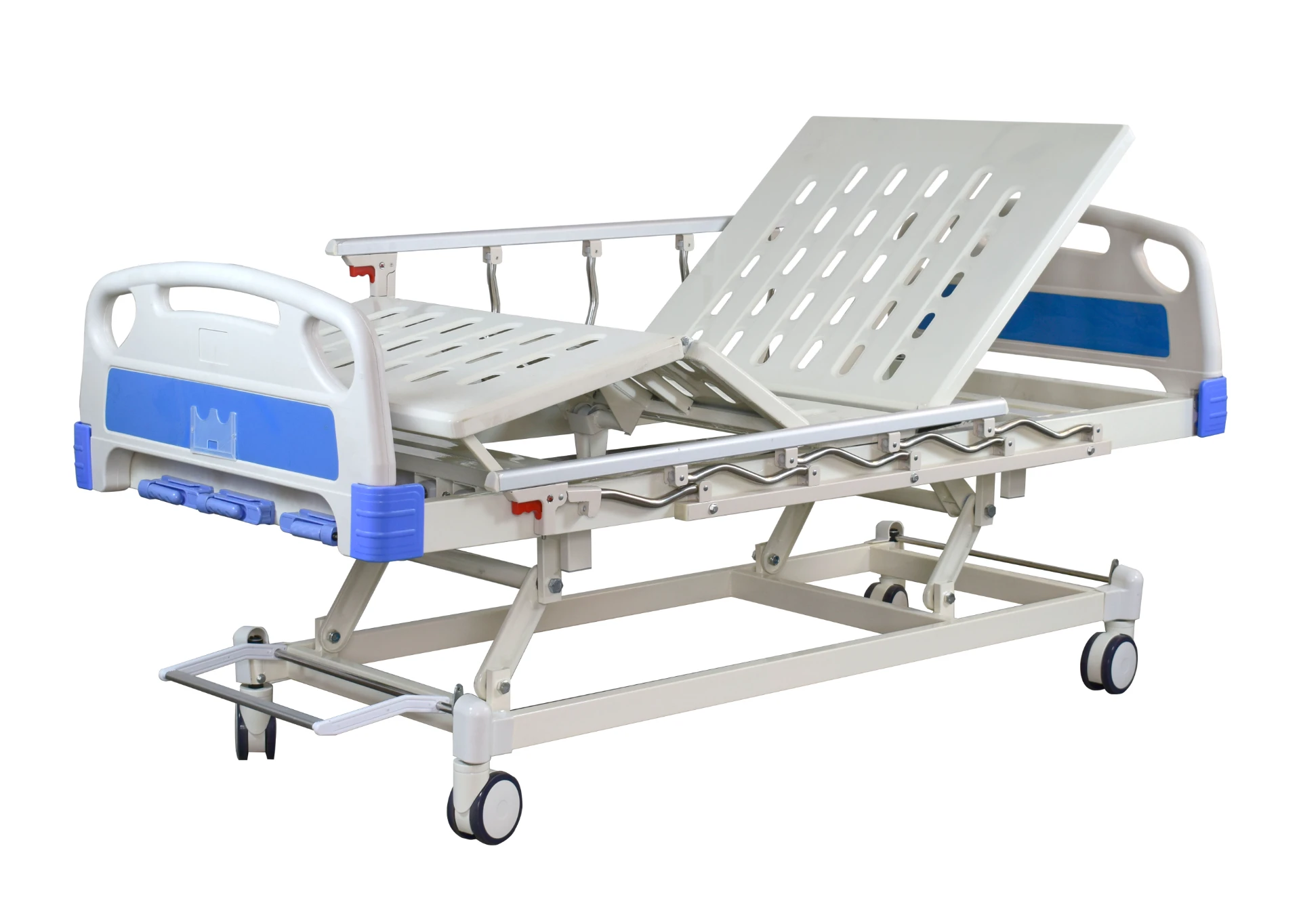
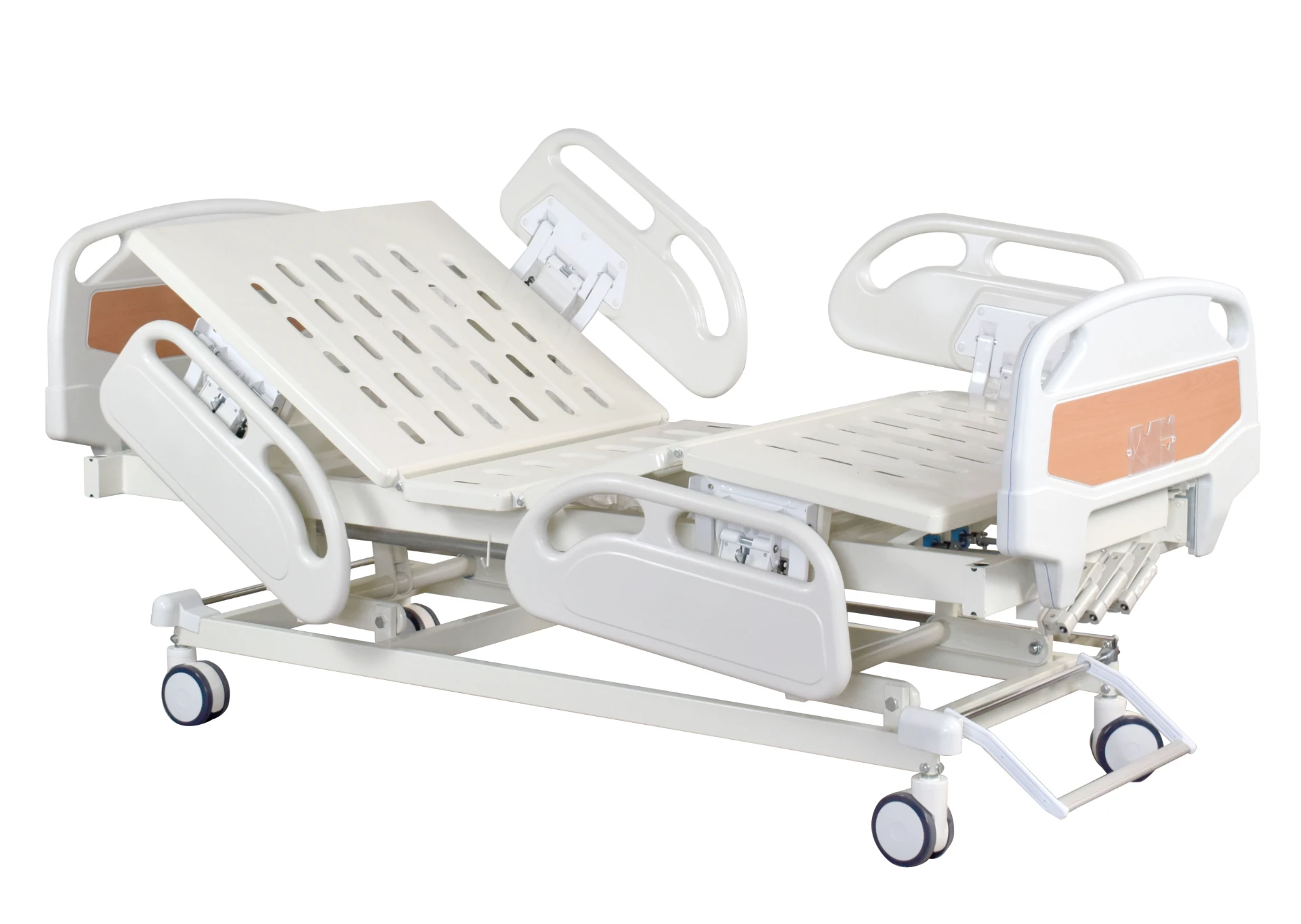
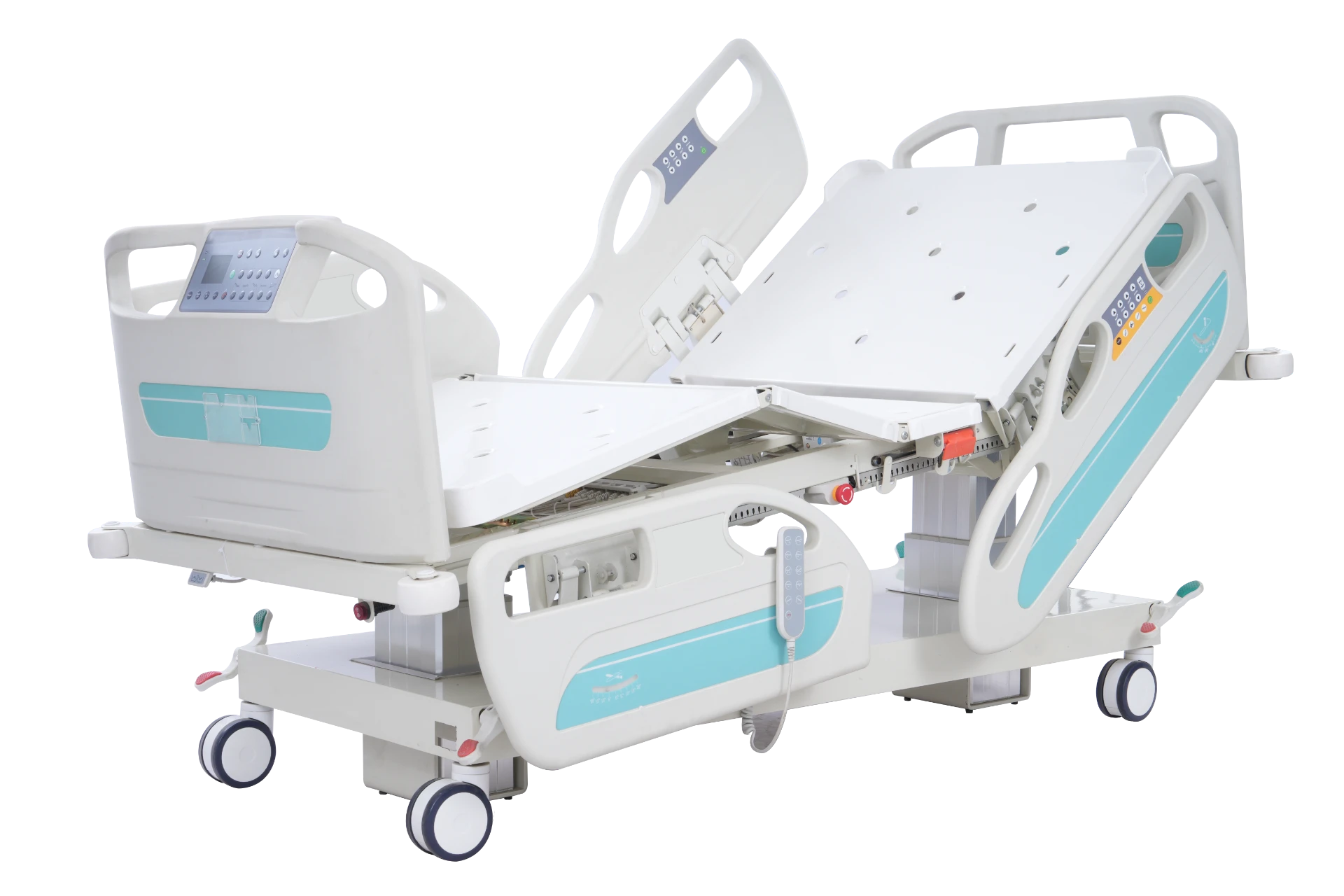
An iron hospital bed is essentially a patient bed built with an iron or steel frame designed to withstand rigorous hospital environments. Unlike plastic or wooden alternatives, these beds offer a sturdier base, easier sanitization, and often improved longevity. They serve both acute care and long-term recovery settings.
The iron frame’s connection to humanitarian and modern healthcare operations is strong— these beds are frequent fixtures in emergency response units, field hospitals, and health centers in resource-limited regions. They thus represent a bridge between industrial manufacturing and direct patient care.
Key Factors of Iron Hospital Beds
1. Durability
Iron hospital beds excel in durability, enduring heavy use without bending or breaking. This means fewer replacements—a major plus in budget-conscious hospitals.
2. Cost Efficiency
Compared to electric or more technologically advanced beds, iron hospital beds are relatively affordable to produce and maintain, lowering total cost of ownership for medical facilities worldwide.
3. Ease of Maintenance and Sanitation
Hospitals demand hygienic environments. The metal surface is easy to clean and disinfect, reducing infection risks—a critical factor underscored during global pandemics.
4. Portability and Scalability
Standardized iron beds can be shipped and installed quickly, supporting rapid deployment in large-scale emergencies, including natural disasters or refugee crises.
Product Specifications: Typical Iron Hospital Bed
| Feature | Specification |
|---|---|
| Material | Powder-coated iron or steel frame |
| Dimensions | 200 cm (L) x 90 cm (W) x 40-55 cm (H adjustable) |
| Weight Capacity | Up to 250 kg (550 lbs) |
| Adjustability | Manual backrest and leg rest adjustment |
| Mobility | Optional lockable castor wheels |
Mini takeaway: These beds aren’t just metal frames; their specs reflect a blend of strength, practicality, and adaptability necessary for busy hospital settings.
Global Applications & Use Cases
Iron hospital beds find their place in diverse scenarios worldwide. In post-disaster relief—think earthquakes or floods—ONGs and UN agencies install them rapidly in field hospitals, ensuring patients have safe, stable places to recover. In remote industrial zones, where wear and tear is high and replacement cycles slow, the robust iron bed offers a reliable solution.
Notably, countries with growing healthcare infrastructure, such as India, Nigeria, and Indonesia, heavily depend on iron hospital beds due to their longevity and ease of servicing. The consistent use across continents speaks volumes about their trusted role.
Vendor Comparison for Iron Hospital Beds
| Vendor | Price Range (USD) | Warranty | Manufacturing Location |
|---|---|---|---|
| MedEquip Global | $180 - $230 | 3 years | China |
| HealthBed Co. | $210 - $260 | 5 years | Germany |
| Global Med Supplies | $150 - $200 | 2 years | India |
Advantages & Long-Term Value
Owning an iron hospital bed means investing in longevity and cost savings. The metal’s durability translates into fewer replacements and less downtime, which hospitals and clinics crave. Plus, from a sustainability perspective, many iron beds today incorporate powder coatings that resist corrosion without toxic chemicals—reducing environmental impact.
On an emotional note, a sturdy, clean, safe hospital bed provides dignity and comfort to patients—something often overlooked but deeply felt. That physical security fosters trust between caregivers and those they care for.
Future Trends & Innovations
The iron hospital bed of tomorrow is not just heavier metal. Engineers experiment with lightweight alloys and modular designs to improve portability without sacrificing strength. There’s also been a push toward integrating digital health tech—like embedded sensors for vital monitoring—and automation, enhancing care while maintaining that trusted iron frame.
Green manufacturing practices are gaining traction as well, meaning lower carbon footprints and recyclable materials. Hospitals aiming for sustainability will likely prefer suppliers championing these innovations.
Challenges & Solutions
Of course, iron hospital beds aren't without issues. Their weight can complicate transportation or assembly, especially in tight or remote locations. Rust or corrosion remains a hazard despite coatings if maintenance lapses.
Experts recommend routine inspections and applying anti-rust treatments regularly. Some manufacturers innovate with removable parts for easier repair or upgrade, reducing waste. Training hospital staff on bed handling improves longevity, too—small things that add up.
FAQ: Your Questions About Iron Hospital Beds
- Q: How durable are iron hospital beds compared to plastic alternatives?
A: Iron hospital beds tend to last significantly longer because of their high load capacity and resistance to impact. While plastics may degrade or crack over time, iron beds typically withstand heavy use in busy healthcare environments. Routine maintenance helps maintain longevity. - Q: Are these beds easy to disinfect in a hospital setting?
A: Yes, iron beds with powder-coated surfaces are designed for easy cleaning and resistance to disinfectants, making them hygienic choices for infection control, especially important in multi-patient wards. - Q: Can iron hospital beds be adjusted manually?
A: Many iron hospital beds feature manual adjustment mechanisms for the backrest and leg rest. This simplicity often reduces repair costs compared to electric models but requires some physical effort by staff or patients. - Q: What is the typical lead time for ordering iron hospital beds internationally?
A: Depending on manufacturing location and shipping options, delivery can range from 2 to 8 weeks. Bulk orders sometimes experience longer lead times. It's best to check with suppliers directly for timelines. - Q: Are iron hospital beds suitable for use in field hospitals?
A: Absolutely. Their durability, ease of sanitation, and relative portability make them ideal for rapid deployment in emergency healthcare settings such as field hospitals.
Conclusion: The Enduring Promise of Iron Hospital Beds
In real terms, the iron hospital bed remains a steadfast pillar in healthcare infrastructure worldwide. Its durability, cost-effectiveness, and adaptability make it indispensable from bustling urban hospitals to remote care outposts. Looking ahead, with innovations blending strength and smart technology, the iron hospital bed will continue supporting patient dignity and care effectiveness.
Curious to learn or explore purchasing options? Visit our website and discover more about reliable, affordable iron hospital beds: https://www.cnboxin.com
Mini takeaway: The iron hospital bed is more than just medical furniture — it’s a critical element weaving together global health resilience and patient care dignity.
References
-
Ultimate Guide to Choosing Extra Wide Waiting Room ChairsNewsApr.16,2026
-
Guide to Choosing Professional Waiting Room Chairs Wipeable SeatingNewsApr.09,2026
-
Enhance Your Space with Comfortable Wide Waiting Room ChairsNewsApr.07,2026
-
Selecting the Ideal Brown Waiting Room Chairs for a Welcoming SpaceNewsApr.04,2026
-
Choosing Comfortable Patient Waiting Room Chairs for Healthcare FacilitiesNewsMar.31,2026
-
Finding the Best Deals on Affordable and Cheap Reception Chairs for Your BusinessNewsMar.28,2026
-
Enhance Your Business Reception with Comfortable Blue Reception ChairsNewsMar.26,2026