Welcome to our websites!


Comprehensive Guide to Maternity Beds: Global Benefits, Features & Trends
Maternity Beds: Essential Comfort and Care in Global Healthcare
It might surprise some how vital maternity beds are worldwide — they’re more than just furniture. These specialized beds are a cornerstone in maternal healthcare, shaping how clinics and hospitals approach childbirth care globally. Understanding maternity beds helps us appreciate the blend of innovation, comfort, and safety that supports mothers during such a critical time. And, frankly, it’s a topic that deserves more attention than it usually gets.
Global Context: Why Maternity Beds Matter
Globally, improving maternal health remains a key challenge. According to the United Nations, approximately 295,000 women died due to pregnancy or childbirth-related complications in 2017. While significant progress has been made, many regions still lack adequate healthcare infrastructure — including access to proper maternity beds that ensure mother and newborn safety through delivery and postnatal care.
The World Bank’s data shows that enhancing maternal health infrastructure correlates strongly with lowered mortality rates, especially in developing countries. Clearly, maternity beds are a practical, tangible part of this crucial infrastructure. They’re literally where lives begin, so investing in the right beds isn’t just good healthcare—it’s a lifeline.
What Exactly Are Maternity Beds?
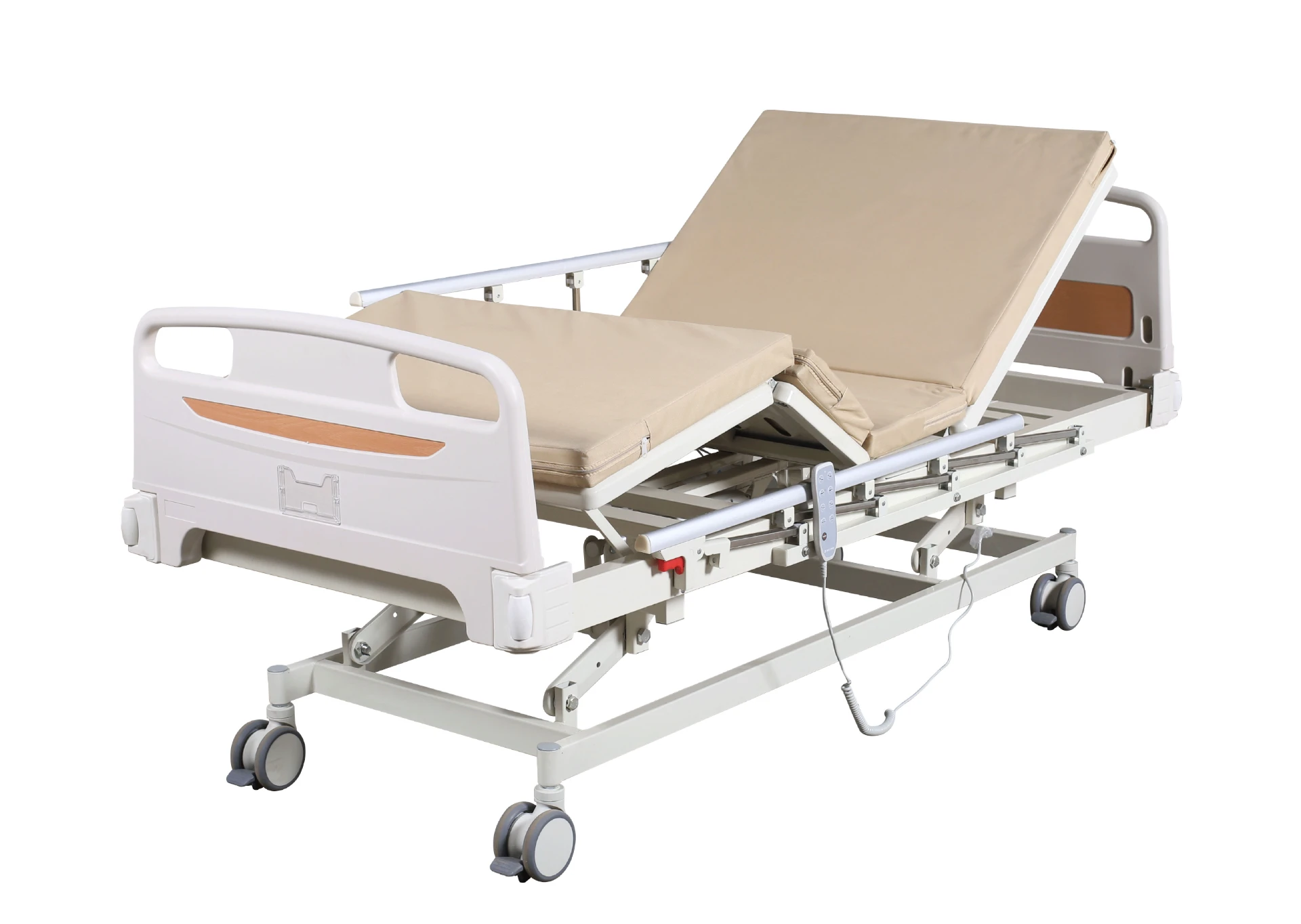
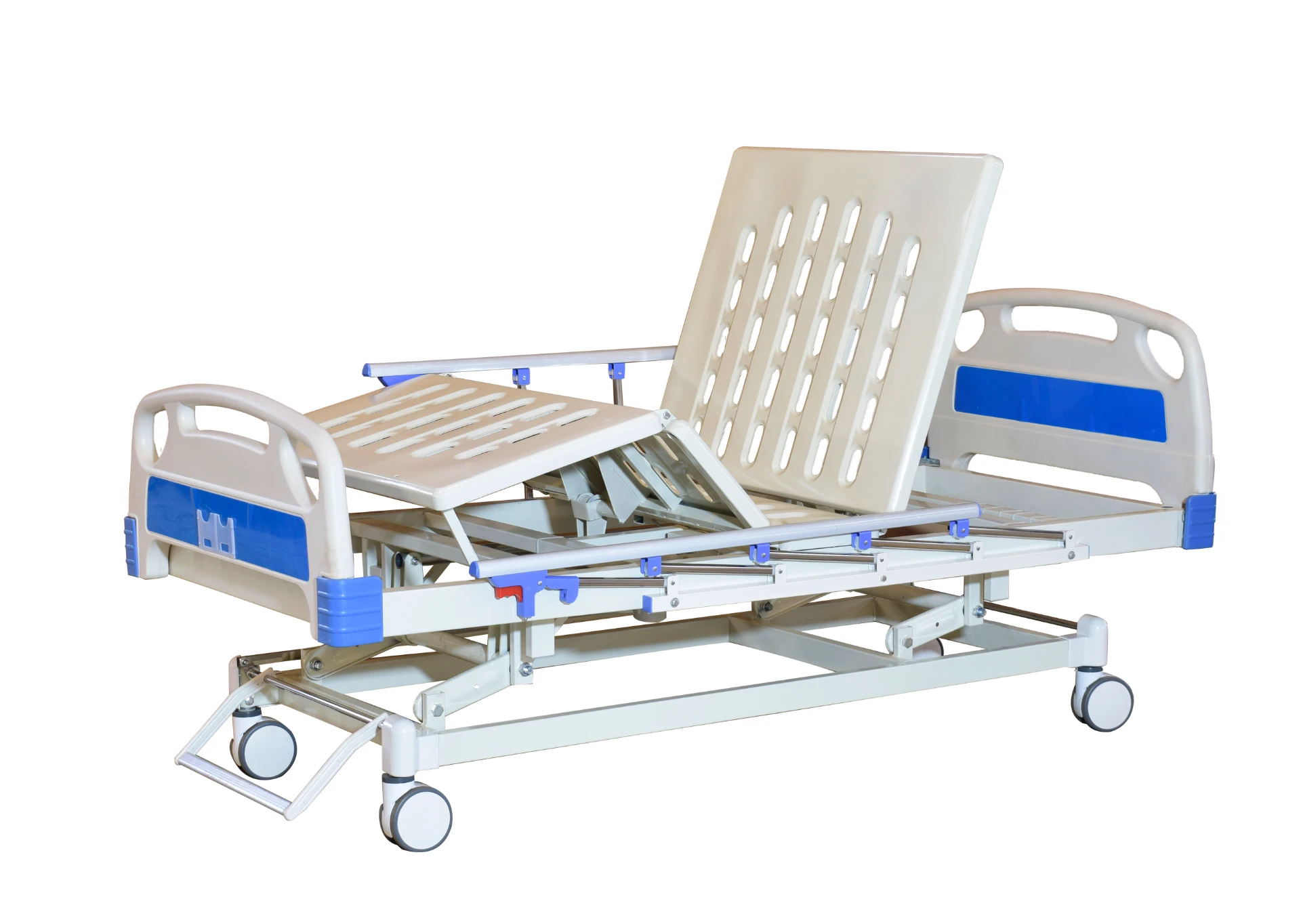
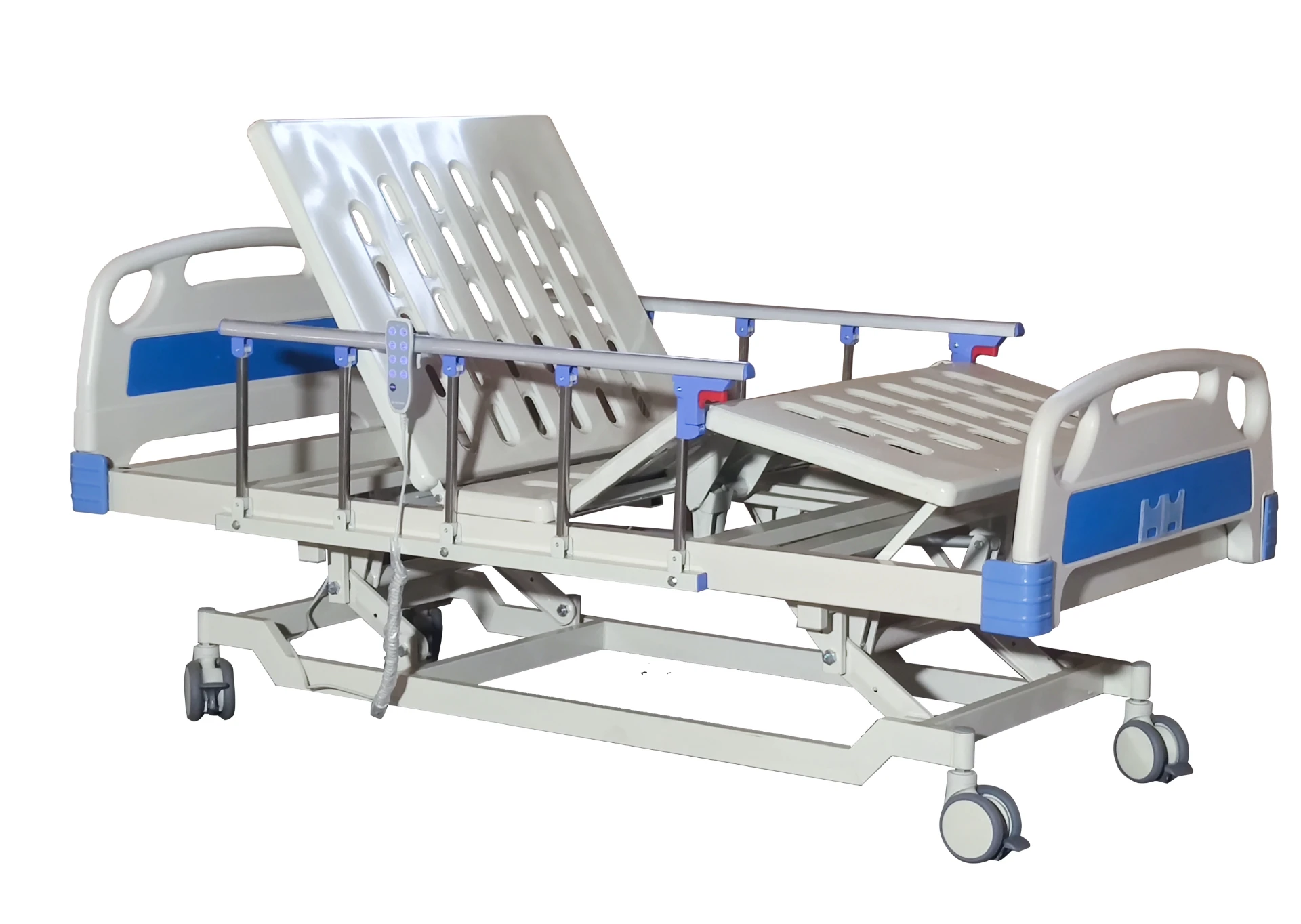
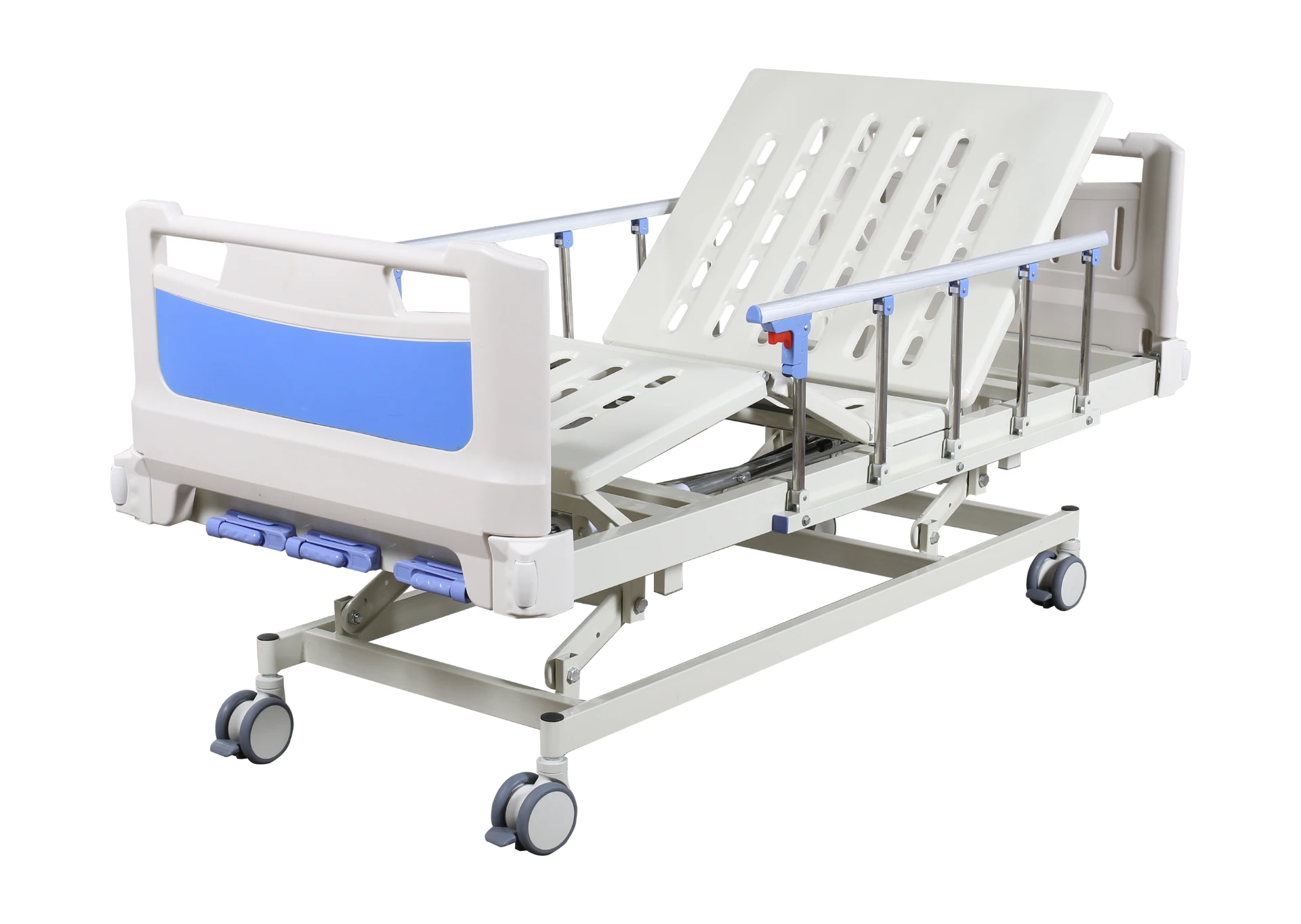
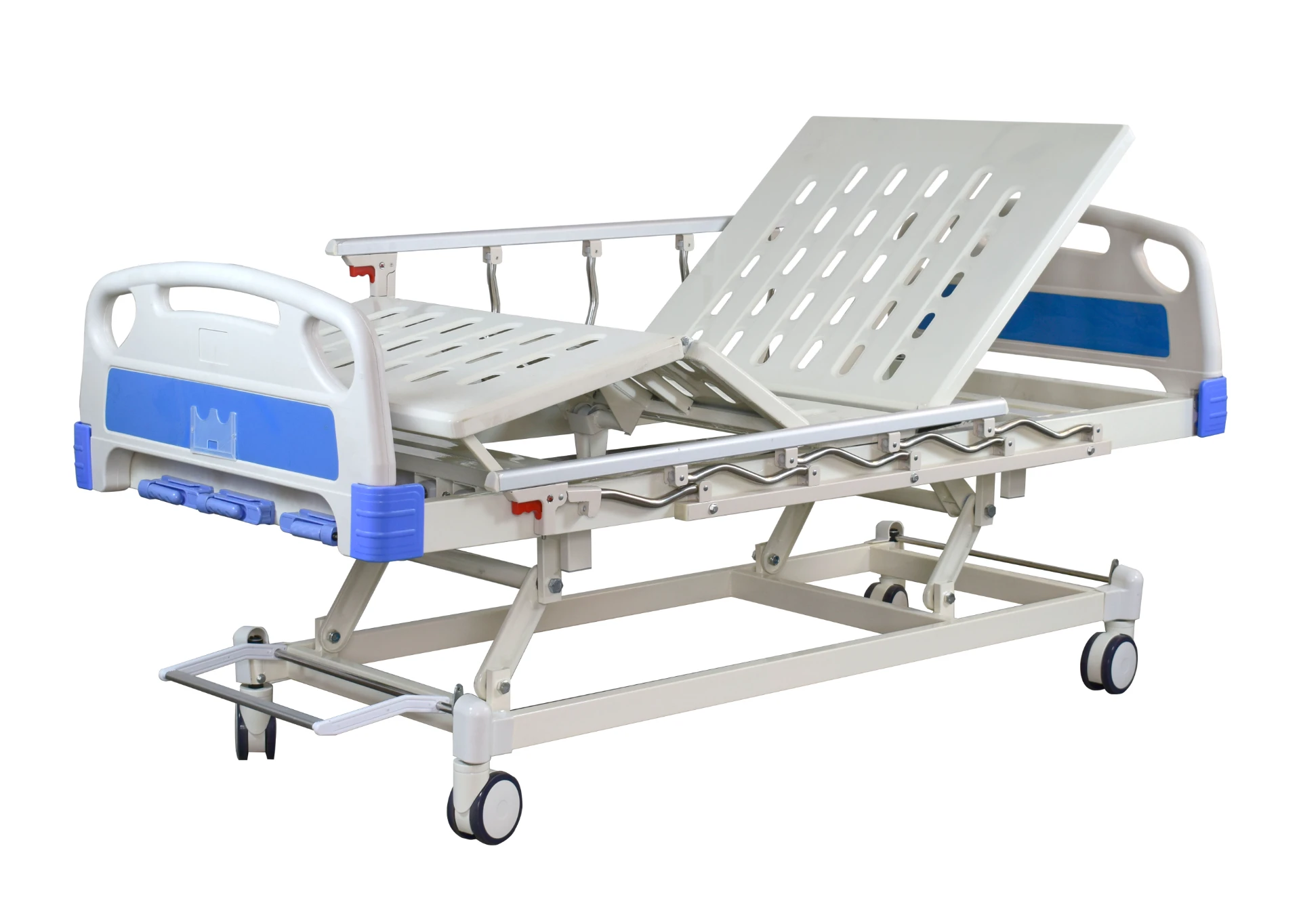
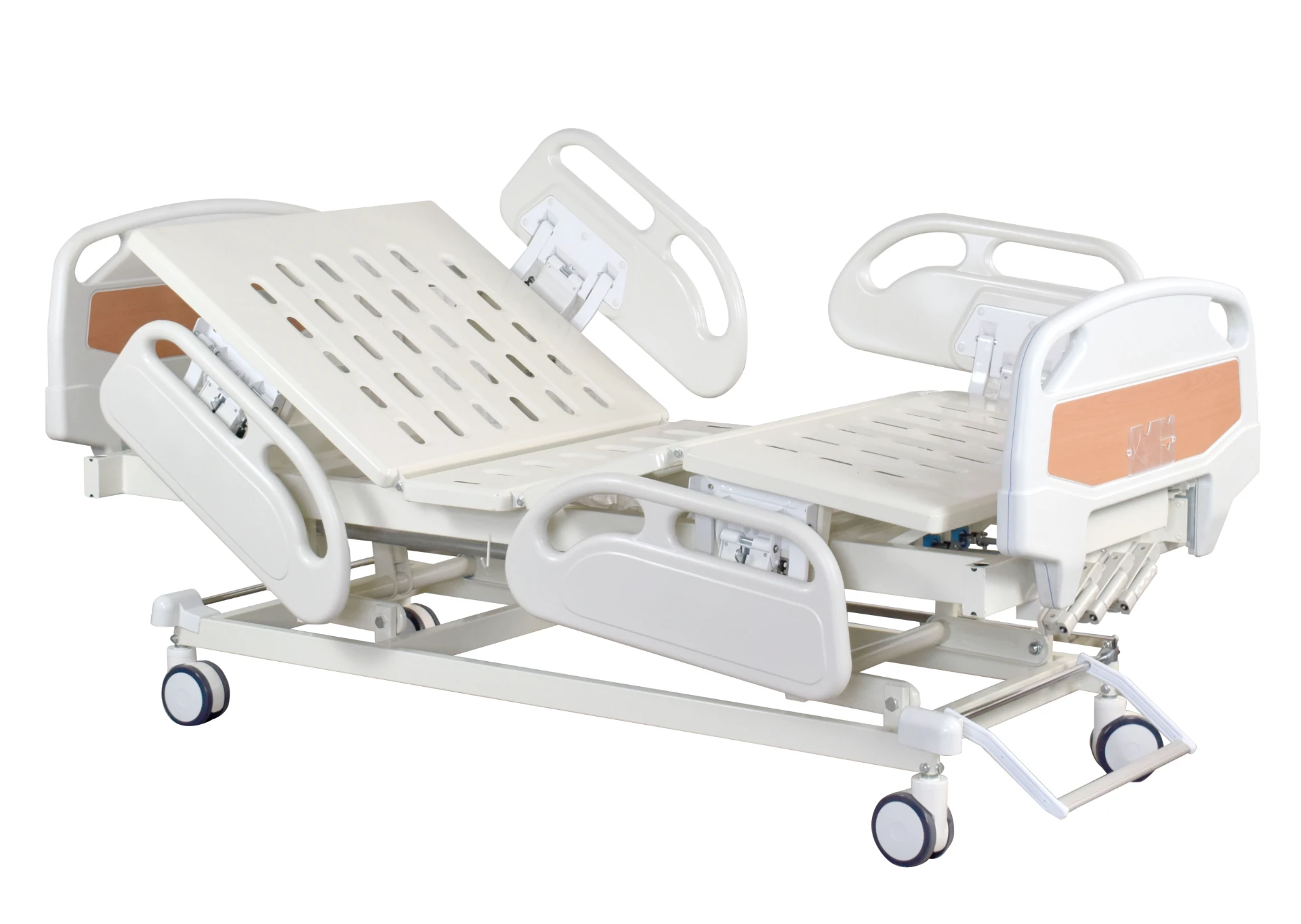
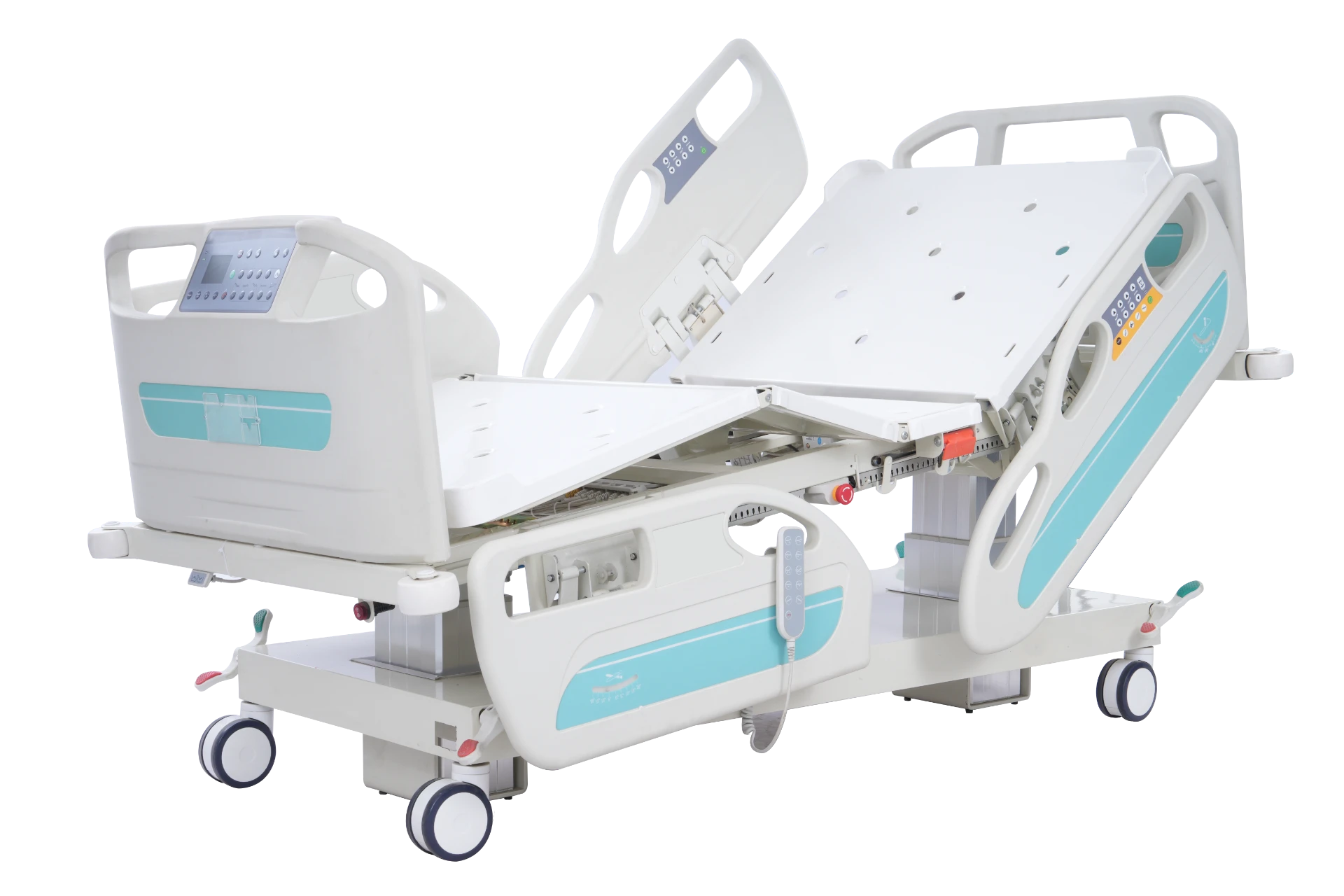
In simplest terms, maternity beds are specialized hospital beds designed to support women during pregnancy, labor, delivery, and postpartum recovery. Unlike standard hospital beds, these beds offer adjustable positions to accommodate different stages of childbirth. Think of them as both ergonomic and medical equipment rolled into one.
They’re critical in both developed hospitals and humanitarian scenarios — such as emergency maternity clinics in disaster zones, refugee camps, or remote rural areas, where maternal care needs to be mobile, sturdy, and adaptable.
Core Components of Maternity Beds
1. Adjustability
A key feature is the ability to adjust backrests, leg supports, and seat height. This supports various birthing positions and improves comfort not just for mothers but also for healthcare practitioners.
2. Durability & Hygiene
These beds are built to last with materials that withstand disinfectants and repeated cleaning cycles, essential for infection control. Stainless steel frames are common for their durability and easy maintenance.
3. Safety Features
Side rails, locking wheels, and secure restraints ensure patient safety during labor and transportation within a facility.
4. Integration with Medical Devices
Some models come with attachments for fetal monitors, IV poles, or resuscitation equipment, making them central hubs during childbirth complications.
5. Portability
Especially in field hospitals or temporary setups, lightweight and foldable designs enable quick deployment and transport. This is a lifesaver where infrastructure is limited or when rapid evacuation might be necessary.
Global Applications & Use Cases
Maternity beds find use in vastly different environments. In high-end hospitals in Europe or North America, they’re often part of a suite of technologically advanced equipment enhancing patient experience. Meanwhile, in remote rural clinics in Africa and Southeast Asia, these beds may be simpler but crucial to providing safer childbirth conditions.
Humanitarian organizations like WHO and UNICEF frequently include maternity beds in their emergency kits for post-disaster relief, refugee camps, or regions affected by conflict where maternal mortality tends to spike due to insufficient healthcare infrastructure.
In industrial sites — for instance, oil rigs or mining operations where rapid medical response is vital — portable maternity beds offer dependable solutions ensuring expectant employees can access suitable care onsite.
Advantages & Long-Term Value of Maternity Beds
Proper maternity beds reduce risk of injury, infection, and discomfort, contributing directly to better maternal and neonatal outcomes. Cost-wise, though the upfront investment may seem high, their durability and adaptability often mean fewer replacements and maintenance costs.
Socio-culturally, a good maternity bed helps uphold dignity and respect during childbirth — factors that can have lasting emotional impacts on mothers and families. It’s not just about function, but fostering trust between patients and caregivers.
Looking Ahead: The Future of Maternity Beds
Innovation is steadily transforming maternity beds. We’re seeing smart beds integrated with sensors and IoT technology that track vital signs or alert nurses in emergencies. Environmentally, manufacturers are exploring sustainable materials with lower carbon footprints and antimicrobial fabric technology for hygiene without harsh chemicals.
On the policy side, more governments and NGOs are prioritizing investments in maternal care infrastructure, which means access to quality maternity beds will continue expanding, especially in underserved areas.
Challenges in Current Practice—and How to Solve Them
The biggest challenges remain affordability in low-income countries, and the difficulty of deploying heavy equipment in remote or conflict zones. Logistics and supply chain delays also hamper timely access.
One promising solution involves modular, lightweight bed designs that can be assembled onsite and multifunctional beds that serve various medical needs beyond maternity, optimizing resource use. Partnerships between manufacturers, local health agencies, and international organizations are key to overcoming these hurdles.
FAQ: Frequently Asked Questions About Maternity Beds
- Q: What features should I look for in a maternity bed for rural clinics?
A: Focus on portability, ease of cleaning, and basic adjustability (backrest and leg elevation). Durability with antimicrobial materials is important to reduce infection risks in resource-limited settings. - Q: How are maternity beds different from standard hospital beds?
A: Maternity beds have specialized adjustability for labor positions, attachments for fetal monitoring, and enhanced safety rails designed specifically for childbirth and postpartum care. - Q: Can maternity beds be used in home births?
A: While typically hospital-grade, some models are designed for home use, especially for midwife-assisted births. They offer better support and safety than regular beds, though require professional handling. - Q: What is the typical lifespan of a maternity bed?
A: With proper maintenance, a quality maternity bed can last 7-10 years or more. Regular inspection of mechanical parts and upholstery cleanliness is essential.
Conclusion
Maternity beds are a foundational yet sometimes overlooked piece of global maternal health infrastructure. They combine safety, comfort, and technology to improve birthing outcomes everywhere, from urban hospitals to remote clinics. Their future promises exciting innovations that further enhance care and accessibility.
If you want to explore quality maternity beds and discover the latest models for your healthcare facility or humanitarian project, visit our website for detailed product info and expert advice.
At the end of the day, a well-designed maternity bed is about more than comfort — it’s about supporting new life with dignity and care.
-
Ultimate Guide to Choosing Extra Wide Waiting Room ChairsNewsApr.16,2026
-
Guide to Choosing Professional Waiting Room Chairs Wipeable SeatingNewsApr.09,2026
-
Enhance Your Space with Comfortable Wide Waiting Room ChairsNewsApr.07,2026
-
Selecting the Ideal Brown Waiting Room Chairs for a Welcoming SpaceNewsApr.04,2026
-
Choosing Comfortable Patient Waiting Room Chairs for Healthcare FacilitiesNewsMar.31,2026
-
Finding the Best Deals on Affordable and Cheap Reception Chairs for Your BusinessNewsMar.28,2026
-
Enhance Your Business Reception with Comfortable Blue Reception ChairsNewsMar.26,2026