Welcome to our websites!


Hydraulic Delivery Bed: Enhancing Patient Safety and Mobility Worldwide
Hydraulic Delivery Bed: A Quiet Revolution in Medical and Industrial Transport
At first glance, the term hydraulic delivery bed might bring to mind a bulky medical apparatus — and that’s not far from the truth. But dig deeper, and you’ll find this technology touches crucial aspects of healthcare, disaster response, and even industrial logistics worldwide. Why does this matter? Quite simply, it’s the unsung hero improving patient safety, streamlining bed movement, and enabling efficient deliveries in some of the toughest environments on earth.
Global Context: Why Hydraulic Delivery Beds Are More Relevant Than Ever
Globally, the demand for medical infrastructure that supports quick and safe patient transportation has skyrocketed. According to the World Health Organization (WHO), millions of healthcare facilities still lack adequate patient handling equipment, contributing to avoidable injuries and delays in treatment. The hydraulic delivery bed plays a key role in closing this gap. Additionally, with more than 130 million people affected by disasters annually (UN Office for Disaster Risk Reduction), the need for reliable, maneuverable beds for frontline medical response isn’t going away anytime soon.
In industrial contexts, too, these beds simplify the safe movement of patients or injured workers within factories and remote sites, reducing downtime. As health and safety regulations tighten globally, the hydraulic delivery bed becomes more of a must-have rather than a luxury.
Mini takeaway: The hydraulic delivery bed seamlessly blends healthcare needs with global challenges like disaster response and workplace safety, making it a versatile, needed innovation.
What Exactly Is a Hydraulic Delivery Bed?
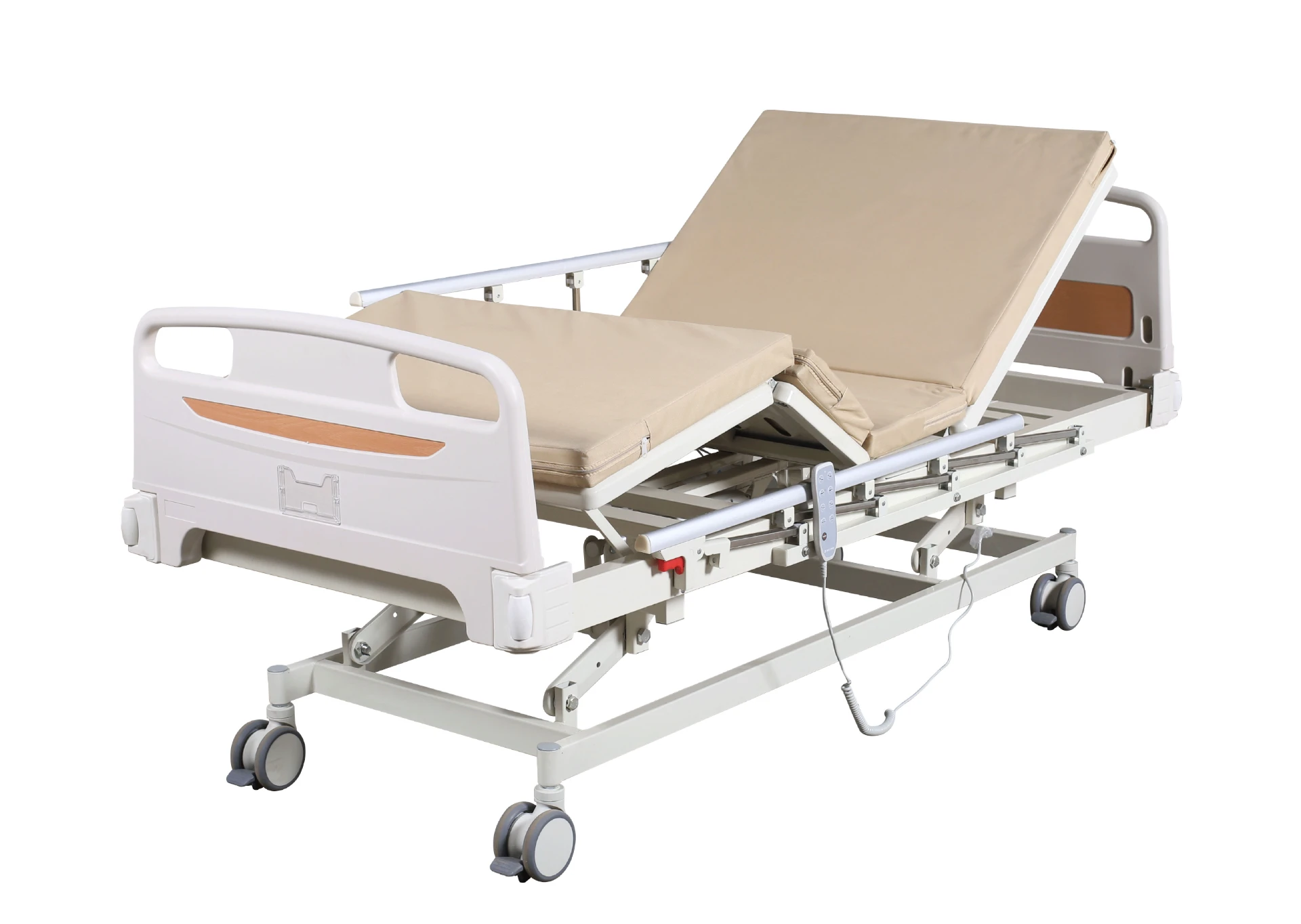
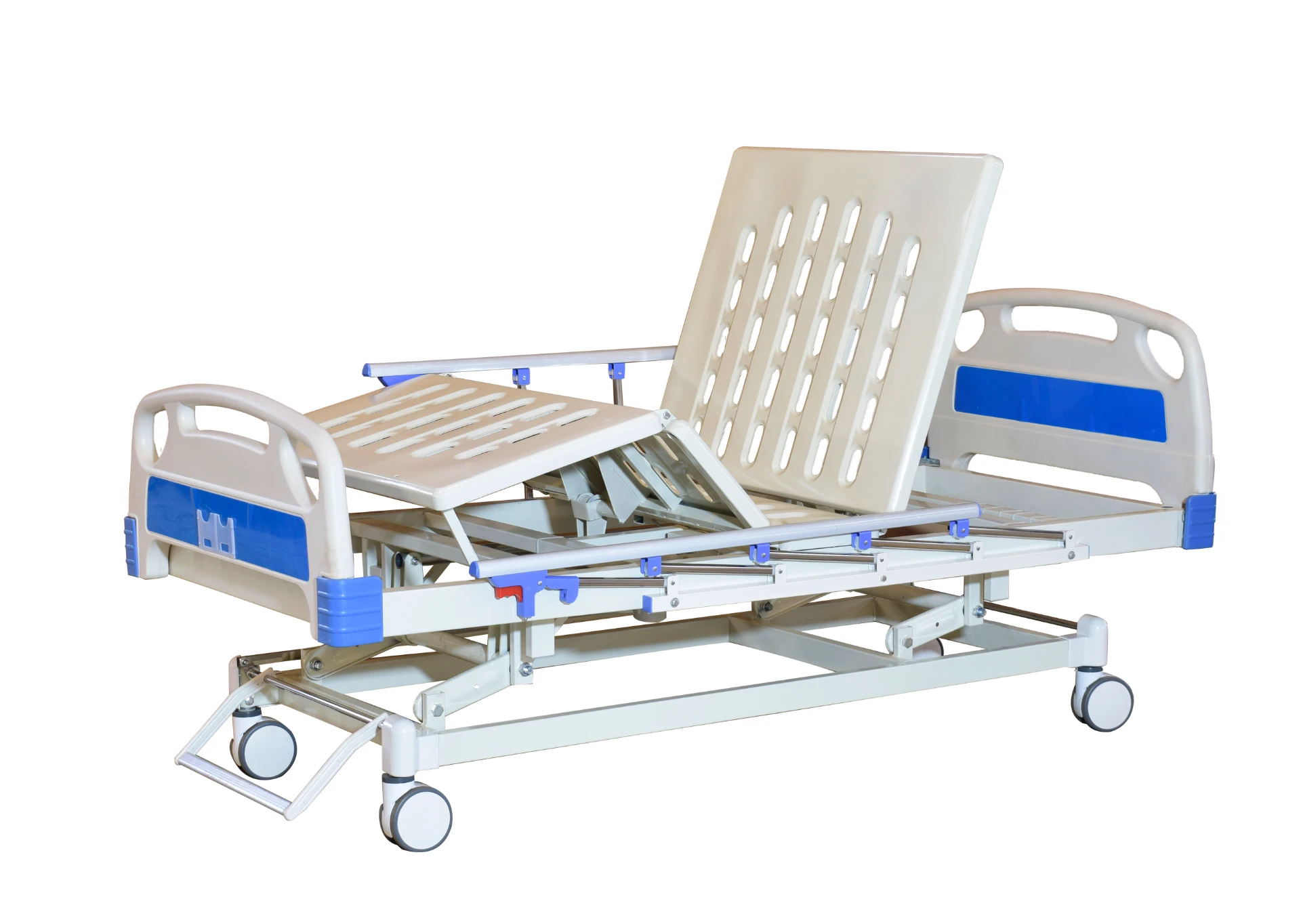
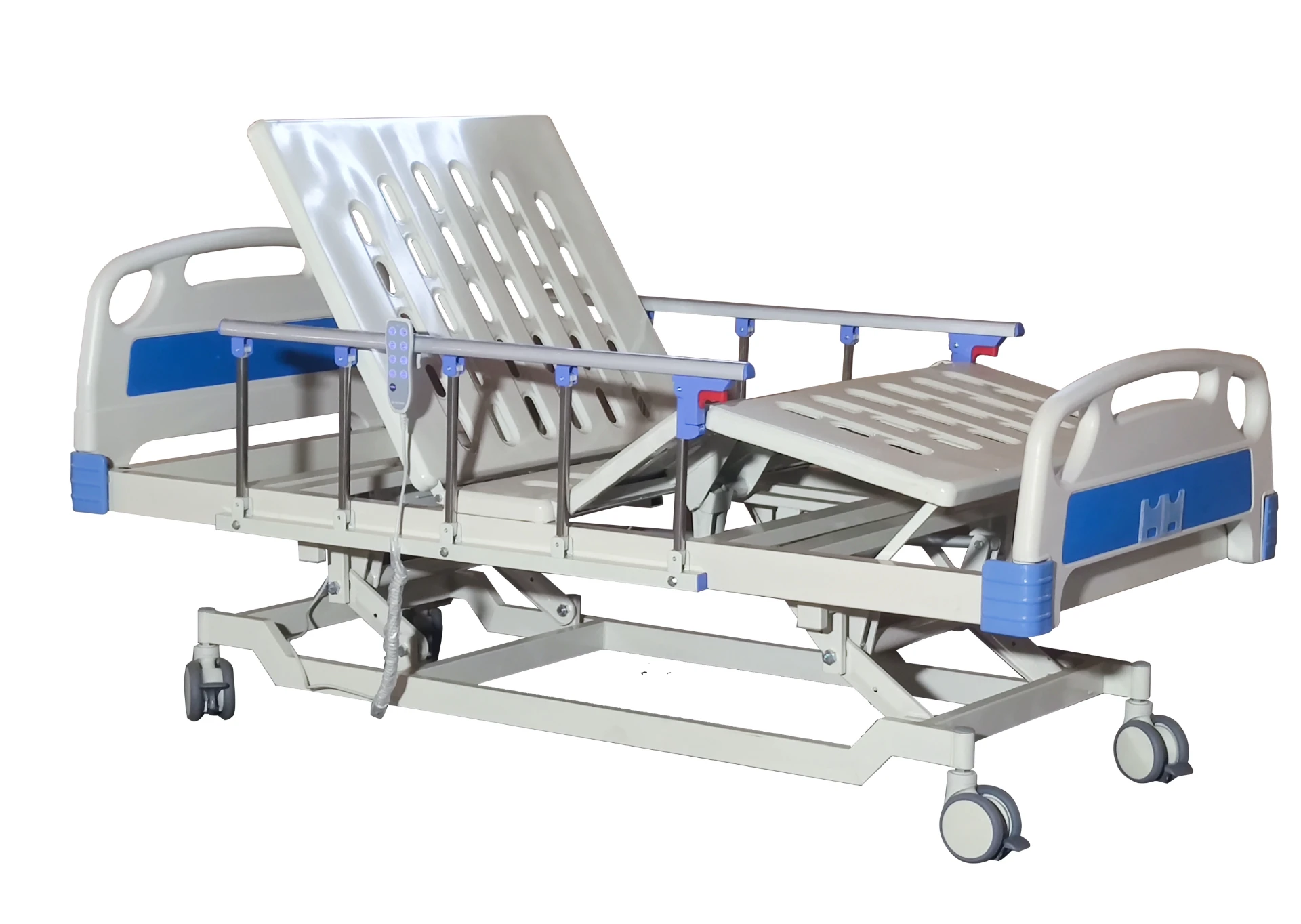
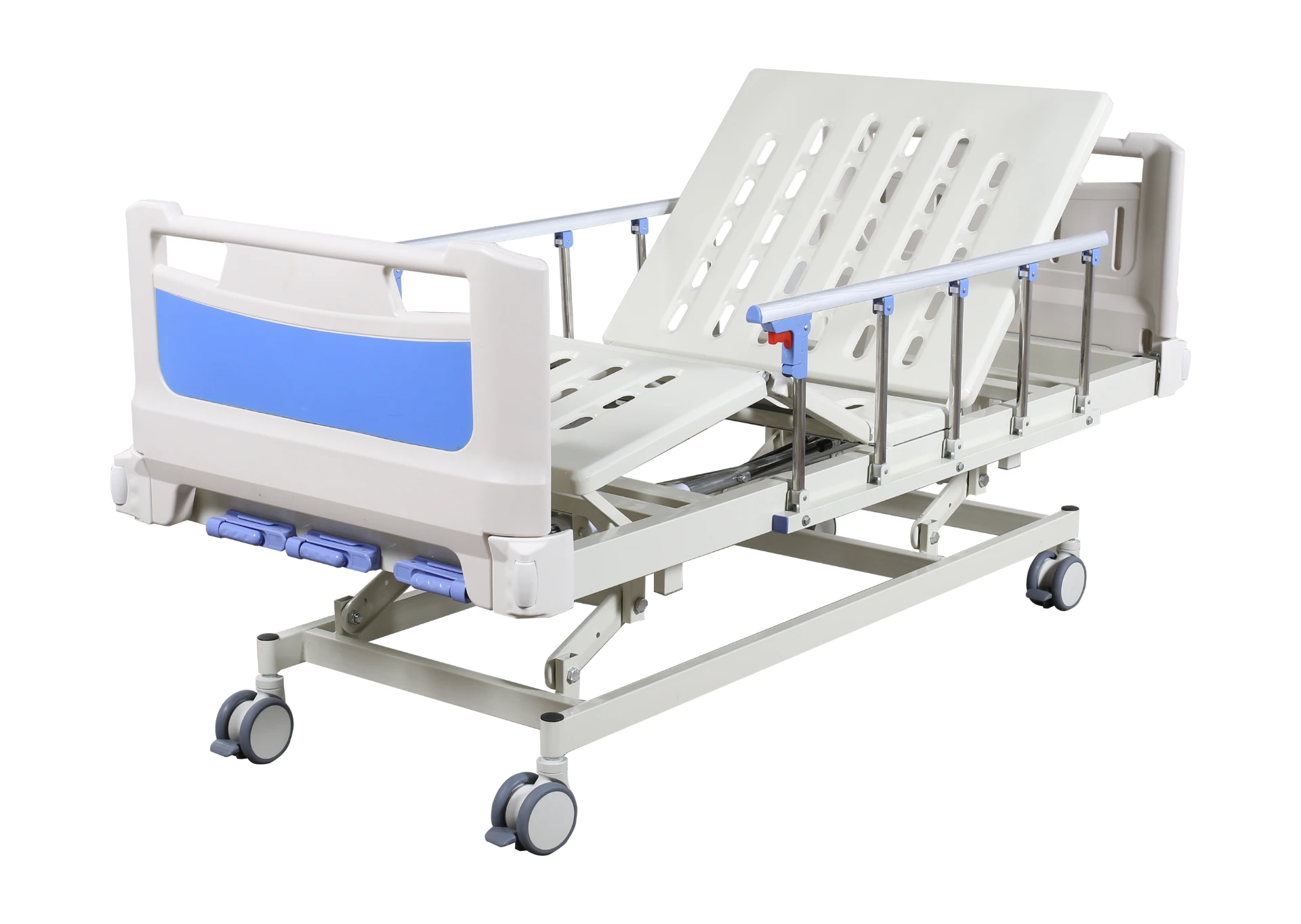
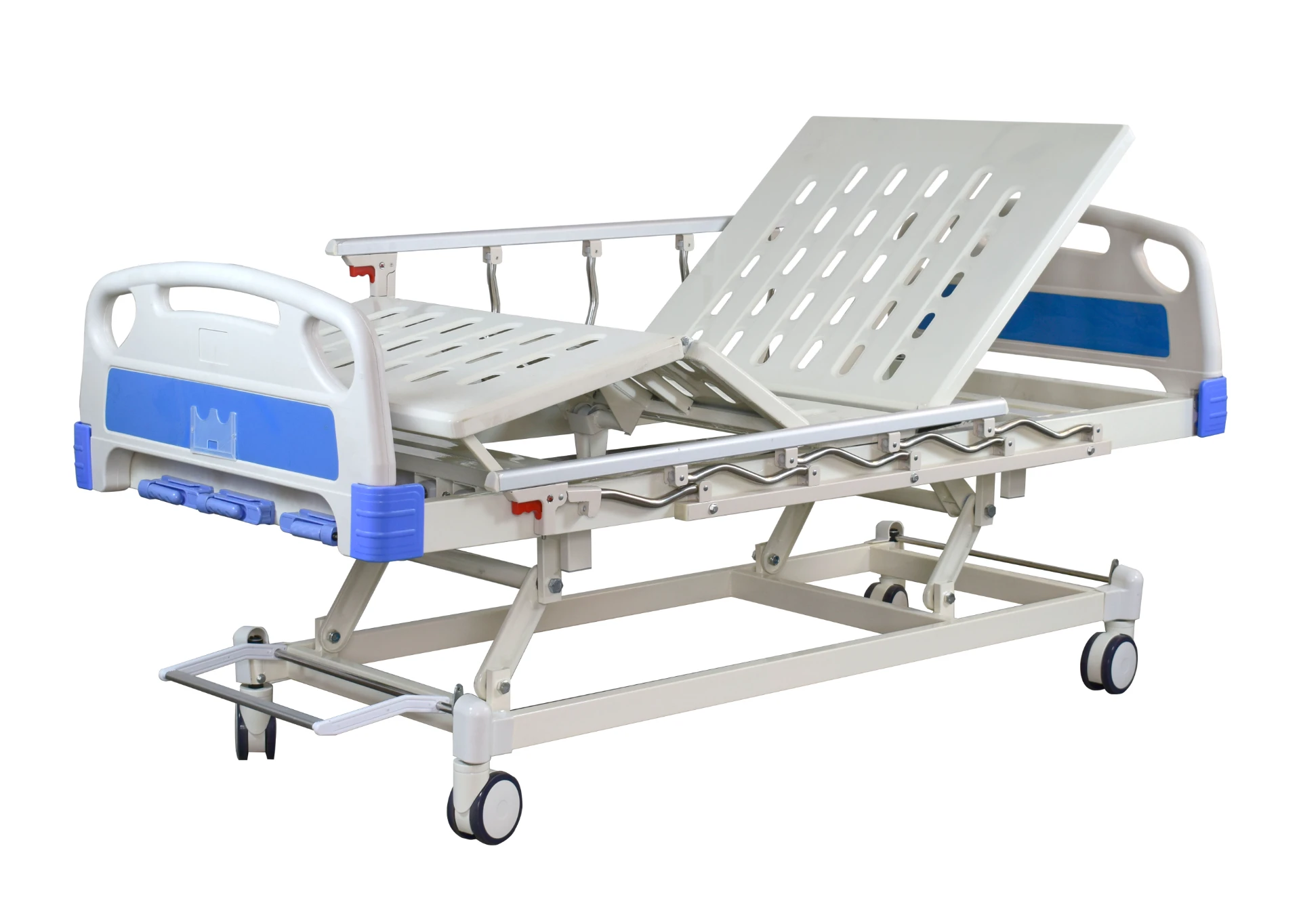
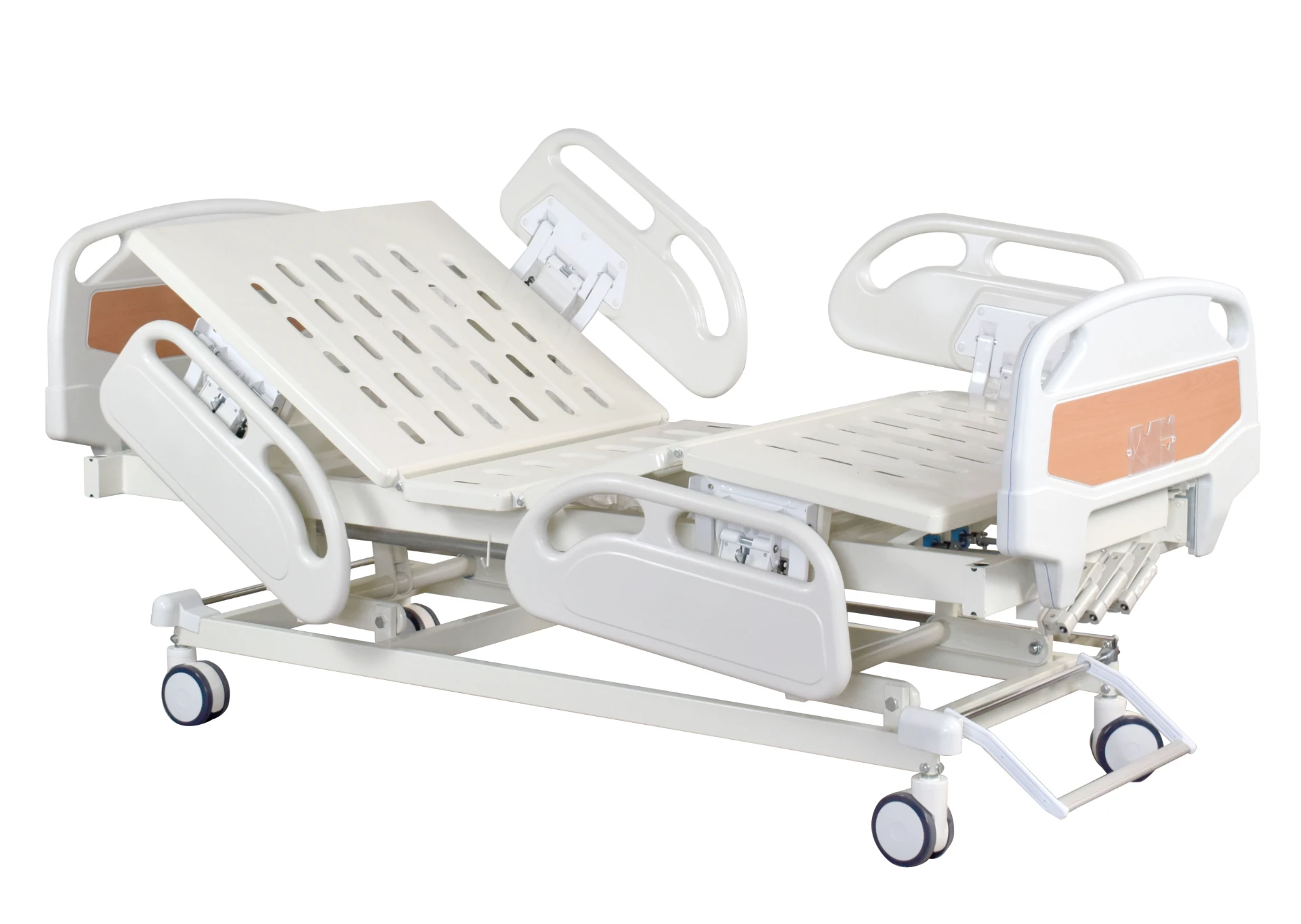
In simple terms, a hydraulic delivery bed is a mobile platform equipped with a hydraulic lift system designed to transport patients or delicate goods smoothly and safely. These beds allow easy height adjustments and controlled movement, minimizing strain for caregivers and preventing sudden jolts for patients.
While they’re common in hospitals, their utility extends beyond—emergency relief camps, mobile clinics, and even industrial first-aid stations rely on these beds to maintain dignity and safety in transport. Oddly enough, their hydraulic mechanisms have roots intertwined with heavy machinery, which explains their robustness and effectiveness.
Core Components of a Hydraulic Delivery Bed
1. Hydraulic Lifting System
This is the heart of the bed. A sealed system usually containing oil and pistons delivers smooth height changes from a control lever or foot pump.
2. Durable Frame and Casters
Constructed from steel or aluminum alloys, the frame must be strong yet lightweight enough for maneuverability. Locking wheels add an element of safety during stationary use.
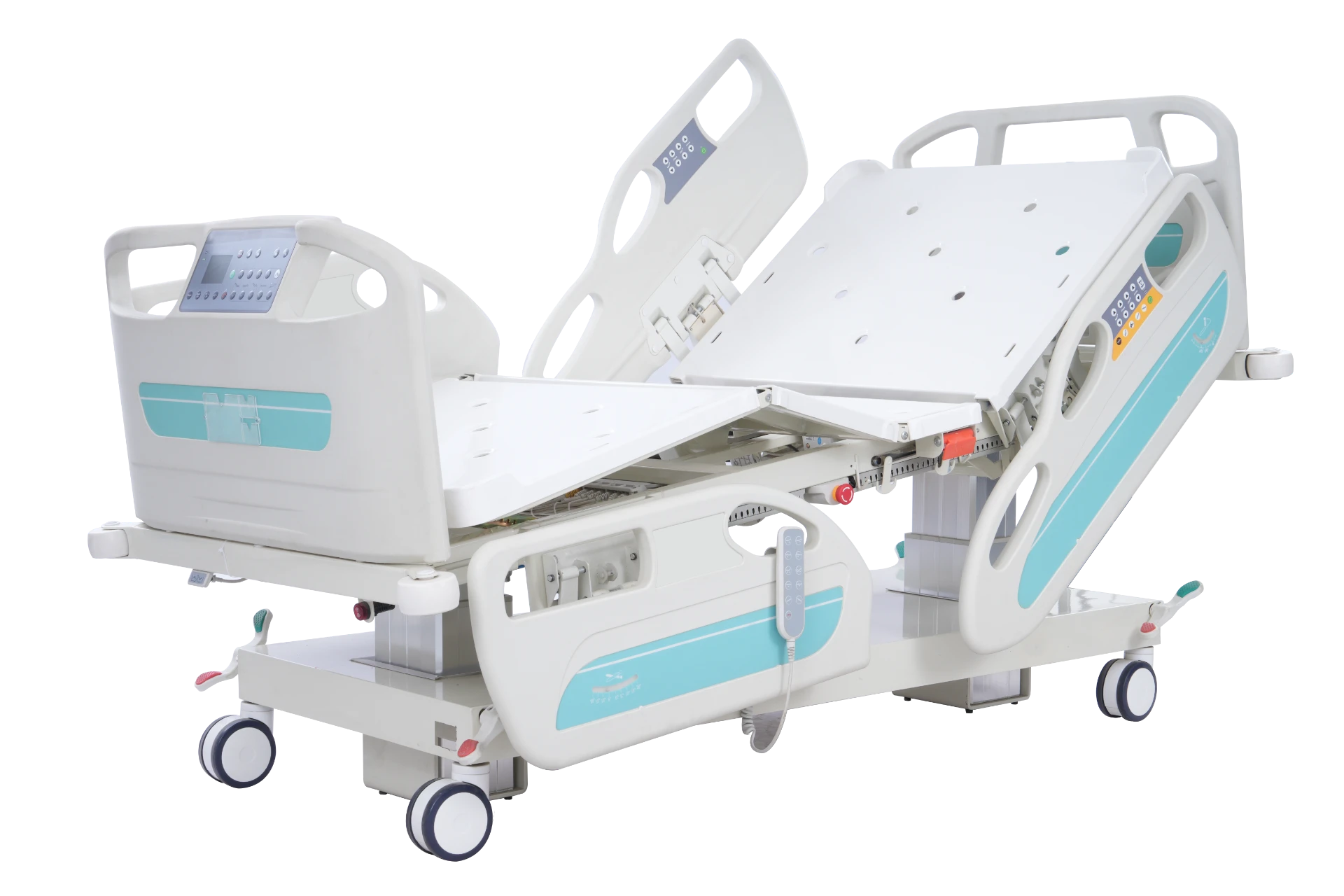
3. Adjustable Backrest and Leg Support
These features increase patient comfort and can sometimes incorporate electronic controls for fine-tuning.
4. Safety Restraints and Side Rails
A necessary element in both clinical and field environments to prevent accidental falls or patient shifts during transit.
5. Easy-Clean Surfaces
Given the sanitary importance, high-quality vinyl or antimicrobial fabric covers help prevent infection — especially crucial in chaotic situations like disaster zones.
Mini takeaway: Behind this straightforward piece of equipment lies a carefully engineered combination of hydraulics, materials, and ergonomic design.
Global Applications & Real-World Use Cases
Hydraulic delivery beds shine brightest in scenarios where patient safety and mobility intersect. In post-disaster relief operations — say after an earthquake in Southeast Asia — these beds provide a mobile ICU space that can be deployed quickly and adjusted on uneven terrain. They’re part of the frontline patient stabilization toolkit.
In remote industrial zones such as mining sites in Australia or oil rigs in the North Sea, having a hydraulic delivery bed handy means that injured workers are moved promptly without worsening injuries. Hospitals in Europe and North America invest heavily in these beds to improve turnover between operating rooms and intensive care units, literally saving precious minutes.
| Specification | Typical Range | Description |
|---|---|---|
| Height Adjustment | 40 cm to 85 cm | Hydraulic lift allows precise height control |
| Load Capacity | 150 - 250 kg (330 - 550 lbs) | Suitable for a wide patient range and equipment |
| Material | Stainless steel / Aluminum alloy | Ensures durability and ease of cleaning |
| Mobility | 4 swivel wheels with brake | Smooth movement plus stability when locked |
| Safety Features | Side rails, restraint belts | Prevents falls and unintended movement |
Advantages and Long-Term Value of Hydraulic Delivery Beds
Cost-wise, investing in a hydraulic delivery bed might seem steep upfront. But I keep hearing from healthcare managers that the return — fewer injuries, faster patient turnover, reduced staff fatigue — pays off in spades. There’s also a profound social impact: patients feel cared for, safe, and dignified during transport, which frankly, is priceless.
Energy efficiency is another hidden jewel here. Unlike electronically powered models, many hydraulic beds operate with minimal power or manual pumps, cutting hospital electricity bills and environmental footprints.
Mini takeaway: A hydraulic delivery bed is not just equipment; it’s a tool for safer care and smarter resource use.
Innovations and Future Trends to Watch
Looking ahead, I’m intrigued by the integration of IoT (Internet of Things) into these beds. Imagine a bed that not only hydraulically adjusts itself but also monitors patient vitals and communicates data in real-time to medical teams. Green materials — bio-based composites replacing metals — could lighten the load and reduce environmental impact.
Also, as regulations push for more ergonomic designs, we’re seeing adjustable beds that reduce caregiver strain through better hydraulics or hybrid mechanisms combining hydraulic and electric power.
Common Challenges & How Experts Are Tackling Them
One ongoing issue is maintenance. Hydraulic systems, while robust, can leak or degrade without regular service. This becomes particularly tricky in disaster relief zones where technical support is scarce. To counter this, some manufacturers now offer modular parts and remote diagnostics, which I find quite clever.
Cost remains a barrier in lower-income regions, but international partnerships and leasing models have proven effective for wider adoption. Organizations investing in staff training to properly use and maintain these beds also see fewer breakdowns — it’s a simple but vital piece of the puzzle.
Frequently Asked Questions About Hydraulic Delivery Bed
Q1: How does a hydraulic delivery bed improve patient safety compared to traditional stretchers?
A: Hydraulic delivery beds have adjustable height controls that allow caregivers to transfer patients at comfortable levels, reducing the risk of falls or jolts. The integrated side rails and restraint belts further prevent accidental slips during movement, which is a significant improvement over standard stretchers without these features.
Q2: What environments benefit most from hydraulic delivery beds?
A: These beds are invaluable in hospitals, emergency relief operations, remote industrial sites, and mobile clinics. Anywhere patient movement needs to be safe, smooth, and adaptable to different terrains or spaces sees immediate benefits.
Q3: Are hydraulic delivery beds easy to maintain?
A: With regular upkeep, including checking for hydraulic fluid leaks and wheel lubrication, maintenance is relatively straightforward. Many models come with modular parts for easy replacement, and remote diagnostics are becoming more common for troubleshooting issues quickly.
Q4: Can these beds be customized for specific needs?
A: Absolutely. Manufacturers often offer custom sizes, surfaces, and safety features tailored to clinical or field-specific requirements, including antimicrobial coatings or ruggedized frames for harsh environments.
Q5: How does one choose a reliable vendor for hydraulic delivery beds?
A: Look for vendors with proven quality certifications (ISO, CE), excellent after-sales support, warranties, and positive user testimonials. Local availability of parts and service can save a lot of headaches.
| Vendor | Product Range | Warranty | Global Support | Price Range |
|---|---|---|---|---|
| MedLife Corp. | Standard & Custom Models | 5 years | Yes | $$$ |
| SafeTrack Equipment | Hydraulic and Hybrid Beds | 3 years | Limited | $$ |
| Global Med Supplies | High-End & Ruggedized Versions | 7 years | Worldwide | $$$$ |
In Conclusion: Why Invest in a Hydraulic Delivery Bed?
Tankfully, the benefits of hydraulic delivery beds reach far beyond their mechanical parts. They represent a practical, compassionate solution to healthcare logistics, disaster readiness, and workplace safety. When you consider patient dignity, caregiver ease, and overall outcome improvements, the investment just makes sense.
If you’re seeking reliable, durable, and efficient hydraulic delivery bed solutions, exploring modern product lines and vendor partnerships is well worth your time. After all, medical innovation doesn’t have to be flashy to be life-changing.
References
-
Ultimate Guide to Choosing Extra Wide Waiting Room ChairsNewsApr.16,2026
-
Guide to Choosing Professional Waiting Room Chairs Wipeable SeatingNewsApr.09,2026
-
Enhance Your Space with Comfortable Wide Waiting Room ChairsNewsApr.07,2026
-
Selecting the Ideal Brown Waiting Room Chairs for a Welcoming SpaceNewsApr.04,2026
-
Choosing Comfortable Patient Waiting Room Chairs for Healthcare FacilitiesNewsMar.31,2026
-
Finding the Best Deals on Affordable and Cheap Reception Chairs for Your BusinessNewsMar.28,2026
-
Enhance Your Business Reception with Comfortable Blue Reception ChairsNewsMar.26,2026