Welcome to our websites!


Durable Labour Tables for Hospital Use | Efficient Staff Management Solutions
Understanding the Labour Table for Hospital: Why It Matters Globally
If you’re in healthcare infrastructure or logistics, you’ll appreciate the subtle yet crucial role a labour table for hospital plays. Put simply, these tables act as the backbone of staff organization and workflow management within hospital settings—a detail often overlooked but vital for smooth operations. The global healthcare industry depends heavily on efficient labor allocation to improve patient care, cut costs, and manage human resources effectively. Whether it’s a busy urban hospital or a remote field clinic, understanding and optimizing labour tables can spell the difference between chaos and calm.
The Global Context: Why Labour Tables Are Essential in Hospitals Worldwide
Healthcare systems around the world face mounting pressures: ageing populations, rising patient demands, and sometimes resource scarcity. As per the World Health Organization, labor shortages in healthcare could reach 15 million globally by 2030. That’s where the labour table for hospital becomes critical—providing a structured way to plan, assign, and record staff workloads. In emerging economies or post-disaster relief settings, a clear labour table can be lifesaving, helping avoid burnout and ensuring patient safety.
For instance, the UN’s Sustainable Development Goals emphasize strengthening health systems, which implicitly requires efficient workforce management. Yet many hospitals still rely on outdated or ad hoc systems, leading to underutilization or overloading—which, frankly, nobody wants to deal with.
What Is a Labour Table for Hospital — Breaking It Down
Think of a labour table as a detailed schedule or matrix that aligns hospital staff, their roles, shifts, and responsibilities. It specifies not just who is working but how their hours and tasks fit within the hospital’s broader needs. In technical terms, it is an operational tool combining elements of human resource management, timekeeping, and workflow analysis.
This concept isn’t new—hospitals have used labor charts for decades—but digital transformation means now they’re smarter, more interactive, and adaptable. Particularly in modern, data-driven healthcare, these labour tables connect with electronic health records (EHR), inventory systems, and even quota compliance.
Core Components of a Labour Table for Hospital
1. Shift Scheduling and Coverage
This is the heart of any labour table—mapping out which staff covers which hours, ensuring continuous patient care. Balancing morning, night, weekend, and emergency shifts here is a juggling act and the table keeps it transparent.
2. Role and Skill Matching
Hospitals rely on diverse professionals: nurses, doctors, technicians. The table ensures the right skill sets and certifications align with each shift—avoiding gaps where expertise is critical.
3. Workload Measurement
Beyond simple hours, modern labour tables track task intensity, patient load, or even procedural complexity. This helps avoid staff exhaustion and supports fair salary and overtime calculations.
4. Compliance and Legal Tracking
Medical labor comes with strict legal requirements—maximum work hours, mandated breaks, certifications. Labour tables integrate these rules to maintain compliance and reduce risk.
5. Resource Planning Integration
In some cases, the labour table links to room availability, equipment use, and supply stockpile for coordinating care resources along with staff.
Takeaway:
The labour table for hospital is not just a scheduling tool but a multi-dimensional system impacting patient care, staff wellbeing, and hospital efficiency.
Real-World Applications: Where Labour Tables Make a Difference
Anyone who’s worked in a hospital setting knows the chaos when staffing is off. Globally, hospitals use labour tables both in high-tech urban centers and low-resource rural areas. For example:
- Urban Hospitals in Europe and North America: Here, complex labour tables feed into AI-driven scheduling software, optimizing for cost and quality of care simultaneously.
- Post-Disaster Field Hospitals (Asia-Pacific): Quick manual or semi-digital labour tables help coordinate volunteer doctors and nurses under unpredictable conditions.
- Remote Clinics in Africa: Labour tables may be simple spreadsheets shared via mobile devices, crucial for ensuring limited staff are assigned logically.
Plus, organizations like Médecins Sans Frontières heavily rely on adapted labour tables to manage personnel rotations in conflict zones, where energy and internet are limited but patients’ needs never stop.
Advantages and Why They Matter in the Long Term
So, what’s the big deal about having a proper labour table? Here’s where it gets interesting:
- Cost Efficiency: Avoiding overstaffing or understaffing saves millions annually.
- Sustainability: Streamlined labor improves staff retention and reduces turnover rates, which are notoriously high in healthcare.
- Patient Safety: The right staff at the right time lowers errors and improves outcomes.
- Social Impact: Supporting staff work-life balance increases morale and can even reduce burnout—a serious issue worldwide.
- Trust and Innovation: Transparent labor management fosters trust among teams and opens doors to tech-driven improvements.
Labour Table for Hospital: Typical Product Specifications
| Specification | Description |
|---|---|
| Material | Powder-coated steel, scratch-resistant laminate top |
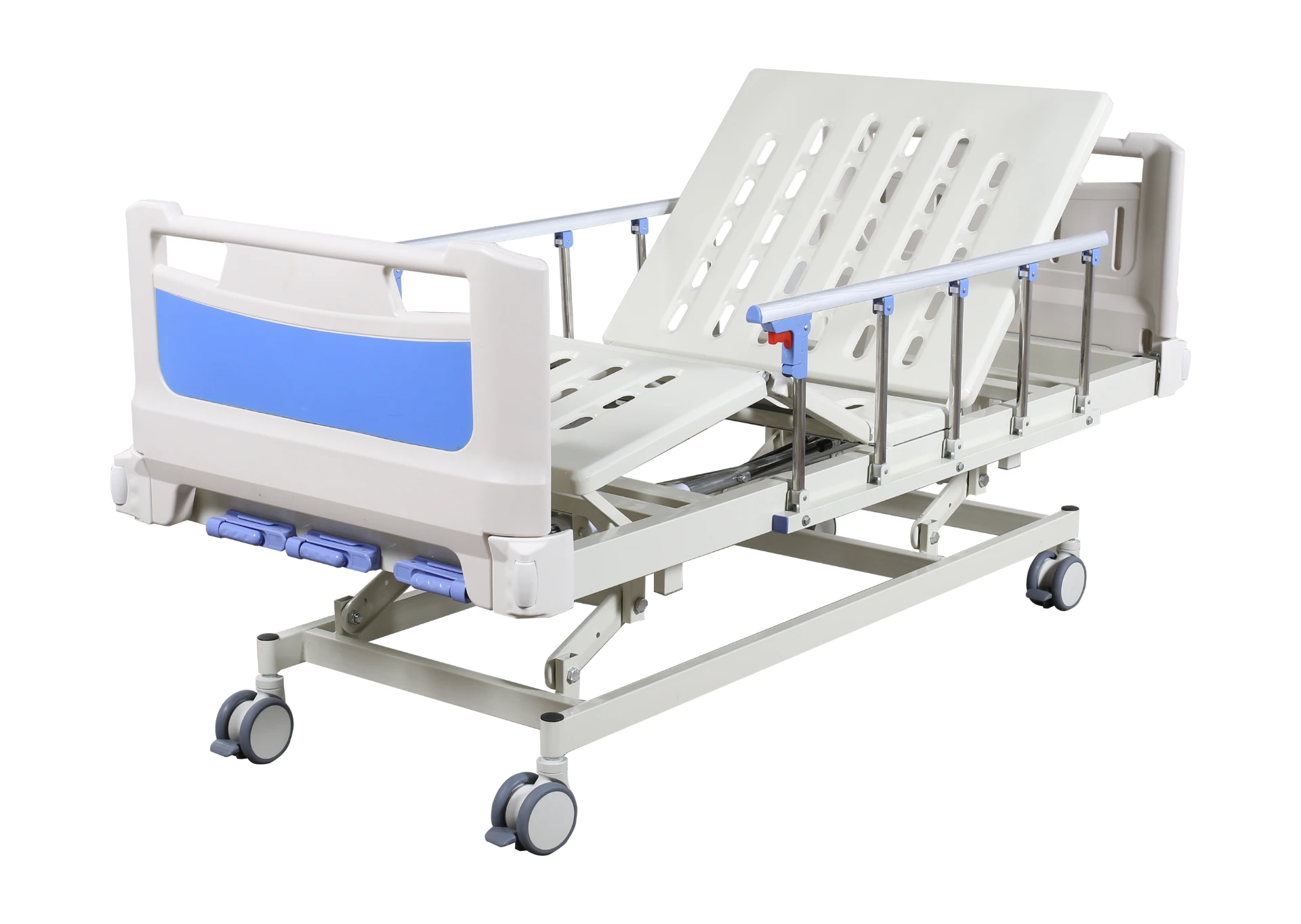
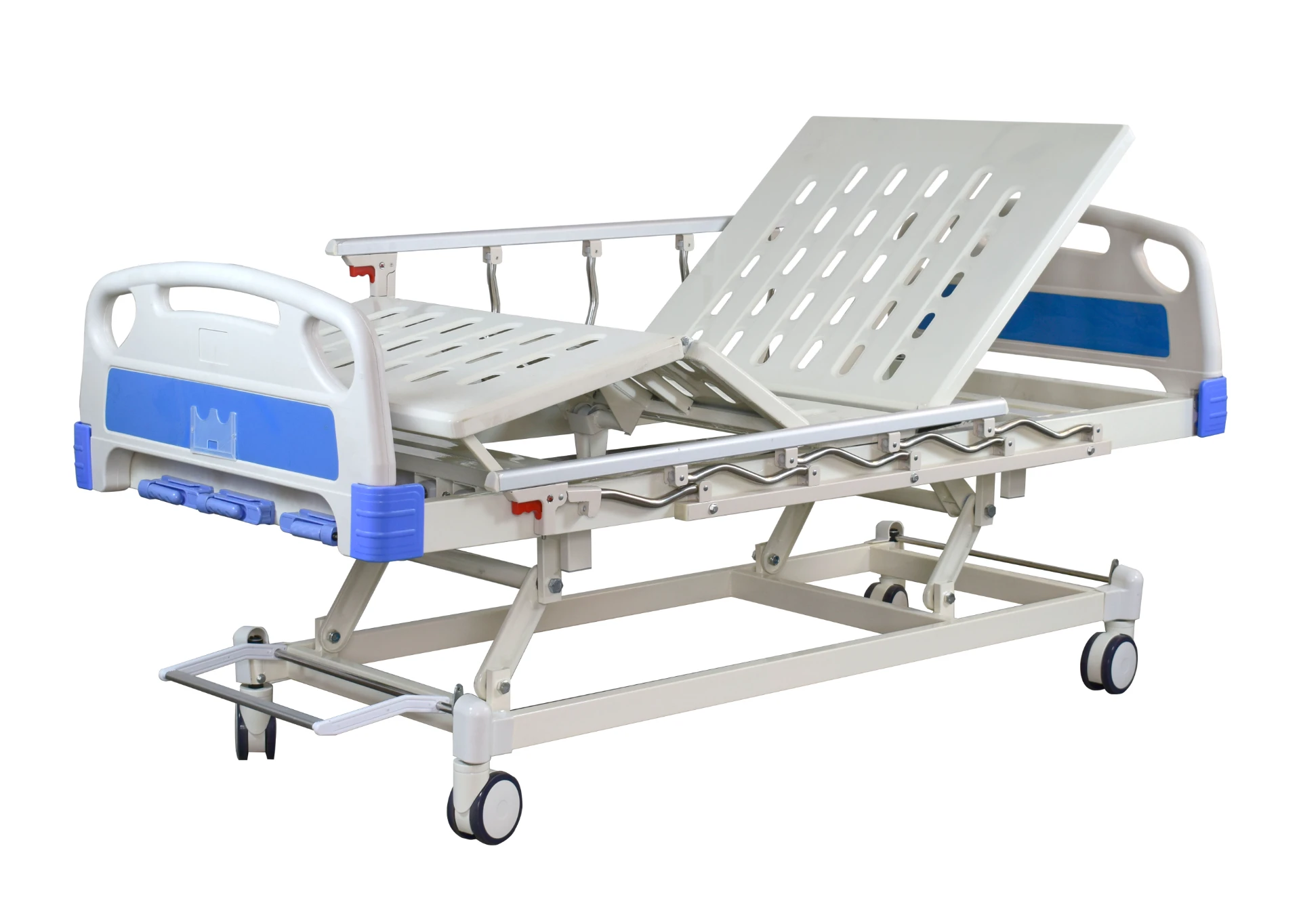
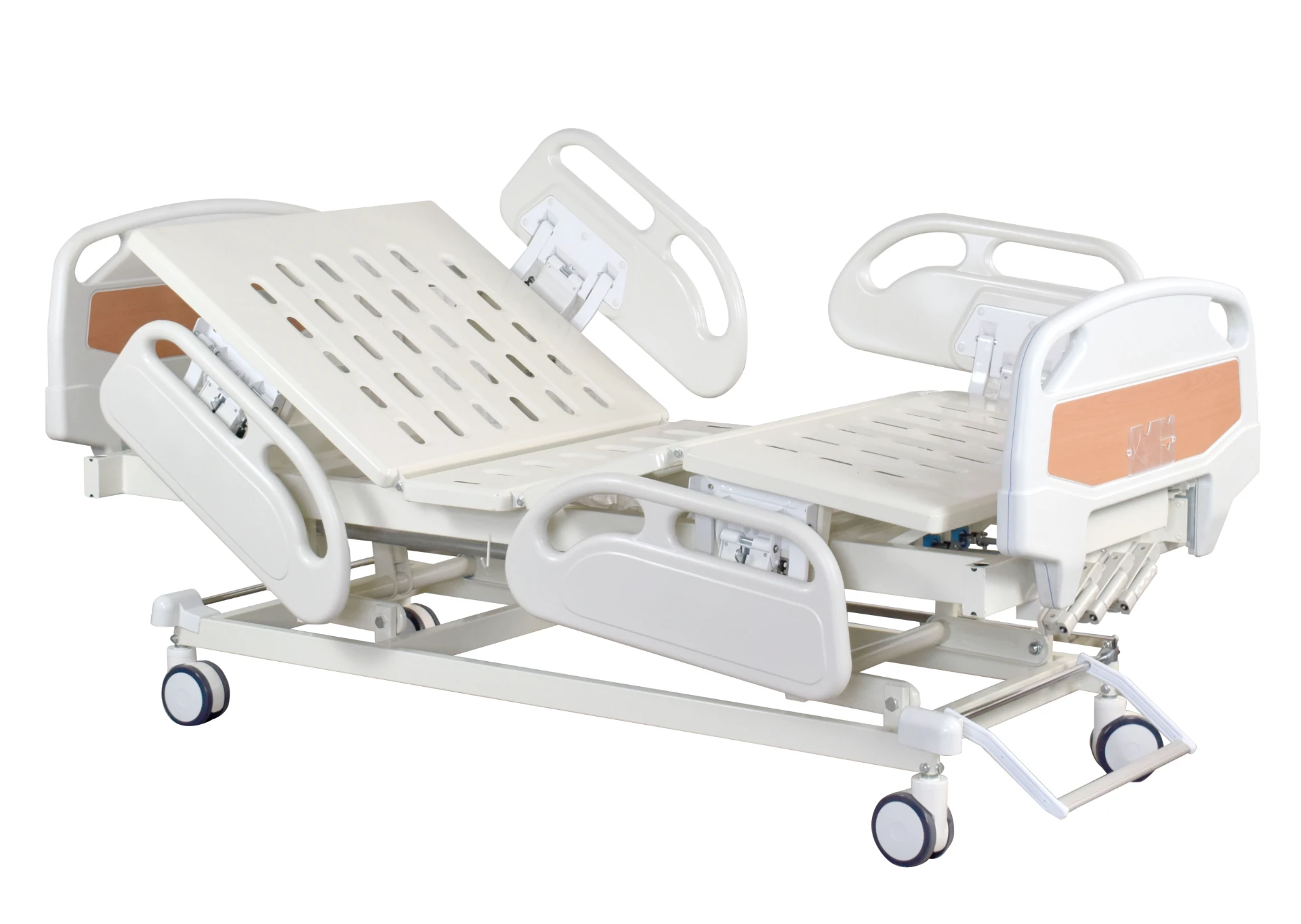
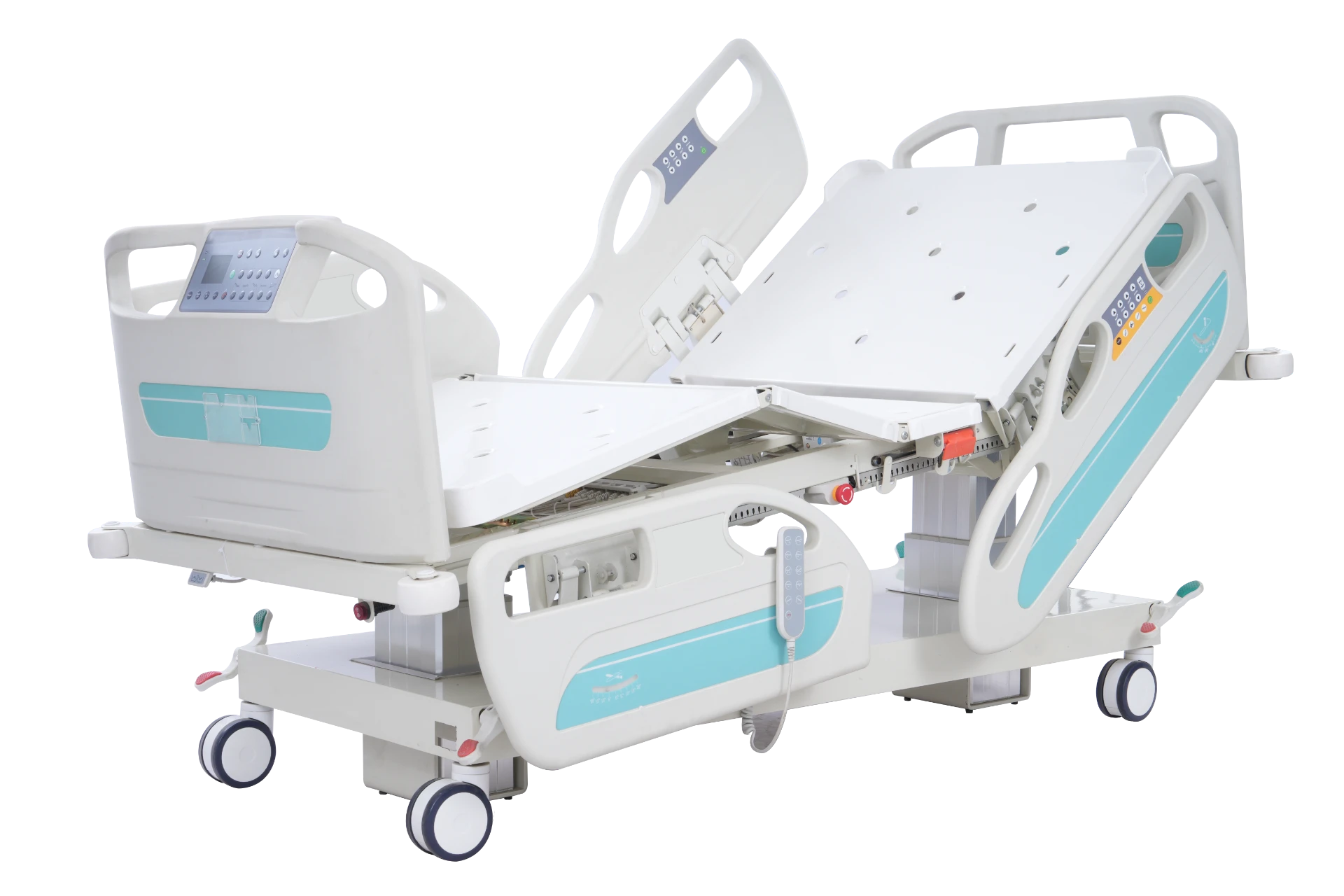
| Dimensions | 120 cm x 60 cm x 75 cm (standard height) |
| Weight Capacity | Up to 150 kg evenly distributed |
| Mobility | Lockable caster wheels for easy relocation |
| Additional Features | Integrated storage drawers, antimicrobial coating option |
Comparing Leading Vendors of Labour Tables for Hospitals
| Vendor | Material Quality | Customization Options | Pricing | Lead Time |
|---|---|---|---|---|
| MedEquip Solutions | High-grade steel with antimicrobial finish | Full custom sizes, colors, and modular add-ons | $$$ (premium) | 4-6 weeks |
| HealthTech Furnishings | Powder-coated steel, laminate surfaces | Moderate, standard sizes with drawer options | $$ | 2-3 weeks |
| SafeMed Tables | Steel frame, antimicrobial plastic tops | Limited, mostly off-the-shelf models | $ | 1-2 weeks |
Future Trends: Where Are Labour Tables Heading?
Technology is transforming hospital labor management and, oddly enough, even the design and use of labour tables themselves. We’re seeing:
- Smart Tables: Embedded sensors to track equipment usage or staff login, merging physical table features with digital workforce management.
- Sustainable Materials: Eco-friendly composites replacing metal/laminate to reduce carbon footprints.
- Integration with AI Scheduling: Labour tables feeding real-time data into AI algorithms for predictive workforce planning.
- Mobile and Cloud Access: Nurses and doctors can check and update schedules on the fly, improving communication.
Common Challenges and How To Overcome Them
But, of course, it’s not perfect. Challenges like resistance to digital adoption, data privacy concerns, or costly customization persist. Some hospitals struggle with staff training or budget limitations that hamper using sophisticated labour tables.
Innovations such as user-friendly interfaces, anonymized data reporting, and scalable pricing help tackle these issues. Many engineers say that involving staff in the design phase smooths adoption dramatically—something I’ve noticed too.
FAQ: Quick Answers About Labour Tables for Hospitals
Q1: What makes a labour table suitable for hospital environments?
A quality labour table is durable, easy to clean, and designed to accommodate hospital workflow needs. Features like antimicrobial surfaces and mobility (lockable wheels) make it practical for busy, hygiene-critical settings.
Q2: How flexible are labour tables for different hospital sizes?
Labour tables come in modular designs that scale with hospital size—from small clinics to large multi-wing hospitals. Many offer customizable dimensions and add-ons for specialty demands.
Q3: Can digital labour tables replace physical tables?
Digital labour management tools complement but don't fully replace physical labour tables, which remain crucial for in-person coordination, quick referencing, and equipment staging.
Q4: Are labour tables cost-effective in the long run?
Yes. Investing in well-made labour tables reduces staff time wasted in scheduling conflicts, lowers equipment downtime, and improves overall hospital efficiency—saving money indirectly.
Q5: Do labour tables comply with healthcare regulations?
Most quality manufacturers design tables to meet hygiene and safety standards aligned with ISO and regional regulations, often certification-backed.
Wrapping Up: The Long-Term Value of a Reliable Labour Table for Hospital
Frankly, a labour table might not be the first thing people picture when thinking about hospital innovation. But it’s these “behind-the-scenes” essentials that keep everything humming. From streamlining workforce management to improving staff wellbeing and patient safety, labour tables are quietly crucial.
If you’re looking to explore options or upgrade, don’t hesitate to check out our labour table for hospital solutions—they’re designed to fit modern hospital demands with quality and care.
References
-
Ultimate Guide to Choosing Extra Wide Waiting Room ChairsNewsApr.16,2026
-
Guide to Choosing Professional Waiting Room Chairs Wipeable SeatingNewsApr.09,2026
-
Enhance Your Space with Comfortable Wide Waiting Room ChairsNewsApr.07,2026
-
Selecting the Ideal Brown Waiting Room Chairs for a Welcoming SpaceNewsApr.04,2026
-
Choosing Comfortable Patient Waiting Room Chairs for Healthcare FacilitiesNewsMar.31,2026
-
Finding the Best Deals on Affordable and Cheap Reception Chairs for Your BusinessNewsMar.28,2026
-
Enhance Your Business Reception with Comfortable Blue Reception ChairsNewsMar.26,2026