Welcome to our websites!


Hospital Patient Room Furniture – Durable & Hygienic Solutions for Modern Healthcare
Understanding Hospital Patient Room Furniture: Why It Matters Worldwide
Hospital patient room furniture might not be the flashiest topic, but it’s a cornerstone of healthcare environments globally. Why? Because the right furniture does more than just fill a room — it supports patient recovery, boosts staff efficiency, and even influences hospital hygiene standards. With healthcare systems under increasing pressure, understanding the nuances of this specialized furniture matters more than ever.
This article dives into the key aspects of hospital patient room furniture, its global importance, practical applications, and emerging trends shaping the future of patient care environments.
Introduction: The Global Landscape of Hospital Patient Room Furniture
Across the world, healthcare demands are skyrocketing. According to the World Health Organization, global hospital admissions increased by approximately 15% between 2010 and 2020, partly due to aging populations and chronic disease prevalence (WHO). Hospitals everywhere face a common challenge: how to create patient rooms that are safe, comfortable, and adaptable without skyrocketing costs.
That’s where patient room furniture comes into play. Reliable, ergonomic, and hygienic furnishings help tackle infection control, patient mobility, and caregiver efficiency. Yet, many hospitals especially in low- and middle-income countries, struggle with outdated or ill-suited furniture solutions.
For those working in hospital design, procurement, or care delivery, it’s a vital piece of the puzzle — one that can affect outcomes, costs, and satisfaction.
What Exactly Is Hospital Patient Room Furniture?
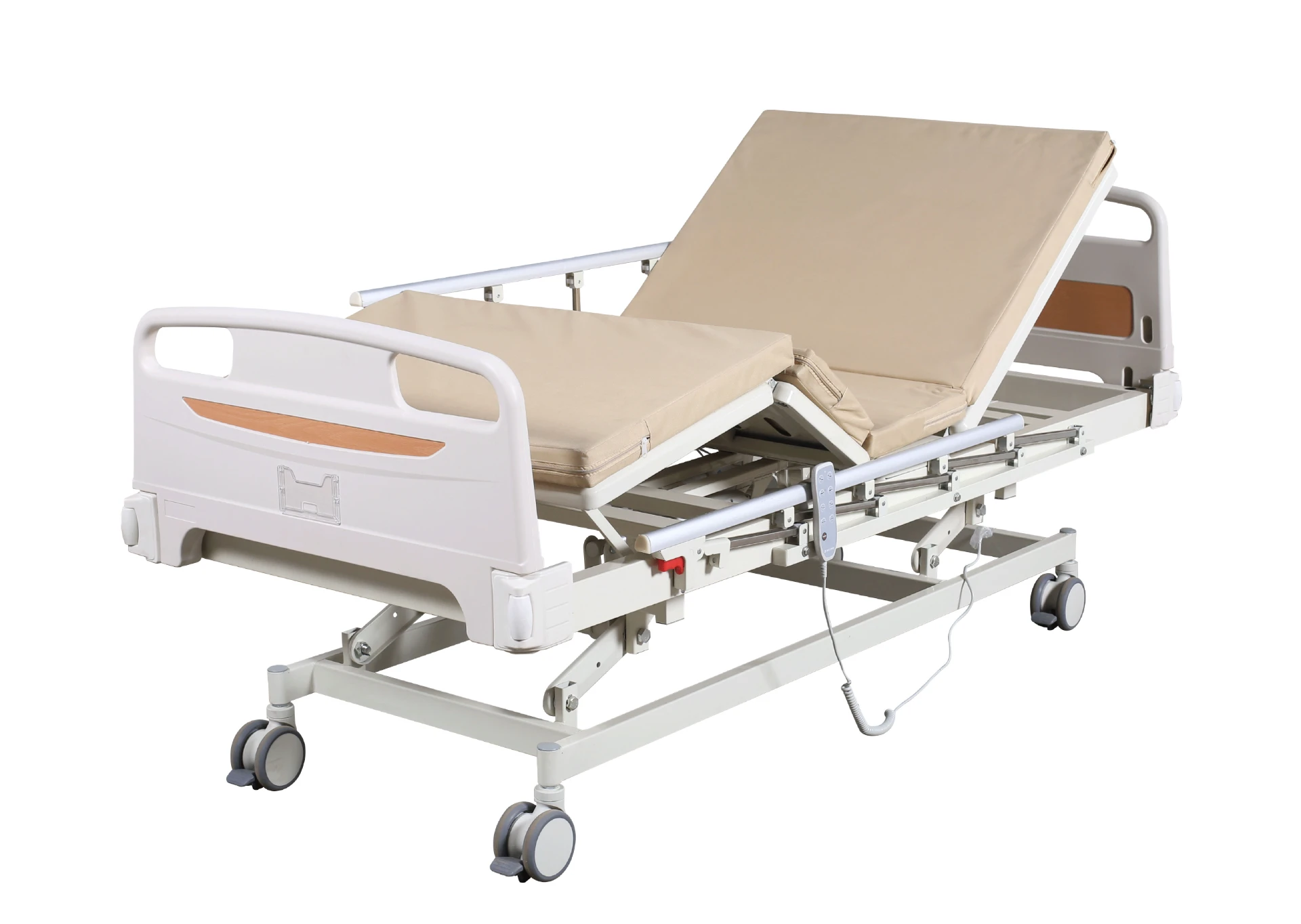
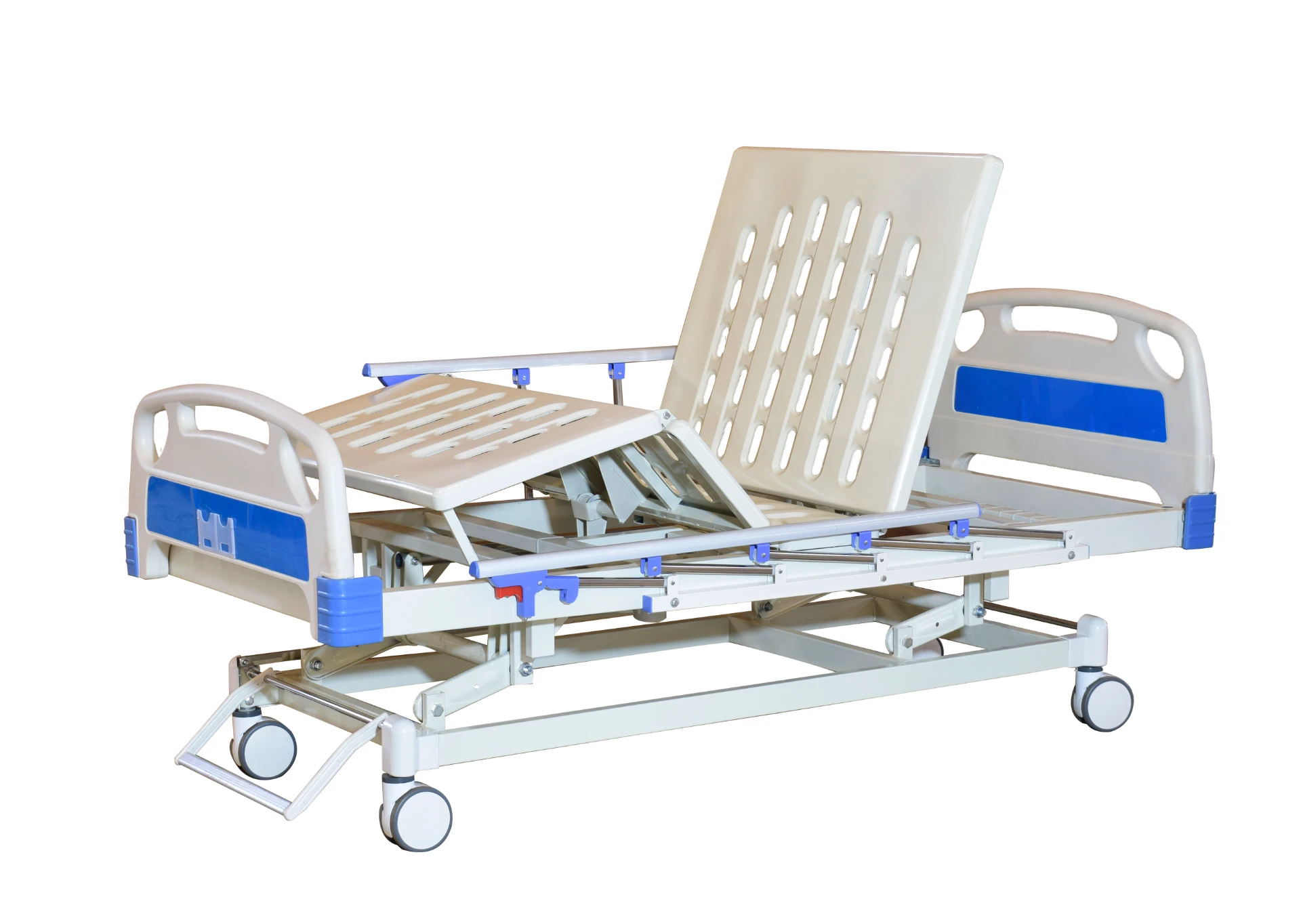
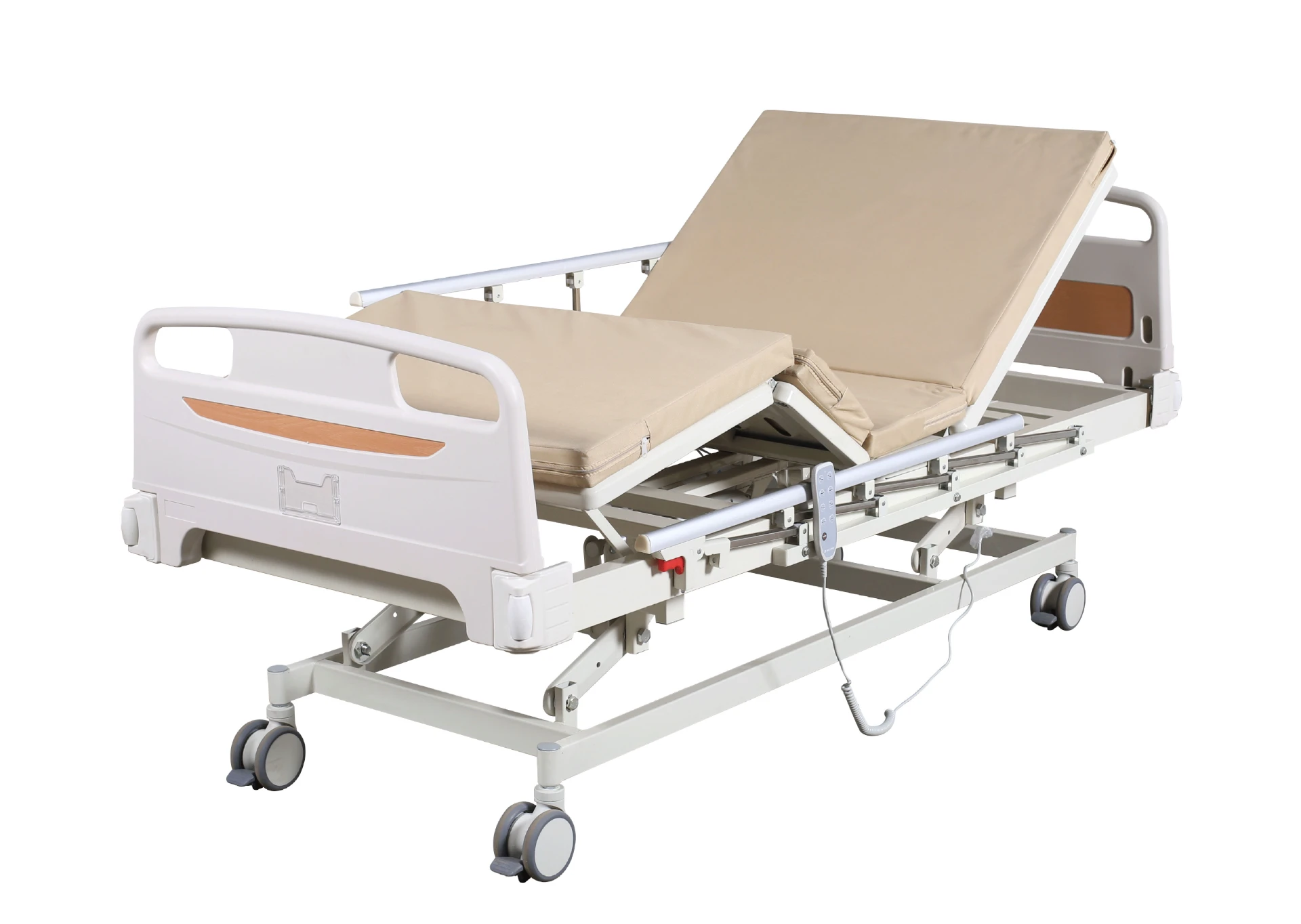
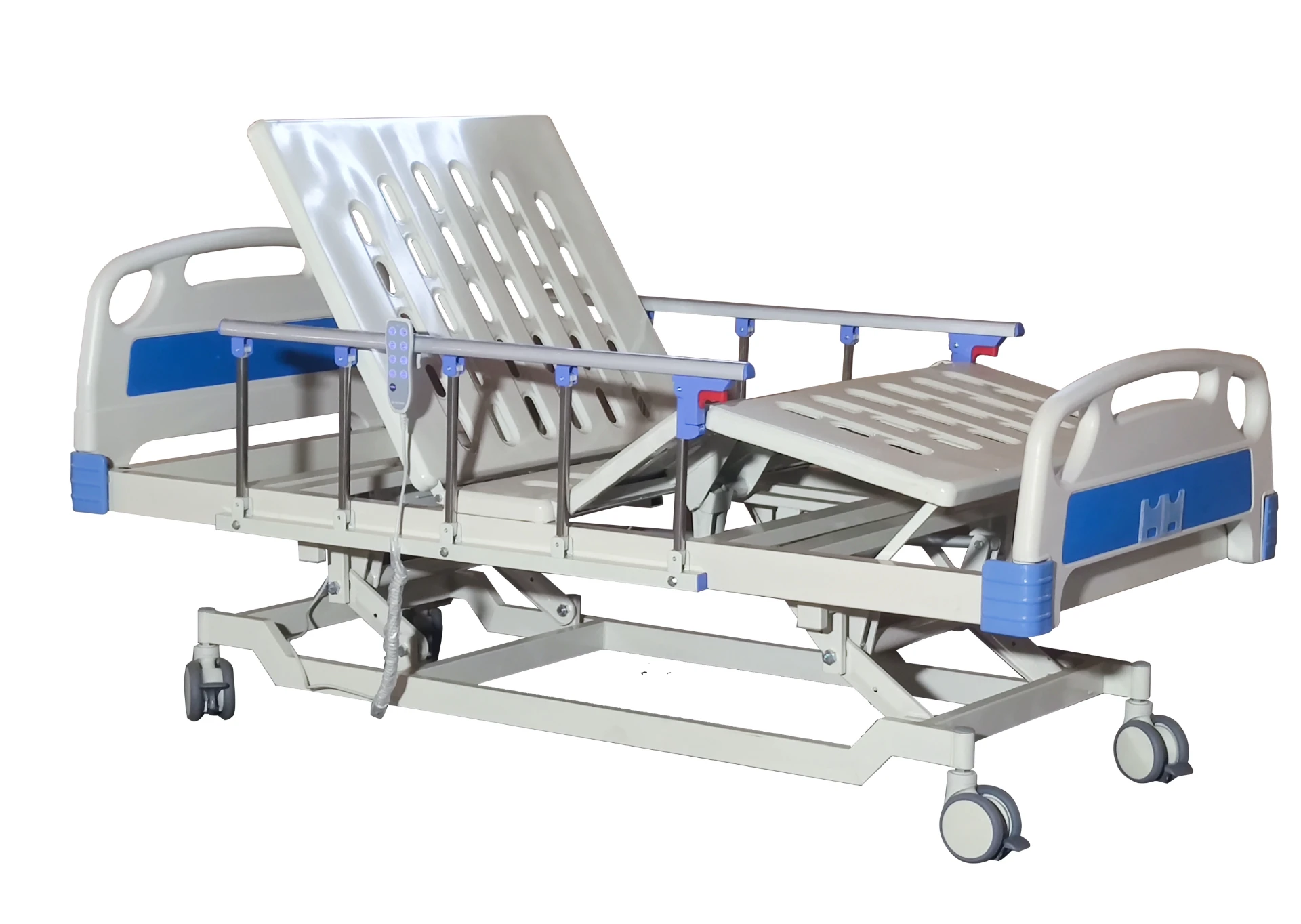
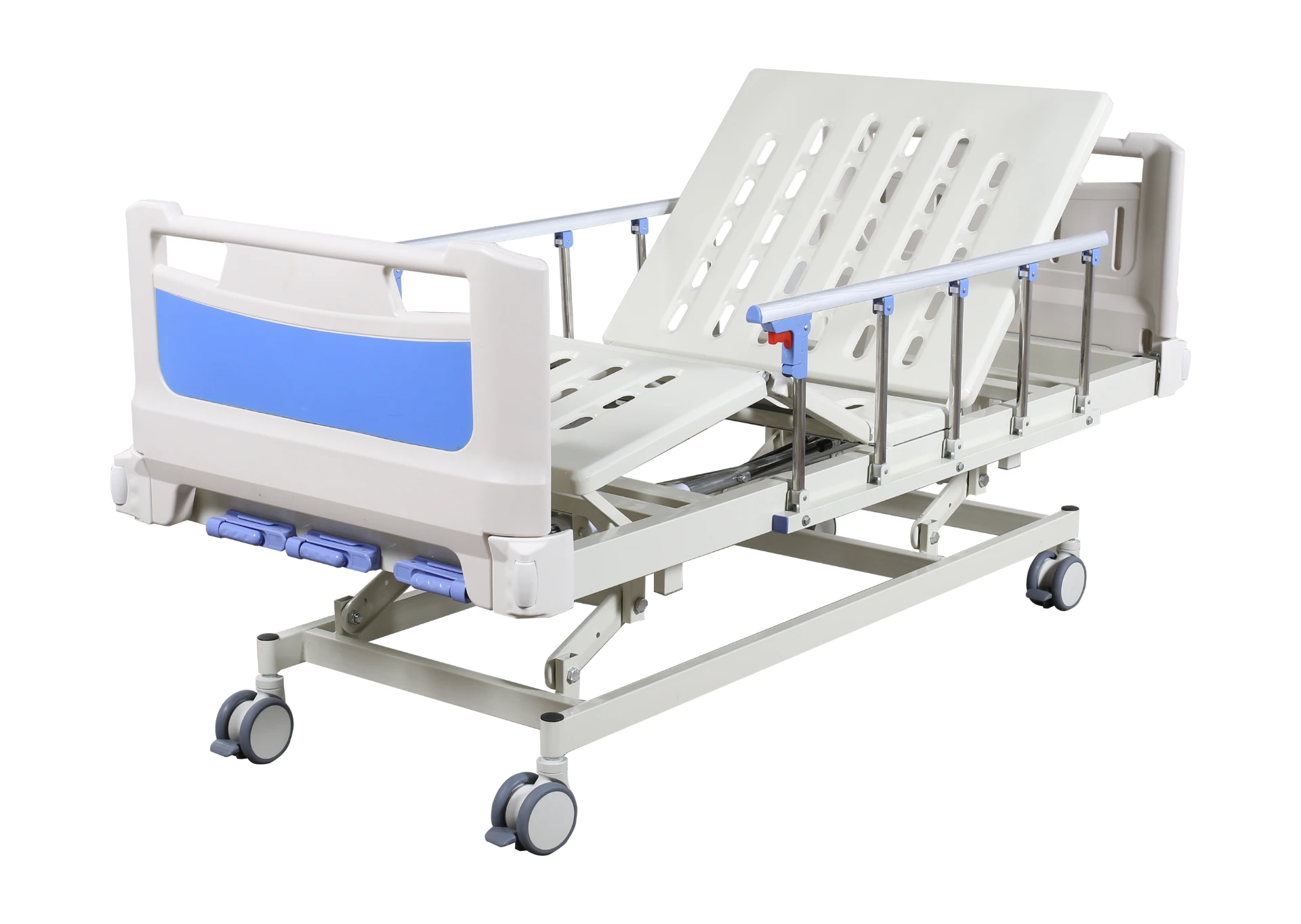
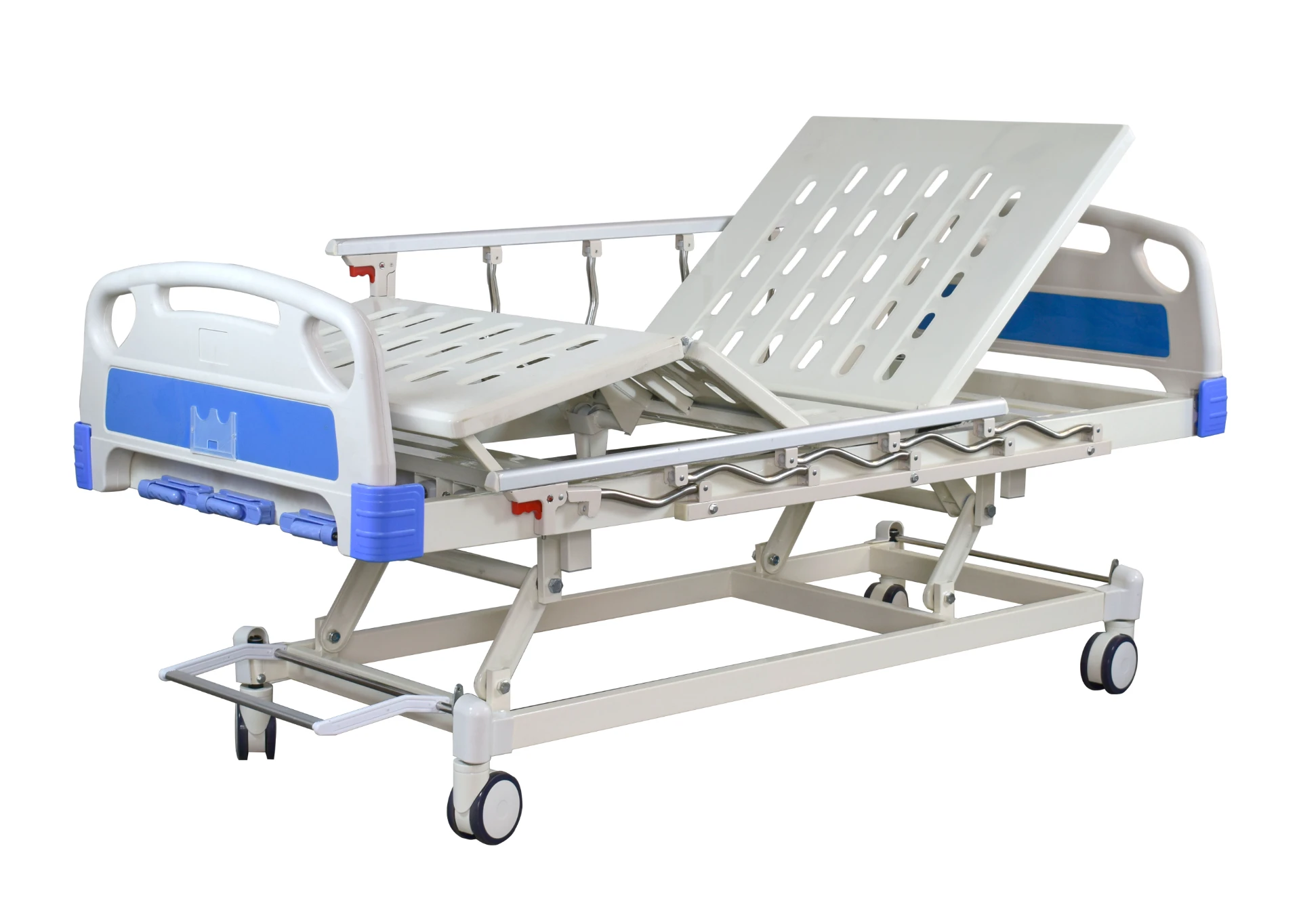
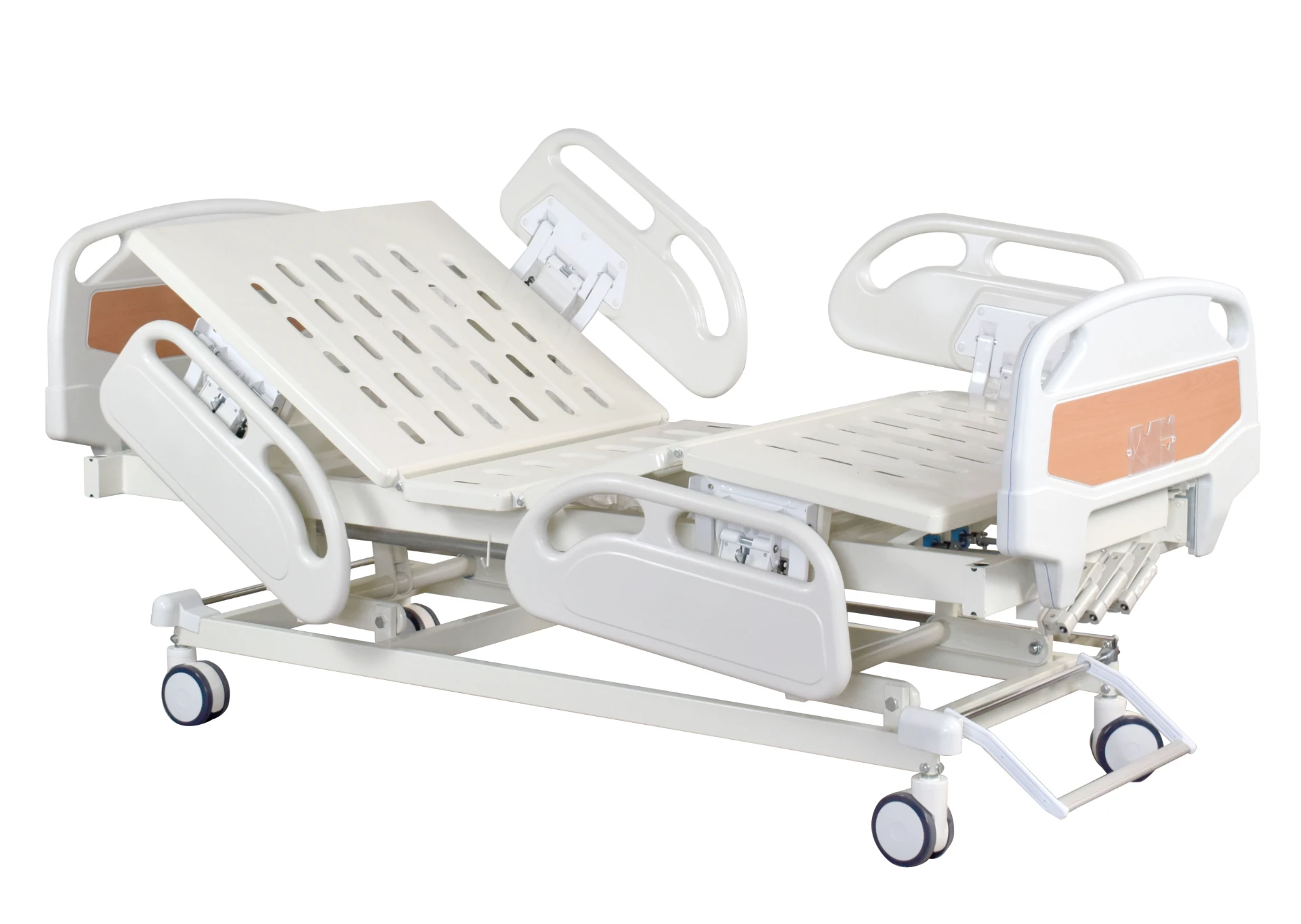
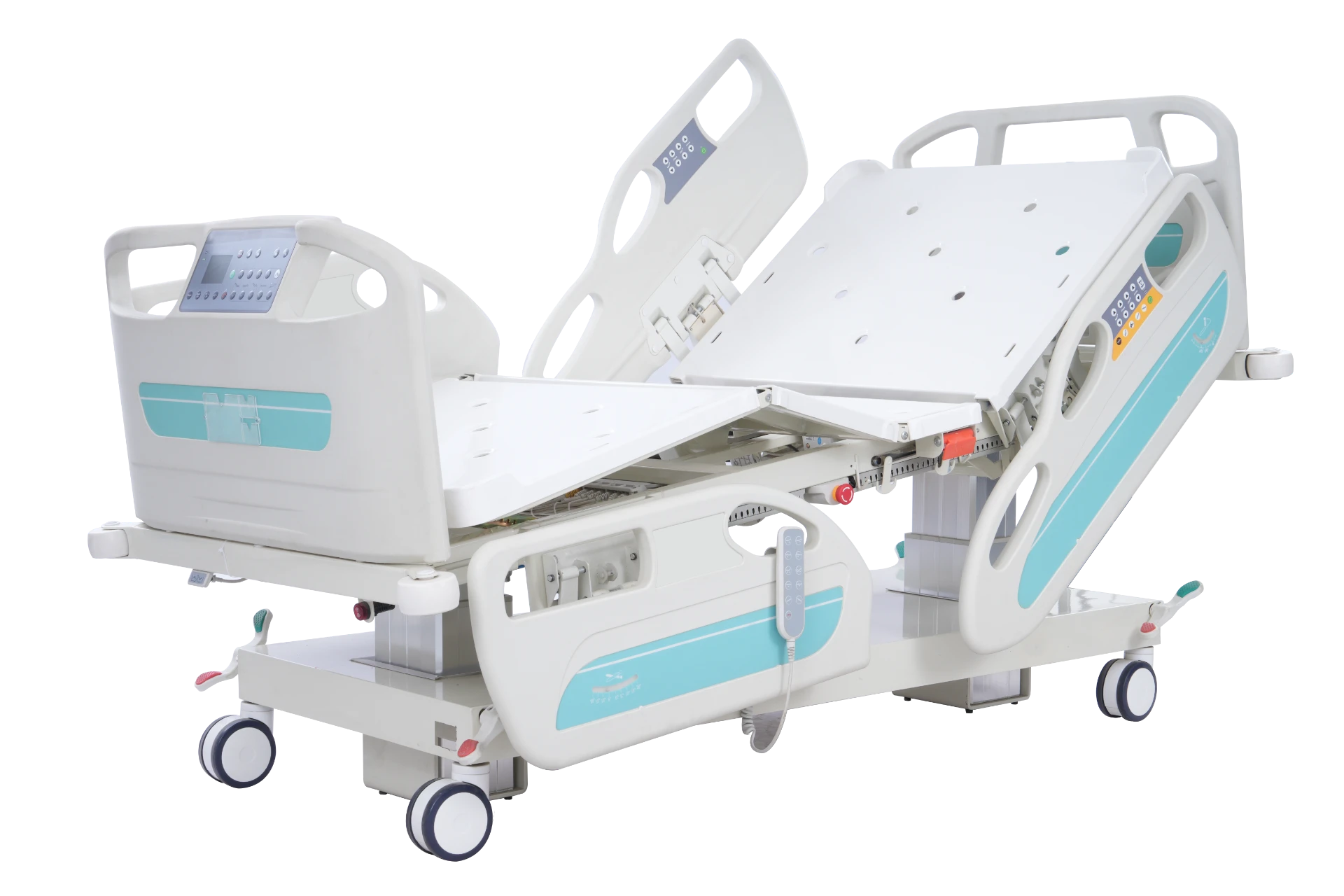
In simple terms, hospital patient room furniture includes any furniture designed specifically for patient rooms — beds, chairs, tables, storage units, and even bedside cabinets. But it’s not just any furniture: it’s built to meet strict standards for durability, hygiene, and safety.
In an era driven by modern healthcare challenges, these furnishings help hospitals stay compliant with regulations (like ISO 13485 for medical device manufacturing) while addressing patient dignity and comfort.
Oddly enough, while we often focus on high-tech medical equipment, these humble items form the backbone of a patient’s daily experience in hospital rooms.
Key Factors That Define Great Hospital Patient Room Furniture
1. Durability and Safety
Hospital furniture needs to withstand constant use, disinfectants, and sometimes rough handling. Materials like stainless steel, high-grade plastics, and treated wood are common to ensure longevity. Plus, safety features such as rounded corners, lockable casters, and anti-microbial finishes reduce patient risk.
2. Comfort and Ergonomics
Comfort isn’t a nice-to-have; it’s a recovery factor. Adjustable beds, reclining chairs, and easy-access controls help patients rest better while allowing caregivers to work efficiently. Ergonomics reduce physical strain on both users and hospital staff.
3. Hygiene and Infection Control
Especially post-pandemic, infection control is paramount. Furniture surfaces must be easy to clean, resist pathogens, and avoid moisture retention. This usually means smooth finishes, sealed gaps, and antimicrobial coatings.
4. Scalability and Adaptability
As hospital needs evolve, patient room furniture should adapt too. Modular designs and multi-functional elements allow rooms to serve various patient types, from maternity to intensive care.
5. Cost Efficiency
Beyond initial cost, hospitals examine life cycle costs — maintenance, replacement, and upgrades. Quality furniture promises savings over time through durability and less downtime.
Hospital Patient Room Furniture in the Real World: Global Use Cases
Applications of hospital patient room furniture vary, but interestingly, the core principles apply globally:
- Developed Countries: Hospitals focus on integrating smart beds with digital monitoring and ergonomic designs.
- Low-Resource Settings: Furniture tends to be simpler but must emphasize durability and hygiene to survive clinical demands where supply chains are limited.
- Disaster Relief: In post-disaster zones, rapidly deployable furniture that’s modular and easy to sanitize has been crucial for temporary hospitals.
- Long-Term Care Facilities: With aging populations (particularly in Europe and East Asia), furniture designed for mobility aid and fall prevention is paramount.
For instance, in remote regions of Sub-Saharan Africa, lightweight, corrosion-resistant furniture enables mobile clinics to function effectively despite harsh conditions. Meanwhile, in urban US medical centers, electronically adjustable beds improve patient comfort and nurse workload.
It’s a range I find fascinating — from sophisticated hospital towers to makeshift care units — all relying on well-designed patient room furniture.
How Hospital Patient Room Furniture Adds Value for the Long Haul
The tangible benefits of investing in quality hospital room furniture stretch far beyond the balance sheet. To start with, durable and hygienic furniture reduces hospital-acquired infection rates — a global patient safety priority highlighted by the CDC and WHO.
On the softer side, thoughtful design improves patient dignity and emotional comfort, which is difficult to quantify but hugely impactful. Caregivers benefit too, with ergonomics easing fatigue and injury risk.
Sustainability also factors in: furniture made from recycled or responsibly sourced materials aligns with green hospital initiatives worldwide.
Hospital Patient Room Furniture Specification Table
| Feature | Specification | Benefit |
|---|---|---|
| Materials | ABS Plastic, Stainless Steel, Treated Wood | Durability & Antimicrobial resistance |
| Adjustability | Electric bed controls, Folding Chairs | Enhanced patient comfort & care customization |
| Surface Treatment | Antimicrobial Coatings, Smooth Finish | Easier sanitation & infection control |
| Mobility Features | Lockable Casters, Lightweight Components | Easy room layout changes, improved cleaning access |
| Compliance Standards | ISO 13485, ASTM F1821 | Ensures safety & quality assurance |
Vendor Comparison: Hospital Patient Room Furniture Providers
| Vendor | Product Range | Price Range (USD) | Lead Time | Notable Features |
|---|---|---|---|---|
| MedFurn Co. | Beds, Cabinets, Overbed Tables | $800 - $2,200 | 4-6 weeks | Custom finishes, antimicrobial coatings |
| HealthEquip Ltd. | Modular Beds, Recliners, Storage Units | $750 - $1,900 | 6-8 weeks | Smart bed options, ergonomic design |
| CareFurnishings | Patient Chairs, Overbed Tables, Wardrobe Units | $600 - $1,500 | 3-5 weeks | Eco-friendly materials, fast delivery |
Emerging Trends and What’s Next for Hospital Patient Room Furniture
It feels like the patient room furniture sector is quietly embracing the digital age. Smart beds with integrated sensors that track patient vitals or adjust automatically to prevent bedsores are becoming mainstream.
Sustainability is another focus: manufacturers are increasingly using recyclable materials or sourcing FSC-certified wood to lower environmental impact.
Modular and lightweight designs help not just in normal hospital wards but also for quick deployment in emergency field hospitals — which keep popping up in humanitarian responses worldwide.
Common Hurdles and How to Overcome Them
One major challenge is balancing cost with quality. Many hospitals face tight budgets, and cheaper options might compromise durability or hygiene.
However, expert consultants recommend life cycle costing analysis over simple purchase price evaluation. Investing upfront typically pays off over years through less frequent replacement and lower infection rates.
Another issue is customization. A “one-size fits all” approach leads to inefficiencies. Instead, collaborating closely with vendors on tailored solutions ensures furniture supports diverse patient needs and hospital workflows.
FAQs About Hospital Patient Room Furniture
Q1: What are the most important features to look for in hospital patient room beds?
A1: Focus on adjustability, ease of cleaning, and safety features like locking wheels and side rails. Electric controls for positioning help patient comfort and caregiver operations.
Q2: How can hospitals ensure infection control through furniture choices?
A2: Select materials resistant to disinfectants and microbes, like stainless steel or treated plastics. Avoid porous surfaces and opt for designs with minimal gaps or crevices.
Q3: Are modular furniture systems practical for hospitals?
A3: Absolutely. Modular pieces help adapt rooms to different patient needs and allow cost-effective reconfiguration, prolonging the furniture’s useful life.
Q4: How long does high-quality hospital patient room furniture typically last?
A4: With proper maintenance, well-made furniture can last 7–10 years or more, making upfront investment worthwhile.
Conclusion: Investing in Hospital Patient Room Furniture For The Future
Well-designed, durable, and hygienic hospital patient room furniture stands at the intersection of patient wellbeing, caregiver efficiency, and healthcare economics. Its role spans continents and healthcare models, proving its universal significance.
Whether you’re outfitting a new hospital or upgrading existing rooms, taking time to understand the nuances and select high-quality solutions pays dividends in outcomes and costs over the long haul.
Ready to explore options? Visit our website for tailored hospital patient room furniture designed to meet modern healthcare needs.
References
-
Ultimate Guide to Choosing Extra Wide Waiting Room ChairsNewsApr.16,2026
-
Guide to Choosing Professional Waiting Room Chairs Wipeable SeatingNewsApr.09,2026
-
Enhance Your Space with Comfortable Wide Waiting Room ChairsNewsApr.07,2026
-
Selecting the Ideal Brown Waiting Room Chairs for a Welcoming SpaceNewsApr.04,2026
-
Choosing Comfortable Patient Waiting Room Chairs for Healthcare FacilitiesNewsMar.31,2026
-
Finding the Best Deals on Affordable and Cheap Reception Chairs for Your BusinessNewsMar.28,2026
-
Enhance Your Business Reception with Comfortable Blue Reception ChairsNewsMar.26,2026