Welcome to our websites!


Nov . 30, 2025 07:55
Back to list
Comprehensive Guide to Hospital Mattress Twin Size — Features, Uses & Innovations
Understanding Hospital Mattress Twin Size: Why It Matters Beyond Just a Bed
If you've never given much thought to hospital mattress twin size, you're not alone. But this seemingly simple specification actually plays a vital role—globally, no less—in healthcare settings, disaster relief, and patient comfort. The right mattress size means better patient care, easier logistic management, and even impacts costs and durability. In fact, with increasing demand for modular, scalable hospital infrastructure worldwide, understanding the nuances of hospital mattresses—especially the twin size variant—is both practical and crucial.A Global Context: More Than Just a Mattress
Healthcare infrastructures worldwide face growing pressures: aging populations, rising chronic illnesses, and sudden emergencies like pandemics or natural disasters. The World Health Organization (WHO) reports millions of hospital beds needed annually, and a large portion require standard, yet adaptable mattress sizes like the hospital mattress twin size. In many countries, hospital mattress twin size (roughly 39 inches wide by 75 inches long) has become a go-to because it fits standard twin beds but incorporates special materials suited for clinical needs. However, not all mattresses are created equal, and poorly sized or designed mattresses can contribute to patient discomfort, infections, and longer hospital stays — all of which folks at the UN and ISO have underscored in their guidelines on healthcare quality. The challenge? Providing mattresses that meet safety and sanitary standards while remaining affordable, durable, and easy to manage on a large scale.What Exactly Is a Hospital Mattress Twin Size?
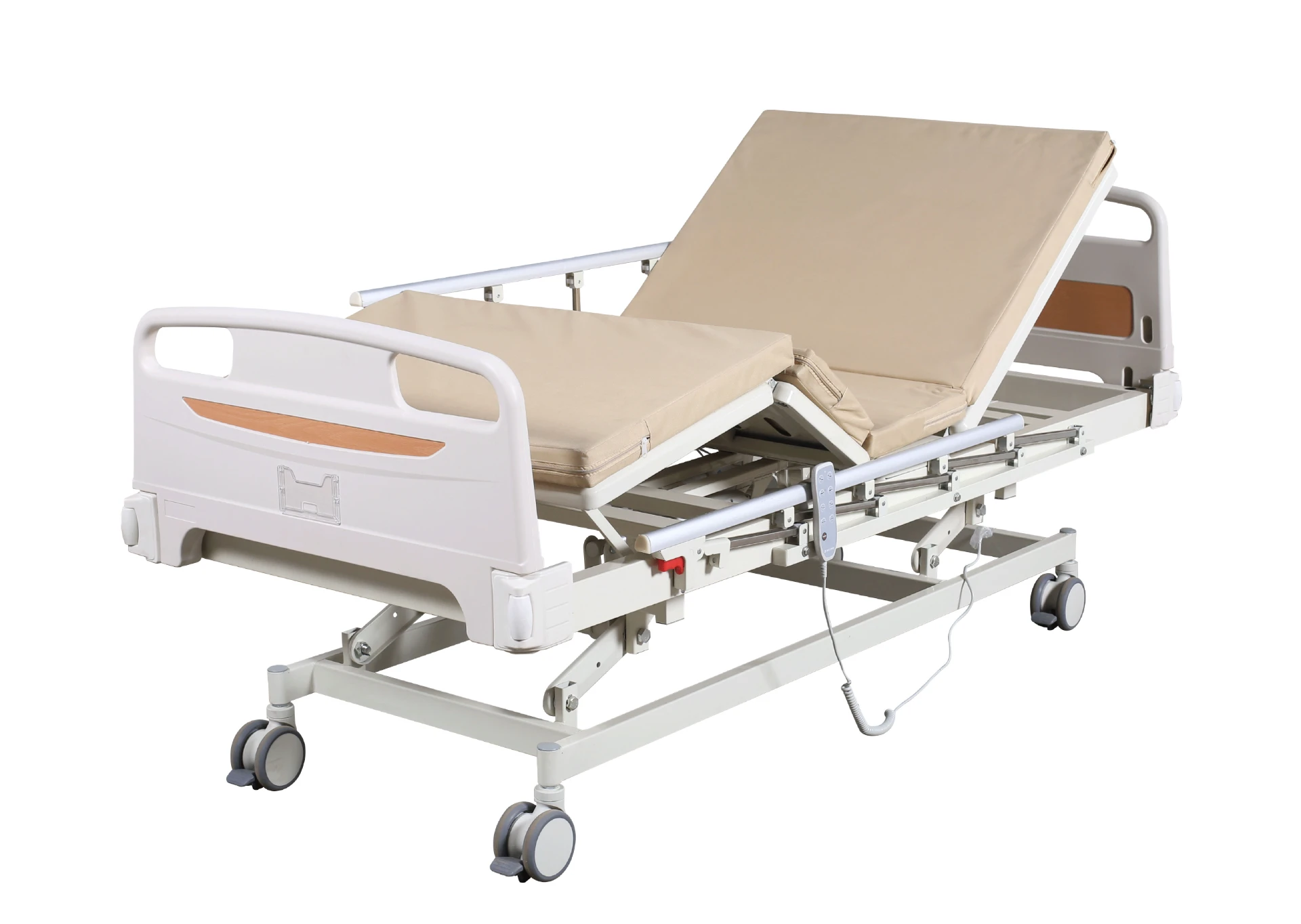
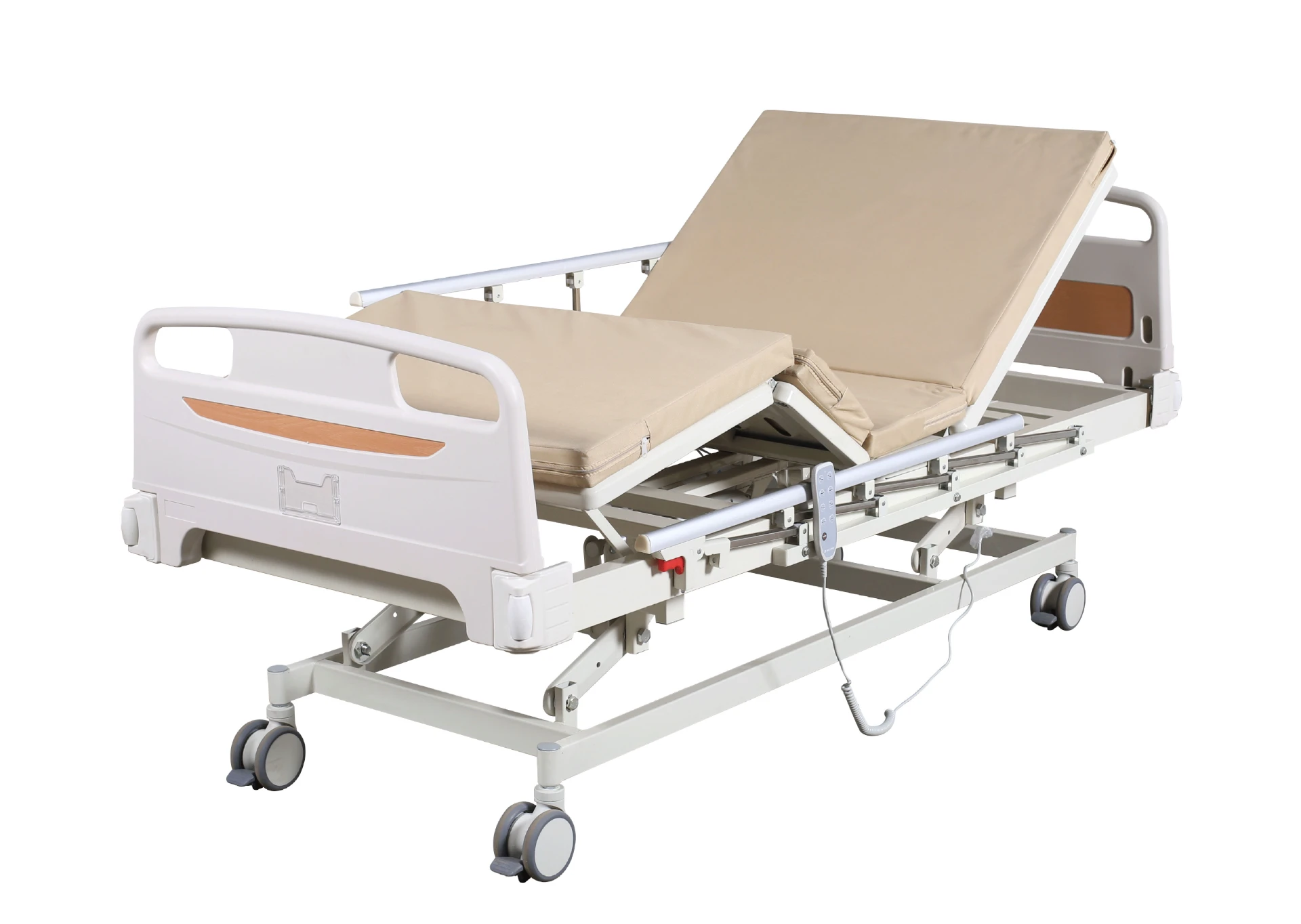
Simply put, a hospital mattress twin size is a mattress designed to fit twin-size hospital beds. Unlike a typical home mattress, these are made with special attention to medical-grade requirements—waterproof covers, pressure relief foams, and antimicrobial fabrics are common features. They're designed for easy cleaning, infection control, and to withstand rigorous daily use. Today’s hospital mattress twin size balances patient comfort with clinical functionality. For example, some mattresses incorporate pressure redistribution to help prevent bedsores, a common and painful problem for immobile patients. The connection to broader humanitarian efforts is clear: in disaster zones or remote clinics, standardizing on hospital mattress twin size helps NGOs and governments quickly deploy safe beds that fit existing frames and support patient needs simultaneously.Mini Takeaway:
The hospital mattress twin size isn’t just a measurement but a cornerstone specification that drives safety, cost, and quality in healthcare everywhere.
Key Factors Behind Quality Hospital Mattresses
1. Durability & Material Quality
Durability is king. These mattresses must resist tears, punctures, microbial growth, and liquid breaches despite heavy use. Materials like high-density polyurethane foam, coated vinyl covers, and rigid internal supports help assure longevity.2. Pressure Management
Good hospital mattresses are engineered to distribute patient weight evenly. This helps prevent pressure ulcers—one of the most dangerous hospital-acquired conditions. Advanced variants use memory foam or layered gel inserts for extra relief.3. Hygiene & Infection Control
PVC or polyurethane covers that resist stains yet can be disinfected with commercial cleaners are essential. This also means seams are sealed or welded, as bacteria love to hide in cracks.4. Cost Efficiency & Scalability
Hospitals often buy in bulk, so mattresses must offer value without cutting corners on safety or comfort. Scalable solutions that balance cost and quality enable clinics worldwide to upgrade fleets without breaking budgets.5. Weight & Portability
In emergency setups, lightweight and easy-to-transport mattresses are preferable. It’s a small detail but can make a huge difference moving gear quickly.Mini Takeaway:
Durability, patient comfort, hygiene, and budgetary balance are the pillars that every hospital mattress twin size product should stand on.
Global Applications & Use Cases
The use of hospital mattress twin size goes well beyond standard hospital wards. Here’s where it really shines:- Post-disaster relief: After earthquakes or floods, agencies like Médecins Sans Frontières rely on standardized twin-size mattresses for quick patient care setups.
- Remote industrial clinics: Mining camps and offshore platforms often need modular health spaces; compact hospital mattresses help maximize space.
- Long-term care facilities: Nursing homes use these mattresses for improved durability and patient safety.
- Military field hospitals: Performance under stress and compatibility with existing beds is vital.
Mini Takeaway:
From emergency response to chronic care, the hospital mattress twin size offers a universal solution adaptable to many environments and needs.
Advantages & Long-Term Value of Choosing the Right Hospital Mattress Twin Size
Let's not forget— there’s a human side to all this. Choosing the right mattress directly touches on dignity, safety, and dignity in care. Logically, cost savings come from fewer mattress replacements and lower infection rates. Environmentally, many modern mattresses now incorporate recyclable materials and low-VOC adhesives, meeting ISO sustainability guidelines. Here’s where innovation meets empathy: smart mattresses with embedded sensors for pressure monitoring are becoming a thing, allowing caregivers to intervene before sores develop. That’s tangible trust in technology, improving lives day by day.Emerging Trends & Innovations
Looking forward, the hospital mattress twin size market is embracing:- Advanced materials: Graphene-infused foams for better temperature regulation.
- Digital integration: IoT-enabled pressure sensors giving real-time patient data.
- Eco-conscious designs: Biodegradable covers, water-saving cleaning methods.
- Automation in manufacturing: Custom-fit mattress tailoring for specific hospital brands.
Challenges & How the Industry Is Overcoming Them
Common hurdles include high upfront costs of specialized mattresses, logistical issues in remote deliveries, and balancing comfort with clinical needs. Some vendors now offer leasing models or modular mattresses where covers and foams can be replaced separately, reducing waste. Plus, bulk ordering solutions streamline supply chains in developing regions, tackling cost and consistency issues.Mini Takeaway:
Creative solutions are helping hospitals worldwide overcome traditional limitations in mattress provisioning, without sacrificing patient care.
FAQ: Hospital Mattress Twin Size — Common Questions
- Q: What is the difference between a hospital mattress twin size and a regular twin mattress?
- A: Hospital mattresses are designed with medical-grade materials, built for infection control, pressure relief, and durability, unlike typical home mattresses which prioritize comfort over clinical needs.
- Q: How long does a hospital mattress twin size typically last?
- A: With proper care, a quality hospital mattress can last 3 to 5 years in high-use environments before needing replacement, depending on usage and cleaning protocols.
- Q: Can hospital mattress twin size be customized for specific patient needs?
- A: Yes, many manufacturers offer tailored options such as different foam densities, added gel layers, or antimicrobial treatments to suit patient conditions.
- Q: Is the hospital mattress twin size standard worldwide?
- A: It's widely standardized, but some regional variations in size and material specs exist. Using the standard twin size helps with supply chain efficiency and emergency preparedness.
- Q: How do hospitals ensure mattresses stay hygienic?
- A: Regular cleaning, using waterproof and antimicrobial covers, and periodic inspections are common practices to maintain hygiene and patient safety.
Wrapping Up: Why Hospital Mattress Twin Size Matters for the Future
It’s easy to overlook something as “mundane” as mattress size, but for healthcare providers, logisticians, and patients worldwide, it’s a linchpin of quality care and operational success. The hospital mattress twin size offers a practical blend of comfort, safety, and efficiency that makes scaling healthcare accessible, especially as demands grow. For those searching for reliable and innovative solutions, [hospital mattress twin size](https://www.cnboxin.com) options are increasingly vital. If you’re involved in healthcare facilities management, emergency response, or even medical supply chains, exploring the right hospital mattress twin size could save time, money, and more importantly—improve patient outcomes. Visit our website: https://www.cnboxin.com to learn more and discover tailored solutions fitting your needs.Hospital Mattress Twin Size: Product Specification Table
| Feature | Specification | Benefit |
|---|---|---|
| Dimensions | 39" W x 75" L x 6" H | Fits standard twin hospital beds |
| Core Material | High-density polyurethane foam | Durability & pressure relief |
| Cover | Waterproof & antimicrobial PVC | Enhanced hygiene, easy cleaning |
| Pressure Management | Memory foam layer or gel insert options | Prevents bed sores, improves comfort |
| Weight | Approx. 18 lbs (8.2 kg) | Portable, easy to move during cleaning or transport |
| Warranty | 3-year limited | Confidence in durability |
Vendor Comparison: Leading Hospital Mattress Twin Size Suppliers
| Vendor | Price Range (USD) | Material Quality | Customization | Geographic Reach |
|---|---|---|---|---|
| HealthMat Solutions | $150 - $230 | High-density foams, antimicrobial covers | Medium (foam density, cover color) | Global (focus on Americas & Europe) |
| MedFlex Mattresses | $180 - $260 | Gel-infused memory foams, welded seams | High (multiple layer options) | North America & Asia |
| EcoCare Bedding | $130 - $200 | Recyclable covers, low-VOC adhesives | Low (standard models only) | Europe & Emerging Markets |
References & Further Reading
Latest news
-
Ultimate Guide to Choosing Extra Wide Waiting Room ChairsNewsApr.16,2026
-
Guide to Choosing Professional Waiting Room Chairs Wipeable SeatingNewsApr.09,2026
-
Enhance Your Space with Comfortable Wide Waiting Room ChairsNewsApr.07,2026
-
Selecting the Ideal Brown Waiting Room Chairs for a Welcoming SpaceNewsApr.04,2026
-
Choosing Comfortable Patient Waiting Room Chairs for Healthcare FacilitiesNewsMar.31,2026
-
Finding the Best Deals on Affordable and Cheap Reception Chairs for Your BusinessNewsMar.28,2026
-
Enhance Your Business Reception with Comfortable Blue Reception ChairsNewsMar.26,2026
Related Products