Welcome to our websites!


Hospital OT Table - Comprehensive Guide to Features, Use & Innovations
Hospital OT Table: Why It Matters More Than You Think
If you’ve ever peered behind the curtains of a modern operating theater, one crucial piece of equipment rarely gets the spotlight it deserves—the hospital OT table. Not just a fancy chair, the operating table is literally the stage where miracles happen. Across the globe, understanding the design, functionality, and innovation behind hospital OT tables means better patient outcomes, improved surgical precision, and more resilient healthcare systems. It’s a complex piece of machinery, and frankly, ignoring its significance is a bit like focusing only on the surgeon’s skills but overlooking the scalpel’s sharpness.
Introduction: The Global Stage for Hospital OT Tables
Healthcare infrastructures worldwide are evolving, but surgery remains a cornerstone of modern medicine. According to the World Health Organization, over 300 million surgeries happen every year globally, many requiring reliable, adjustable, and hygienic operating tables. The global hospital OT table market is expected to grow steadily, driven by factors like rising demand for minimally invasive procedures and aging populations. But here’s a challenge: not every hospital, especially in low-resource areas, has access to advanced tables that adapt to complex procedures. That's a story that plays out from New York to Nairobi.
In fact, surgical outcomes often hinge on the OT table’s ability to position patients correctly, maintain sterility, and integrate with other tech. The hospital OT table is more than just a mechanical platform—it’s an essential tool that tackles global health inequality in subtle but powerful ways.
What Exactly Is a Hospital OT Table?
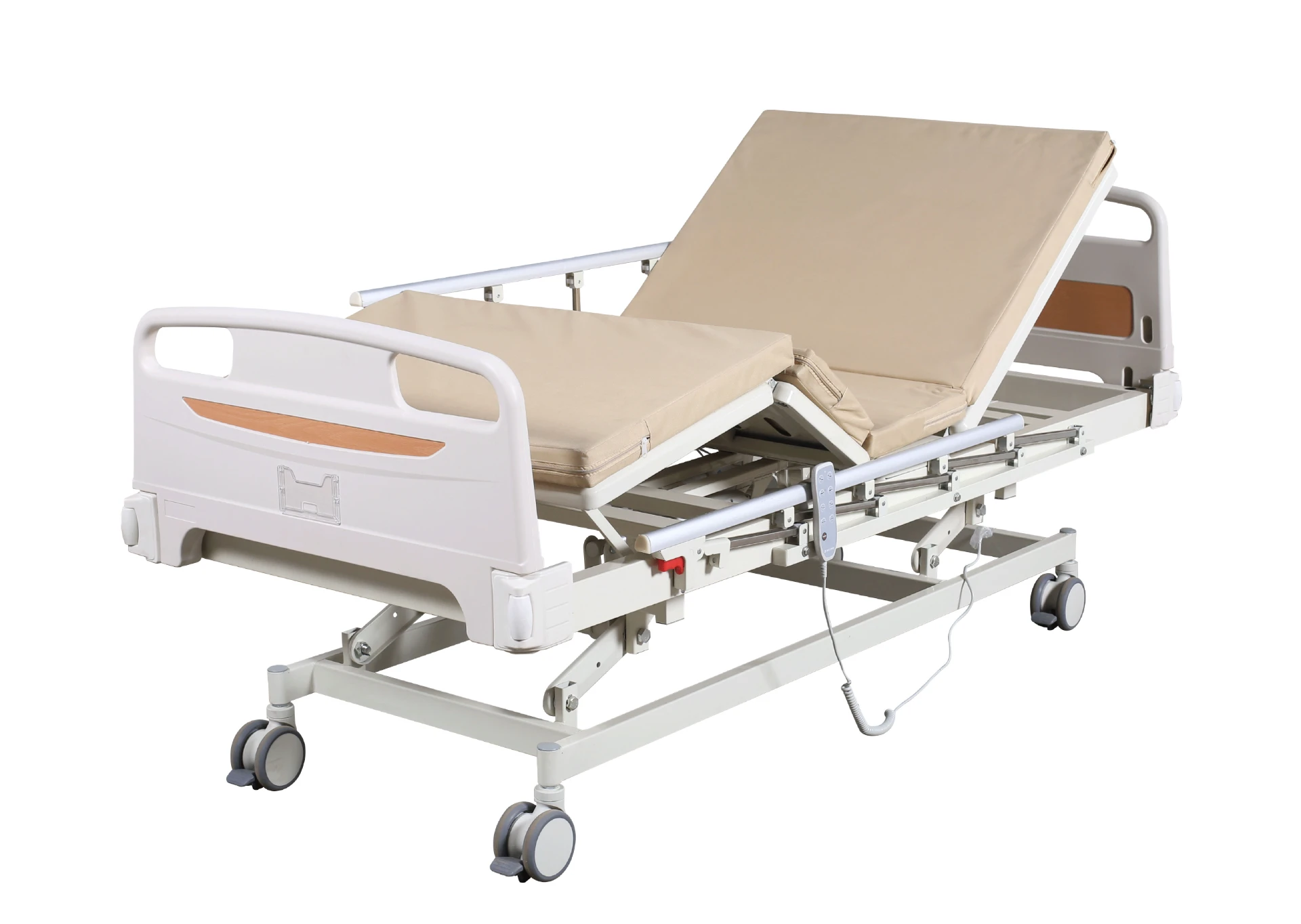
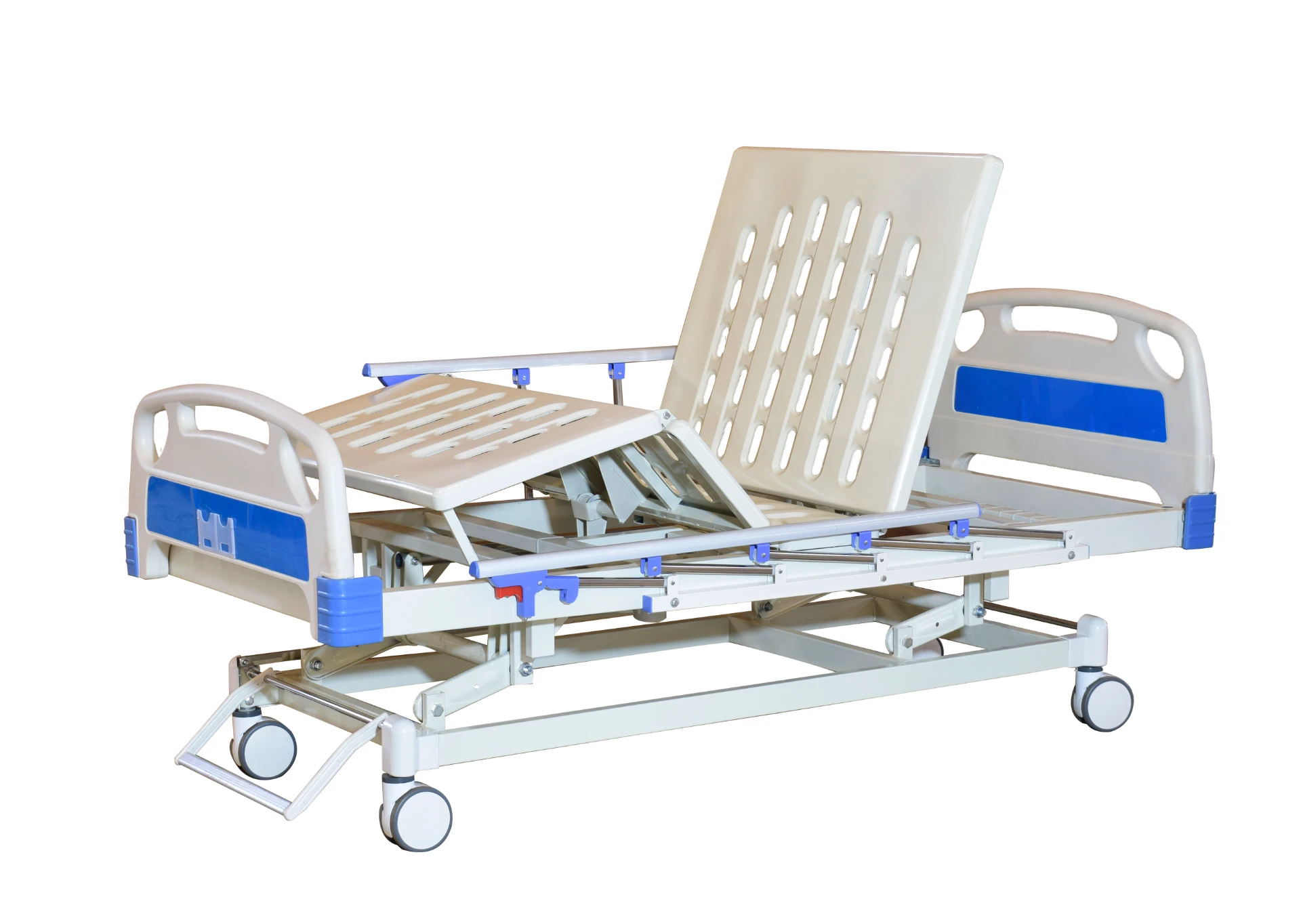
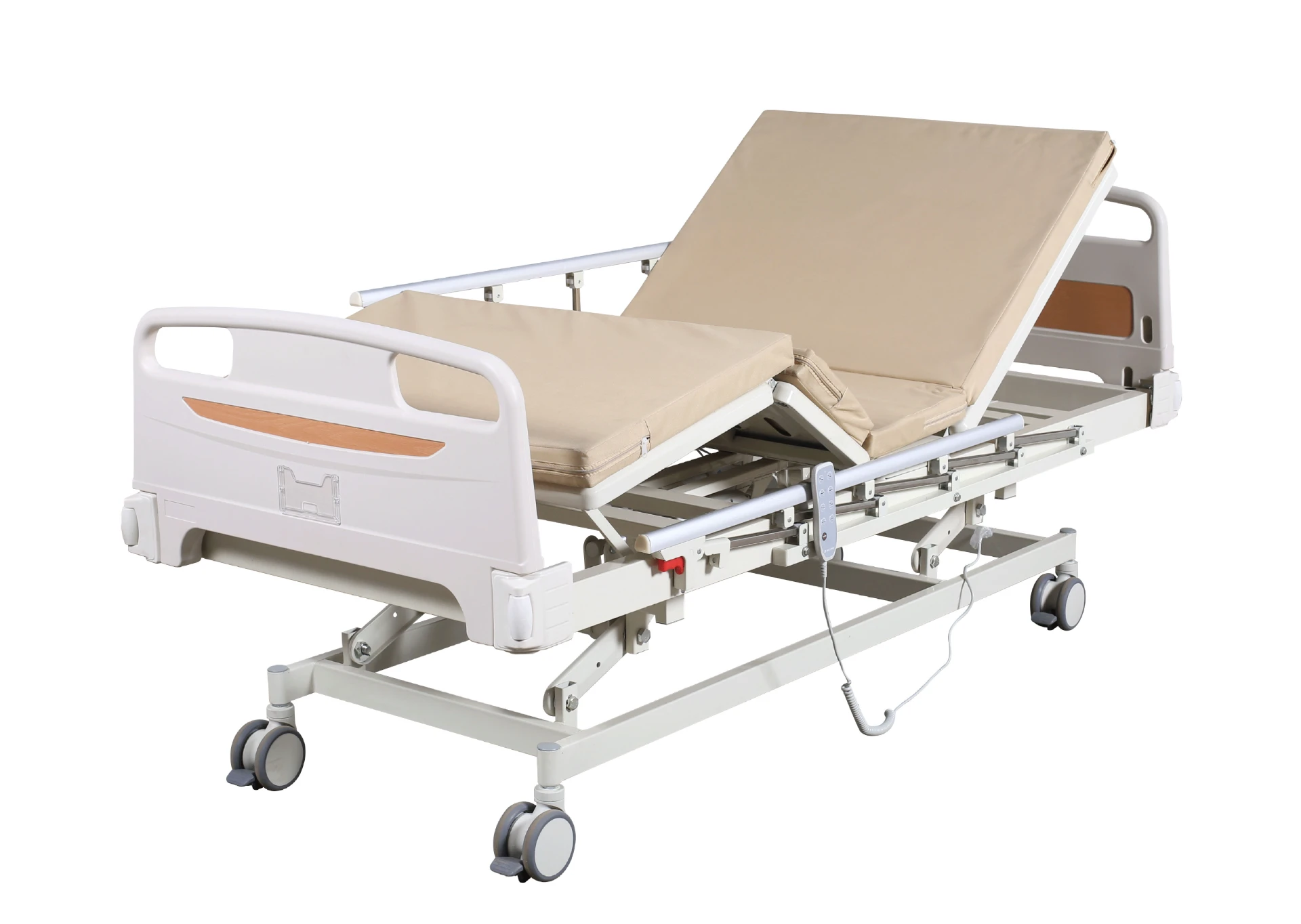
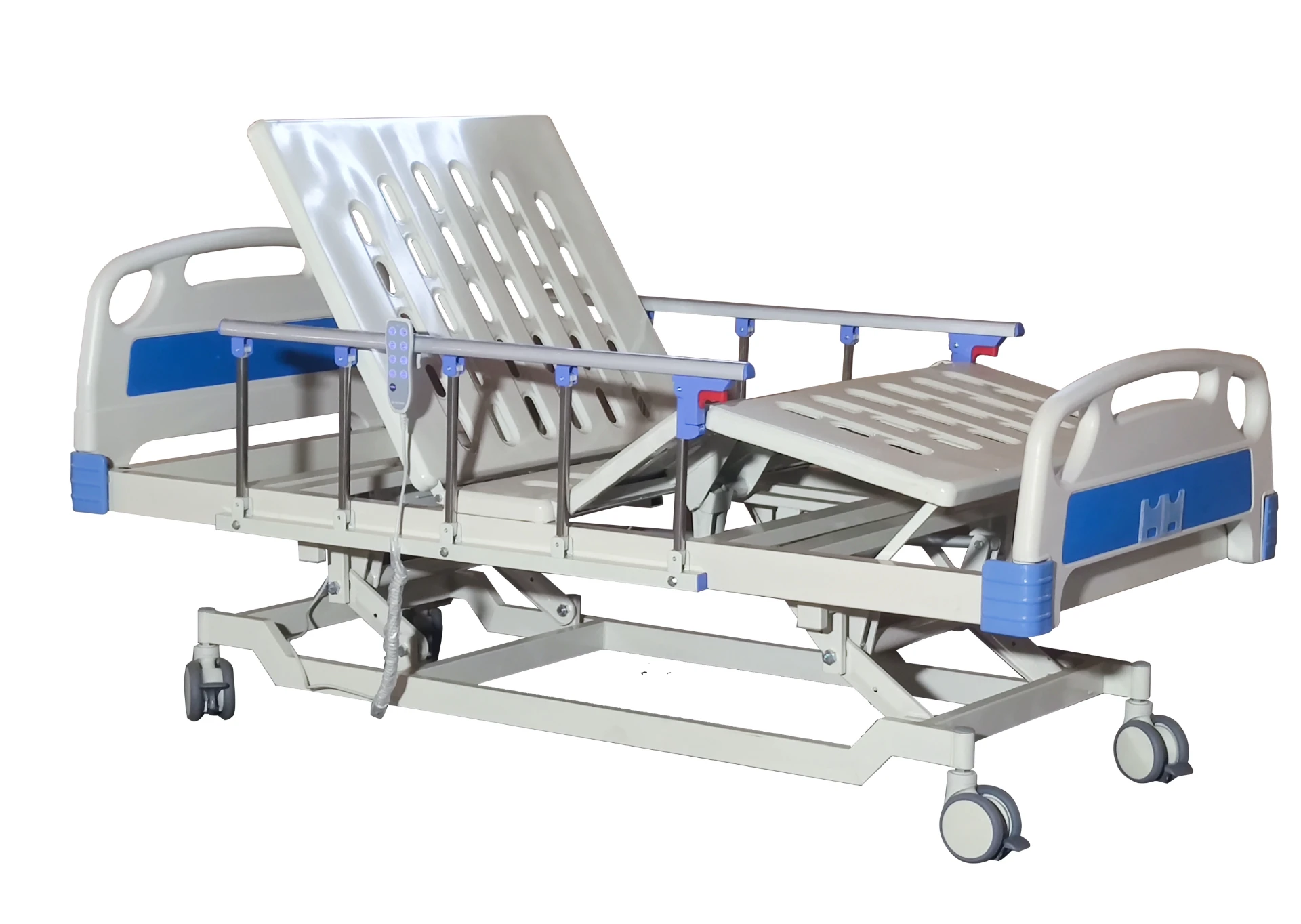
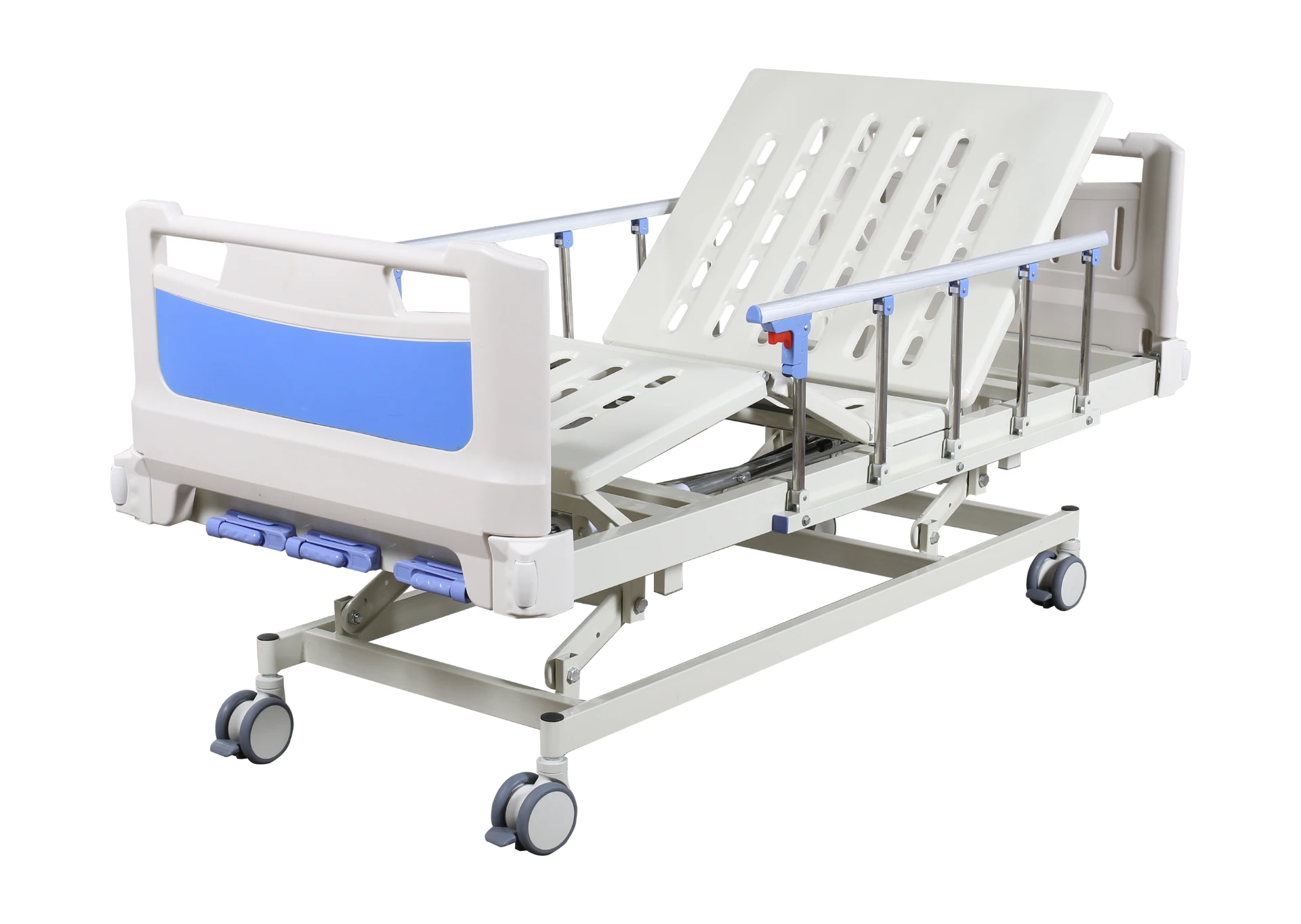
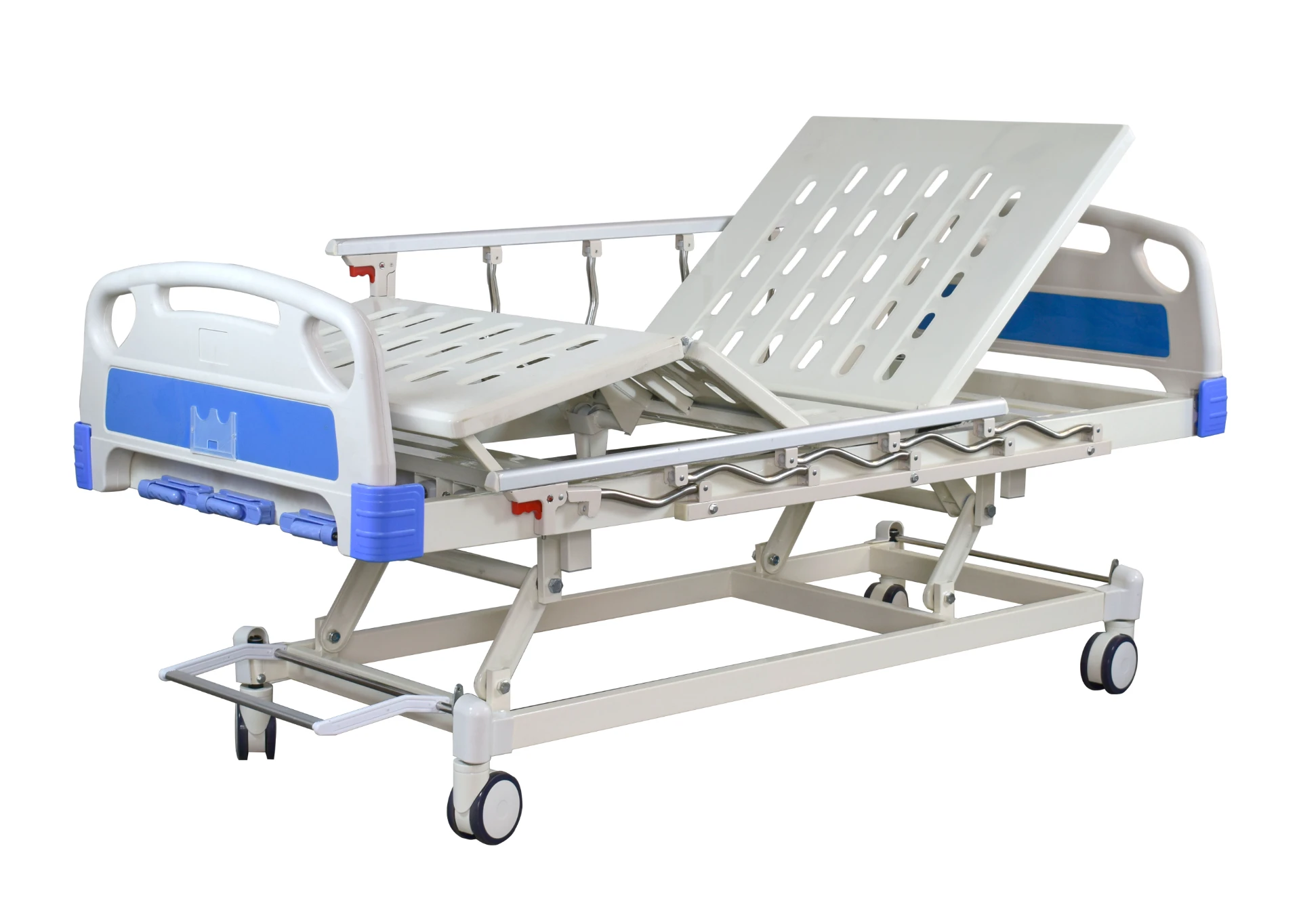
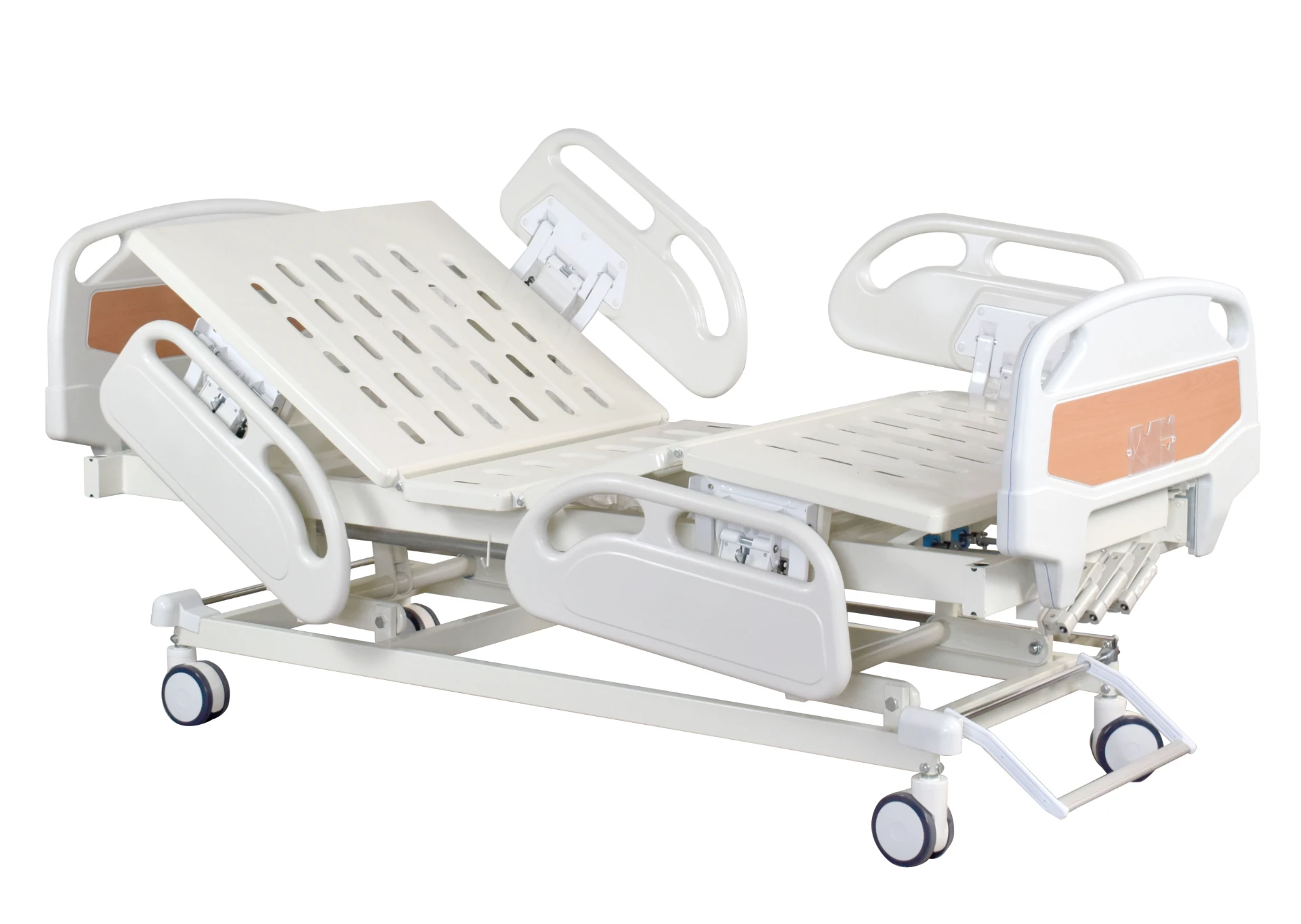
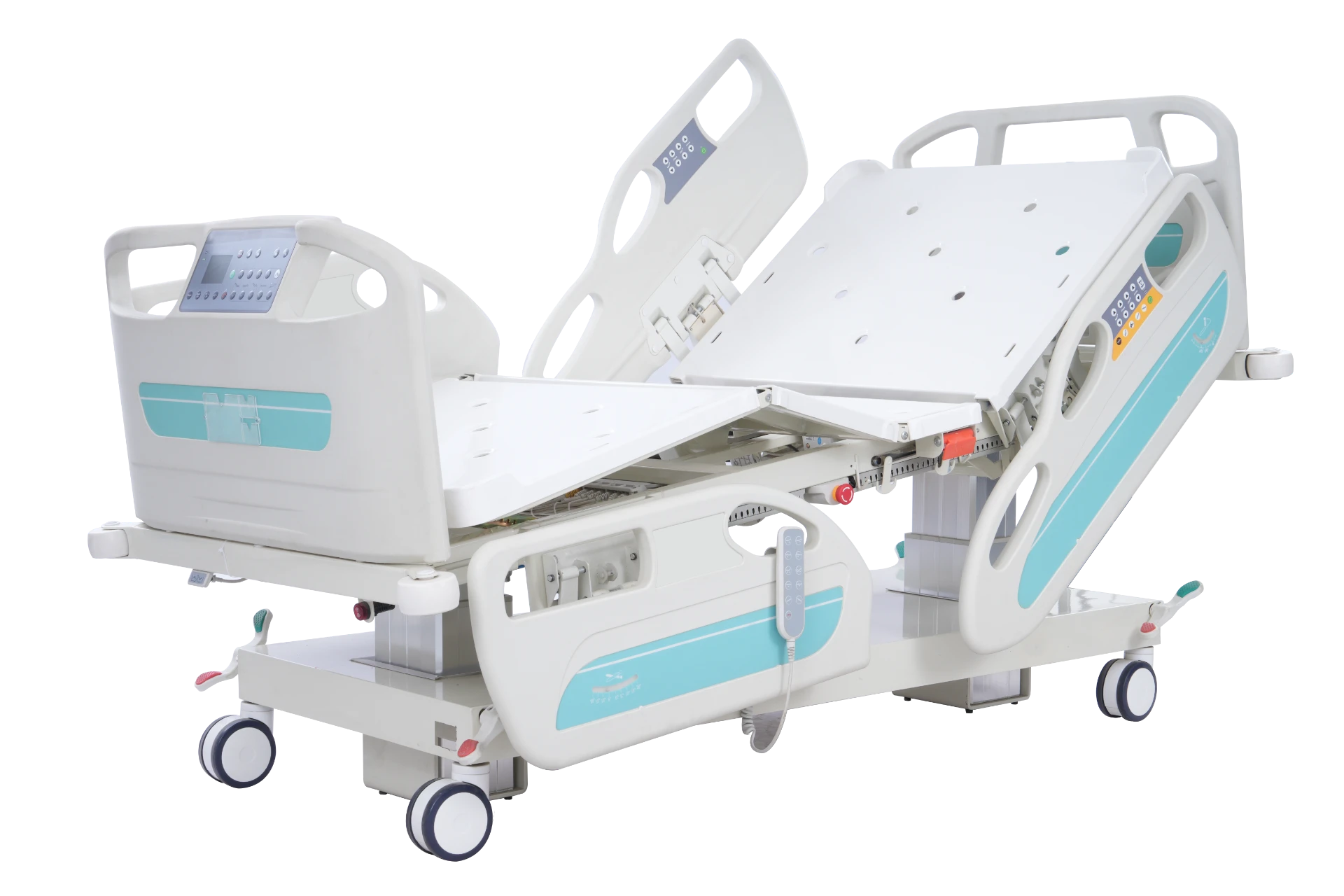
Simply put, a hospital OT table (Operating Theatre table) is a specialized, adjustable bed where patients lie during surgical procedures. Unlike regular beds, these tables are engineered for mobility, precise positioning, and compatibility with imaging devices like X-rays or C-arms. Hospitals rely on them to ensure surgeons can access every angle, maintain patient safety, and reduce procedure time. Think of it as the silent workhorse of surgery rooms everywhere—robust, versatile, and often underappreciated.
Nowadays, with the rise of complex surgeries, the OT table's role is amplified, connecting traditional mechanical engineering with the latest in digital control and materials science.
Core Components of a Hospital OT Table
1. Adjustability and Ergonomics
The hallmark of any good hospital OT table is multi-directional movement: height, tilt, lateral shift, backrest, leg sections—you name it. This adjustability means surgeons can position patients optimally for different procedures while minimizing pressure points and improving comfort.
2. Durability and Hygiene
Stainless steel frames, anti-corrosive coatings, and seamless surfaces are more than design choices—they directly impact infection control and long-term maintenance. An OT table must withstand chemical cleansers and constant use without compromise.
3. Imaging Compatibility
Radiolucent tabletop inserts are now common, allowing intraoperative imaging without table removal. It speeds up surgeries and maintains sterile fields—huge when every minute counts.
4. Power and Control Systems
Many hospital OT tables operate on hydraulic, pneumatic, or electric motors with remote handsets or foot pedals. This combination enables smooth, precise operation and sometimes memory functions for repeat positions.
5. Safety Features
Locking casters, safety straps, and emergency manual overrides help prevent accidents. It’s one thing to have a fancy table; it’s another to ensure it doesn’t suddenly move mid-procedure.
Mini takeaway: The best hospital OT tables balance user-friendly controls with rigid safety and hygiene standards—a blend that’s easier said than done.
Global Applications and Use Cases of Hospital OT Tables
Oddly enough, while hospitals in wealthy countries have long benefited from advanced operating tables, recent years have seen rapid adoption in emerging markets. For example:
- Post-disaster relief: Mobile surgical units often rely on lightweight, foldable OT tables shipped to disaster zones, where infrastructure is compromised.
- Remote rural clinics: In parts of South Asia and Sub-Saharan Africa, hospitals adopt rugged, reliable tables that operate even with inconsistent power supplies.
- Specialized surgical centers: In Europe and North America, adjustable tables integrate cutting-edge robotics and imaging to boost minimally invasive surgeries.
- Humanitarian missions: NGOs like Doctors Without Borders rely on modular OT tables that can be quickly assembled and sterilized in harsh environments.
Despite wildly different settings, the core requirement remains the same: a dependable, adaptable hospital OT table that supports diverse surgical needs.
Advantages & Long-Term Value of Choosing the Right Hospital OT Table
Choosing a high-quality hospital OT table offers tangible payoffs:
- Cost Efficiency: Durable tables reduce the need for frequent replacements and repairs.
- Patient Safety & Comfort: Adjustable positions minimize risks like pressure ulcers or nerve injuries.
- Surgical Precision: Better positioning aids surgeon performance and reduces procedure time.
- Infection Control: Materials designed to withstand rigorous disinfection lower hospital-acquired infection rates.
- Trust & Reputation: Hospitals equipped with modern OT tables often attract more patients and top-tier clinicians.
Frankly, a reliable OT table is a long game investment—both for hospital management and patient welfare.
Future Trends & Innovations in Hospital OT Tables
What’s next? Designers and manufacturers are exploring:
- Smart Tables: Digital controls integrated with hospital networks allow preset configurations and maintenance alerts.
- Lightweight Composite Materials: To reduce weight without sacrificing strength, enabling easier transport and setup.
- Energy Efficiency: Tables powered by rechargeable batteries or solar might become standard in off-grid areas.
- Robotics & Automation: Slightly futuristic, but robotic positioning or auto-leveling could reduce manual errors.
- Sustainability: Using recyclable materials and environmentally friendly manufacturing is gaining momentum worldwide.
It feels like we’re at a turning point where technology meets the practical needs of healthcare providers on every continent.
Challenges and How Experts Are Tackling Them
The chief hurdles with hospital OT tables tend to be:
- High Cost: Advanced tables can be prohibitively expensive for smaller hospitals. Solutions? Modular designs and scalable features help lower entry costs.
- Power Reliability: Electric models face challenges in places with unstable electricity. Hence, hybrid hydraulic-electric systems are popular.
- Maintenance: Complex electronics require specialized upkeep. Many vendors now provide remote diagnostics and training.
- Customization Limits: Not every table fits every surgeon’s preference, so flexible accessories and modular attachments are increasingly offered.
People often overlook the behind-the-scenes innovation and support that keeps these tables reliable—because pretty much everyone assumes they just work, day after day.
Frequently Asked Questions About Hospital OT Tables
- Q: What features should I prioritize when buying a hospital OT table?
- A: Focus on adjustability, hygiene compliance, imaging compatibility, and safety mechanisms. Also, consider maintenance availability and compatibility with your hospital’s infrastructure.
- Q: How durable are hospital OT tables in harsh environments?
- A: Many modern tables use corrosion-resistant materials and are designed to last over 10 years even in challenging climates, provided routine maintenance.
- Q: Can hospital OT tables be transported for field operations?
- A: Yes, specialized portable OT tables are compact, lightweight, and often battery-powered to support emergency and disaster relief medical units.
- Q: Are there standards regulating hospital OT tables?
- A: Definitely. ISO 13485 covers medical device quality management systems, including surgical tables. Many countries have additional regulatory requirements.
- Q: How does the hospital OT table improve surgical outcomes?
- A: It ensures optimal patient positioning and stability, which reduces surgery time, minimizes complications, and enhances surgeon ergonomics.
Product Specification Table
| Specification | Model A (Basic) | Model B (Advanced) |
|---|---|---|
| Weight Capacity | 150 kg | 250 kg |
| Height Adjustment | 500-900 mm (manual) | 450-1000 mm (electric) |
| Imaging Compatibility | Partial Radiolucent | Full Radiolucent Tabletop |
| Control System | Hydraulic foot pump | Electric remote handset |
| Safety Features | Basic locking casters | Integrated emergency stop + safety belts |
| Warranty | 2 years | 5 years |
Vendor Comparison Table
| Vendor | Product Range | Customization Options | After-Sales Support | Global Reach |
|---|---|---|---|---|
| MedEquip Global | Standard & Advanced OT Tables | Full modular options | 24/7 support + onsite training | 50+ countries |
| SurgiTech Inc. | High-tech, robotic-ready tables | Customization limited to software | Remote diagnostics + annual checkups | Europe, North America |
| RapidMed Supplies | Portable, field-ready models | Basic accessories | Limited phone support | Africa & Asia |
Conclusion: The Long-Term Impact of the Hospital OT Table
It might seem like just a table, but the hospital OT table is a silent workhorse in surgical care that supports millions of operations each year worldwide. Its evolving design reflects healthcare’s push for safety, efficiency, and adaptability—from high-tech urban facilities to remote field hospitals. Choosing the right table is about more than technical specs, it’s about investing in outcomes, dignity, and trust that reverberate far beyond the operating room.
If your healthcare facility is evaluating options, I encourage you to explore the latest in hospital OT tables and see how they can transform patient care on your turf. For in-depth product details and expert consultations, visit our website. Because sometimes, a better table is the first step toward better healthcare.
References
-
Ultimate Guide to Choosing Extra Wide Waiting Room ChairsNewsApr.16,2026
-
Guide to Choosing Professional Waiting Room Chairs Wipeable SeatingNewsApr.09,2026
-
Enhance Your Space with Comfortable Wide Waiting Room ChairsNewsApr.07,2026
-
Selecting the Ideal Brown Waiting Room Chairs for a Welcoming SpaceNewsApr.04,2026
-
Choosing Comfortable Patient Waiting Room Chairs for Healthcare FacilitiesNewsMar.31,2026
-
Finding the Best Deals on Affordable and Cheap Reception Chairs for Your BusinessNewsMar.28,2026
-
Enhance Your Business Reception with Comfortable Blue Reception ChairsNewsMar.26,2026