Welcome to our websites!


Hospital Nursing Chair – Comfort and Care Solutions for Healthcare Facilities
The Growing Importance of Hospital Nursing Chairs
When you picture a hospital, a nursing chair might not be the first thing that pops into your mind. But these specialized seating solutions have quietly become crucial in healthcare settings worldwide. Understanding the hospital nursing chair goes beyond just its look or comfort: it’s about patient dignity, caregiver efficiency, and often, the very wellbeing of patients during recovery. Globally, with healthcare demands rising and aging populations growing, having reliable, adaptable nursing chairs bridges vital gaps in patient care environments. It’s a more subtle technology, yet one with visible day-to-day impact.
Mini takeaway: Hospital nursing chairs are not mere furnishings but essential tools in the healthcare ecosystem, ensuring safety and comfort for patients and practitioners alike.
Introduction: Why Hospital Nursing Chairs Matter Globally
Across the globe, healthcare infrastructures face increasing pressures — from aging societies to pandemic-driven patient surges. According to the World Health Organization, the number of people aged 60 or older is expected to double by 2050, which means more demand for healthcare services designed around comfort and accessibility. Enter the hospital nursing chair.
These chairs aid caregivers in managing patient positioning, provide patients a stable and comfortable place during treatments or recovery, and reduce the risk of pressure ulcers and falls. The ISO 7173 standard, for example, guides manufacturers on hospital seating safety, ensuring chairs meet durability and hygiene standards. But beyond specs, nursing chairs tackle a pervasive problem: how to marry patient comfort with hygienic, adjustable, and cost-effective materials within space-constrained medical facilities.
Mini takeaway: Globally, these chairs relieve practical caregiving challenges and enhance patient experiences—especially critical in aging or crisis-stricken populations.
What Exactly is a Hospital Nursing Chair?
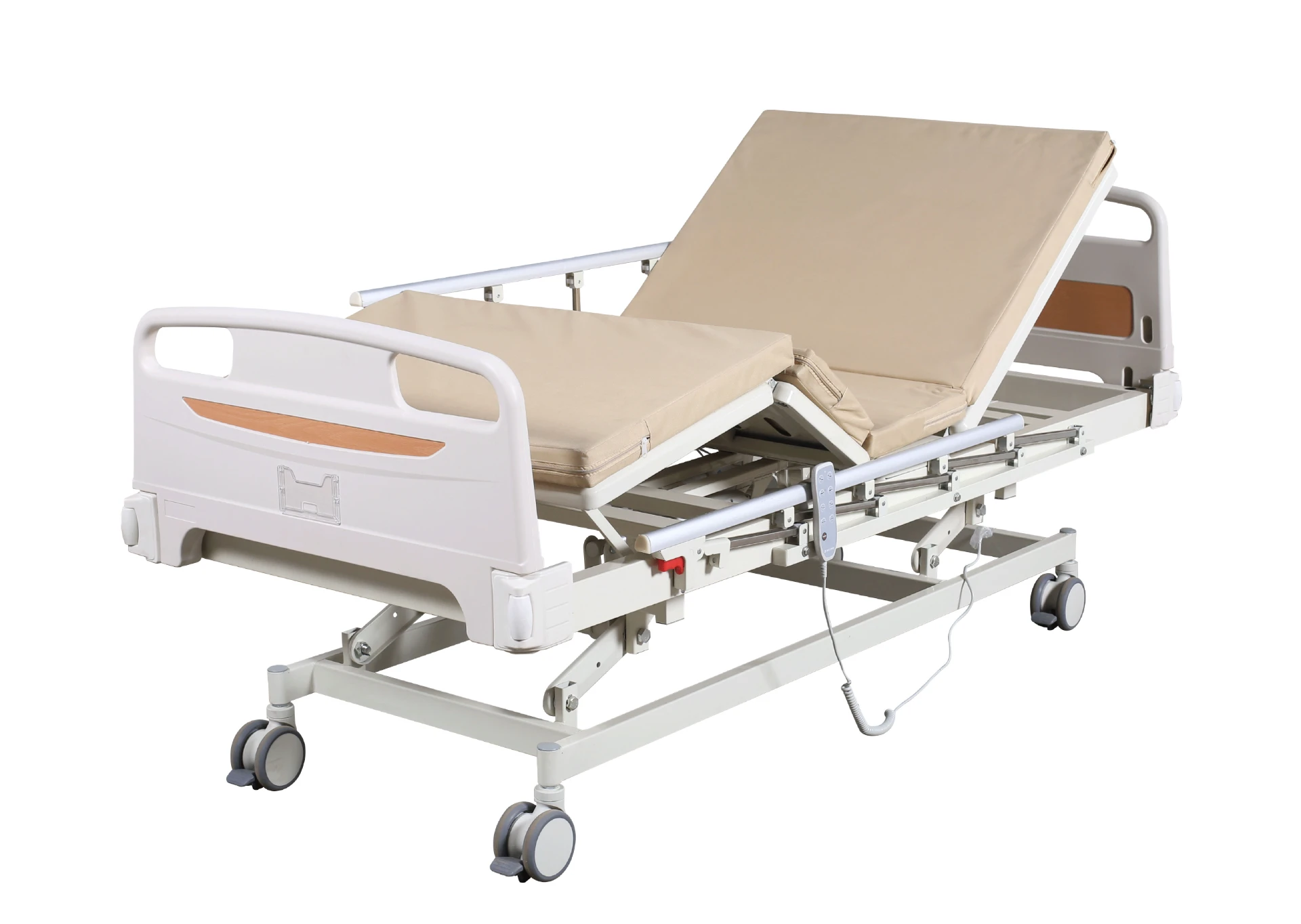
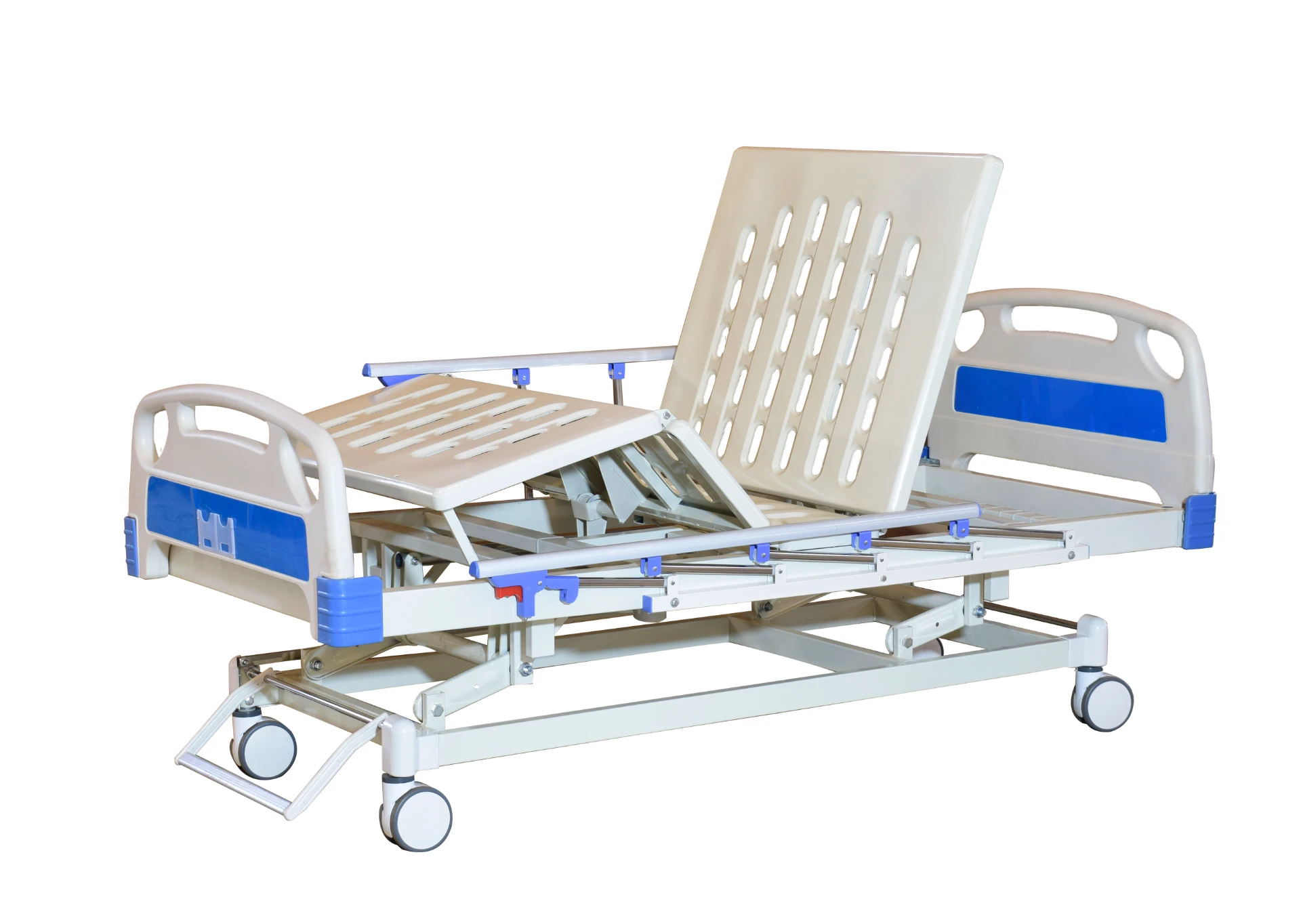
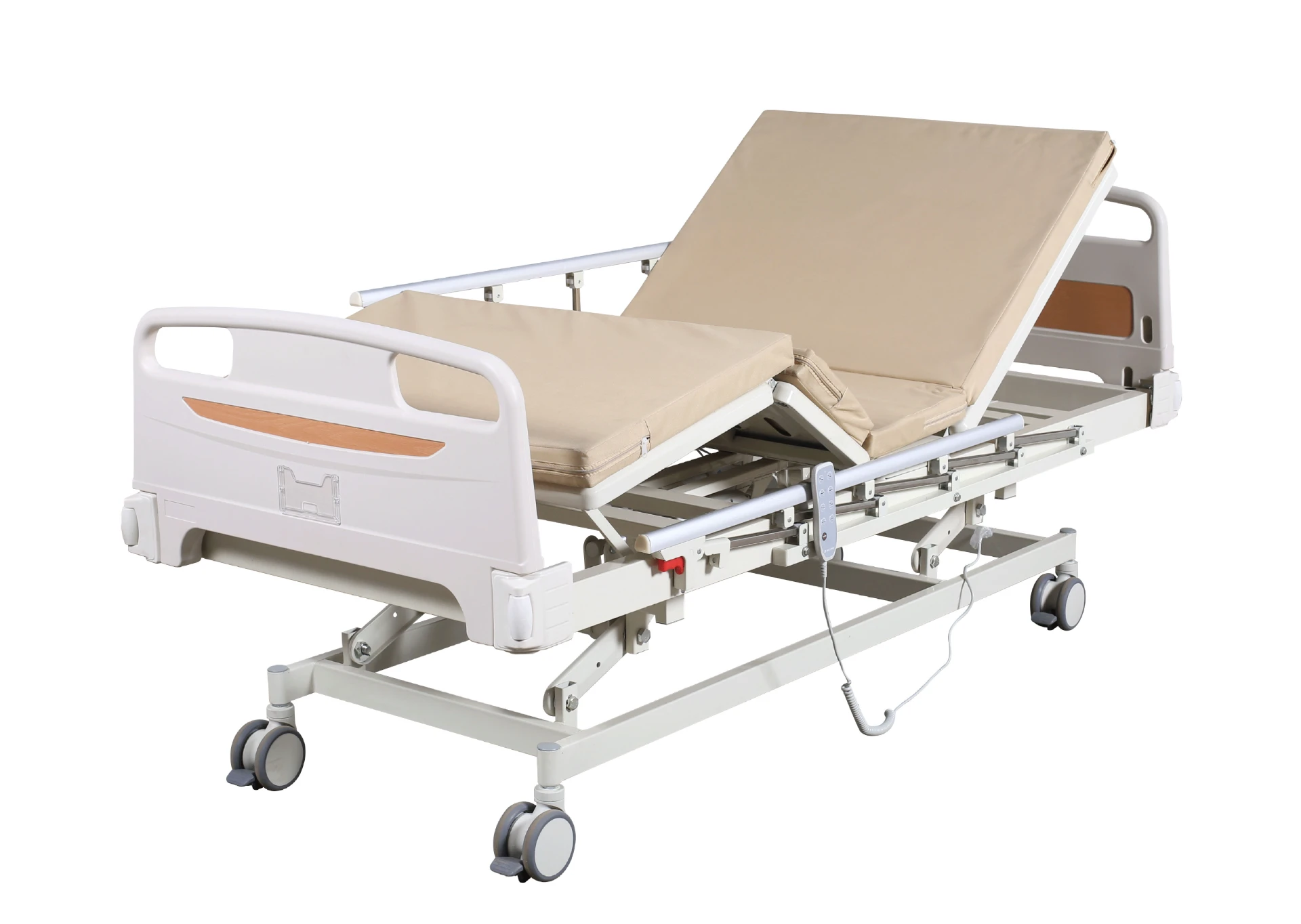
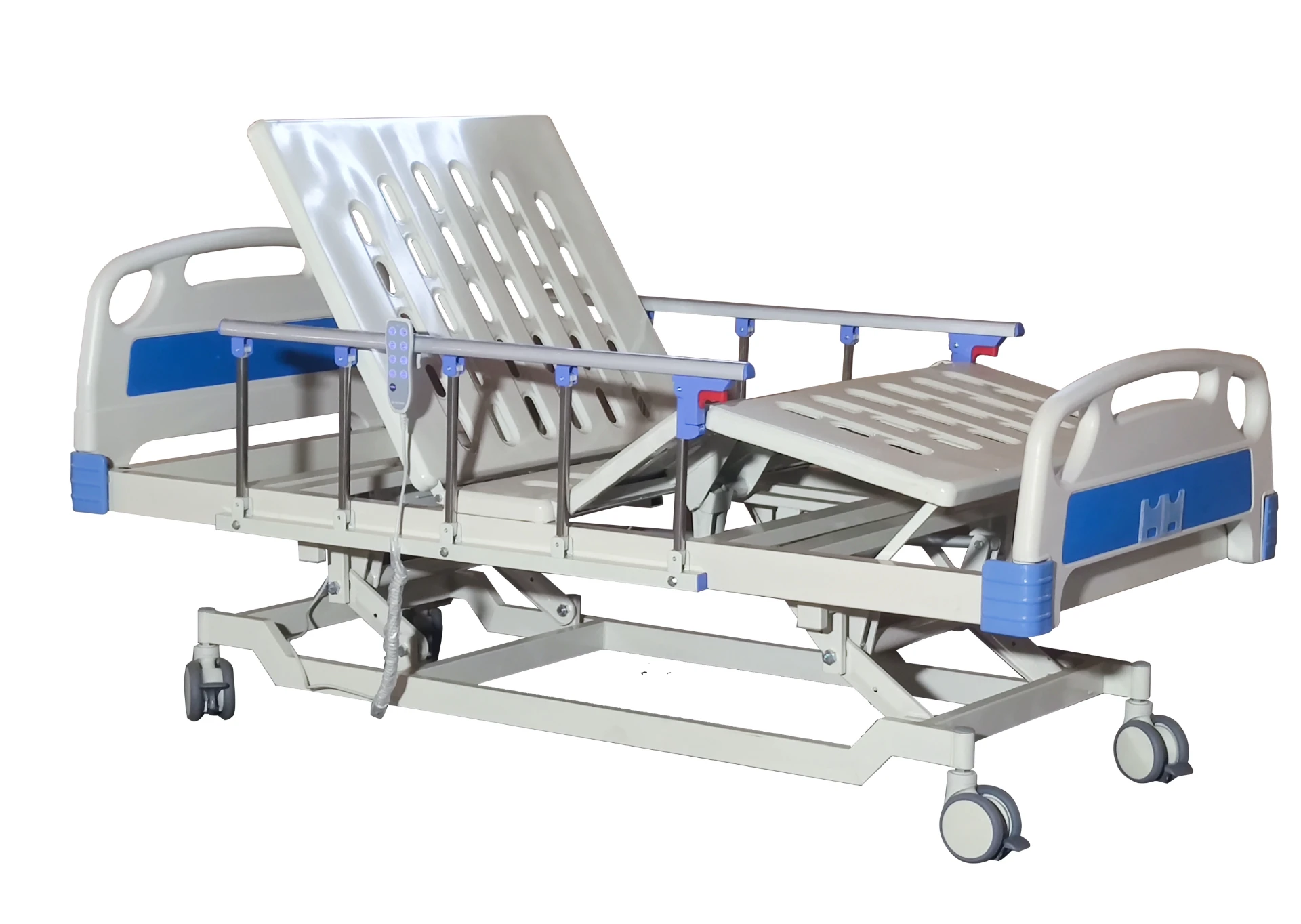
A hospital nursing chair is a specially designed chair that supports patients and nurses during medical care activities. Think of it as an ergonomic, sterile-friendly seat equipped often with adjustable height, tilt mechanisms, and easy-to-clean surfaces. Unlike generic chairs, hospital nursing chairs address infection control, patient safety, and evolving hospital workflows. They’re a little understated but indispensable in wards, ICUs, and even outpatient clinics.
In humanitarian or modern health systems, these chairs allow nursing staff to perform safer patient handling — something critical in environments with both high patient loads and limited staffing. So, while it’s "just a chair” said no nurse ever, it’s really a silent backbone in hospital functionality.
Core Features of Modern Hospital Nursing Chairs
1. Durability
Many engineers and healthcare planners swear by chairs built to sustain repeated cleaning cycles with harsh disinfectants. Materials like powder-coated steel or antimicrobial plastics stand up to daily sanitation without wearing thin or harboring pathogens.
2. Adjustability
Height, back tilt, armrest positioning — these provide personalized comfort not only for patients but also help nursing staff maintain proper ergonomics during treatment. Oddly enough, these adjustable features reduce musculoskeletal injuries among staff themselves.
3. Hygiene and Cleanability
Wrapping upholstery in medical-grade vinyl or seamless polymer covers makes wiping spills, bodily fluids, or disinfectants easier and more effective.
4. Mobility
Some models include lockable wheels, letting nurses reposition patients within rooms quickly during procedures or emergency responses. This mobility often contrasts with stationary chairs, which can limit workflow efficiency.
5. Cost Efficiency
Balancing upfront cost with longevity remains a constant struggle in healthcare budgets. Many newer models optimize production costs without sacrificing safety and ease-of-use.
6. Patient Comfort
Cushion softness, lumbar support, and ease of ingress and egress matter a lot to both the patient’s psyche and physical recovery speed.
Mini takeaway: Hospital nursing chairs blend engineering, hygiene, and human needs — and this cocktail defines their performance in real-world settings.
Global Applications & Real-Life Use Cases
Hospital nursing chairs find homes everywhere — from developed health systems in Europe to mobile field hospitals in conflict zones. In post-disaster relief efforts organized by the Red Cross, for instance, rugged yet lightweight chairs enable displaced patients to receive care in tents rather than traditional hospital beds, improving access and dignity.
In rural Africa or remote industrial zones, modular nursing chairs with easy maintenance features help overcome challenges of scarce replacements and limited cleaning supplies. Meanwhile, big urban hospitals in the US and Japan increasingly commission stylish but functional chairs that meet both strict infection control protocols and patient aesthetic expectations.
Even nursing homes and rehabilitation centers use these chairs outside strictly hospital zones, underscoring their versatility.
Product Specification Table: Typical Hospital Nursing Chair
| Feature | Description | Typical Values |
|---|---|---|
| Weight Capacity | Maximum supported patient weight | Up to 150 kg (330 lbs) |
| Material | Frame and upholstery types | Steel frame, antimicrobial vinyl upholstery |
| Height Adjustability | Range of seat height variation | 45 - 60 cm (18" - 24") |
| Mobility | Presence of wheels/casters | Locking 4 caster wheels |
| Cleaning | Surface treatment for hygiene | Waterproof, antimicrobial, seamless cover |
Vendor Comparison: Hospital Nursing Chair Providers
| Vendor | Price Range | Customization Options | Lead Time | Notable Features |
|---|---|---|---|---|
| MedChair Co. | $350 - $600 | Colors, upholstery, wheels | 2-3 weeks | Ergonomic back support |
| HealEase Solutions | $420 - $750 | Height, armrest, padding | 3-4 weeks | Antimicrobial fabric technology |
| NurseComfort Ltd. | $300 - $580 | Standard colors, limited options | 1-2 weeks | Quick-clean design |
Advantages & Long-Term Value of Hospital Nursing Chairs
Why invest in a hospital nursing chair when beds or stretchers exist, you might wonder? Well, these chairs reduce fatigue for nurses by offering ergonomic support and allow patients greater autonomy during long treatments or waiting periods. They also cut down risk of complications like pressure sores and improve hygiene standards significantly.
On a social note, patient dignity gets preserved — who likes sitting on hard benches or cold beds when in weak moments? A familiar, comfortable chair can restore a sliver of normalcy amid illness.
Economic benefits include lower long-term costs by minimizing injuries linked to improper patient handling and less need for costly pharmaceuticals or interventions caused by immobility. It feels like a smart investment rather than an optional add-on.
Future Trends & Innovations in Nursing Chairs
Healthcare is rapidly evolving, and hospital nursing chairs aren’t left behind. Digital transformation is bringing smart sensors that monitor patient movements or postures in real time. Automation could allow caregivers to remotely adjust seating angles or heating settings via mobile apps.
Eco-friendly materials like biodegradable upholstery and energy-efficient manufacturing processes answer rising sustainability concerns. And lightweight, modular designs ensure chairs fit in compact spaces or fold for transport—a must in emergency medical setups.
Challenges & What’s Being Done
Despite their importance, common hurdles include balancing cost with quality, avoiding contamination in multi-use chairs, and ensuring adequate training for care staff to use chair features effectively. Some manufacturers now run extensive user trials and include more intuitive controls to offset these issues.
Further, research into materials that kill germs on contact is progressing and will soon trickle into mass production, greatly reducing cross-infection risks. So yes, challenges persist — but solutions are moving quickly.
FAQ: Frequently Asked Questions About Hospital Nursing Chairs
- Q: How do hospital nursing chairs differ from regular chairs?
A: They’re designed with medical-grade materials for hygiene, equipped with adjustments for patient comfort, and built to endure daily cleaning and rigorous use—unlike ordinary chairs that lack these features. - Q: Can nursing chairs be used for patients with mobility issues?
A: Absolutely. Many models include lift-assist features, adjustable armrests, and height controls to aid patients with limited mobility in sitting down or standing up safely. - Q: What maintenance do hospital nursing chairs require?
A: Regular cleaning with approved disinfectants, inspection of moving parts like wheels and recline mechanisms, and timely upholstery repair ensure longevity and safety. - Q: Are there environmentally friendly options for these chairs?
A: Yes, several manufacturers now offer chairs made from recycled or sustainable materials and with antimicrobial, biodegradable covers. - Q: Where can I find customizable hospital nursing chairs?
A: Many vendors offer options that vary in upholstery colors, cushioning, and mobility features to fit healthcare facility requirements. Check detailed listings on specialist sites like hospital nursing chair suppliers.
Conclusion: The Quiet Backbone of Patient Care
To sum it up, the hospital nursing chair is an often underappreciated yet indispensable component in modern healthcare. It blends comfort, hygiene, and efficiency in one package, raising the bar for patient care globally. Whether you’re furnishing a cutting-edge hospital or a mobile clinic in disaster relief, these chairs deliver lasting benefits for patients and staff alike.
If you want to explore premium options, customizable designs, or learn more about how these chairs can fit your facility’s needs, feel free to visit our website at https://www.cnboxin.com. Sometimes, it’s the small seats that make the biggest difference.
Mini takeaway: Investing in quality hospital nursing chairs isn’t just furnishing—it’s caring, innovating, and preparing for healthcare’s future.
References
-
Ultimate Guide to Choosing Extra Wide Waiting Room ChairsNewsApr.16,2026
-
Guide to Choosing Professional Waiting Room Chairs Wipeable SeatingNewsApr.09,2026
-
Enhance Your Space with Comfortable Wide Waiting Room ChairsNewsApr.07,2026
-
Selecting the Ideal Brown Waiting Room Chairs for a Welcoming SpaceNewsApr.04,2026
-
Choosing Comfortable Patient Waiting Room Chairs for Healthcare FacilitiesNewsMar.31,2026
-
Finding the Best Deals on Affordable and Cheap Reception Chairs for Your BusinessNewsMar.28,2026
-
Enhance Your Business Reception with Comfortable Blue Reception ChairsNewsMar.26,2026