Welcome to our websites!


Folding Bed in Hospital: Flexible, Space-Saving Solutions for Modern Healthcare
Understanding the Importance of a Folding Bed in Hospital Settings
If you've ever spent a night at a hospital or know someone who has, the sight of a folding bed tucked away neatly in a corner might have caught your eye. But beyond that simple design lies a critical piece of equipment that affects patient comfort, caregiver efficiency, and even hospital space management. The folding bed in hospital is not just a piece of furniture; it's part of an evolving solution addressing global healthcare space constraints and emergency responsiveness.
On a global scale, healthcare systems are grappling with overcrowded wards, increasing patient loads, and the need for flexible infrastructure — especially highlighted during pandemic spikes or disaster recovery phases. Understanding the role and benefits of folding beds in hospitals helps stoke smarter investments and innovative healthcare designs worldwide.
Mini takeaway: Folding beds in hospital environments are key to maximizing space and enhancing patient care during fluctuating demands.
Global Context: Why Folding Beds in Hospitals Matter More Than Ever
According to the World Health Organization, healthcare facilities worldwide face a persistent shortage of adequate inpatient beds, with occupancy rates often exceeding recommended thresholds (WHO, 2021). At the same time, numerous developing countries are investing in expanding medical infrastructure but need cost-effective solutions that can flexibly meet unpredictable demands.
Folding bed in hospital units answer this challenge by offering portable, space-saving sleeping options for patients, staff, or caregivers that can be stowed away quickly when not in use. Hospitals in high-density urban centers like New York, Mumbai, and Tokyo increasingly rely on these beds to deal with overflow situations and temporary care setups.
Moreover, international disaster relief efforts—coordinated by agencies such as the United Nations and Médecins Sans Frontières—deploy folding hospital beds rapidly in field hospitals, allowing for swift scalable accommodation of patients without the heavy logistics of traditional hospital beds.
Mini takeaway: The folding hospital bed fits a growing global need by providing flexible, rapid, and efficient patient accommodation – especially in emergencies and crowded urban hospitals.
What Exactly Is a Folding Bed in Hospital? Breaking It Down
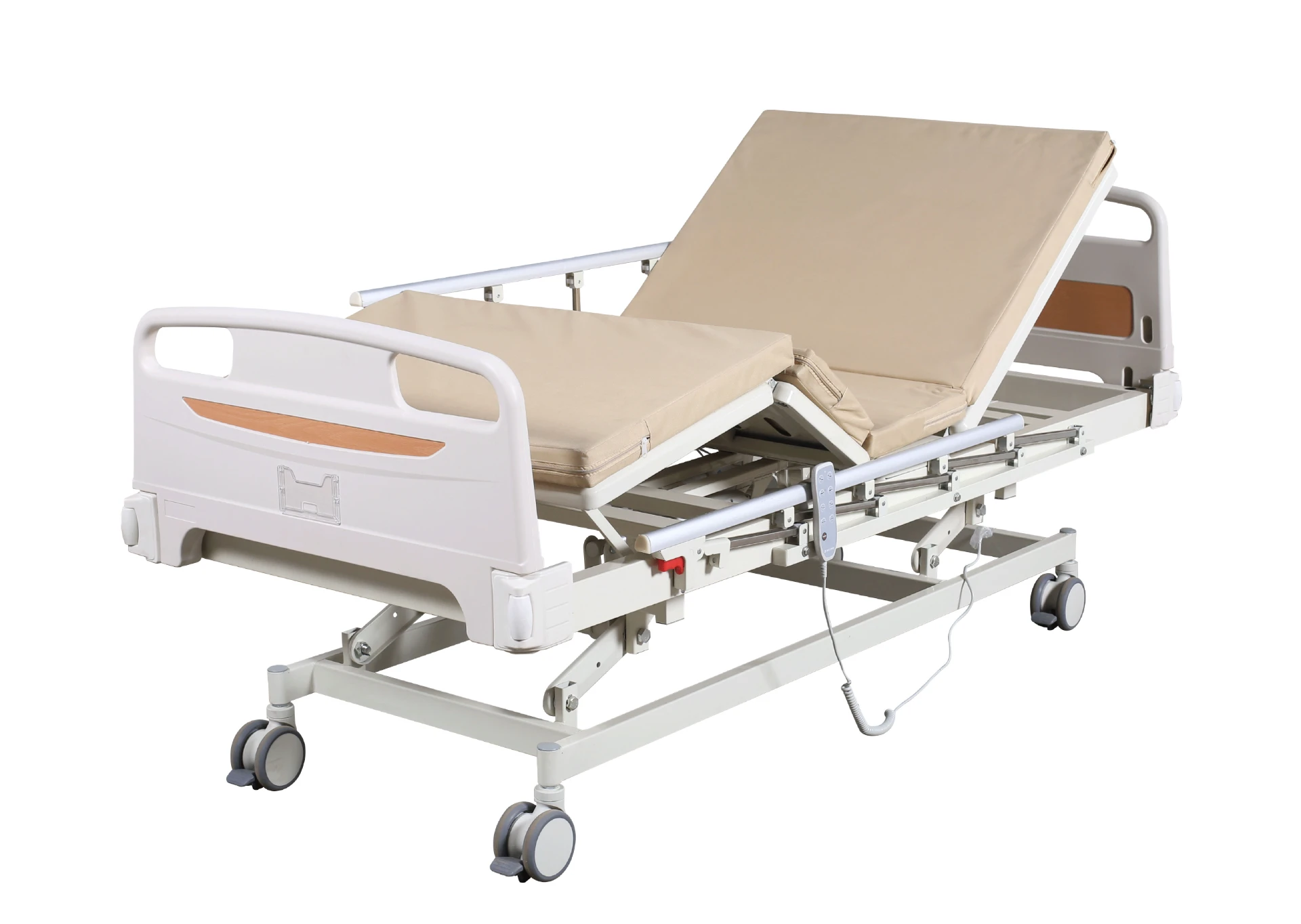
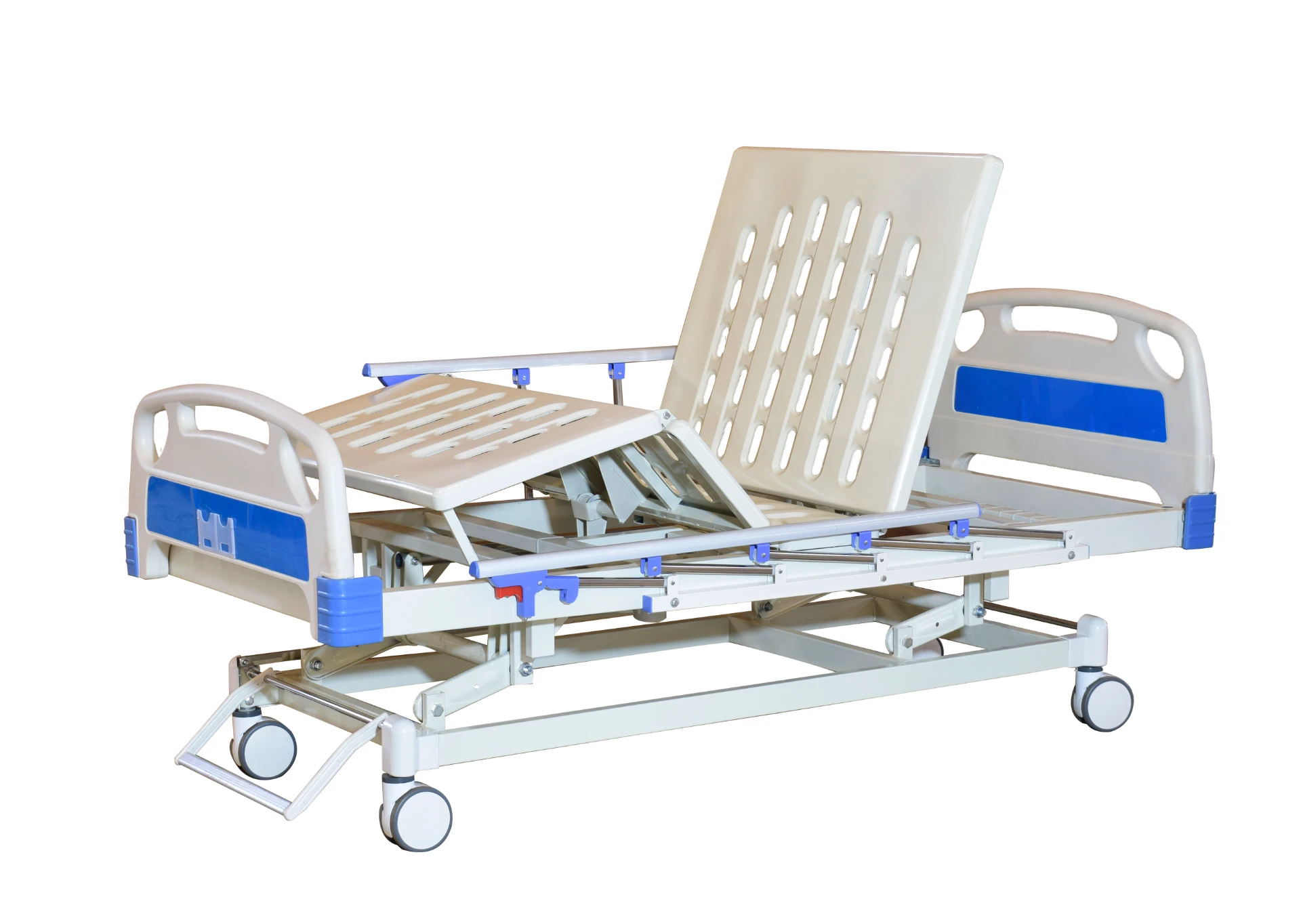
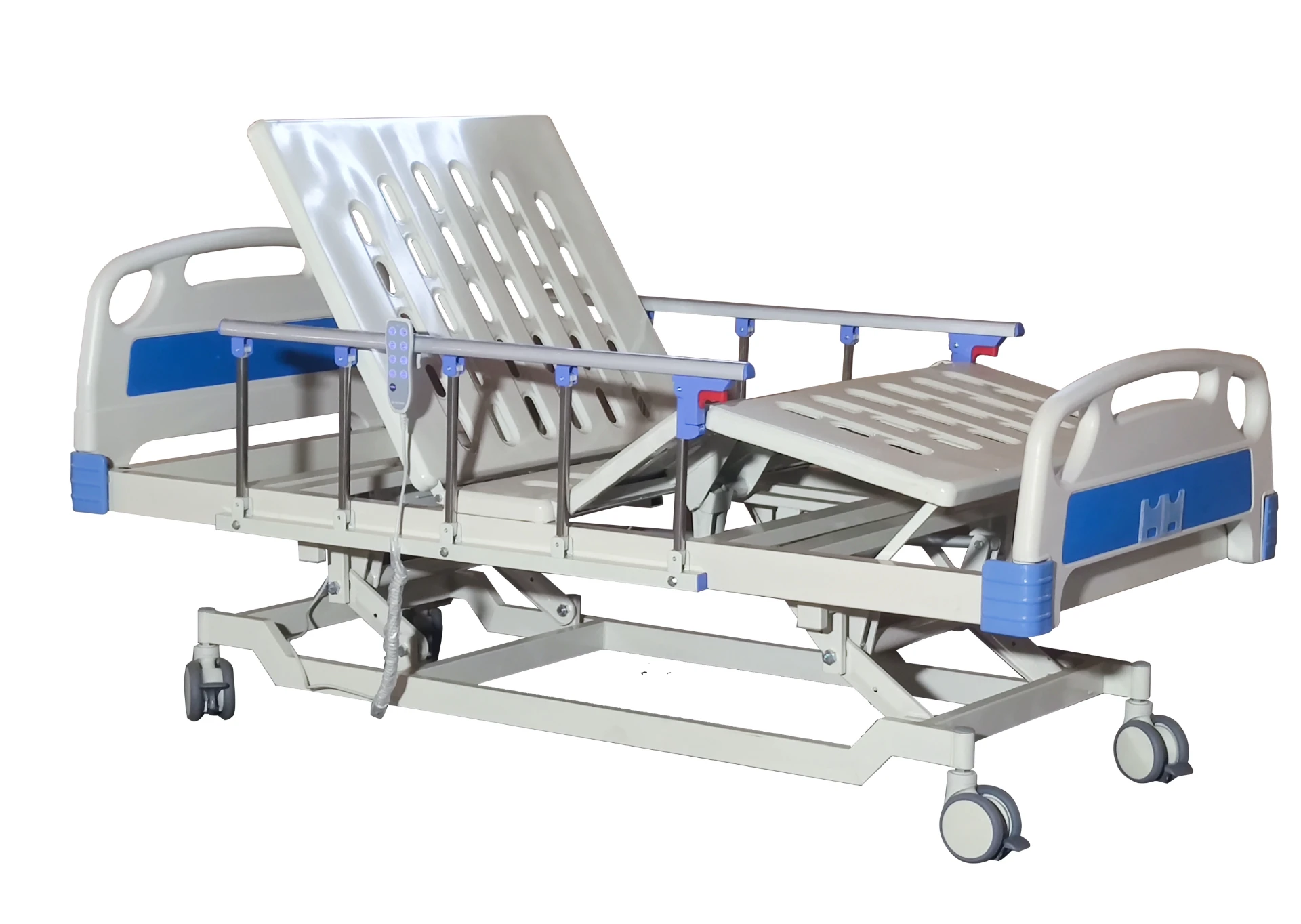
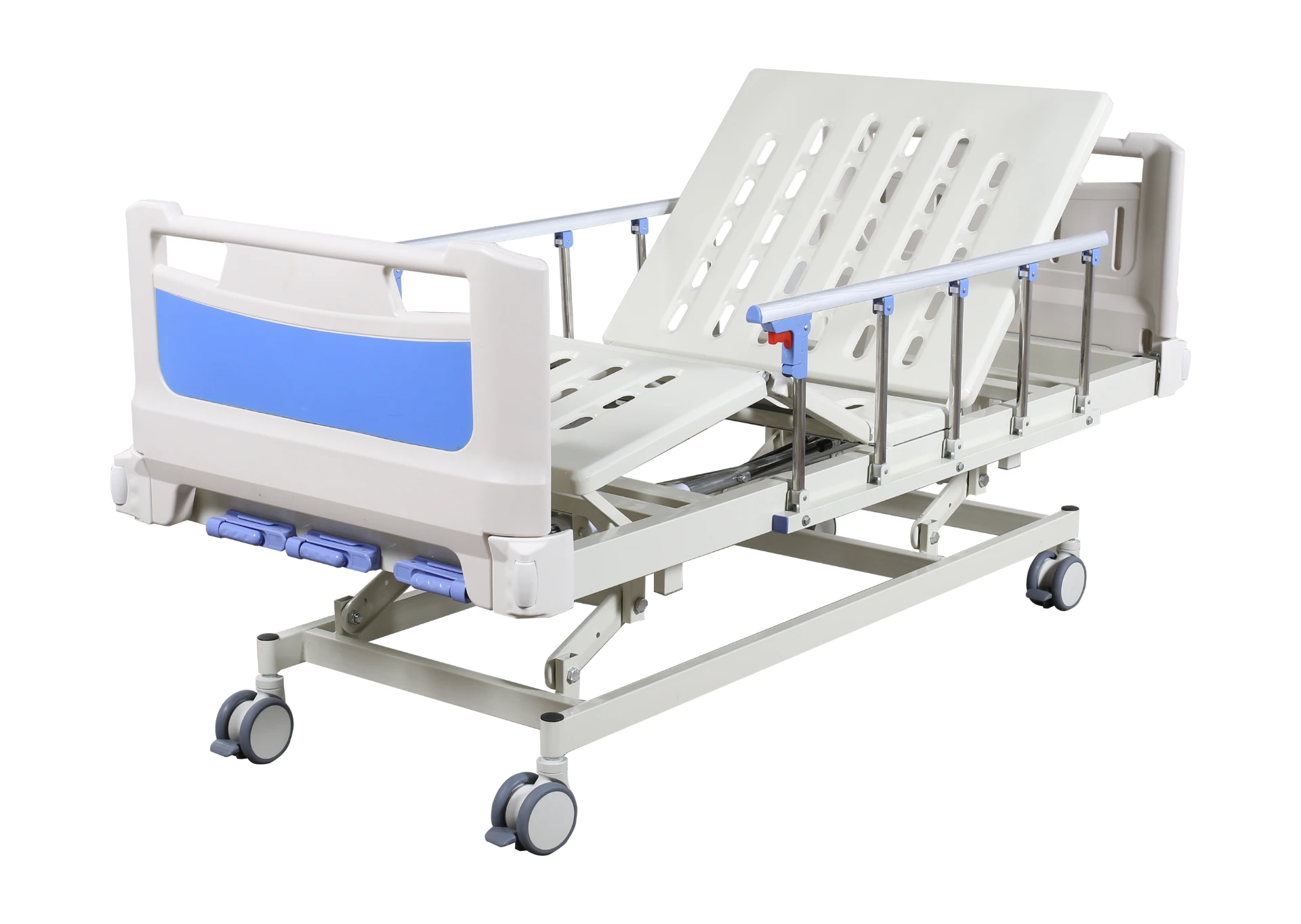
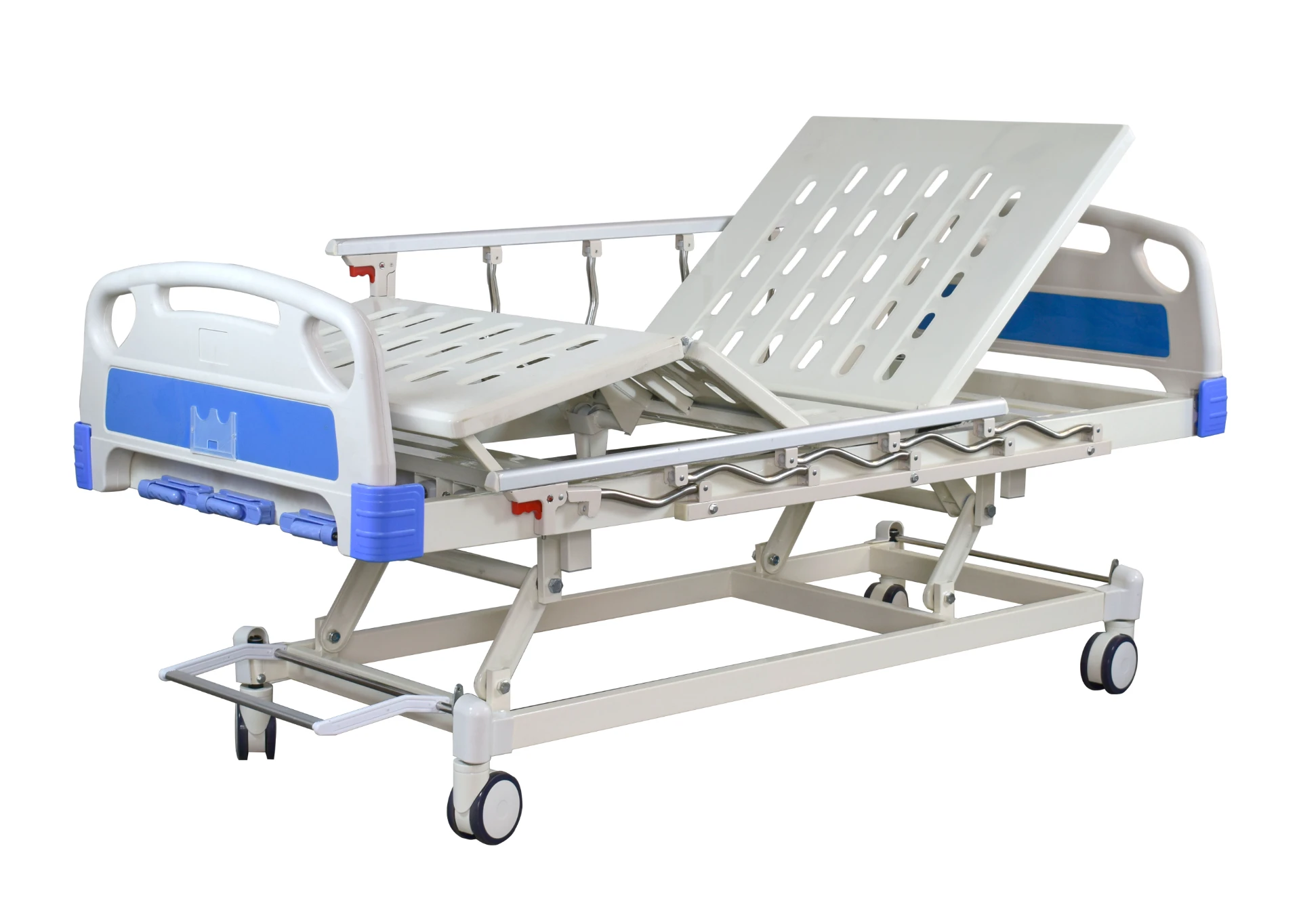
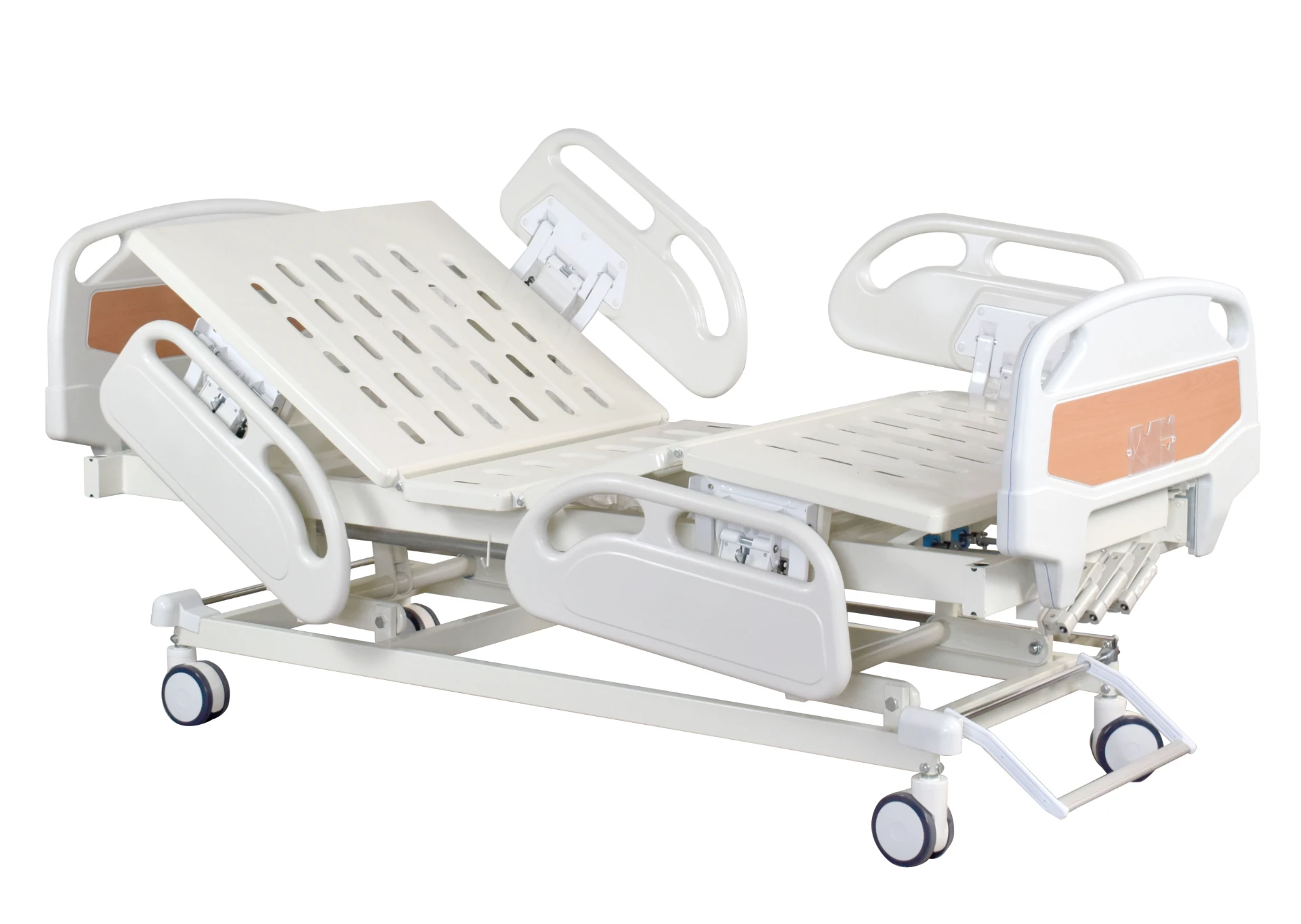
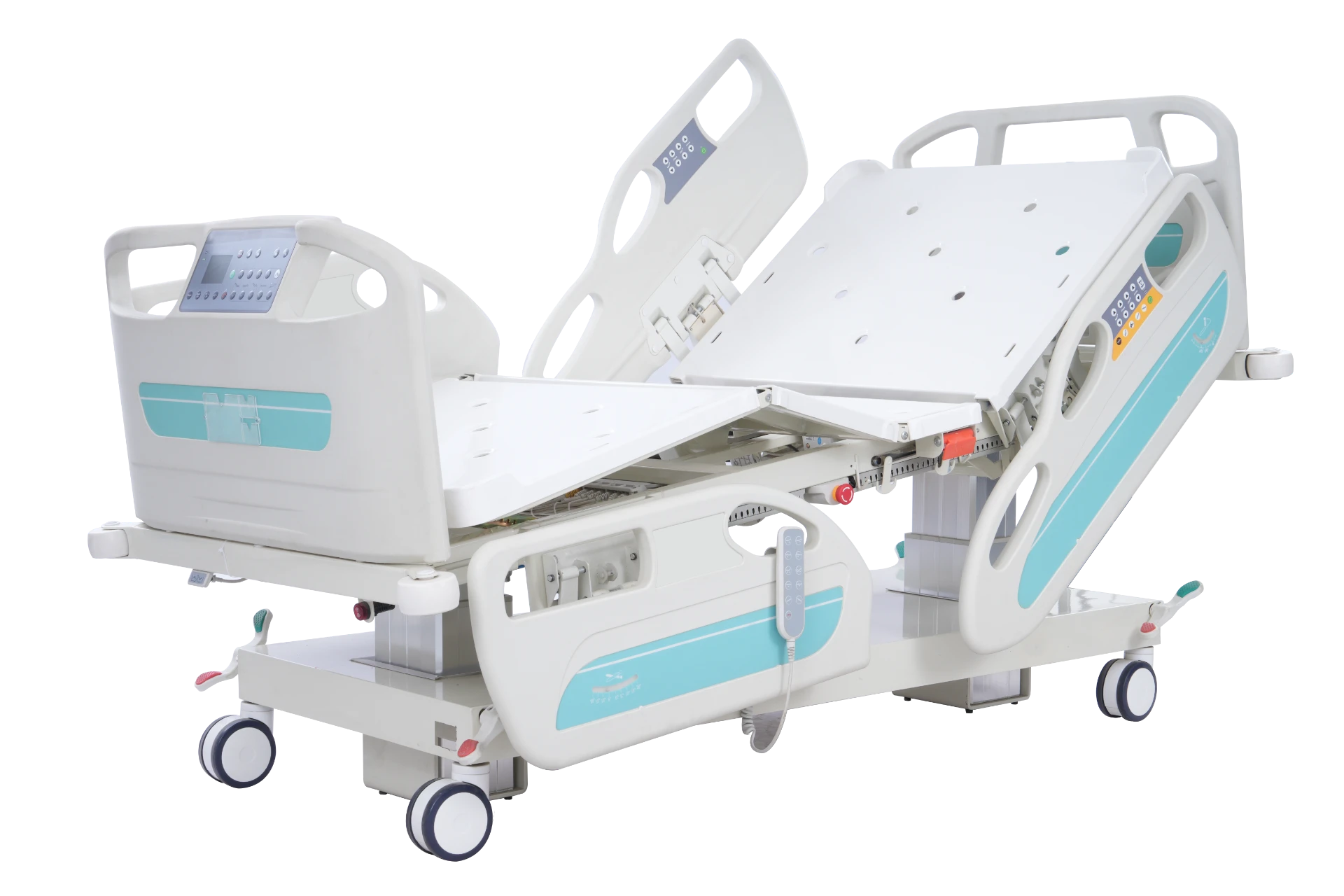
Simply put, a folding bed in hospital is a medical-grade bed designed to fold or collapse for easy storage and transport. Unlike standard hospital beds fixed to wheels or heavy frames, these beds are lightweight, mobile, and often engineered to handle clinical hygiene standards. Typical features include adjustable height or reclining sections, durable metal or aluminum frames, and washable surfaces for infection control.
At its core, the folding hospital bed bridges the gap between need for permanent beds alongside the necessity of saving space or deploying temporary accommodations rapidly — a perfect example of design meeting practical humanitarian needs.
Mini takeaway: Think of folding beds as the flexible cousins of rigid hospital beds—made to be compact, mobile, and patient-friendly in constrained spaces.
Key Aspects to Consider When Choosing a Folding Bed in Hospital
1. Durability and Material Quality
Folding beds must withstand constant folding cycles, patient weight, and clinical environments. Most models use powder-coated steel or aluminum frames with reinforced joints. Surfaces must be resistant to disinfectants and easy to clean.
2. Comfort and Adjustability
Patient comfort is not sacrificed in the name of portability. Many folding hospital beds feature memory foam or specialized medical mattresses and can adjust head or footrests to suit individual needs.
3. Space Efficiency
When folded, these beds occupy minimal square footage. Their design often allows stacking or simple wall mounting, a godsend in hospitals where every inch counts.
4. Portability and Weight
Light enough for one or two staff to transport, folding beds often come with locking wheels and easy-to-use folding mechanisms.
5. Compliance with Healthcare Standards
Many folding beds adhere to ISO 13485 (medical device quality management) and FDA guidelines for patient safety and hygiene — a crucial factor for hospital procurement.
| Specification | Typical Folding Bed Model |
|---|---|
| Frame Material | Powder-coated steel/aluminum alloy |
| Weight Capacity | Up to 250 kg (550 lbs) |
| Mattress Type | Medical-grade foam, removable and washable cover |
| Folded Dimensions | Approximately 180 x 75 x 25 cm |
| Mobility | Locking caster wheels |
| Compliance | ISO 13485, FDA-approved materials |
Real-World Applications of Folding Beds in Hospitals and Beyond
The beauty of folding hospital beds is their adaptability. In highly urbanized hospitals, they serve as overflow beds for overnight caregivers or family members — something not every hospital can afford but that surprisingly contributes to patient recovery.
On a grander scale, international relief missions have taken them on as staples. For example, during the 2010 Haiti Earthquake aftermath, folding beds were flown in rapidly to field hospitals, enabling health workers to treat thousands without the logistical nightmare of standard beds.
Folding bed in hospital setups have also been adopted in mobile clinics in remote areas of Africa and Asia, where roads and infrastructure are poor but health needs are rising.
Mini takeaway: Whether in your local hospital or a tent in a disaster zone, folding beds provide a vital bridge between emergency response and long-term patient care solutions.
Advantages that Make Folding Hospital Beds a Smart Investment
- Cost Efficiency: Typically more affordable than full hospital beds and require less space, reducing real estate costs.
- Sustainability: Designed to be durable and reusable for years, lowering environmental impact compared to disposable alternatives.
- Social Impact: Facilitating family presence in patient care wards, which studies associate with faster recovery and emotional well-being.
- Reliability: Robust designs withstand harsh medical environments without frequent repairs.
- Innovation: New models incorporate antimicrobial coatings and digital monitoring compatibility — a glimpse into the future of smart patient accommodation.
What’s compelling is the emotional dimension. Patients and caregivers report feeling 'seen' and 'supported' simply because hospitals can accommodate overnight stays comfortably, even in space-starved contexts.
What the Future Holds: Innovations Shaping Folding Beds in Hospital Care
The future is promising: some manufacturers explore lightweight carbon composites to push portability limits even further. Others are integrating IoT technology sensors to monitor patient vital signs directly from the bed surface, building beds that are both spacesavers and lifesavers.
Sustainability also remains front-and-center, with recyclable and antimicrobial materials reducing waste and infection risks, aligning with green healthcare goals set by the UN Sustainable Development Goals (UN SDG 3).
Lastly, the rise of telemedicine hints at hybrid solutions — beds paired with digital connectivity, empowering remote monitoring and patient engagement without traditional infrastructure.
Common Challenges and How Industry Is Responding
Of course, no solution is perfect. Some challenges include:
- Weight Limits: Though sturdy, folding beds may not suit very heavy patients.
- Comfort Trade-offs: Limited mattress thickness vs. full hospital beds.
- Durability Concerns: Hinges and locking mechanisms can wear out if poorly maintained.
- Standardization: Varying compliance makes procurement complicated for hospitals worldwide.
Innovators are addressing these by introducing modular designs with replaceable parts, enhanced ergonomic mattresses, and stricter quality certifications.
FAQ: Your Top Questions About Folding Beds in Hospital
- Q: Are folding beds in hospitals suitable for long-term patient stays?
- A: While primarily designed for temporary or overflow use, some folding beds equipped with quality mattresses can accommodate medium-term stays. However, critical care patients typically require specialized beds.
- Q: How easy is it for hospital staff to deploy folding beds during emergencies?
- A: Very easy. Most folding beds are lightweight, fold compactly, and have caster wheels for quick relocation. Staff typically receive minimal training to set them up within minutes.
- Q: Can folding hospital beds be customized to specific medical needs?
- A: Yes, many vendors offer adjustable features such as incline positions, side rails, and mattress types tailored to patient requirements.
- Q: Do folding beds meet infection control standards in hospitals?
- A: Leading models use materials that resist microbial growth and are designed for easy cleaning, aligning with CDC and WHO infection control recommendations.
- Q: Is using folding beds in hospitals a cost-effective solution?
- A: Absolutely — they provide a balance between affordability and functionality, particularly for temporary or surge capacity needs.
Choosing the Right Vendor: A Quick Comparison
| Vendor | Material Quality | Compliance Certifications | Price Range | Special Features |
|---|---|---|---|---|
| MedFlex Solutions | Powder-coated steel, antimicrobial covers | ISO 13485, FDA Approved | $$$ | IoT Sensor integration |
| CareEase Beds | Aluminum frame, washable foam padding | CE Certified | $$ | Lightweight, fold-flat ease |
| HealthSpace Tech | Carbon Composite frame | ISO & FDA pending | $$$$ | Ultra-light and ergonomic |
Final Thoughts: Folding Beds as Part of a Smarter Healthcare Future
It’s easy to overlook how something as ‘simple’ as a folding bed in hospital environments influences the broader healthcare system. Yet, as hospitals everywhere battle space challenges, rising costs, and shifting patient needs, these beds quietly offer flexibility and innovation. Their ability to blend comfort, durability, and mobility means they will only become more essential.
If your facility is considering enhancing capacity or improving patient and caregiver experience, it’s worth investigating these smart beds — a little piece of design thinking addressing some very real problems.
For those ready to explore options, do check out folding bed in hospital solutions available today.
References:
-
Ultimate Guide to Choosing Extra Wide Waiting Room ChairsNewsApr.16,2026
-
Guide to Choosing Professional Waiting Room Chairs Wipeable SeatingNewsApr.09,2026
-
Enhance Your Space with Comfortable Wide Waiting Room ChairsNewsApr.07,2026
-
Selecting the Ideal Brown Waiting Room Chairs for a Welcoming SpaceNewsApr.04,2026
-
Choosing Comfortable Patient Waiting Room Chairs for Healthcare FacilitiesNewsMar.31,2026
-
Finding the Best Deals on Affordable and Cheap Reception Chairs for Your BusinessNewsMar.28,2026
-
Enhance Your Business Reception with Comfortable Blue Reception ChairsNewsMar.26,2026