Welcome to our websites!


Discover the Benefits of Motorised Hospital Beds for Modern Healthcare
Unlocking Comfort and Care: The Rise of Hospital Bed Motorised Systems
Hospital bed motorised technology might not be the star of most healthcare discussions, but its global importance is unquestionable. A well-functioning motorised hospital bed serves as a lifeline — literally enhancing patient comfort, safety, and recovery times. As healthcare needs grow and aging populations rise worldwide, understanding these beds’ capabilities is vital for hospitals, caregivers, and suppliers alike.
After all, the bed is where many healing journeys begin. And when it's powered by reliable mechanical systems, it’s not just a bed; it’s a critical medical tool. Let’s explore why these motorised hospital beds matter so much globally, from practical benefits to emerging innovations.
Why Hospital Bed Motorised Matters in a Global Healthcare Landscape
Worldwide, the demand for quality hospitalization facilities is soaring. According to the World Health Organization, over 15% of the global population lives with some form of disability, many requiring consistent medical care that includes access to versatile beds (1). Hospitals in both developed and emerging markets are grappling with challenges like patient comfort, reducing caregiver injuries, and optimizing space and resources.
Motorised hospital beds address these issues by offering precise adjustment mechanisms that can significantly ease the workload of nursing staff and improve patient outcomes. They help reduce the risk of bedsores and allow for quick repositioning, especially crucial in intensive care or long-term settings.
In humanitarian or post-disaster contexts, a robust hospital bed motorised design ensures quick setup without compromising on patient dignity or safety. Frankly, the blend of technology and empathy makes these beds indispensable worldwide.
Defining Hospital Bed Motorised: What Does It Really Mean?
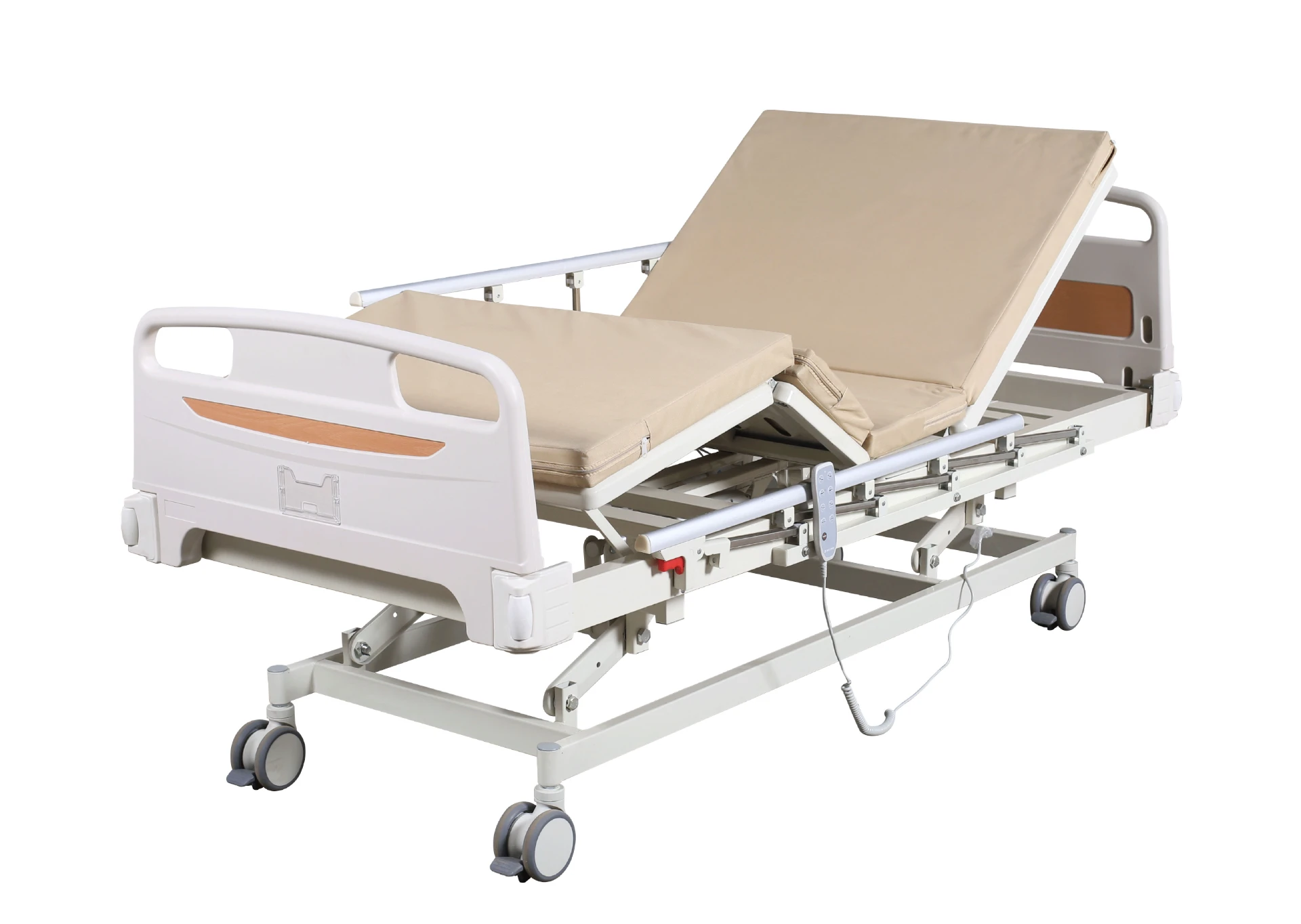
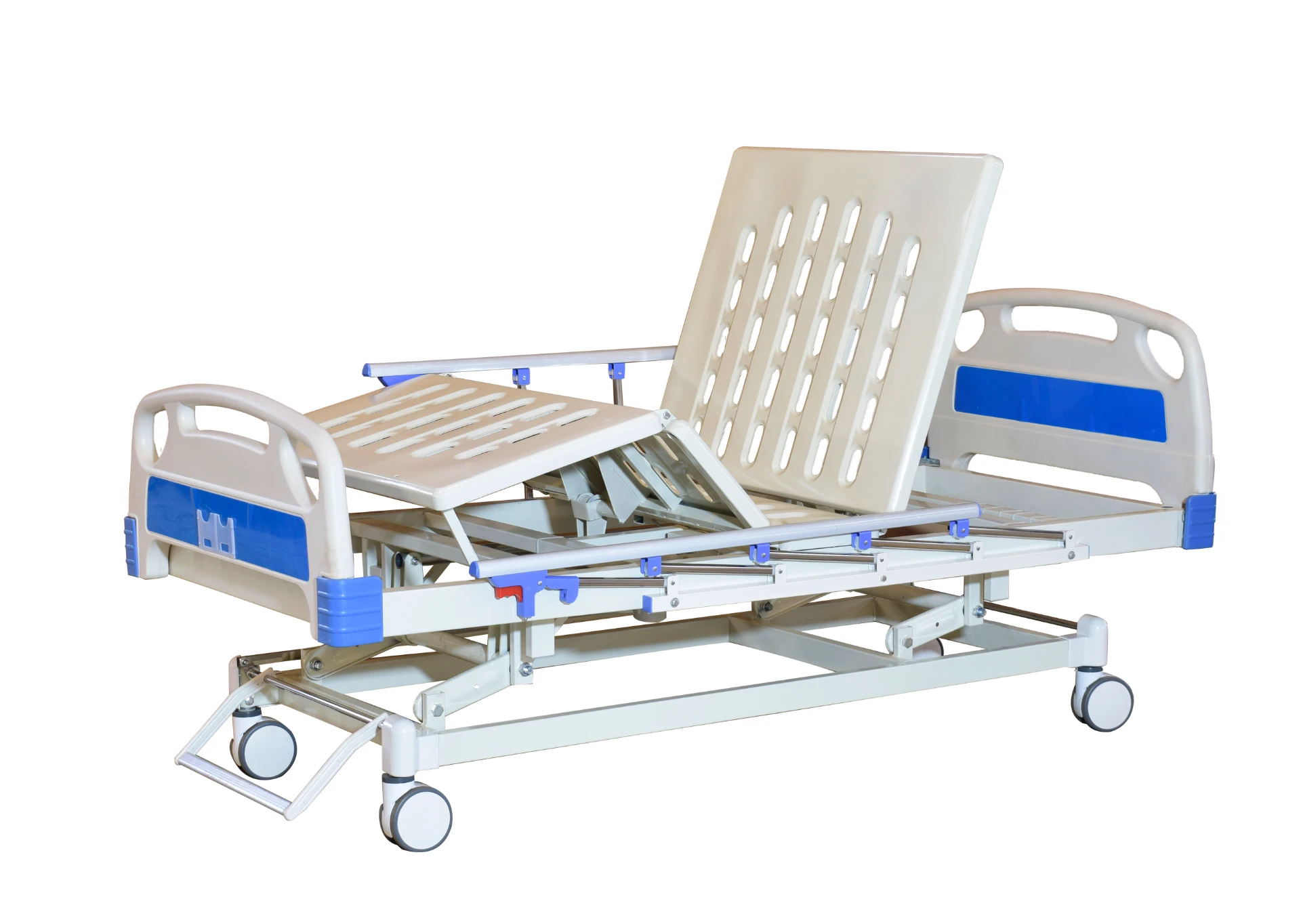
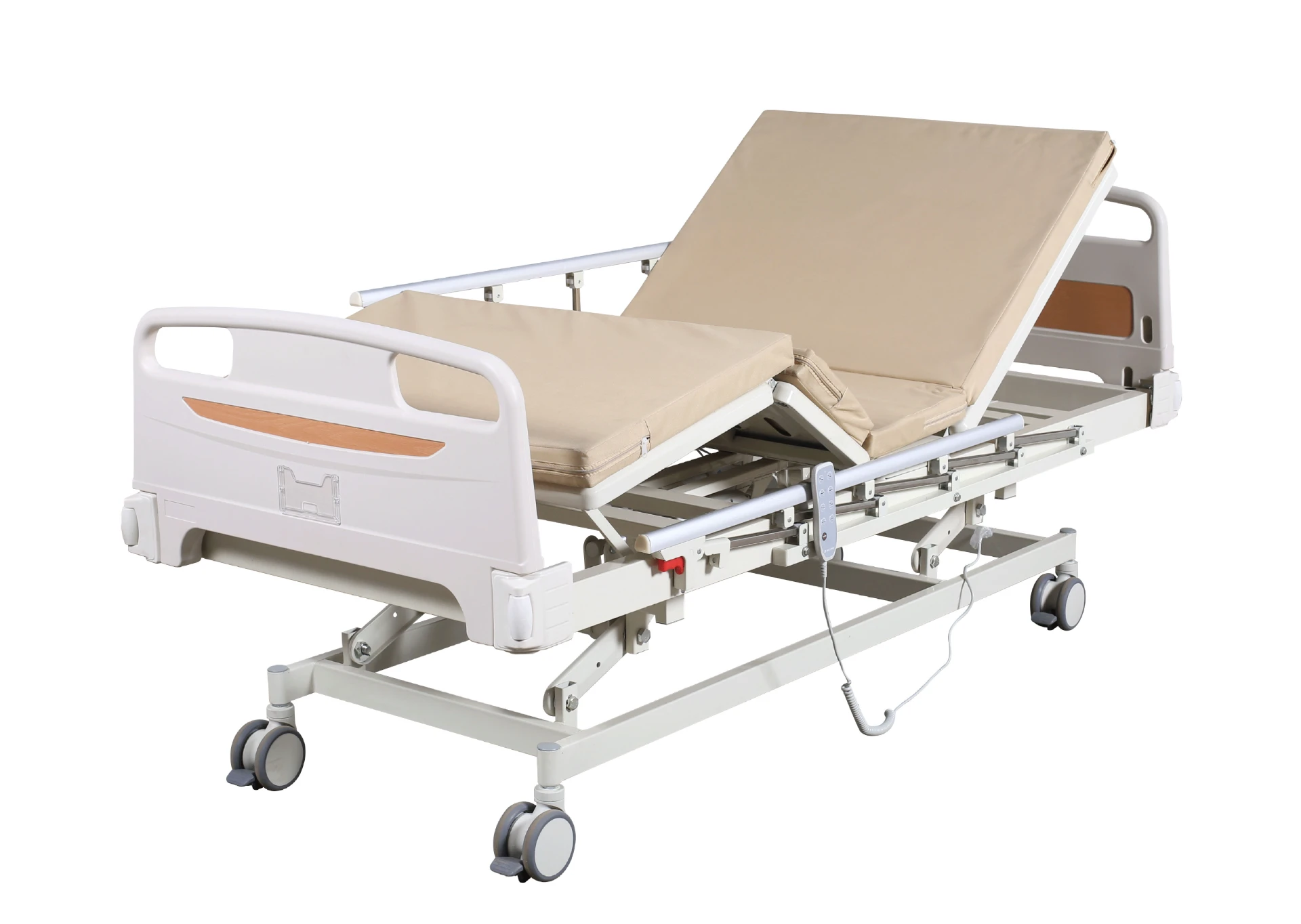
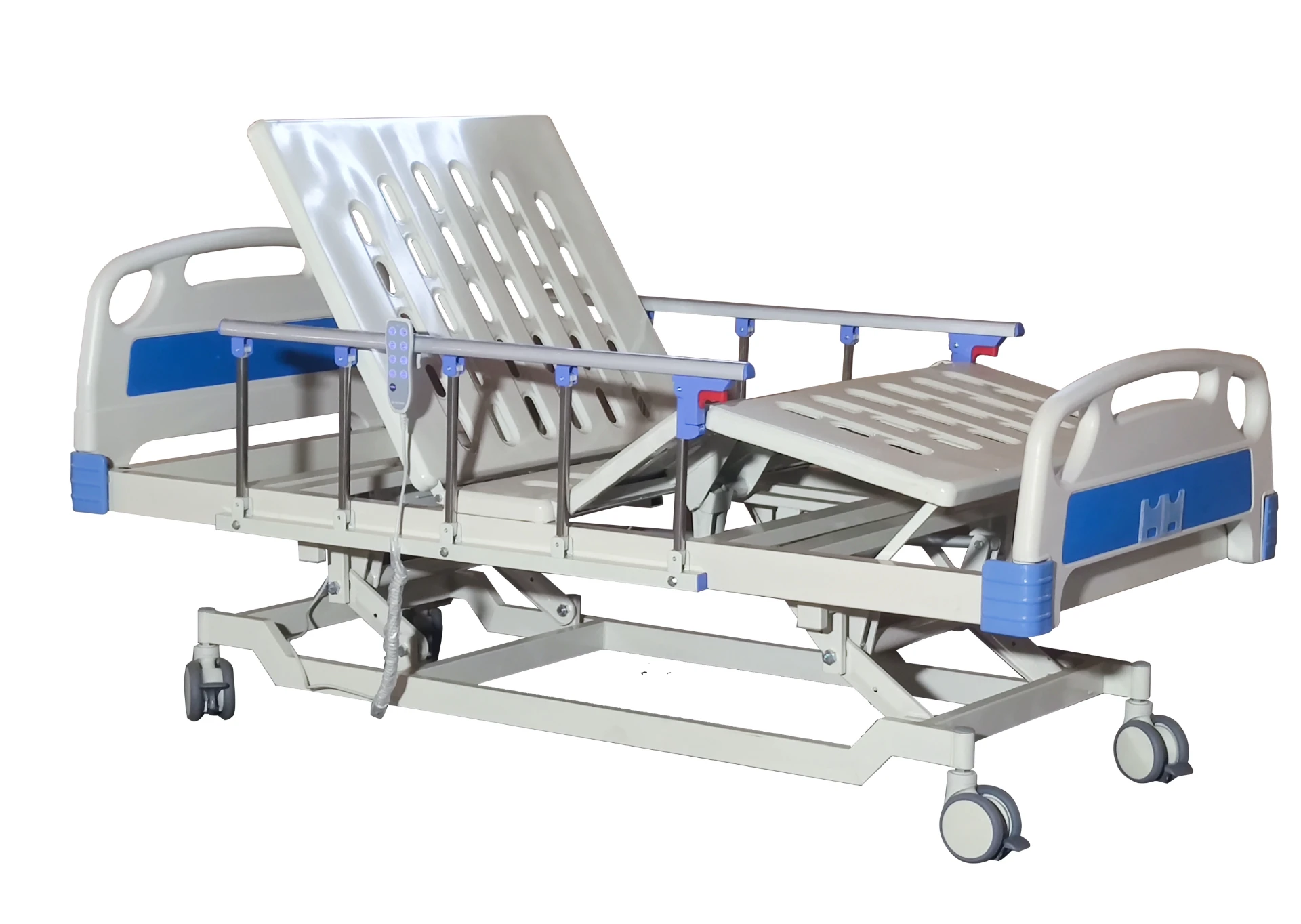
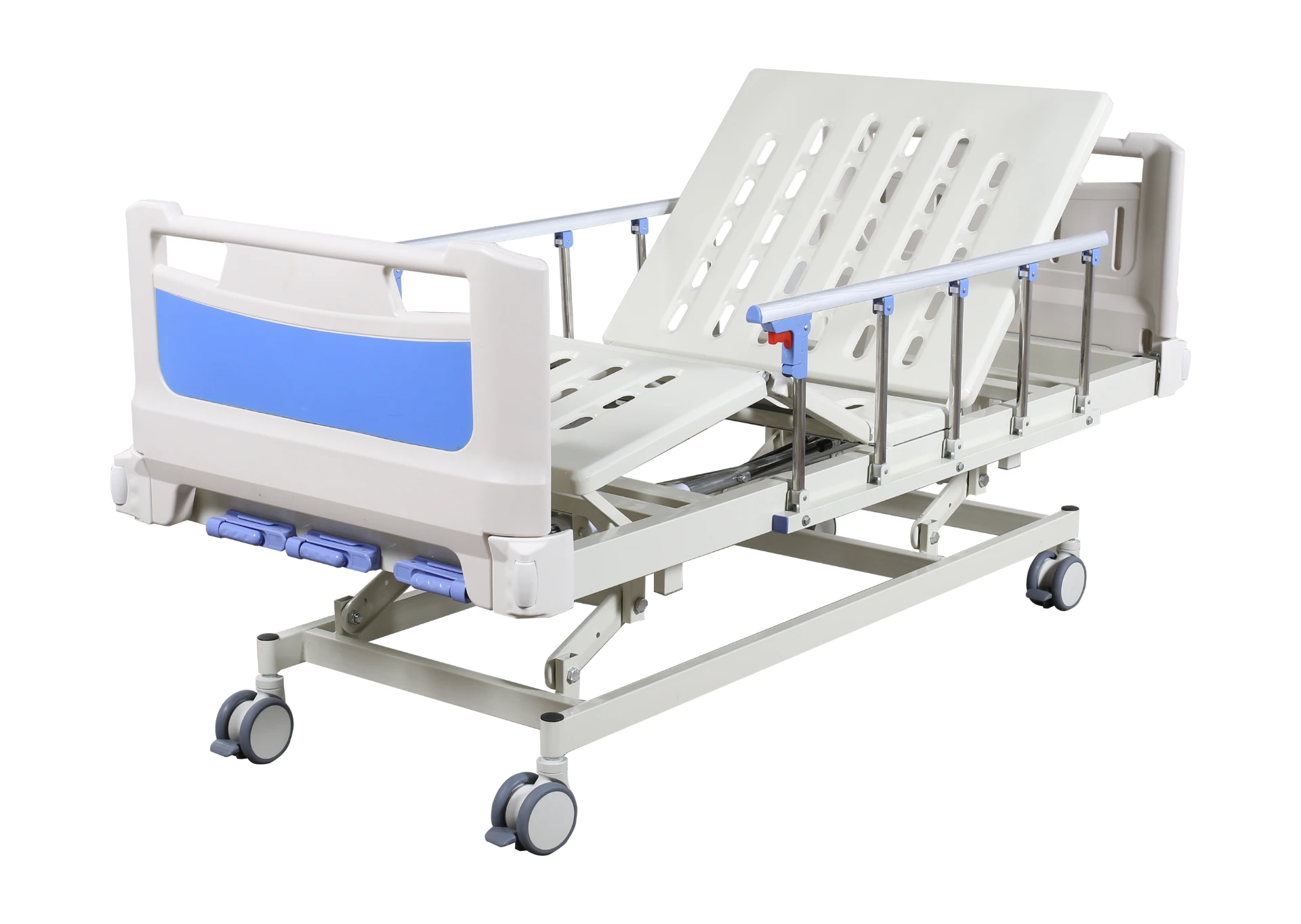
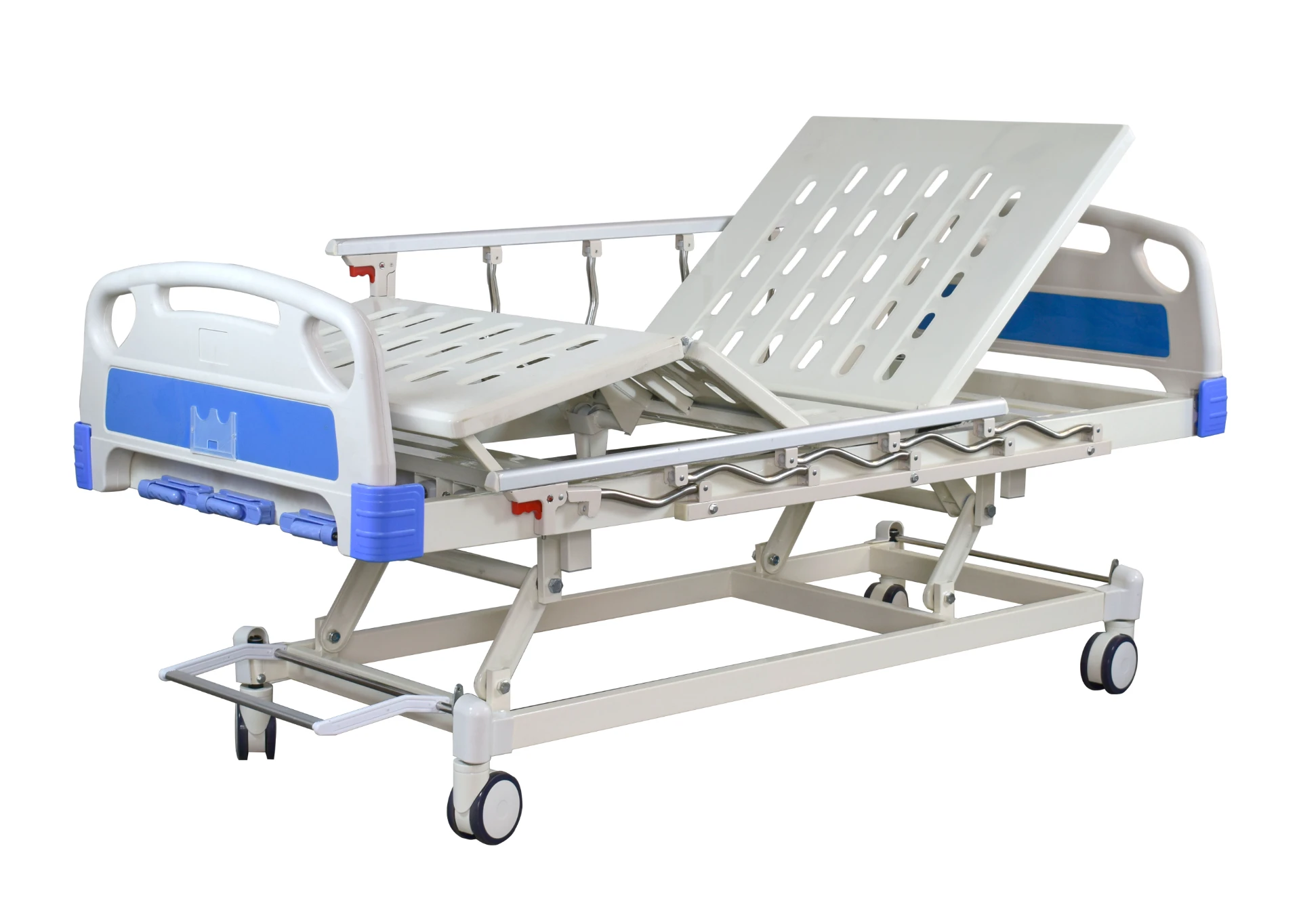
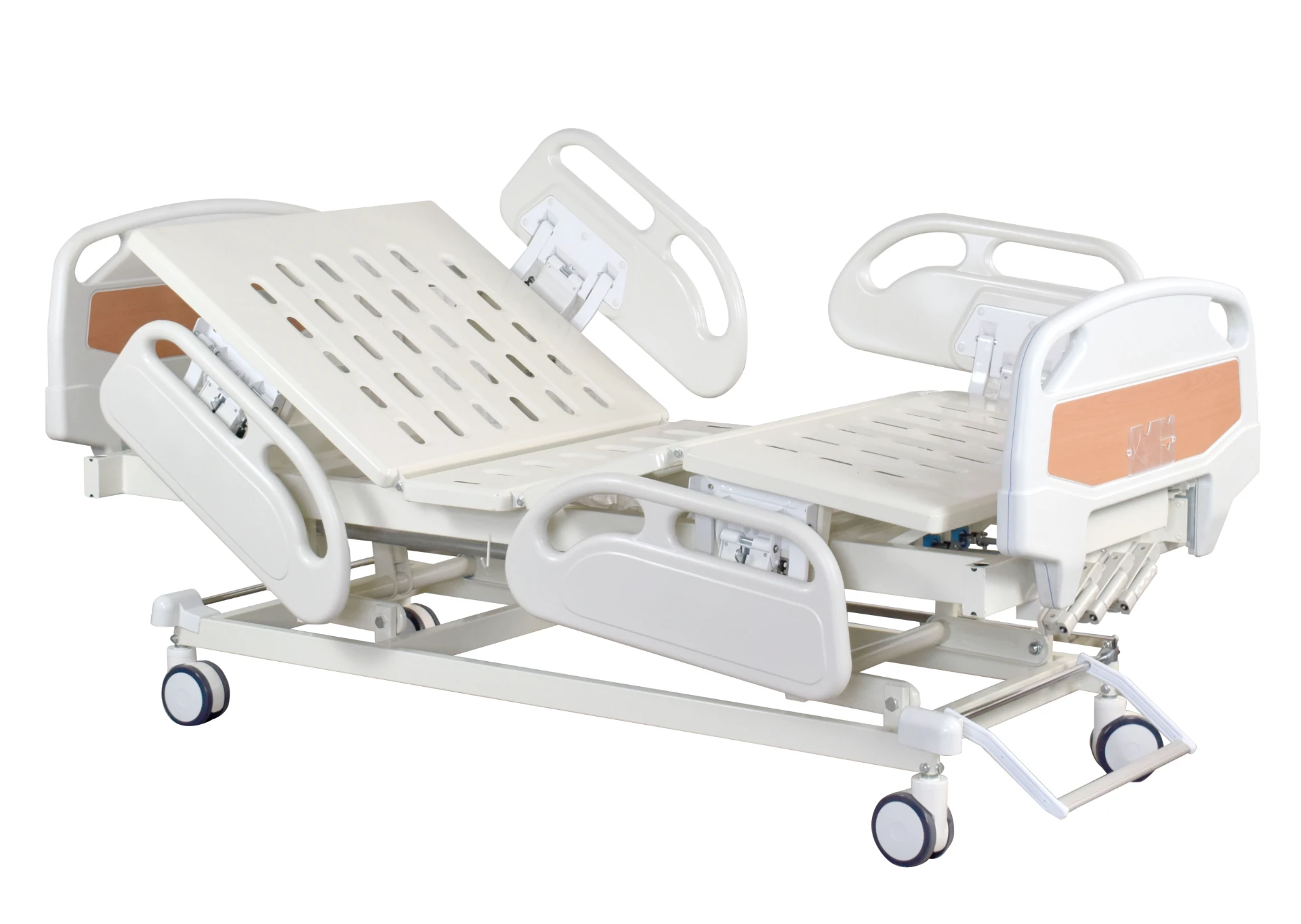
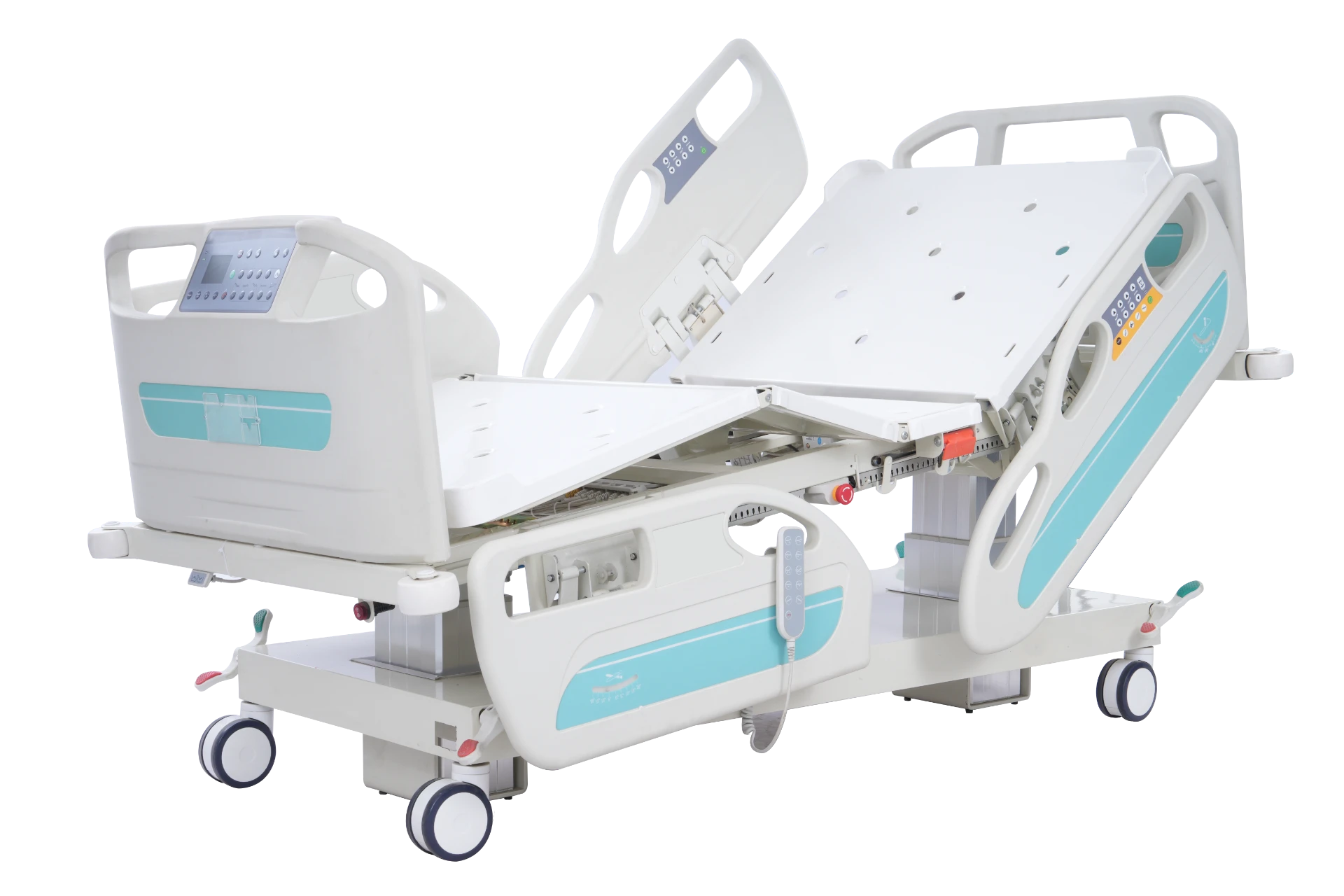
At its core, a hospital bed motorised is a hospital bed equipped with electric motors that facilitate automatic adjustments in height, tilt, and articulation of the bed's sections. Unlike manual crank beds of yesteryears, these motorised units allow for precision control, often via handsets or nurse-operated panels.
This technology bridges patient comfort with clinical efficiency — a perfect example of modern medical equipment responding to evolving healthcare demands. It’s more than just convenience; it’s about enabling safe mobilization and repositioning, critical for preventing complications in bedridden individuals.
In essence, think of these beds as smart companions within hospital wards — flexible, reliable, and tailored for multifaceted care needs.
Key Components That Make Hospital Bed Motorised Systems Tick
1. Durable Electric Motors
These motors are the heart of the bed’s adjustability features. Typically designed to meet international standards like ISO 13485, they should be quiet, energy-efficient, and sufficiently powerful to handle weights upwards of 200 kg. Many engineers emphasize motor reliability as a top priority — especially since the bed might be in near-continuous use.
2. Ergonomic Control Interfaces
The interface, usually a wired handset or an integrated control panel, allows caregivers or patients to adjust the bed smoothly. Usability is key, especially in high-pressure environments where simple, intuitive controls save time and minimize training needs.
3. Robust Frame and Materials
Most hospital bed motorised frames use high-grade steel or aluminum alloys to balance strength with weight. Corrosion resistance, ease of cleaning, and durability are essential here — nasty surprises in infection-prone facilities are the last thing anyone wants.
4. Safety Features
From emergency power backup to locking mechanisms preventing accidental falls, safety is a non-negotiable aspect. Standards like IEC 60601 ensure that beds meet rigorous electrical and mechanical safety requirements.
Mini takeaway:
Behind every motorised hospital bed, an orchestrated set of components work seamlessly to support patient care, combining technology, safety, and ergonomics.
How Motorised Hospital Beds Are Changing the Game Globally
In Europe and North America, these beds are a staple in medical centers, helping hospitals improve workflow efficiency while enhancing patient comfort. In regions like Southeast Asia and Africa, motorised beds are making inroads in expanded healthcare facilities — albeit sometimes challenged by infrastructure and cost factors.
Interesting use cases abound: In rehabilitation centers in Japan, advanced motorised beds incorporate memory foam mattresses and sensor technology to monitor patient movement. Closer to home, large hospital chains rely on motorised beds to reduce nurse injuries related to patient handling — a surprisingly common and costly issue.
In disaster relief, foldable motorised hospital beds can be deployed rapidly with minimal setup, giving responders the ability to care for vulnerable populations right at the crisis site.
Hospital Bed Motorised: Key Specifications at a Glance
| Specification | Details |
|---|---|
| Max Load Capacity | 250 kg (550 lbs) |
| Motor Voltage | 24V DC (battery backup available) |
| Adjustment Range | Height: 40-80 cm; Backrest: 0–70°; Legrest: 0–45° |
| Control Interface | Wired/ Wireless Handset, Nurse Panel |
| Frame Material | Powder-coated steel with anti-corrosion treatment |
| Safety Compliance | IEC 60601, ISO 13485 certified parts |
Comparing Leading Hospital Bed Motorised Vendors
| Vendor | Key Features | Price Range (USD) | Warranty |
|---|---|---|---|
| CureTech Medical | Smart controls, battery backup, Bluetooth-enabled | $2,000 – $3,500 | 5 years |
| MediEase Hospital Beds | Durable frame, waterproof mattress compatibility, minimalist design | $1,500 – $2,800 | 3 years |
| SafeRest Solutions | Lightweight, modular parts, easy maintenance | $1,800 – $3,200 | 4 years |
The Long-Term Advantages of Motorised Hospital Beds
One may wonder, does the investment pay off? In real terms, yes — motorised hospital beds demonstrate excellent ROI by reducing caregiver injuries and associated healthcare staff turnover. Caregivers repeatedly lifting or repositioning patients manually often suffer back problems. With motorised lift and tilt capabilities, these risks drop significantly.
For patients, the ability to reposition themselves with minimal assistance enhances dignity and autonomy, factors that hugely influence mental well-being during hospitalization. Additionally, beds that can be lowered facilitate safer transfers, further minimizing falls.
From a sustainability angle, many manufacturers now offer parts designed for longer lifecycle use, easy repair, and recycling — an important nod to eco-conscious hospitals.
Mini takeaway:
Motorised hospital beds aren’t just a luxury; they’re a practical, cost-effective cornerstone for modern care, balancing innovation and empathy.
Glimpsing the Future: What’s Next for Hospital Bed Motorised Technology?
It’s an exciting time. We’re seeing integration with IoT and AI to create “smart beds” that monitor patient vitals, detect movement to prevent falls, and automatically adjust to optimal positions. For example, pressure sensors linked with actuators can dynamically reduce bedsores.
Green energy adoption is also on the rise — some beds incorporate solar-powered backup systems or low-power electronics to reduce hospital energy footprints.
As regulations tighten globally around safety and patient privacy, compliance-focused innovations will continue shaping product design. Wireless charging and gesture-control panels might sound futuristic, but they’re inching closer to everyday reality.
Challenges We Can’t Ignore (And How They’re Being Solved)
Though promising, motorised hospital beds face hurdles. Cost remains a barrier for many low-income regions. Fragile electrical components can falter under heavy daily use, and infrastructure limitations (like inconsistent power supplies) complicate upkeep.
Innovators tackle this by using modular designs that allow easy part swaps and battery-operated models ensuring uninterrupted operation during outages.
Training remains critical, too — even the best technology demands knowledgeable users to unlock full benefits. Partnerships between manufacturers and healthcare providers often include on-site training and tele-support, improving adoption success.
FAQ: Your Top Questions on Hospital Bed Motorised Answered
- How do motorised hospital beds improve patient safety?
- Automatic adjustments reduce risks of falls and pressure injuries by ensuring patients can be repositioned without excessive manual handling. Many models feature lockable wheels and emergency stop functions to enhance safety.
- Are motorised hospital beds cost-effective for small clinics?
- While the upfront cost is higher than manual beds, the reduction in staff injury, improved patient outcomes, and longer equipment lifespan typically offset initial expenses over time.
- Can motorised beds be used in home healthcare settings?
- Absolutely. Many designs cater to home use, with compact frames and simpler controls, giving patients greater independence and peace of mind at home.
- What maintenance is required for motorised hospital beds?
- Regular cleaning, battery checks, and periodic inspections of motors and wiring are needed. Most manufacturers provide detailed maintenance schedules to ensure reliability.
- Is it difficult to integrate motorised beds into existing hospital infrastructure?
- Generally, no. These beds fit into standard hospital room layouts and power supplies. However, assessing electrical capacity and floor strength is advisable, especially for heavier models.
Wrapping Up: Why Hospital Bed Motorised Tech Should Be on Your Radar
Stepping back, it’s clear that motorised hospital beds are quietly revolutionizing patient care and healthcare workforce wellbeing worldwide. They blend mechanical innovation with compassionate design, making them a sure bet for any modern medical facility.
Whether in bustling urban hospitals, field clinics during emergencies, or home care, motorised beds bring adaptability and dignity to the heart of healthcare. Curious to explore options and learn more? Don’t hesitate to visit our website for the latest in hospital bed motorised technology from trusted vendors and experts.
References
- World Health Organization: Disability and Health Factsheet — https://www.who.int/news-room/fact-sheets/detail/disability-and-health
- International Organization for Standardization (ISO) Standards on Medical Devices — https://www.iso.org/ics/11.100.01/x/
- IEC 60601 Safety Standards Documentation — https://www.iec.ch/medical-devices
-
Ultimate Guide to Choosing Extra Wide Waiting Room ChairsNewsApr.16,2026
-
Guide to Choosing Professional Waiting Room Chairs Wipeable SeatingNewsApr.09,2026
-
Enhance Your Space with Comfortable Wide Waiting Room ChairsNewsApr.07,2026
-
Selecting the Ideal Brown Waiting Room Chairs for a Welcoming SpaceNewsApr.04,2026
-
Choosing Comfortable Patient Waiting Room Chairs for Healthcare FacilitiesNewsMar.31,2026
-
Finding the Best Deals on Affordable and Cheap Reception Chairs for Your BusinessNewsMar.28,2026
-
Enhance Your Business Reception with Comfortable Blue Reception ChairsNewsMar.26,2026