Welcome to our websites!


Electric Hospital Chair – Benefits, Applications & Future Trends in Healthcare
Electric Hospital Chair: A Vital Innovation in Modern Healthcare
If you’ve spent any time around hospitals or elder care facilities, you’ve likely noticed electric hospital chairs quietly doing their job—transporting patients, easing medical staff’s burden, and offering comfort when it’s needed most. But frankly, the significance of these devices goes far beyond convenience. Globally, as populations age and healthcare needs become more complex, electric hospital chairs are helping bridge critical gaps in mobility, safety, and care quality.
It’s worth pause to consider why understanding these chairs matters: not just for healthcare providers or manufacturers, but for policymakers, patients, and caregivers worldwide. Their design, durability, and adaptability directly impact patient outcomes, operational efficiency, and even long-term costs — a ripple effect that touches millions.
Global Context: Why Electric Hospital Chairs Matter Now More Than Ever
Modern healthcare is under pressure like never before. By the UN’s estimates, the global population aged 60 and above will more than double by 2050, exceeding 2 billion people. This demographic shift increases demand for aged care and mobility support, creating a booming need for patient transport solutions that are safe, reliable, and adaptable to various care environments.
Additionally, countries with rising chronic disease rates and hospital admissions face a shortage of skilled care staff, pushing technology like electric hospital chairs into the spotlight as both a labor-saving and patient-centered innovation.
So, What Is an Electric Hospital Chair Exactly?
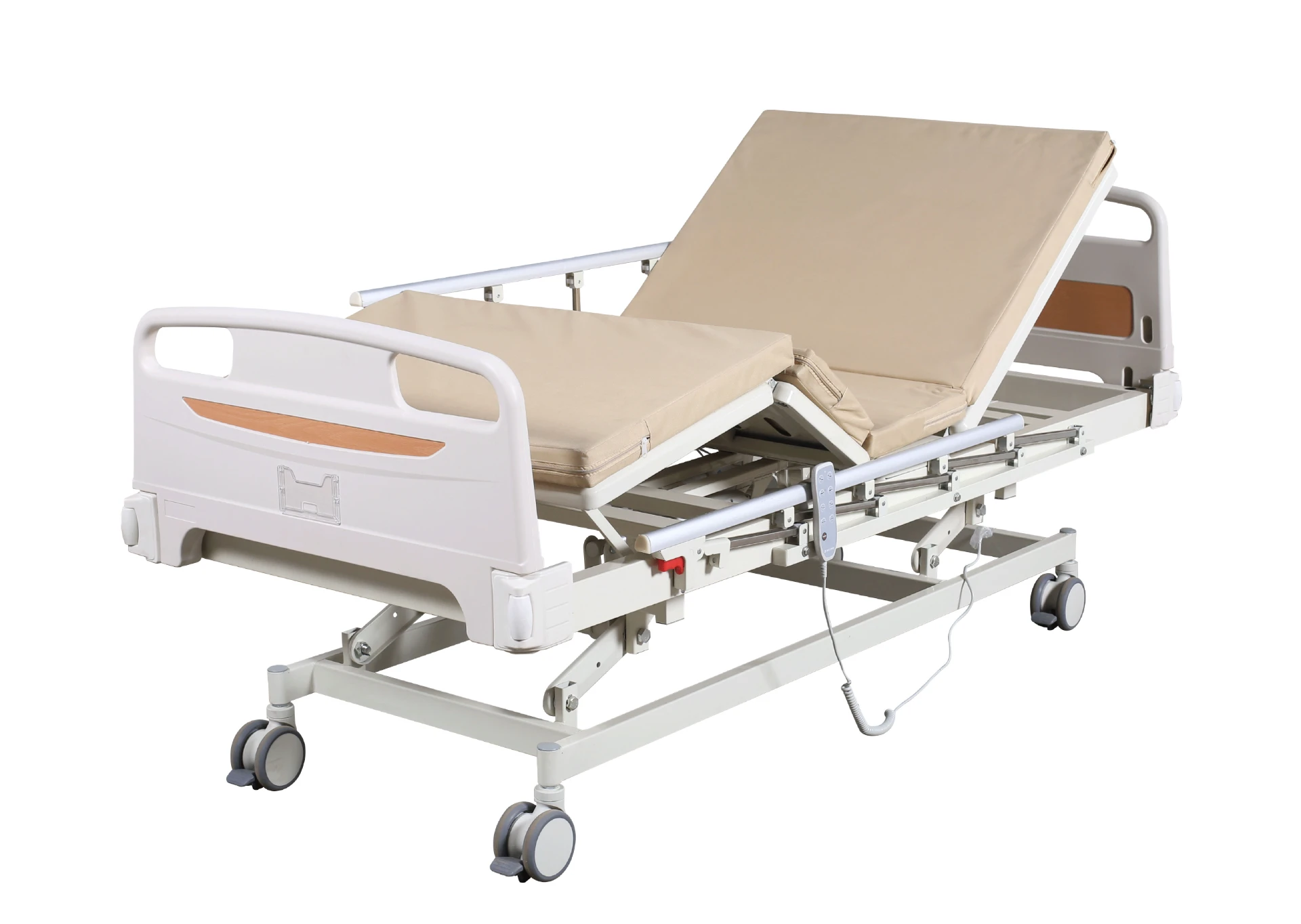
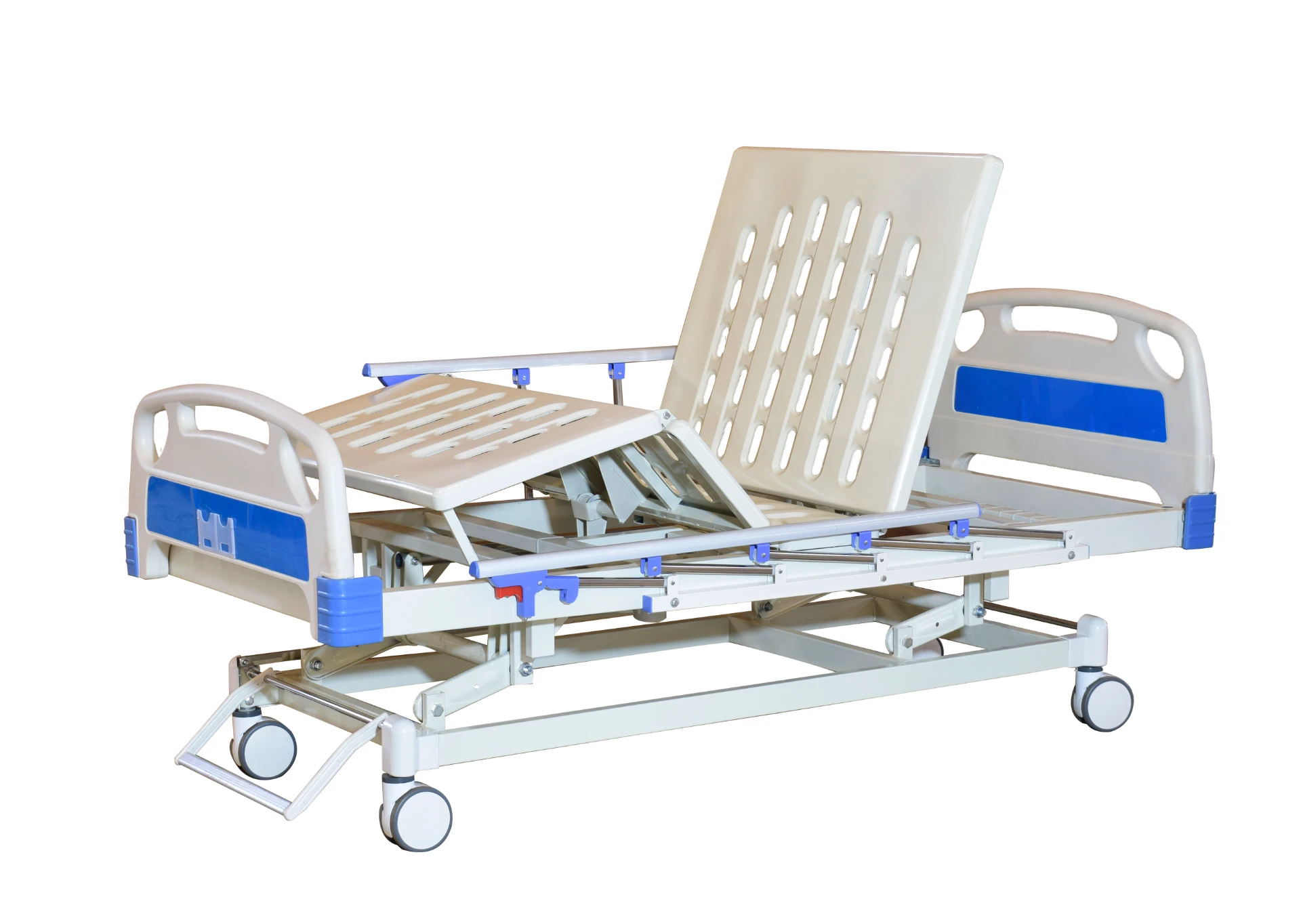
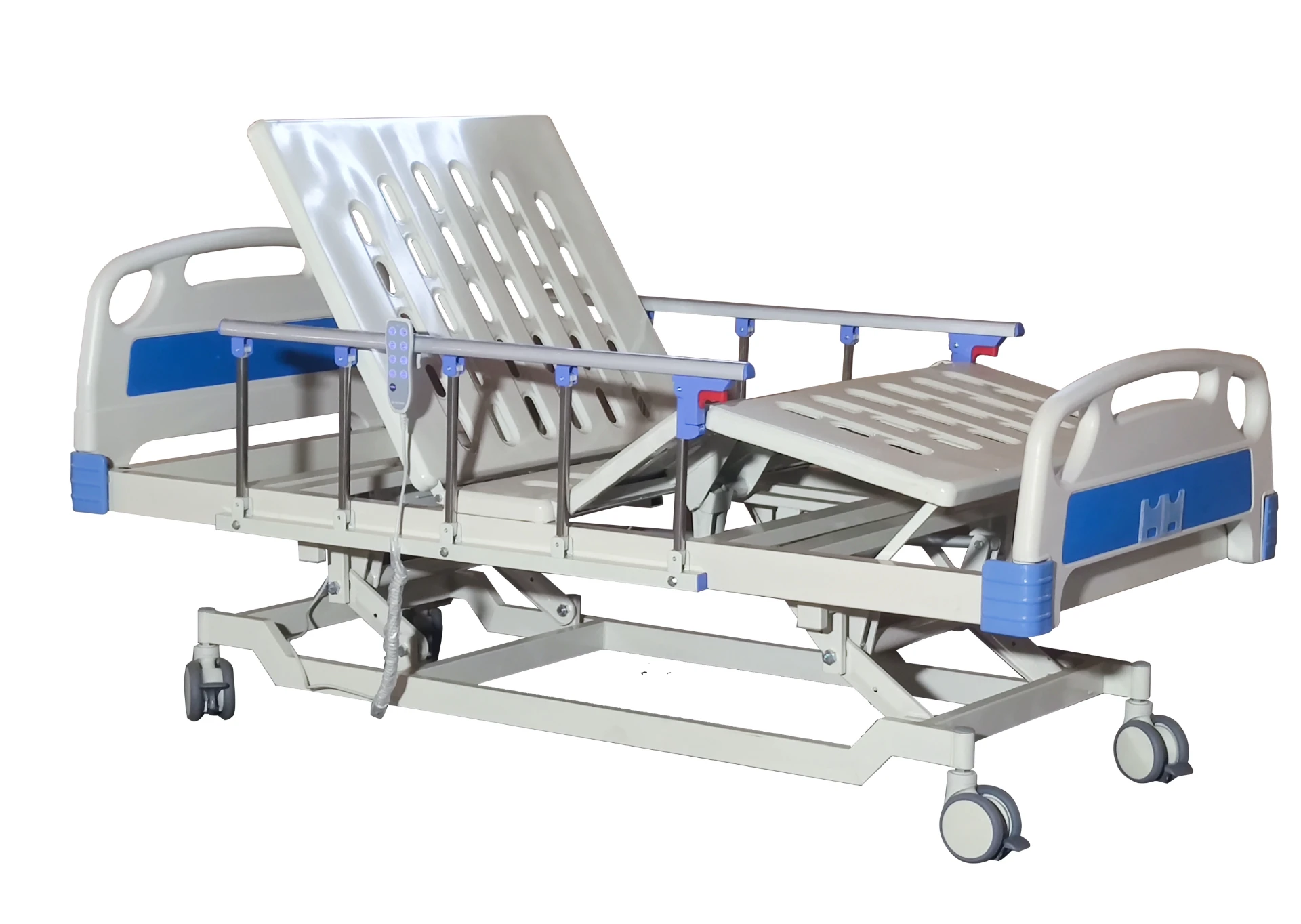
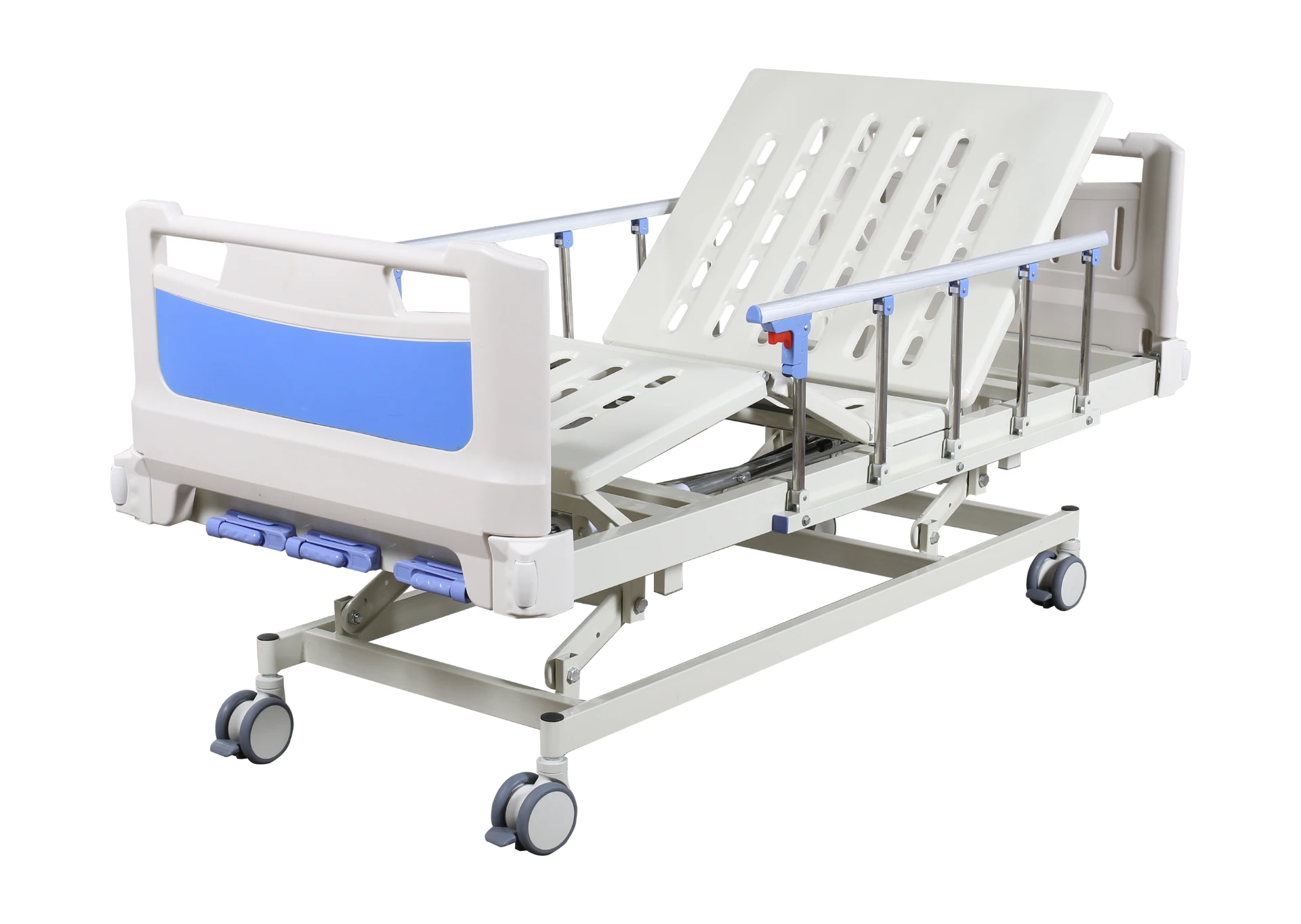
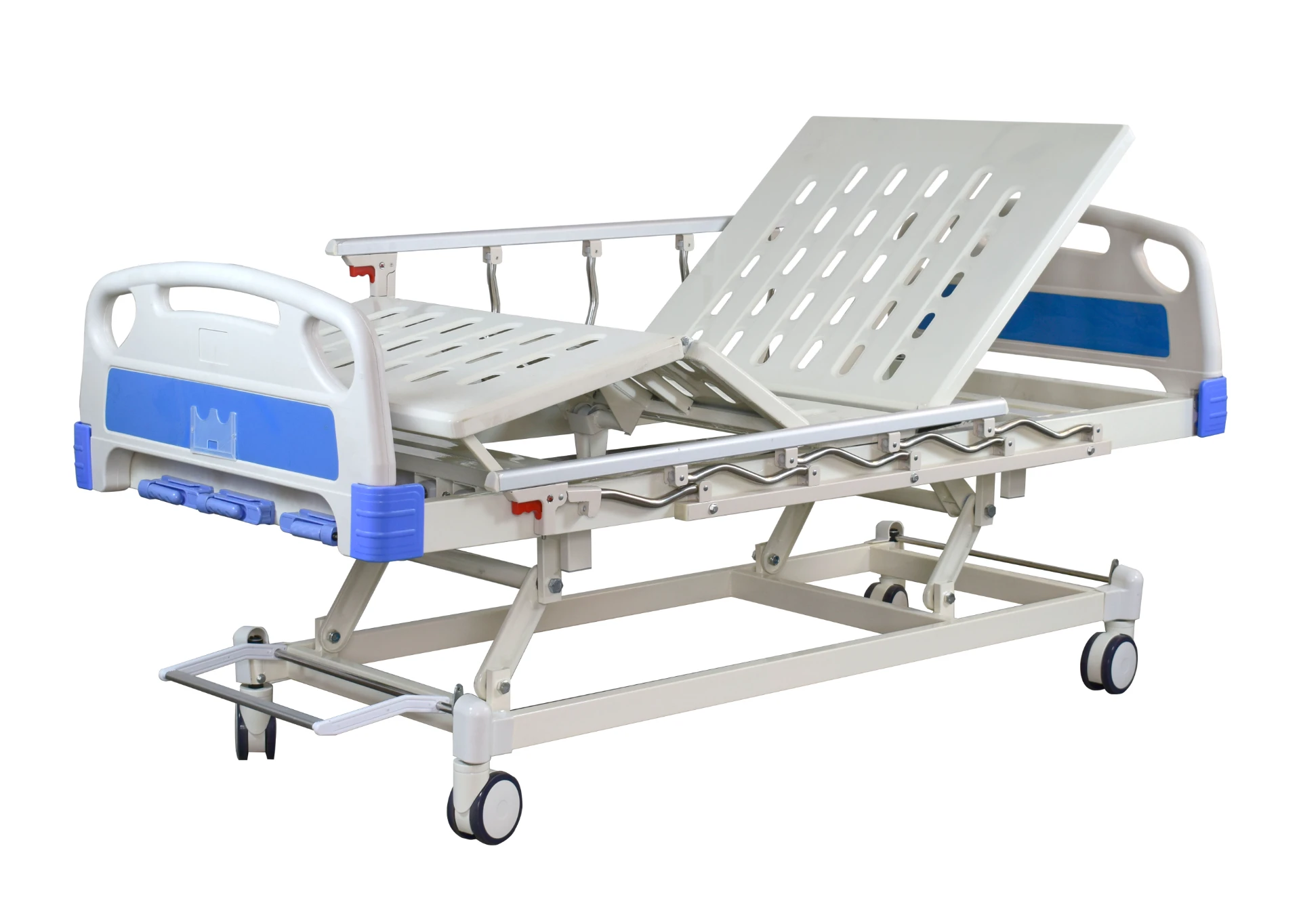
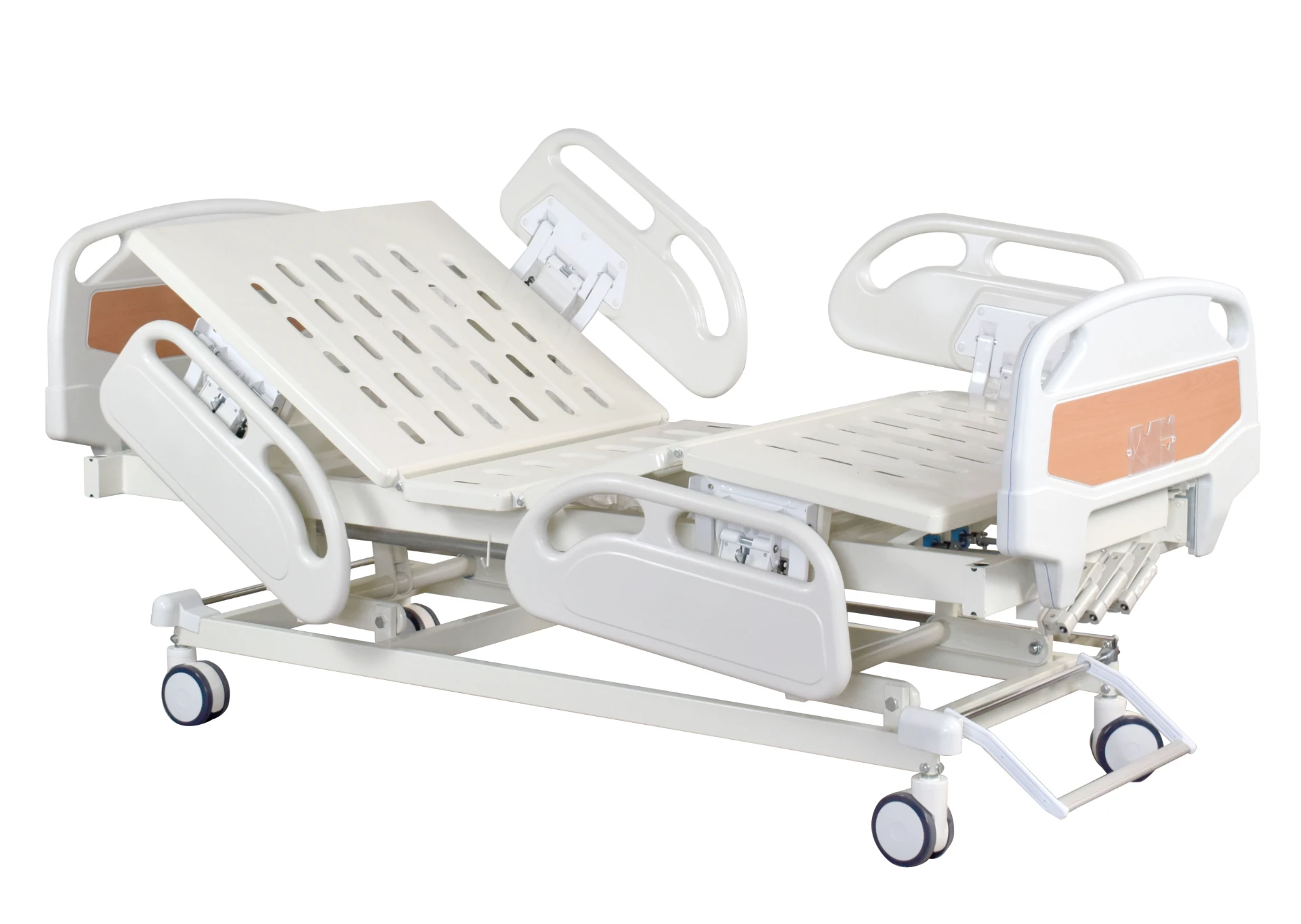
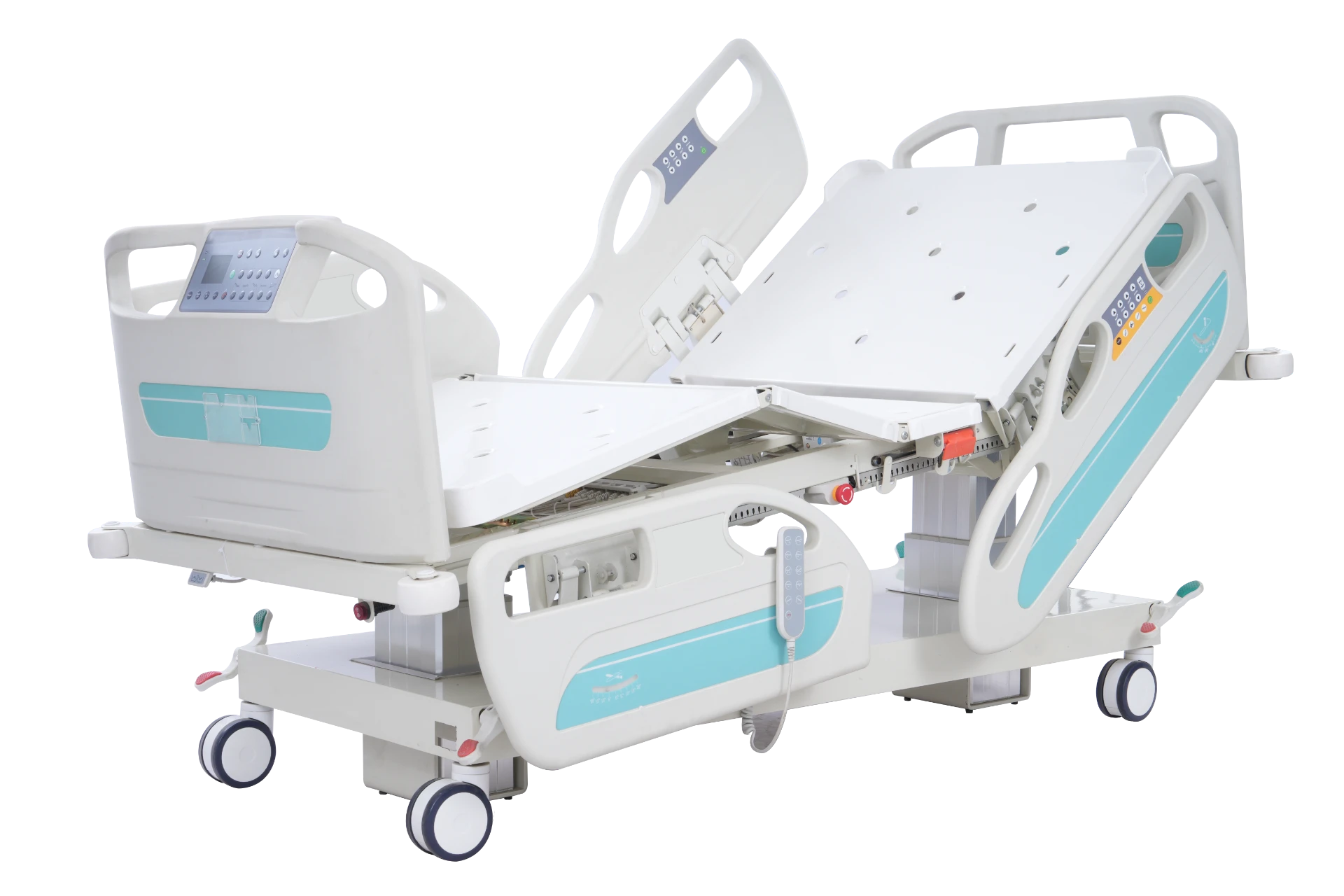
Simply put, an electric hospital chair is a powered seating device designed to assist in moving patients safely and comfortably within healthcare settings like hospitals, nursing homes, or clinics. Unlike traditional manual chairs, these devices integrate motors and controls to reduce physical strain on staff and improve patient stability. Some models combine chair, stretcher, or gurney features for versatile use.
In the broader healthcare landscape, electric hospital chairs not only improve patient transport but also play a role in emergency response, physical rehabilitation, and even home care solutions, making them indispensable tools in modern medical logistics.
Key Components & Features of Electric Hospital Chairs
1. Mobility and Maneuverability
Electric hospital chairs come equipped with powered wheels or track systems optimized for smooth, safe movement on various hospital surfaces. This means easy navigation through narrow corridors and crowded wards, critical for timely patient care.
2. Safety & Security Features
Brakes, anti-tip mechanisms, safety belts, and ergonomic controls protect patients during transfer, especially those with mobility impairments. Some chairs feature collision sensors or automatic locking, enhancing caregiver confidence.
3. Adjustable Comfort and Support
From adjustable backrests and leg rests to cushioned seating, electric chairs come tailored to reduce pressure sores and improve patient comfort through long journeys or stays.
4. Battery Life & Reliability
Modern designs emphasize long-lasting lithium-ion batteries coupled with fast charging, ensuring uninterrupted service during busy hospital shifts.
5. Durability & Hygiene
Materials resistant to cleaning agents, stainless frames, and waterproof cushions preserve hygiene and withstand rigorous sanitization protocols, vital in infection control.
Mini takeaway: An electric hospital chair merges mobility, safety, and comfort through thoughtful engineering, which directly impacts healthcare delivery efficacy.
Specifications Overview: An Example Electric Hospital Chair
| Feature | Specification |
|---|---|
| Max Load Capacity | 200 kg (440 lbs) |
| Battery Life | 8 hours continuous use |
| Weight of Chair | 65 kg (143 lbs) |
| Adjustable Backrest | 0° to 75° |
| Charging Time | 4 hours |
Global Applications & Use Cases
Electric hospital chairs find valuable applications worldwide, especially in:
- Hospitals and Clinics: For transporting patients between wards, imaging centers, or operating rooms.
- Emergency Response: In disaster zones where rapid, safe patient evacuation is crucial.
- Long-Term Care Facilities: Aiding residents with impaired mobility to maintain dignity and safety.
- Remote and Rural Healthcare: Offering reliable patient transport where manual labor shortages exist.
For example, during the 2021 floods in parts of South Asia, electric hospital chairs powered by portable solar charging units helped facilitate medical evacuation in areas where fuel and electricity were scarce. Similarly, Scandinavian countries’ hospitals often adopt these chairs as part of their digitized care approach to streamline workflows and reduce staff injuries.
Mini takeaway: This equipment is a global equalizer, improving access to quality healthcare from bustling urban centers to off-grid rural clinics.
Advantages and Long-Term Value
From a financial perspective, investing in quality electric hospital chairs reduces staff fatigue and injury claims, which often results in significant cost savings. The chairs’ ability to move patients with minimal physical effort means faster turnover, improved workflow, and enhanced satisfaction for both patients and caregivers.
Emotionally and socially, the chairs preserve patient dignity and comfort—something that, frankly, often gets overlooked but is crucial for recovery and well-being. Being moved safely without pain or fear can make all the difference in a vulnerable patient’s day.
Vendor Comparison Snapshot
| Feature / Vendor | Vendor A | Vendor B | Vendor C |
|---|---|---|---|
| Price Range | $3500 - $4500 | $3000 - $4000 | $4000 - $5000 |
| Max Load Capacity | 200 kg | 180 kg | 220 kg |
| Battery Life | 8 hrs | 6 hrs | 10 hrs |
| Warranty | 2 years | 1 year | 3 years |
Future Developments and Innovations
Looking ahead, electric hospital chairs are set to become smarter and greener. Integration with hospital IT systems will allow predictive maintenance and usage optimization. Battery tech continues to evolve, with solid-state batteries promising lighter weight and safer charge cycles.
There’s also growing emphasis on sustainability: manufacturers adopting recyclable materials, and models powered by renewable energy sources such as solar. Automation elements like self-driving functions and voice-activated controls, while still emerging, could redefine how patient transport gets handled.
Common Challenges & Ways to Overcome Them
Despite advances, challenges persist. For instance, the upfront cost can be a big hurdle for smaller clinics or organizations in low-income regions. Battery maintenance and replacement costs might add to long term expenses.
However, innovative leasing models, international funding assistance, and modular design for easier maintenance are gradually easing these issues. Also, ongoing staff training ensures technology isn’t underutilized.
FAQs About Electric Hospital Chairs
- How long does an electric hospital chair battery typically last?
- Most electric hospital chairs feature batteries capable of 6-10 hours of continuous use. Usage patterns, battery type, and maintenance affect longevity. Lithium-ion batteries have become the preferred choice due to their reliability and recharge efficiency.
- Are electric hospital chairs safe for elderly patients with limited mobility?
- Yes, these chairs are designed with safety in mind—equipped with secure harnesses, anti-tip systems, and smooth-response controls to prevent sudden jolts. Always ensure staff are trained in proper operation and chair selection suits individual patient needs.
- Can these chairs be used outdoors, for example during emergency evacuations?
- Many models are engineered to handle indoor and certain outdoor terrains, but extreme environments require specialized versions. Some electric hospital chairs are ruggedized for field use and come with weather-resistant components.
- What maintenance is required to keep an electric hospital chair in good condition?
- Routine checks include battery inspections, wheel lubrication, cleaning seat surfaces with approved disinfectants, and verifying brake functions. Manufacturers usually provide detailed schedules, and regular servicing extends chair lifespan significantly.
- How can healthcare providers choose the right electric hospital chair?
- Consider patient load capacity, chair features, battery life, maneuverability, and compatibility with existing hospital infrastructure. Testing different models and consulting with suppliers can guide a cost-effective and patient-centric choice.
In Conclusion — Why Electric Hospital Chairs Are a Game-Changer
Electric hospital chairs are quietly revolutionizing patient transport and care quality worldwide. They reduce physical strain on medical staff, enhance patient comfort and dignity, and improve operational efficiency — all crucial factors in today’s healthcare challenges. For anyone involved in healthcare operations, understanding their technology and potential benefits is more important than ever.
Curious to learn more or explore suitable models? Visit our website: https://www.cnboxin.com for detailed information and expert guidance.
Oddly enough, sometimes the smallest innovations — like a well-designed chair — can make the biggest difference. It’s a reminder that progress often happens step-by-step, seat-by-seat.
References
-
Ultimate Guide to Choosing Extra Wide Waiting Room ChairsNewsApr.16,2026
-
Guide to Choosing Professional Waiting Room Chairs Wipeable SeatingNewsApr.09,2026
-
Enhance Your Space with Comfortable Wide Waiting Room ChairsNewsApr.07,2026
-
Selecting the Ideal Brown Waiting Room Chairs for a Welcoming SpaceNewsApr.04,2026
-
Choosing Comfortable Patient Waiting Room Chairs for Healthcare FacilitiesNewsMar.31,2026
-
Finding the Best Deals on Affordable and Cheap Reception Chairs for Your BusinessNewsMar.28,2026
-
Enhance Your Business Reception with Comfortable Blue Reception ChairsNewsMar.26,2026