Welcome to our websites!


Comprehensive Guide to Hospital Bed Wheels for Sale: Quality, Safety & Trends
Hospital Bed Wheels for Sale: Why They Matter and What You Should Know
Hospital bed wheels might seem like a tiny detail in the vast world of healthcare equipment, but oddly enough, they play a crucial role in patient care and hospital efficiency. You don’t usually notice these wheels—until something goes wrong. Whether it’s in a bustling urban hospital or a remote clinic, high-quality hospital bed wheels for sale helps ensure patients move safely and smoothly. Globally, as healthcare facilities expand and upgrade, choosing the right wheels is as important as selecting the bed itself.
Introduction: The Global Importance of Hospital Bed Wheels
According to the World Health Organization, over 70% of healthcare facilities worldwide strive to improve patient mobility and safety—a challenge that hospital bed wheels directly address. These small components must withstand weight, frequent use, and even long periods of inactivity, all while contributing to hygiene and safety standards set by ISO regulations like ISO 60601. Yet, many medical centers face issues with poor-quality wheels that deteriorate quickly, hamper movement, or fail to lock securely, causing safety hazards.
In real terms, this matters most in crowded hospitals during emergencies, post-disaster relief camps, or in countries scaling up their healthcare infrastructure. The market for hospital bed wheels for sale drives innovations that meet this global demand, balancing durability and cost.
What Are Hospital Bed Wheels for Sale?
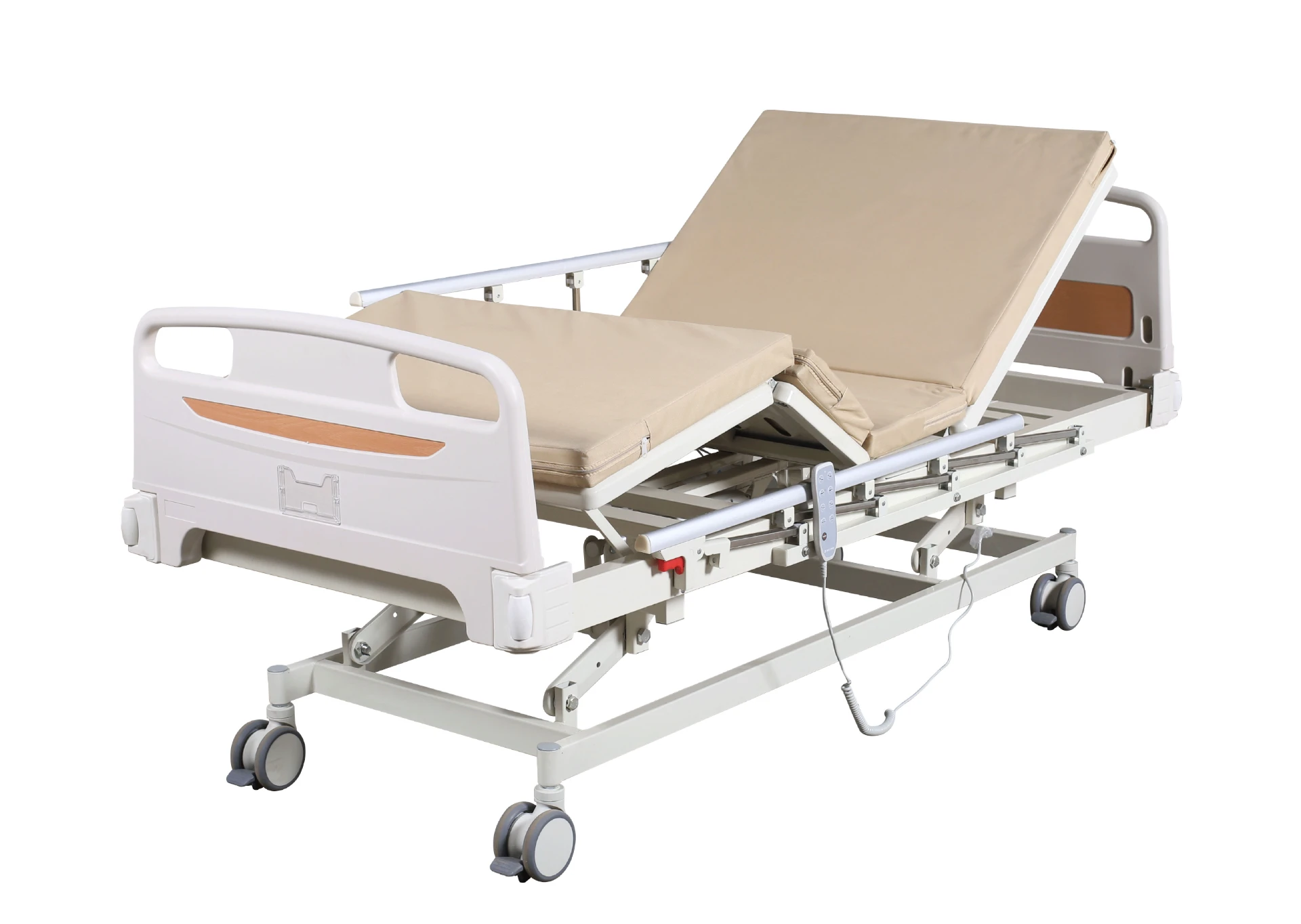
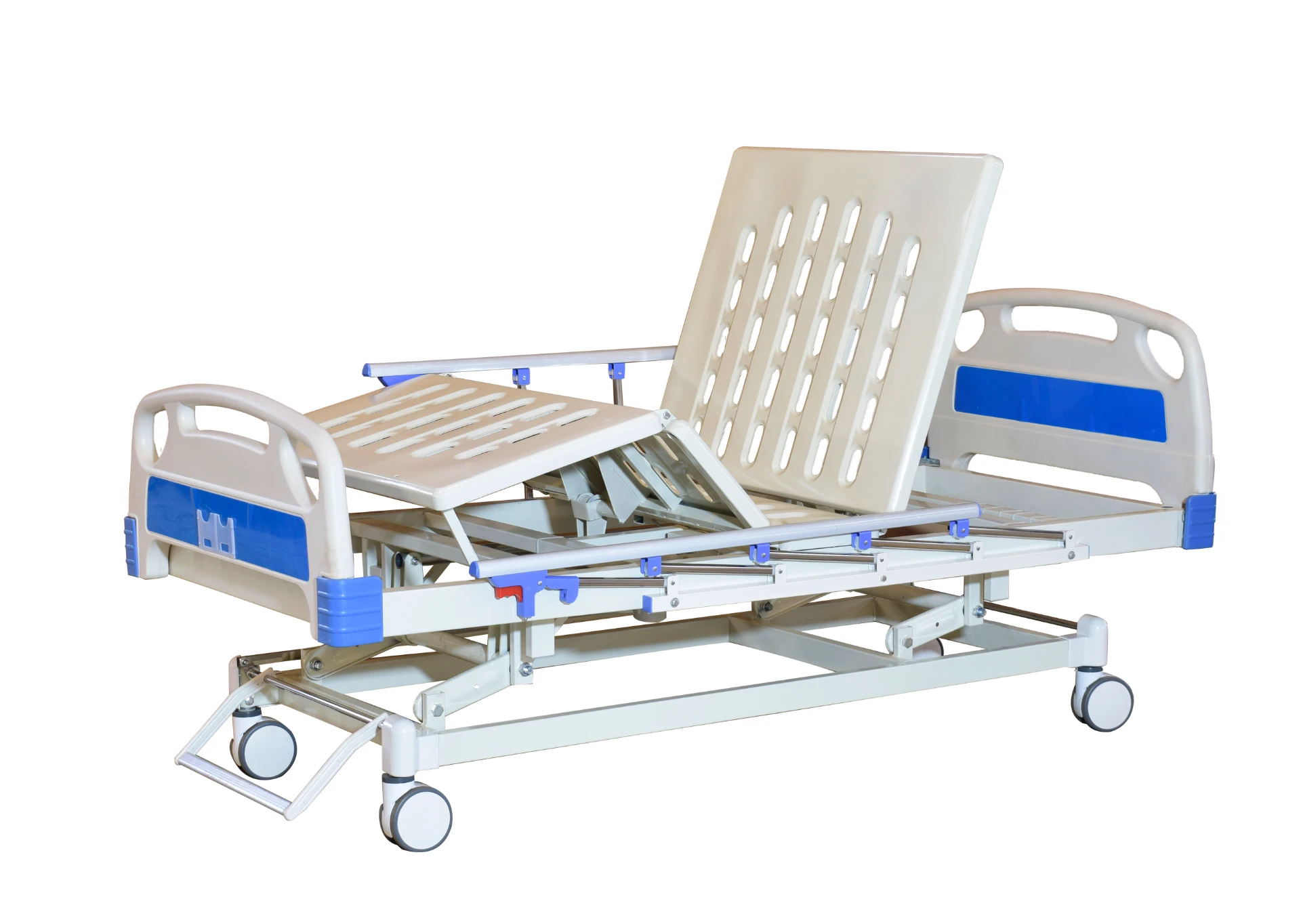
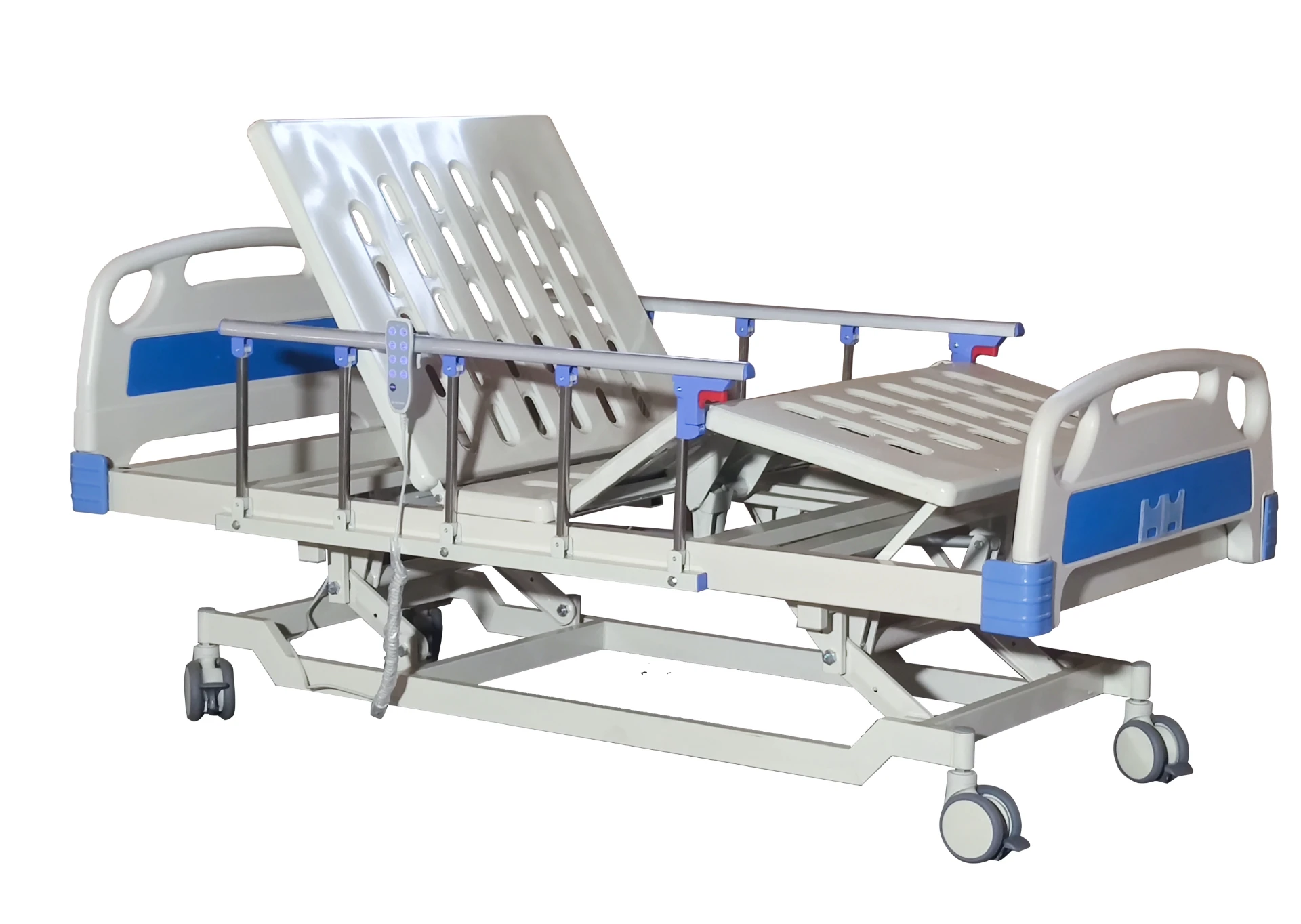
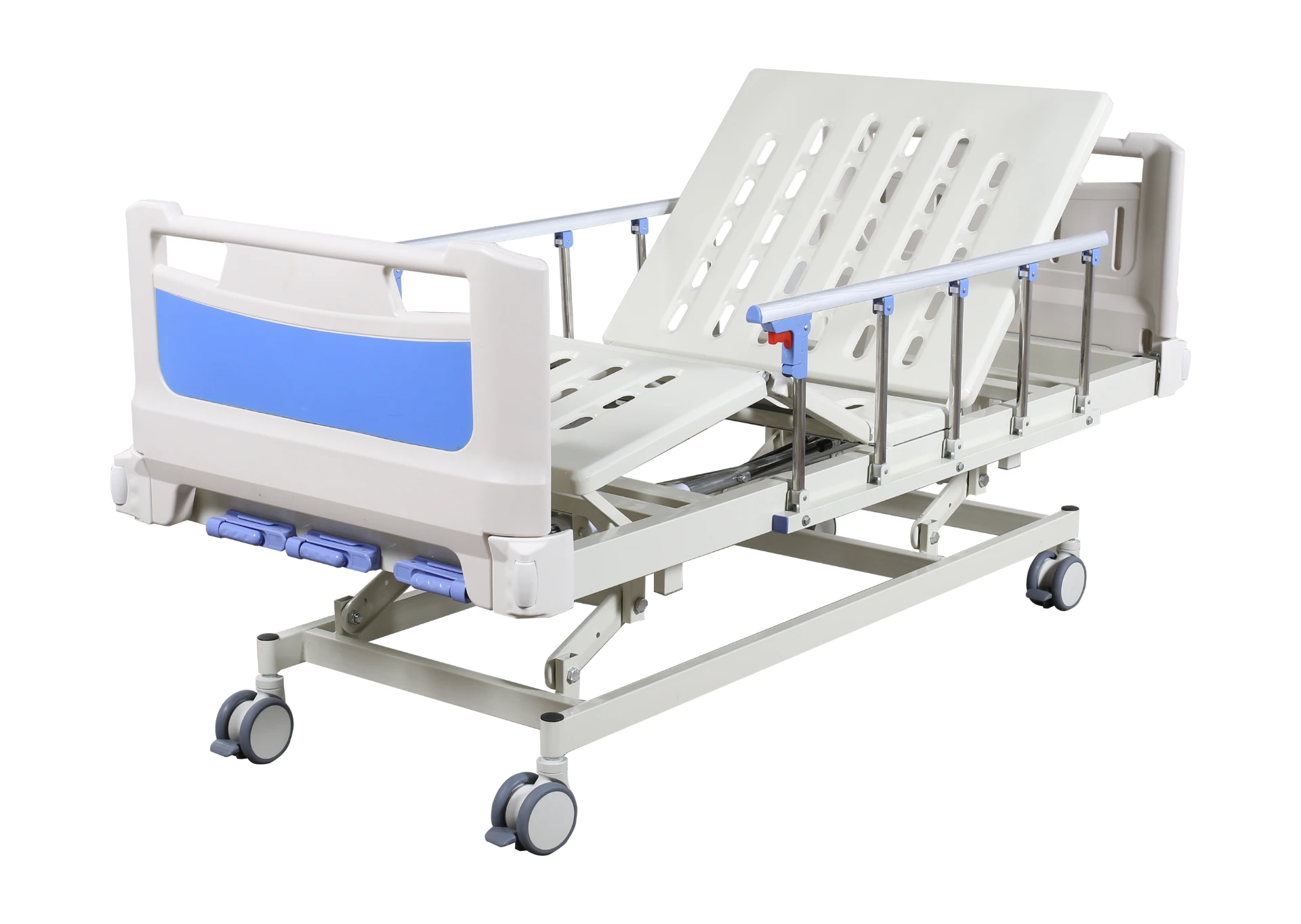
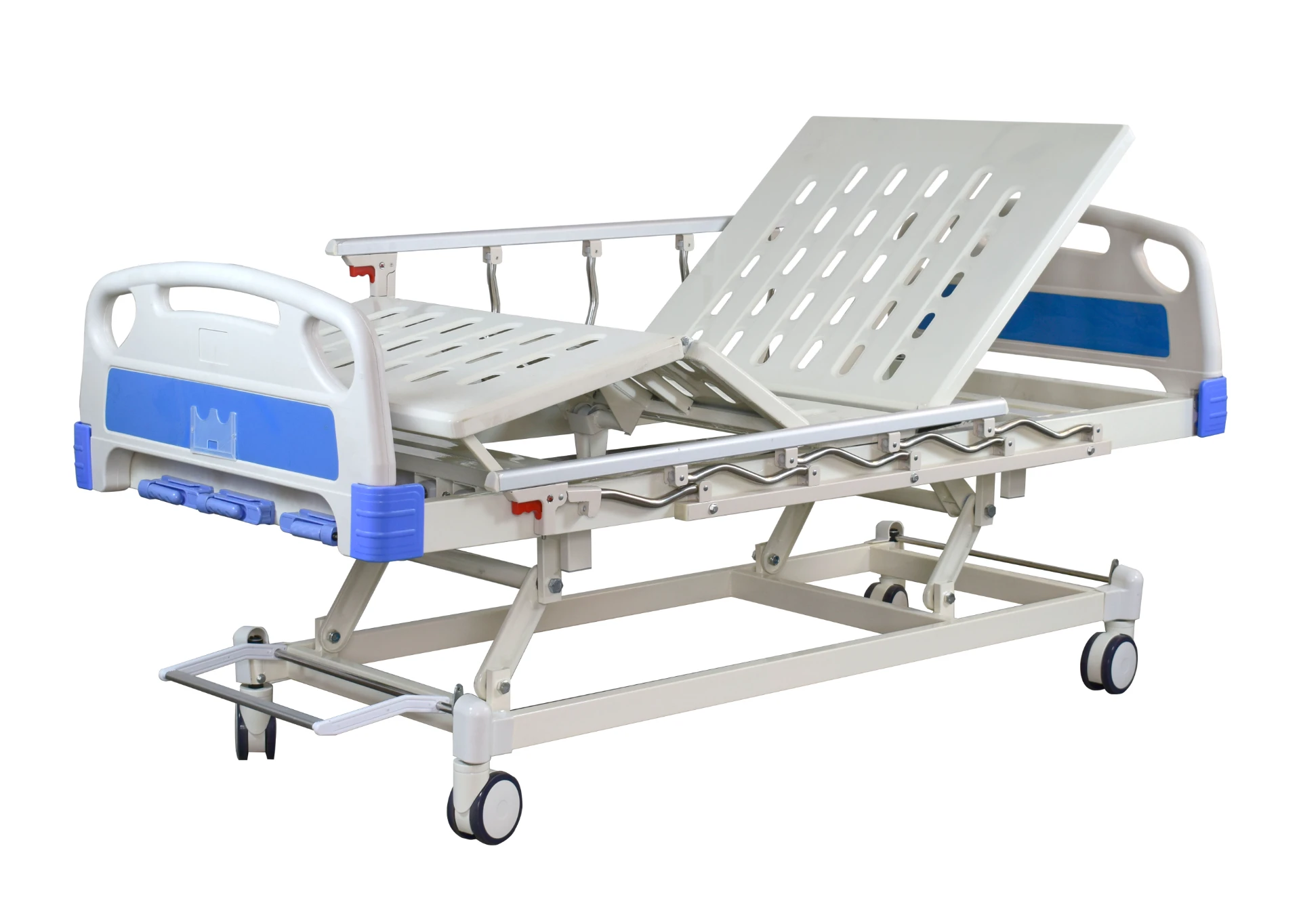
Hospital bed wheels, simply put, are the casters attached to medical beds that enable smooth and safe movement. They usually consist of a wheel (often polyurethane or rubber), a swivel mechanism, and a locking system to stabilize the bed when stationary. When you hear “hospital bed wheels for sale,” it means suppliers offer these wheels separately as replacement parts or as customizable options for new beds.
Why does it matter? Because a good wheel ensures not just mobility, but patient safety, bed stability, and even infection control—critical when hospitals must maintain strict hygiene protocols.
Key Characteristics of Hospital Bed Wheels You Should Consider
1. Durability
Hospital bed wheels face constant pressure from patient weight and frequent maneuvering. Durable materials—like reinforced polyurethane—offer wear resistance and quiet rolling. Cheap plastic wheels wear down fast, leading to costly replacements. For instance, wheels rated for 150 kg or more per caster align with most hospital bed standards.
2. Locking Mechanisms
Locking is a safety must-have. Most wheels have two brakes: one to lock the wheel’s rotation and another to lock the swivel. This prevents accidental bed movement, which is especially crucial in critical care settings.
3. Hygiene and Maintenance
Infection control is a huge deal. Wheels need materials and finishes that resist dirt and are easy to clean with hospital-grade disinfectants. Seamless designs and non-porous materials help here.
4. Compatibility & Scalability
Hospitals often mix and match wheels across different beds. Standardized mounting sizes and easy installation are a blessing when sourcing replacement wheels from suppliers worldwide.
5. Cost Efficiency
Balancing quality and price can be tricky. Opting for mid-range wheels with proven lifespan saves hospitals money in the long run, reducing downtime and maintenance.
Typical Product Specifications of Popular Hospital Bed Wheels
| Specification | Details |
|---|---|
| Wheel Diameter | 125 mm |
| Load Capacity | 150 kg per wheel |
| Material | Polyurethane tire with nylon core |
| Brake Type | Dual locking (wheel & swivel) |
| Mounting Type | Top plate, 75 mm × 75 mm |
| Operating Temperature | -10°C to 60°C |
Leading Vendors: How Do They Compare?
| Vendor | Material Quality | Price Range (USD) | Customization | Global Shipping |
|---|---|---|---|---|
| MedMobility Ltd. | High-End Polyurethane | $20 - $35 | Yes | Worldwide |
| Global Caster Co. | Medium-Grade Rubber | $12 - $22 | Limited | Regional |
| SafeRolls Inc. | Reinforced Nylon with PU | $18 - $28 | Yes | Worldwide |
Where and How Are Hospital Bed Wheels Used Globally?
These wheels appear in fascinating contexts: from major hospitals in Europe to rural field clinics in sub-Saharan Africa. Aid organizations like Médecins Sans Frontières rely on reliable casters during rapid setup of field hospitals after natural disasters. In Asia, growing urban hospital networks invest heavily in upgrading beds with advanced wheels to reduce maintenance downtime.
Oddly enough, even large industrial zones with internal clinics (think mining towns) prioritize these wheels for patient transfers, showing the cross-sector relevance of this seemingly niche product.
Mini takeaway: Hospital bed wheels play a surprisingly universal role in healthcare systems worldwide, crossing continents and contexts.
Why Invest in High-Quality Hospital Bed Wheels? The Advantages
- Increased Safety: Reliable brakes and smooth rolling reduce accidents and bed movement risks.
- Cost Savings: Durable wheels cut down frequent replacements and labor costs.
- Sustainability: High-quality wheels last longer, reducing waste and environmental impact.
- Enhanced Patient Comfort: Smooth movement makes bed repositioning less disruptive for patients.
- Hygiene Assurance: Non-porous materials minimize contamination, crucial for infection control.
Future Trends and Innovations in Hospital Bed Wheels
Looking ahead, manufacturers are exploring smart wheels equipped with sensors that detect wear or obstacle resistance, feeding data to maintenance teams. Others push materials science boundaries, developing antimicrobial coatings and lighter composites to ease hospital staff workload. Green initiatives are underway too — wheels made from recycled materials and designed for easy disassembly to enhance recycling rates.
Plus, automation in hospital logistics means beds with wheels that integrate better with transport robotics—a rather neat synergy of medtech and Industry 4.0.
Challenges and How the Industry Addresses Them
That said, challenges remain. For example, poorly standardized mounting plates can limit compatibility, and in low-income settings, cost constraints often force lower-quality purchases. To overcome these, some vendors now offer modular wheels and financing options to support better standards adoption globally.
Moreover, intensive testing under ISO 7176-8 helps assure performance under stress, but not every manufacturer follows these rigorously. Thus, healthcare administrators should vet suppliers carefully.
FAQ: Common Questions About Hospital Bed Wheels for Sale
Q1: What factors should I consider when buying replacement hospital bed wheels?
A: Look for load capacity matching your bed and patient weight, a dependable locking system, quality material like polyurethane or reinforced nylon, and compatibility with your existing bed’s mounting system. Checking supplier certifications and reviews also helps.
Q2: Can hospital bed wheels withstand harsh cleaning chemicals?
A: Yes, good hospital bed wheels are designed with materials resistant to common disinfectants. However, exposing wheels to harsh chemicals repeatedly may eventually degrade them, so always use recommended cleaning agents.
Q3: How often should hospital bed wheels be replaced?
A: Replacement frequency depends on usage and environment, but many facilities change wheels every 1–3 years. Regular inspection for cracks, uneven rolling, or brake failure is key to timely maintenance.
Q4: Are there environmentally friendly hospital bed wheels available?
A: Increasingly yes. Some vendors now offer wheels made from recycled or biodegradable materials while maintaining durability and hygiene. This trend aligns with growing hospital sustainability programs.
Conclusion: Why Choosing the Right Hospital Bed Wheels Matters
Frankly, it’s easy to overlook the humble hospital bed wheel. Yet, in hospitals globally, these wheels enable better patient care, safety, and efficiency every single day. When you consider factors like durability, hygiene, and cost-effectiveness, investing in high-grade hospital bed wheels for sale is no minor detail—it’s a foundational choice that pays dividends for years.
For hospitals, clinics, or humanitarian groups sourcing quality, scalable solutions, visit our trusted supplier website: hospital bed wheels for sale. There you’ll find tailored options built on real-world experience and rigorous standards.
It’s a small wheel with a big job, and now you’re a bit more prepared to choose wisely.
References
-
Ultimate Guide to Choosing Extra Wide Waiting Room ChairsNewsApr.16,2026
-
Guide to Choosing Professional Waiting Room Chairs Wipeable SeatingNewsApr.09,2026
-
Enhance Your Space with Comfortable Wide Waiting Room ChairsNewsApr.07,2026
-
Selecting the Ideal Brown Waiting Room Chairs for a Welcoming SpaceNewsApr.04,2026
-
Choosing Comfortable Patient Waiting Room Chairs for Healthcare FacilitiesNewsMar.31,2026
-
Finding the Best Deals on Affordable and Cheap Reception Chairs for Your BusinessNewsMar.28,2026
-
Enhance Your Business Reception with Comfortable Blue Reception ChairsNewsMar.26,2026