Welcome to our websites!


Comprehensive Guide to Bedside Chair Hospital: Comfort, Durability & Care
The Unseen Comfort: Understanding the Bedside Chair Hospital and Its Global Impact
When it comes to patient care, a simple bedside chair might not seem like a game-changer. But looking closer, you realize it's a vital interface between patients, families, and healthcare providers—bridging comfort, convenience, and clinical needs. The bedside chair hospital plays a quietly powerful role worldwide, from bustling urban hospitals to remote clinics. Why does understanding this matter? Because a smart design and durable construction can enhance recovery times, reduce staff strain, and directly contribute to patient dignity. In a world where health infrastructure still struggles to meet rising demands, a dependable bedside chair becomes not just a piece of furniture—but a symbol of care quality and efficiency.
Why Bedside Chairs Matter Globally: Context and Challenges
Healthcare systems worldwide are under pressure. According to the World Health Organization (WHO), by 2030, demand for in-patient care is expected to rise significantly, especially in aging populations across Europe, Asia, and North America. A high turnover of patients means that medical furniture like bedside chairs must endure heavy use, strict hygiene standards, and adaptability to various clinical environments. Despite its humble appearance, the bedside chair hospital addresses pressing issues: patient mobility, staff ergonomics, and infection control. Yet supply chains sometimes overlook the subtle balance between durability and patient comfort—leading to quick wear, unsanitary conditions, or equipment that just doesn't 'fit' the setting well.
Mini Takeaway:
In real terms, the right bedside chair combines functionality, safety, and comfort—all critical as hospitals cope with increasing patient loads and care complexities globally.
What Exactly is a Bedside Chair Hospital?
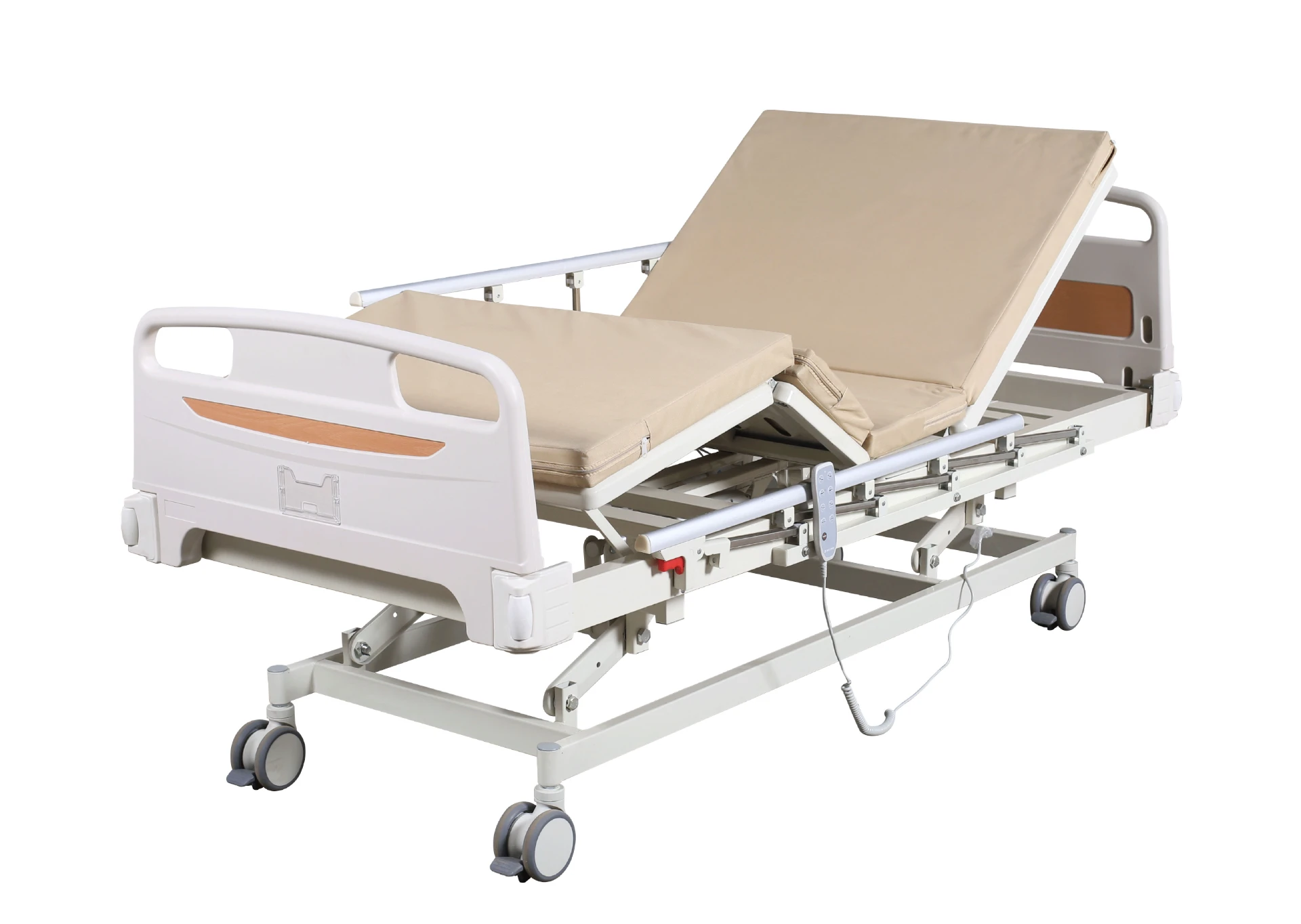
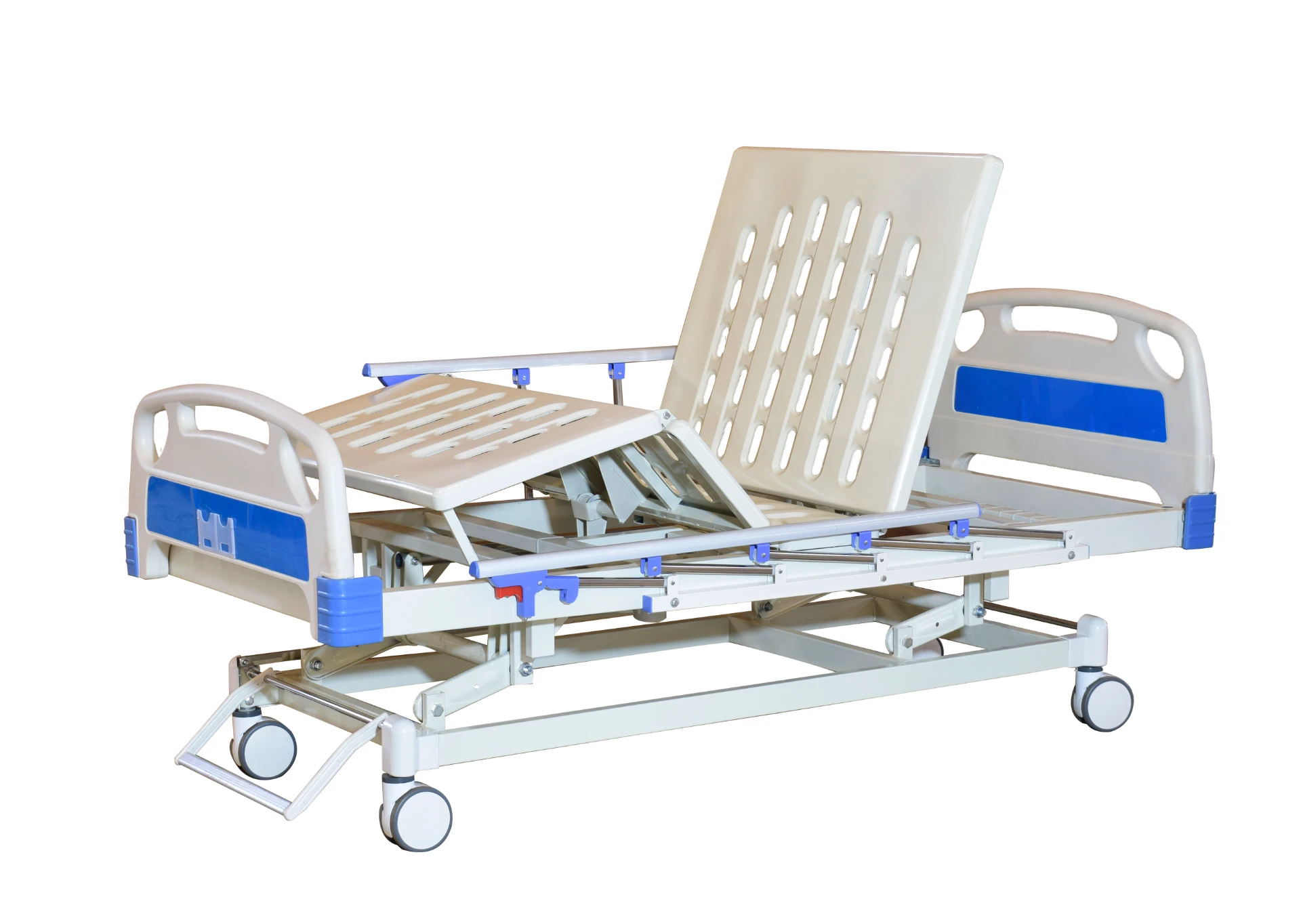
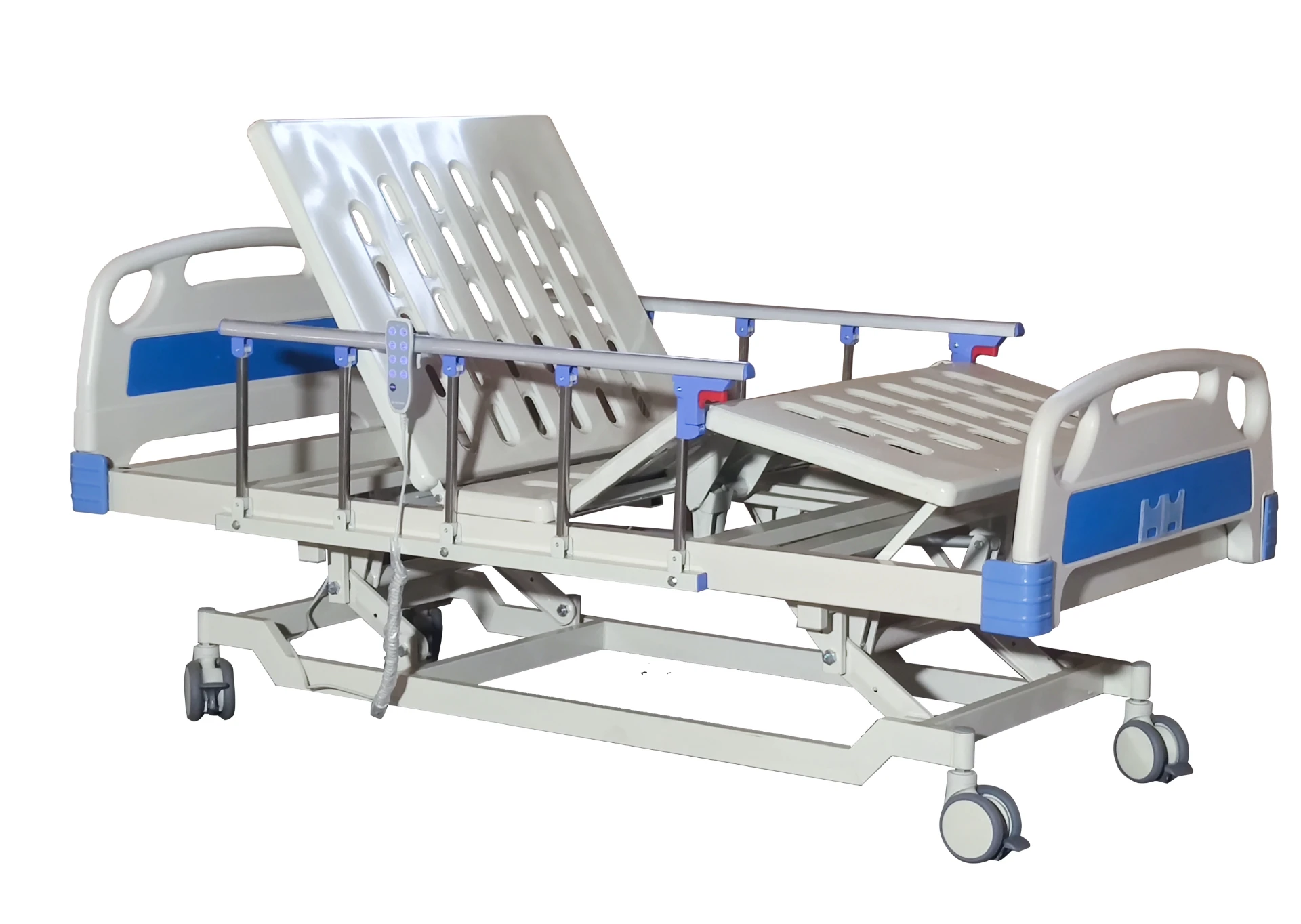
Simply put, a bedside chair hospital is a seating device designed specifically to be placed next to hospital beds. It supports patients during activities like eating, reading, or chatting with visitors, and can also accommodate the medical staff or family members during bedside visits. These chairs are designed with medical standards in mind — often including antimicrobial materials, wheels for mobility, adjustable heights, and sturdy frames to support various body sizes safely.
This furniture isn't just 'another chair.' It's a key component linking modern healthcare's emphasis on patient-centered care, infection control, and space optimization in often crowded rooms.
Key Features that Define a Quality Bedside Chair Hospital
Durability and Strength
Many hospital chairs must withstand daily, intensive use—sometimes by patients weighing upwards of 300 lbs (135 kg). It’s not unusual for chairs to be made from reinforced steel or high-strength alloys, ensuring years-long service without bending or breaking.
Infection Control & Hygiene
Hospitals are hotbeds for germs, so chairs are often made with easy-to-clean, antimicrobial vinyl upholstery or materials treated with silver ions. Every seam and crevice matters here because bacteria thrive in hidden spaces.
Mobility and Flexibility
Wheels with locking brakes allow caregivers to easily move chairs for procedures, cleaning, or patient repositioning while ensuring safety when stationary. Adjustable backrests or folding arms are sometimes included to enhance patient comfort or help with transfers.
Ergonomics and Comfort
No one wants a hard, uncomfortable chair especially when someone is recovering. Padding, breathable materials, and designs that accommodate natural sitting postures help make long bedside hours less taxing.
Cost Efficiency
Hospitals look for balance – furniture must be affordable without sacrificing quality. Over-investing can burden budgets, yet cheap chairs mean faster replacement cycles. Finding reliable vendors with warranties can shave off future capital expenses.
Mini Takeaway:
- The most successful bedside chairs blend ruggedness with patient-friendly comfort.
- Attention to materials and ergonomics pays off as daily usage scales up.
Where Bedside Chairs Hospital Make a Difference Globally
In countries with advanced healthcare infrastructures, bedside chairs support patient-centered recovery models. For example, Scandinavian hospitals integrate chairs with other modular furniture systems for space-saving benefits. In post-disaster relief zones (think: UN field hospitals after natural disasters in Southeast Asia), lightweight, easily cleaned bedside chairs allow rapid setup while maintaining hygiene standards under gritty conditions.
Even in remote industrial zones—where medical facilities may be part of onsite clinics—the right bedside chair can mean a world of difference in comfort and practicality. Organizations like Médecins Sans Frontières prioritize designs that address portability and durability, crucial for outreach clinics in Africa.
Advantages of Investing in the Right Bedside Chair Hospital
At first glance, a bedside chair seems like a small piece of the puzzle. But consider these benefits:
- Cost Savings: Durable chairs mean fewer replacements, less maintenance, and reduced downtime.
- Improved Patient Outcomes: Comfortable seating encourages mobility and social interaction crucial for mental well-being.
- Staff Efficiency: Ergonomically designed chairs facilitate safer patient transfers, lowering staff injuries.
- Compliance & Safety: Materials that meet ISO antimicrobial standards reduce healthcare-associated infections.
- Social Impact: Providing patients with dignified care environments supports recovery beyond physical treatment.
Product Specification Table
| Feature | Specification |
|---|---|
| Frame Material | Powder-coated steel with reinforced joints |
| Upholstery | Antimicrobial, fire-retardant vinyl |
| Weight Capacity | Up to 320 lbs (145 kg) |
| Mobility | 360° swivel wheels with locking brakes |
| Adjustability | Foldable armrests; recline 90°-110° |
| Dimensions (WxDxH) | 24" x 28" x 36" (61 x 71 x 91 cm) |
Comparing Top Vendors of Bedside Chairs Hospital
| Vendor | Product Range | Average Cost (USD) | Warranty | Notable Features |
|---|---|---|---|---|
| MediComfort | Standard and bariatric chairs | $250 - $450 | 5 years | Antimicrobial fabrics; ergonomic armrests |
| HealthEquip Pro | Lightweight folding models | $180 - $320 | 3 years | Quick-clean surfaces; portable design |
| CarePlus | Premium adjustable and recliners | $400 - $650 | 7 years | Advanced lumbar support; antimicrobial treatment |
Future Trends & Innovations
It’s odd but true: the humble hospital chair is catching up with tech in ways we couldn’t imagine a decade ago. Some manufacturers are exploring smart fabric coatings that respond to temperature changes or monitor patient vitals subtly while seated. Others are integrating sustainable materials — like recycled plastics or bamboo composites — to reduce hospitals’ environmental footprints. Digital transformations are encouraging modular designs that can be customized onsite, helping stretch budgets and adapt to fluctuating space needs.
Automation is less about replacing human care here and more about ease — think motorized lifts to help immobile patients or IoT-enabled chairs which can alert staff if a patient tries to move unsafely. It's all tuned toward improving outcomes and reducing staff strain—a small revolution in patient comfort.
Challenges and Practical Solutions
Of course, no innovation is without hurdles. Common challenges include balancing durability with weight (too heavy is a nightmare for caregiver logistics), managing cleaning protocols for complex designs, and meeting budget constraints in developing regions. A clever solution I’ve seen recently is the rise of modular upholstery panels that can be swapped in and out for cleaning without replacing the entire chair. Also, partnerships with NGOs have improved supply chain logistics, so [bedside chairs hospital](https://www.cnboxin.com) reach underserved areas faster than before.
FAQs: What People Commonly Ask About Bedside Chairs Hospital
- Q1: What makes a bedside chair hospital different from regular chairs?
- A: Bedside chairs in hospitals are specially designed for enhanced durability, hygiene, and ergonomics to meet medical environment demands, unlike regular chairs which may lack antimicrobial surfaces and mobility features.
- Q2: How often should bedside chairs be replaced in a hospital?
- A: Replacement depends on usage and materials, but generally every 5-7 years or sooner if wear compromises safety or hygiene. Regular inspections help extend service life.
- Q3: Are bedside chairs hospital compliant with infection control standards?
- A: Yes, quality hospital bedside chairs meet ISO and CDC guidelines with antimicrobial upholstery and easy-to-clean surfaces to minimize infection risks.
- Q4: Can bedside chairs be customized for bariatric patients?
- A: Definitely. Many vendors offer bariatric models supporting higher weight capacities with reinforced frames and wider seats.
- Q5: How can hospitals in developing countries source quality bedside chairs affordably?
- A: Collaborative programs with NGOs and bulk purchasing agreements can reduce costs, and some vendors specialize in cost-efficient, durable designs suited for varied budgets.
Wrapping It Up: Why the Bedside Chair Hospital Deserves a Closer Look
At the end of the day, the bedside chair hospital is more than just a seat. It’s a tool of compassion, a tiny cornerstone in the vast architecture of patient care. Investing in high-quality chairs means better outcomes, safer environments, and a nod towards the dignity every patient deserves. If you’re looking to upgrade or specify models, check out bedside chair hospital solutions that blend science, design, and comfort elegantly. Trust me, it’s one of those small details that quietly transform health facilities across the globe.
Final Mini Takeaway:
Whether you manage a hospital or plan a care facility, choosing the right bedside chair isn’t just purchasing furniture—it’s investing in healing.
References
-
Ultimate Guide to Choosing Extra Wide Waiting Room ChairsNewsApr.16,2026
-
Guide to Choosing Professional Waiting Room Chairs Wipeable SeatingNewsApr.09,2026
-
Enhance Your Space with Comfortable Wide Waiting Room ChairsNewsApr.07,2026
-
Selecting the Ideal Brown Waiting Room Chairs for a Welcoming SpaceNewsApr.04,2026
-
Choosing Comfortable Patient Waiting Room Chairs for Healthcare FacilitiesNewsMar.31,2026
-
Finding the Best Deals on Affordable and Cheap Reception Chairs for Your BusinessNewsMar.28,2026
-
Enhance Your Business Reception with Comfortable Blue Reception ChairsNewsMar.26,2026