Welcome to our websites!


Comprehensive Guide to Bed Side Table in Hospital – Design, Benefits & Trends
Understanding the Bed Side Table in Hospital: More Than Just Furniture
When you walk into a hospital room, the bed side table often goes unnoticed. Yet, this seemingly simple piece of furniture plays a crucial role in patient care and hospital operations worldwide. From safeguarding medical supplies to providing a personal space for patients, understanding the bed side table in hospital unveils a blend of design, hygiene, and functionality that impacts recovery and comfort globally.
Why care about this table? Globally, healthcare facilities are challenged to balance cost, safety, patient dignity, and usability. A hospital’s choice in bedside tables can influence everything from infection control to workflow efficiency. Investing in the right bedside table accesses benefits like durable, easy-to-clean materials and ergonomic designs that meet international standards – a surprisingly vital part of modern patient care.
The Global Context: Why Bed Side Tables Matter in Healthcare
The World Health Organization estimates that hospital-acquired infections affect hundreds of millions worldwide every year. Furniture, especially items close to the patient like the bed side table in hospital, can harbor bacteria if not designed or maintained properly. With the global healthcare infrastructure expanding and aging populations increasing, this humble table gains importance.
In fact, ISO standards and national healthcare regulations increasingly emphasize furniture that supports hygiene, safety, and ergonomics. Emerging markets are rapidly upgrading hospital furniture to meet these norms, and in regions recovering from conflicts or disasters, the right bedside furniture can help healthcare workers deliver better care efficiently and safely.
What Exactly Is a Bed Side Table in Hospital?
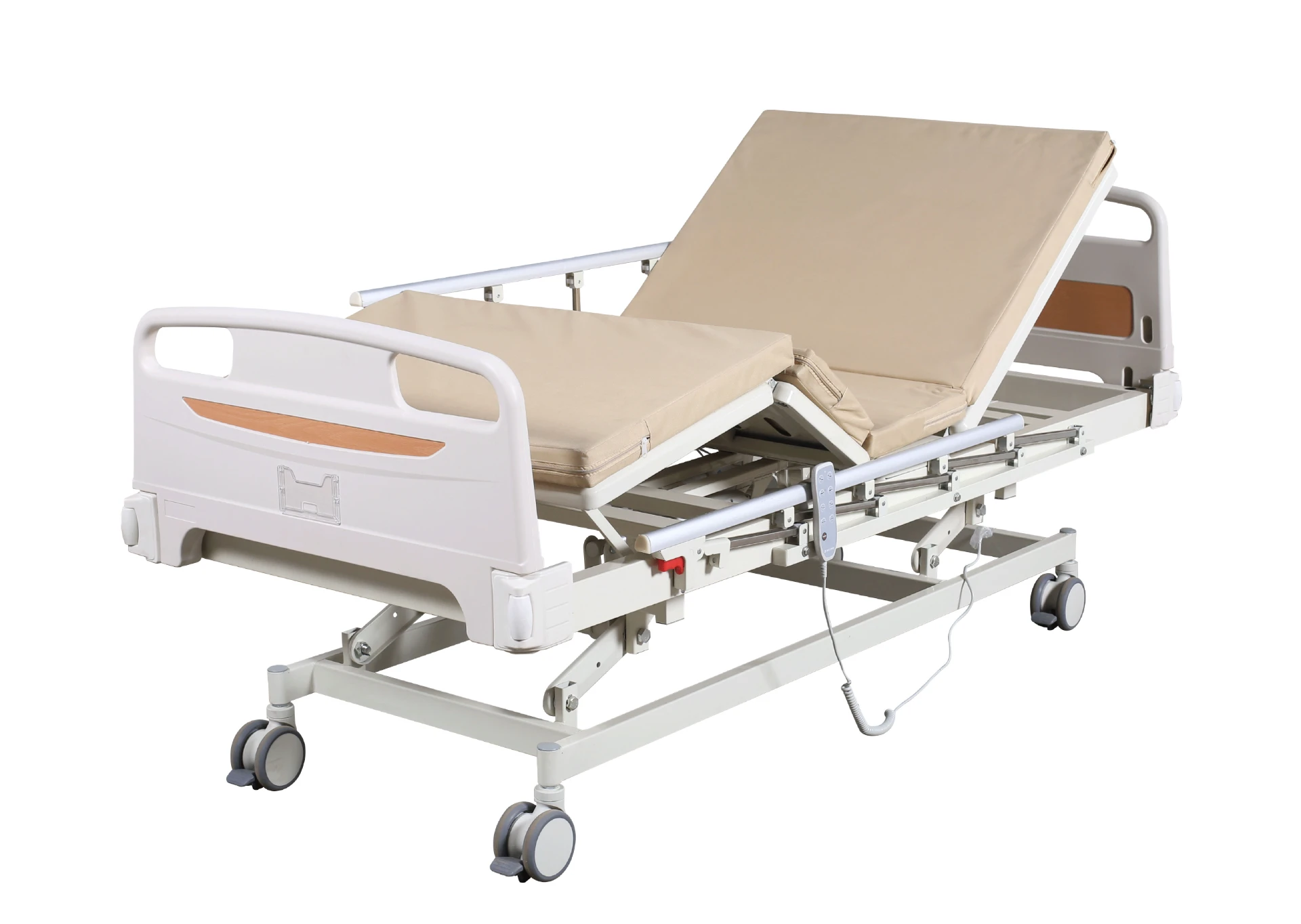
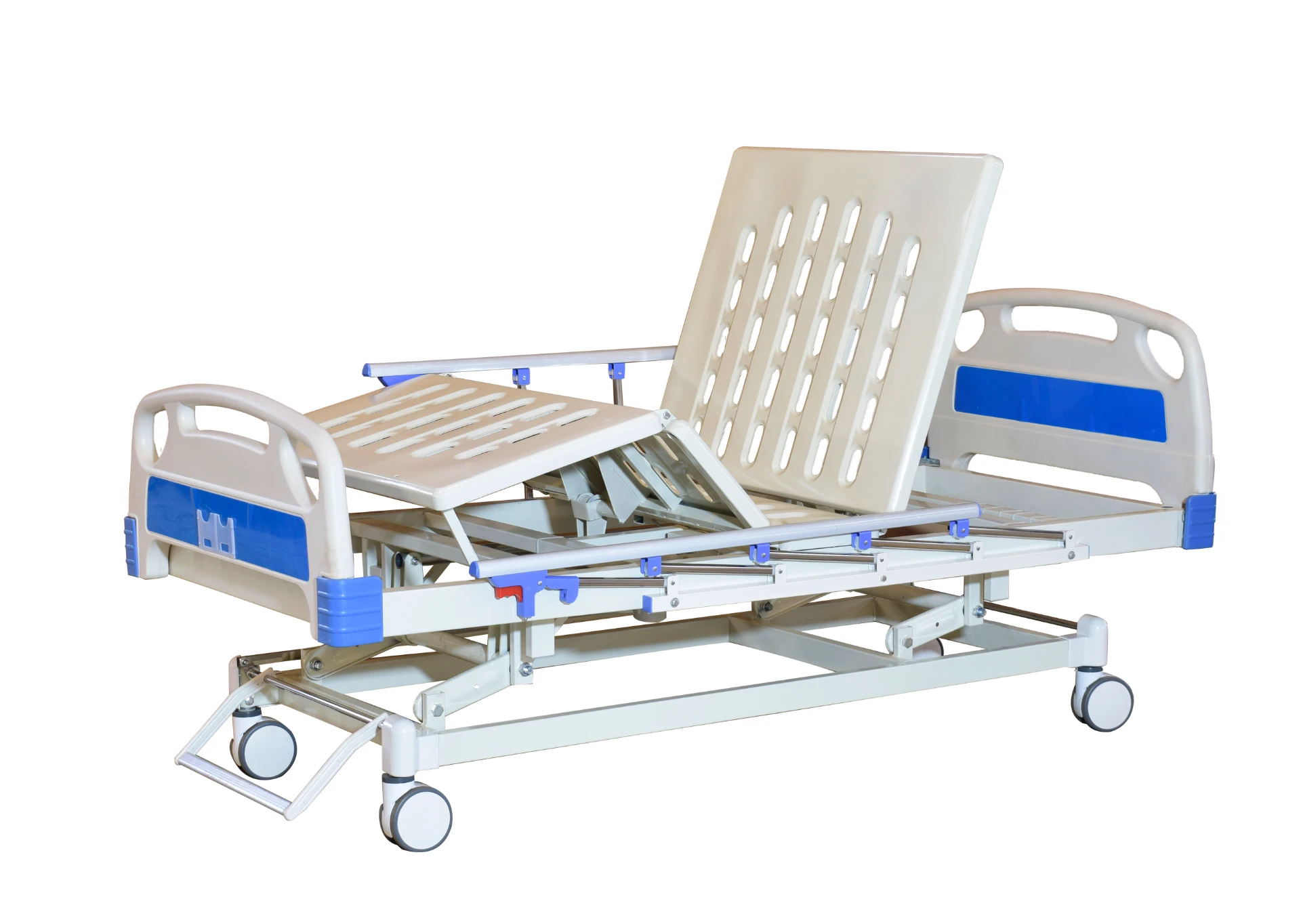
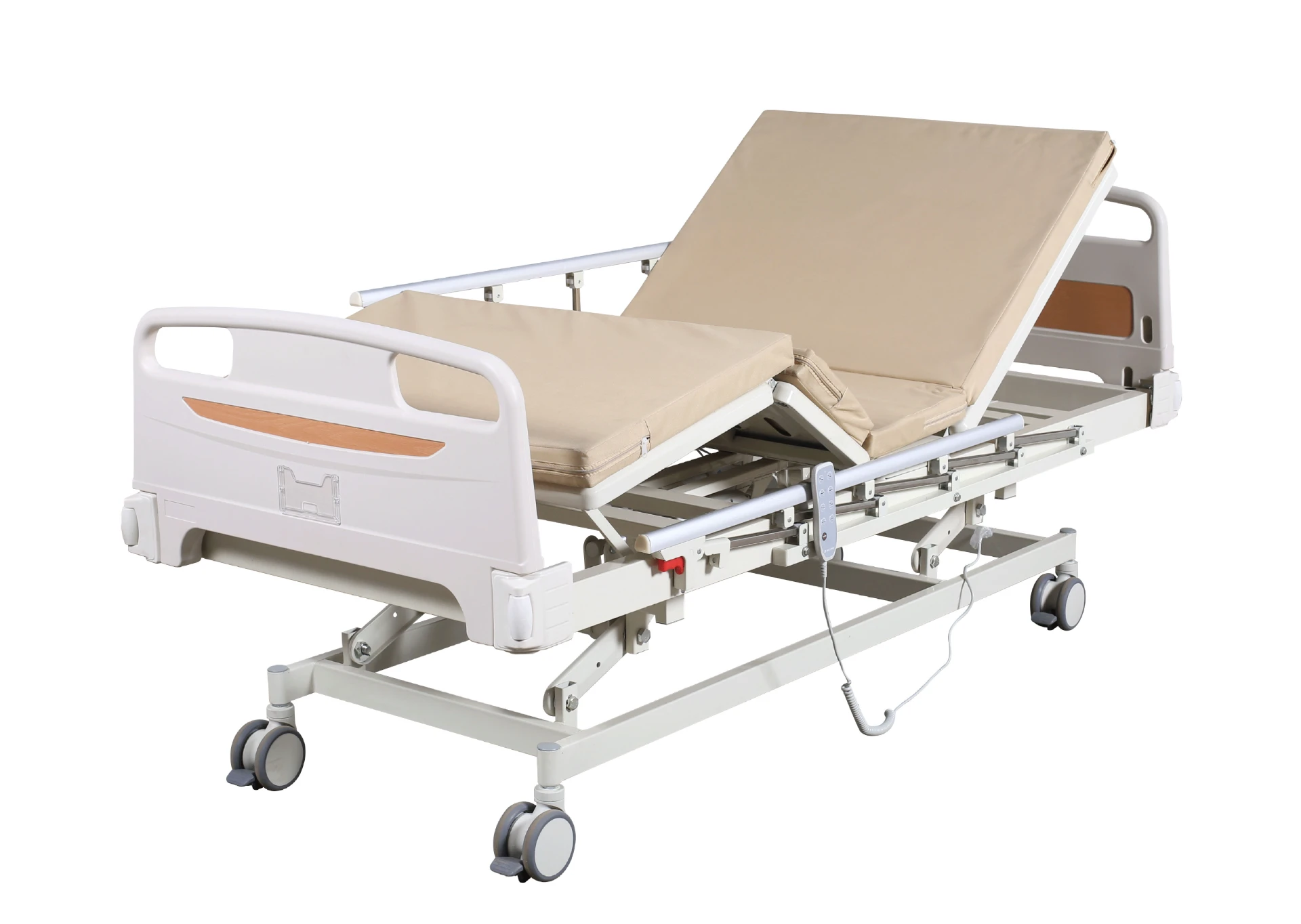
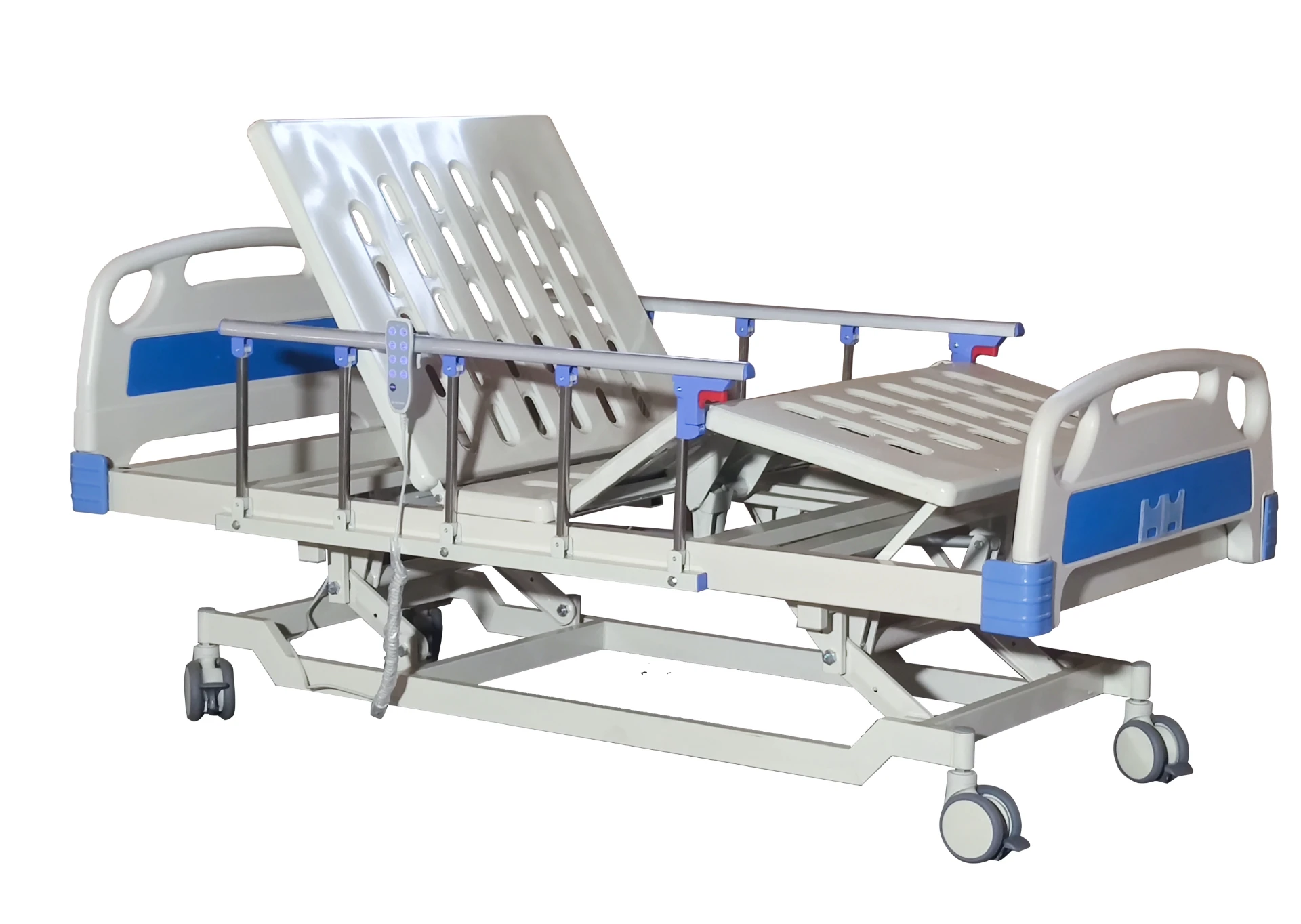
Simply put, a bed side table in hospital is a compact, mobile or fixed table placed next to a patient’s bed. It’s designed to keep essential items close — think medicines, water, personal effects, or even meals. Unlike ordinary bedside furniture, these tables have specific features addressing medical environments: antimicrobial surfaces, smooth edges, and easy mechanisms for adjustments or mobility.
The fitment in hospital rooms goes beyond convenience. They support nursing workflows by organizing medical tools for quick access and create a safe zone minimizing contamination risks. In humanitarian setups or temporary care units, portable bedside tables also assist in fast deployment to meet urgent needs.
Core Components & Must-Have Features of Hospital Bedside Tables
1. Durability and Hygiene
Hospital furniture demands resilient materials resisting scratches, chemicals, and frequent cleaning. Most use stainless steel, high-grade plastics, or coated boards that withstand harsh disinfectants. For example, antimicrobial coatings reduce bacterial growth — a simple feature that can majorly reduce infection risks.
2. Mobility & Adjustability
Many bedside tables feature lockable caster wheels enabling easy movement around beds or between rooms. Adjustable height and angles provide ergonomic access for patients with limited mobility. This flexibility also supports nursing staff in optimizing workspace.
3. Storage Solutions
Drawers or shelves for storing pills, medical devices, or personal items keep clutter off beds and floors. Often, these compartments lock for patient safety. Good storage reduces retrieval times and supports infection control by limiting items exposed.
4. Size & Compatibility
Tables need to fit various hospital beds and wards without blocking movement or equipment. Compact designs that slide under the bed or swivel help optimize space in cramped rooms.
5. Cost Efficiency and Maintenance
Balancing quality and price is critical, especially for large hospitals or facilities in developing regions. Easy maintenance materials and modular parts help prolong table lifespan, saving on replacement costs.
| Feature | Description | Benefit |
|---|---|---|
| Material | Stainless steel or antimicrobial plastic | Infection control, durability |
| Mobility | Lockable caster wheels | Easy repositioning, safe usage |
| Storage | Lockable drawers & shelves | Patient safety, organization |
| Adjustability | Height & angle adjustable surfaces | Ergonomics, accessibility |
Global Applications & Real-World Use Cases
Hospitals in North America and Europe often showcase cutting-edge designs featuring antimicrobial surfaces and digital integration, like built-in charging ports. In contrast, hospitals across Asia and Africa focus on rugged, cost-effective models suitable for high-traffic and limited maintenance scenarios.
In post-disaster relief situations, lightweight and portable bedside tables become indispensable for establishing field hospitals quickly. Humanitarian organizations value models that are easy to clean and transport. Industrial medical clinics in remote zones benefit from ergonomic, durable tables that withstand harsh environments while supporting patient dignity.
For a practical example, one healthcare NGO working in rural India reported a noticeable improvement in patient satisfaction and staff efficiency after switching their bed side table in hospital inventory to modular designs with better storage and lockable drawers.
The Long-Term Value of Quality Hospital Bed Side Tables
Cost isn’t just purchase price here. Hospitals notice benefits when tables are easier to clean (reducing labor hours), are resistant to damage (avoiding replacements), and support infection control efforts (lowering patient risk and liability). There’s a kind of peace of mind for patients too — feeling their environments are clean, safe, and comfortable bolsters dignity during stressful times.
Logical benefits like improving nurse efficiency by reducing clutter and retrieval time combine with emotional factors like trust and safety perceptions. It’s a subtle but powerful effect that ripples across the entire patient experience.
Hospitals’ Bed Side Tables: Looking Ahead
Bright ideas are creeping in — sustainable materials like recycled plastics or bamboo composites are getting traction. Some vendors experiment with antimicrobial coatings incorporating silver ions or copper alloys. Digital trends include built-in UV-light sanitizers and USB charging ports.
Automation may seem a stretch for furniture, but I wouldn’t be surprised if future bedside tables come equipped with sensors monitoring patient vitals or medication schedules — an extension of smart patient rooms concept. And with increasing global focus on sustainability, expect regulations nudging hospitals toward greener furniture sourcing.
Common Challenges and Smart Solutions
One big hurdle is balancing cost with quality. Low-cost tables often compromise materials that may chip or harbor bacteria. On the other hand, high-end options can be too pricey for smaller hospitals or clinics in lower-income regions.
Hybrid approaches are emerging — using modular designs where certain parts can be replaced or upgraded, extending overall lifespan. Some hospitals introduce standardization efforts, maintaining a few trusted models, simplifying training and maintenance.
Plus, educating staff on proper cleaning routines tailored to furniture types is a surprisingly overlooked aspect of effective infection control linked to bedside tables.
FAQ: Your Bed Side Table in Hospital Questions Answered
- What materials are best for hospital bedside tables to prevent infections?
- Materials like stainless steel and antimicrobial plastics are preferred because they withstand frequent cleaning and resist bacteria growth. Coatings with silver or copper compounds further enhance infection control.
- How important is mobility in hospital bedside tables?
- Very important. Lockable caster wheels allow easy repositioning for cleaning and patient access, improving workflow and reducing contamination hotspots.
- Can bedside tables in hospitals support digital devices for patients?
- Yes, modern designs sometimes include USB ports or wireless charging pads, enhancing patient comfort and convenience during stays.
- How often should bedside tables be replaced or maintained?
- Depending on material and usage, tables should be inspected annually for damage or wear. Modular parts can be replaced as needed to extend lifespan, reducing full table replacement costs.
- Are portable bedside tables effective for temporary healthcare facilities?
- Absolutely. They allow quick setup, are easy to disinfect, and offer flexibility needed in dynamic environments such as field hospitals or disaster response units.
Conclusion: Why Choosing the Right Bed Side Table in Hospital Matters
Choosing the right bed side table in hospital isn’t just about furniture – it’s about patient safety, dignity, and efficient care delivery. From robust materials to smart designs, these tables quietly support healthcare professionals and comfort patients globally.
Thinking long-term, investing in quality bedside tables saves money, reduces infection, and enhances the overall hospital experience. If you’re exploring options, do check out some trusted vendors and designs meaningfully built around healthcare needs.
Ready for a closer look at the latest hospital bedside tables? Visit our website: https://www.cnboxin.com
| Vendor | Material Used | Price Range (USD) | Key Features | Warranty |
|---|---|---|---|---|
| MediFurnish Co. | Stainless steel with antimicrobial coating | $250–$400 | Lockable wheels, adjustable height, drawer locks | 5 years |
| CareSpace Solutions | High-grade plastic & coated MDF | $150–$300 | Lightweight, portable, antimicrobial surfaces | 3 years |
| HealthEquip Ltd. | Bamboo composite with eco-friendly coatings | $200–$350 | Sustainable, easy clean, height adjustable | 4 years |
References:
-
Ultimate Guide to Choosing Extra Wide Waiting Room ChairsNewsApr.16,2026
-
Guide to Choosing Professional Waiting Room Chairs Wipeable SeatingNewsApr.09,2026
-
Enhance Your Space with Comfortable Wide Waiting Room ChairsNewsApr.07,2026
-
Selecting the Ideal Brown Waiting Room Chairs for a Welcoming SpaceNewsApr.04,2026
-
Choosing Comfortable Patient Waiting Room Chairs for Healthcare FacilitiesNewsMar.31,2026
-
Finding the Best Deals on Affordable and Cheap Reception Chairs for Your BusinessNewsMar.28,2026
-
Enhance Your Business Reception with Comfortable Blue Reception ChairsNewsMar.26,2026