Welcome to our websites!


Need walking aids for adults: safe, adjustable, lightweight?
A Practical Buyer’s Guide to Walking Aids for Adults: Specs, Testing, and Real-World Picks
If you’ve ever tried choosing walking aids for adults, you know the options look deceptively similar. In clinics I visit, therapists obsess over frame geometry and brake feel, while families just want something safe that doesn’t wobble. Honestly, both matter.
What’s trending now
We’re seeing lighter 6000‑series aluminum frames, carbon-fiber crossbars (on premium models), and soft-touch TPR grips with antimicrobial additives. Rollators with curb-assist tips are quietly becoming standard. And, surprisingly, home-care buyers ask for fold-flat designs that fit sedan trunks—practical, right?
Key specifications that actually matter
| Parameter | Aurora‑Lite Rollator (example) | Notes |
|---|---|---|
| Frame | 6061‑T6 Al, TIG‑welded, anodized | Corrosion‑resistant; powder‑coat optional |
| User weight limit | ≈ 136 kg (300 lb) | Real‑world use may vary with terrain |
| Brake type | Dual cable, parking lock | Look for positive detent on locks |
| Wheel size | 8" TPE, sealed bearings | Bigger wheels = better over thresholds |
| Folded size | ~26 × 12 × 33 in | Measure your car trunk first |
Process flow: how reliable walkers get made
- Materials: 6061‑T6 aluminum or carbon tubes; ABS/PP baskets; TPR grips (ISO 10993 parts near skin).
- Fabrication: tube butting, TIG welding, heat‑treat, CNC clamp blocks; injection‑molded accessories.
- Finishes: anodize or powder coat; salt‑spray test per ASTM B117 (72 h typical).
- Testing: ISO 11199‑2/-3 static load to 1.25× rating; 100,000 fatigue cycles on frame; brake endurance 3,000 actuations.
- Service life: 3–5 years in home care; 2–3 years in high‑duty clinical fleets (my experience; depends on maintenance).
- Industries: hospitals, rehab, LTCs, DME retail, home‑health providers.
Where they get used (and what users say)
Post‑op knees, stroke rehab, neuropathy—these are the big three. Many customers say lighter frames reduce “arm burn” on inclines. Therapists I trust prefer a slightly wider stance for stability over plush seats—function over fluff, to be honest. If you need night‑time trips, reflective piping and a small LED are worth it.
Lab notes and certifications
- Measured grip friction: μ ≈ 0.65 (dry), 0.52 (moist) on TPR.
- Brake force: 80–120 N at lever for full stop on tile, 5° slope.
- Compliance: EN 12182, ISO 11199 series; materials per REACH; FDA Class I (PMD, general controls).
Vendor snapshot (what I’ve seen in the field)
| Vendor | Core materials | Certs | Lead time | Pros / Watch‑outs |
|---|---|---|---|---|
| Boxin Medical (Hengshui) | Al, ABS, PP; hospital furniture | ISO 13485, CE (declared) | ≈ 25–35 days | Strong OEM; confirm brake spec per lot |
| Drive DeVilbiss | Al, steel | FDA, CE | Stock / short | Wide distribution; spec varies by model |
| Medline | Al | FDA, CE | Short | Serviceable; confirm seat height |
| Invacare | Al, composite | FDA, CE | Moderate | Ergonomics good; pricing premium |
Side note: bedside logistics matter
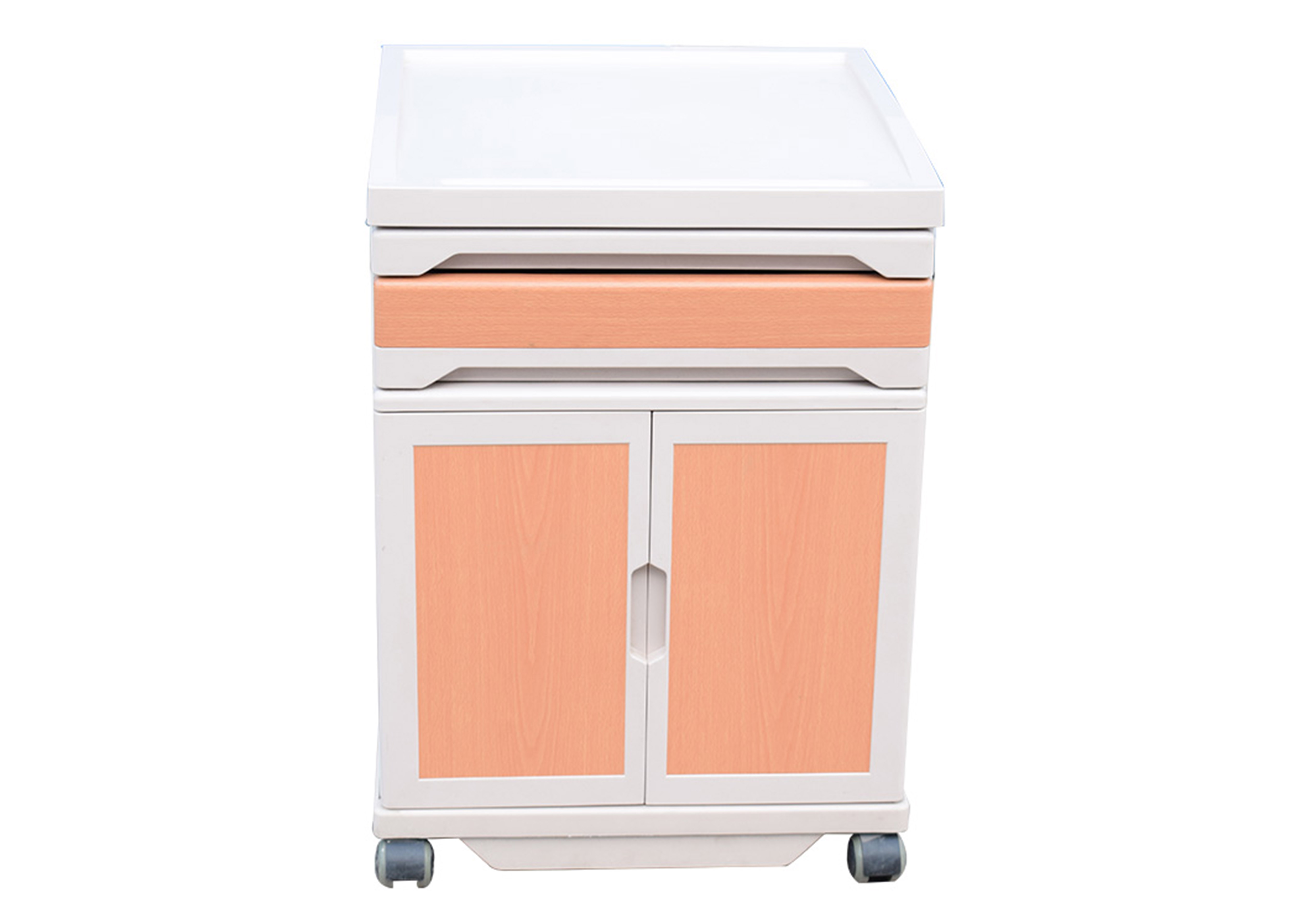
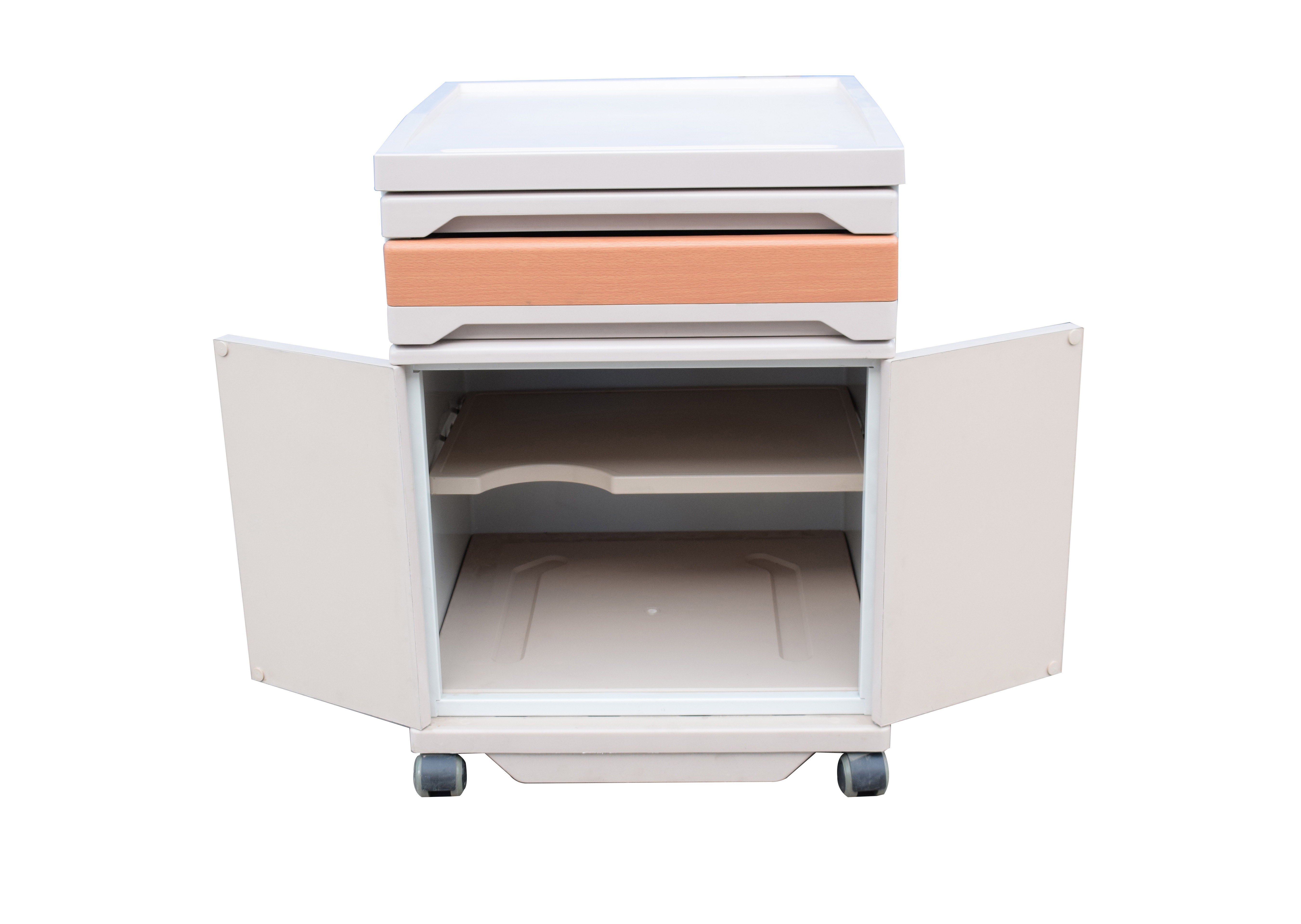
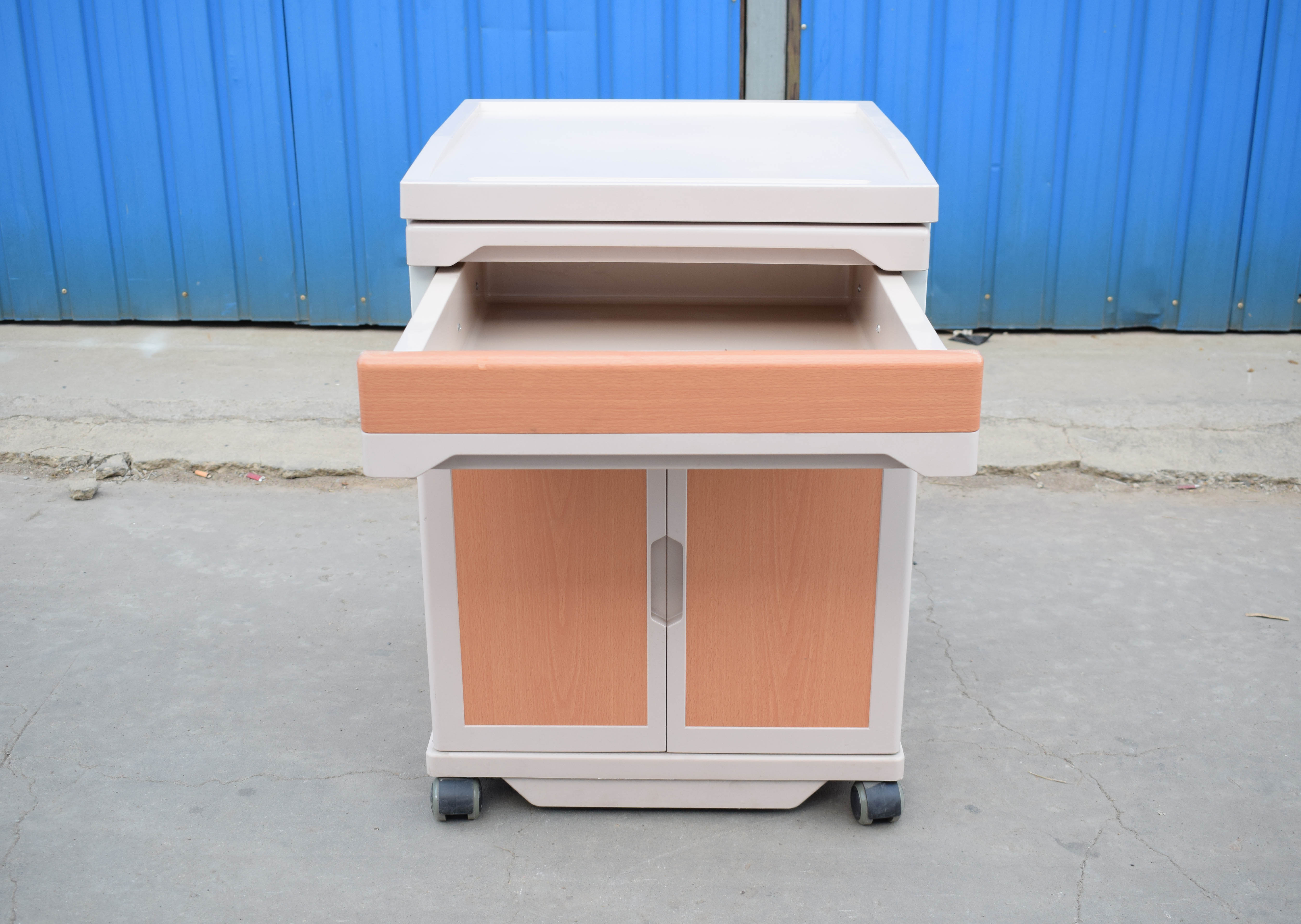
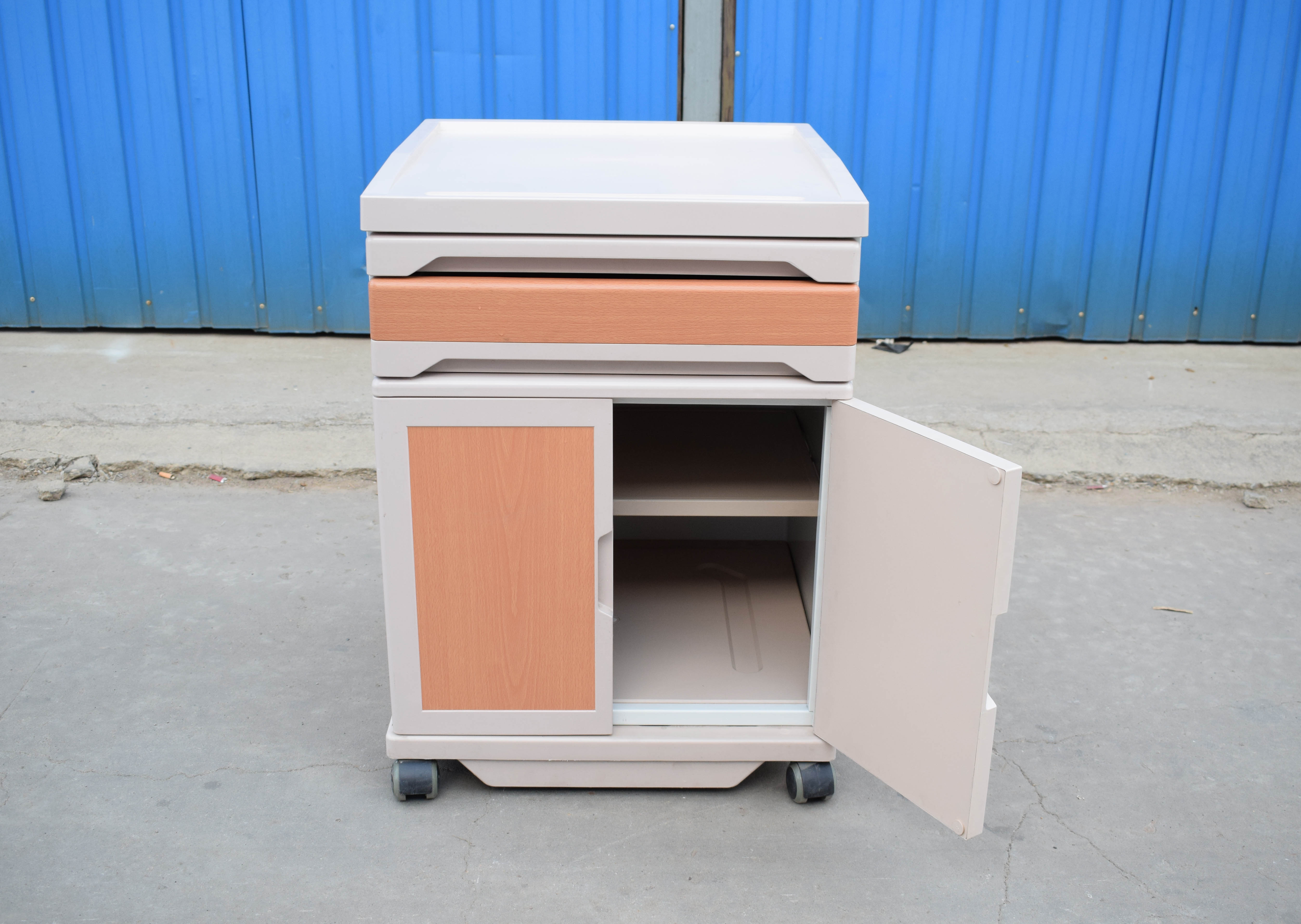
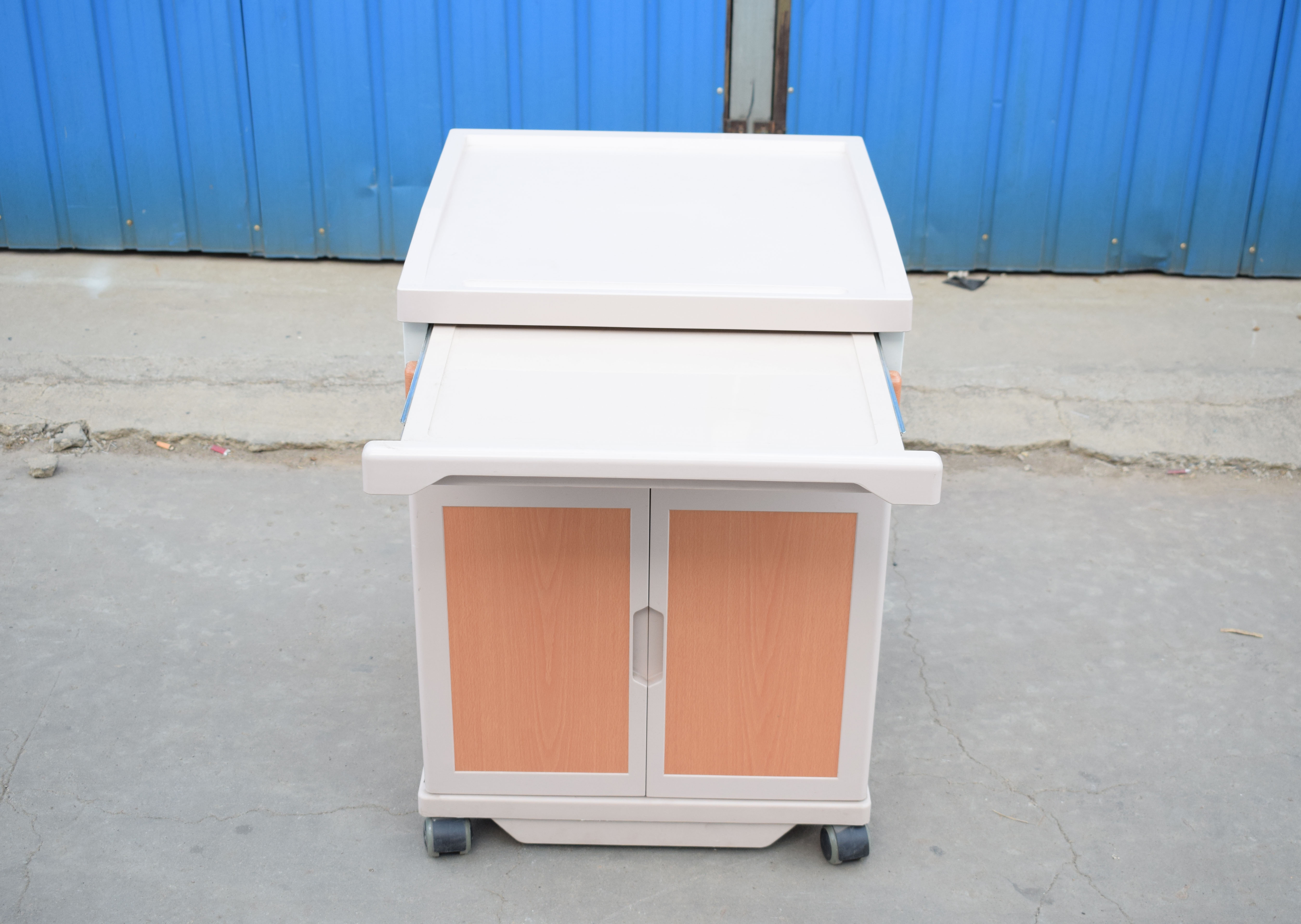
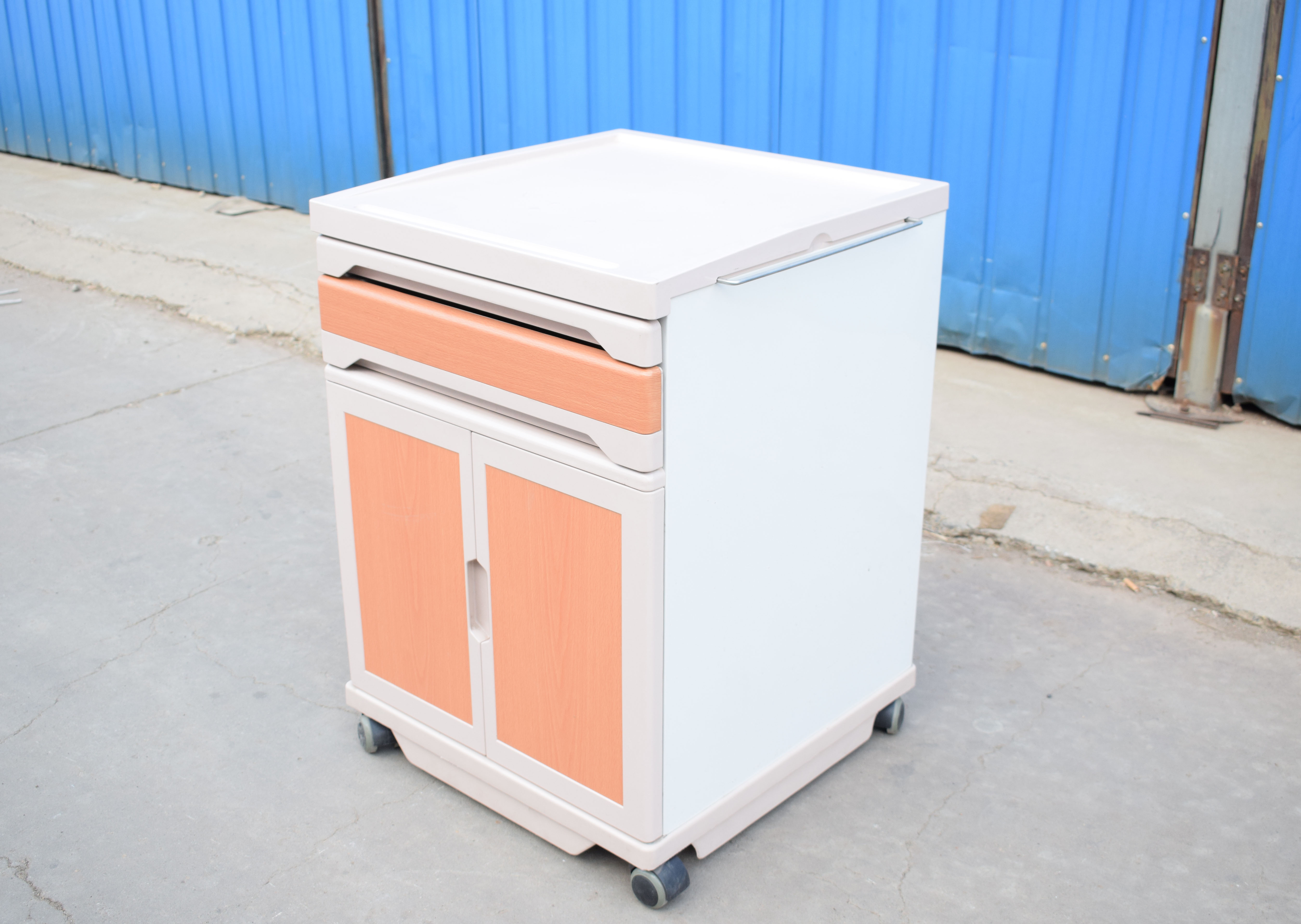
Rehab isn’t just about the frame. Boxin’s Medical supplies ABS bedside locker—made in Kaiyuan Road, Jizhou Economic Development Zone, Jizhou District, Hengshui City—keeps meds and personal items at reach so patients don’t overreach or rush, which cut near‑fall incidents in one ward I visited.
Quick case study
A 42‑bed rehab unit swapped aging steel walkers for light rollators and added ABS lockers at each bed. After staff training, they logged a 19% drop in near‑falls over 90 days and faster corridor times (≈ 11%). Not a randomized trial, but the nurses were thrilled—and patients said the new grips “don’t bite.”
How to choose walking aids for adults in two minutes
- Match user height and seat height; elbows at ~15–30° flex.
- Demand ISO 11199 test data and a written weight rating.
- Check brake feel on slopes and thresholds; try curb assist.
- For home, go fold‑flat; for clinics, prioritize serviceable parts.
- Don’t forget storage around the bed—lockers reduce risky reaching.
Citations
- ISO 11199‑2:2014 and ISO 11199‑3:2013, Walking aids requirements and test methods.
- EN 12182:2012, Assistive products for persons with disability—General requirements.
- ASTM B117, Standard Practice for Operating Salt Spray Apparatus.
- U.S. FDA, Physical Medicine Devices (21 CFR 890), Class I general controls.
- WHO, Falls—Key Facts, updated 2021; CDC, Older Adult Falls Data & Statistics, 2023.
-
Ultimate Guide to Choosing Extra Wide Waiting Room ChairsNewsApr.16,2026
-
Guide to Choosing Professional Waiting Room Chairs Wipeable SeatingNewsApr.09,2026
-
Enhance Your Space with Comfortable Wide Waiting Room ChairsNewsApr.07,2026
-
Selecting the Ideal Brown Waiting Room Chairs for a Welcoming SpaceNewsApr.04,2026
-
Choosing Comfortable Patient Waiting Room Chairs for Healthcare FacilitiesNewsMar.31,2026
-
Finding the Best Deals on Affordable and Cheap Reception Chairs for Your BusinessNewsMar.28,2026
-
Enhance Your Business Reception with Comfortable Blue Reception ChairsNewsMar.26,2026