Welcome to our websites!


Full Electric Homecare Bed – Durable & User-Friendly Solutions
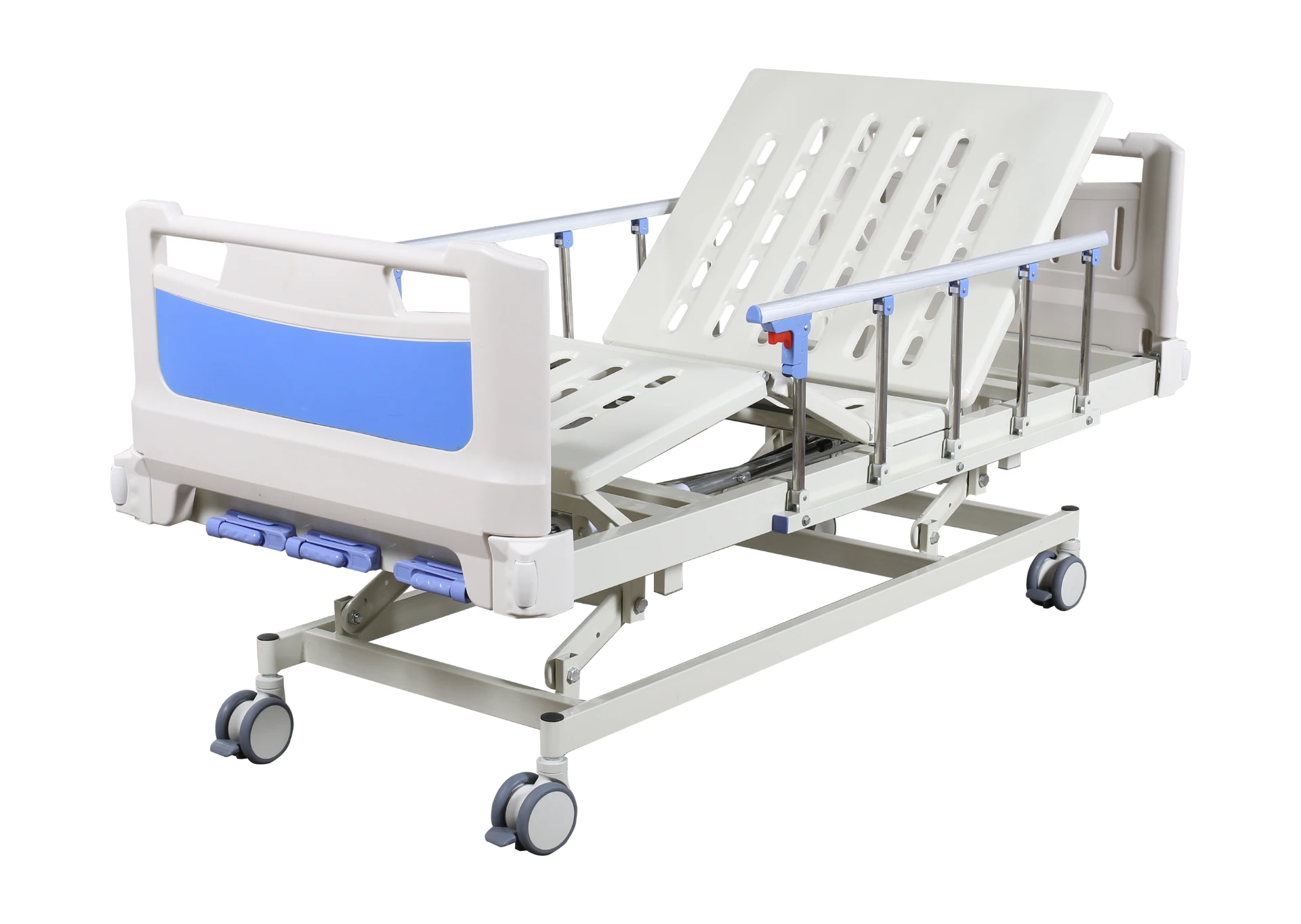
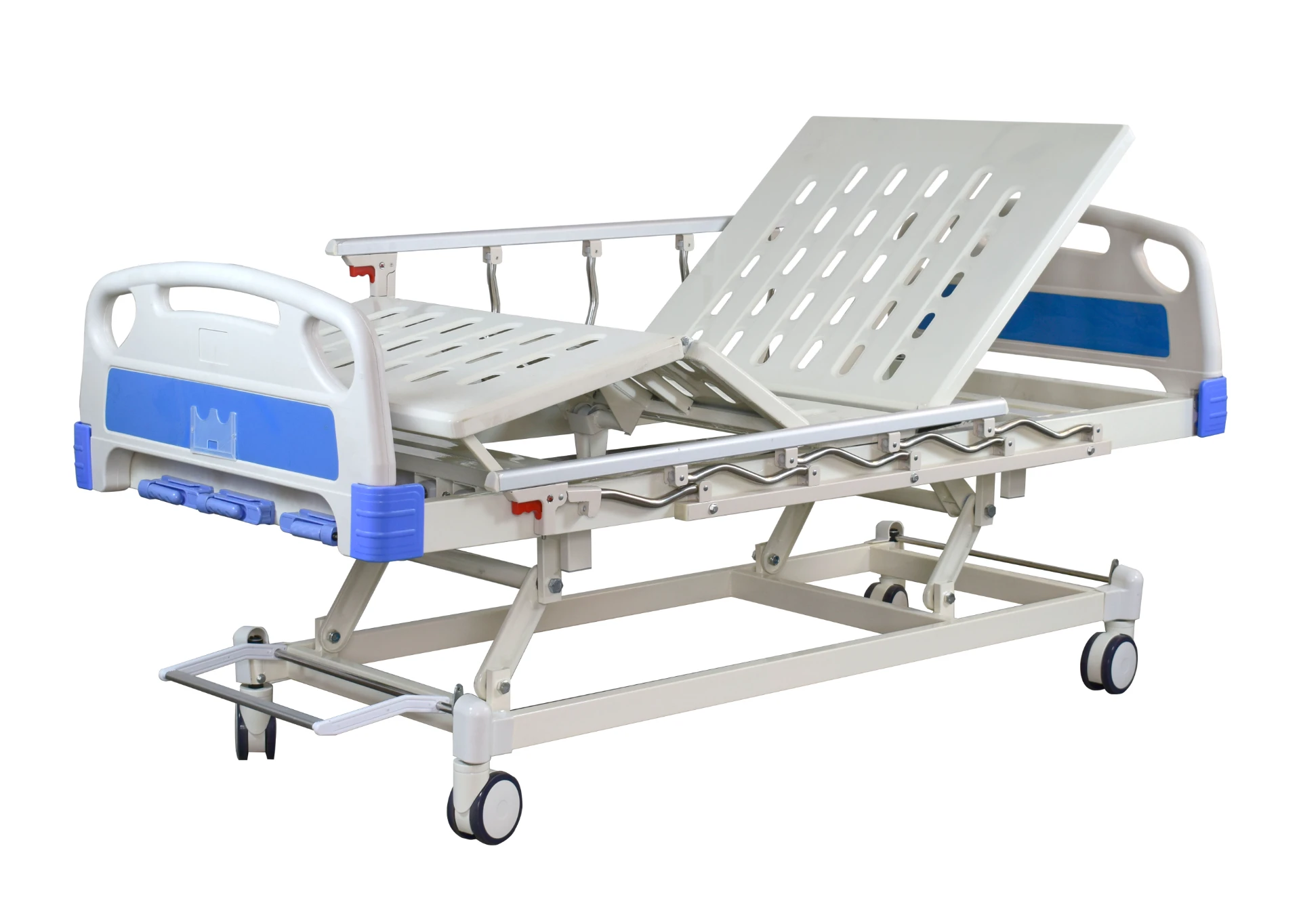
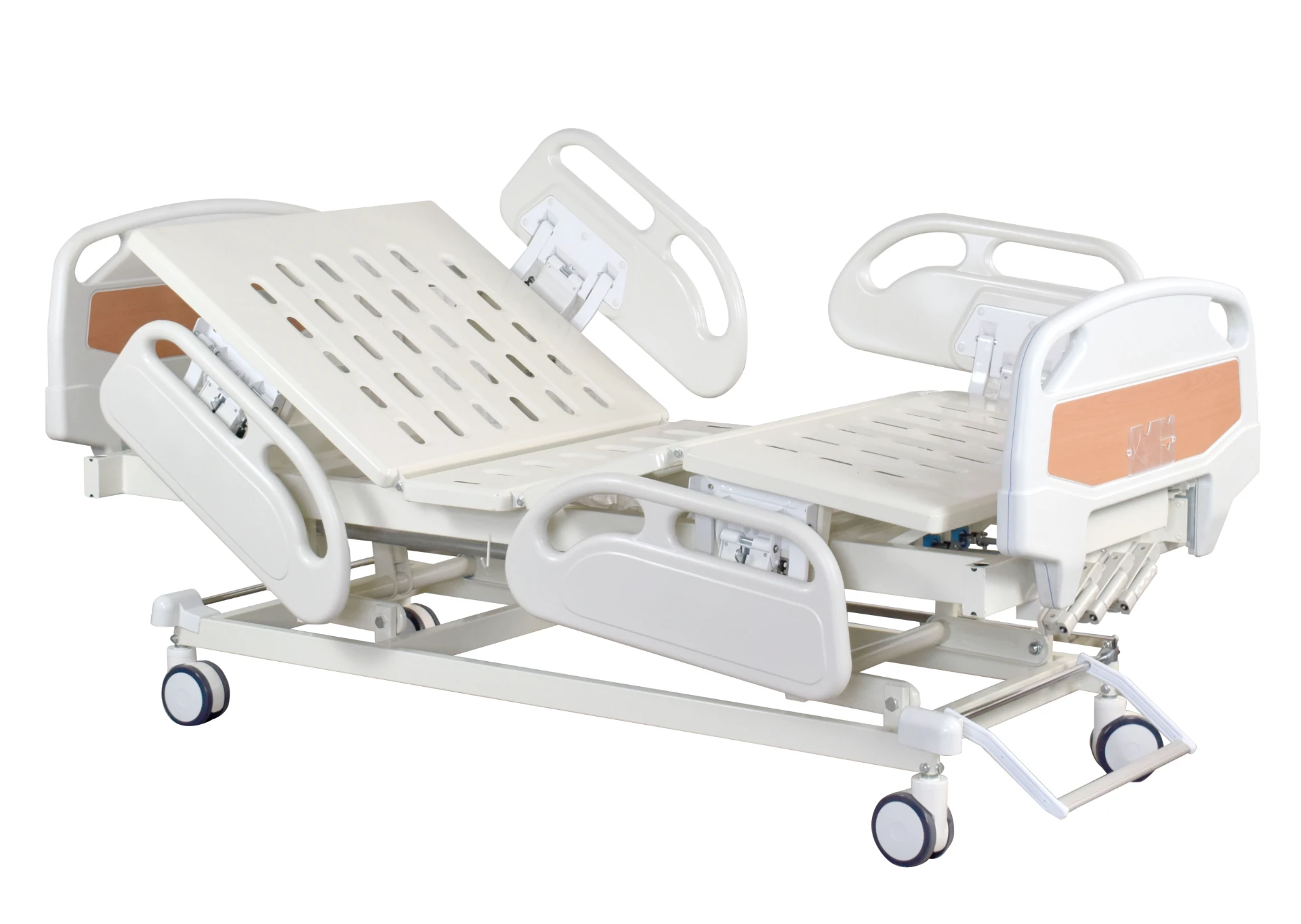
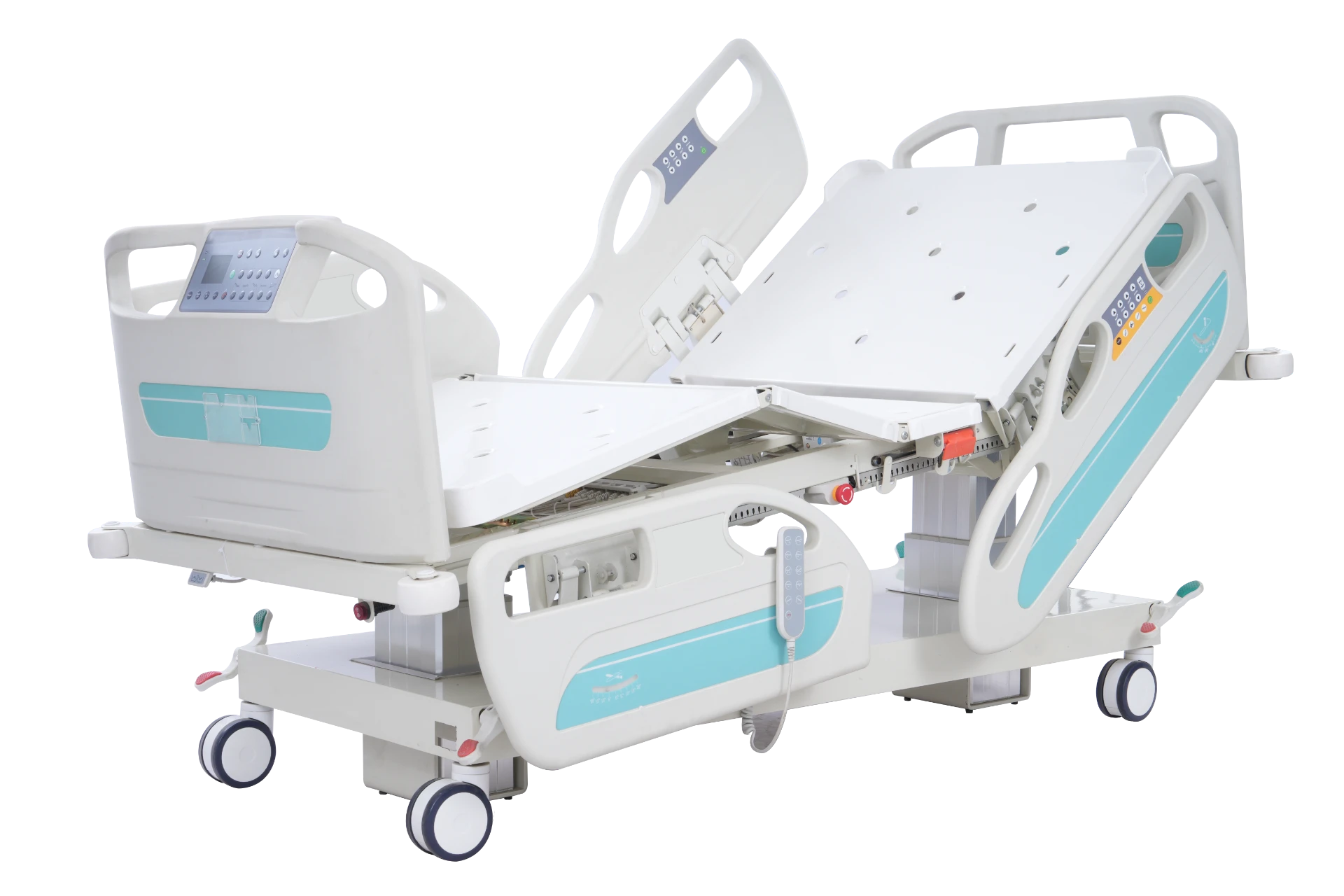
Why a Full Electric Homecare Bed Makes All the Difference
Having spent more than a decade around industrial equipment—from factory floors to hospital supply chains—I’ve come to appreciate machines that marry durability with intuitive design. That’s exactly the kind of blend you find in a full electric homecare bed. Oddly enough, it’s not just about tech specs or flashy functions; it’s how a product genuinely improves daily life for users and caregivers that counts.
Let me take you through what you need to know before picking one, based on years of watching these beds in action. You’ll hear about materials, customization, reliability, and yes, some real-world impressions that don’t always make it into product sheets.
Material & Construction: The Backbone
Most full electric homecare beds rely on robust steel frames with anti-corrosion coatings—because frankly, medical environments demand it. The surfaces need to be easy to clean but without losing structural strength. What caught my eye early on is the thoughtful design around the joints and motors—many engineers say this is where reliability often wins or loses.
In one patient’s home I visited, the bed’s smooth motorized frame adjustment quietly supported her morning routines without any jerks or hesitations. This smoothness is often thanks to quality motors, frequently brushless DC types for long life and low noise.
Customization & Controls: A User-Centered Approach
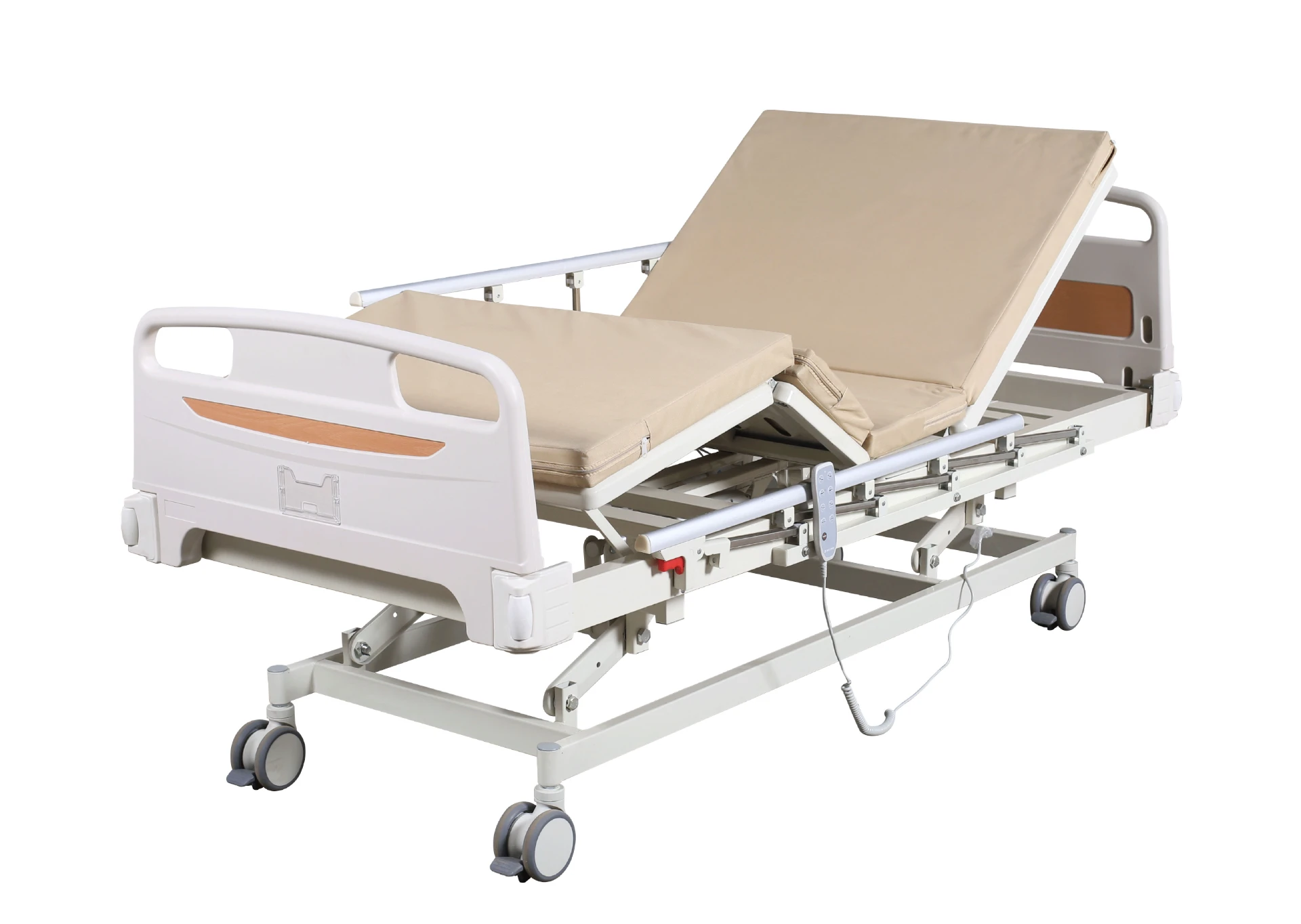
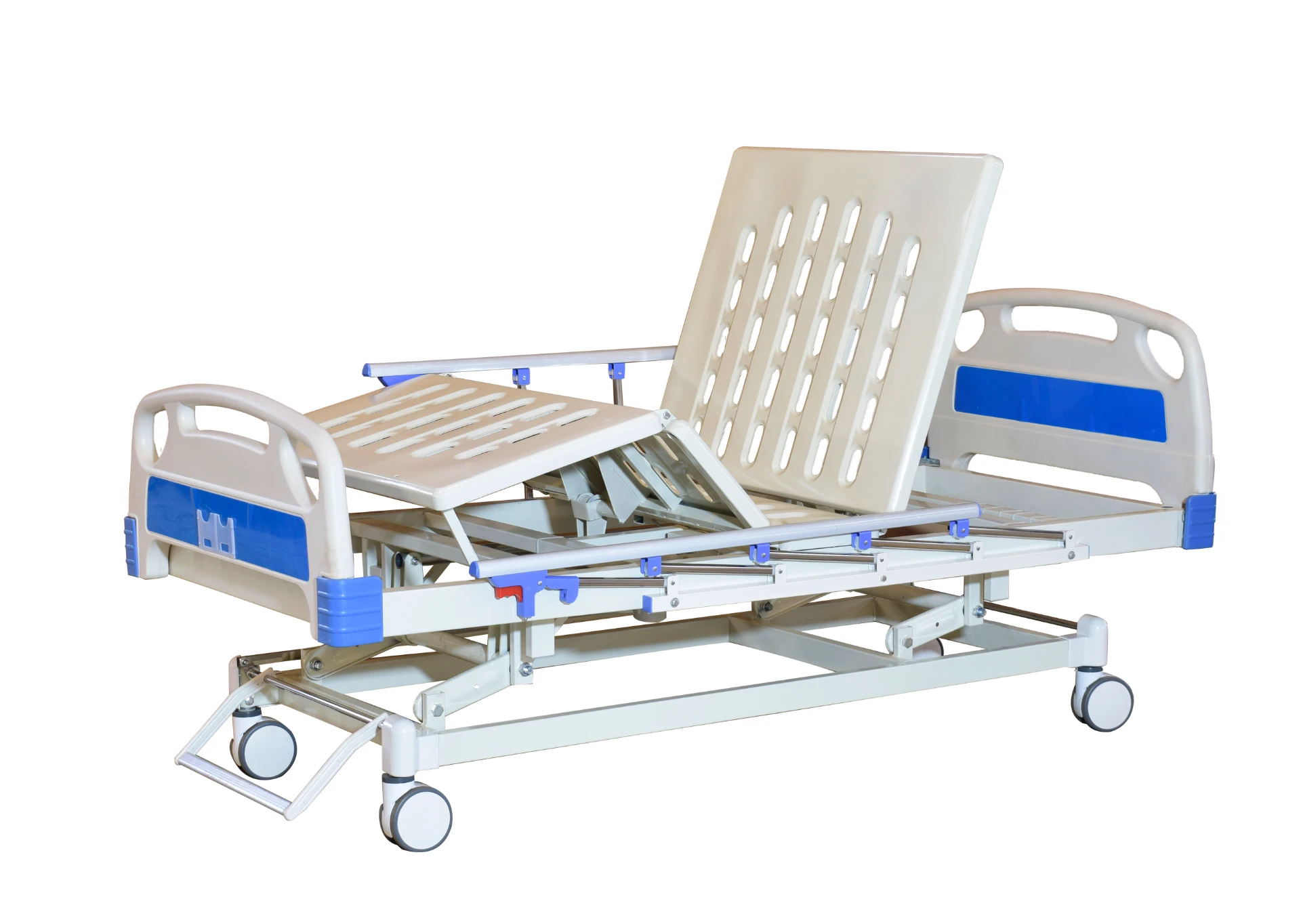
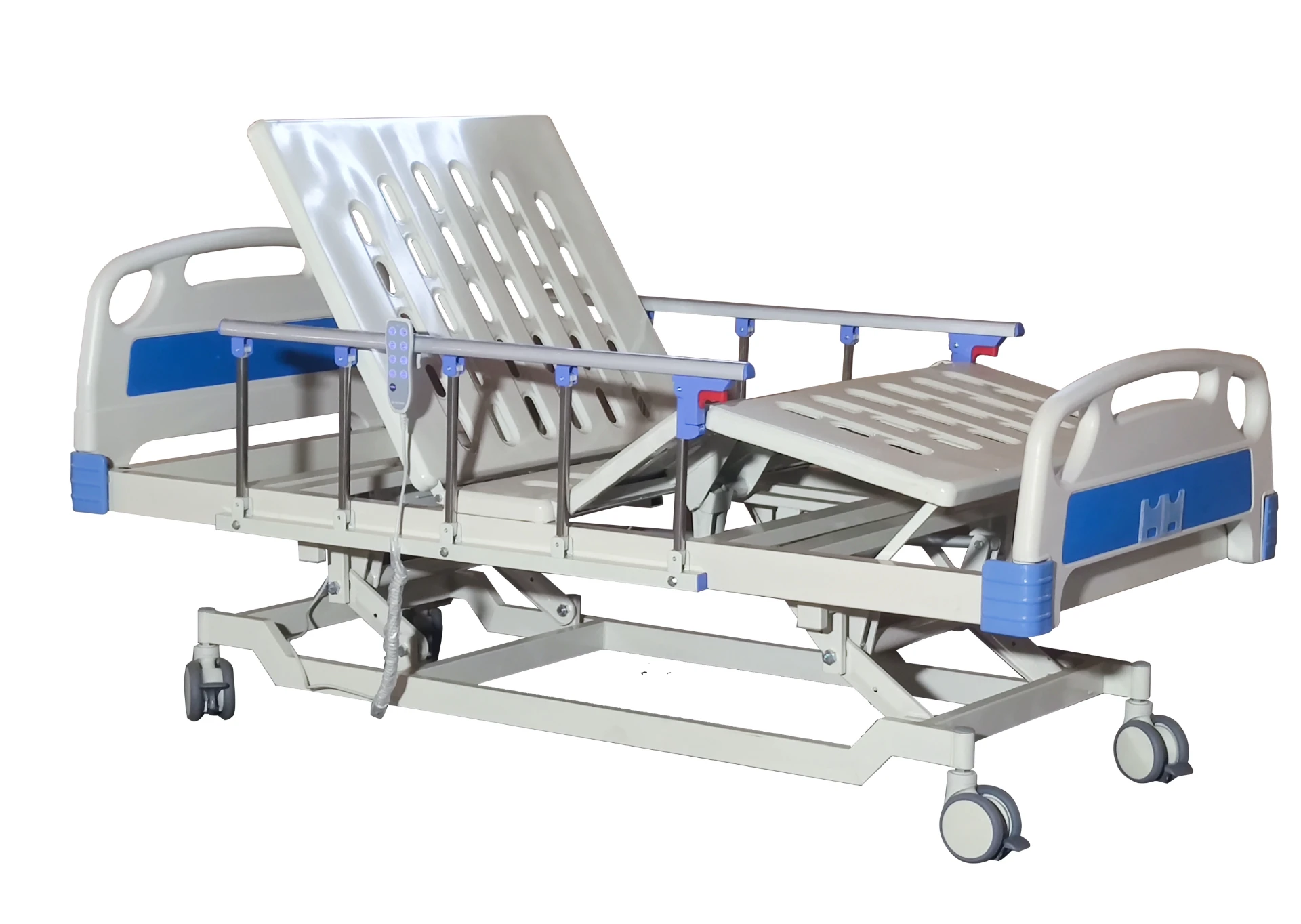
Now, here is where it gets interesting. These beds are rarely one-size-fits-all. Some come with wired hand controls, while others have wireless remotes or even smartphone app compatibility. The intuitive positioning controls—head incline, foot lift, height raise—actually make a huge difference for caregiving and patient comfort.
Customization extends beyond the mechanics: mattress options, side-rails, and accessory mounts often factor into a purchase decision. Each feature contributes not just to comfort but to safety and independence. A nurse I once spoke with appreciated the programmable positions that let her customize the patient’s routine, reducing the need for manual repositioning and preventing pressure sores.
Testing & Durability: Not Just About Passing Standards
Industrial-grade testing is crucial for any homecare bed. They undergo rigorous cycling tests (thousands of adjustment cycles) plus weight load, electric safety, and even emergency backup functionality. Materials and workmanship vary, so it’s worth checking manufacturer standards beyond the bare minimum.
In real terms, a bed that’s easy to maintain and repair translates into a better investment over time. For example, modular motors and replaceable parts in a few models stand out as smart design choices that the industry is slowly adopting.
| Feature | Specification |
|---|---|
| Frame Material | Powder-coated steel |
| Adjustments | Head, foot, height motorized |
| Max Load Capacity | 150 kg (330 lbs) |
| Control Type | Wired remote (optional wireless) |
| Power Supply | AC 110-240V, with battery backup |
| Safety Features | Side rails, emergency stop |
Comparing Leading Vendors: What Sets Them Apart?
Having worked with products from multiple vendors, I noticed clear differences beyond the specs—especially in after-sales services and customization options. The table below sums up some that regularly come up in client discussions.
| Vendor | Warranty | Customization Options | Availability of Spare Parts | After-Sales Support |
|---|---|---|---|---|
| Boxin Medical | 3 years | High (motors, rails, mattresses) | Excellent (wide network) | 24/7 hotline, on-site support |
| ComfortCare Inc. | 2 years | Medium (standard motors, rails) | Good (regional) | Business hours only |
| HomeEase Medical | 1 year | Low (limited choices) | Limited | Online chat only |
In Closing: What I’ve Learned From Years in the Field
There’s a lot of buzz about electric homecare beds right now, and rightly so—these beds bring dignity and ease to users and caregivers alike. Choosing well is part tech savvy, part knowing what matters on the ground.
It feels like the best products have got that rough-and-ready industrial backbone yet don’t sacrifice smooth, user-friendly controls. And while specs help, sometimes the real “wow” is a staff nurse saying the bed actually lets her focus more on care and less on logistics.
So yes, a good full electric homecare bed isn’t just equipment; it’s a trusted partner in care.
Reflections: In my experience, investing time in vendor comparison always pays off. Also, don’t underestimate the value of after-sales support for complex equipment like this.
Sources:
1. Industry reports on medical equipment durability
2. Interviews with healthcare professionals
3. Product catalogues and technical manuals from key manufacturers
-
Ultimate Guide to Choosing Extra Wide Waiting Room ChairsNewsApr.16,2026
-
Guide to Choosing Professional Waiting Room Chairs Wipeable SeatingNewsApr.09,2026
-
Enhance Your Space with Comfortable Wide Waiting Room ChairsNewsApr.07,2026
-
Selecting the Ideal Brown Waiting Room Chairs for a Welcoming SpaceNewsApr.04,2026
-
Choosing Comfortable Patient Waiting Room Chairs for Healthcare FacilitiesNewsMar.31,2026
-
Finding the Best Deals on Affordable and Cheap Reception Chairs for Your BusinessNewsMar.28,2026
-
Enhance Your Business Reception with Comfortable Blue Reception ChairsNewsMar.26,2026