Welcome to our websites!


Durable Patient Room Furniture for Modern Healthcare Needs
Why Quality Patient Room Furniture Matters More Than Ever
In my years working around industrial and medical environments, one thing's clear: patient room furniture isn't just about filling a space. It’s a subtle blend of safety, comfort, and practicality — all wrapped up in materials tough enough to stand constant use. You don’t want chairs that squeak or beds that feel flimsy when every second counts.
Oddly enough, many hospitals underestimate how much the “right” furniture affects recovery and workflow. It’s not just about aesthetics. Take patient chairs, for example — if they're ill-designed, patients might find themselves struggling to reposition, while nurses waste precious time adjusting or improvising. Meanwhile, families and staff benefit from a calm, welcoming environment, which oddly enough, can sometimes be helped by a well-placed, thoughtfully designed overbed table.
Key Features to Look for in Patient Room Furniture
Simply put, durability is king. I've seen chairs endure everything from accidental spills to the occasional impatient feet tapping. Materials like powder-coated steel frames paired with antimicrobial fabrics have become standard, reflecting the push for infection control. Plus, many engineers say ergonomics is no longer optional — patients should be supported effortlessly, not left to figure out how to sit safely after hours of discomfort.
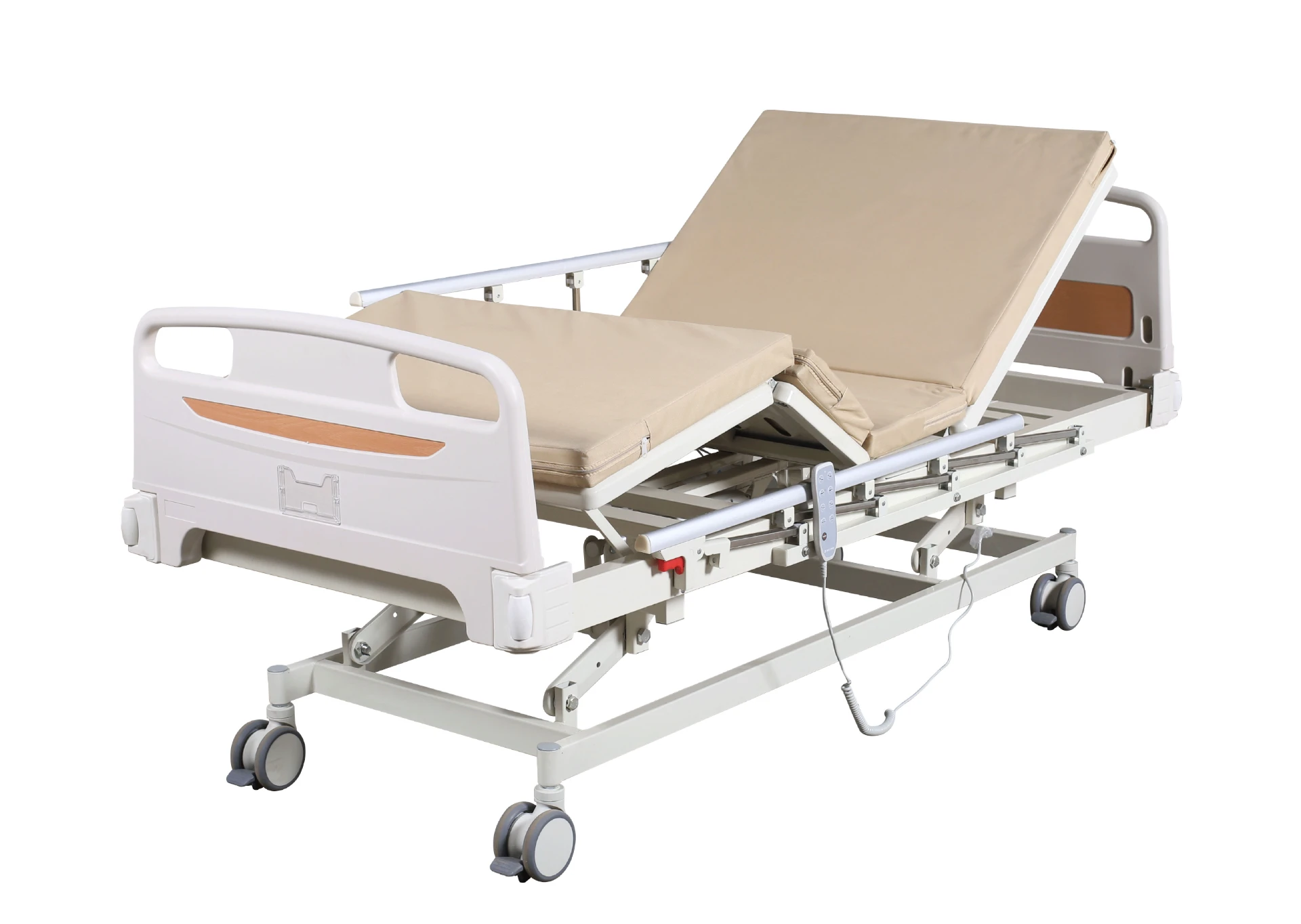
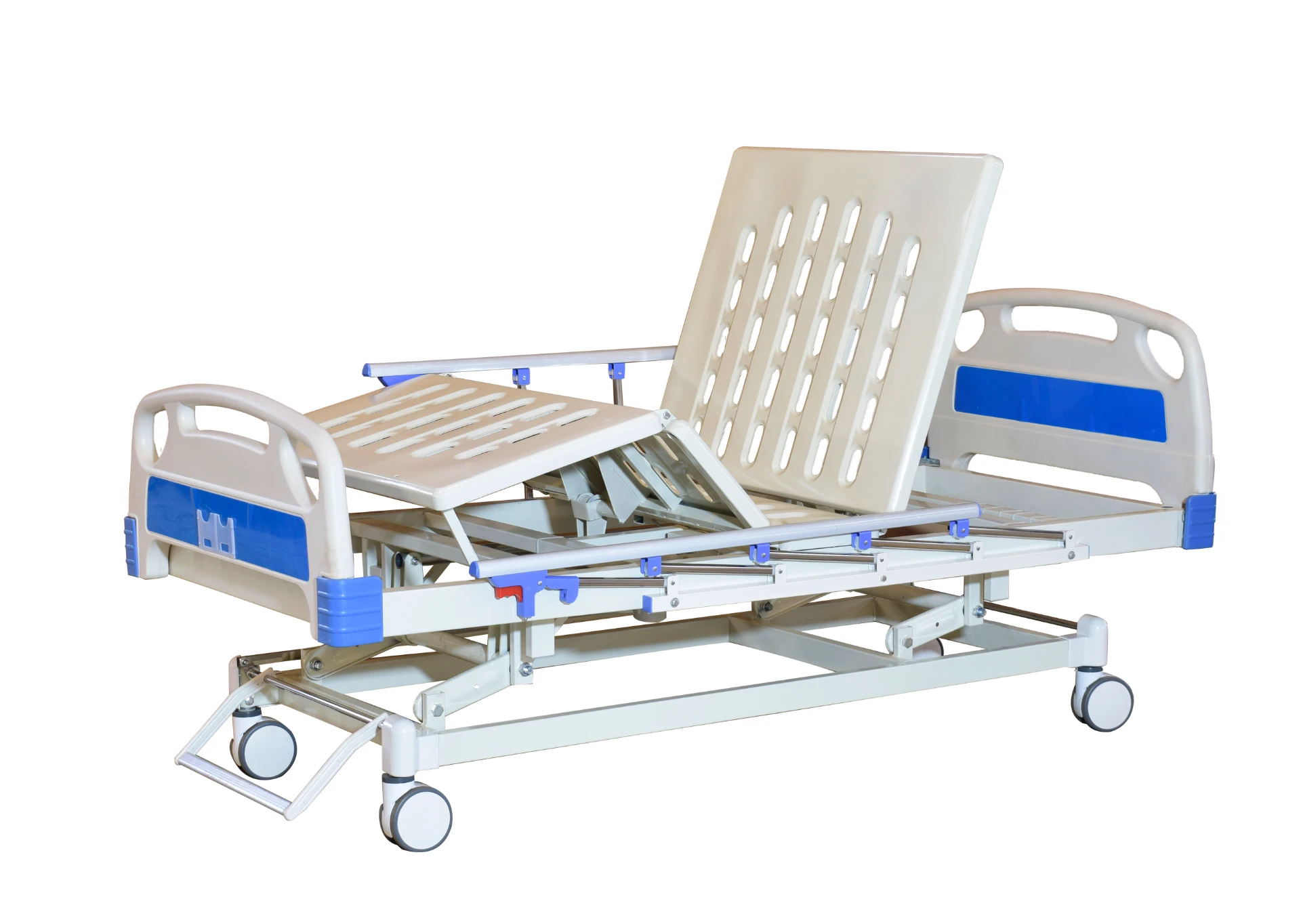
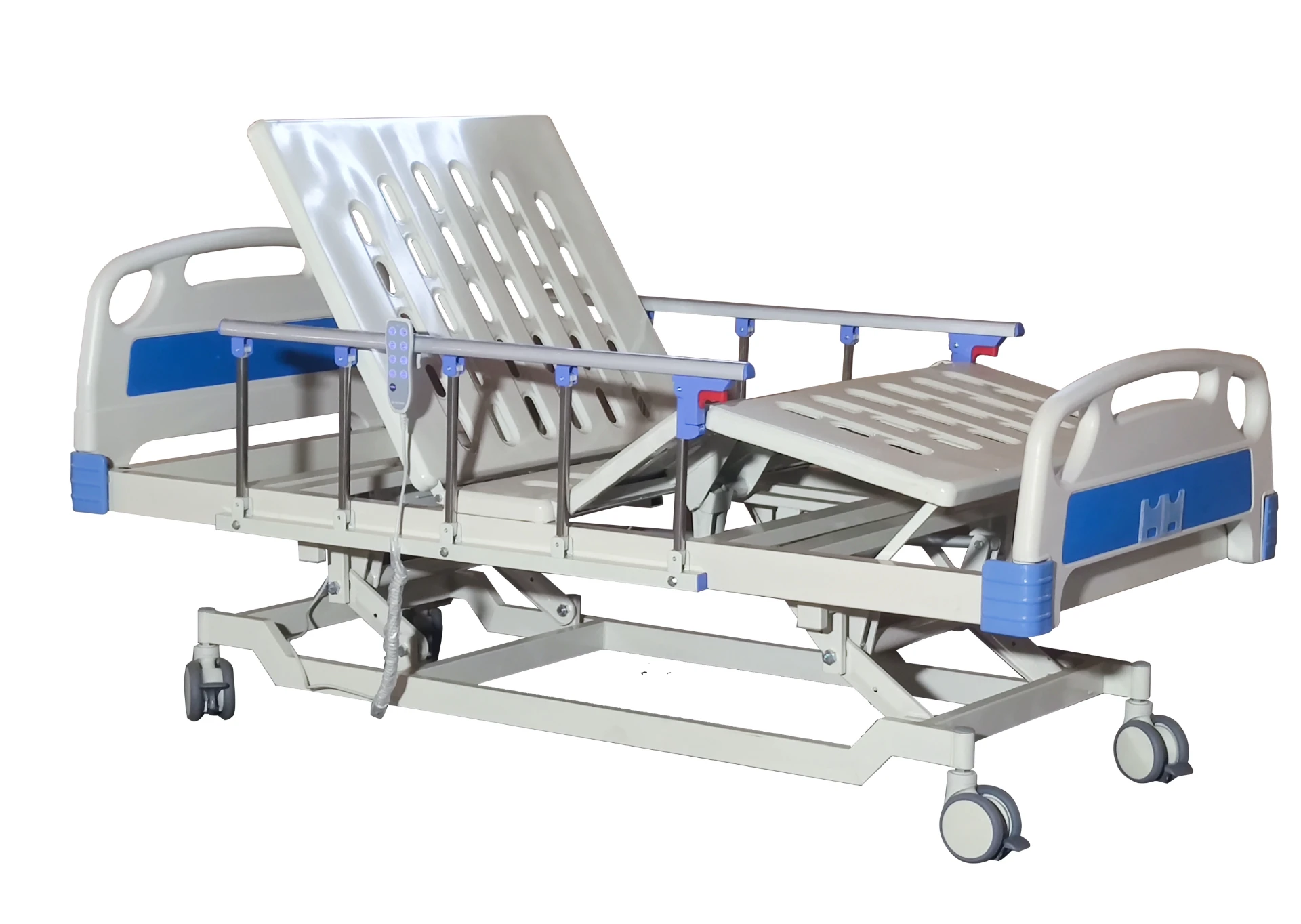
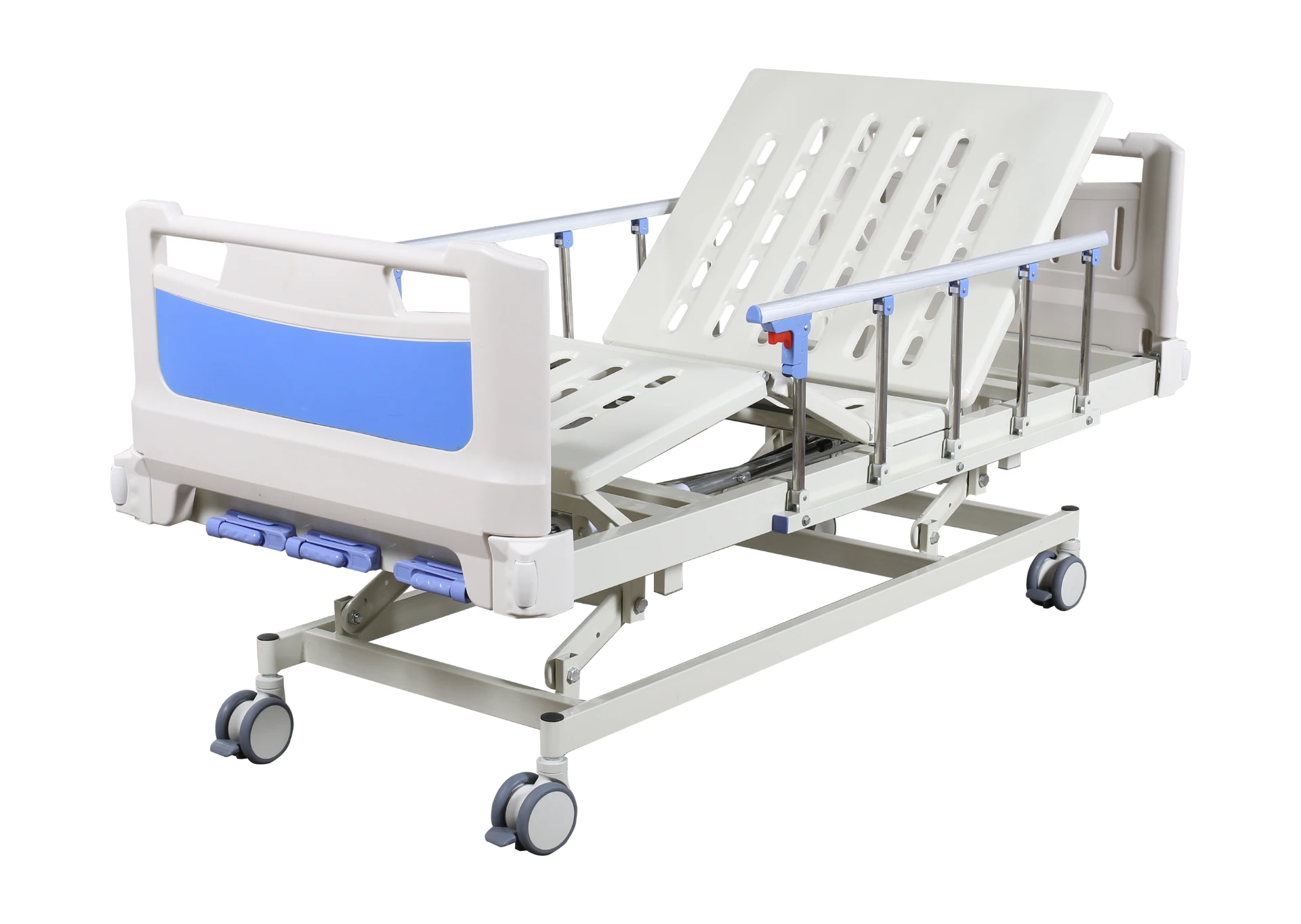
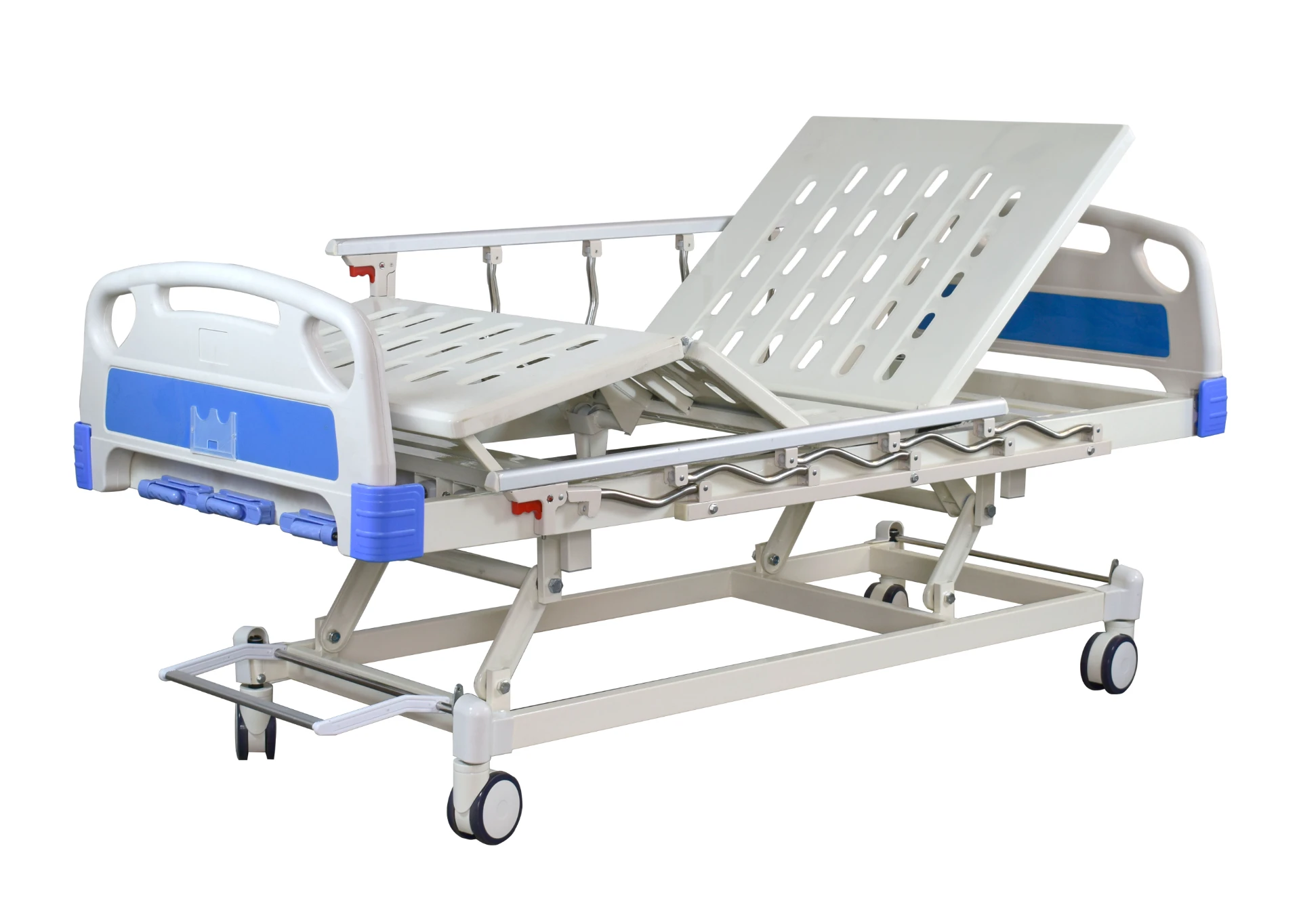
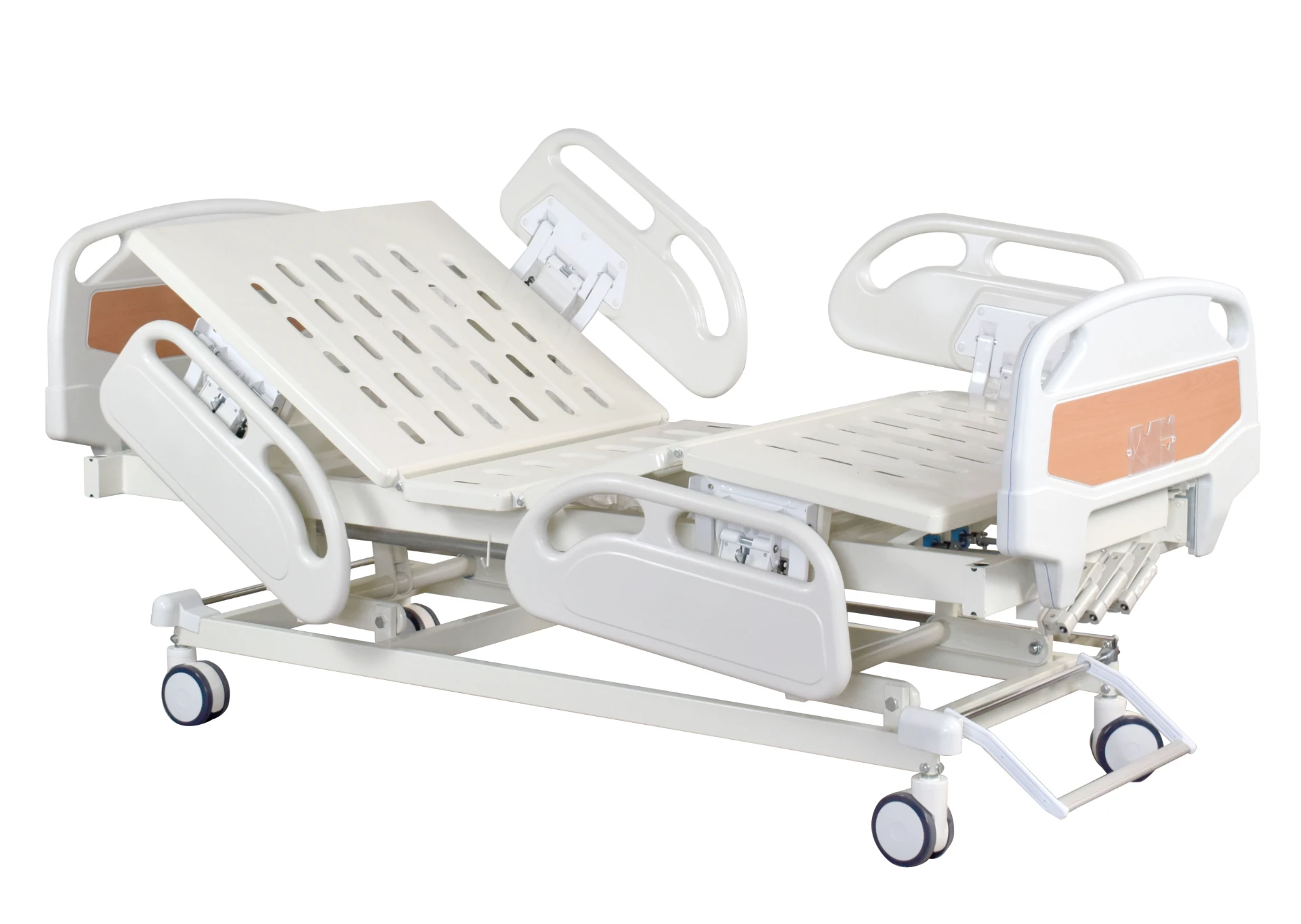
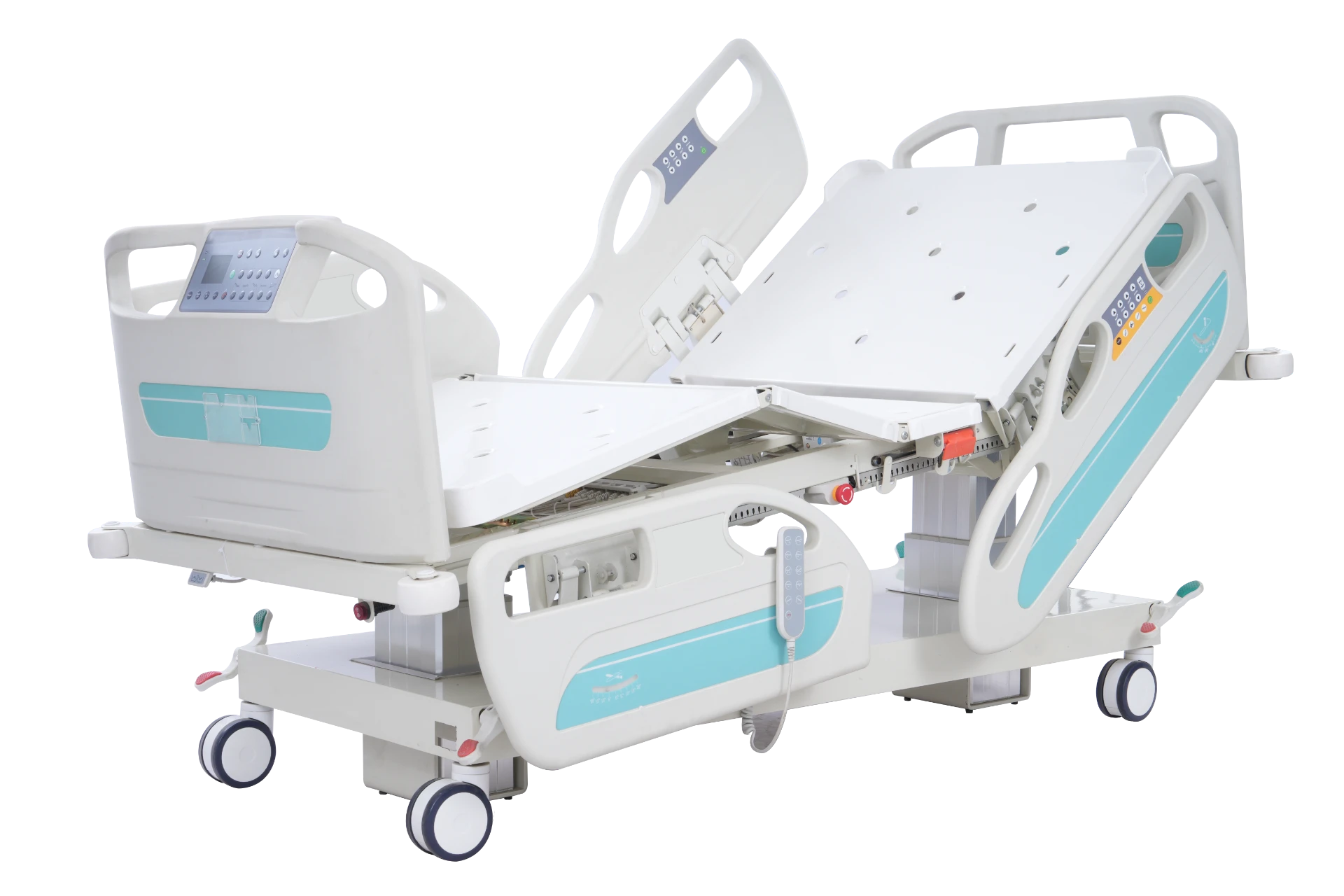
Functionality is a close second. Multi-purpose designs, like adjustable beds or modular seating that can convert from single chairs to visitors’ seats, offer flexibility in tight hospital rooms. And then there’s the patient’s subtle needs: lighting controls built into beds, quick-clean surfaces, and wheels with reliable brakes. Little things, yes, but they add up.
Patient Room Furniture Specifications at a Glance
| Feature | Details | Benefit |
|---|---|---|
| Frame Material | Powder-coated steel or aluminum | Resistant to corrosion and wear |
| Upholstery | Antimicrobial, easy-clean vinyl | Reduces infection risk and simplifies cleaning |
| Adjustability | Multiple reclining angles & height options | Increases patient comfort and ease of use |
| Mobility | Locking casters on beds and chairs | Easy repositioning with safety |
| Additional Features | Integrated storage trays and lighting | Convenience for patient and nurse |
How Patient Room Furniture Stacks Up Among Leading Vendors
I’m often asked which vendors consistently deliver solid patient room furniture. The truth? It’s a mix of quality, price, and adaptability. Below is a quick comparison based on my experience and industry chatter.
| Vendor | Quality | Price Range | Customization Options | Typical Lead Time |
|---|---|---|---|---|
| Vendor A | High-end, premium materials | $$$ | Extensive (colors, finishes, add-ons) | 6–8 weeks |
| Vendor B | Reliable with solid build quality | $$ | Moderate (limited upholstery choices) | 4–6 weeks |
| Vendor C | Entry-level; functional but basic | $ | Minimal | 2–4 weeks |
Speaking from experience, picking the right furniture often hinges on the specific hospital demands. A level-one trauma center’s needs, for example, might be very different from a rehab facility’s. But no matter the setting, investing a little more up front on materials that patient room furniture made with care usually pays off big time in durability and patient satisfaction.
I recall a mid-sized hospital in the Midwest that switched to modular chairs with antimicrobial surfaces. Within months, nursing staff remarked on fewer patient transfer injuries and easier routine cleaning. That’s the sort of practical transformation equipment can bring — it’s not always flashy, but it’s impactful.
So if you’re behind the scenes specifying or purchasing, remember there’s more to the stuff patients sit on than just a "hospital chair." It’s a little piece of the healing environment. Doesn’t that make you look at these pieces differently next time?
-
Ultimate Guide to Choosing Extra Wide Waiting Room ChairsNewsApr.16,2026
-
Guide to Choosing Professional Waiting Room Chairs Wipeable SeatingNewsApr.09,2026
-
Enhance Your Space with Comfortable Wide Waiting Room ChairsNewsApr.07,2026
-
Selecting the Ideal Brown Waiting Room Chairs for a Welcoming SpaceNewsApr.04,2026
-
Choosing Comfortable Patient Waiting Room Chairs for Healthcare FacilitiesNewsMar.31,2026
-
Finding the Best Deals on Affordable and Cheap Reception Chairs for Your BusinessNewsMar.28,2026
-
Enhance Your Business Reception with Comfortable Blue Reception ChairsNewsMar.26,2026