Welcome to our websites!


Comfortable & Durable Recliner Chairs for Hospital Use | Healthcare Seating Solutions
What Is a Recliner Chair for Hospital Use and Why Does It Matter?
When you think hospital comfort, your mind might wander to sterile rooms and endless waiting. But behind the scenes, the humble recliner chair for hospital use plays a quiet, crucial role. Globally, healthcare systems face increasing patient loads and evolving care demands, especially with aging populations climbing steadily according to the United Nations. In fact, around 9% of the global population is over 65, and that number will continue to grow, making patient comfort and mobility more than just luxuries — they’re necessities.
These specialized recliners are designed not just for sitting but for aiding recovery, fostering dignity, and supporting caregivers. Understanding their design and impact helps hospitals and healthcare facilities create safer, more welcoming environments worldwide.
Introduction: The Global Relevance of Hospital Recliners
The World Health Organization highlights that patient-centered care is pivotal for better health outcomes — and a significant part of that is comfort during often stressful hospital stays. Look around: hospitals in Europe, North America, and Asia increasingly equip wards with reclining chairs that support everything from chemotherapy sessions to recovery after surgery. The challenge? Seating that can adapt quickly to varied needs while proving durable and hygienic enough for continuous use.
According to ISO standards on medical furniture (ISO 7176 series), durability and safety are key benchmarks — but also cost considerations can't be overlooked, especially in developing regions. This gap is where quality hospital recliners make a tremendous difference.
What Exactly Is a Recliner Chair for Hospital Use?
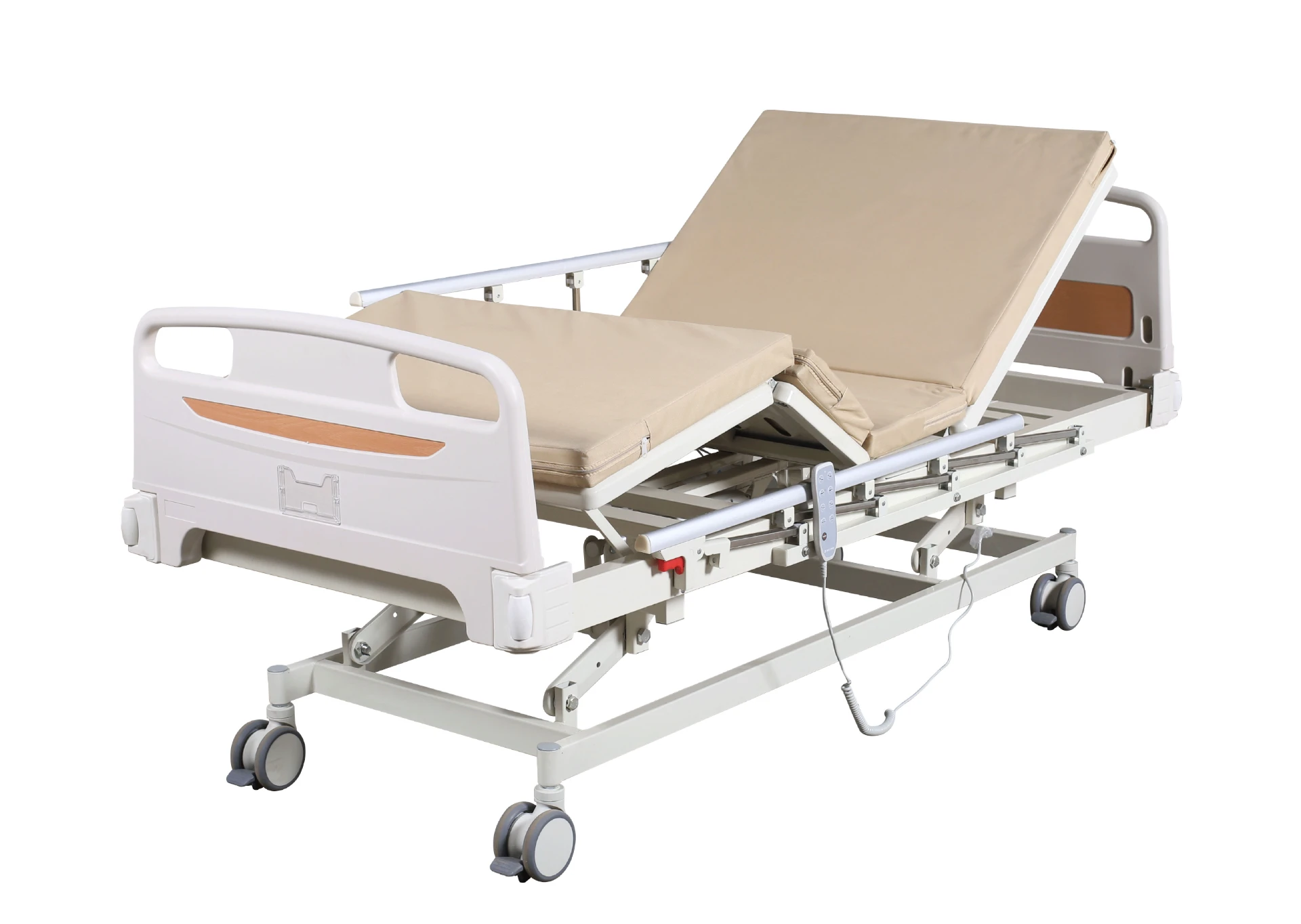
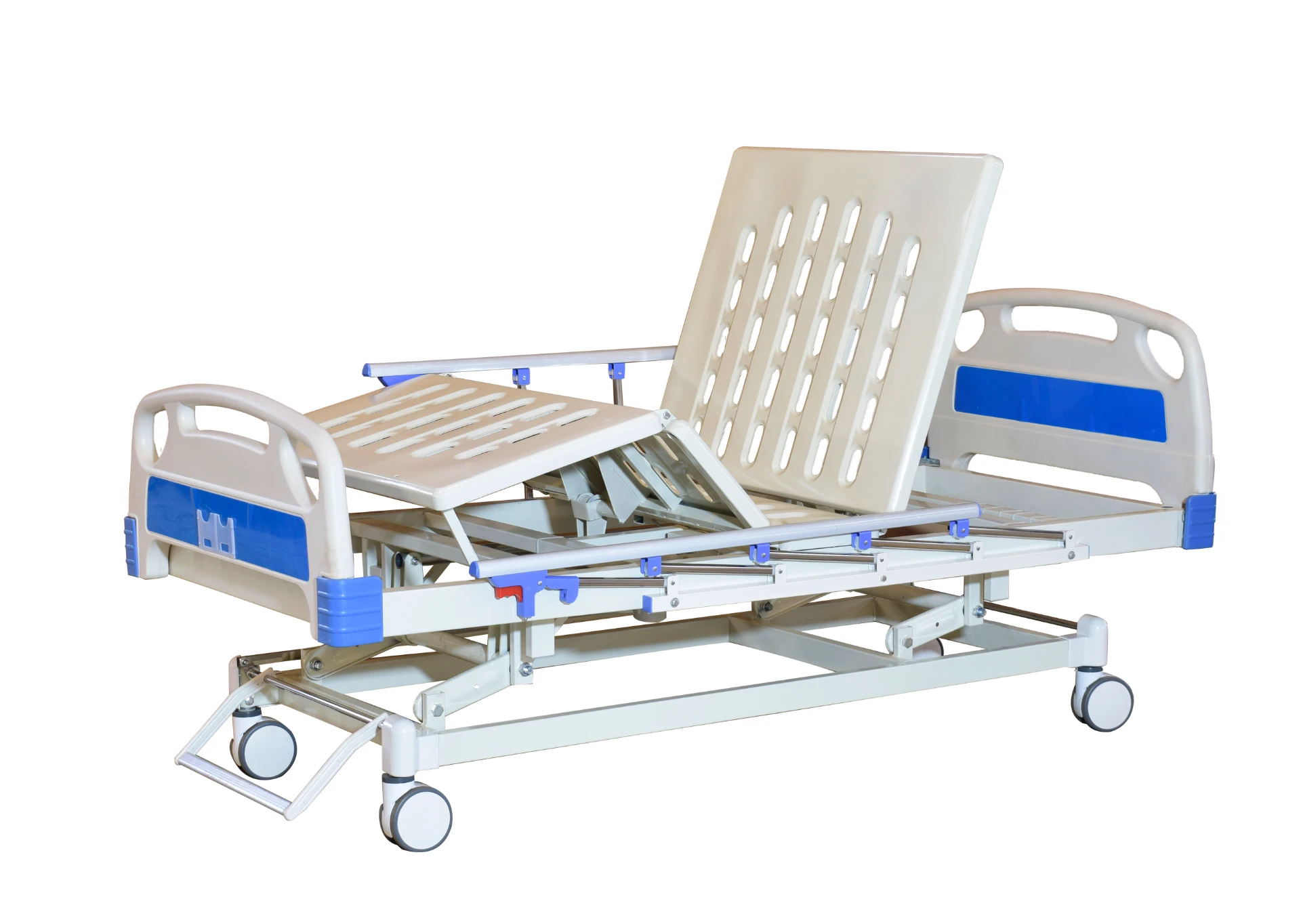
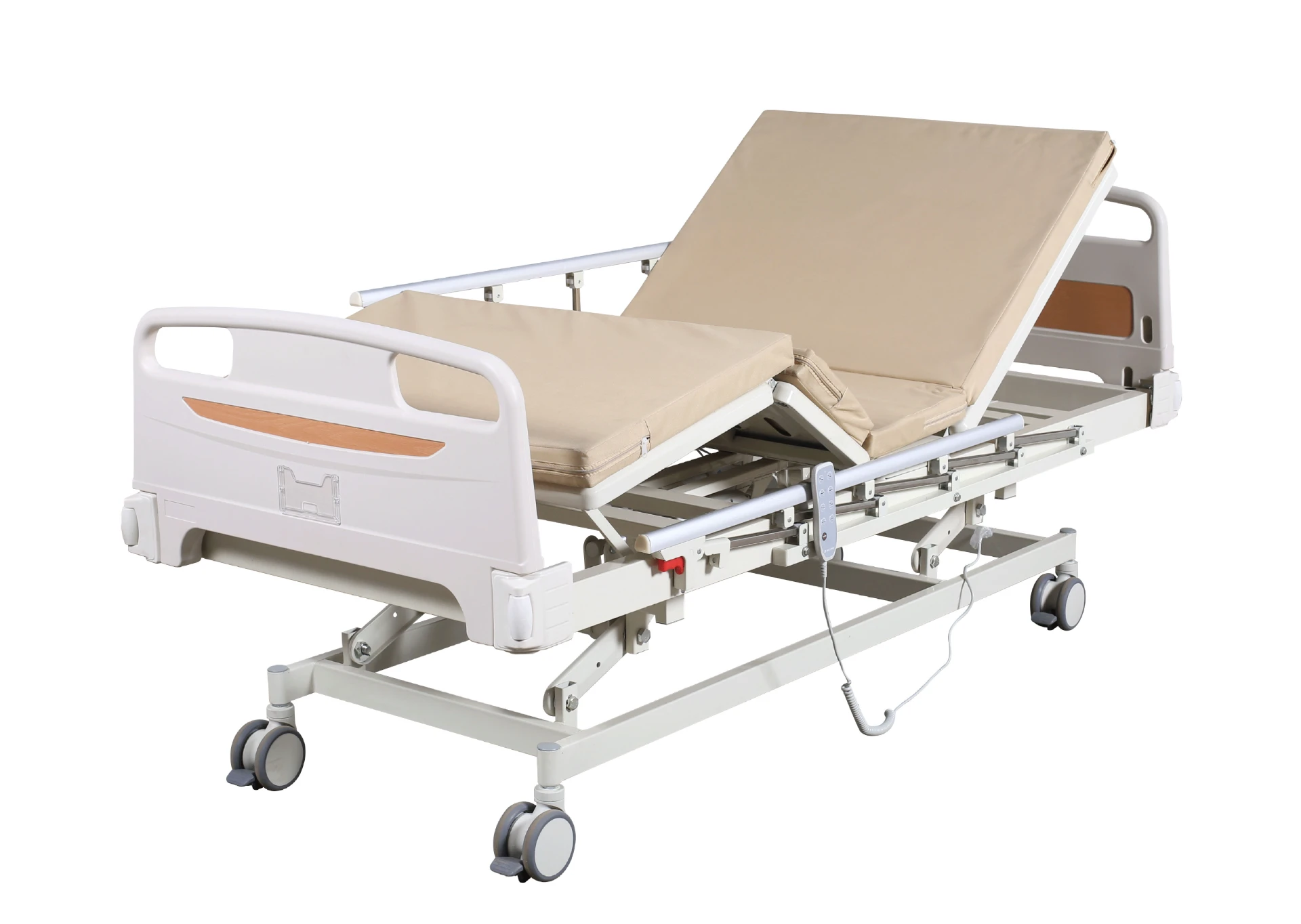
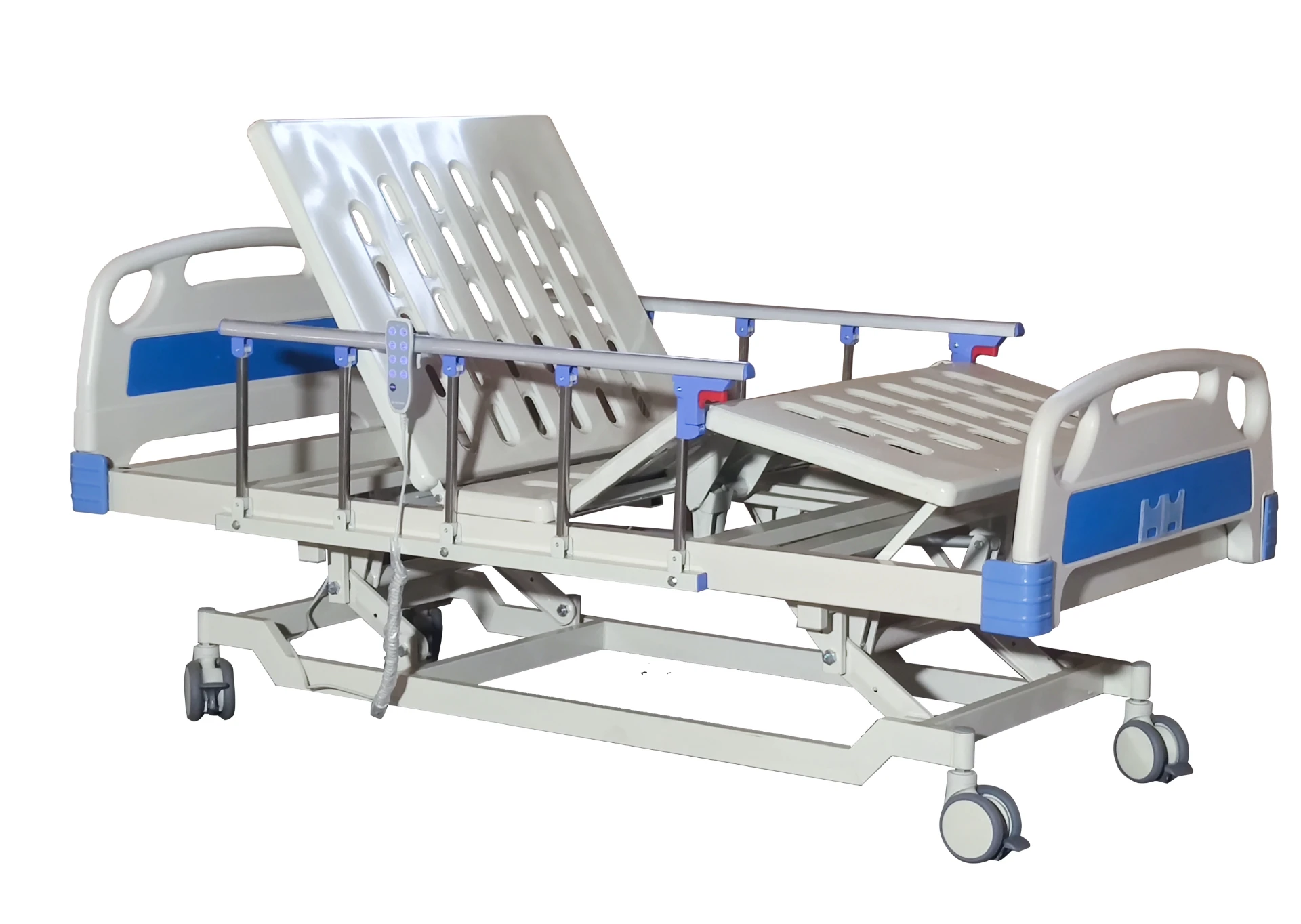
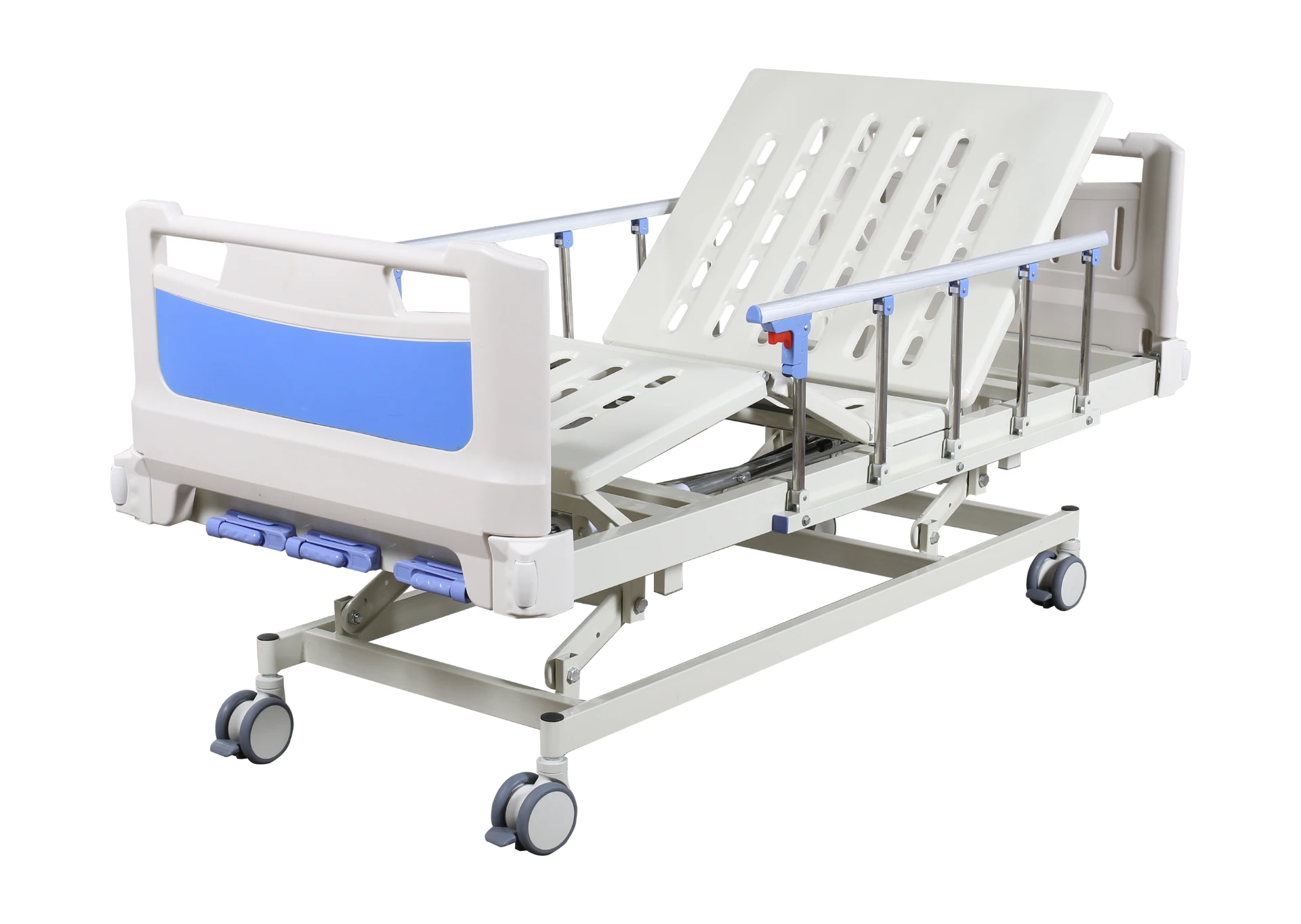
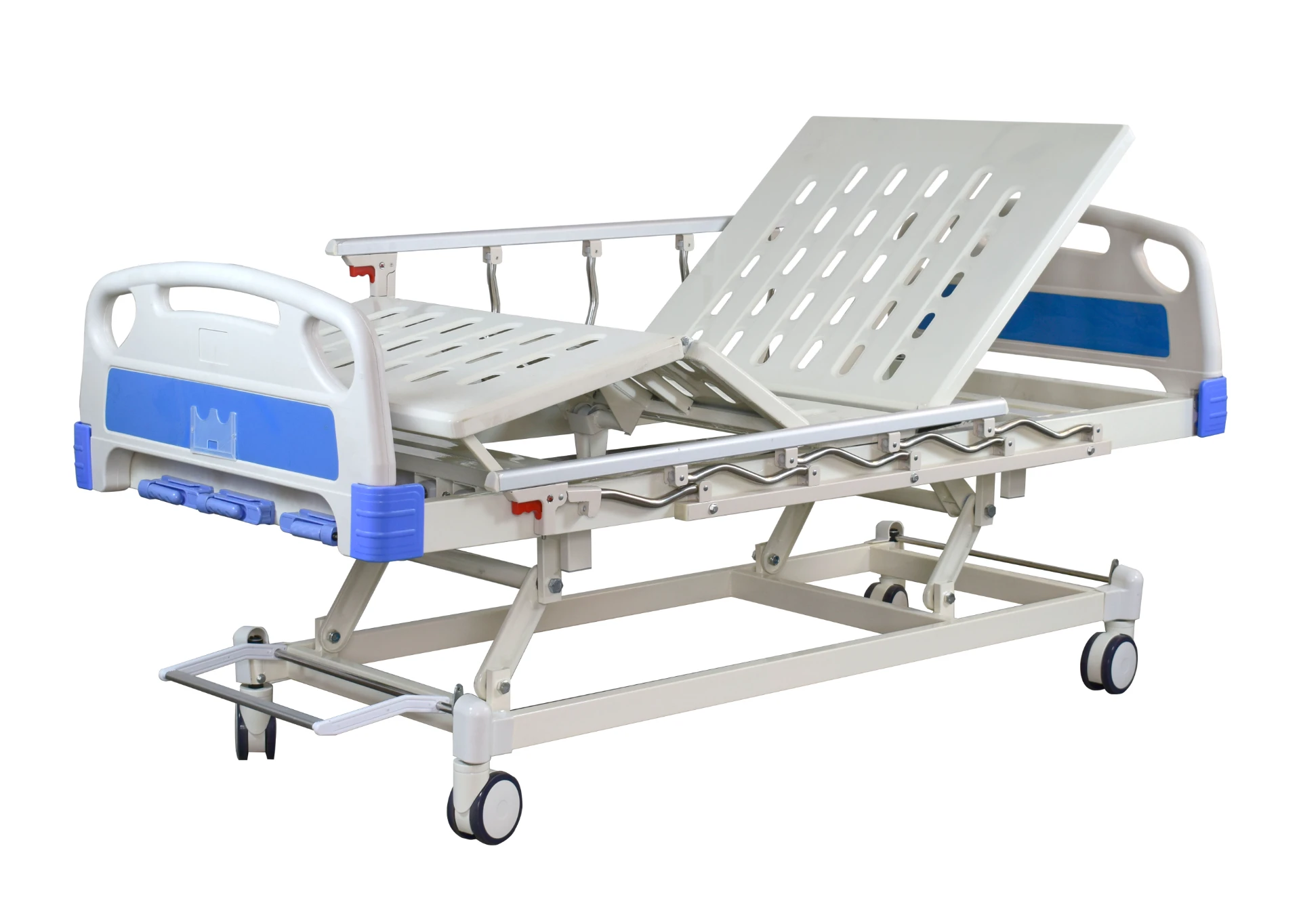
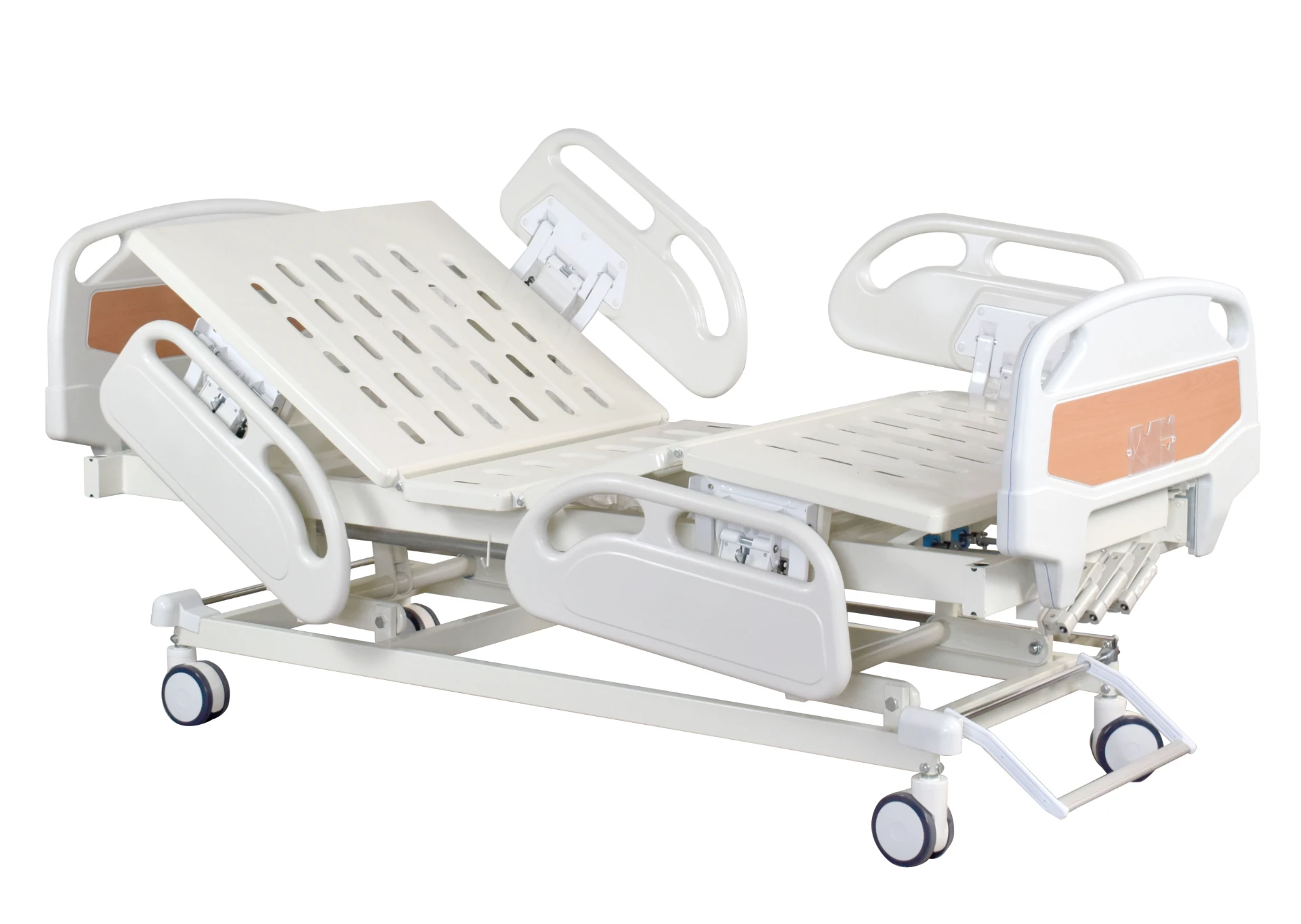
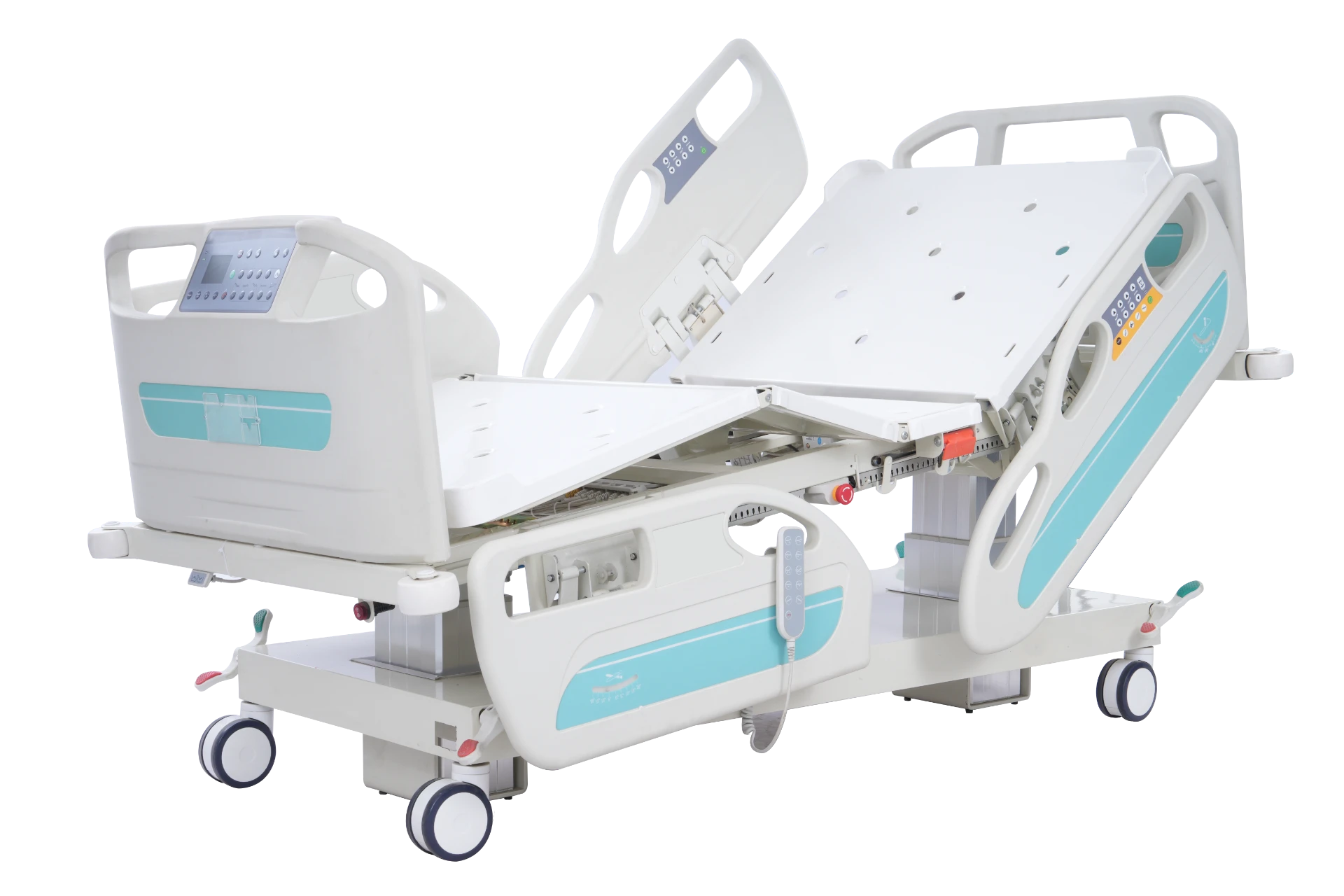
Simply put, a hospital recliner chair is a specially designed seat that allows patients to lean back comfortably, often with adjustable footrests and easy-to-use controls. Unlike regular recliners, these chairs consider infection control, ease of cleaning, and mobility — crucial for busy healthcare settings. They’re often used in patient rooms, infusion centers, or waiting areas where prolonged sitting is anticipated but comfort cannot be compromised.
Oddly enough, while they look simple, they serve a kind of dual role: providing physical relaxation to the patient while reducing strain on nurses and family members who assist with positioning or bedside care.
Key Features That Make Hospital Recliners Unique
1. Durability and Hygiene
Medical recliners must endure rigorous cleaning with strong disinfectants regularly, so materials like antimicrobial vinyl and stainless steel frames are common. This resilience prevents infections, aligned with healthcare facility protocols internationally.
2. Adjustability and Patient Comfort
Multi-position capabilities are essential. Reclining angles can range from upright to fully horizontal for rest, promoting circulation and reducing bedsores. Easy controls let patients or caregivers adjust settings gently — some chairs even motorize the process.
3. Mobility and Space Efficiency
Wheels with locking mechanisms help move patients easily between rooms or procedures. Many models are designed to fold slightly or nest to optimize storage when not in use.
4. Cost Efficiency
Healthcare budgets are tight everywhere, so finding a recliner that lasts without frequent repairs or replacements is vital. Many engineers stress it’s about the lifecycle cost, not just the sticker price.
Mini Takeaway
The perfect hospital recliner is about more than just comfort. It’s where smart design meets real-world healthcare challenges — durability, hygiene, adjustability, mobility, and cost efficiency all pulled together.
How Hospitals Worldwide Use Recliner Chairs
From bustling urban trauma centers in Europe to rural clinics in Southeast Asia, recliner chairs for hospital use form an unsung backbone of patient care. For example, in oncology wards in the U.S., recliners accommodate patients undergoing chemotherapy, allowing ease of access for IV drips and hours of seated treatments. In post-disaster relief camps, portable hospital recliners provide quick, comfortable seating while medical teams work with limited resources.
Some Scandinavian countries integrate these chairs into chronic care homes, where elderly residents spend significant time seated, promoting independence with gentle recline options.
A Closer Look: Product Specifications of a Typical Hospital Recliner Chair
| Feature | Specification | Remarks |
|---|---|---|
| Frame Material | Powder-coated Steel | Rust-resistant, hygienic |
| Seat Cover | Antimicrobial Vinyl | Easy to wipe, durable |
| Recline Angle | 0° to 170° | Multiple positions for comfort |
| Weight Capacity | 150 kg (330 lbs) | Supports broad patient range |
| Mobility | 4 lockable caster wheels | Easy moving and secure |
| Dimensions (LxWxH) | 90 x 75 x 110 cm | Compact but spacious |
Comparing Leading Hospital Recliner Vendors
| Vendor | Price Range | Warranty | Key Features | Delivery Time |
|---|---|---|---|---|
| ComfortMed | $600 - $900 | 5 years | Motorized recline, antimicrobial cover | 3-5 weeks |
| HealthEase | $450 - $700 | 3 years | Manual recline, lightweight frame | 2-4 weeks |
| MediSeat | $700 - $950 | 7 years | Ergonomic design, foldable | 4-6 weeks |
Advantages and Long-Term Value of Quality Hospital Recliners
Besides the obvious comfort perks, these chairs promote patient safety by reducing pressure points, which helps prevent bedsores — a serious issue in hospitals worldwide. Caregivers, too, benefit by spending less energy on physically repositioning patients, which decreases staff fatigue and injury risk.
On an emotional level, giving patients a chair they can control helps restore a sense of autonomy during an otherwise vulnerable time. It’s a subtle support for dignity, less talked about but universally appreciated.
Emerging Trends and Future Innovations
Not surprisingly, the future of hospital recliners is leaning into smart tech and sustainability. Expect chairs with integrated sensors tracking patient position and vitals, syncing with hospital EMR systems. Some vendors are testing sustainable bio-based materials for frames and covers, which reduce environmental footprints.
There’s also growing interest in modular designs that can be repaired or upgraded easily — less waste, more customization, and a nod to circular economy principles.
Common Challenges and How They’re Being Solved
Size and storage constraints in hospitals can limit the number of chairs a facility can have. Lightweight, foldable designs address this, though sometimes at the expense of long-term durability. Manufacturers balance this by using hybrid materials.
Another obstacle is the upfront investment for high-spec chairs, especially for low-resource facilities. Innovative leasing models, or bulk purchasing agreements through NGOs or government health ministries, are emerging solutions.
Frequently Asked Questions About Recliner Chairs for Hospital Use
-
Q: What makes hospital recliners different from regular recliners?
A: Hospital recliners focus on hygiene (easy to clean, antimicrobial materials), adjustability for medical needs, and durability to withstand frequent use and disinfecting routines — unlike typical home recliners. -
Q: How important is recliner adjustability for patients?
A: Very. Different recline angles help with circulation, breathing, and comfort during treatments. Adjustable footrests and headrests reduce pressure points and help in positioning. -
Q: Can these chairs accommodate larger patients?
A: Yes, many hospital recliners support weights upwards of 150 kg (330 lbs). Make sure to check weight limits in product specifications before purchasing. -
Q: Are there eco-friendly options available?
A: Increasingly yes — some models use recyclable materials and sustainable manufacturing processes, aligning with growing healthcare sustainability goals. -
Q: Where can hospitals source affordable yet quality recliner chairs?
A: Consider vendors who offer bulk purchase discounts, leasing, or after-sales support. Our trusted partner at recliner chair for hospital use specializes in models balancing cost and quality.
Conclusion: Why Investing in Hospital Recliners Pays Off
The recliner chair for hospital use may not be flashy, but its role is undeniable in modern healthcare. It marries comfort, safety, and practicality, critical in a world where patient-centered care is paramount. The blend of thoughtful design, materials science, and emerging technology means these chairs will only get better — improving outcomes for patients and easing caregiver burden.
If you’re exploring solutions for your medical facility, consider how a quality hospital recliner can transform patient experience. For trusted models and expert guidance, visit https://www.cnboxin.com today.
Final Thoughts
Honestly, it’s one of those overlooked pieces of equipment that quietly changes lives daily, often in ways we don’t immediately notice. Comfort might sound soft, but in hospitals, it’s often the foundation for healing.
References
-
Ultimate Guide to Choosing Extra Wide Waiting Room ChairsNewsApr.16,2026
-
Guide to Choosing Professional Waiting Room Chairs Wipeable SeatingNewsApr.09,2026
-
Enhance Your Space with Comfortable Wide Waiting Room ChairsNewsApr.07,2026
-
Selecting the Ideal Brown Waiting Room Chairs for a Welcoming SpaceNewsApr.04,2026
-
Choosing Comfortable Patient Waiting Room Chairs for Healthcare FacilitiesNewsMar.31,2026
-
Finding the Best Deals on Affordable and Cheap Reception Chairs for Your BusinessNewsMar.28,2026
-
Enhance Your Business Reception with Comfortable Blue Reception ChairsNewsMar.26,2026