Welcome to our websites!


Buy Quality Homecare Beds for Sale | Comfort & Durability Worldwide
Understanding Homecare Beds for Sale: Why They Matter Worldwide
In today’s rapidly aging societies and expanding home healthcare markets, homecare beds for sale have become not only a product but a necessity. Whether it’s supporting elderly independence, aiding post-surgery recovery, or assisting patients with mobility challenges, these beds represent a subtle yet vital shift in medical care’s approach from hospitals to homes. Globally, the demand for homecare beds is growing—projected to increase as populations age and healthcare models evolve. Understanding this trend and the benefits of choosing the right homecare bed can drastically improve quality of life for countless families and patients alike.
Plus, it’s not just a product category; it’s a reflection of how health, comfort, and dignity are maintained beyond sterile institutions, embracing a more personal, human-centered perspective.
Global Context: The Rising Need for Accessible Homecare Beds
According to the World Health Organization, by 2050 the global population over 60 years old will reach nearly 2 billion, a steep rise from 900 million in 2015. This demographic trend is pushing healthcare systems worldwide to rethink traditional care settings. Homecare beds have become critical in this equation.
On top of that, organizations like the United Nations advocate for improved elderly care and disability accommodations, highlighting that appropriate assistive devices, including medical-grade beds, are essential for independent living and reducing caregiver burdens. However, in many regions, especially rural or underdeveloped ones, accessibility remains a challenge, underscoring why affordable and quality homecare beds for sale matter so much.
Brief takeaway: The global aging trend and growing demand for home-based healthcare solutions make investing in reliable homecare beds increasingly important — not just for individuals but for healthcare infrastructures worldwide.
What Exactly Is a Homecare Bed?
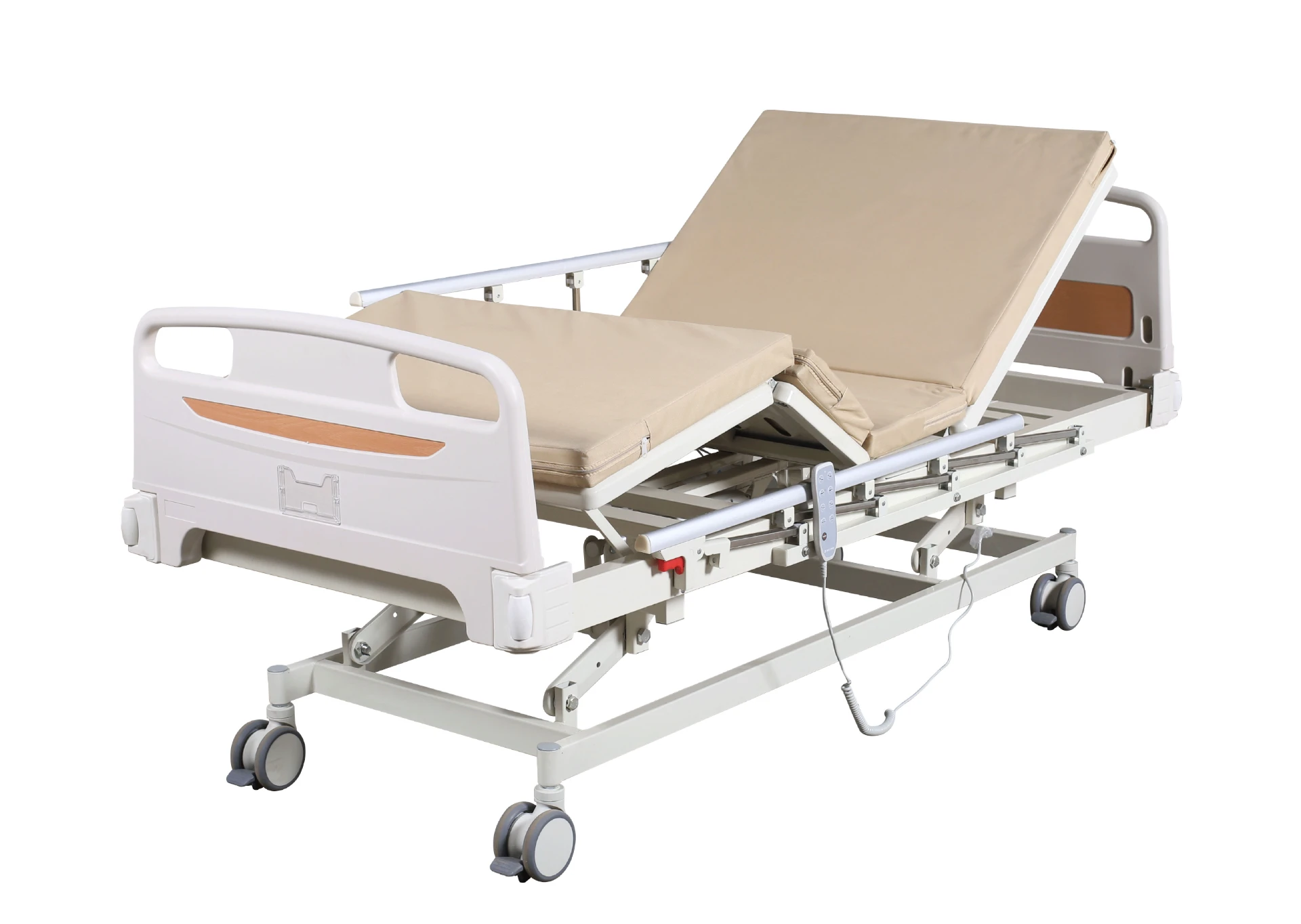
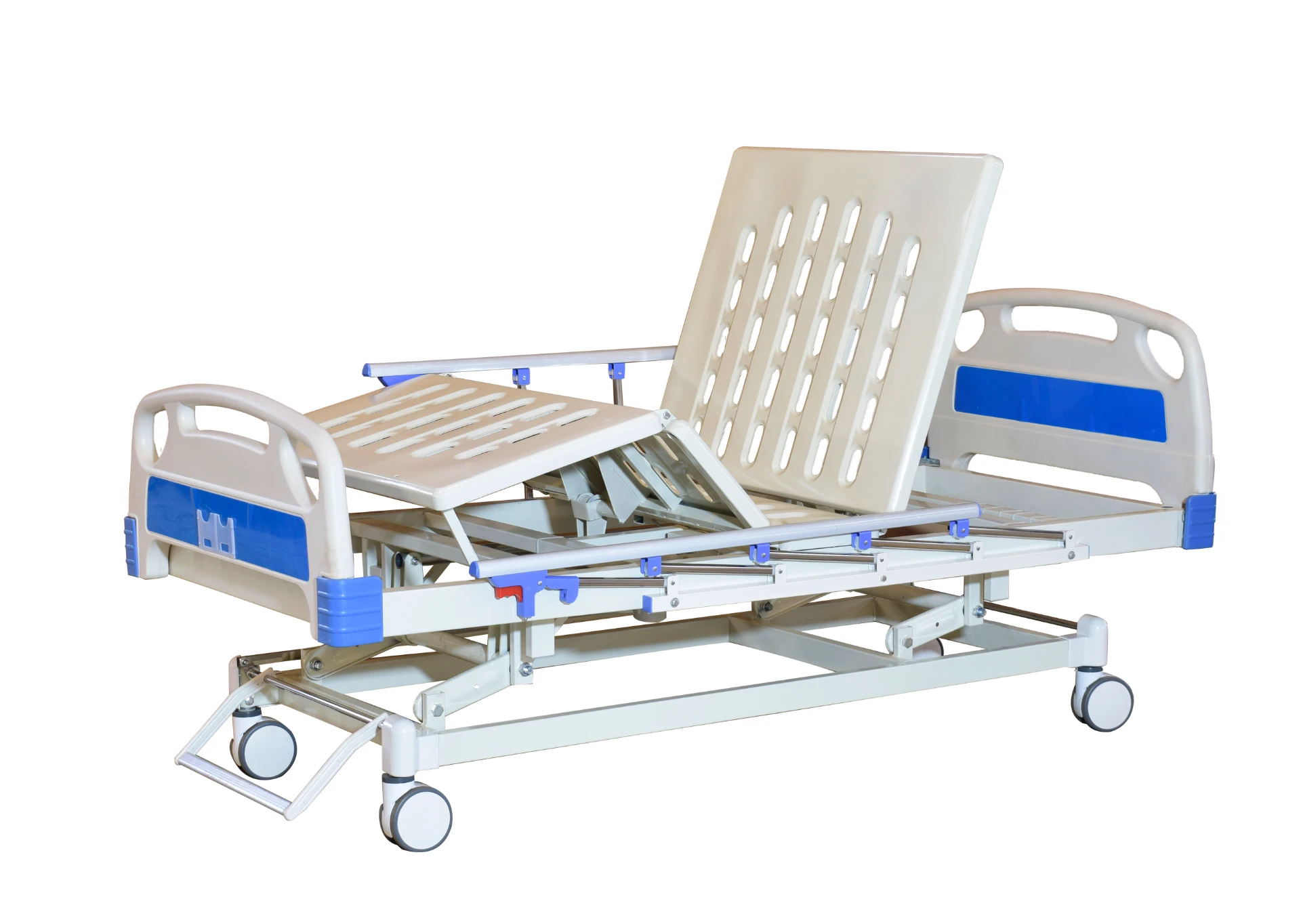
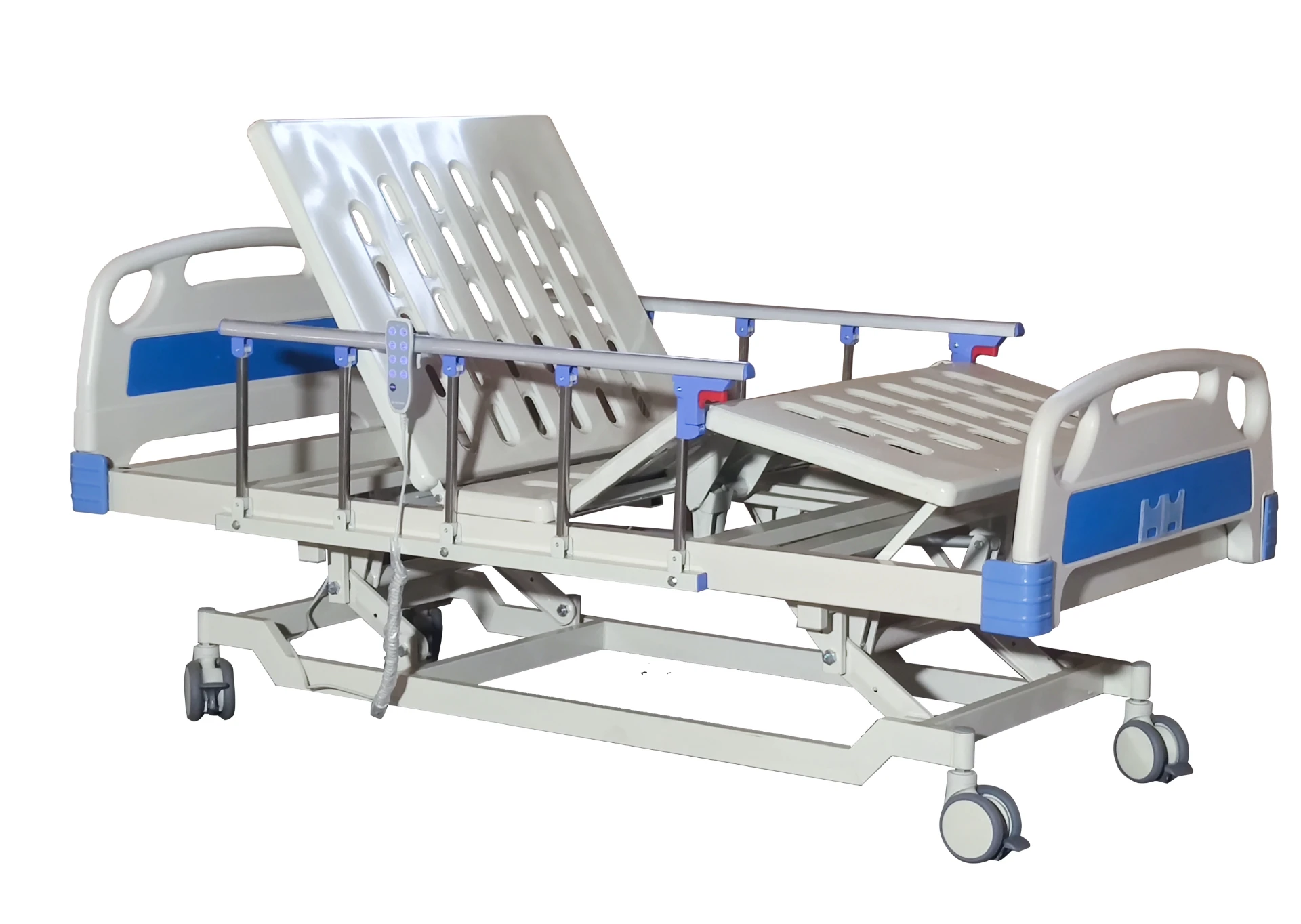
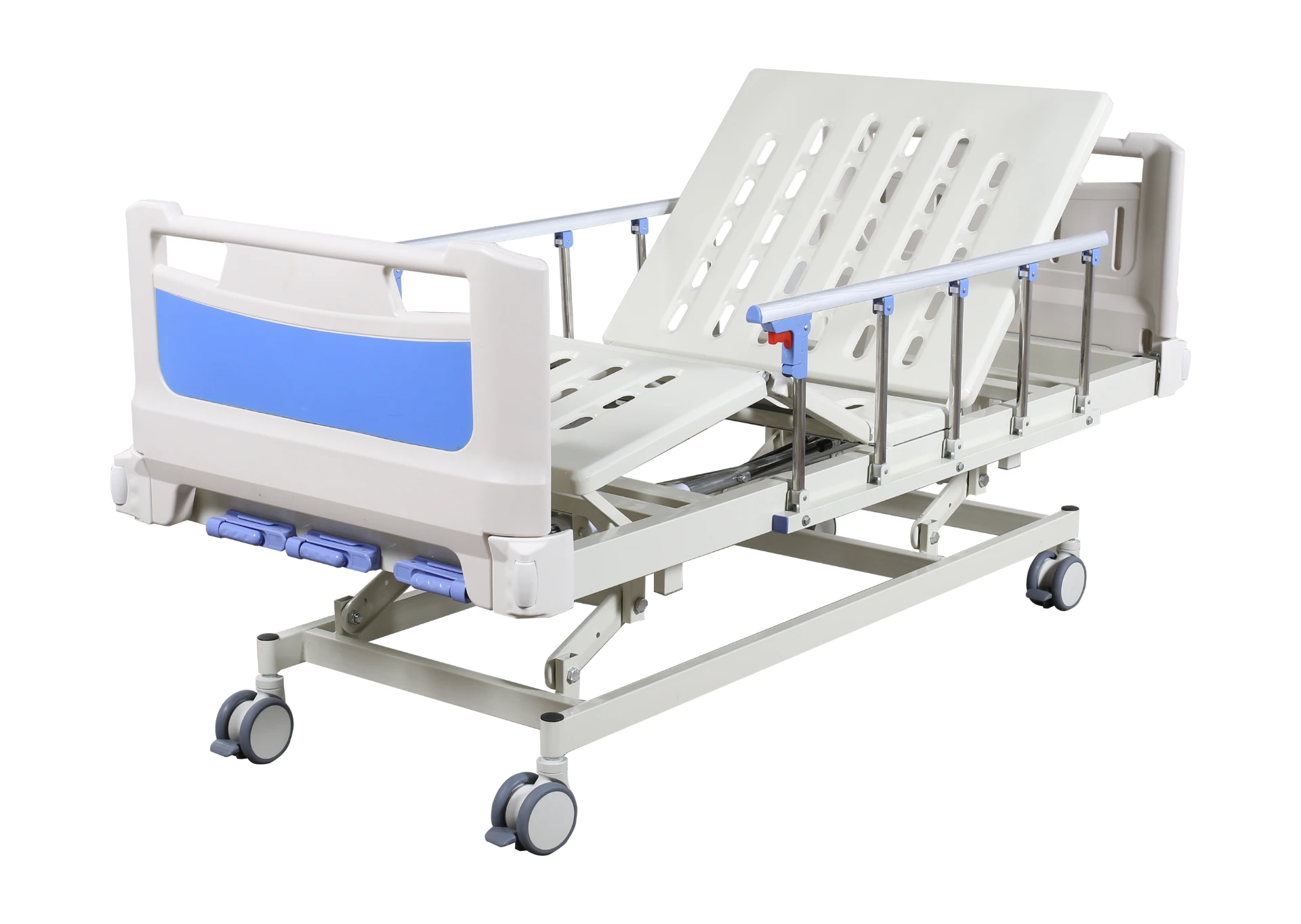
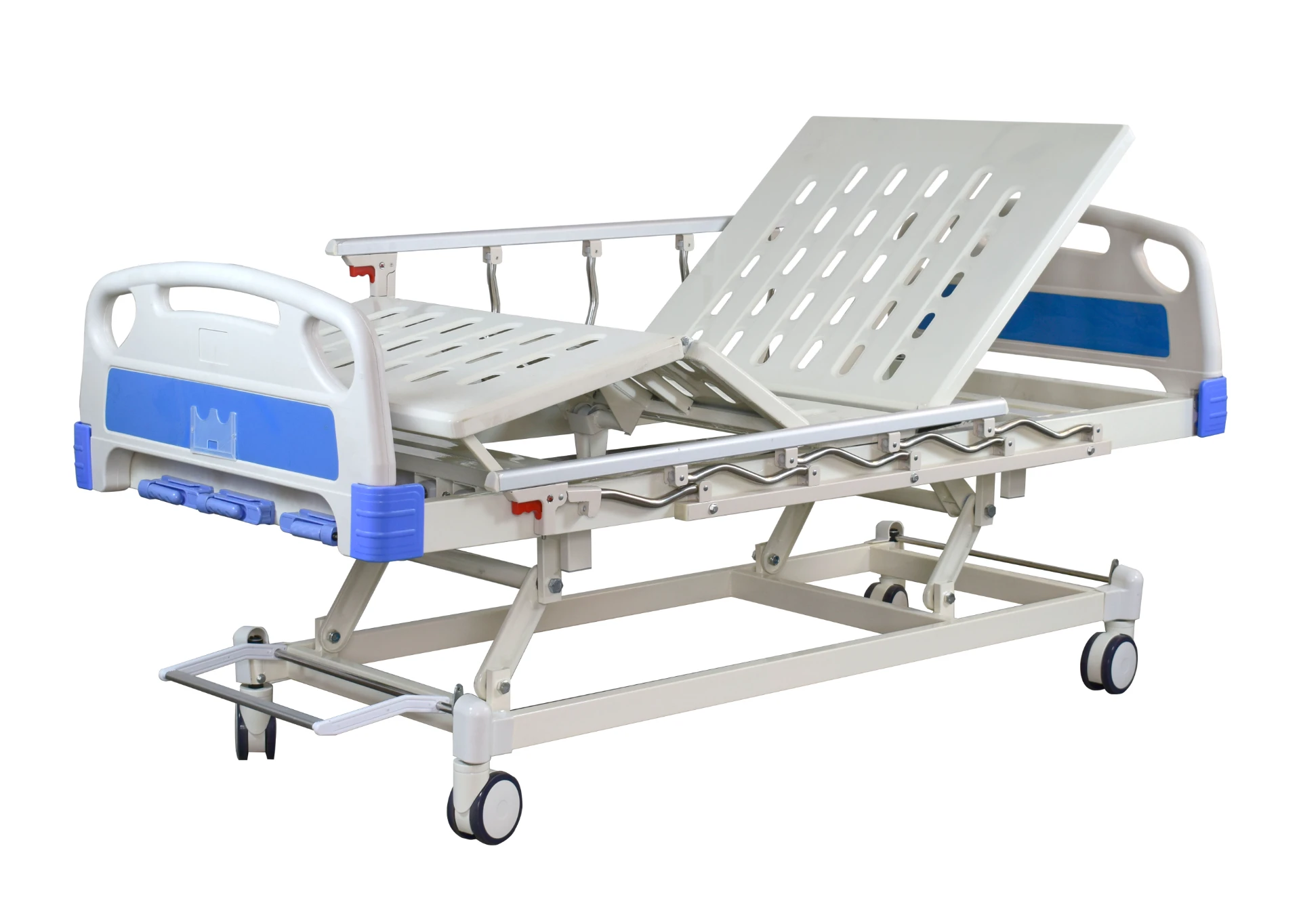
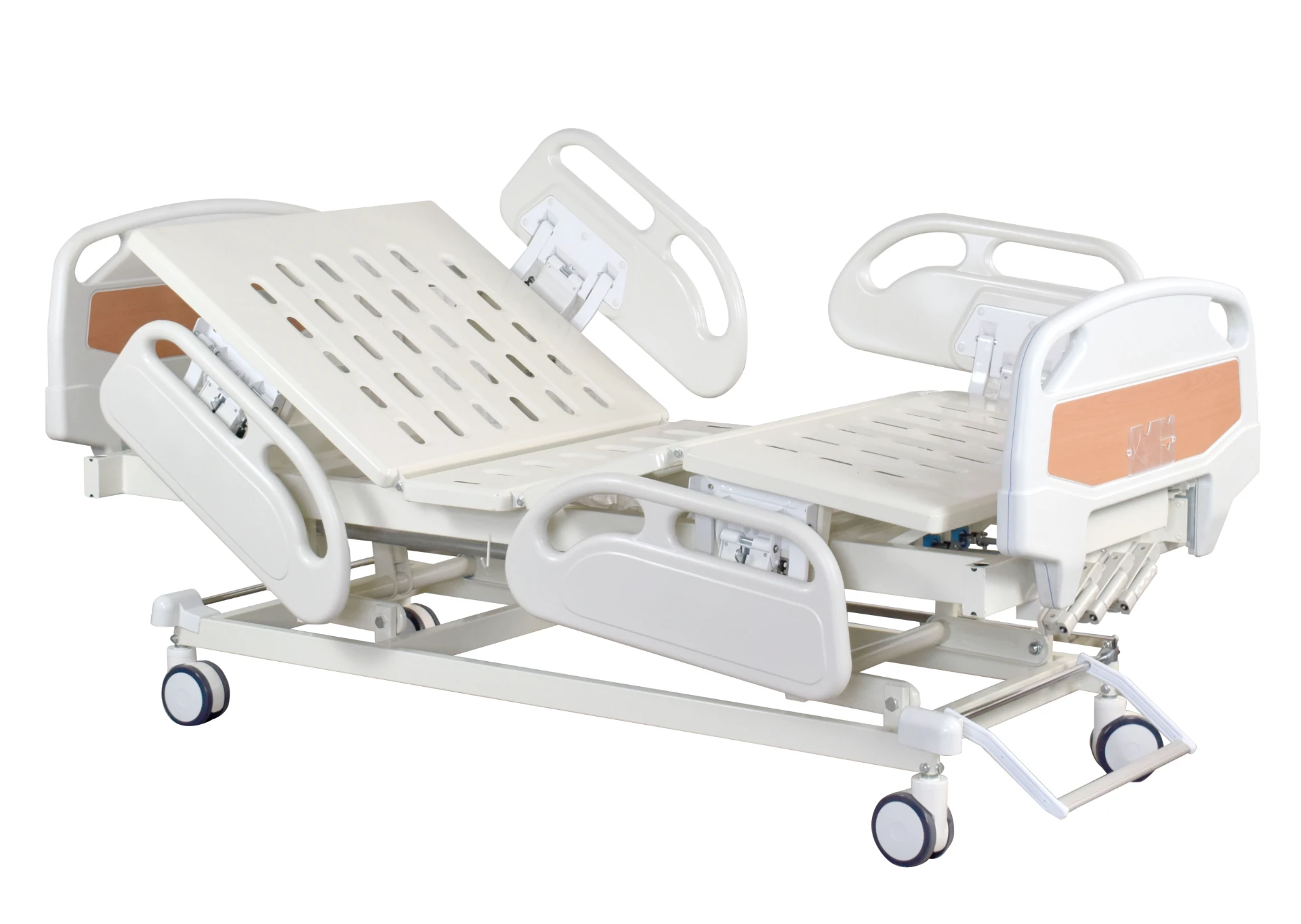
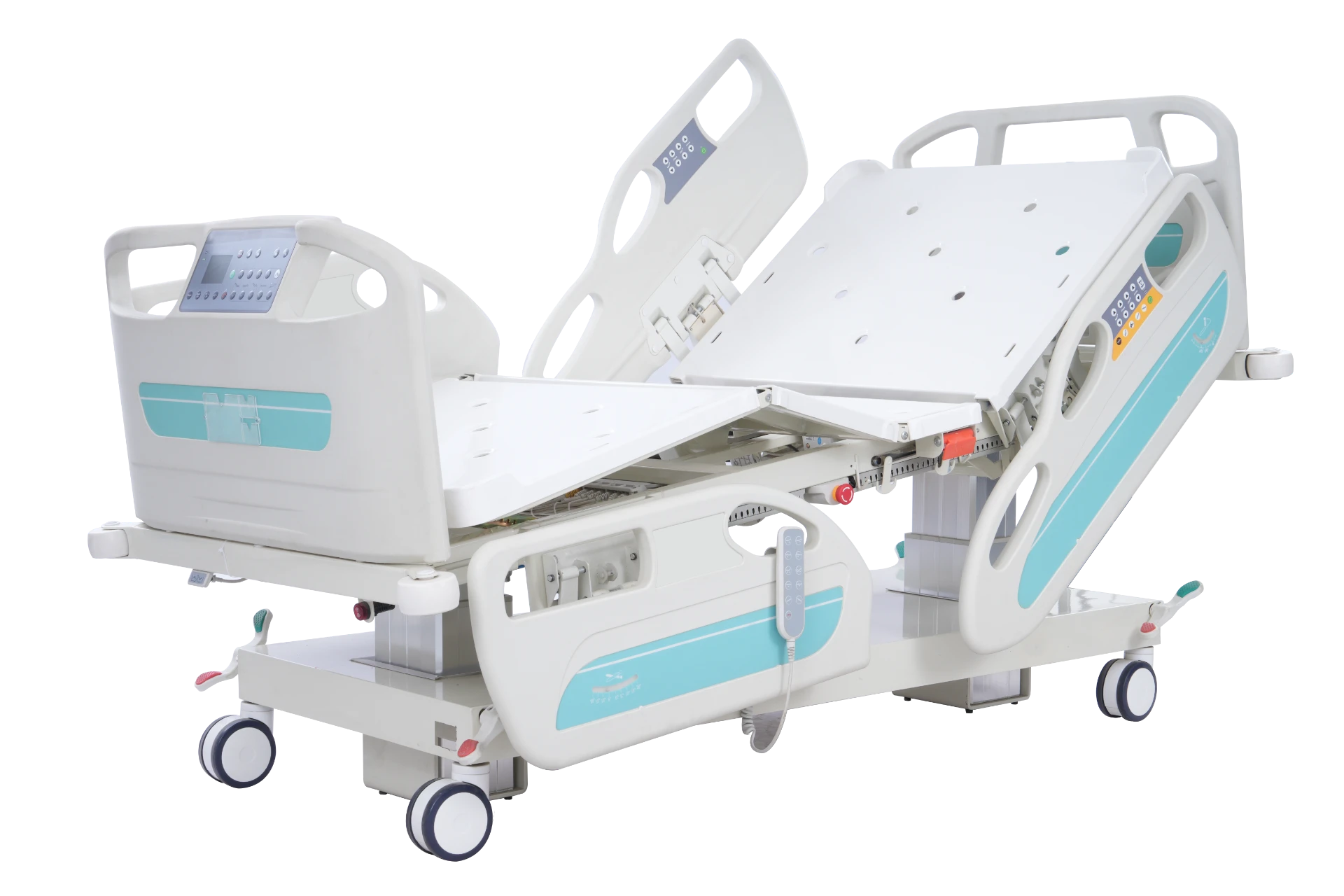
In simple terms, a homecare bed is a specialized bed designed to provide safety, comfort, and adjustable support to individuals receiving care at home. Unlike regular beds, these feature manual or electric mechanisms to adjust height, backrest, and leg position — crucial for circulation, mobility, and pressure relief.
Often, these beds come with side rails, locking wheels, and compatibility with mattress types suitable for medical care, such as anti-decubitus mattresses. They intertwine with modern healthcare’s shift towards patient-centered, at-home treatment, reducing hospital stays while maintaining clinical care quality.
Core Components to Consider When Purchasing a Homecare Bed
1. Durability and Build Quality
Homecare beds need to withstand daily use without failure. Frames are typically steel or aluminum with powder coatings to resist corrosion. Many engineers emphasize sturdy hinges and motors that can handle frequent repositioning without excessive noise or wear.
2. Adjustability and Comfort
Electric models often come with remote controls or app connectivity to adjust the bed’s parts for posture optimization. This not only benefits patient comfort but aids caregivers during transfers and treatment.
3. Safety Features
Side rails prevent falls, while locking casters secure the bed’s position. There’s also attention to sharp edges, ease of ingress/egress, and compatibility with emergency CPR functions.
4. Portability and Scalability
Some models are foldable or modular for easy transport — handy for temporary care or disaster relief. Scalability relates to customization to suit various patient sizes and conditions.
5. Cost and Warranty
Prices vary widely, affected by features and brand reputation. Warranty periods typically range from one to five years, with after-sales service being a key factor for sustained use.
| Feature | Specification | Notes |
|---|---|---|
| Frame Material | Powder-coated steel | Rust-resistant, sturdy |
| Length & Width | 200 cm x 90 cm | Standard adult size |
| Height Adjustment | 40–80 cm | Electric or manual |
| Weight Capacity | 150–200 kg | Meets most patient needs |
| Side Rails | Foldable / removable | Safety and accessibility |
| Mobility | Lockable casters | Easy relocation at home |
Where Are Homecare Beds Most Needed? Real-World Applications
Homecare beds are invaluable in diverse scenarios. In developed countries like Japan and Germany, with some of the world’s fastest aging populations, they support long-term in-home care, reducing hospital bed occupancy.
In emerging economies, NGOs and governmental bodies use affordable homecare beds in remote clinics or field rehabilitation centers. Post-disaster relief efforts after earthquakes or floods often include distributing these beds to displaced patients to maintain hygiene and expedite recovery.
Hospices and palliative care units frequently rely on specialized homecare beds to preserve patient dignity while improving caregiver ergonomics — a factor often overlooked but profoundly important.
Takeaway: The geographical and sectoral reach is broad — from urban apartments to rural clinics, these beds provide foundational support to many vulnerable groups.
Advantages That Make Homecare Beds a Wise Investment
- Cost Efficiency: Homecare beds cut down expensive hospital stays and reduce caregiver strain.
- Enhanced Patient Comfort and Safety: Adjustable positions prevent bedsores and improve breathing and circulation.
- Sustainability: Durable design means fewer replacements; some firms emphasize recyclable materials.
- Emotional Impact: Patients feel safer and more dignified in a familiar environment.
- Caregiver Support: Ergonomic controls reduce injury risk for those helping daily.
Emerging Trends and Future Innovations in Homecare Beds
The industry is embracing IoT integration allowing remote monitoring of patient posture and sleep patterns. Lightweight carbon fiber frames are emerging as an alternative to steel, combining durability and transport ease.
Green energy-powered motors and eco-certified manufacturing processes are gaining traction, responding to global sustainability goals. There's also growing interest in modular designs to adapt beds quickly for various medical needs without buying new equipment.
Addressing Challenges and Finding Smart Solutions
Limitations include affordability in low-income settings, access to maintenance, and trained caregiver knowledge to use advanced features properly. However, manufacturers and NGOs are collaborating on rental and training programs that democratize access.
Some vendors offer tele-support and modular upgrades to extend product life and improve ROI. Patients and caregivers benefit from more intuitive designs focused on reducing complexity.
| Vendor | Price Range | Key Features | Warranty | Service Availability |
|---|---|---|---|---|
| ComfortCare Beds | $1200–$1800 | Electric motors, foldable rails, anti-bedsore mattress | 3 years | Worldwide |
| HealthNest | $900–$1500 | Manual crank adjustment, lightweight steel frame | 2 years | North America, Europe |
| EcoSleep Medical | $1400–$2000 | Recycled materials, IoT-enabled monitoring | 5 years | Global |
FAQ: Frequently Asked Questions About Homecare Beds for Sale
1. What features should I prioritize in a homecare bed for elderly care?
Focus on adjustability for comfort and circulation, sturdy side rails for safety, ease of mobility with locking wheels, and mattress compatibility to prevent pressure sores. Electric controls are highly recommended to reduce caregiver strain.
2. Are electric homecare beds more expensive to maintain?
Generally, electric beds have higher upfront and maintenance costs due to motors and electronics. However, many find the benefits in ease of use and patient comfort outweigh those costs. Look for brands with good warranty and service networks.
3. Can homecare beds be rented instead of purchased?
Yes, rental options are common, especially for temporary care needs like post-surgery recovery. Rentals may include service and maintenance packages, making them a sensible choice for short-term use.
4. How do homecare beds improve caregiver safety?
Adjustable height and position reduce the need for manual lifting and awkward postures, lowering risk of back injuries and fatigue. Features like remote controls increase workflow efficiency and safety.
5. Is it possible to customize homecare beds for specific health conditions?
Many manufacturers offer modular add-ons such as tilt capabilities, pressure-relief mattresses, or side rails configured for patient-specific needs. Discuss your requirements upfront with vendors for best solutions.
Conclusion: Why Investing in Homecare Beds Makes Sense
In a world where home healthcare is not only growing but becoming the preferred model, finding a trustworthy homecare bed for sale is both a practical and compassionate choice. These beds engage innovation, ergonomics, and patient dignity in a way that bridges hospital-level care to the comfort of home.
If you’re exploring options, I encourage you to browse trusted suppliers and learn about features that best fit your or your loved ones’ needs. Don’t hesitate to visit us at homecare bed for sale for a curated selection tailored to global buyers.
References:
-
Ultimate Guide to Choosing Extra Wide Waiting Room ChairsNewsApr.16,2026
-
Guide to Choosing Professional Waiting Room Chairs Wipeable SeatingNewsApr.09,2026
-
Enhance Your Space with Comfortable Wide Waiting Room ChairsNewsApr.07,2026
-
Selecting the Ideal Brown Waiting Room Chairs for a Welcoming SpaceNewsApr.04,2026
-
Choosing Comfortable Patient Waiting Room Chairs for Healthcare FacilitiesNewsMar.31,2026
-
Finding the Best Deals on Affordable and Cheap Reception Chairs for Your BusinessNewsMar.28,2026
-
Enhance Your Business Reception with Comfortable Blue Reception ChairsNewsMar.26,2026