Welcome to our websites!


Why Choose Smart, Safe, Adjustable ICU Beds Today?
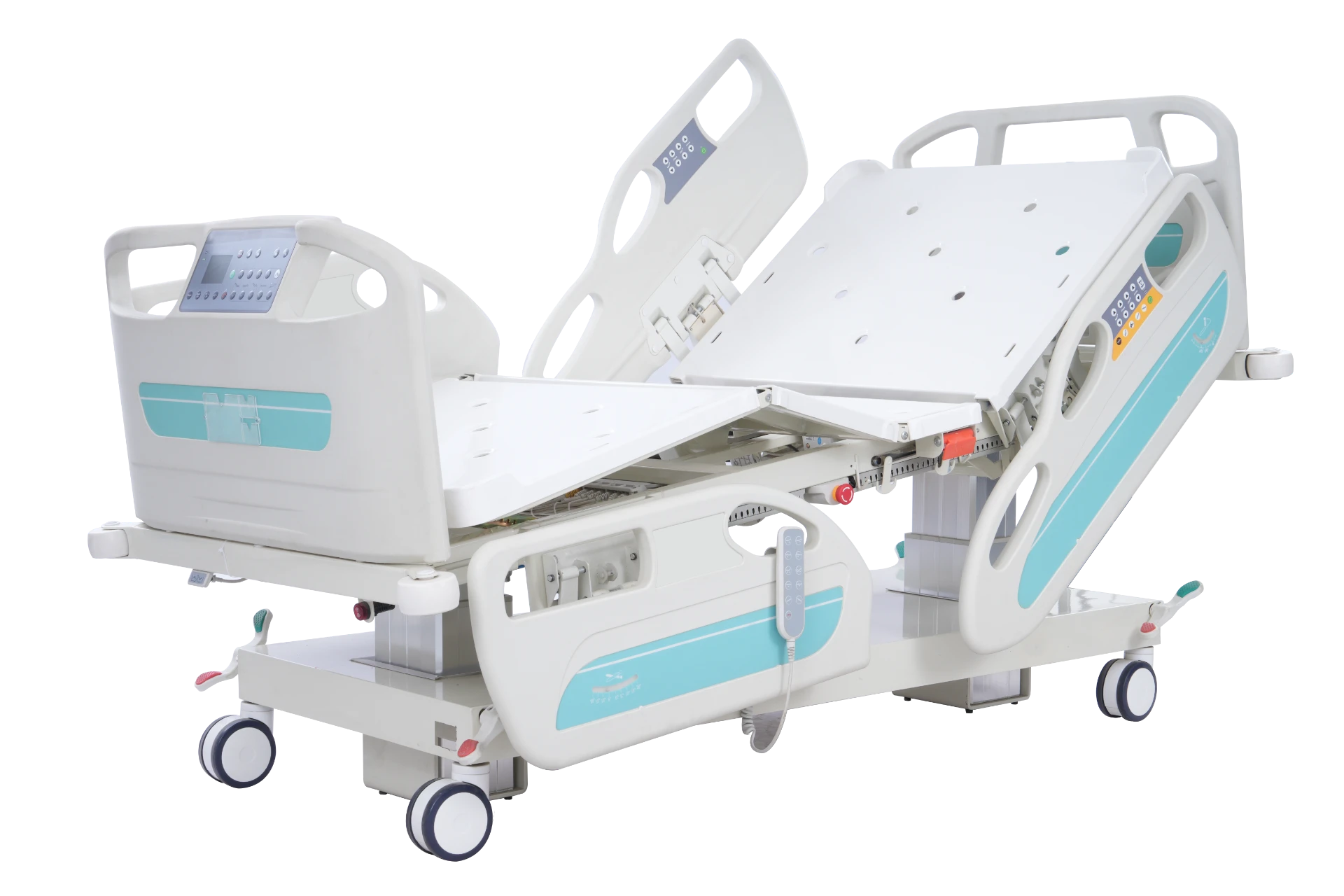
A Field Guide to ICU Beds: What Matters, What’s Hype, and a Solid Two‑Function Option
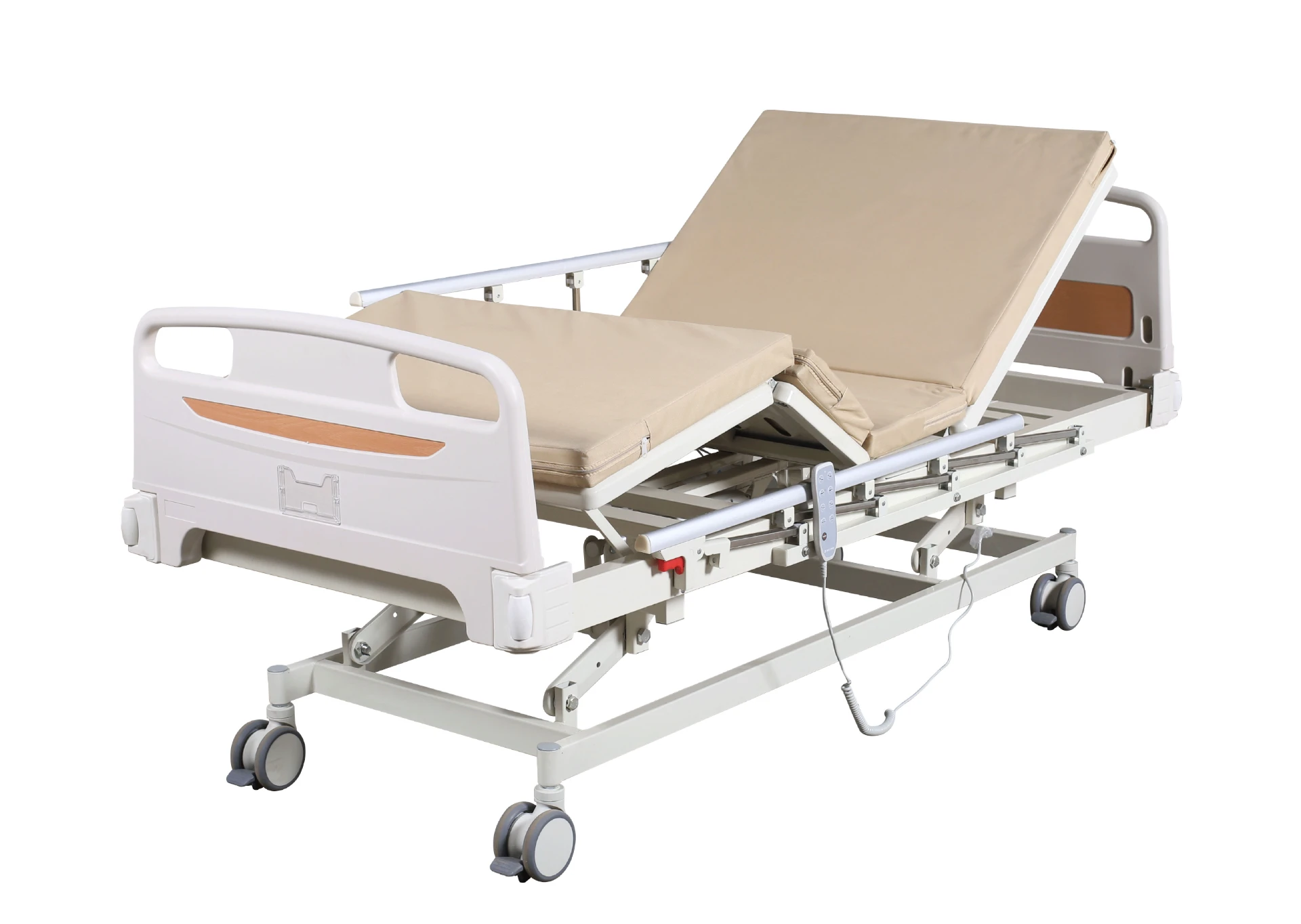
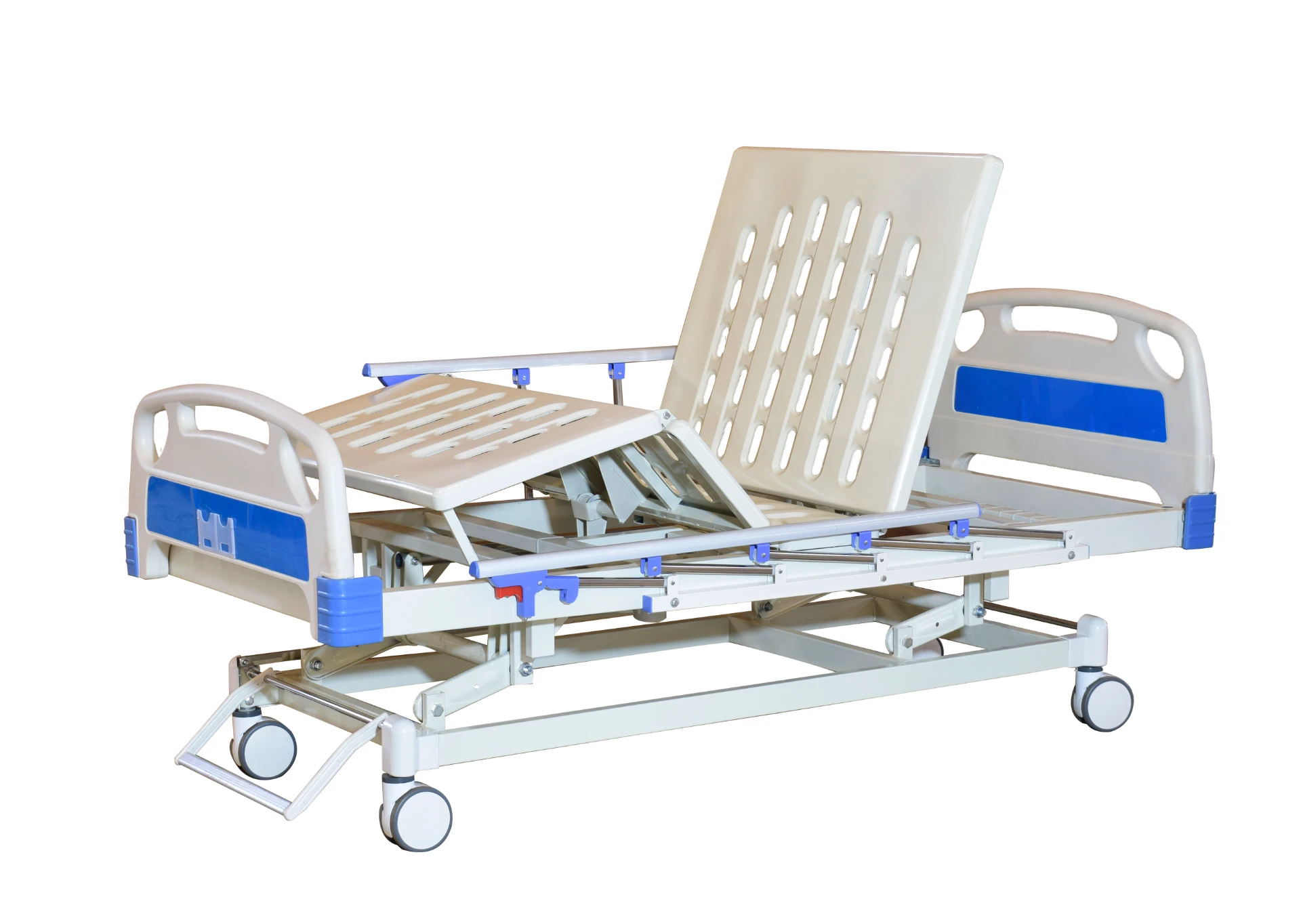
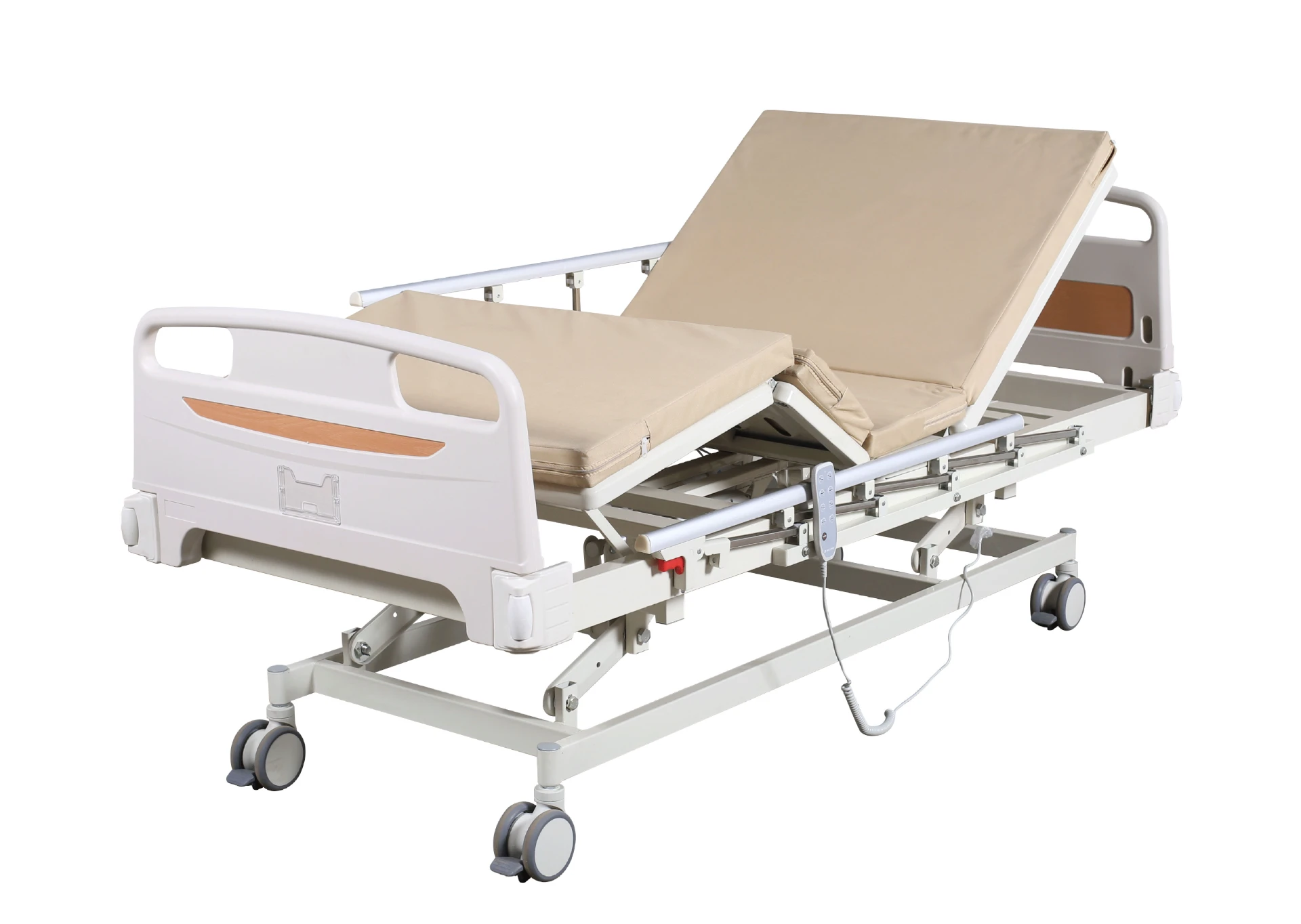
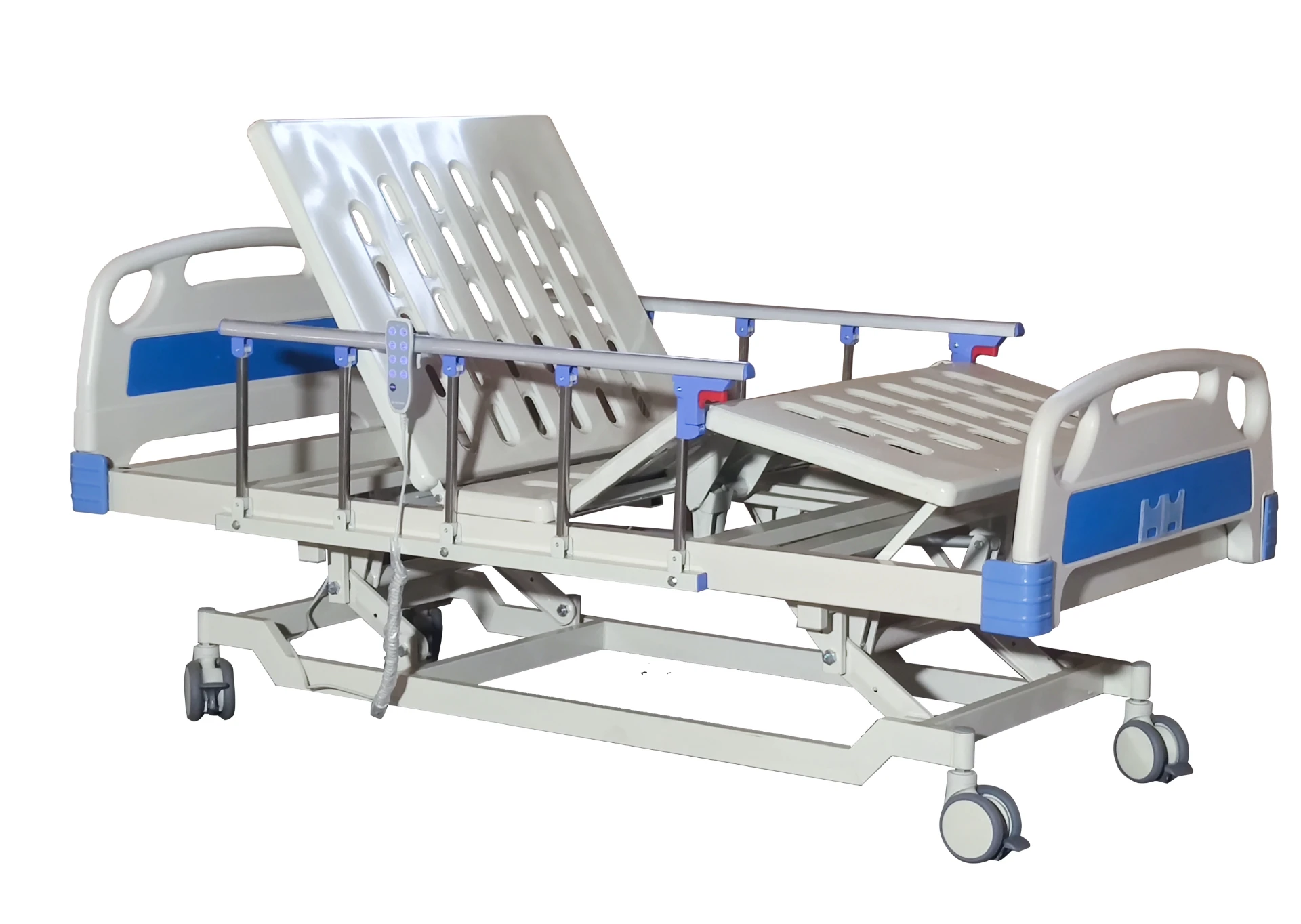
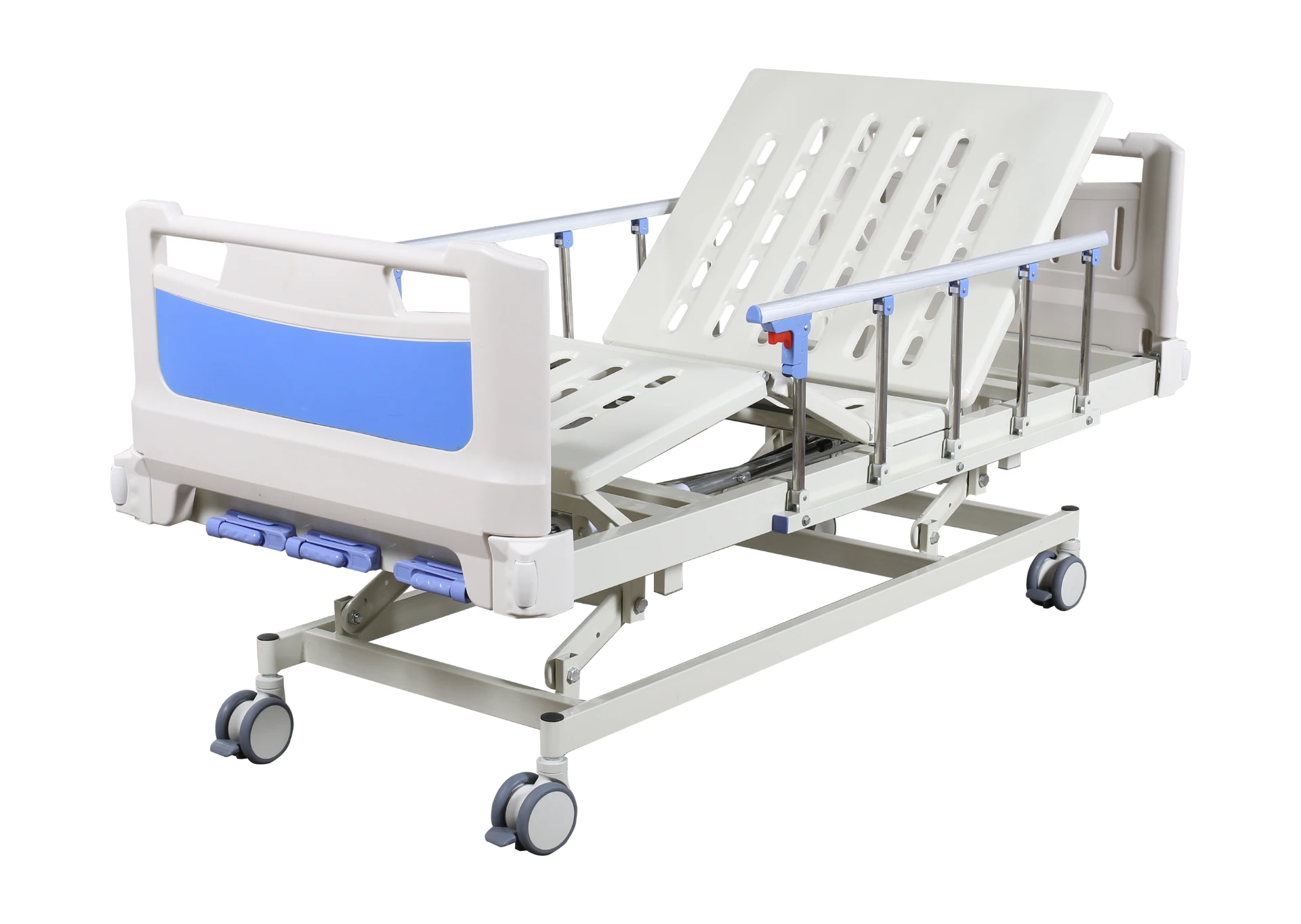
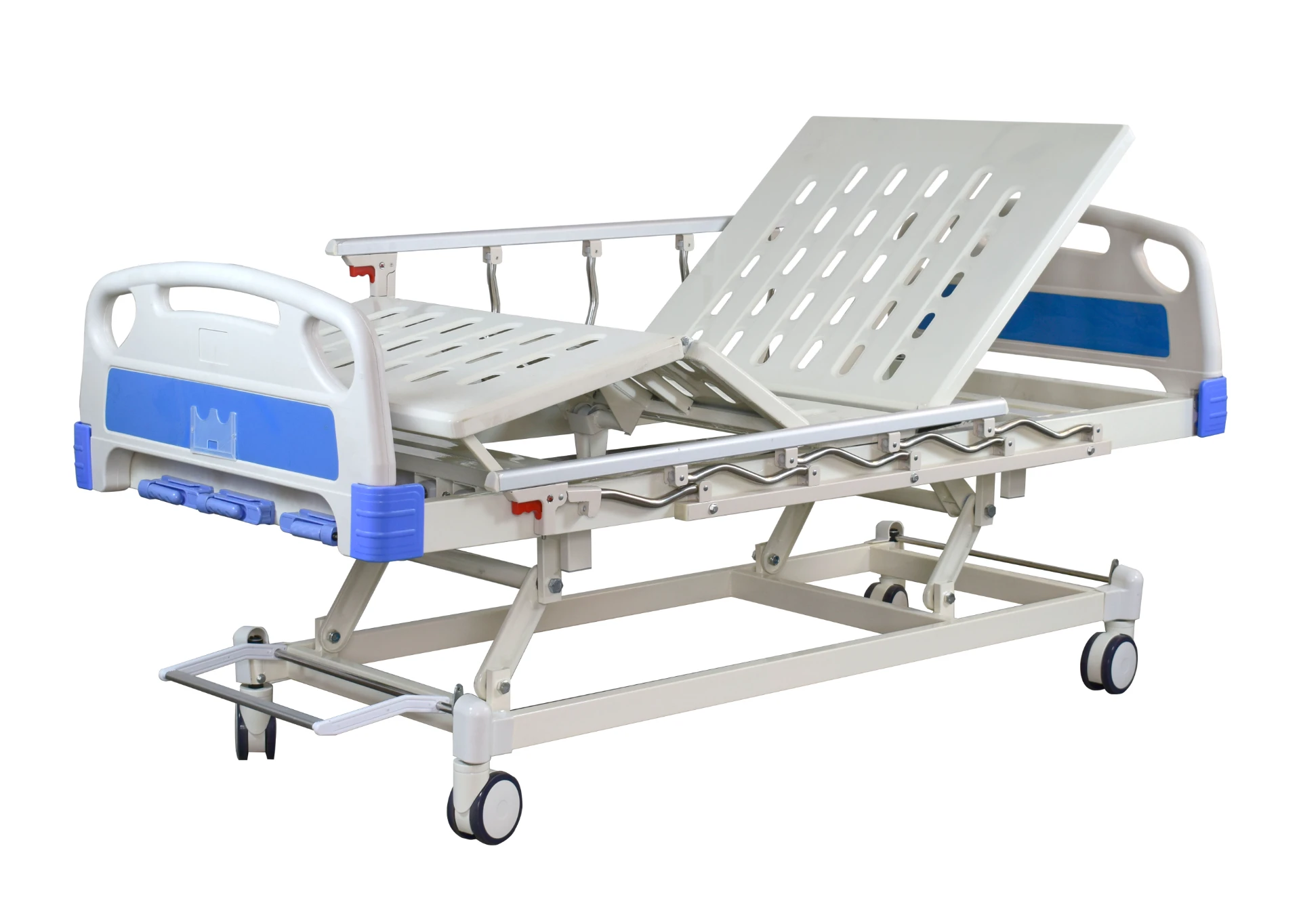
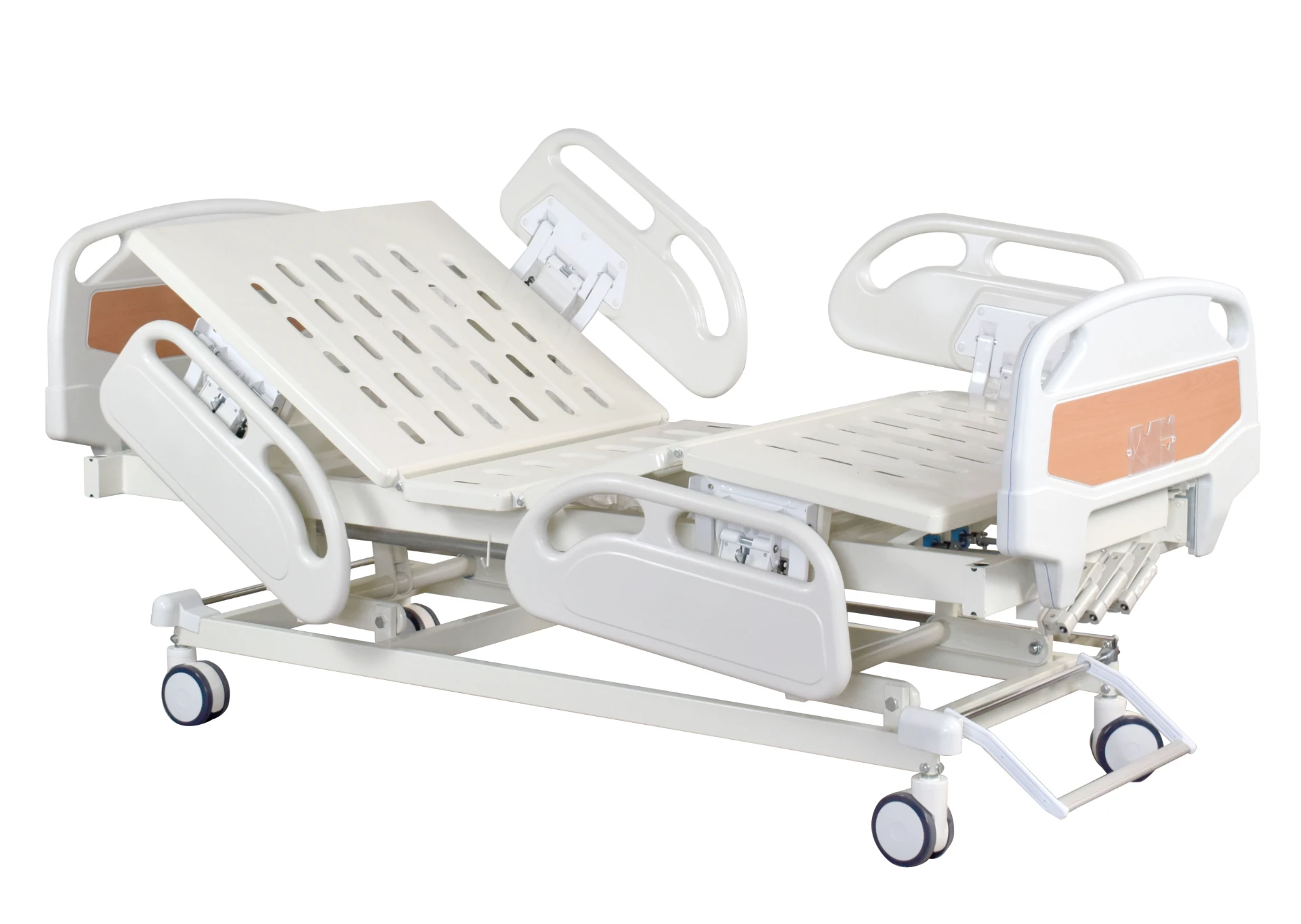
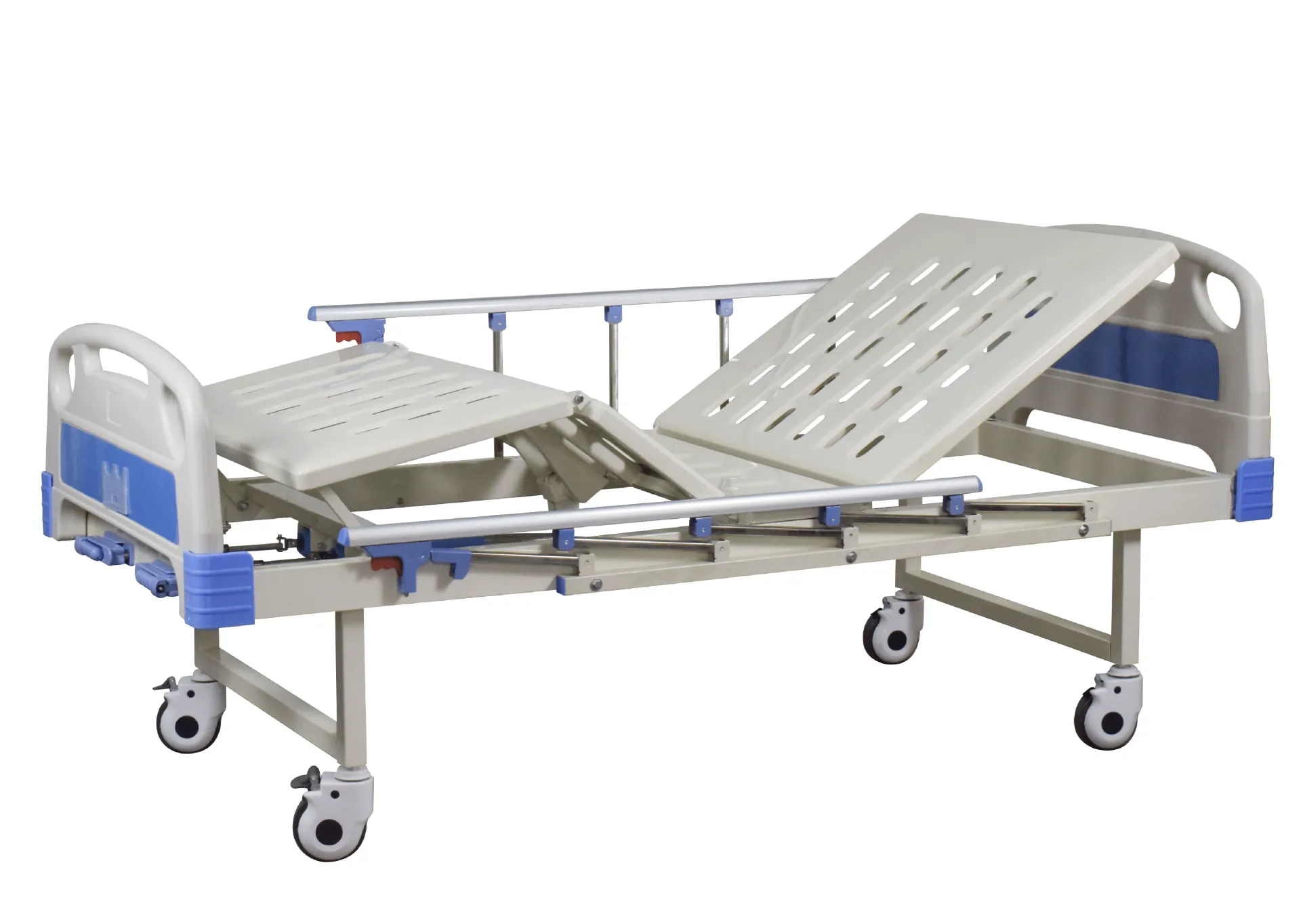
Buyers keep asking me about icu beds that balance reliability with realistic budgets. To be honest, the market is noisy—motor counts, app-connected remotes, the works. Yet in ward-to-ICU surge scenarios, a robust two-function manual bed still earns its keep. From Kaiyuan Road, Jizhou Economic Development Zone, Hengshui City, I’ve been tracking a no‑nonsense contender: the 2 functions hospital style adjustable beds—essentially a “2 function manual hospital bed” that’s been turning heads in procurement circles.
Industry trends (briefly, and frankly)
We’re seeing three currents: (1) modular rails and infection-control coatings are now baseline; (2) demand for surge-ready icu beds that convert quickly from general ward use; (3) maintenance-light mechanisms—cranks aren’t glamorous, but they’re resilient when power is patchy. Hospitals tell me that supply chain hiccups make “simple, serviceable, certified” a safer bet than over‑spec’d tech.
Product snapshot: 2 functions hospital style adjustable beds
| Spec | Details (≈ real-world values) |
|---|---|
| Functions | Manual backrest 0–75°, knee/leg 0–40° (dual cranks) |
| Safe Working Load | ≈ 220–250 kg; static test ≥ 1.5× SWL |
| Platform & Frame | Cold‑rolled steel deck, welded steel chassis, antimicrobial powder coat |
| Head/Foot Boards | ABS with quick release; bumpers at corners |
| Side Rails | PP/ABS split rails; latch with visual lock |
| Casters | Ø125 mm, diagonal or central lock (varies by option) |
| Height | Fixed deck ≈ 480–520 mm (mechanical height) |
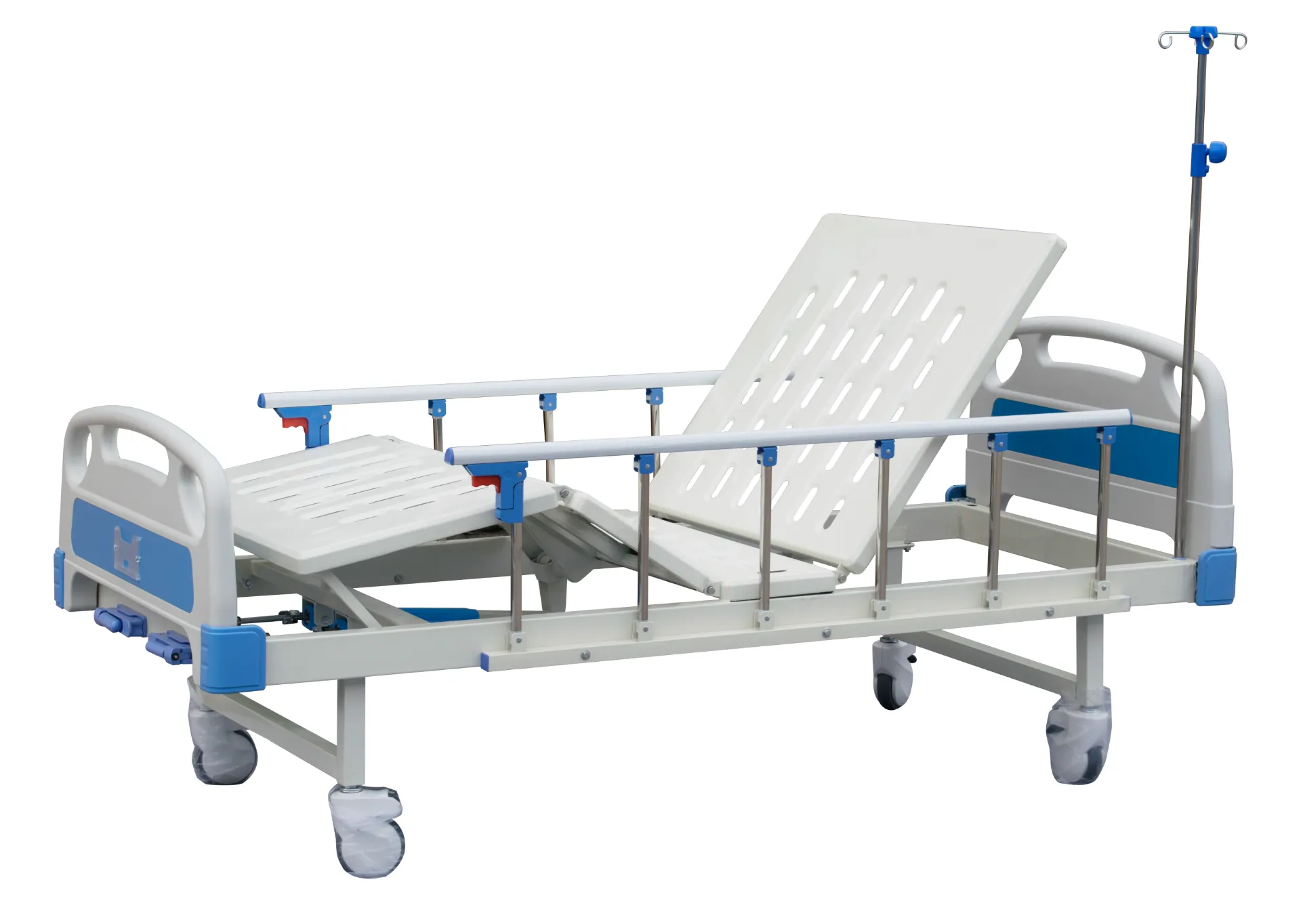
| Accessories | IV pole sockets ×4, urine hooks, CPR quick release (opt.) |
| Warranty / Service Life | 2 years typical / 8–10 years with routine maintenance |
Process flow and testing (how it’s actually built)
Materials: cold‑rolled steel (frame/deck), ABS/PP (boards, rails), zinc‑plated fasteners. Methods: laser cutting → CNC bending → MIG welding → phosphating → antimicrobial powder coating → assembly → torque checks. Testing: cycle test of cranks ≥ 10,000 cycles; caster roll/impact tests; salt-spray (ISO 9227) ≈ 72–96 h for coating; load test to IEC 60601‑2‑52 tables for safety factors. Typical service life: a decade in mixed-ward duty, assuming quarterly lubrication and annual bolt re‑torque.
Where it fits: real usage scenarios
- ICU surge or step‑down units needing rugged icu beds fast.
- General wards, LTAC, and rural hospitals where manual reliability trumps fancy electronics.
- Disaster preparedness caches; field hospitals with unstable power.
Quick case note: a county hospital in Hebei converted 12 general bays to ICU during flu season using these beds—added CPR latches and thicker bumpers. Nurses reported smoother crank action than their older fleet; one told me, “It’s not flashy, but it never stalls.”
Compliance, data, and certifications
Documentation typically includes ISO 13485 QMS, risk management per ISO 14971, and conformity to IEC 60601‑2‑52 for medical beds. Test snapshots I reviewed: SWL 230 kg (pass), backrest drive torque margin +25%, rail gap within entrapment limits, coating pass at 96 h salt-spray (no red rust). Always ask vendors for current DoCs and test reports; real-world use may vary.
Vendor landscape: how this unit stacks up
| Vendor | Lead Time | Compliance | Customization | Price Band |
|---|---|---|---|---|
| Boxin (Hengshui) | ≈ 20–35 days | IEC 60601‑2‑52, ISO 13485 (docs on request) | Rails, casters, boards, logos | Value |
| Vendor A (EU) | ≈ 6–10 weeks | CE MDR, extensive type testing | Broad, incl. colorways | Premium |
| Vendor B (Asia OEM) | ≈ 25–40 days | Mixed—verify reports | Moderate | Budget |
Customization tips
If you’re deploying as icu beds, spec thicker side-rail profiles, central brake casters, and CPR quick release. For coastal sites, ask for higher-grade powder and sealant; it’s a cheap hedge against corrosion. Many customers say the IV pole sockets on all four corners are a quiet lifesaver for tubing management.
Bottom line
Not every ICU needs motorized everything. This two-function manual platform is a dependable backbone—especially when budgets, timelines, or power conditions are tight. Make the paperwork ironclad, test the cranks, and you’ll likely be fine.
Authoritative citations
- IEC 60601‑2‑52: Medical electrical equipment—Particular requirements for basic safety and essential performance of medical beds.
- ISO 13485: Medical devices—Quality management systems—Requirements for regulatory purposes.
- ISO 14971: Medical devices—Application of risk management to medical devices.
- ISO 9227: Corrosion tests in artificial atmospheres—Salt spray tests.
- EU MDR 2017/745: Regulation on Medical Devices (conformity and post‑market surveillance).
-
Ultimate Guide to Choosing Extra Wide Waiting Room ChairsNewsApr.16,2026
-
Guide to Choosing Professional Waiting Room Chairs Wipeable SeatingNewsApr.09,2026
-
Enhance Your Space with Comfortable Wide Waiting Room ChairsNewsApr.07,2026
-
Selecting the Ideal Brown Waiting Room Chairs for a Welcoming SpaceNewsApr.04,2026
-
Choosing Comfortable Patient Waiting Room Chairs for Healthcare FacilitiesNewsMar.31,2026
-
Finding the Best Deals on Affordable and Cheap Reception Chairs for Your BusinessNewsMar.28,2026
-
Enhance Your Business Reception with Comfortable Blue Reception ChairsNewsMar.26,2026