Welcome to our websites!


Walking Stick with Ergonomic Grip, Adjustable & Lightweight
A Field Note on the Modern Walking Stick: What Buyers (and Clinicians) Quietly Look For
I’ve visited more rehab wards than trade shows this year, and—surprisingly—demand hasn’t just shifted to rollators. The humble Walking Stick is getting a serious materials upgrade. Lightweight alloys, quieter tips, smarter height adjustment. The product in question—Walking assistance devices walking aids for elderly, manufactured in Kaiyuan Road, Jizhou Economic Development Zone, Jizhou District, Hengshui City—fits neatly into that trend. In fact, many customers say the biggest difference is confidence: steadier gait, fewer slips, less noise on tile.
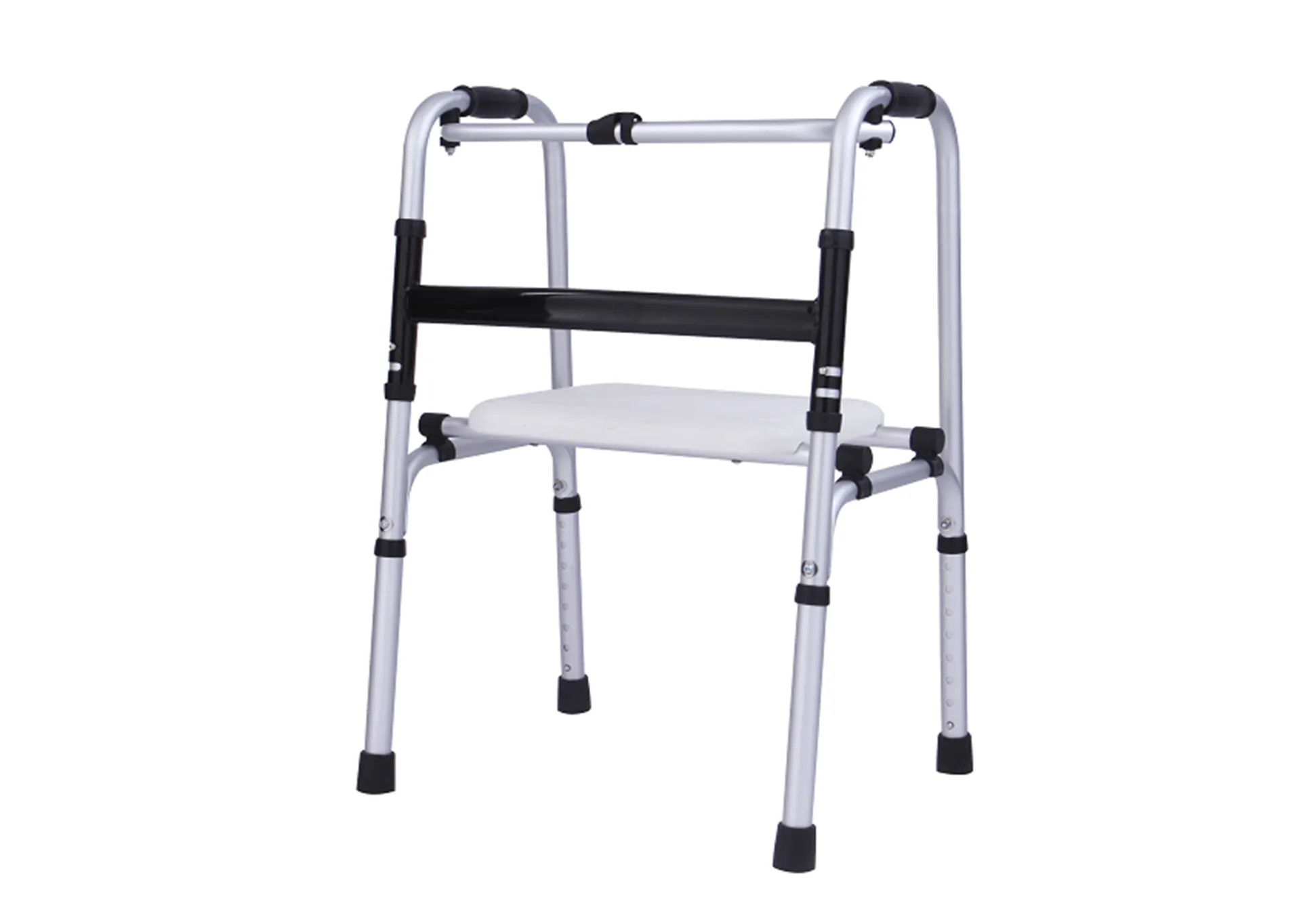
Industry Trends and Where This Walking Stick Fits
Three currents stand out: (1) materials—7000‑series aluminum and carbon composites for stiffness-to-weight; (2) ergonomics—angled handles reducing ulnar deviation; (3) compliance—manufacturers aligning with ISO 11199 and the EU MDR. Honestly, “smart” canes get headlines, but clinics still prioritize reliable adjustability, wear-tested tips, and consistent QC data over gadgets.
Technical Specs (Real-World, Not Just Brochure)
| Frame material | Aluminum alloy 6061‑T6 (option: 7001 for ≈+12% stiffness) |
| Tube wall thickness | ≈1.2 mm (real-world may vary ±0.05 mm) |
| Height adjustment | 750–950 mm, 10 holes, 25 mm step; laser-etched scale |
| Handle | TPR overmold, ergonomic T-grip; optional foam |
| Tip | NBR rubber, ≥55 Shore A; anti-slip tread; replaceable |
| Max user weight | 120 kg (static), 100 kg (dynamic duty) |
| Net weight | ≈0.8 kg |
| Finish | Anodized, 8–12 μm; salt‑spray ≥48 h |
| Service life | 3–5 years in normal use (tips replaced ≈ every 6–12 months) |
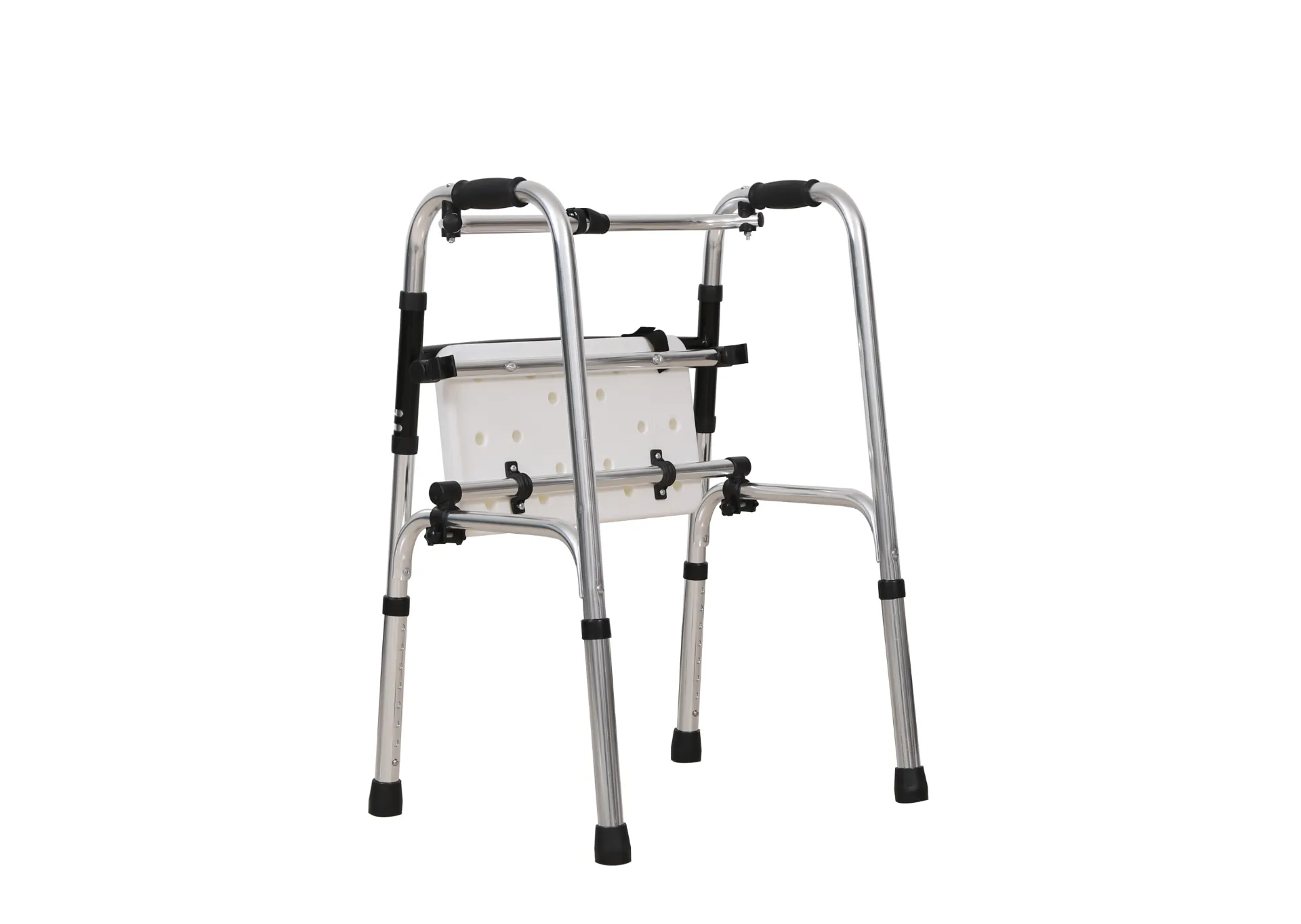
Process Flow and Testing (What QC Teams Ask)
Materials inbound → extrusion & CNC drilling → deburring → anodizing → laser marking → assembly (handle/locking pin/tip) → torque check → final QC.
- Static load per EN ISO 11199: 1.3× rated load for 60 s; result: PASS at 156 kg.
- Fatigue: 100,000 cycles at 50 kg vertical loading; result: no tube deformation, pin wear
- Drop test: 400 mm on concrete, 10 times; result: cosmetic scuffs only.
- Coefficient of friction (dry tile): tip μ ≈ 0.62; wet tile: μ ≈ 0.41.
Certifications: ISO 13485 QMS; CE (EU MDR 2017/745, Class I), RoHS-compliant materials. Some buyers also request biocompatibility statements for handle polymers—sensible, to be honest.
Applications and Advantages
Use cases span post-op recovery (hip/knee), chronic balance issues, and travel or narrow apartment corridors where a rollator is overkill. The Walking Stick folds under a café table, adjusts quickly in elevators, and—customers tell me—feels “quiet” in clinics thanks to tighter pin tolerances.
Vendor Snapshot (because procurement hates surprises)
| Vendor | Certs | MOQ | Lead time | Customization | Warranty |
|---|---|---|---|---|---|
| Boxin (Hengshui) | ISO 13485, CE | ≈300 pcs | 20–30 days | Color, logo laser, tip hardness | 12 months |
| Generic Importer | CE self-declaration | ≈1,000 pcs | 45–60 days | Limited colors | 6 months |
| EU Boutique Brand | ISO 13485, CE, MDR audit | ≈100 pcs | 14–21 days | Broad palette, premium grips | 24 months |
Customization and Packaging
OEM/ODM available: anodized colors, laser logo, tip compounds (soft vs long-life), retail box or mailer-friendly polybag with insert. For institutional buys, barcoding and UDI labels can be added—useful as inventory scales.
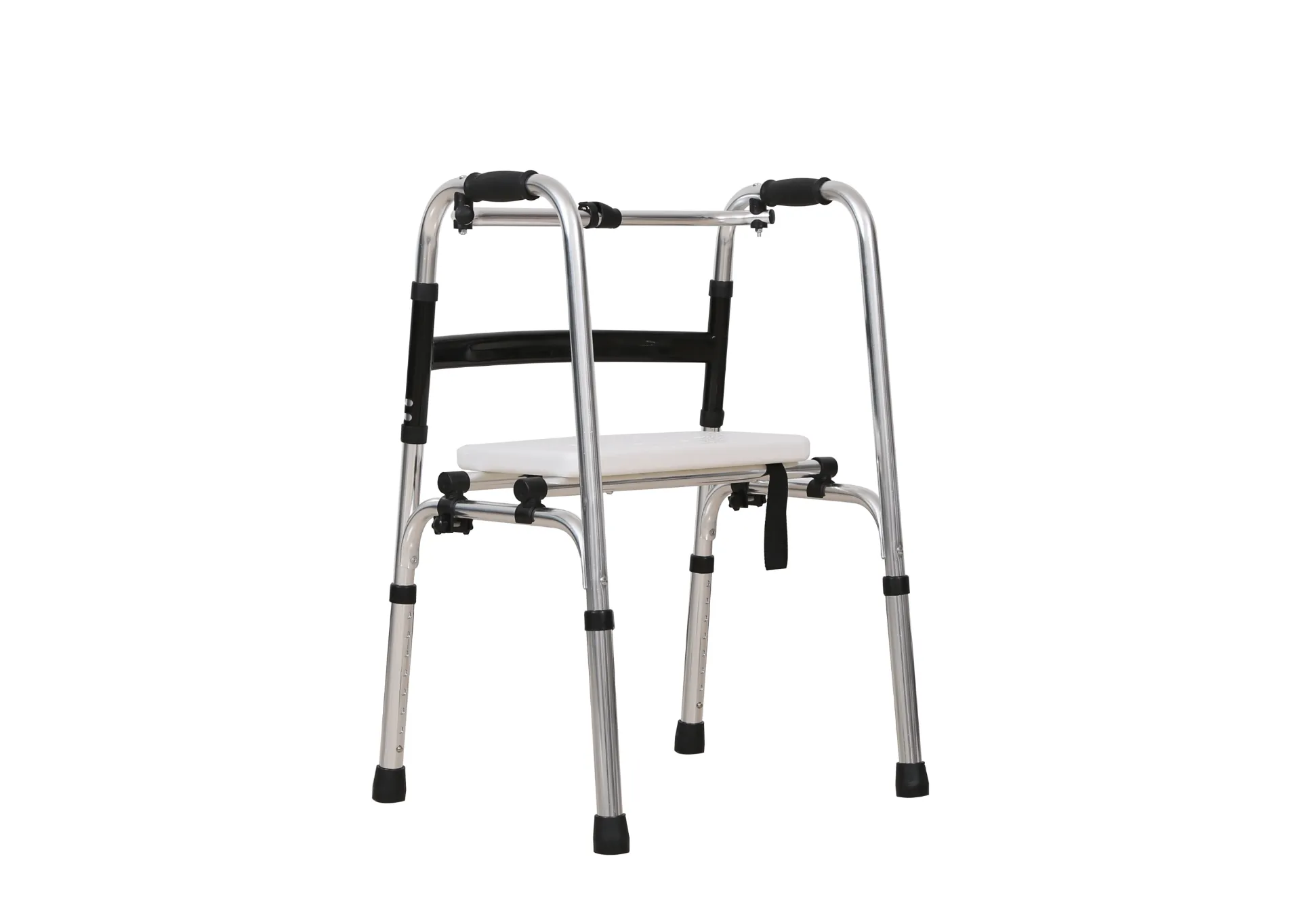
Case Notes from the Field
A rehab clinic in Suzhou trialed 60 units for 8 weeks. Reported: 21% fewer tip replacements versus their prior supplier; no height-lock failures; patient-reported “hand fatigue” dropped from 18% to 9% (n=57), attributed to the TPR overmold. Not a randomized study, I know—but procurement liked the maintenance data. Another distributor in Ningbo shipped 500 pcs to home-care channels; returns were 0.6% over six months, mostly cosmetic.
Bottom Line
If you need a dependable Walking Stick that clears ISO-style tests, stays light, and doesn’t make your facility sound like a tap-dance studio, this model is a sensible shortlist pick. Check certifications and ask for the latest test sheets—always.
Authoritative Sources
- WHO. Falls Fact Sheet. https://www.who.int/news-room/fact-sheets/detail/falls
- ISO 11199 (Walking aids). https://www.iso.org/standard/ (search “11199”)
- ISO 13485:2016 Medical devices—QMS. https://www.iso.org/standard/59752.html
- EU MDR 2017/745 (Class I rules). https://eur-lex.europa.eu/eli/reg/2017/745/oj
-
Ultimate Guide to Choosing Extra Wide Waiting Room ChairsNewsApr.16,2026
-
Guide to Choosing Professional Waiting Room Chairs Wipeable SeatingNewsApr.09,2026
-
Enhance Your Space with Comfortable Wide Waiting Room ChairsNewsApr.07,2026
-
Selecting the Ideal Brown Waiting Room Chairs for a Welcoming SpaceNewsApr.04,2026
-
Choosing Comfortable Patient Waiting Room Chairs for Healthcare FacilitiesNewsMar.31,2026
-
Finding the Best Deals on Affordable and Cheap Reception Chairs for Your BusinessNewsMar.28,2026
-
Enhance Your Business Reception with Comfortable Blue Reception ChairsNewsMar.26,2026