Welcome to our websites!


Walking Stick – Lightweight, Adjustable, Ergonomic Support
A Field Note on the Modern walking stick (and Why the Humble Walker Is Having a Moment)
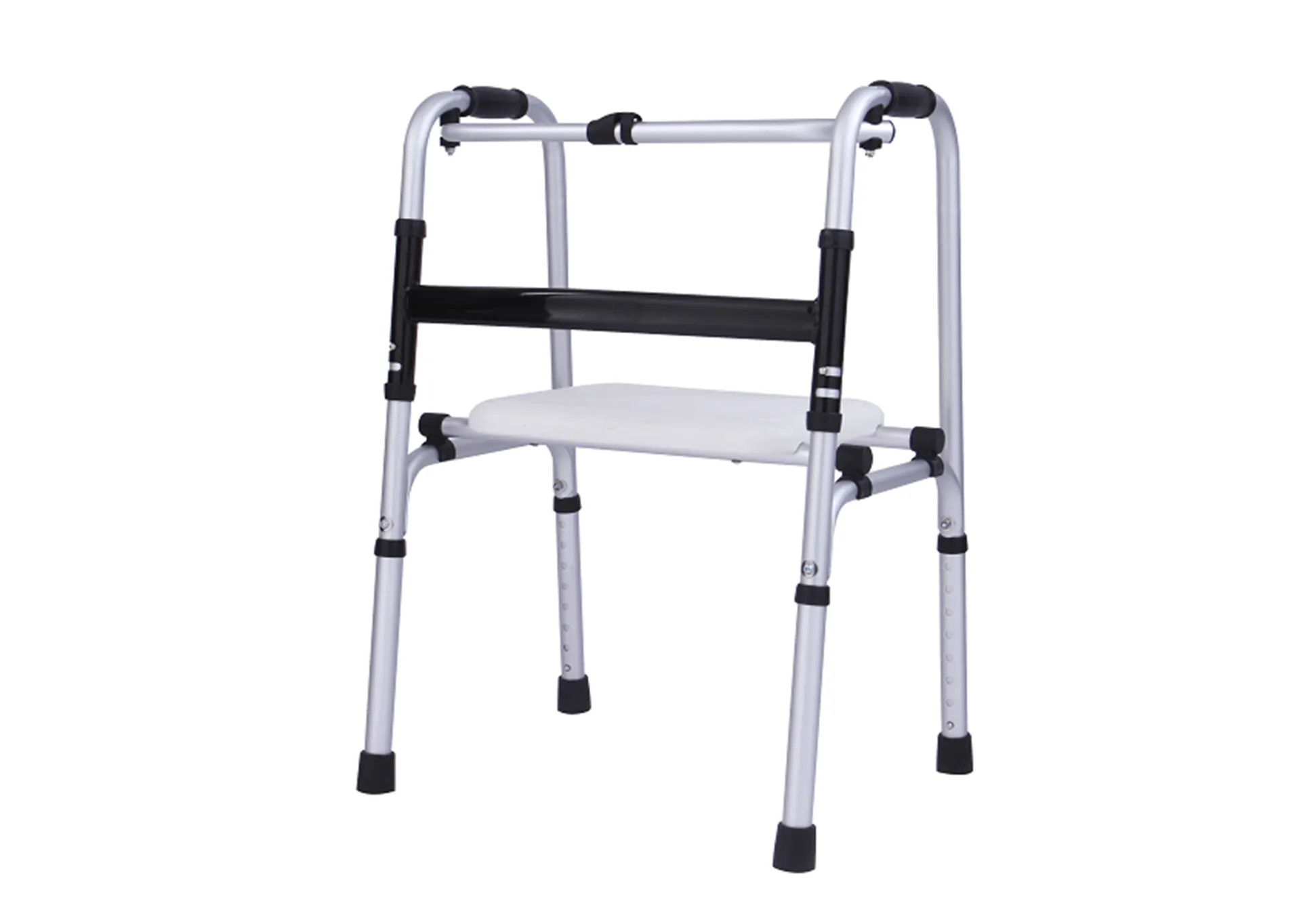
The aging-at-home trend isn’t a headline anymore—it’s daily life. And, to be honest, the gear is catching up. What we used to call a plain walking stick has evolved into a family of smartly engineered products: lightweight frames, safer grips, even telehealth-friendly accessories. I’ve spent enough time in clinics and supplier warehouses to see what actually holds up in real-world use. One product line that keeps popping up is the “Walking assistance devices walking aids for elderly,” a sturdy walker made in Kaiyuan Road, Jizhou Economic Development Zone, Jizhou District, Hengshui City. It’s not hype; it’s a quiet workhorse.
Industry pulse: lighter frames, safer feet, smarter options
Actually, weight is out; stability is in. We’re seeing 6000-series aluminum dominate, rubber compounds with better wet-surface grip, and testing that mirrors clinic realities (fatigue cycles, torsion, salt spray—more on that in a second). Hospitals still buy in bulk, but homecare and community rehab drive customization. And yes, many customers say they prefer a simple, reliable frame over app-laden bells and whistles.
Technical snapshot: the walker behind the walking stick conversation
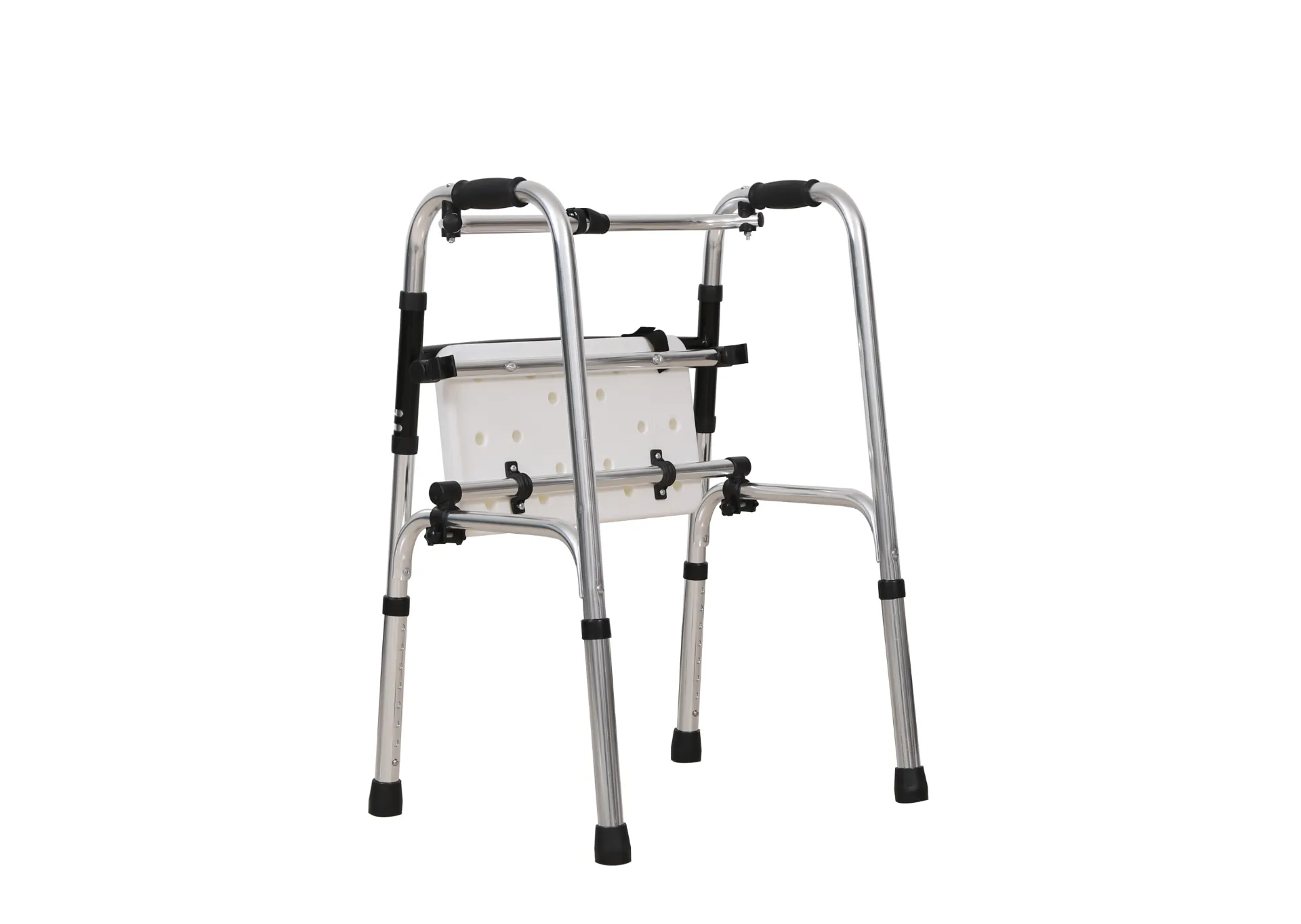
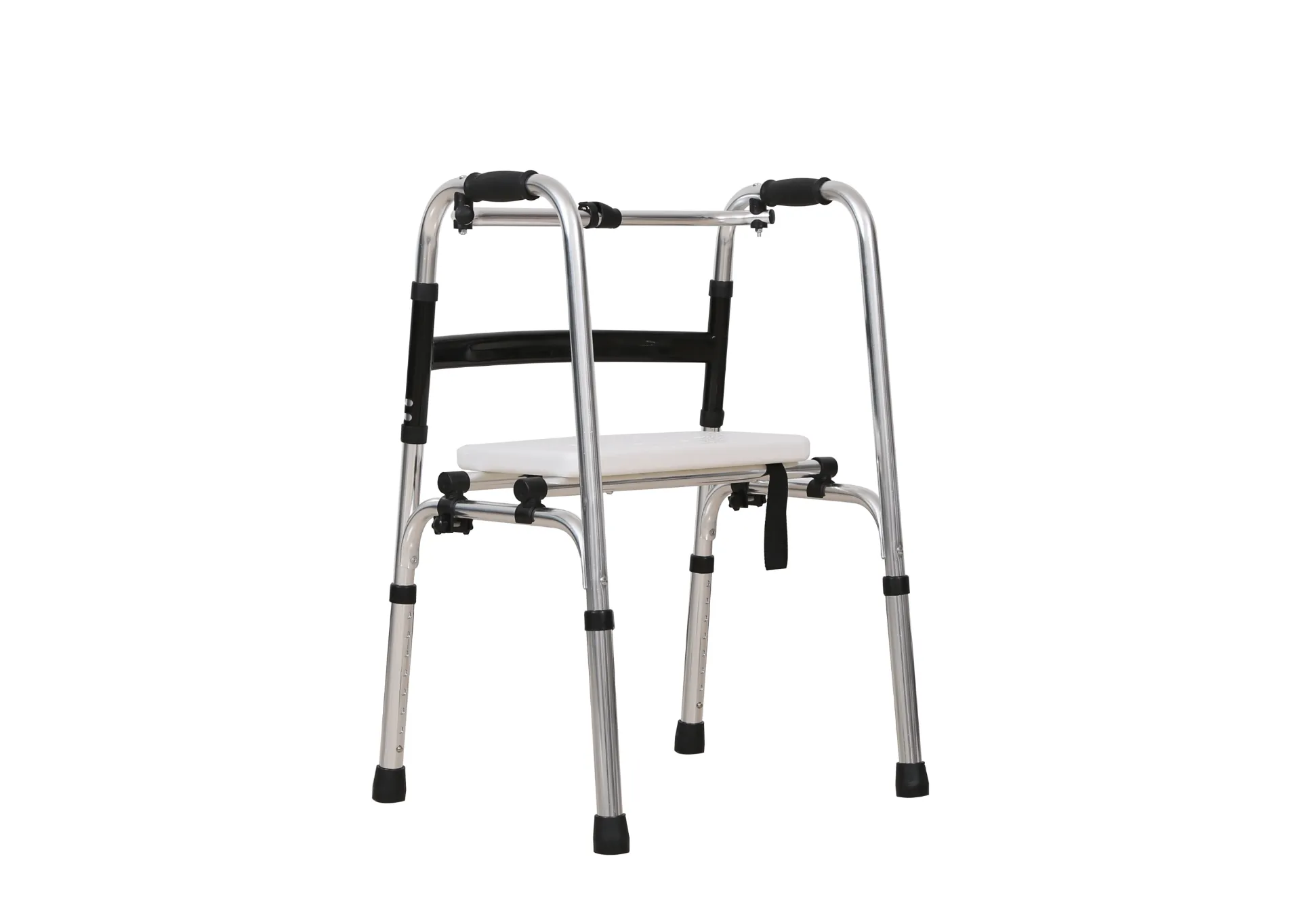
Product: Walking assistance devices walking aids for elderly (Walker) — everyday stability with clinic-grade detail.
| Frame material | 6061‑T6 aluminum alloy, anodized matte |
| Height adjustment | ≈ 760–940 mm (10 positions), push‑button |
| Product weight | around 2.8 kg (real‑world use may vary ±5%) |
| User weight capacity | up to 136 kg (300 lb) |
| Grip & tips | EVA/TPR ergonomic grips; anti‑slip rubber ferrules |
| Foldability | One‑button side‑fold, compact storage |
| Compliance targets | ISO 11199‑1 (walking frames); EN 12182; ISO 13485 QMS |
| Service life | ≈ 3–5 years under normal household use |
How it’s made (quick process flow)
• Materials: 6061‑T6 aluminum tubes; PP joints; EVA/TPR handles; rubber ferrules.
• Methods: tube extrusion → CNC drilling → TIG welding → anodizing → assembly.
• Testing: static load at 1.5× rated for 60 s (no deformation) [2]; 20,000–100,000 fatigue cycles on joints; salt‑spray per ASTM B117 style method (24 h, no red rust on coated areas); slip resistance on wet tile (lab data, internal).
• Documentation: lot traceability, incoming IQC, final QC with dimensional checks.
• Industries served: homecare, rehab clinics, hospitals, pharmacies, DME distributors.
Where it shines
Post‑op knee/hip, balance training, community walks, narrow hallways (folding helps). I guess the big win is confidence: users report fewer “near slips.” One caregiver in Tianjin told me their client swapped a basic walking stick for this walker and immediately relaxed on kitchen tiles—small thing, big impact.
Vendor landscape (my short list)
| Vendor | Highlights | Notes (≈ public data) |
|---|---|---|
| Boxin Medical (Hengshui) | ODM/OEM, ISO 13485, flexible MOQ, origin: Kaiyuan Road, Jizhou | Lead time ≈ 20–35 days; customization friendly |
| Drive DeVilbiss | Broad portfolio, global distribution | Faster replenishment; price band mid‑to‑high |
| Invacare | Institutional focus, strong aftersales | Specs vary by region; verify MDR/FDA labeling |
Comparison is indicative; verify current certifications, price, and lead times directly with vendors.
Customization
Color anodizing, laser logo, height ranges for petite/tall users, soft‑touch handles, slow‑rebound tips, optional caddy/basket. Many customers say a matte dark finish hides scuffs better than bright silver—small but practical.
Mini case notes
Homecare chain, Zhejiang: Switched from a simple walking stick to walkers for post‑stroke clients; reported 18% fewer incident logs over 3 months (internal audit, small sample). Community clinic, Hebei: Ordered a compact run (logo + darker grip) for narrow corridors; reorder within 60 days—seems that user acceptance was high.
Compliance check
Look for ISO 11199‑1 and EN 12182 on datasheets, quality system to ISO 13485, and region‑specific labeling (EU MDR, FDA product classification for walkers). If a vendor can show static/fatigue test reports and biocompatibility statements for grips/tips, you’re in safe territory [2][3][4][5].
Bottom line: For anyone weighing a classic walking stick against a light, foldable walker, stability per kilogram is the metric. This model hits that sweet spot—quietly, reliably, and without drama.
Authoritative citations
-
Ultimate Guide to Choosing Extra Wide Waiting Room ChairsNewsApr.16,2026
-
Guide to Choosing Professional Waiting Room Chairs Wipeable SeatingNewsApr.09,2026
-
Enhance Your Space with Comfortable Wide Waiting Room ChairsNewsApr.07,2026
-
Selecting the Ideal Brown Waiting Room Chairs for a Welcoming SpaceNewsApr.04,2026
-
Choosing Comfortable Patient Waiting Room Chairs for Healthcare FacilitiesNewsMar.31,2026
-
Finding the Best Deals on Affordable and Cheap Reception Chairs for Your BusinessNewsMar.28,2026
-
Enhance Your Business Reception with Comfortable Blue Reception ChairsNewsMar.26,2026