Welcome to our websites!


Walking Aids for Adults: Safer, Adjustable, Ergonomic?
A Field Guide to Choosing Walking Aids for Adults: Trends, Specs, and Real-World Use
If you’re shopping for walking aids for adults, you’ve probably noticed the market has exploded—lighter frames, quieter brakes, even antimicrobial grips. To be honest, choice overload is a thing. Here’s the insider view from clinic floors and factory lines, with a few candid notes from customers along the way.
Where the industry is heading
The big shifts: aluminum and carbon fiber frames for lower carry weight, ergonomic “palm-style” grips that reduce ulnar pressure, and cable-in-frame brakes to avoid snagging. Some facilities, surprisingly, are specifying antimicrobial TPU handles and low-noise 8" TPR wheels for nighttime wards. Many customers say the “quick height adjust” (no tools) is a must-have—especially for multi-user rehab settings.
Reference specs (what to look for)
Below is a typical “workhorse” adult rollator spec our team benchmarks. Real-world use may vary by brand and model.
| Frame | 6061-T6 aluminum, TIG welded; powder-coated |
| Unit weight | ≈ 7.2–8.0 kg |
| User weight rating | 136 kg (static); 100 kg (dynamic, typical) |
| Handle height range | 780–980 mm, 6–8 detents |
| Wheel size | 8" TPR, low-noise bearings |
| Brakes | Loop or drum; parking lock |
| Compliance | ISO 11199-2; EN 12182; ISO 13485 QMS |
| Warranty | 12–24 months (parts), varies |
How good products are made and tested
Materials: 6061-T6 or 7005 aluminum, PP/ABS accessory parts, TPU/TPR grips. Methods: tube cutting, CNC mitering, TIG welding, shot-blast, powder coat or anodize, sub-assembly, final torque, brake modulation set. Testing: static load (≥1.5× rated), cyclic fatigue (≥50,000 cycles), brake endurance (≥3,000 actuations), salt-spray 24–72h on coated parts, handle slip test, tip-stability per ISO 11199. Expected service life: around 3–5 years in clinical settings if maintained; longer for home users.
Vendors at a glance (fast comparison)
| Vendor | Certs | Frame | Customization | Lead time ≈ | Notes |
|---|---|---|---|---|---|
| Boxin Medical (Hengshui) | ISO 13485, CE (MDR) | Aluminum/ABS | Color, logo, seat height, manuals | 25–40 days | OEM/ODM friendly; responsive QC |
| Medline (US) | FDA reg., ISO 13485 | Aluminum/steel | Limited per SKU | Stock-based | Broad distribution |
| Drive DeVilbiss (US/EU) | FDA reg., CE | Aluminum | Brand-level options | Stock-based | Wide model range |
Use cases, feedback, and small case notes
- Hospitals and rehab centers: walking aids for adults with parking brakes and wider seats reduce “pinch” incidents, nurses say.
- Community/retail: fold-flat rollators that fit car trunks win on convenience.
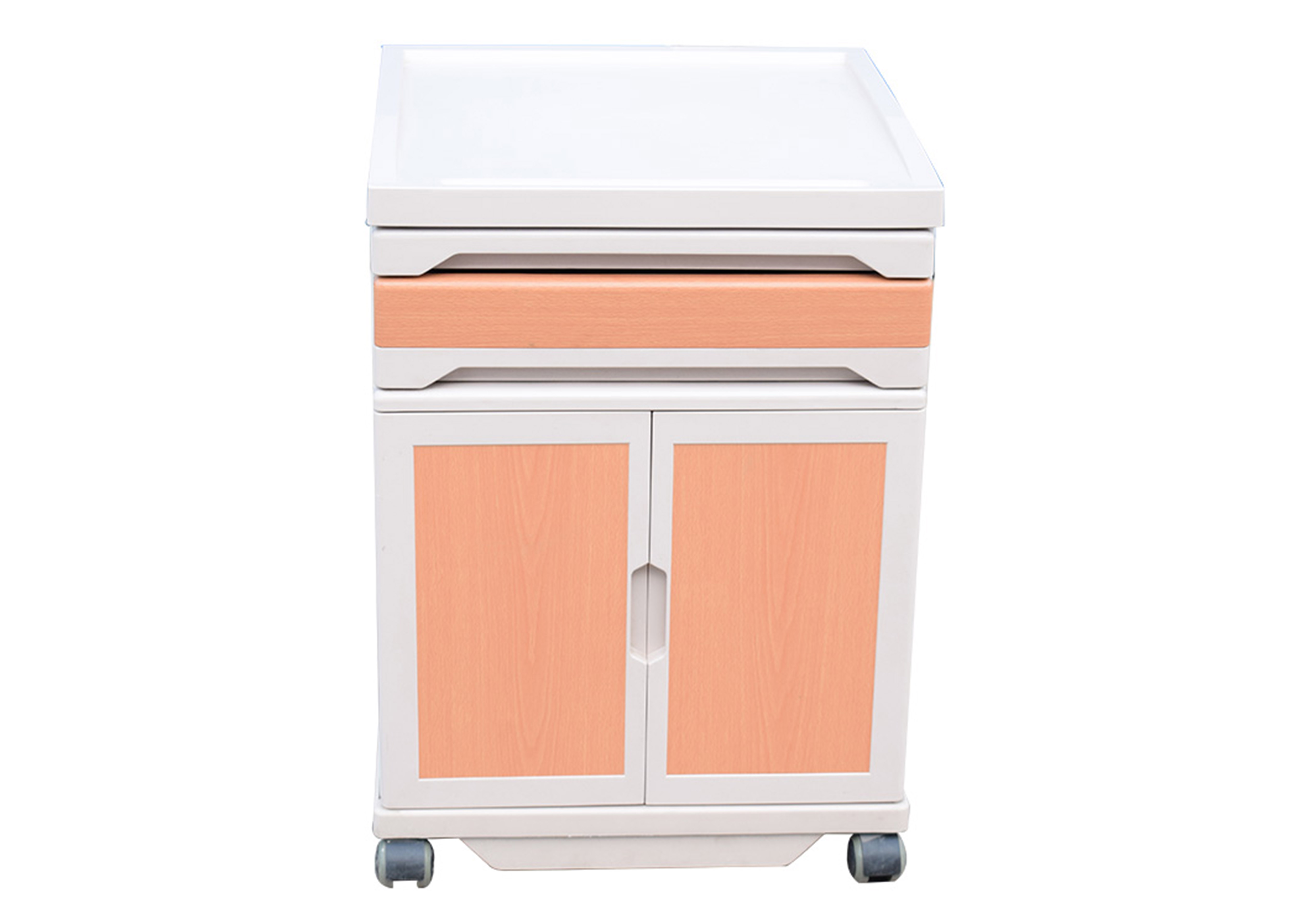
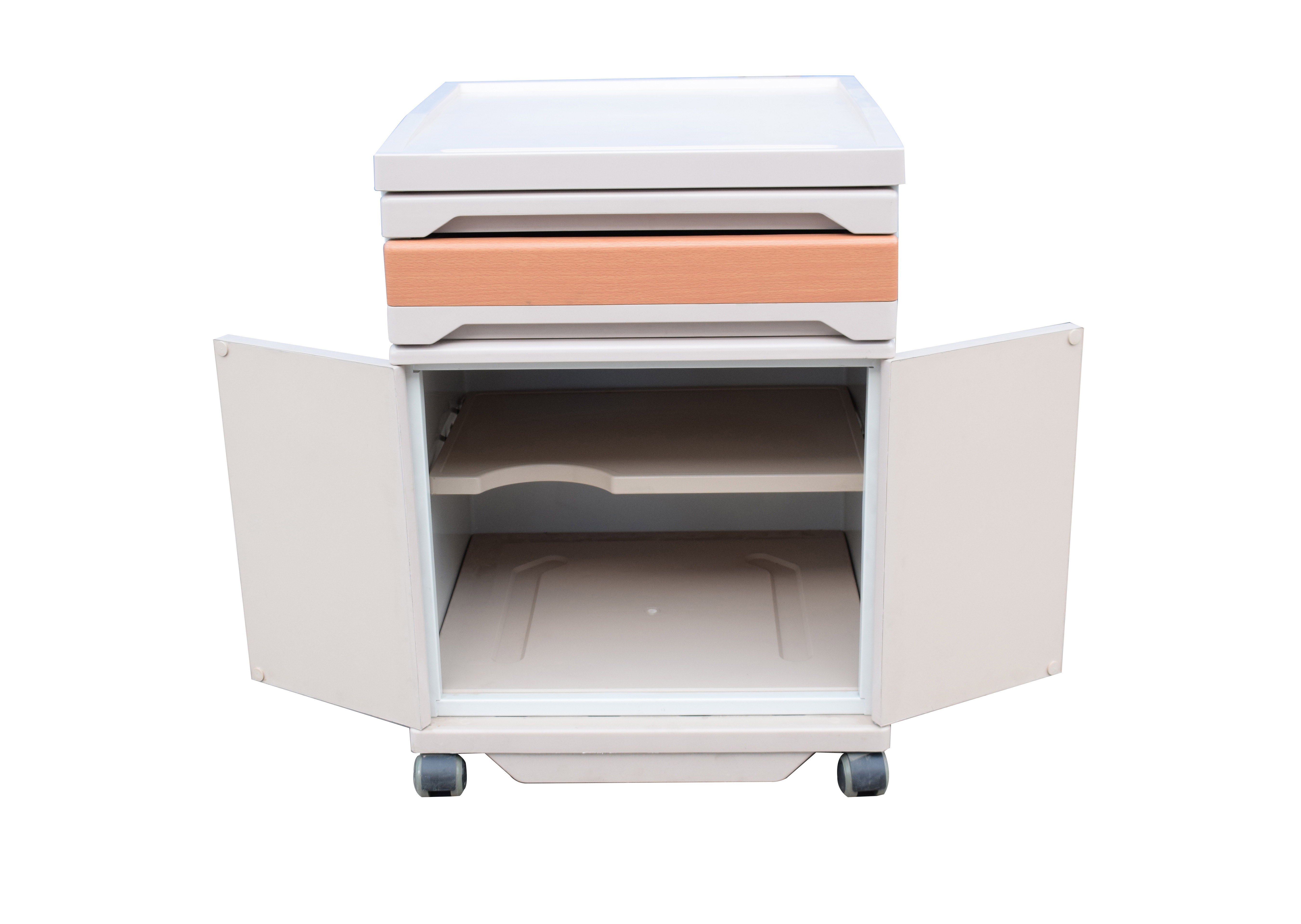
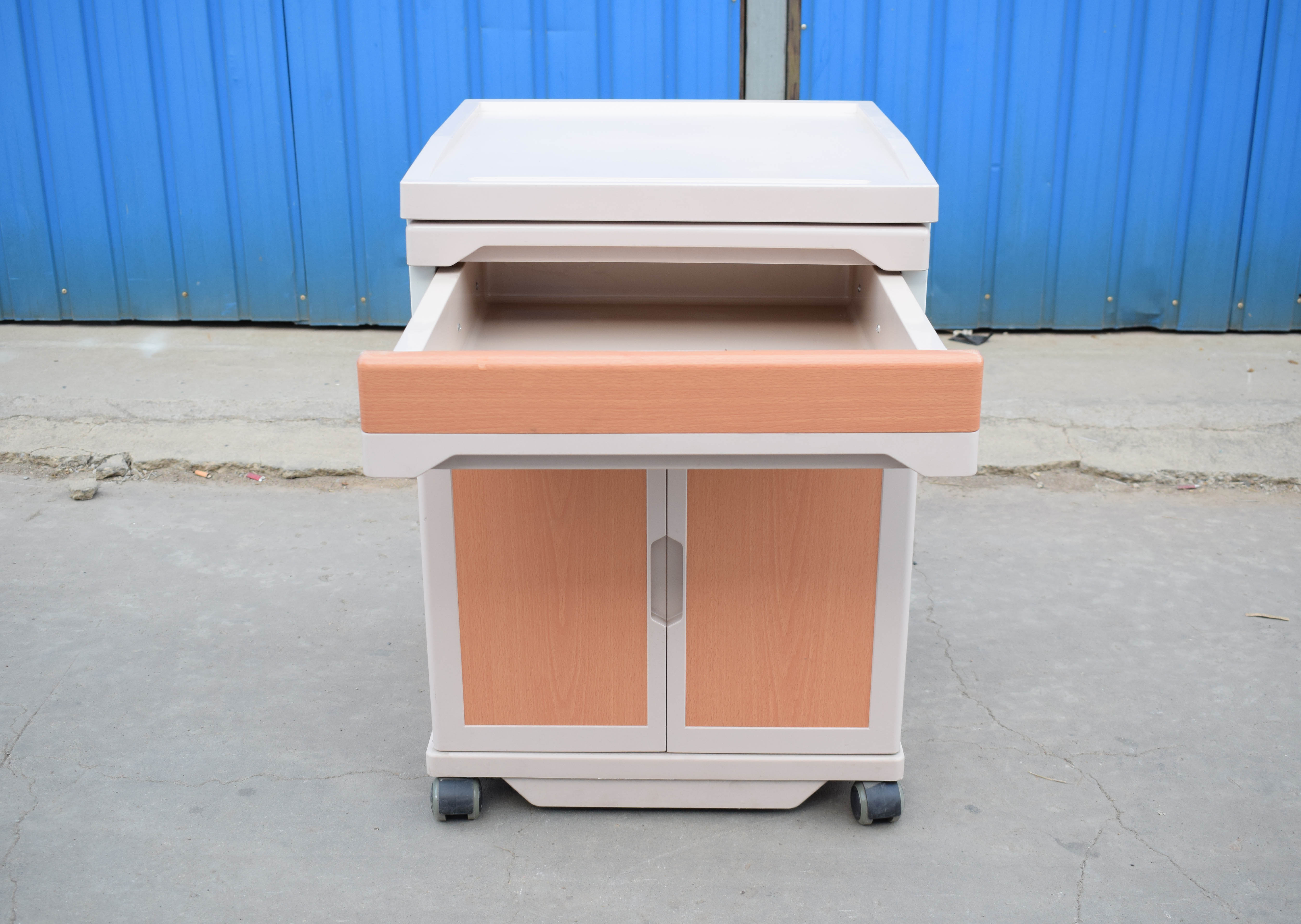
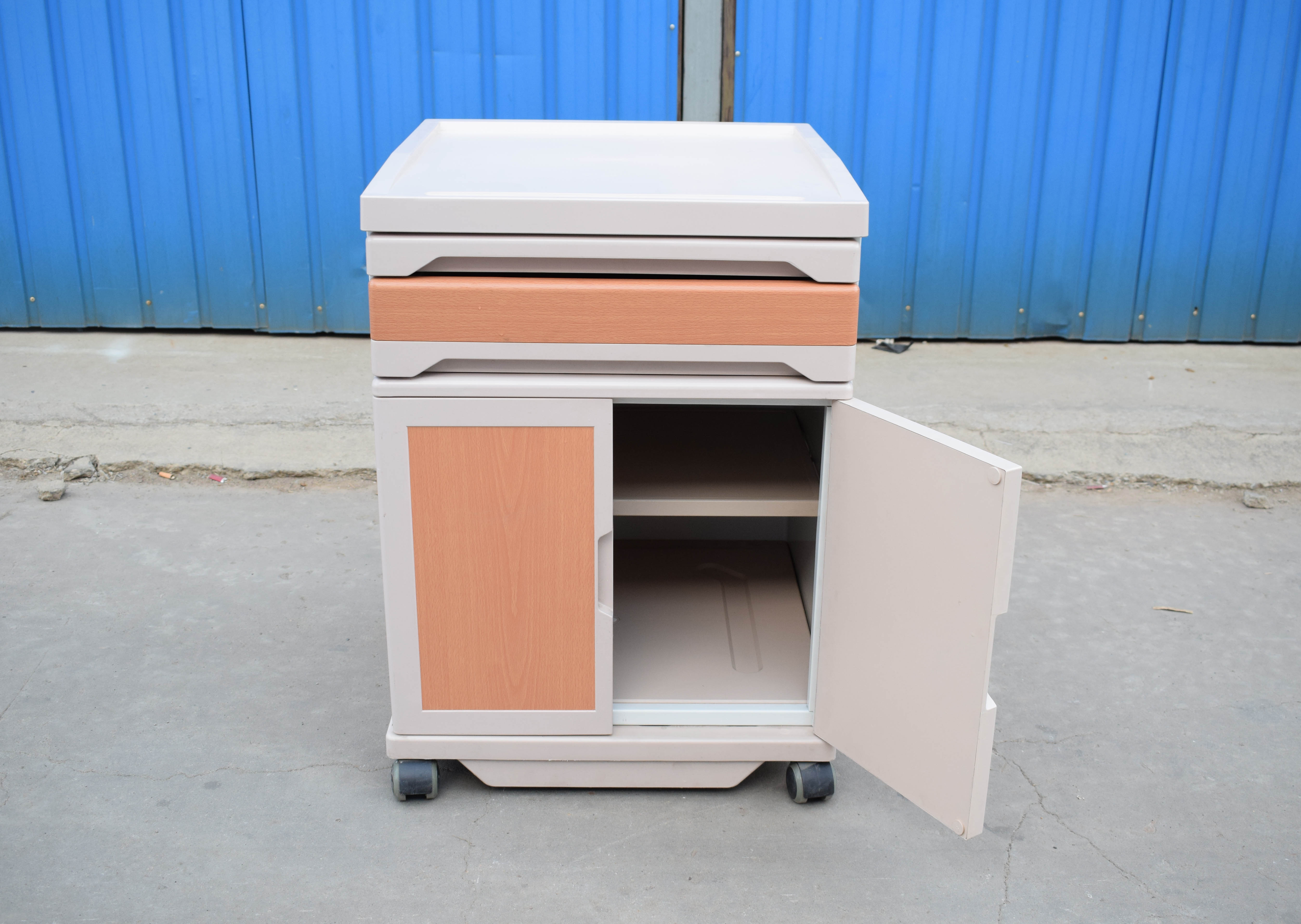
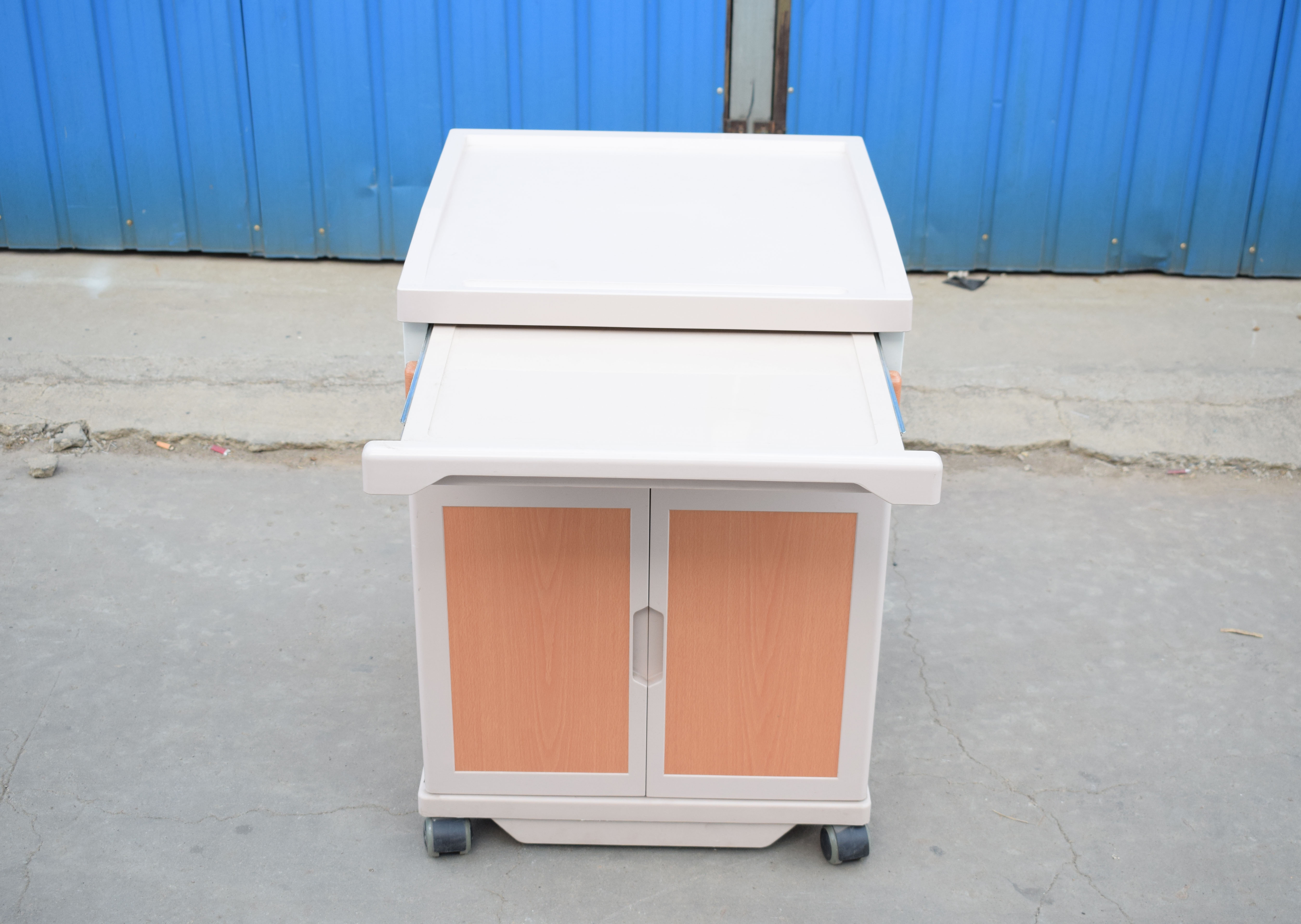
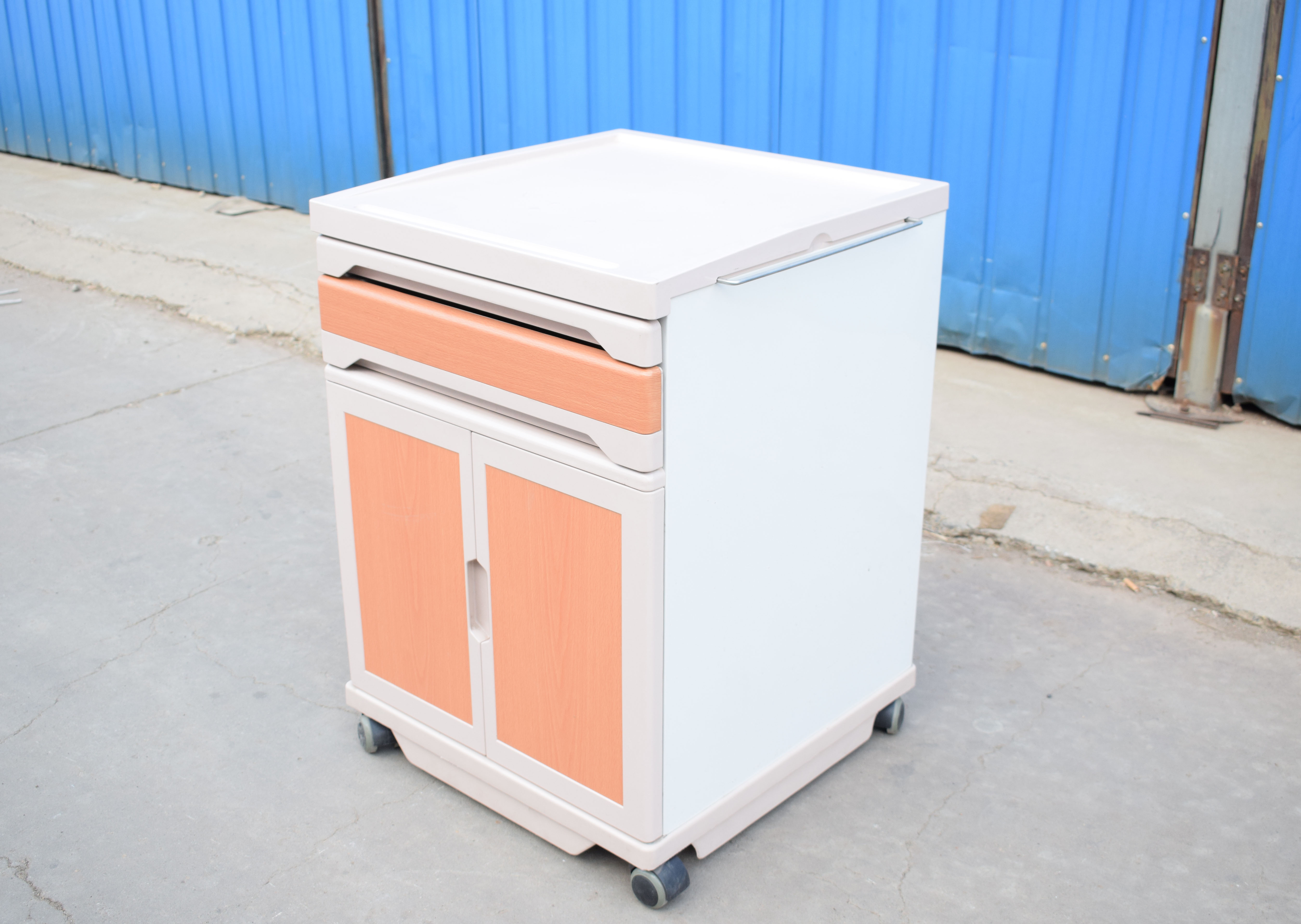
- Facility note: pairing rollators with an ABS bedside locker keeps meds and personal items reachable—less nighttime wandering.
Quick example: a regional ward standardized on 8" wheels and integrated cable brakes; staff reported quieter corridors and fewer snag points during linens rounds. Not a clinical trial—just practical feedback, but it tracks with what we see elsewhere.
Customization and procurement tips
Ask vendors for height ranges in millimeters, fatigue-cycle data, and brake endurance results. For tenders, request ISO 11199 and EN 12182 declarations, plus QMS (ISO 13485). If you’re outfitting wards, consider companion furniture like the Medical supplies ABS bedside locker (origin: Kaiyuan Road, Jizhou Economic Development Zone, Jizhou District, Hengshui City)—same factory ecosystems often produce both frames and ABS casework, which helps with spares and matching colors.
Standards and regulatory pointers
Look for ISO 11199 (frames/rollators) or ISO 11334 (sticks/crutches), EN 12182 for general assistive-product safety, and FDA Class I under 21 CFR Part 890 categories in the US. In fact, compliance here is the quickest way to separate serious manufacturers from the rest.
Citations
-
Ultimate Guide to Choosing Extra Wide Waiting Room ChairsNewsApr.16,2026
-
Guide to Choosing Professional Waiting Room Chairs Wipeable SeatingNewsApr.09,2026
-
Enhance Your Space with Comfortable Wide Waiting Room ChairsNewsApr.07,2026
-
Selecting the Ideal Brown Waiting Room Chairs for a Welcoming SpaceNewsApr.04,2026
-
Choosing Comfortable Patient Waiting Room Chairs for Healthcare FacilitiesNewsMar.31,2026
-
Finding the Best Deals on Affordable and Cheap Reception Chairs for Your BusinessNewsMar.28,2026
-
Enhance Your Business Reception with Comfortable Blue Reception ChairsNewsMar.26,2026