Welcome to our websites!


Understanding Hospital Bed Adjustable Price: Global Insights & Trends
Understanding Hospital Bed Adjustable Price: Why It Matters Globally
When you hear the phrase hospital bed adjustable price, you might first think simply of dollar signs and budgets. But, honestly, it’s a bit more layered than just cost. It’s about access, technology, healthcare quality, and even dignity for patients worldwide. Adjustable hospital beds aren’t just comfort luxury—they’re a vital piece of medical infrastructure that saves lives, speeds recovery, and supports caregivers. Knowing how prices vary and what factors influence those prices can really help healthcare providers make smarter buying decisions while governments and NGOs better plan their budgets.
With the global population aging and medical demands rising — the World Bank notes over 1 billion people are over 60 by 2030 — the need for reliable, affordable adjustable hospital beds has never been greater. So if you’re wondering how these prices play into that larger puzzle, let’s unpack the core ideas and trends shaping them.
Hospital Bed Adjustable Price: A Global Perspective
A few years back, the World Health Organization released data showing vast disparities in healthcare infrastructure between high-income countries and lower-middle-income regions. One lesser-discussed but important element is the affordability of medical furniture — adjustable beds rank high among those concerns. These beds affect not just patient outcomes but also hospital capacity and operational efficiency.
The challenge? Producing adjustable beds that balance quality, durability, and price for myriad healthcare systems worldwide. According to ISO standards (ISO 60601-2-52), adjustable hospital beds must meet strict safety and reliability criteria — standards that naturally influence production costs and, consequently, the adjustable price for hospitals and clinics.
In other words, hospital bed adjustable price isn't a static number—it’s an evolving figure influenced by technology, region, negotiation, and features.
So, What Exactly Is Hospital Bed Adjustable Price?
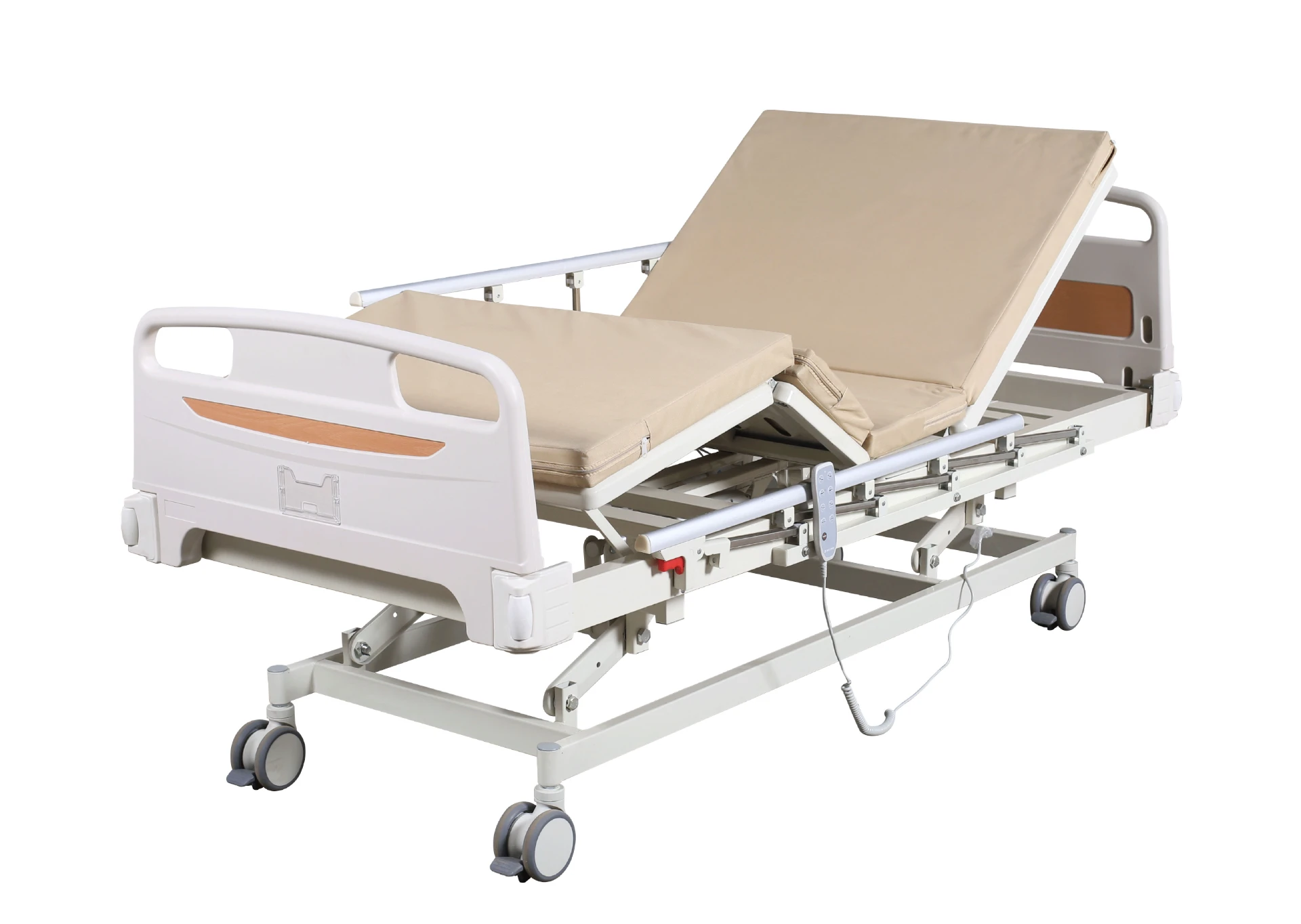
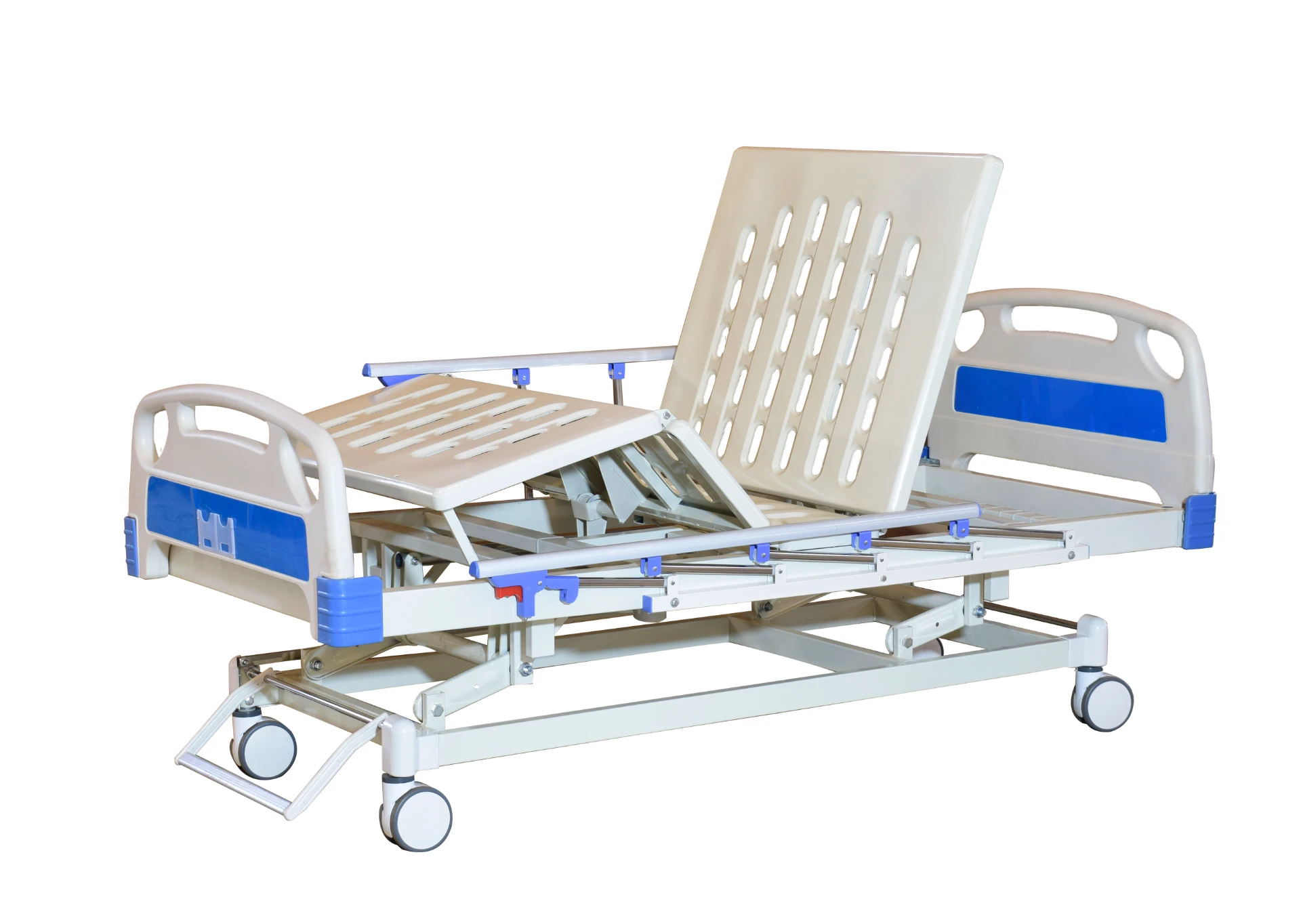
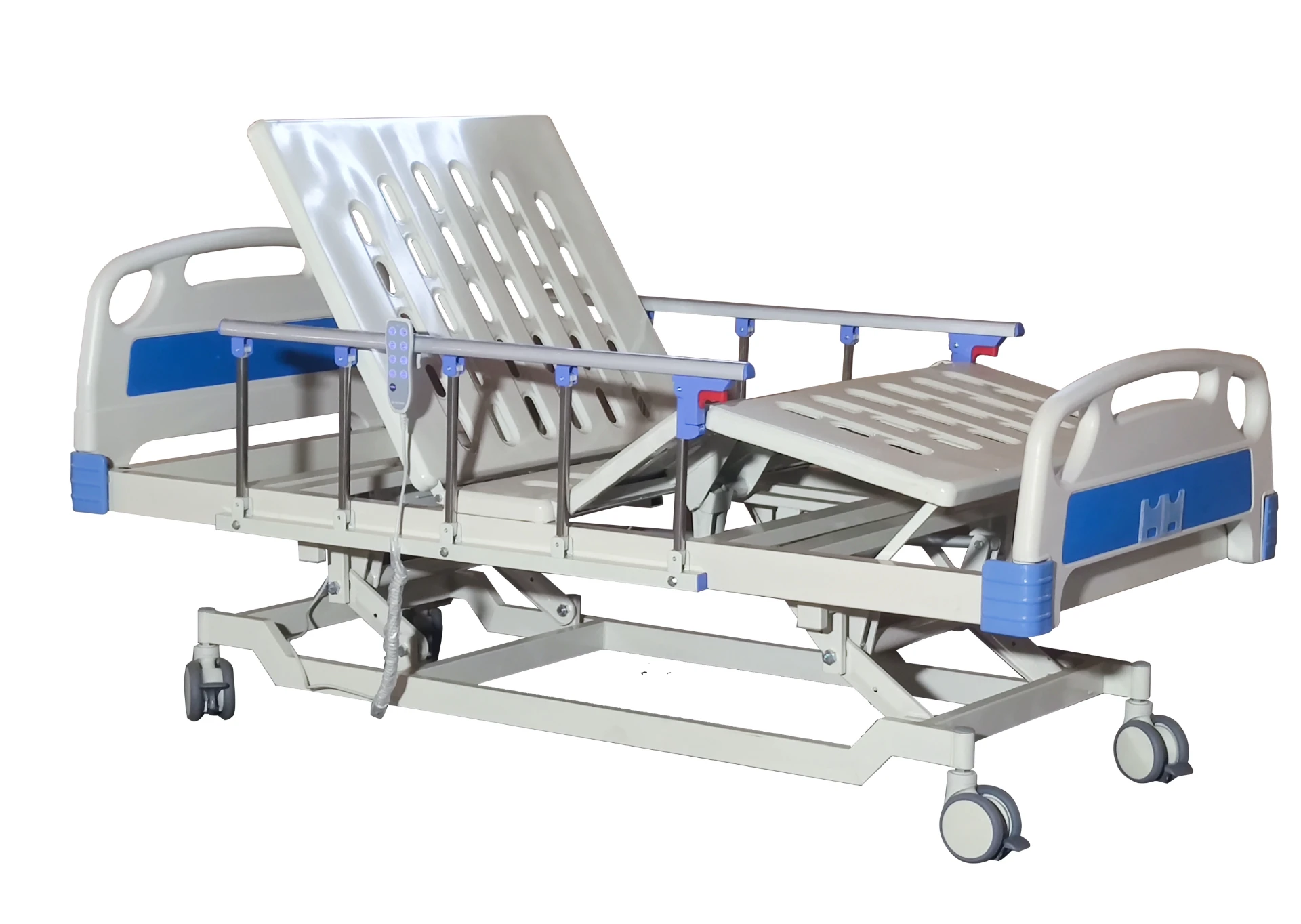
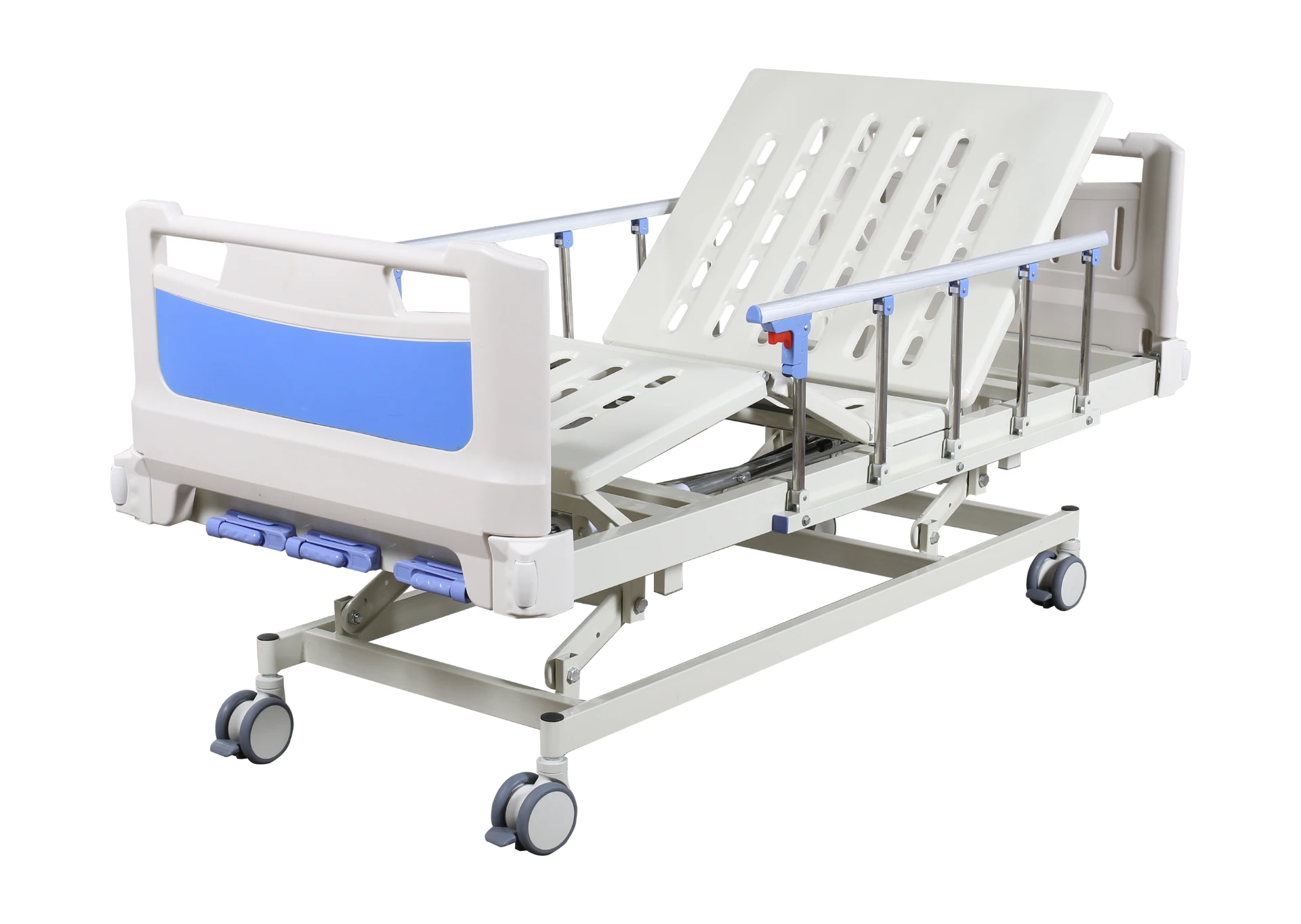
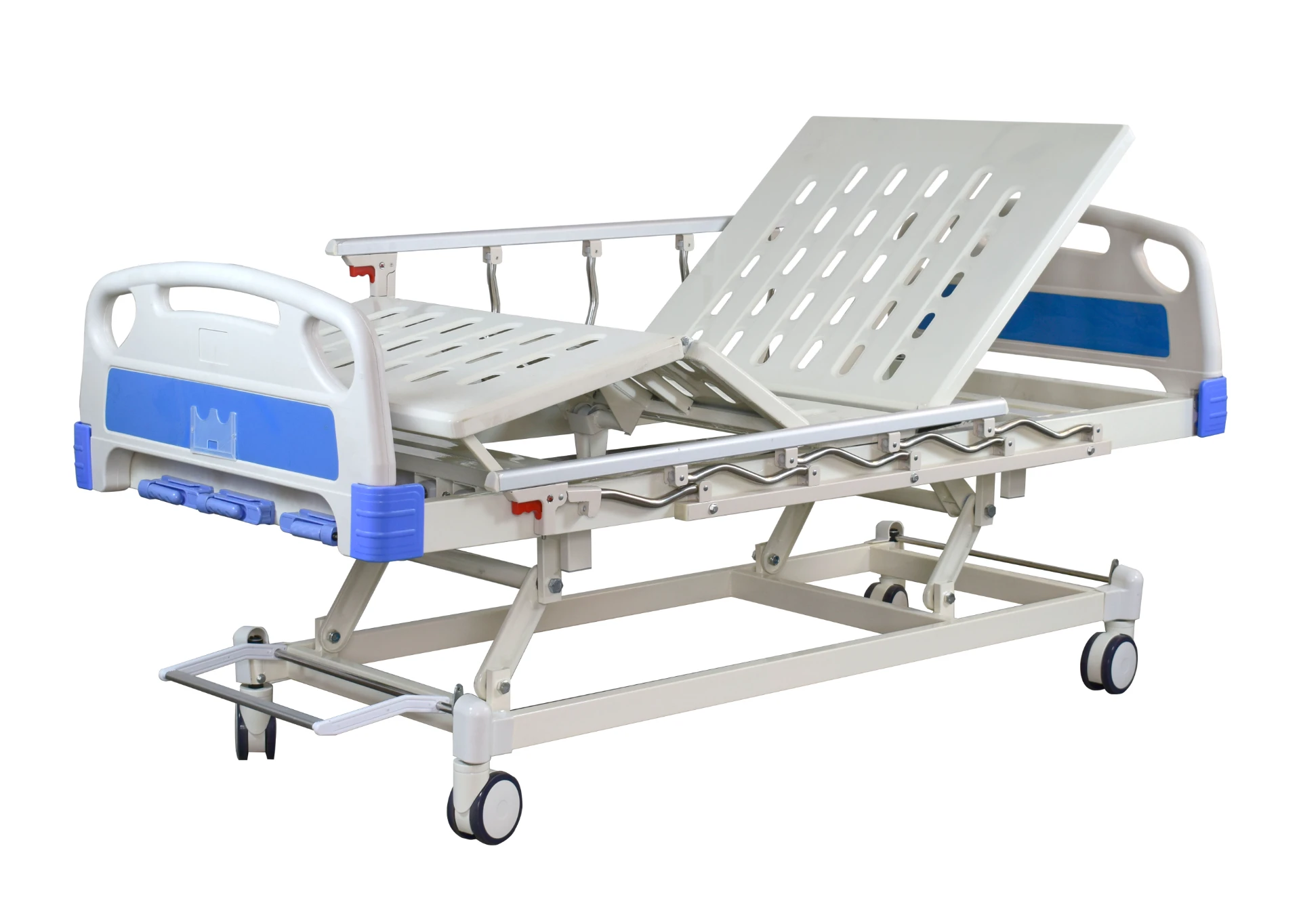
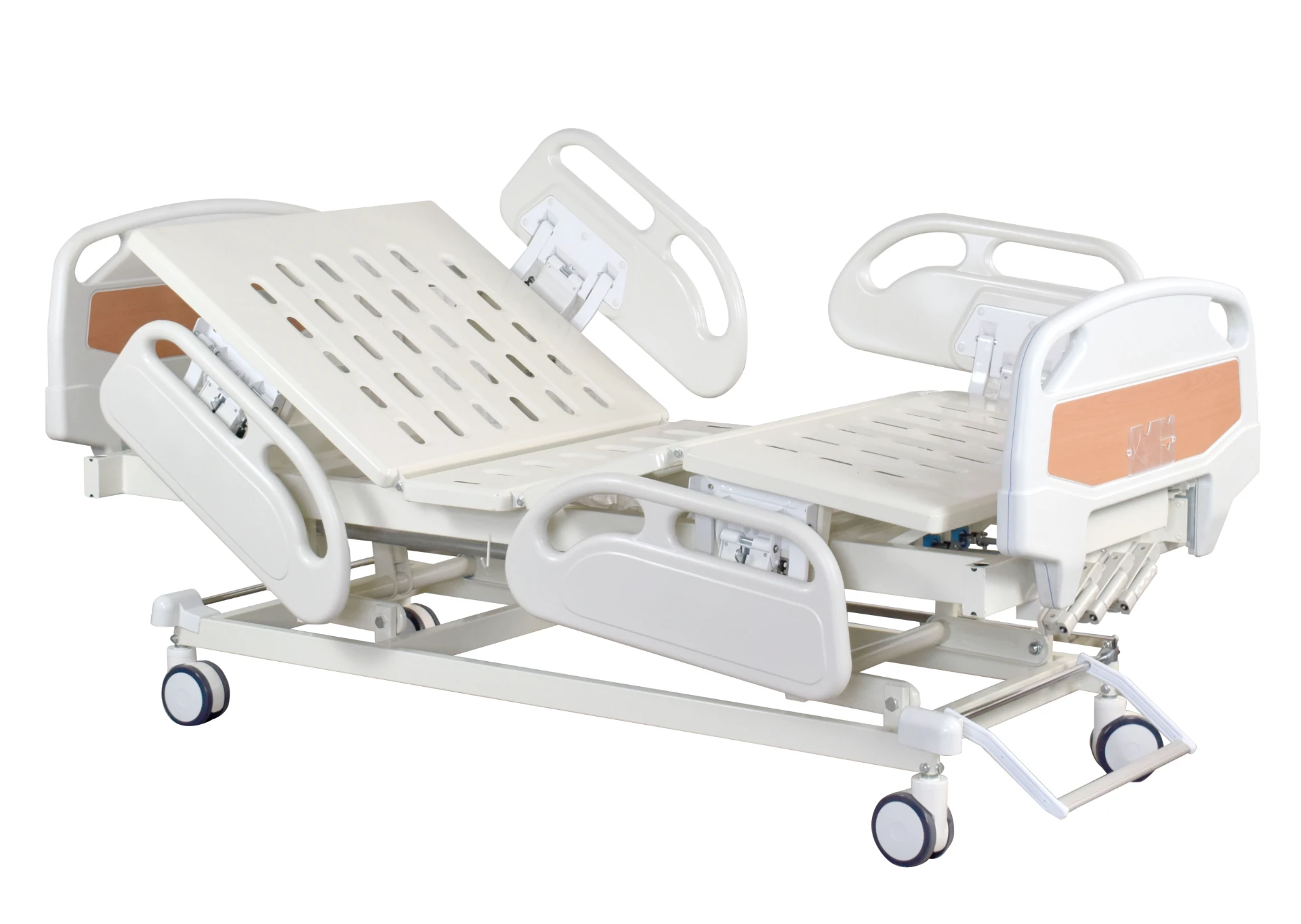
Simply put, it’s the cost healthcare providers pay to purchase beds with adjustable features—those capable of changing height, backrest and leg inclination, and sometimes more advanced functions like side rail adjustment or integrated controls. These beds enable better clinical care, injury prevention (for both patients and nurses), and enhanced comfort.
This price generally includes the bed frame, mechanical or electronic adjustment mechanisms, mattress (optional), and sometimes service warranties or installation. The price scope can vary widely depending on geography, manufacturer, technological sophistication, and customization options.
Key Factors Driving Hospital Bed Adjustable Price
1. Durability & Quality of Materials
Many engineers and procurement experts say this is non-negotiable. Hospital beds must stand heavy daily use — think constant patient repositioning, cleaning chemicals, sometimes harsh environments. Steel, aluminum alloys, and high-grade plastics form the core materials here. More durable materials push prices up but often save money long-term by reducing repair and replacement.
2. Adjustment Mechanism Technology
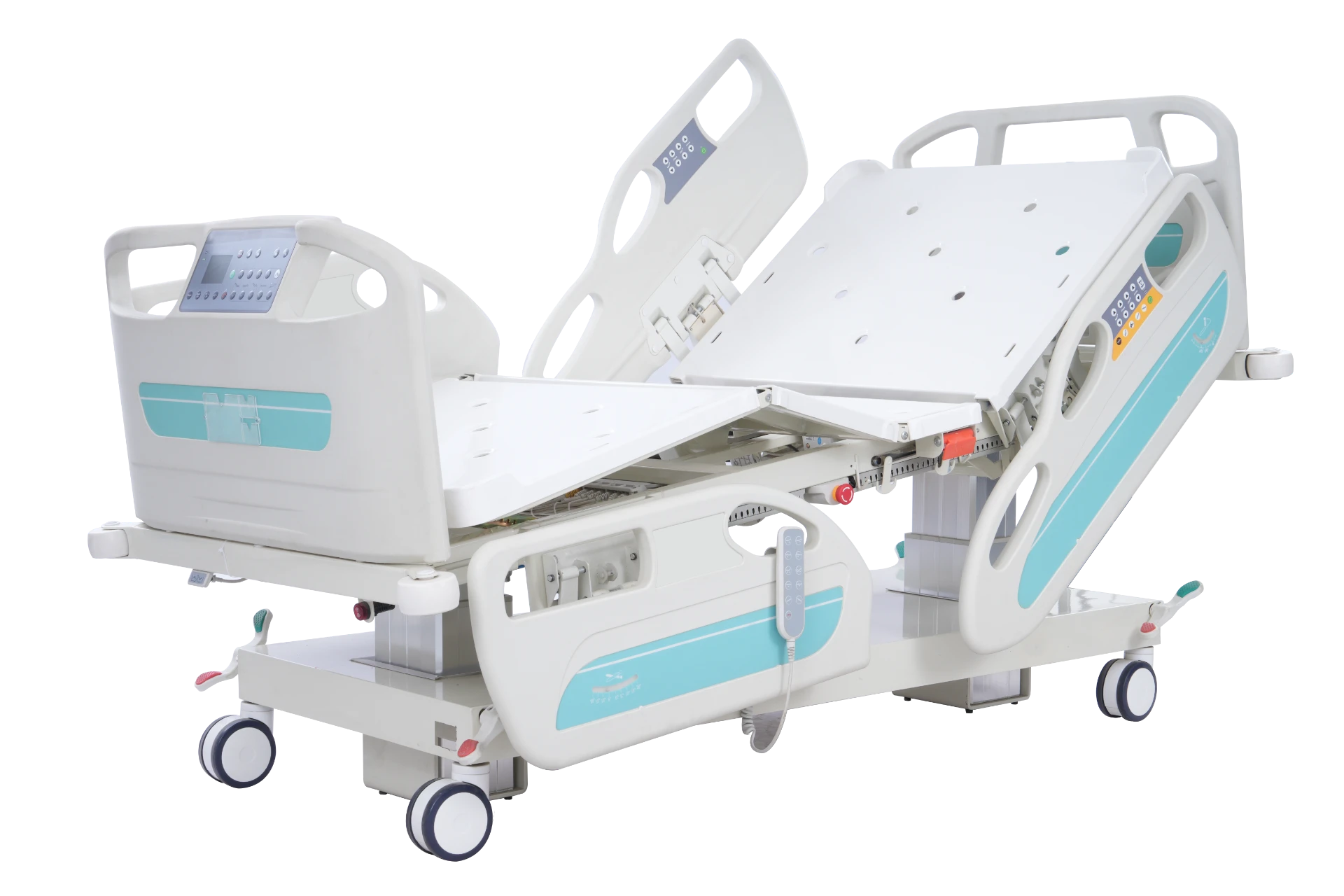
You often find a choice between manual crank systems and advanced electric motors. Electric models typically cost more upfront but bring ease of use, precise control, and automated positioning. Some high-end beds integrate even smart systems with memory presets or remote control apps. This obviously impacts the adjustable price heavily.
3. Compliance and Certifications
Meeting safety and hygiene standards isn’t just bureaucratic red tape. It ensures patient safety and hospital accreditation. Certifications from ISO, FDA, or CE mark influence manufacturing costs and thus prices – a hospital bed adjustable price in certified models might be higher but represents trustworthiness.
4. Customization and Add-Ons
Modular designs, specialty mattresses, side rails, or IV stands add layers of cost but help tailor the bed to clinical use-cases—from ICU needs to long-term care. Different markets value these options differently.
5. Scale & Supply Chain
A big hospital buying at volume can negotiate substantially better prices than a small clinic ordering a few units. Plus, supply chain factors — such as raw material prices and shipping costs — fluctuate widely in post-pandemic world conditions.
| Feature | Standard Range | Impact on Price |
|---|---|---|
| Frame Material | Powder-coated steel or aluminum | Medium |
| Adjustment Types | Manual crank, electric motor, or hybrid | High |
| Weight Capacity | 150–250 kg | Low to Medium |
| Side Rails | Foldable or fixed | Medium |
| Mattress Included | Foam, pressure-relief options available | Medium to High |
Worldwide Use Cases: Where Hospital Bed Adjustable Price Makes a Difference
You’ll find adjustable hospital beds in hospitals, nursing homes, rehabilitation centers, and even temporary emergency shelters. Each sector weighs price differently.
Post-disaster relief: In areas affected by natural disasters, such as the 2010 Haiti earthquake, temporary hospitals rely heavily on bed affordability to set up quickly and care for many patients. Here, minimizing hospital bed adjustable price while maintaining usability is key.
Urban tertiary hospitals: High-end facilities prioritize advanced electric beds with multiple functions for ICUs and recovery wards, mindful of tight budgets but also patient comfort.
Rural and remote clinics: Sometimes they choose simpler manual beds to keep prices down, balancing portability with durability.
Even military medical units in remote regions seek adjustable beds that fold or disassemble easily but still meet clinical needs.
Vendor Comparison: How Adjustable Hospital Bed Prices Vary
| Vendor | Price Range (USD) | Key Features | Best For |
|---|---|---|---|
| MedFlex Industries | $800–1,200 | Electric adjustments, high durability steel | Tertiary hospitals, rehab centers |
| CareWell Supply Co. | $450–700 | Manual crank, modular side rails, basic warranty | Community health centers, NGOs |
| Global Hospital Furnishings | $1,000–1,500 | Smart control systems, patient monitoring integration | Advanced medical facilities, ICUs |
The Benefits of Smart Spending on Adjustable Hospital Beds
Beyond just the sticker price, investing wisely can reduce patient injury risks, improve caregiver ergonomics, and limit hospital stays, all translating to better outcomes and cost savings.
On an emotional level, adjustable beds restore dignity to patients who cannot shift themselves easily: nobody enjoys lying stiff all day, after all. Plus, innovation breeds trust — and trusted suppliers often offer local service support, reducing downtime.
Future Trends Shaping Adjustable Hospital Bed Pricing
The hospital bed space isn’t static. Expect to see more IoT-enabled beds—with sensors that monitor patient vitals or alert staff to falls—pushing prices upward but potentially cutting broader care costs.
Sustainability is also key. Manufacturers are exploring recyclable materials and energy-efficient motors to reduce environmental impact (and operational expenses).
Automation may improve production scale and supply chains, ultimately driving some prices down, but we might also see more premium customization options that balance cost.
Challenges and Practical Solutions
There’s no sugarcoating it: high upfront costs can deter smaller facilities. Plus, technical complexity means some beds require regular maintenance or power access, limiting their usefulness in certain contexts.
But clever modular designs and off-grid power options are helping overcome these barriers. Local supplier partnerships shorten lead times and reduce hidden costs like shipping damage or customs hold-ups.
FAQ: Common Questions About Hospital Bed Adjustable Price
- Q: Why do manual adjustable beds cost less than electric versions?
- A: Manual beds use simpler mechanical parts like cranks, reducing material and labor costs. However, electric beds offer greater convenience and precision, often justified in long-term care settings.
- Q: How does certification affect the adjustable hospital bed price?
- A: Certified beds comply with international safety and hygiene standards, which adds testing and documentation costs but assures quality, safety, and sometimes eligibility for government reimbursement.
- Q: Can bulk purchasing reduce hospital bed prices?
- A: Definitely. Hospitals buying in large quantities often negotiate discounts or bundled services, lowering the per-unit adjustable price and gaining supply chain advantages.
- Q: What’s the average lifespan of an adjustable hospital bed?
- Typically, 7 to 10 years with proper maintenance. More durable models and those with service contracts often exceed this.
In Conclusion
The hospital bed adjustable price isn’t just a number; it’s a reflection of complex trade-offs between quality, technology, market conditions, and healthcare goals. Properly understanding those helps buyers make informed decisions that can save money, improve care, and support patients’ dignity.
Curious about detailed pricing or want to explore options? Visit our website: hospital bed adjustable price for more insights.
References
-
Ultimate Guide to Choosing Extra Wide Waiting Room ChairsNewsApr.16,2026
-
Guide to Choosing Professional Waiting Room Chairs Wipeable SeatingNewsApr.09,2026
-
Enhance Your Space with Comfortable Wide Waiting Room ChairsNewsApr.07,2026
-
Selecting the Ideal Brown Waiting Room Chairs for a Welcoming SpaceNewsApr.04,2026
-
Choosing Comfortable Patient Waiting Room Chairs for Healthcare FacilitiesNewsMar.31,2026
-
Finding the Best Deals on Affordable and Cheap Reception Chairs for Your BusinessNewsMar.28,2026
-
Enhance Your Business Reception with Comfortable Blue Reception ChairsNewsMar.26,2026