Welcome to our websites!


Understanding Homecare Beds Price: A Global Guide to Cost, Features, and Value
Understanding Homecare Beds Price: What It Means for Global Healthcare
When we talk about homecare beds price, we're really discussing much more than just numbers on a price tag. It’s about accessibility, quality, and the dignity of care delivered right in people’s homes. Across the globe, especially with aging populations and rising chronic illnesses, understanding what factors influence the cost of homecare beds helps governments, healthcare providers, and families make smarter, compassionate choices.
Frankly, these beds aren't just furniture — they’re often essential medical equipment configured to support recovery, mobility, and comfort. That’s why it matters so much to grasp the pricing spectrum and its implications.
Introduction: The Global Perspective on Homecare Beds Price
Healthcare spending worldwide is rising steadily, projected to surpass 10% of global GDP soon (World Bank, 2023). Within that, home-based care is gaining prominence due to hospital overcrowding and cost containment pressures. The market for homecare beds — specialized beds designed for patients to use at home — reflects this trend.
But price differences can be stark. In parts of Europe or North America, a single advanced homecare bed can cost upward of $2,000 to $5,000. Meanwhile, in emerging markets, prices might be dramatically lower but sometimes with trade-offs in quality or warranty. This global disparity begs questions: How do we define fair pricing? What influences these prices? And how can purchasers balance cost with durability and patient needs?
What Is Homecare Beds Price?
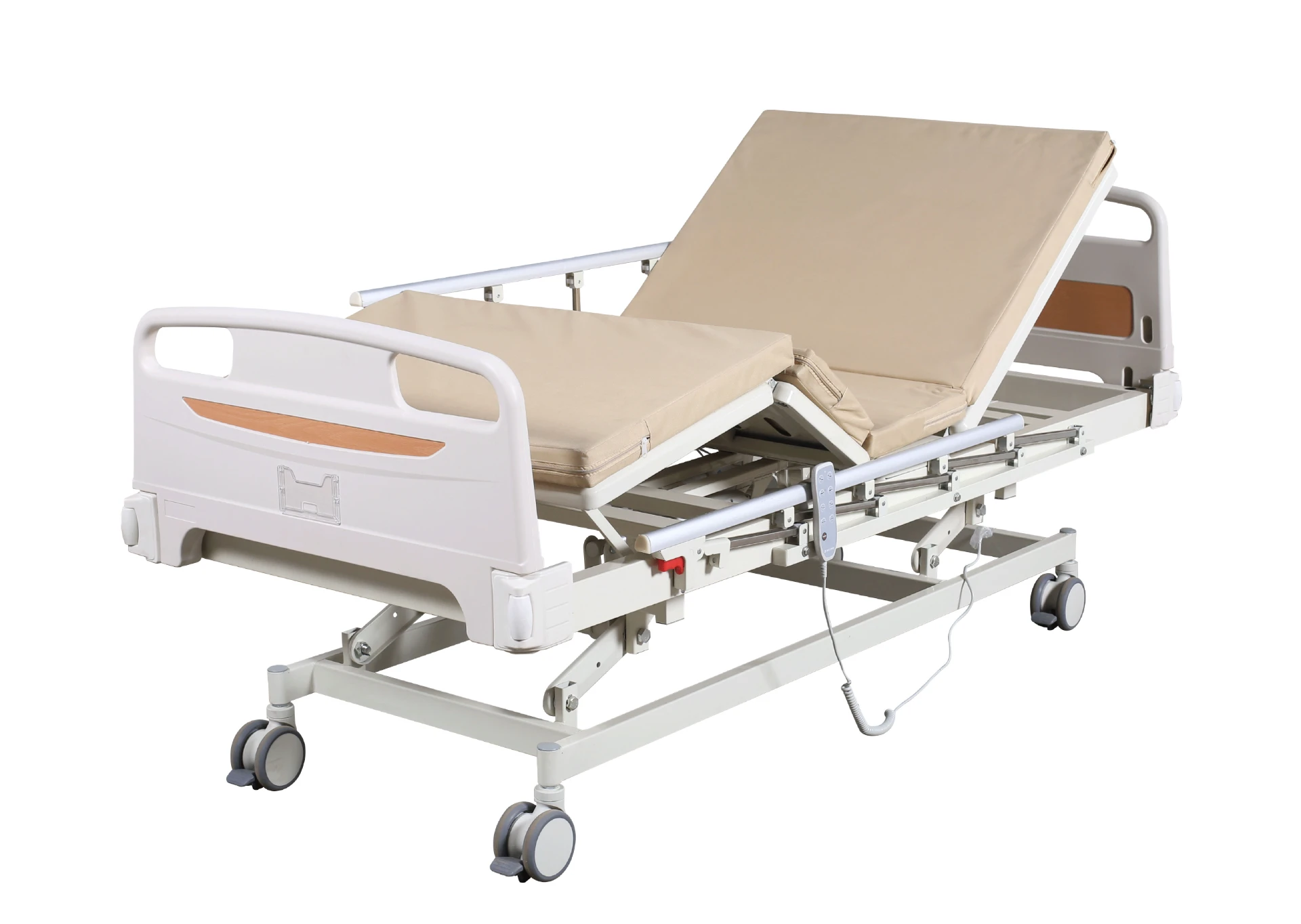
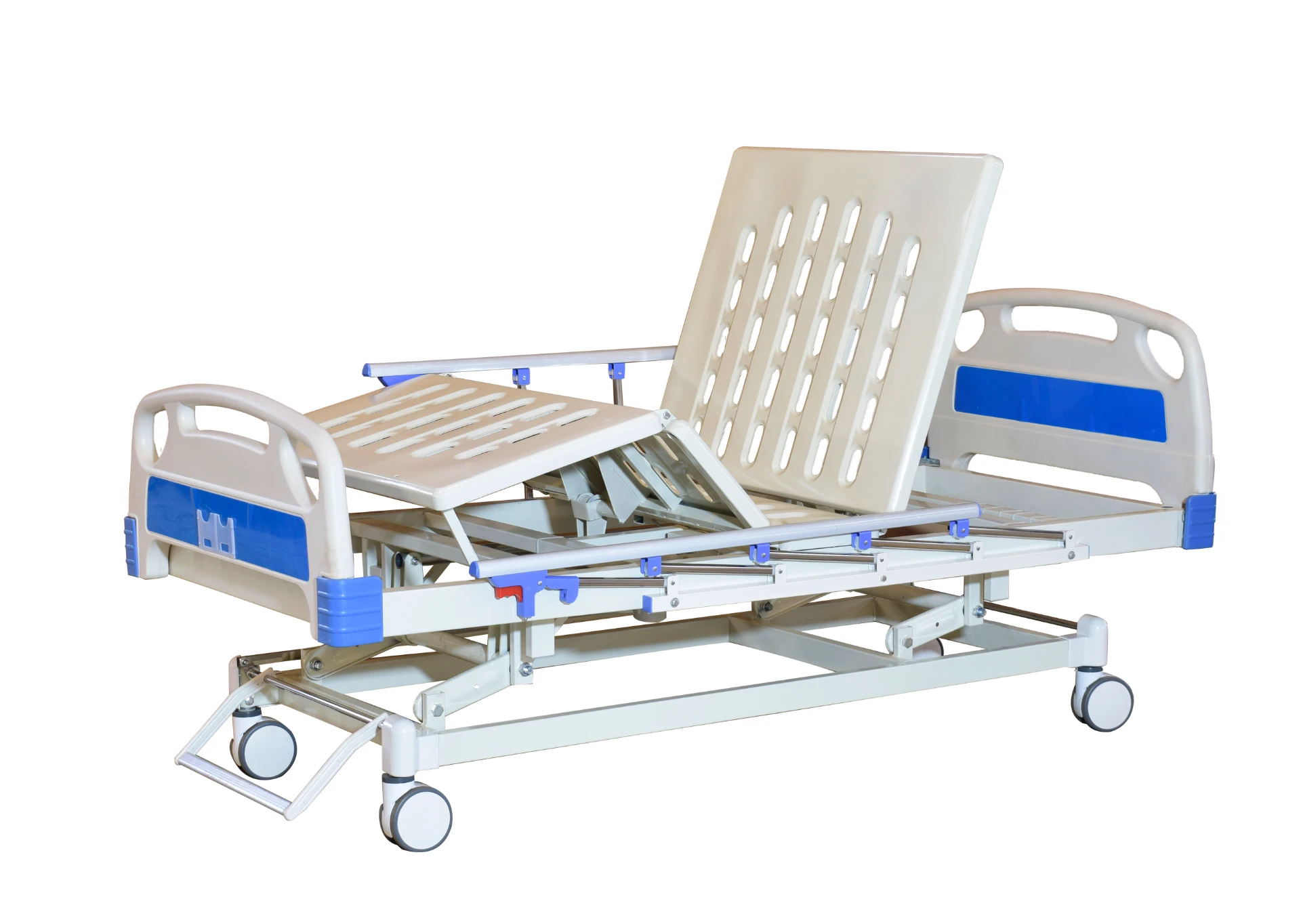
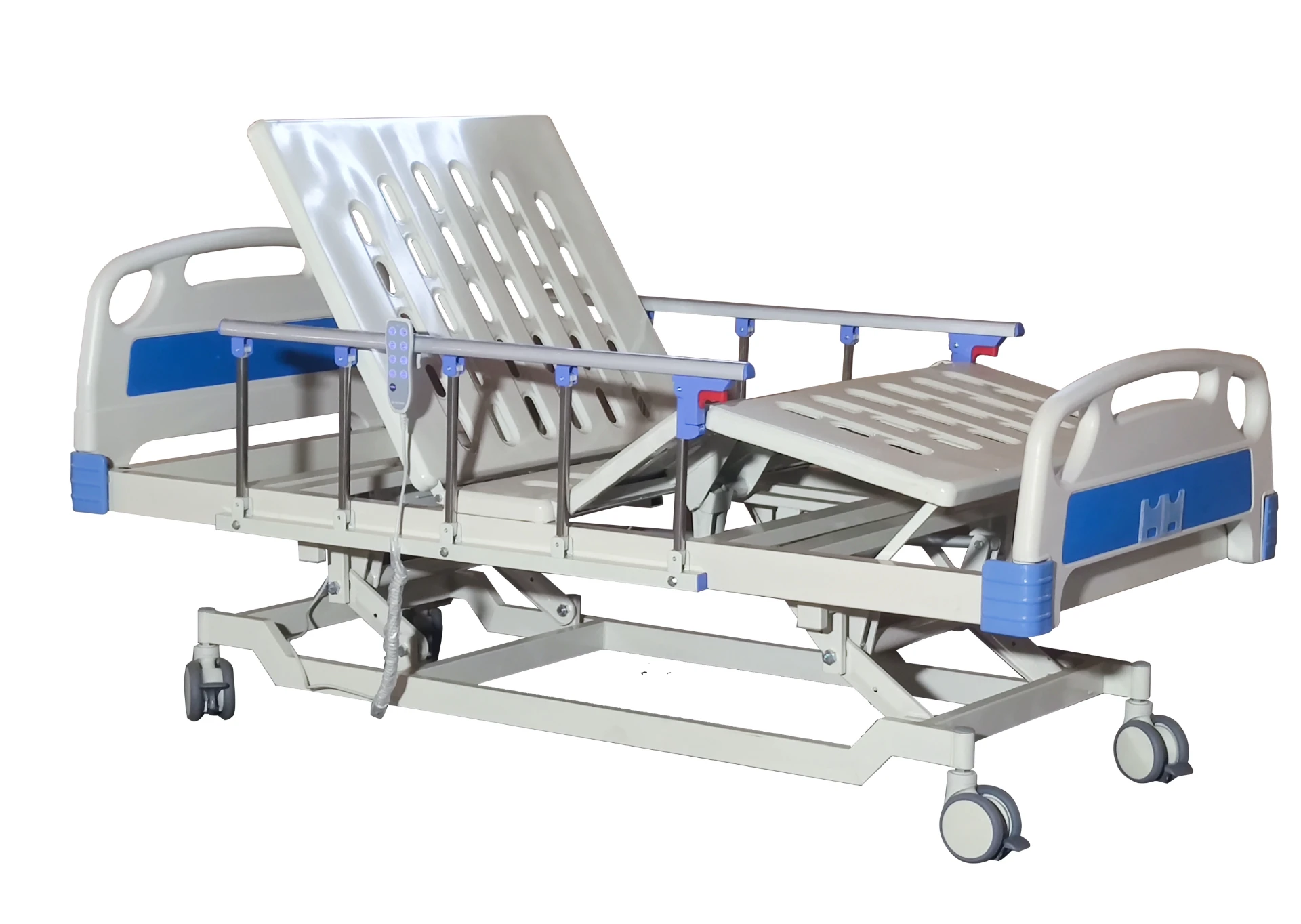
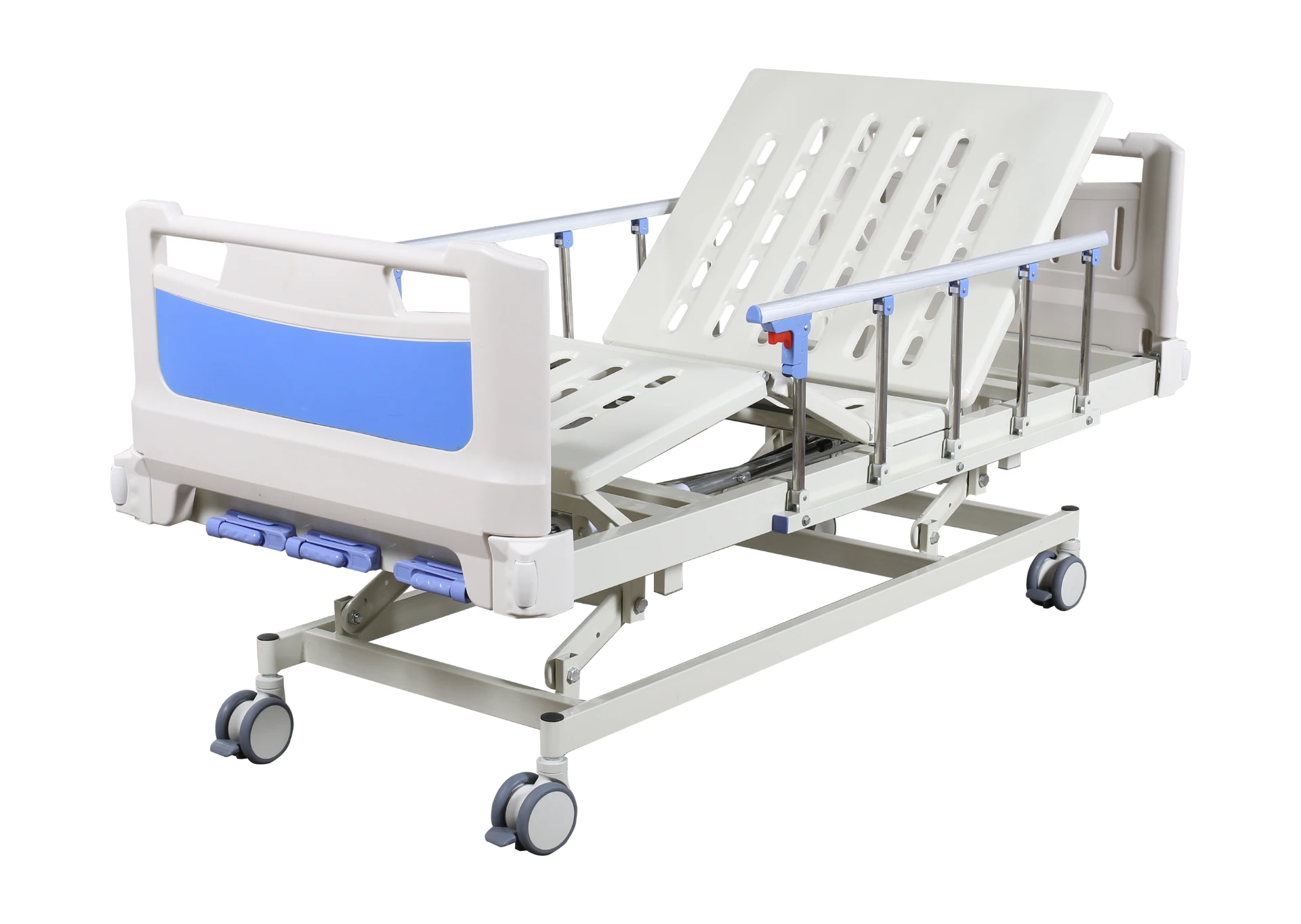
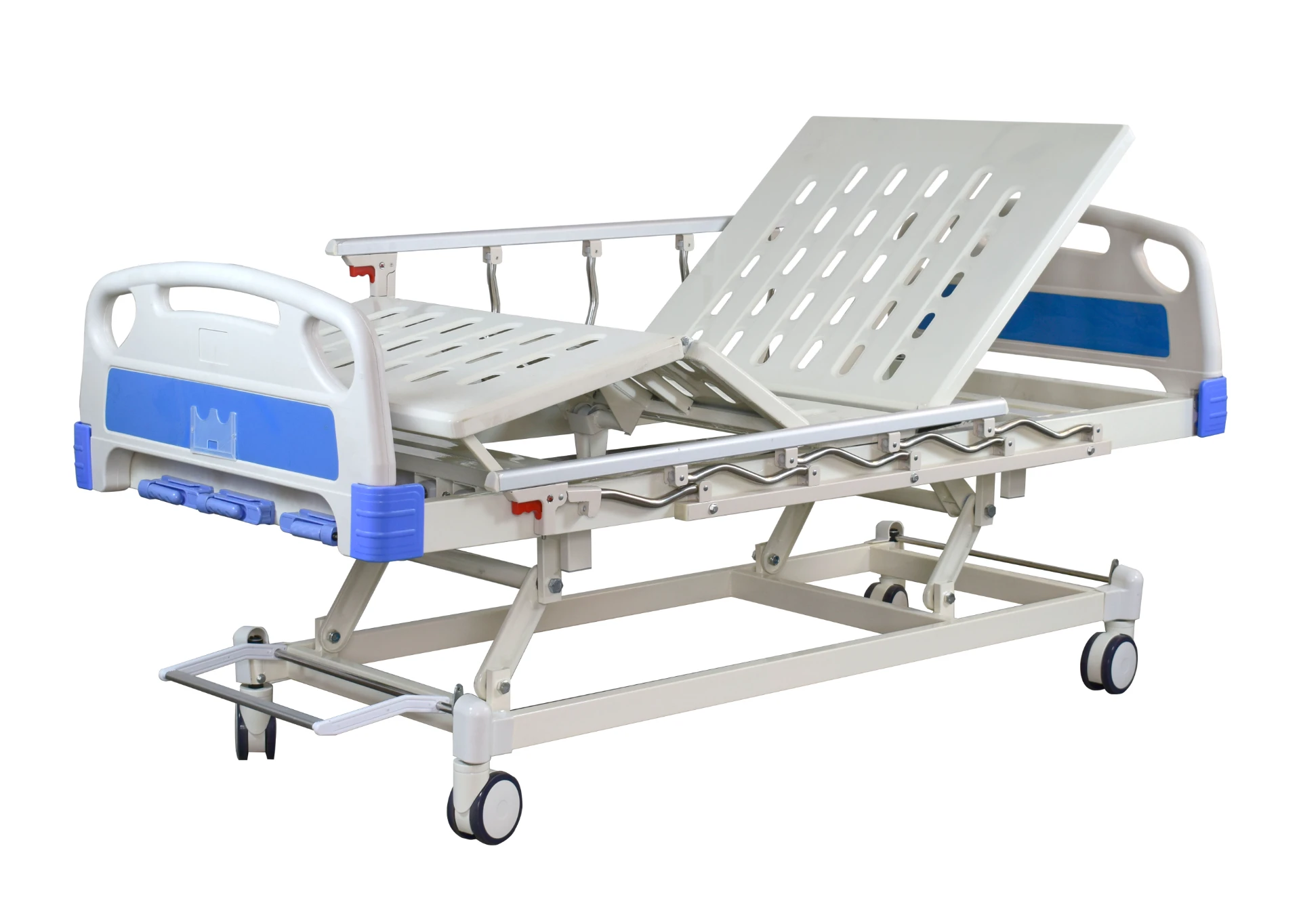
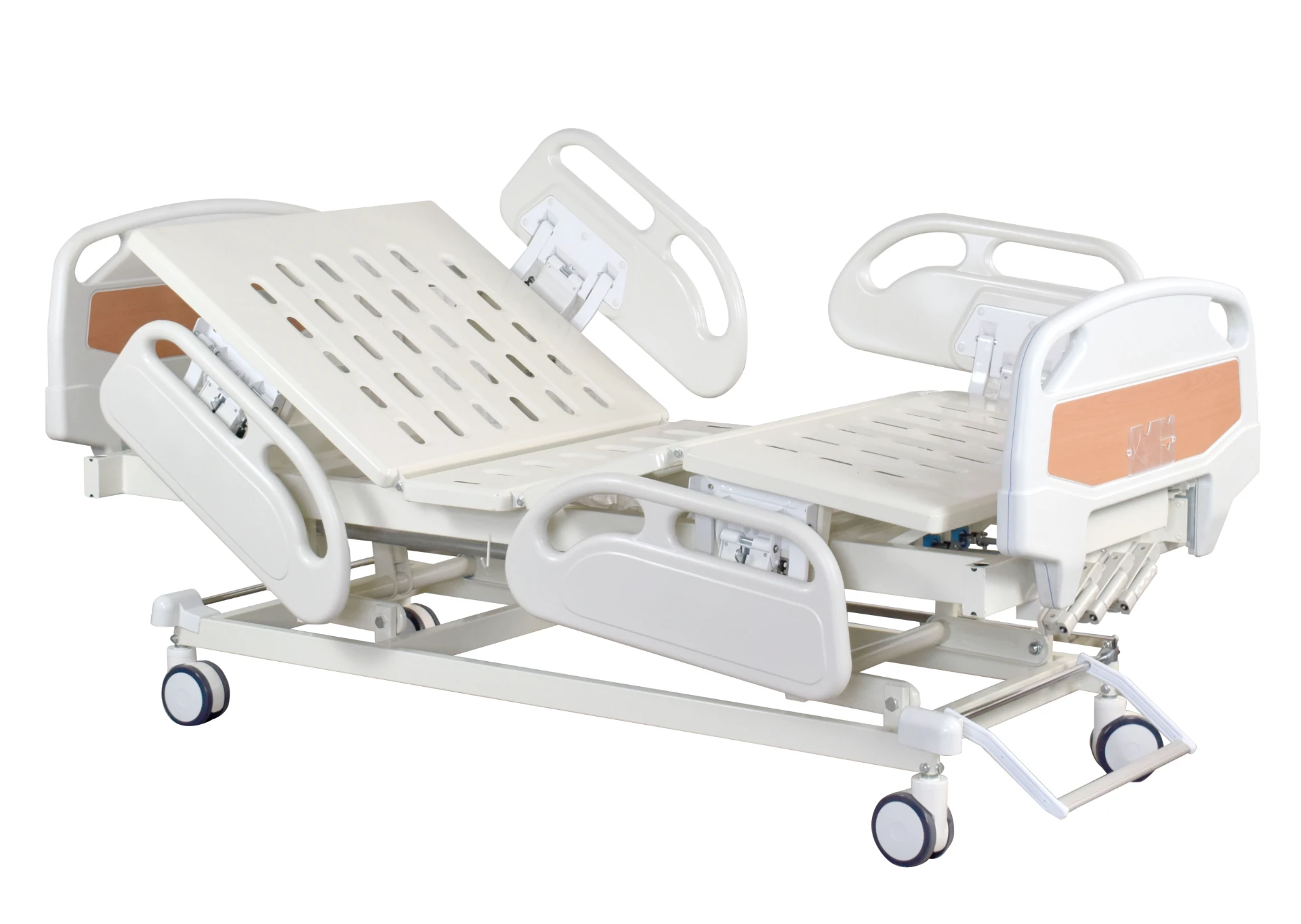
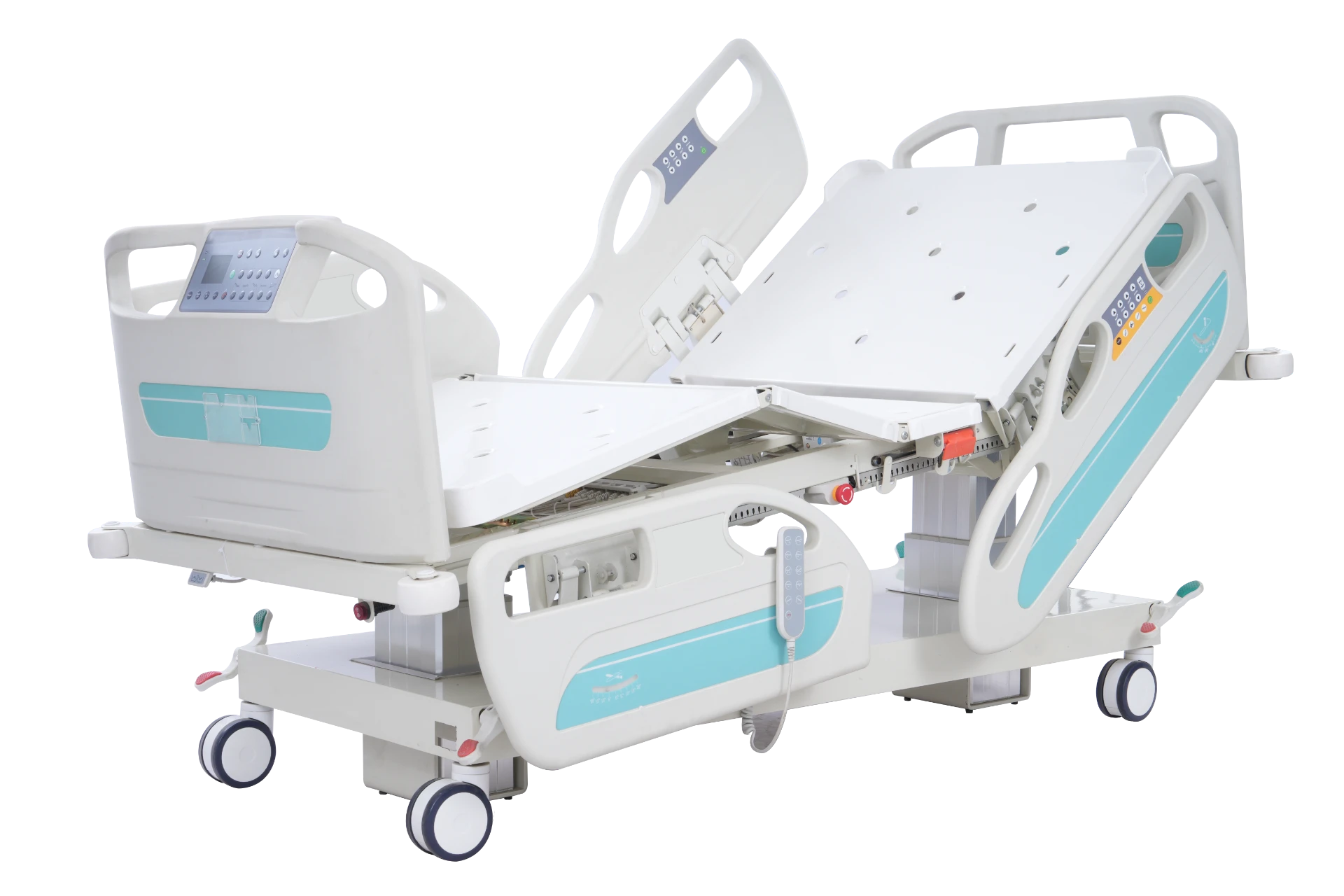
Simply put, homecare beds price refers to the retail or wholesale cost of beds specifically designed for use in home healthcare settings. These are not your basic mattresses — most include adjustable features like tilt, height control, or side rails to support different therapeutic requirements.
They sit at the intersection of medical equipment, comfort furniture, and safety devices. Their pricing conveys a complex ecosystem involving manufacturing standards, materials, technological integration, logistics, and after-sales support.
Key Factors Influencing Homecare Beds Price
- Durability
Robust steel frames, high-quality motors for electronic beds, and resistant materials for surfaces increase upfront costs but offer long-term savings. - Adjustability & Features
Manual vs. electric controls, integrated scale functionality, or oxygen tank holders — each small add-on pushes the price higher. - Compliance & Certification
Meeting ISO, FDA, or CE standards signals higher manufacturing rigor, often reflected in pricing to cover testing and documentation. - Delivery & Installation Services
Some vendors bundle setup and training; others don’t — which affects the final purchase cost. - Scalability & Customization
Custom-made designs or modular beds tailored for specific medical conditions cost more compared to mass-produced generic types. - Warranty & Support
Comprehensive long-term warranties and responsive support networks can justify premium pricing.
Mini takeaway: When comparing homecare beds price, it helps to focus not only on the sticker value but also on features and after-sales reliability that yield better value over time.
Global Applications and Use Cases
Across continents, homecare beds serve different populations but with common goals. In ageing European countries like Germany or Italy, they enable seniors to live independently longer. Homecare beds price considerations here often weigh heavily on ergonomic focus and style since patients use them daily.
In rapidly industrializing regions in Asia, these beds assist with home recuperation following workplace injuries – where cost constraints make durable, simple designs preferable. Meanwhile, in post-disaster relief efforts, NGOs procure mobile, lightweight, budget-friendly homecare beds to rapidly restore some semblance of comfort in makeshift homes.
The healthcare hospitality sector and rehabilitation centers also depend on variations of homecare beds that straddle clinical form and home comfort — reinforcing how versatile this product category really is globally.
Advantages and Long-Term Value
Buying a homecare bed at an optimal price means more than short-term savings. Practically speaking, it enhances safety, helps prevent bedsores, eases caregiver strain, and improves patient dignity — truly priceless benefits. Socially, enabling home-based care curbs hospitalization rates, easing strain on public health systems.
From an emotional standpoint, having a reliable bed at home helps promote a sense of normalcy and independence for vulnerable individuals. That’s innovation meeting compassion — you know, the kind that doesn’t always get headlines but matters in everyday lives.
Product Specification Table
| Feature | Basic Model | Advanced Model |
|---|---|---|
| Frame Material | Powder-coated Steel | Stainless Steel (Anti-corrosive) |
| Adjustability | Manual Crank | Electric Remote Control |
| Weight Capacity | 120 kg | 180 kg |
| Warranty | 1 Year Limited | 3 Years Comprehensive |
| Price Range (USD) | $500 - $800 | $2,000 - $5,000 |
Comparison of Leading Vendors
| Vendor | Price Range (USD) | Warranty | Key Features |
|---|---|---|---|
| ComfortCare Beds | $1,800 - $3,200 | 2 Years | Electric controls, anti-microbial surfaces |
| HealthMobili | $700 - $1,200 | 1 Year | Manual operation, lightweight design |
| EcoRest Solutions | $1,000 - $1,900 | 2 Years | Sustainable materials, ergonomic styling |
Emerging Trends and Innovations
Oddly enough, the homecare beds market is quietly embracing some pretty cool technologies. For instance, smart beds with IoT sensors now track patient movement to proactively prevent falls or bedsores — a game-changer for elderly care.
Green manufacturing is another trend. Companies source recycled metals and biodegradable fabrics to lower environmental impact. Digital platforms allow remote diagnostics and servicing, cutting downtime and repair costs. All these tend to shift prices upward slightly but promise better overall value.
Challenges and Solutions in Managing Homecare Beds Price
One persistent concern is balancing affordability with safety and regulatory compliance. Less expensive beds sometimes skip essential certifications — raising risks for both providers and patients. On the flip side, high-end beds can be prohibitively expensive for many families.
One solution emerging in the industry is modular design — allowing buyers to upgrade or replace parts without buying new beds entirely, easing the upfront cost burden. Public-private partnerships also help subsidize quality options in underserved areas.
FAQ: Frequently Asked Questions About Homecare Beds Price
- What factors most affect the price of homecare beds?
Materials quality, adjustability features (manual vs electric), safety certifications, and included services like delivery or warranty often have the biggest impact. - Are cheaper homecare beds less safe or reliable?
Not always, but caution is needed. Lower-priced beds might lack certification or durability, so buyers should verify standards compliance carefully. - How long do homecare beds typically last?
With normal use and proper maintenance, most beds last 5 to 10 years. Warranty periods can give a clue about expected longevity. - Can I customize a homecare bed for specific medical conditions?
Yes, many vendors offer modular parts or accessories designed for different therapeutic needs, but customization usually increases cost. - Where can I find affordable, quality homecare beds?
Checking reputable suppliers and comparing based on features and warranty rather than sticker price alone is key. Visit homecare beds price listings for curated options.
Conclusion
In real terms, understanding homecare beds price is crucial to making smart, compassionate choices in healthcare. It’s not just about finding the lowest price — it’s about weighing safety, comfort, and long-term value to improve lives. Whether for a family member or a healthcare provider, investing in the right bed is often a foundation for better healing at home.
Looking for trusted options or want to explore competitive pricing? Visit our website: https://www.cnboxin.com — it’s a good place to start, I suppose.
It often feels like these beds are a small piece of a much larger puzzle in healthcare, but they play their role quietly and well.
References:
-
Ultimate Guide to Choosing Extra Wide Waiting Room ChairsNewsApr.16,2026
-
Guide to Choosing Professional Waiting Room Chairs Wipeable SeatingNewsApr.09,2026
-
Enhance Your Space with Comfortable Wide Waiting Room ChairsNewsApr.07,2026
-
Selecting the Ideal Brown Waiting Room Chairs for a Welcoming SpaceNewsApr.04,2026
-
Choosing Comfortable Patient Waiting Room Chairs for Healthcare FacilitiesNewsMar.31,2026
-
Finding the Best Deals on Affordable and Cheap Reception Chairs for Your BusinessNewsMar.28,2026
-
Enhance Your Business Reception with Comfortable Blue Reception ChairsNewsMar.26,2026