Welcome to our websites!


The Importance of Transfer Bed To Stretcher Systems in Healthcare
Understanding the Critical Role of Transfer Bed To Stretcher Systems
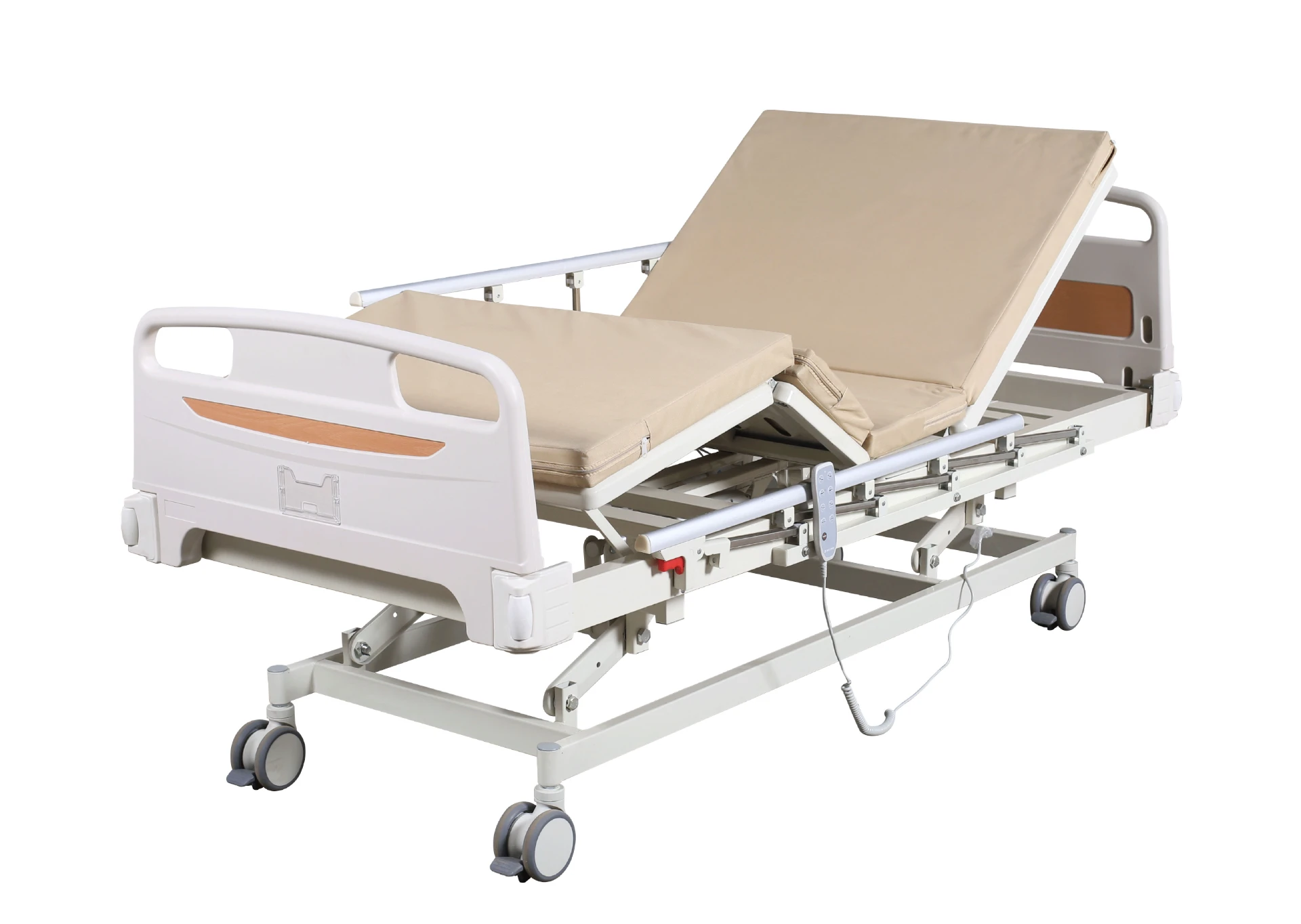
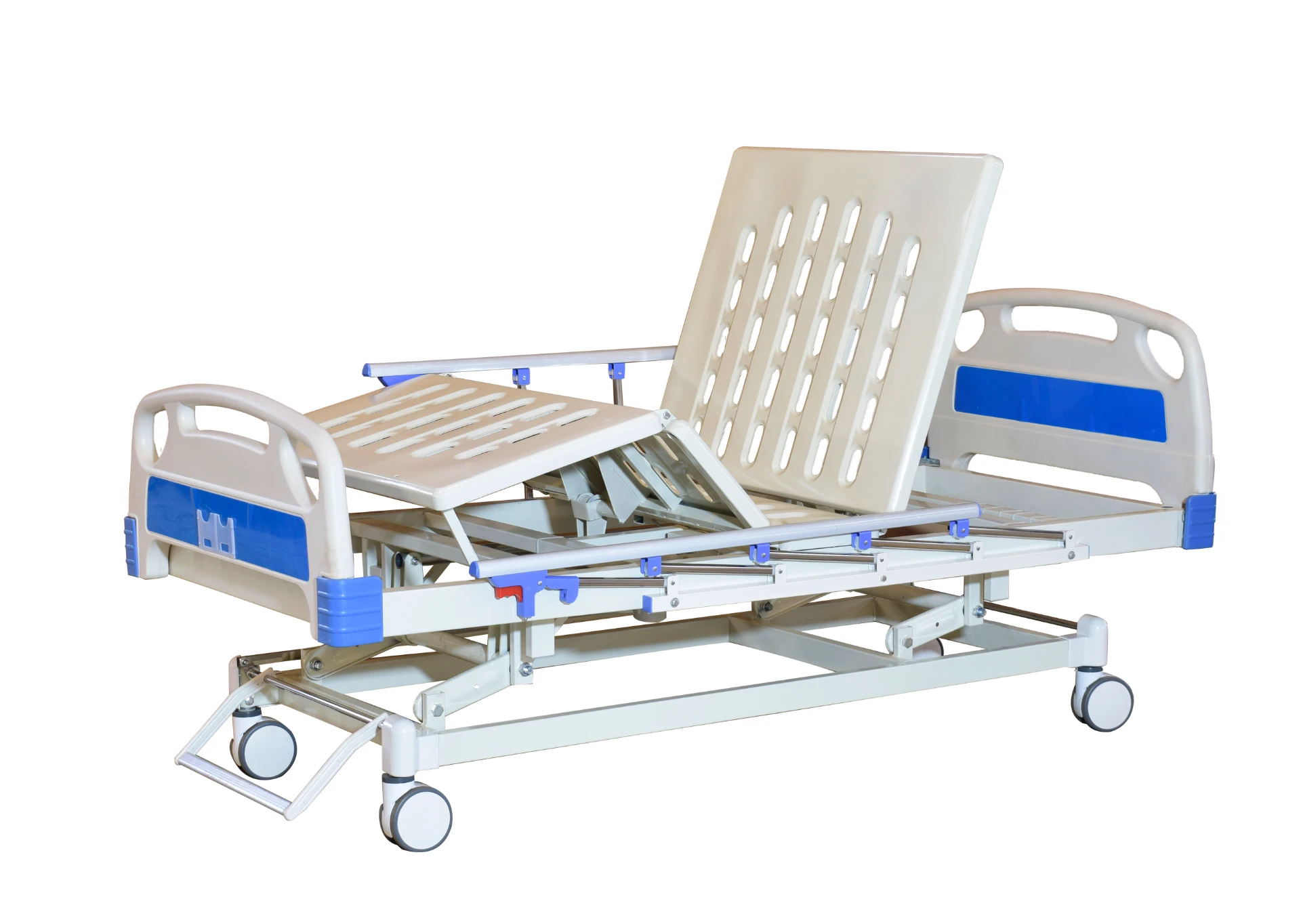
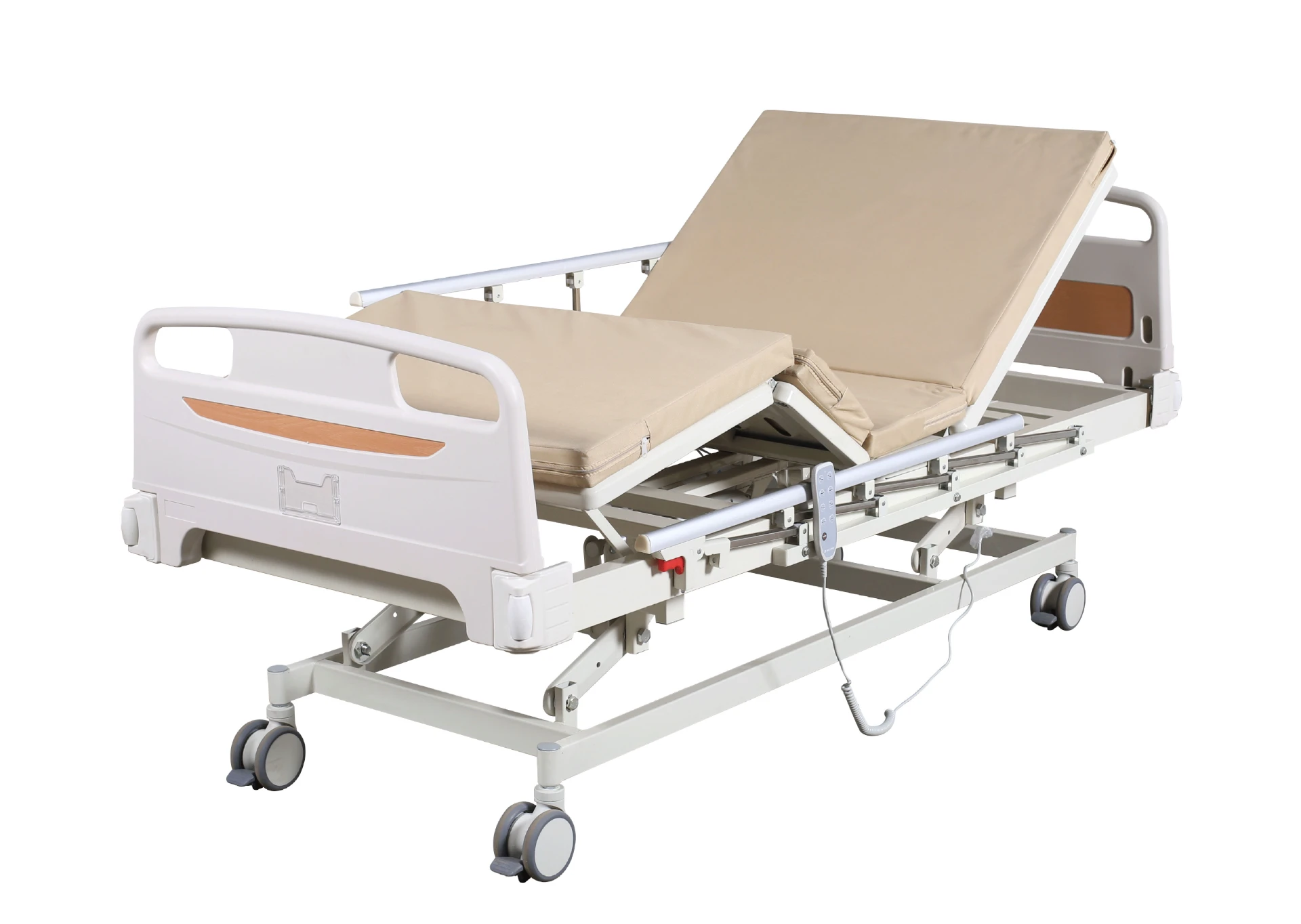
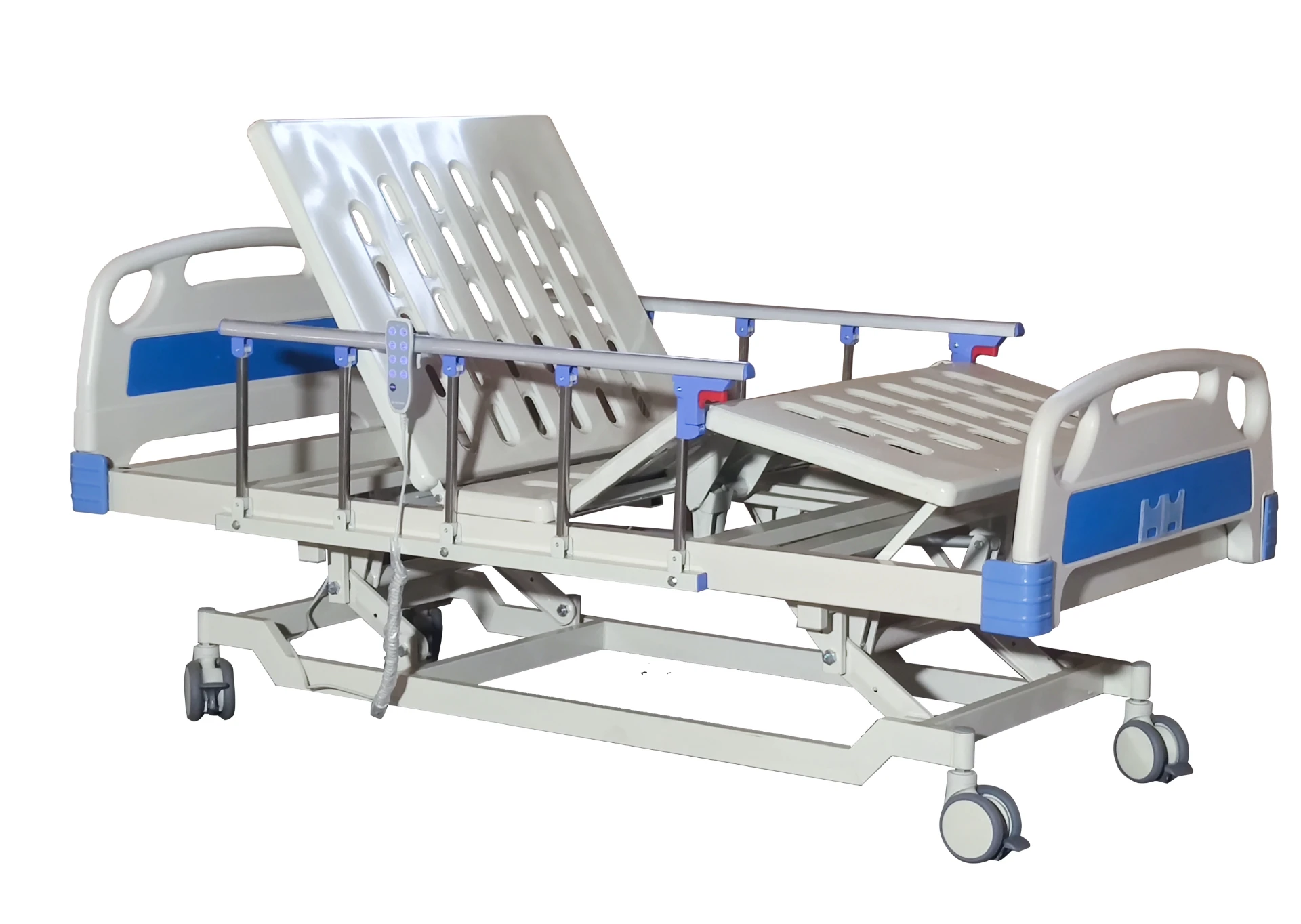
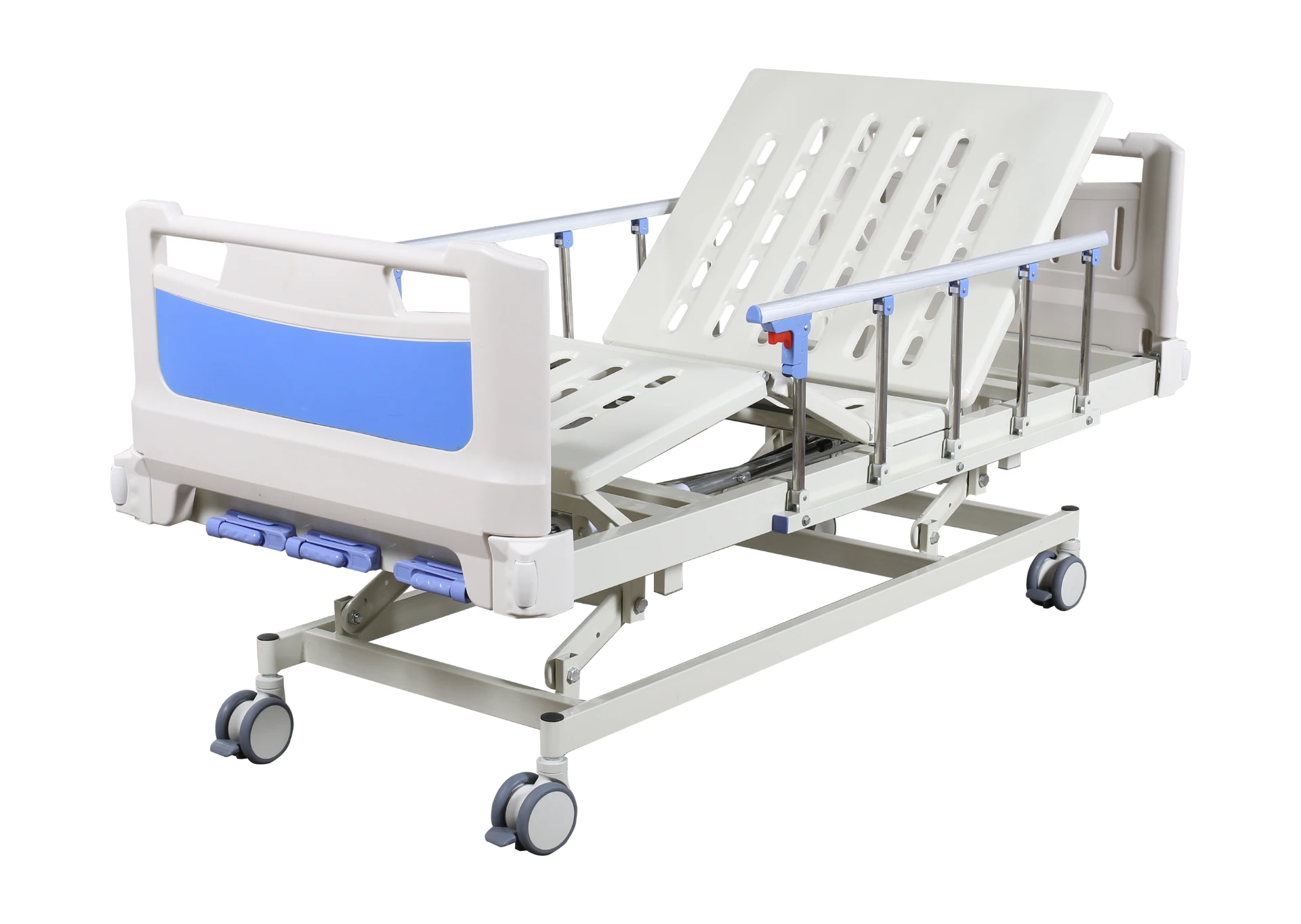
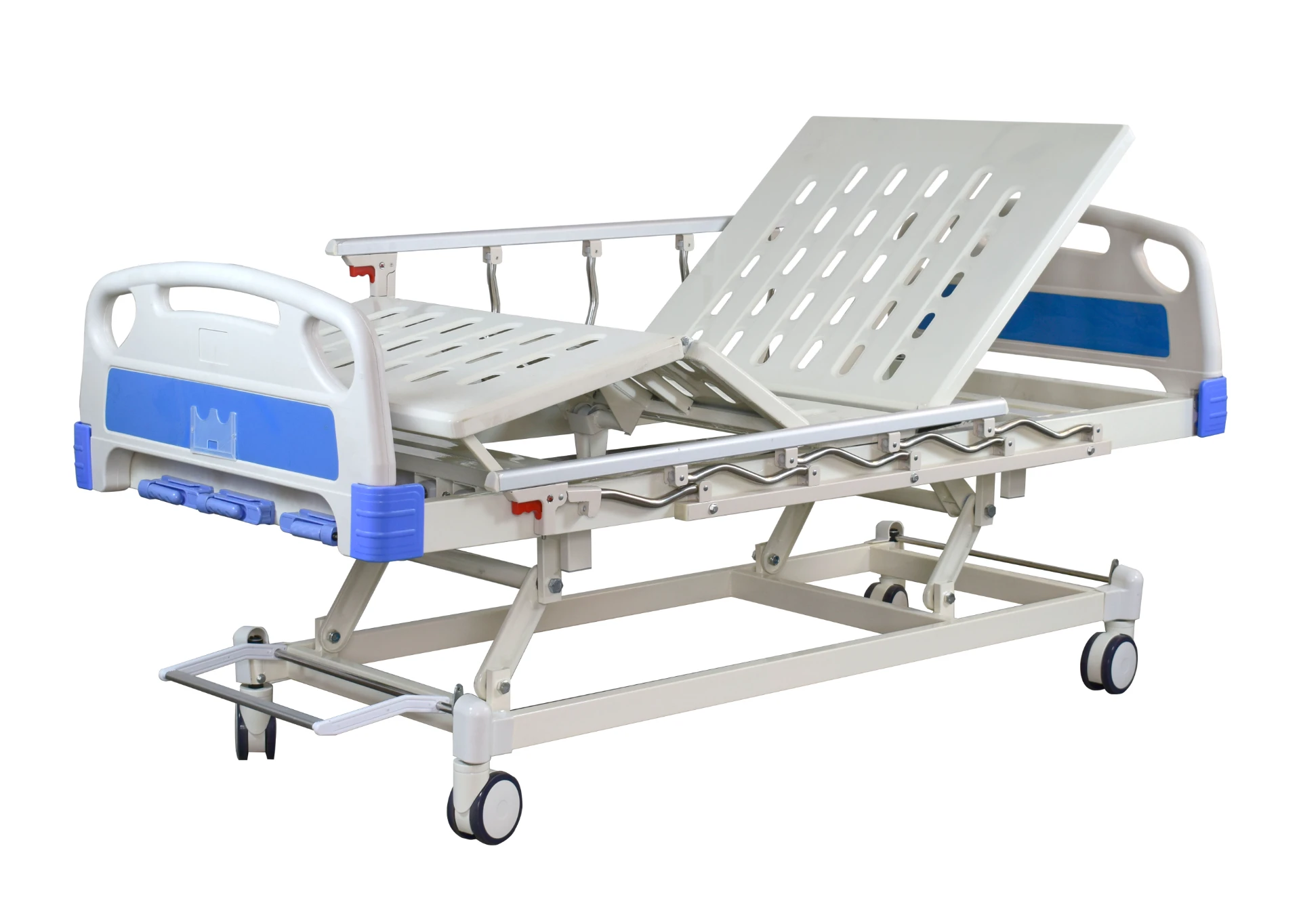
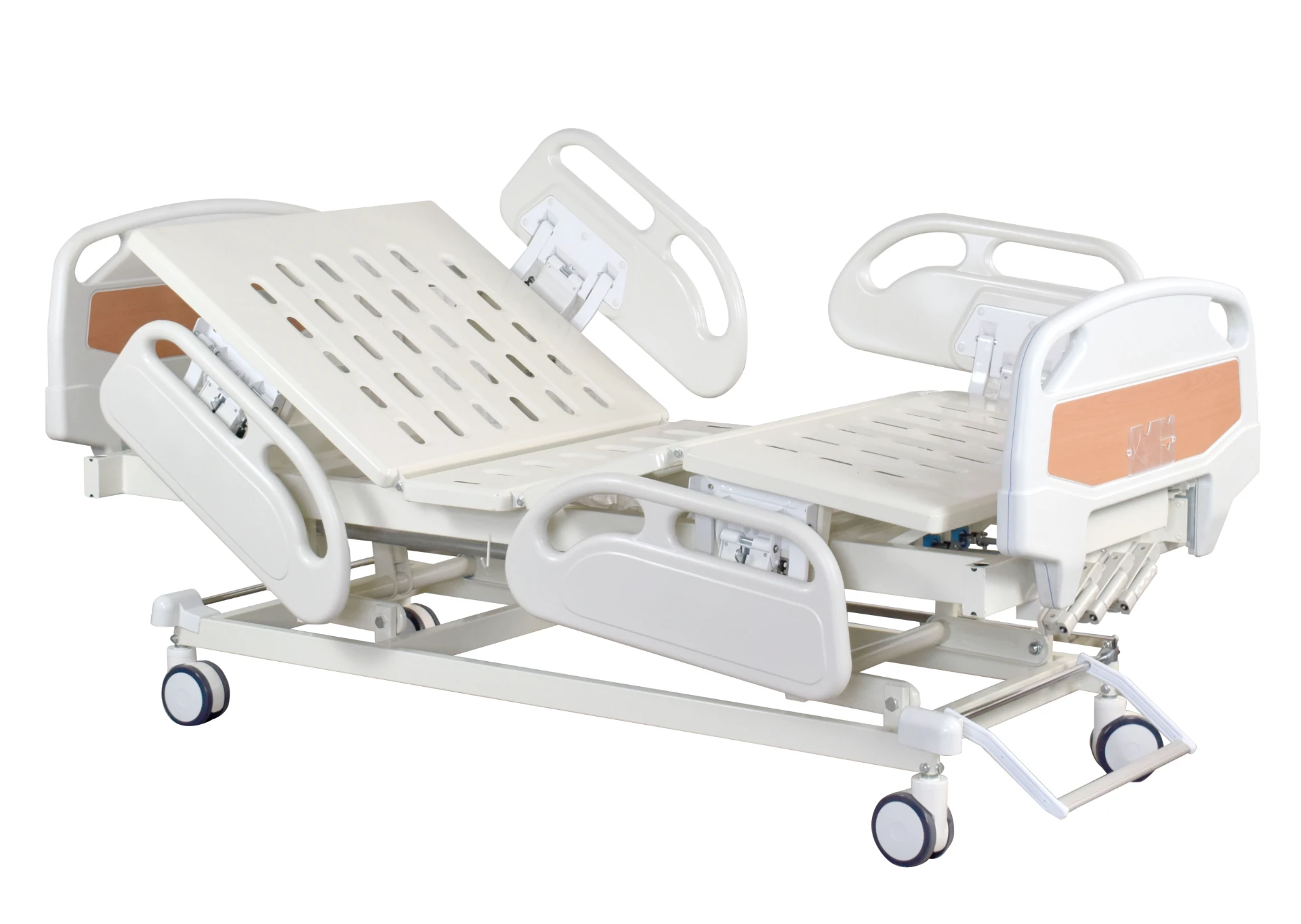
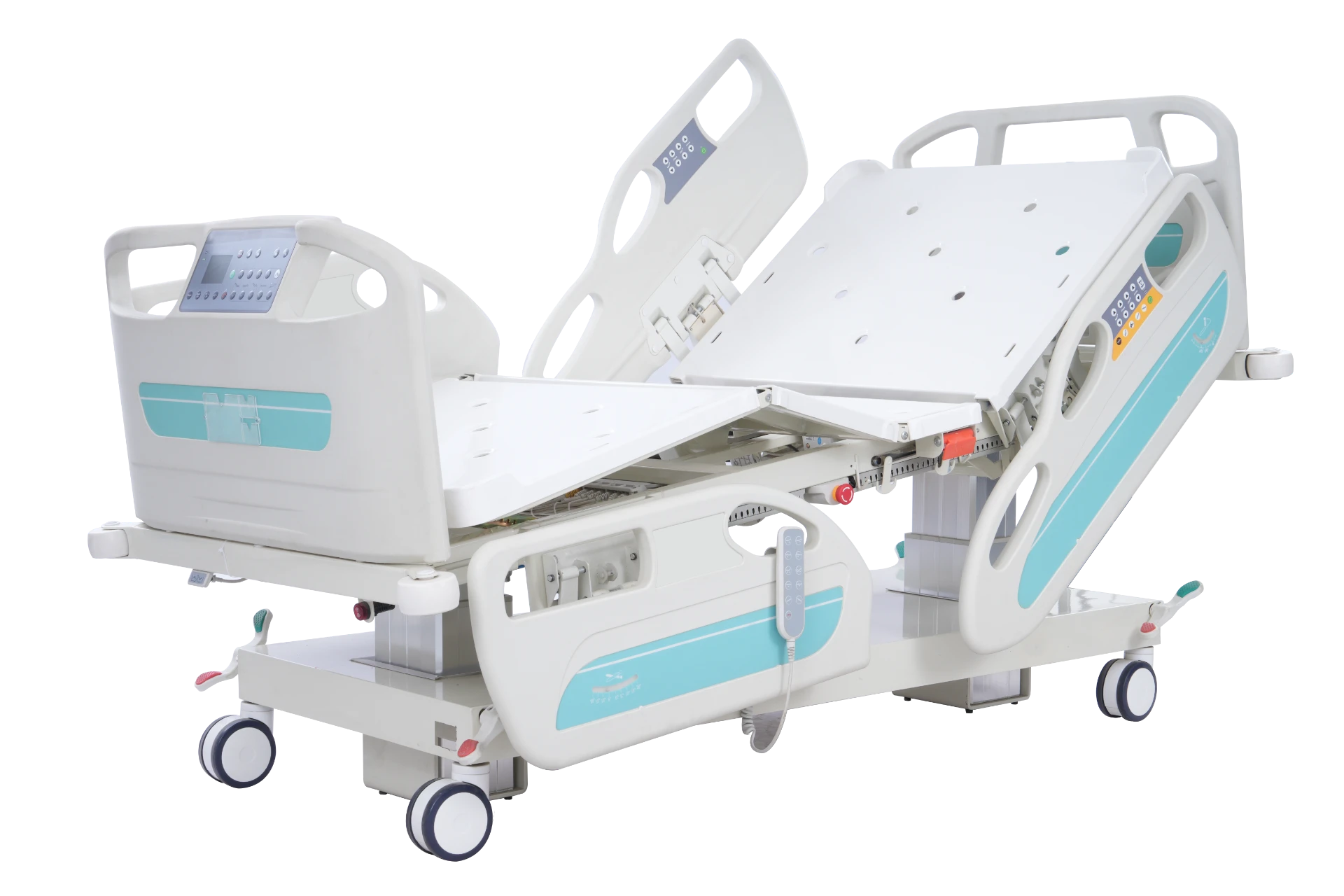
It’s funny, you know, how something seemingly simple – moving a patient from a bed to a stretcher – can be such a logistical bottleneck in a hospital or care facility. And, frankly, it's a really important safety issue. We’ve been looking at solutions for this for a while now, and it’s become increasingly clear that a dedicated transfer bed to stretcher system isn't just a convenience, it’s almost a necessity. These systems minimize strain on both patients and staff, which is huge. They’re reducing the risk of injury… a lot of it is about efficiency too, though. Getting a patient moved quickly and safely frees up beds and personnel, which is, in real terms, a cost saving.
Technical Specifications & Design Considerations
What I’ve noticed, speaking with engineers, is the emphasis is really on robustness. These aren’t delicate instruments; they’re going to get heavy use. The materials matter a lot. We're talking high-grade steel for the frames, obviously, and a lot of thought goes into the surface finishes to make them easy to disinfect. It's a surprisingly complex engineering challenge to get something that’s both strong and easy to clean. The lifting mechanisms themselves... they’re usually hydraulic or electric, and the key is smooth, controlled movement. Here’s a quick breakdown of the typical specs:
| Parameter | Value | Notes |
|---|---|---|
| Maximum Load Capacity | 200-250 kg | Depending on model |
| Lifting Height Range | 50-100 cm | Adjustable |
| Material | High-grade Steel, Aluminum Alloy | Corrosion Resistant |
Vendor Landscape and Competitive Advantages
The market is... fairly crowded, honestly. You've got a lot of players, ranging from large medical equipment manufacturers to smaller, specialized companies. It feels like a lot of them are focused on the high-end, very expensive models. CNBoxin, as far as I can tell, is doing a good job of balancing quality and price. Here's a quick comparison to some of the other vendors we’ve looked at:
| Vendor | Price Range (USD) | Key Features | Warranty |
|---|---|---|---|
| CNBoxin | $3,000 - $6,000 | Hydraulic/Electric, Adjustable Height | 1 Year |
| Hill-Rom | $8,000 - $12,000+ | Advanced Controls, Integrated Systems | 2 Years |
| Stryker | $7,000 - $10,000 | Digital Weight Scales, Wireless Connectivity | 1 Year |
Looking Ahead: Trends and Sustainability
There's a growing push for more ergonomic designs, and frankly, a demand for solutions that are easier to integrate with existing hospital systems. I suppose we’ll see more wireless connectivity and data integration in the future. Sustainability is also becoming a bigger factor; hospitals are looking for equipment that’s durable and has a long lifespan. I recently spoke with a hospital administrator who told me they're increasingly prioritizing vendors who can demonstrate a commitment to reducing their environmental impact… it’s a small thing, maybe, but it's definitely a trend.
Frequently Asked Questions about Transfer Bed To Stretcher
- What is Transfer Bed To Stretcher and how does it work?
- A Transfer Bed To Stretcher system is designed to safely and efficiently move patients between hospital beds and stretchers, minimizing the risk of injury to both the patient and healthcare staff. They typically use a hydraulic or electric lifting mechanism to raise and lower the patient, facilitating a smooth transfer.
- What are the main benefits of using Transfer Bed To Stretcher in industrial applications?
- The primary benefits include reduced risk of patient and staff injury, increased efficiency in patient transport, improved ergonomics for healthcare workers, and optimized bed turnover rates within healthcare facilities.
- How does Transfer Bed To Stretcher compare to traditional alternatives?
- Traditional methods often rely on manual lifting, which is physically demanding and carries a higher risk of injury. Transfer Bed To Stretcher systems offer a safer, more controlled, and more efficient alternative, reducing strain and promoting better patient outcomes.
- What industries can benefit most from Transfer Bed To Stretcher implementation?
- Hospitals, rehabilitation centers, long-term care facilities, and emergency medical services are among the primary industries that benefit significantly from implementing Transfer Bed To Stretcher systems. They are also useful in veterinary clinics.
In conclusion…
Ultimately, investing in a robust transfer bed to stretcher system isn’t just about convenience, it’s about prioritizing patient and staff safety, and improving operational efficiency. It's a smart investment that pays off in the long run.
-
Ultimate Guide to Choosing Extra Wide Waiting Room ChairsNewsApr.16,2026
-
Guide to Choosing Professional Waiting Room Chairs Wipeable SeatingNewsApr.09,2026
-
Enhance Your Space with Comfortable Wide Waiting Room ChairsNewsApr.07,2026
-
Selecting the Ideal Brown Waiting Room Chairs for a Welcoming SpaceNewsApr.04,2026
-
Choosing Comfortable Patient Waiting Room Chairs for Healthcare FacilitiesNewsMar.31,2026
-
Finding the Best Deals on Affordable and Cheap Reception Chairs for Your BusinessNewsMar.28,2026
-
Enhance Your Business Reception with Comfortable Blue Reception ChairsNewsMar.26,2026