Welcome to our websites!


Smart Beds in Hospitals: Enhancing Patient Care with Technology
Understanding Smart Beds in Hospitals: Revolutionizing Patient Care
The healthcare landscape is evolving rapidly, driven by technology and an ever-growing demand for enhanced patient comfort, safety, and efficiency. Among these innovations, smart beds in hospitals stand out as an essential advancement. These beds do far more than just support a patient—they actively monitor, adjust, and even predict needs, improving recovery rates and streamlining hospital workflows. Globally, with trends showing aging populations and rising chronic illnesses, the integration of smart beds is becoming more than a luxury—it’s a necessity.
Global Context: Why Do Smart Hospital Beds Matter?
According to the World Health Organization, the global population aged 60 years and older is expected to double by 2050, reaching 2.1 billion (1). This poses a massive challenge for healthcare systems worldwide, particularly in inpatient care requiring prolonged stays. Hospitals are pressed to improve patient outcomes while managing limited staff and growing costs.
In fact, the international hospital bed market is projected to grow at a CAGR of about 7.4% over the next five years (2). This signals increased adoption of smarter, tech-enabled solutions to tackle inefficiencies in traditional hospital beds—such as pressure ulcers, patient falls, and suboptimal nurse-patient ratios.
Herein lies the problem: Traditional beds rely on manual adjustments, increasing risks of injury and error. Smart beds in hospitals address these challenges with automation and connectivity, transforming patient care globally.
What Are Smart Beds in Hospitals?
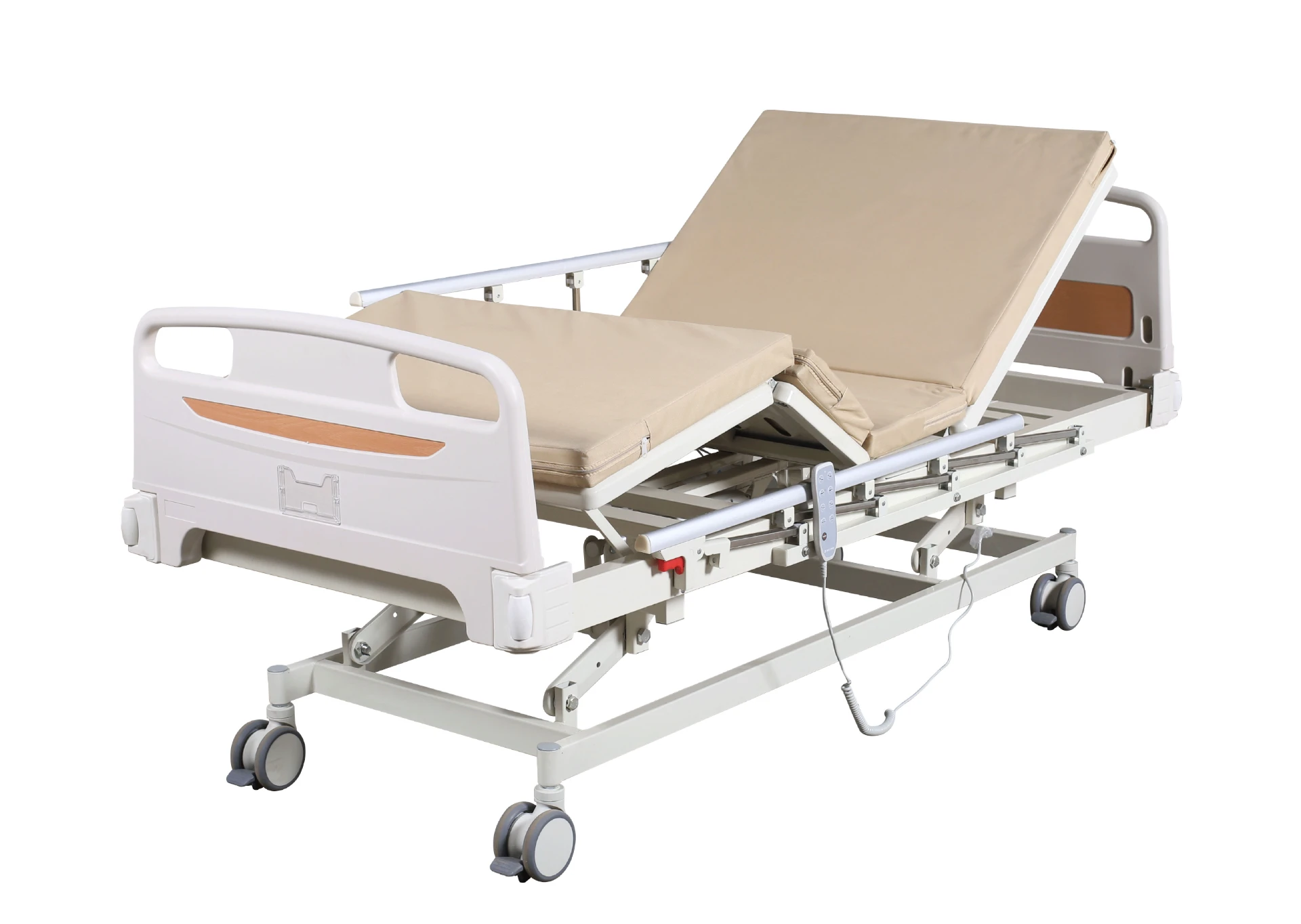
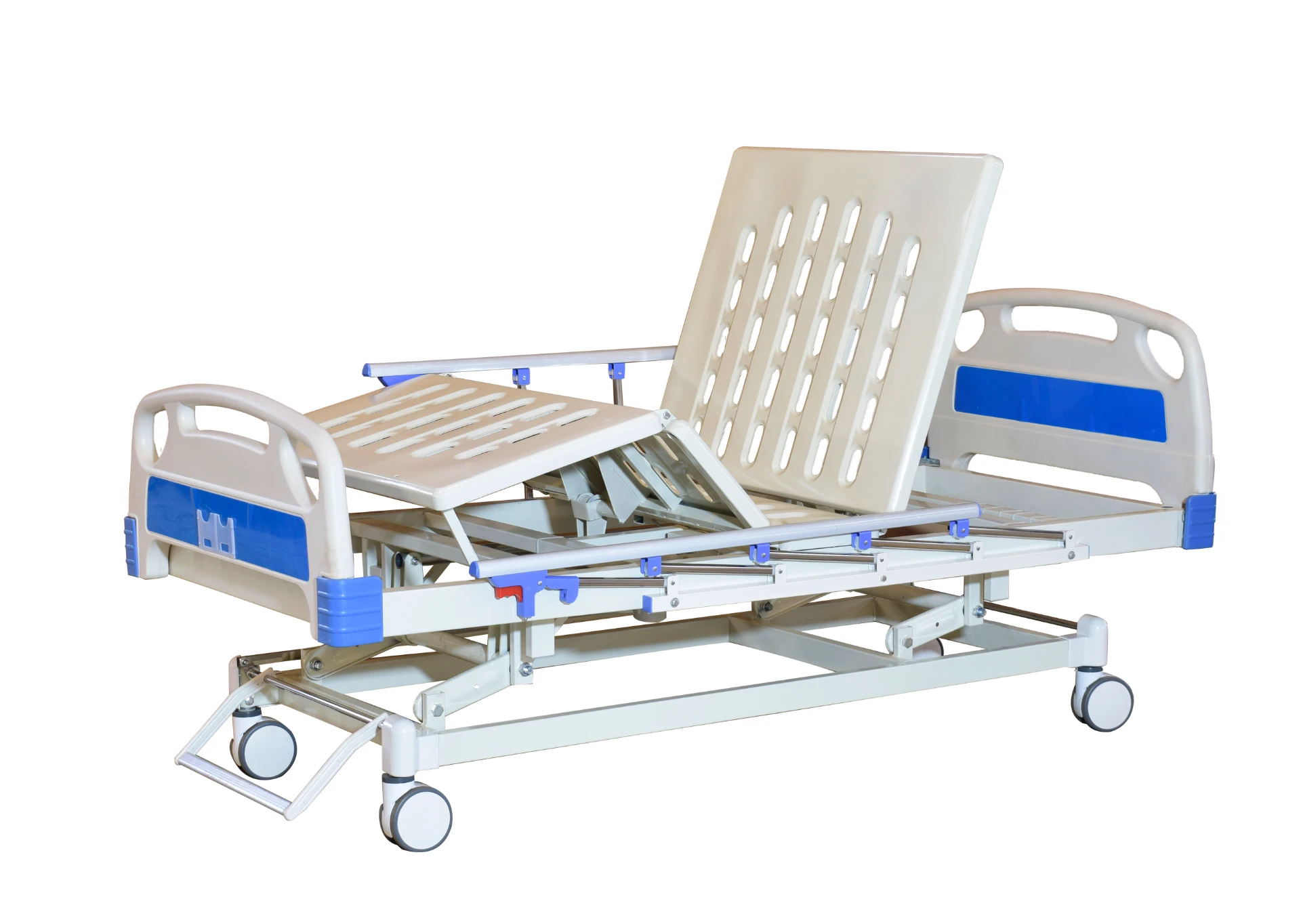
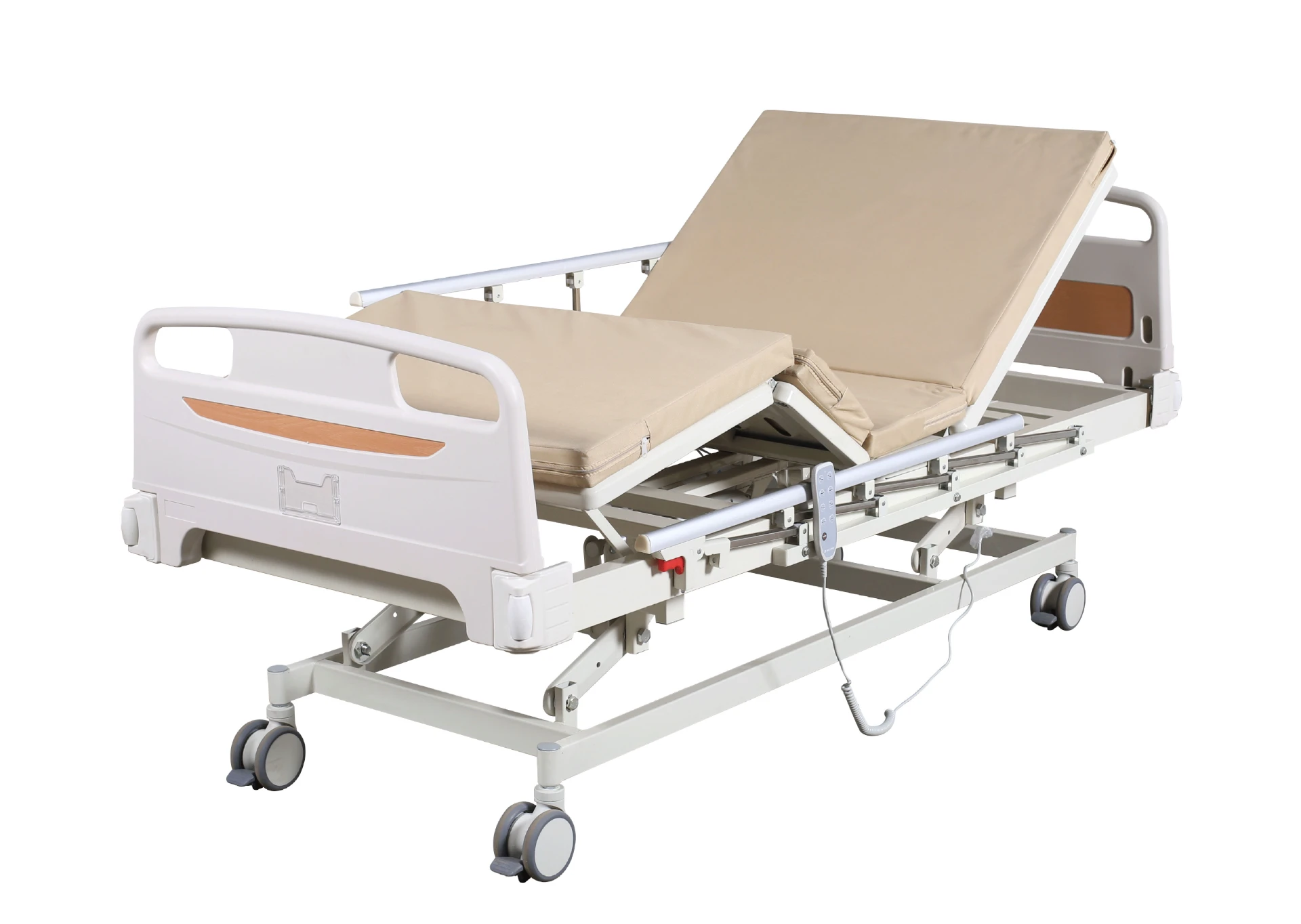
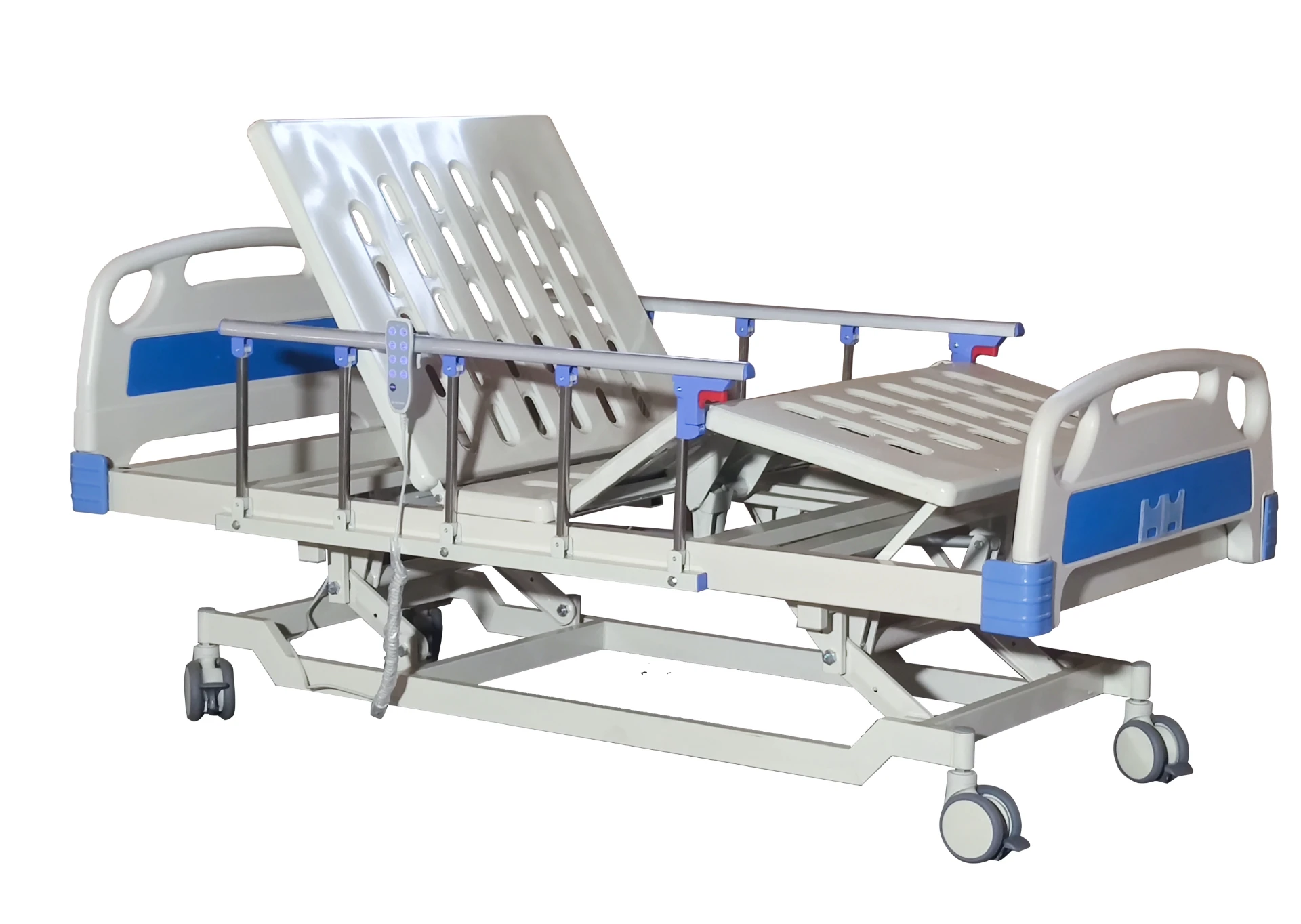
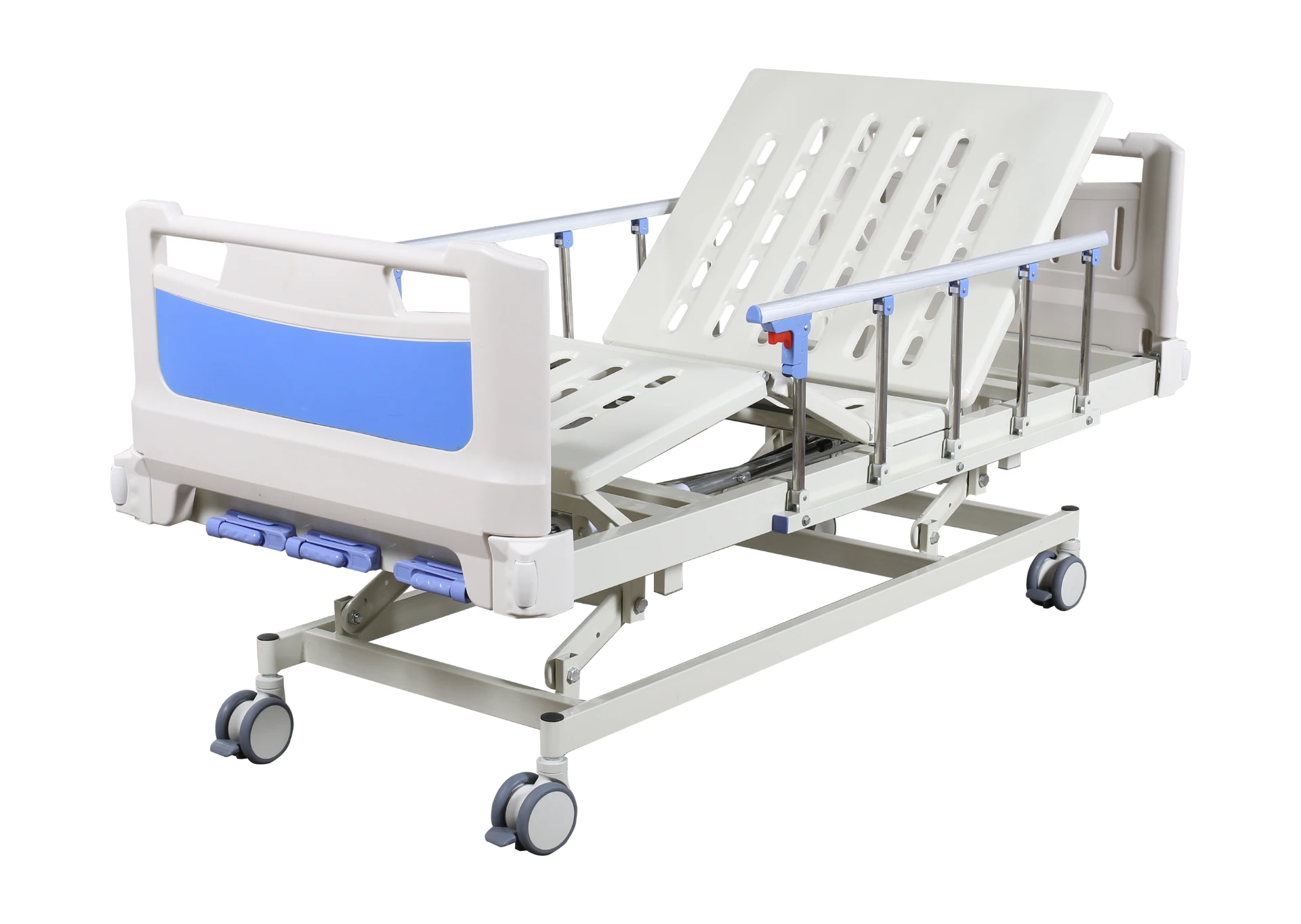
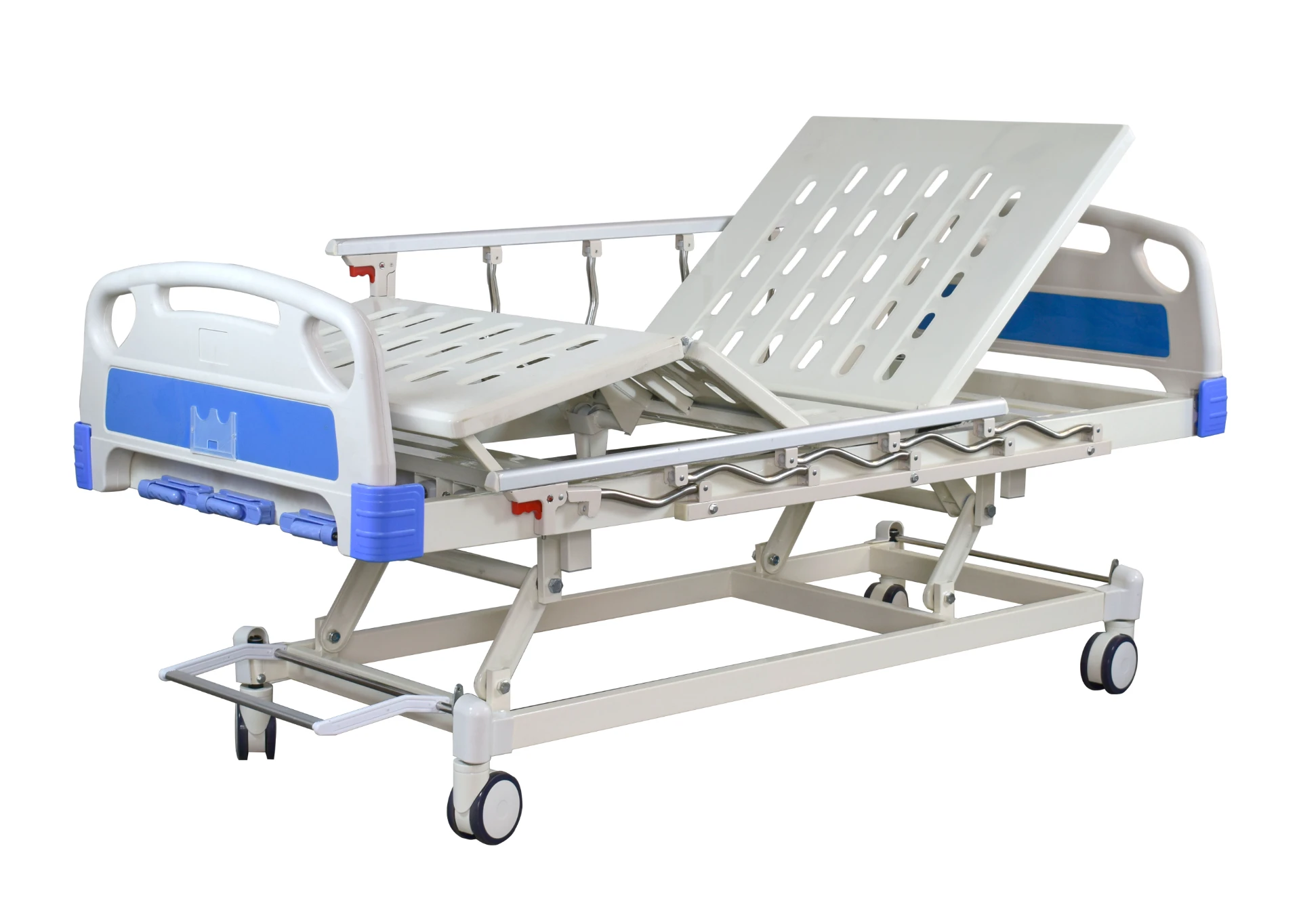
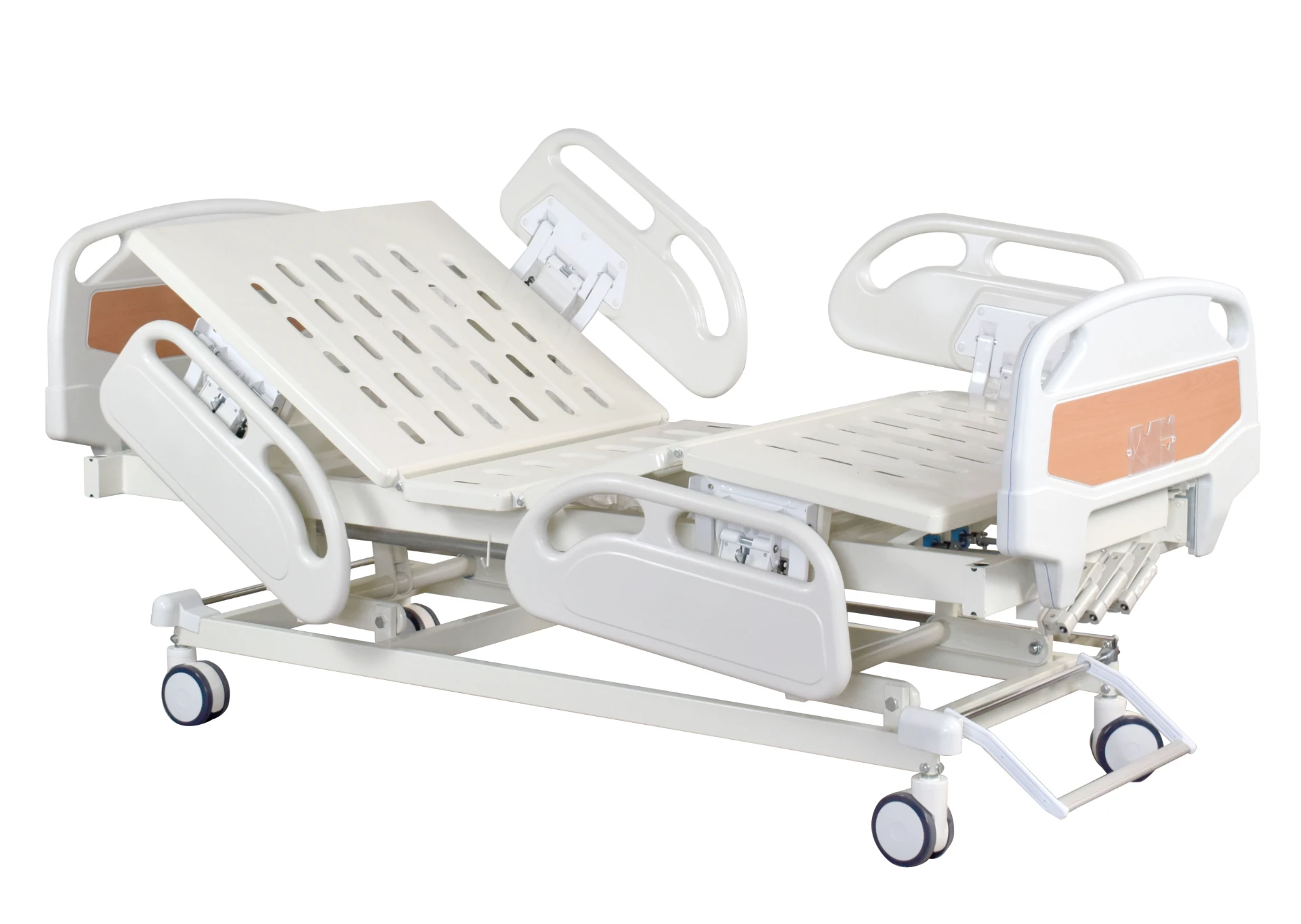
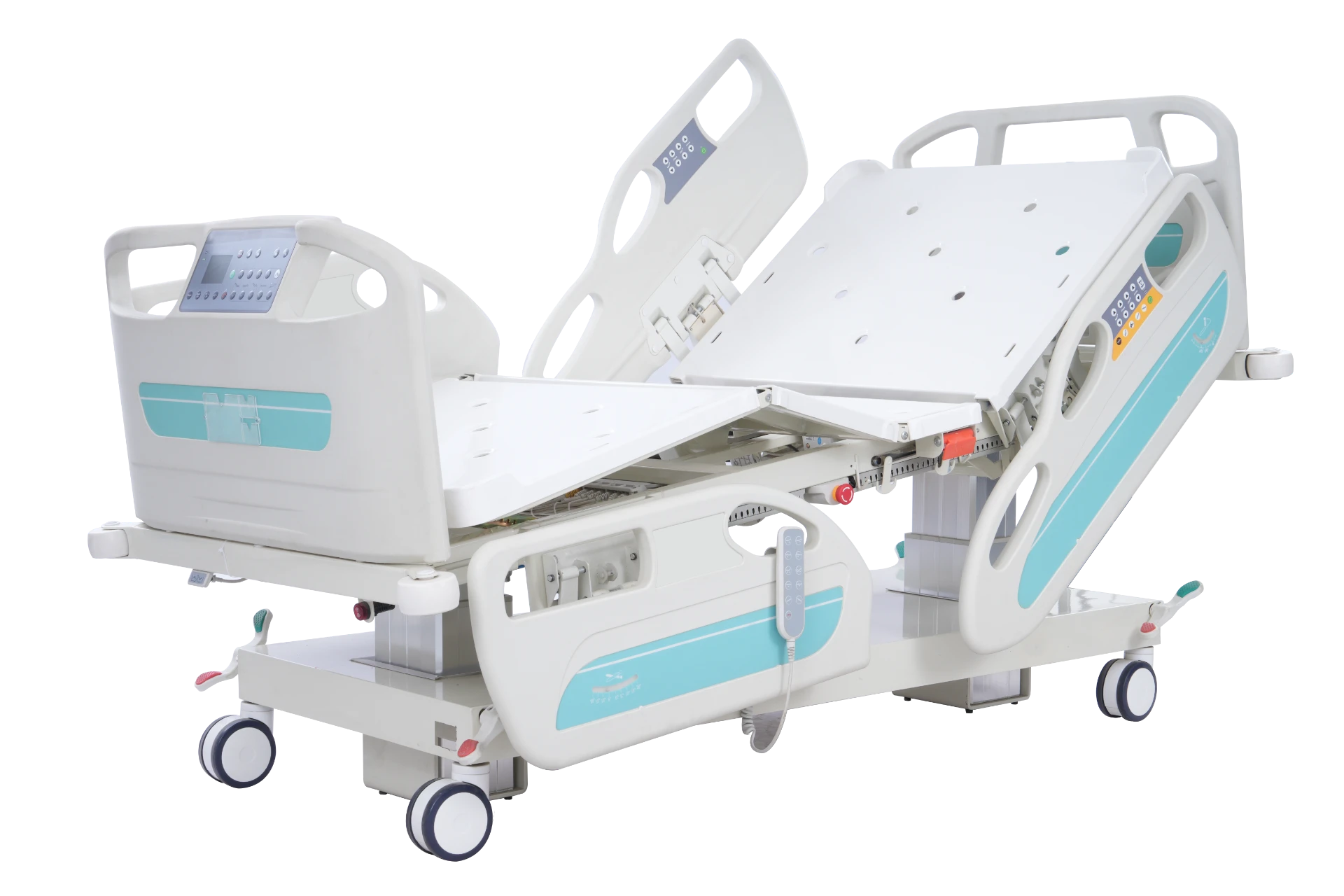
Simply put, smart hospital beds are advanced patient beds equipped with sensors and computerized systems that continuously monitor various health parameters and automatically adjust to optimize patient comfort, safety, and treatment.
Beyond mechanical support, these beds integrate features like pressure mapping to prevent bedsores, weight sensing for accurate patient data, and real-time communication with hospital staff. This connectivity supports timely interventions and enhances workflow efficiency.
In the broader healthcare context, smart beds reflect the digital transformation era—where data-driven decisions and patient-centric design intersect. They answer humanitarian needs by reducing adverse events and improving quality of life for vulnerable populations in hospitals or long-term care facilities.
Key Components of Smart Beds in Hospitals
1. Advanced Sensor Systems
Embedded pressure sensors track patient movements and pressure points, helping avert bedsores. Weight sensors allow continuous monitoring of patient weight changes without manual handling—super useful in critical care.
2. Automated Positioning and Adjustments
Motorized frames can tilt, elevate, or recline the bed automatically based on programmed therapy needs or patient-initiated controls, improving circulation and respiratory function.
3. Integrated Patient Monitoring
Some beds come with vital signs monitoring—like heart rate or respiratory rate—transmitting data to nurse stations, which boosts proactive care and reduces alarm fatigue.
4. Connectivity and IoT Integration
Networked smart beds sync with hospital electronic medical records (EMRs) and nurse call systems, centralizing patient data and streamlining communication.
5. Durability and Infection Control
Materials are designed to withstand rigorous hospital cleaning protocols, with easy-to-disinfect surfaces crucial to infection prevention.
| Feature | Specification | Benefit |
|---|---|---|
| Pressure Sensors | Up to 256-zone sensor mapping | Prevents pressure ulcers and bedsores |
| Motorized Adjustments | Multi-position with memory presets | Improves patient comfort and therapy |
| Vital Sign Monitors | Optional heart rate, respiration sensors | Early warning for critical events |
| Connectivity | Wi-Fi/Bluetooth and EMR integration | Streamlines data and staff coordination |
Mini takeaway: Smart beds in hospitals fuse engineering, medicine, and IT, enhancing patient safety and comfort through sensor tech, automation, and seamless data flow.
Global Applications & Real-World Use Cases
Smart beds have found footholds across diverse regions and healthcare settings. For example:
- Europe and North America: Hospitals here, often at the cutting edge of tech, deploy smart beds in ICUs to continuously monitor critical patients, reducing nurse workload and improving outcomes.
- Asia-Pacific: Rapidly expanding healthcare infrastructure in countries like Japan and South Korea includes high-tech smart beds to cater to growing elderly populations.
- Post-disaster or remote zones: Organizations operating field hospitals use mobile smart bed units integrating vital sign monitoring to enhance care in challenging circumstances.
One notable example is a pilot program in a prominent U.S. hospital where smart beds reduced fall incidents by nearly 30% in high-risk wards (3). The beds' ability to alert staff instantly upon sudden patient movement was a game changer.
Smart beds in hospitals also see use in long-term care settings, supporting patients with mobility restrictions, and even in home healthcare, reflecting a trend towards decentralized care.
Comparing Leading Smart Bed Vendors
| Vendor | Key Features | Price Range | Target Market |
|---|---|---|---|
| Hillrom | Advanced patient monitoring, integrated EMR | $6,000–$10,000 | Large hospitals and ICUs |
| Stryker | Modular design, infection control features | $5,500–$9,500 | Acute care & rehabilitation centers |
| Linak | Focus on automation & ease of use | $4,500–$8,000 | Smaller hospitals and clinics |
Advantages & Long-Term Value of Smart Beds
Beyond upfront cost, smart beds offer substantial benefits:
- Enhanced Safety: Automatic alerts and better positioning reduce falls and sores.
- Cost Efficiency: Reduces nursing time spent on repositioning or manual monitoring, freeing staff for higher-value tasks.
- Patient Dignity and Comfort: Responsive beds that adapt to individual needs foster a healing environment.
- Data-Driven Care: Continuous monitoring feeds into clinical decision-making, which can shorten hospital stays.
- Sustainability: Durable materials and smart energy-saving designs reduce replacement frequency and energy consumption.
Many healthcare professionals report a stronger trust from patients who perceive higher-quality care when smart beds are involved—soft but important, isn’t it?
Future Trends in Smart Hospital Beds
Looking ahead, there’s buzz around AI-powered predictive analytics embedded into beds to forecast patient deterioration and suggest interventions. Integration with wearable health devices and mobile apps will likely grow.
Then there's the push toward greener hospitals; expect smart beds with solar combo charging and recyclable materials gaining adoption. Also, COVID-19 accelerated interest in beds that support telemedicine, reducing direct contact while maintaining quality monitoring.
Challenges & Solutions
Of course, it’s not all roses. Some challenges include:
- Cost Barriers: Initial investments can be steep, particularly for smaller institutions.
- Technical Complexity: Staff need training to use these beds optimally.
- Data Security: Sensitive patient data transmission must be safeguarded rigorously.
Hospitals often overcome these by phased rollouts, partnerships with vendors, and adopting industry best practices for cybersecurity. Plus, smart beds in hospitals are becoming more affordable as technology matures, which helps.
FAQ: Frequently Asked Questions About Smart Beds in Hospitals
- How do smart hospital beds help prevent patient falls?
- Smart beds monitor patient movement and position, sending alerts to staff if unusual activity is detected. They often include alarms if a patient attempts to leave the bed unassisted, allowing timely intervention to prevent falls.
- Are smart beds easy to clean and maintain?
- Yes. Manufacturers design smart beds with smooth, antimicrobial surfaces and waterproof components to withstand hospital cleaning protocols, thereby reducing infection risks.
- Can smart beds integrate with existing hospital IT systems?
- Many smart beds support integration with hospital EMRs and nurse call systems through standard protocols, facilitating data flow and coordinated care.
- What is the typical lifespan of a smart hospital bed?
- Generally, the lifespan is around 7–10 years depending on usage and maintenance. Modular designs allow for parts upgrades, extending overall service life.
- Are these beds suitable for home healthcare?
- Some models are specifically built for home use with simpler interfaces and remote monitoring features, supporting patient independence while linking back to healthcare providers.
Conclusion: Embracing the Future with Smart Beds in Hospitals
Smart beds in hospitals clearly represent a leap forward in marrying technology with compassionate care. The long-term benefits—ranging from reduced complications and cost savings to enhanced patient dignity—make them an investment worth considering for any healthcare facility aiming to improve outcomes. If you’re curious about how to integrate these into your healthcare practice, I recommend exploring resources like this platform for up-to-date solutions and expert advice.
As healthcare continues to evolve, smart beds will likely become as ubiquitous as the stethoscope—an indispensable tool for modern care.
Quick takeaway: Smart hospital beds blend technology with healing, shaping a safer, more efficient healthcare future.
- World Health Organization, Ageing and Health, 2021.
- Global Hospital Beds Market Report, 2023.
- Johnson et al., "Reducing Patient Falls with Smart Beds," Journal of Patient Safety, 2022.
-
Ultimate Guide to Choosing Extra Wide Waiting Room ChairsNewsApr.16,2026
-
Guide to Choosing Professional Waiting Room Chairs Wipeable SeatingNewsApr.09,2026
-
Enhance Your Space with Comfortable Wide Waiting Room ChairsNewsApr.07,2026
-
Selecting the Ideal Brown Waiting Room Chairs for a Welcoming SpaceNewsApr.04,2026
-
Choosing Comfortable Patient Waiting Room Chairs for Healthcare FacilitiesNewsMar.31,2026
-
Finding the Best Deals on Affordable and Cheap Reception Chairs for Your BusinessNewsMar.28,2026
-
Enhance Your Business Reception with Comfortable Blue Reception ChairsNewsMar.26,2026